
Understanding priority road signs is crucial for smooth and safe traffic flow, especially at junctions and complex intersections. This group of signs dictates who has the right of way, when you must yield, and when you can proceed. Mastering these signs will not only help you pass your driving theory test with confidence but also ensure you make the correct decisions on the road, preventing potential conflicts and accidents.
An explanation of how Danish Priority Signs road signs apply in real traffic situations in Denmark. Learn where these signs are typically placed, what drivers are expected to do when they appear, and how correct reactions help you stay safe, avoid fines, and succeed in your Danish driving theory exam.
Danish priority signs are frequently encountered in urban and rural environments, particularly at junctions, intersections, and merges where the flow of traffic needs to be regulated. You'll see the 'Yield' (B11) and 'Stop' (B13) signs at locations where your right of way is not guaranteed, requiring you to let other traffic pass first. The 'Main Road' (B16) sign informs you that you have priority on the upcoming road, while 'End of Main Road' (B17) signals that this priority will cease. Signs like 'Lane Merge' (B15) indicate that two lanes are combining, requiring cooperation. You may also encounter specific hazards indicated by signs like 'Light Rail Crossing' (UB11.3) or 'Two-way cycle track crossing' (UB11.2), which often have associated priority rules. Understanding these signs is fundamental to safely approaching and navigating any situation where different traffic streams meet, ensuring you know when to pause and when to proceed.
An overview of the key learning outcomes when studying the Danish Priority Signs road sign category. Understand the main concepts, sign meanings, and traffic situations covered here so you can recognise patterns, answer theory questions more confidently, and build a solid foundation for safe driving in Denmark.
This collection covers essential Danish priority signs that dictate movement order at junctions, merges, and crossings. Studying these traffic signs together helps you recognise common right-of-way scenarios, crucial for your theory test revision and safe driving in Denmark.
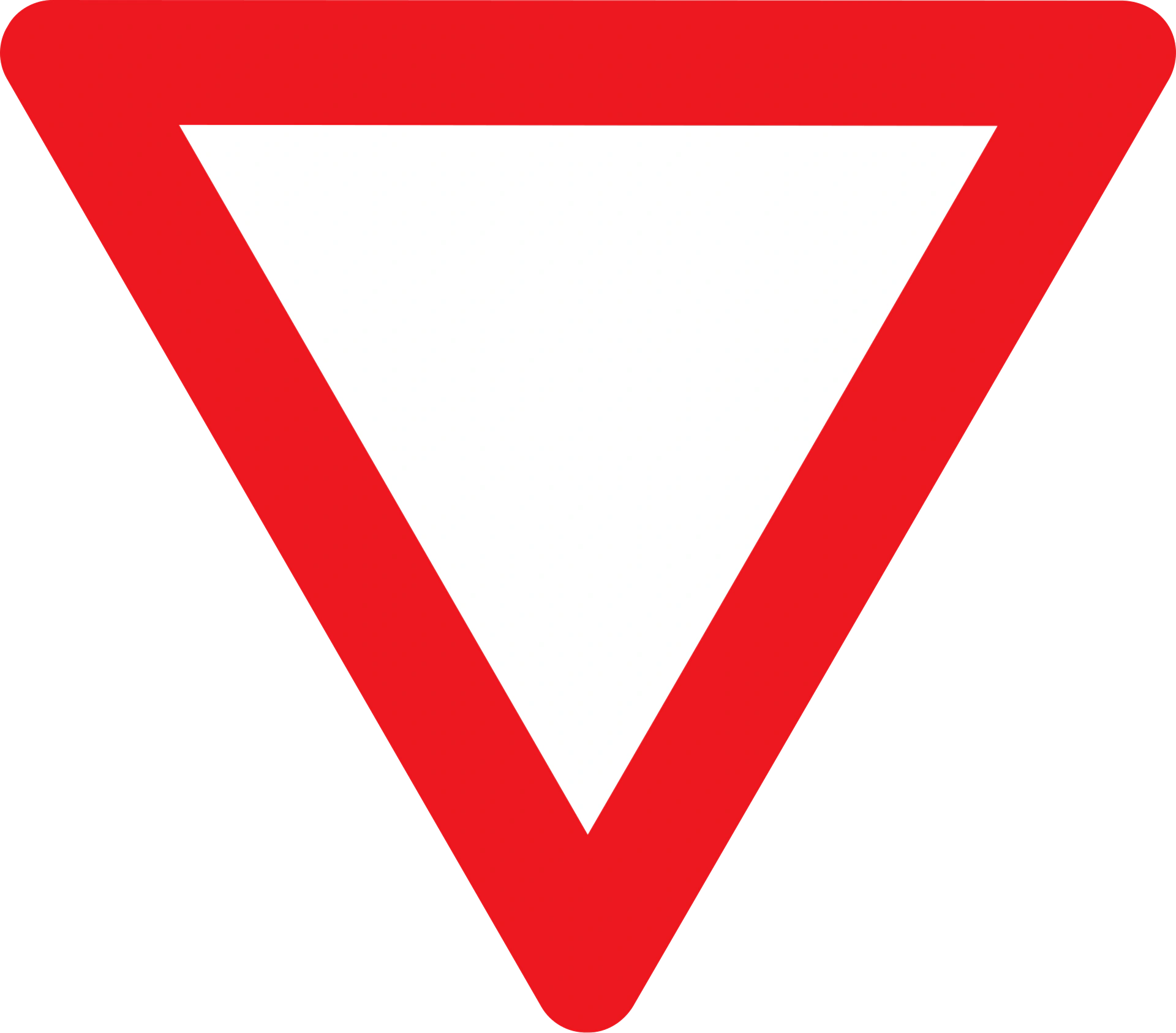
The B11 'Yield' sign means you must give way to other traffic.
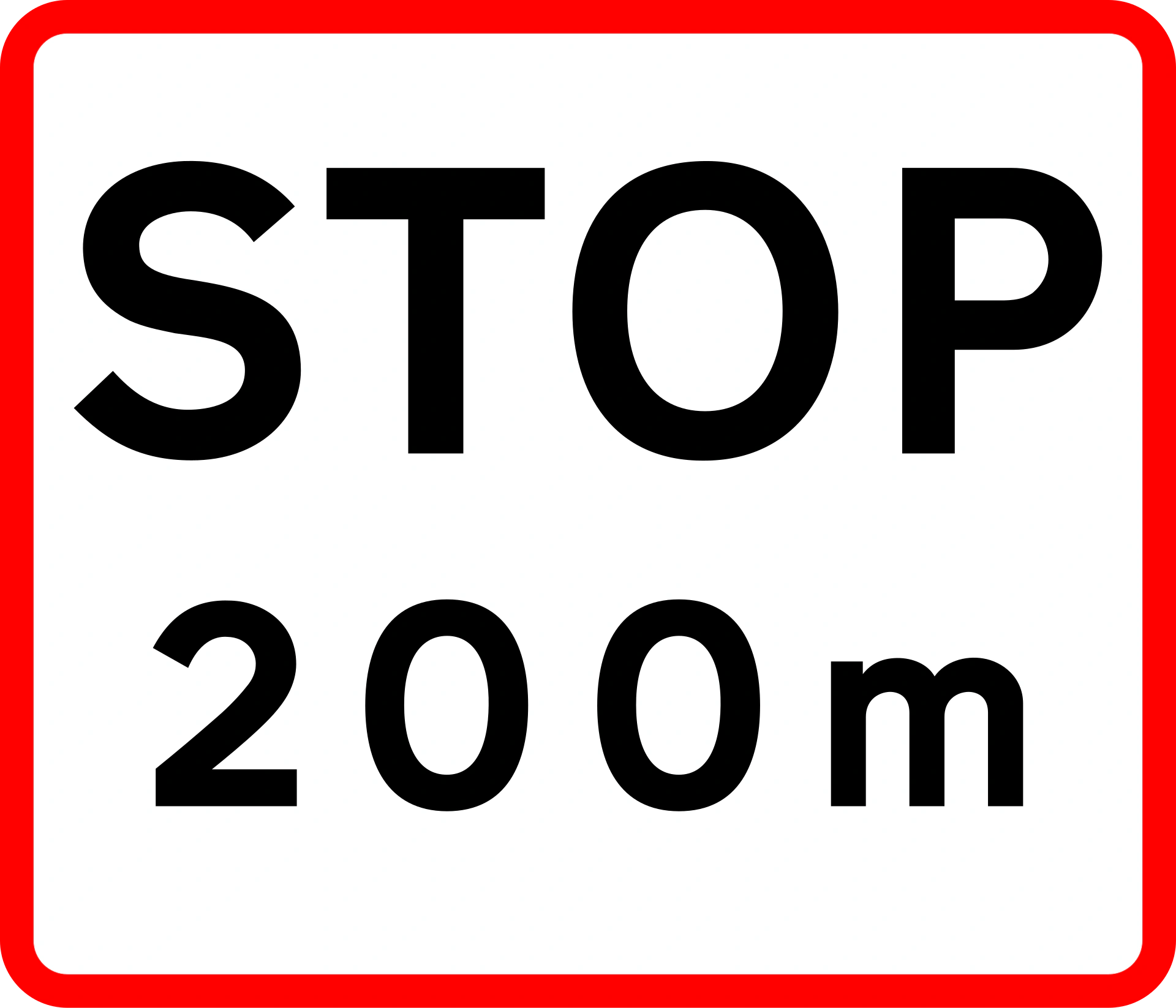
Understand the Danish 'Stop Ahead' (UB11.1) Priority Sign
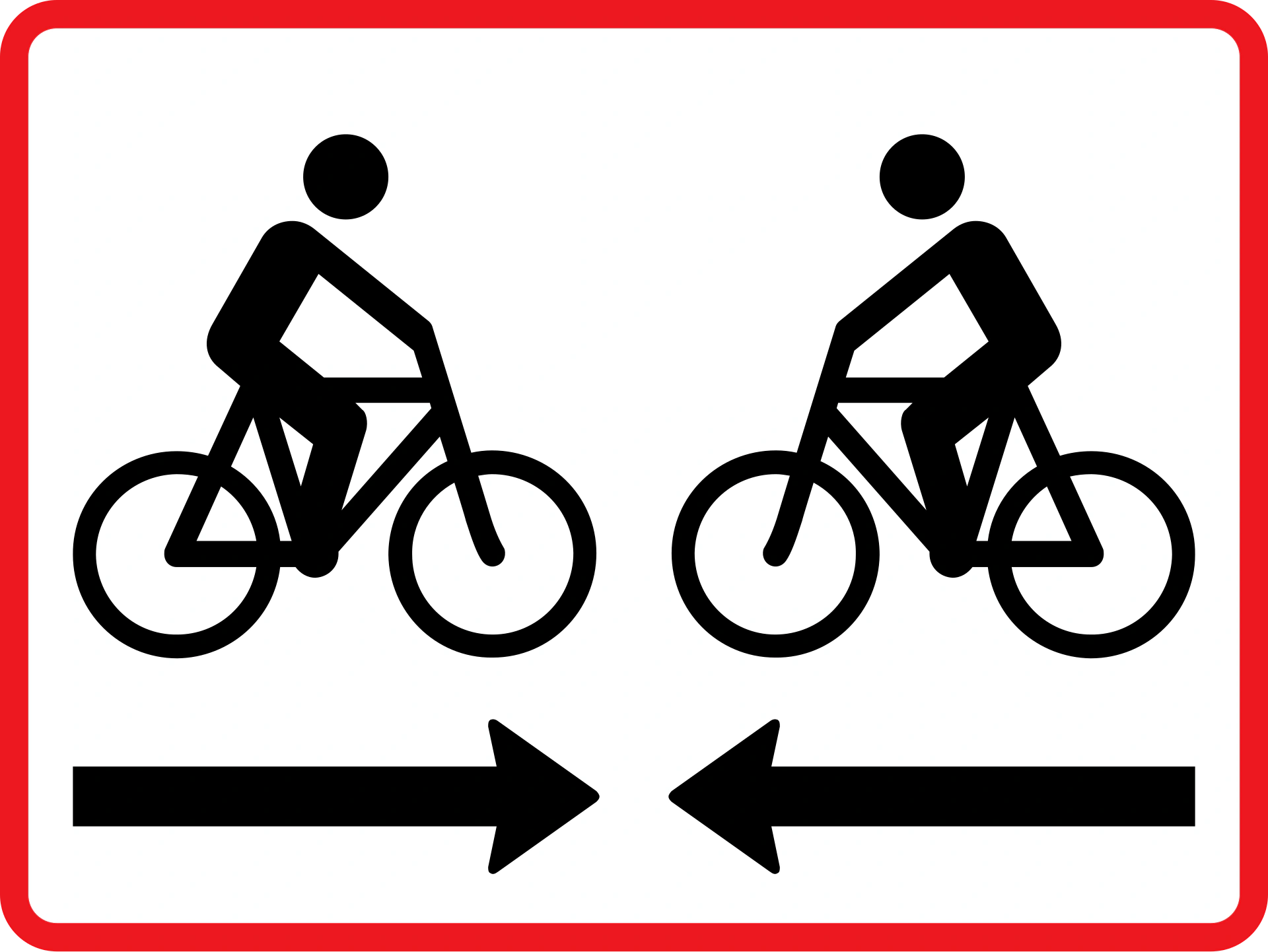
Know your priority at this two-way cycle track crossing with sign UB11.2
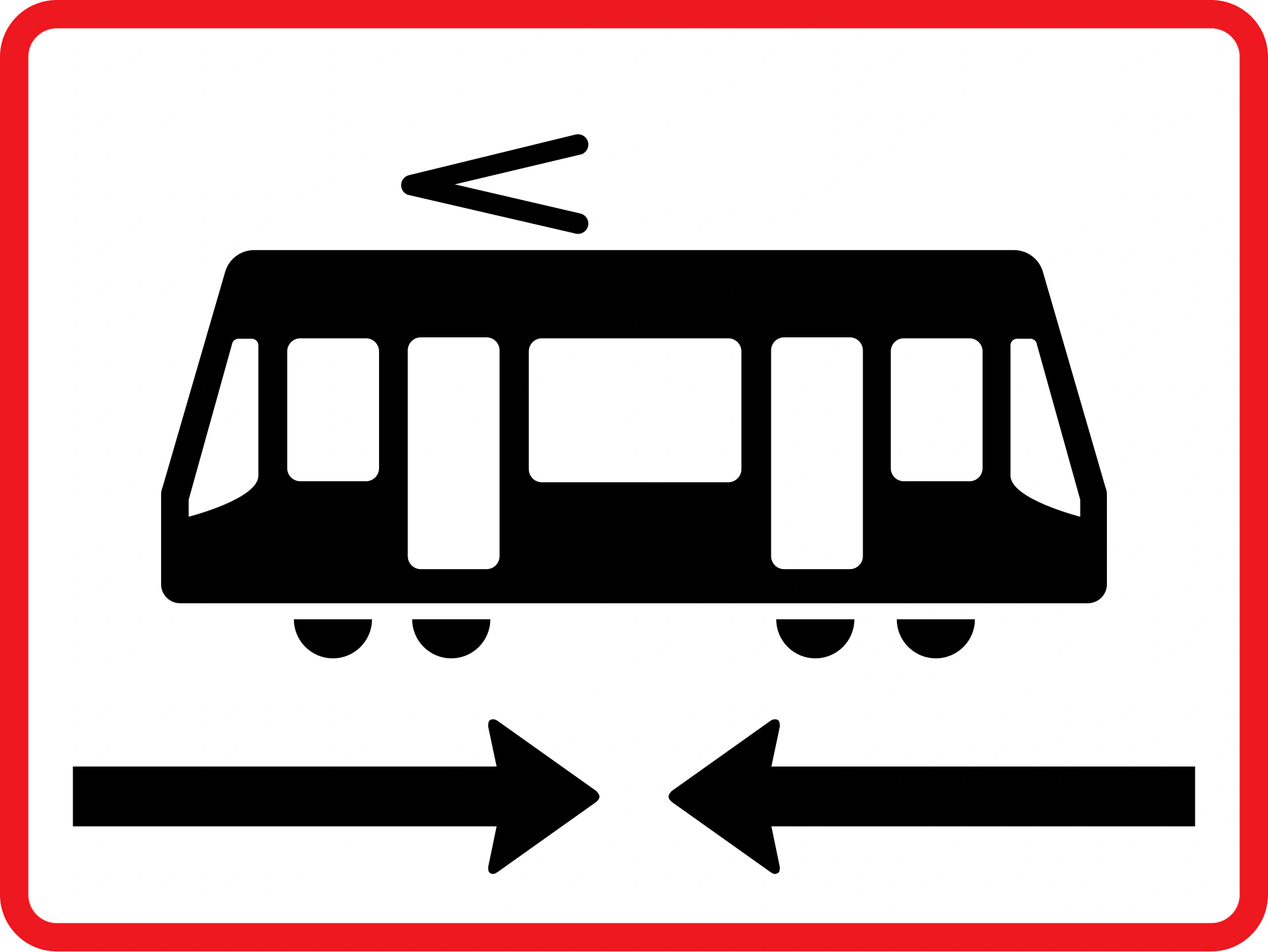
Know your priority at light rail crossings with the UB11.3 sign.
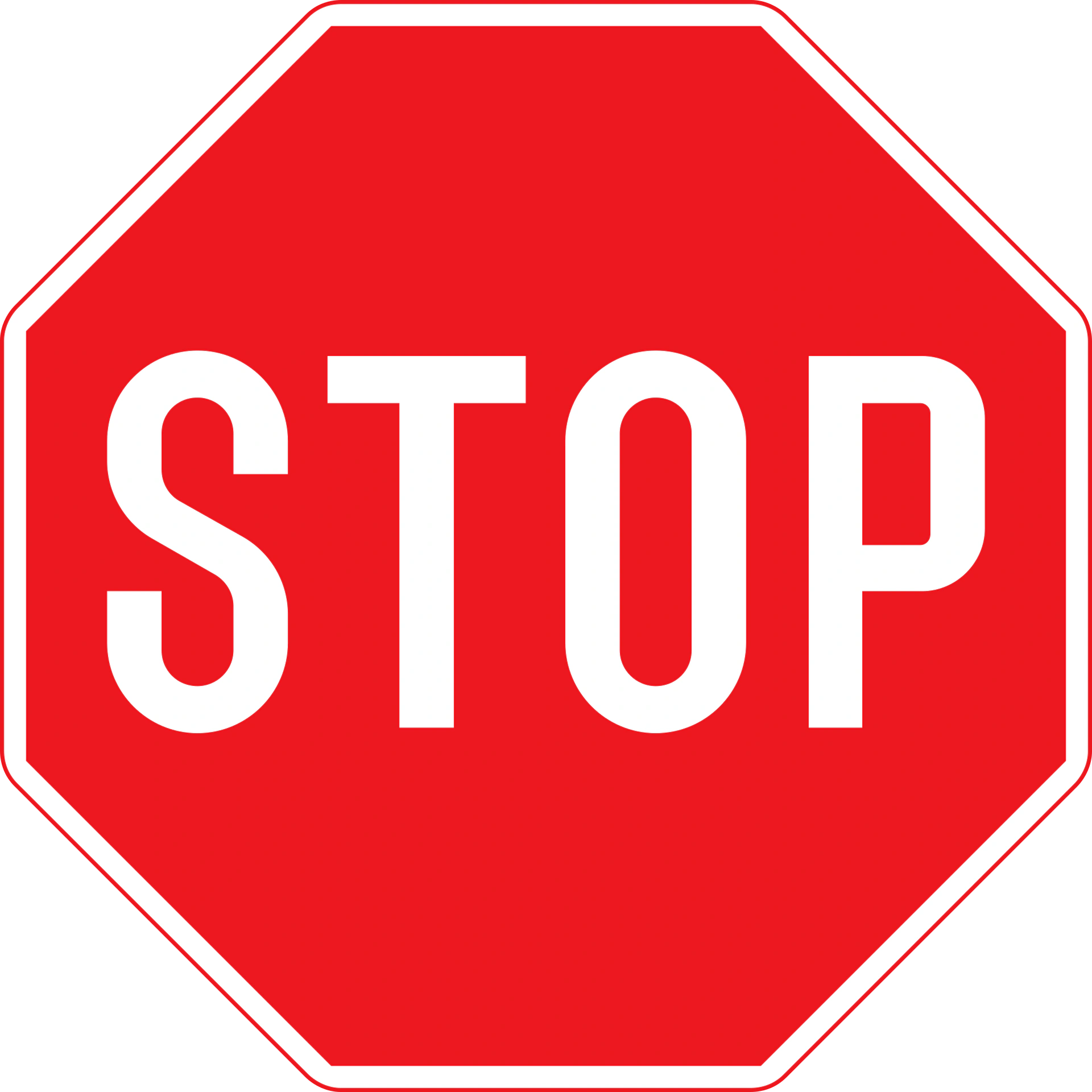
Master the 'Stop' sign (B13) for safe Danish driving and theory test success.
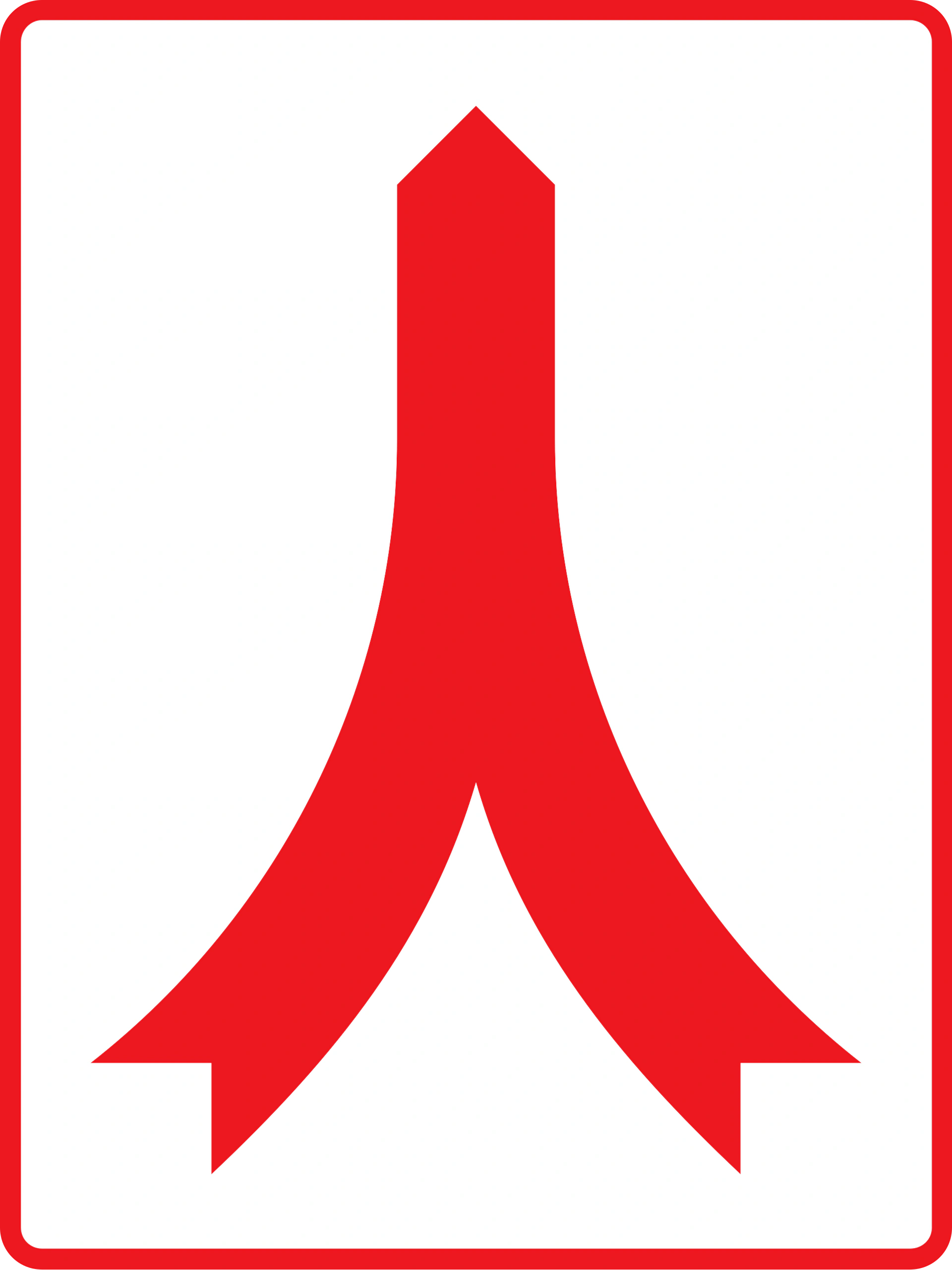
Understand the B15 Lane Merge Sign for Danish Road Priority
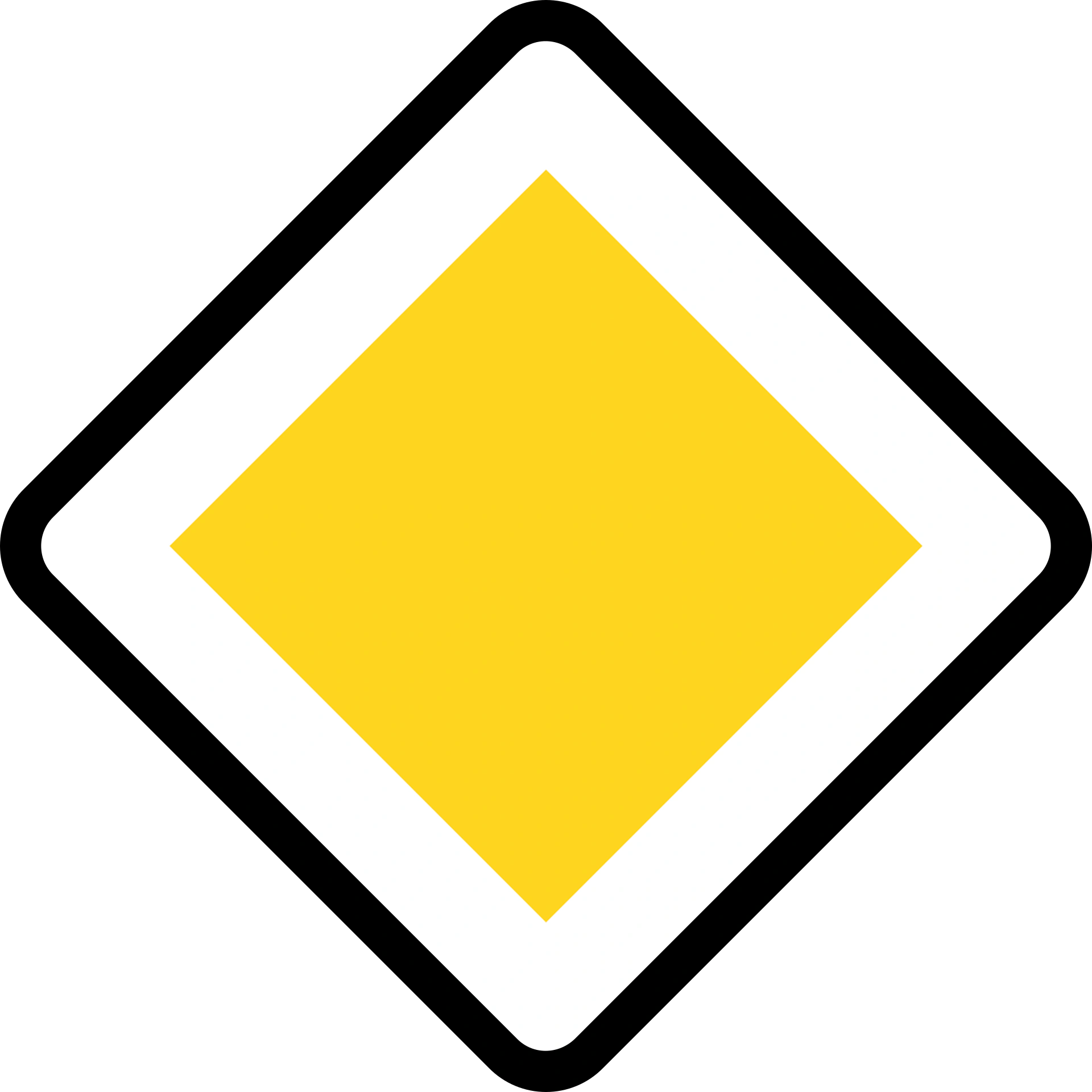
Understand the B16 Main Road sign and its priority rules in Danish traffic.
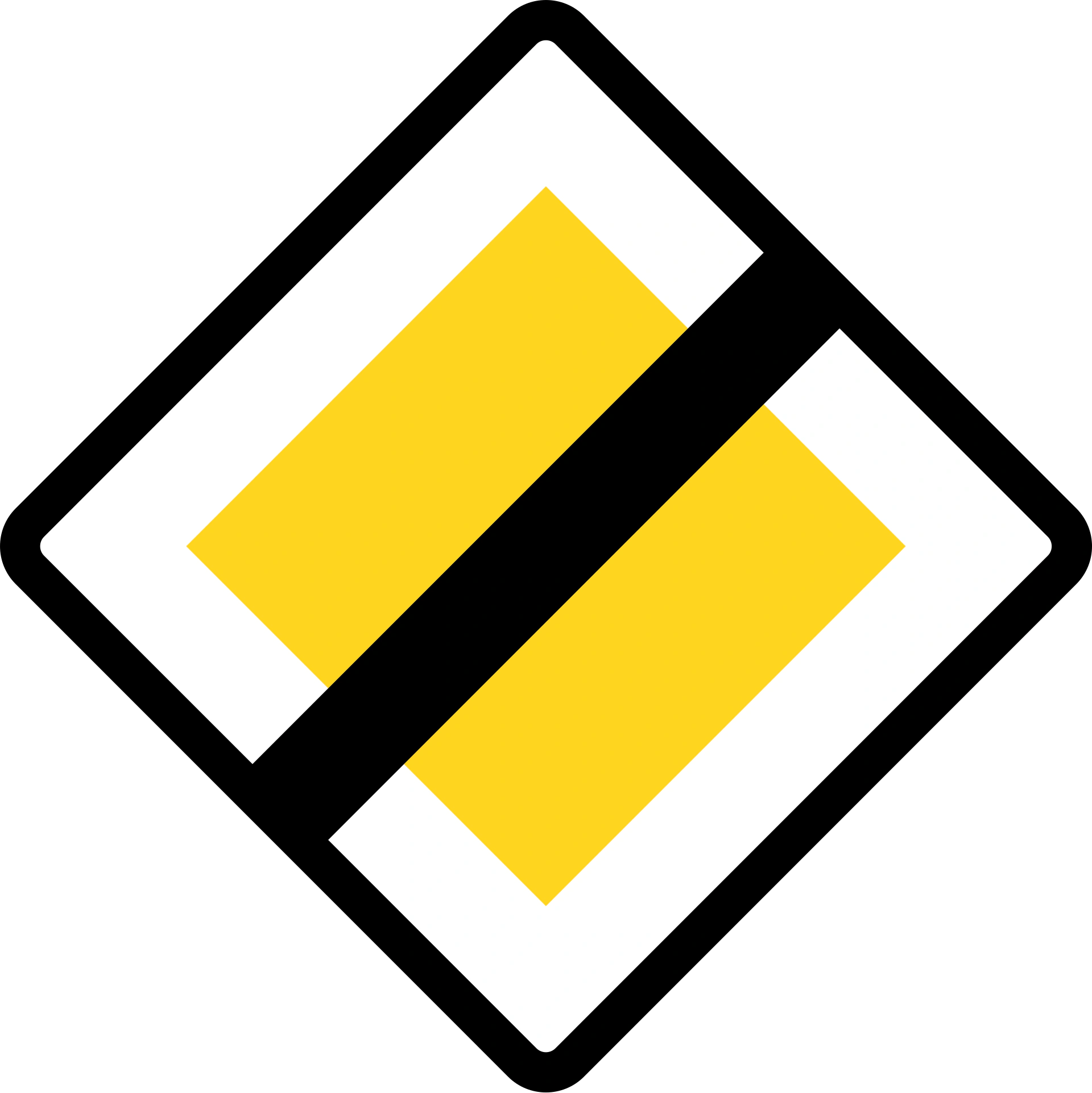
End of Main Road: Understand Your Priority Here
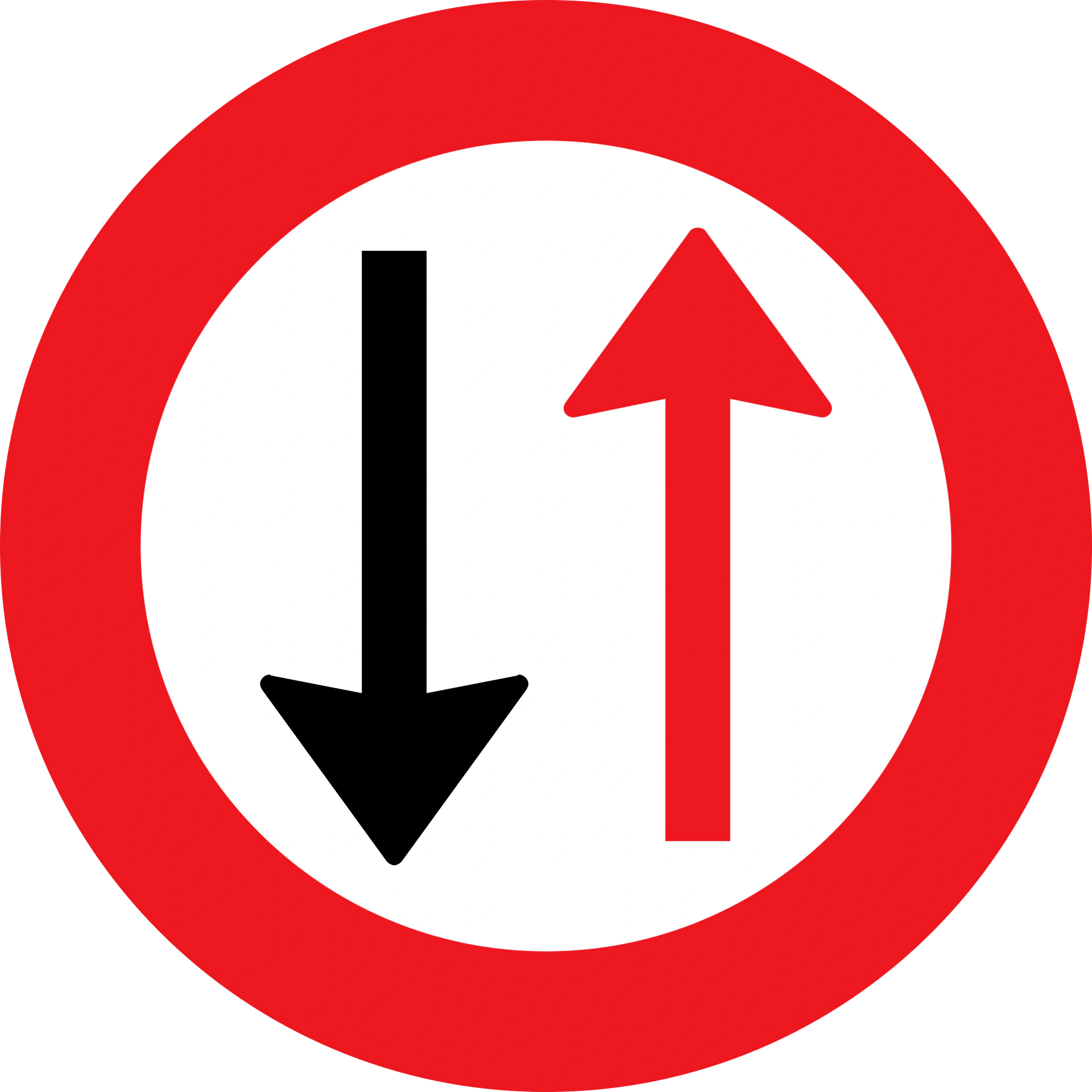
Understand the B18 'Priority for Oncoming Vehicles' Traffic Sign in Denmark
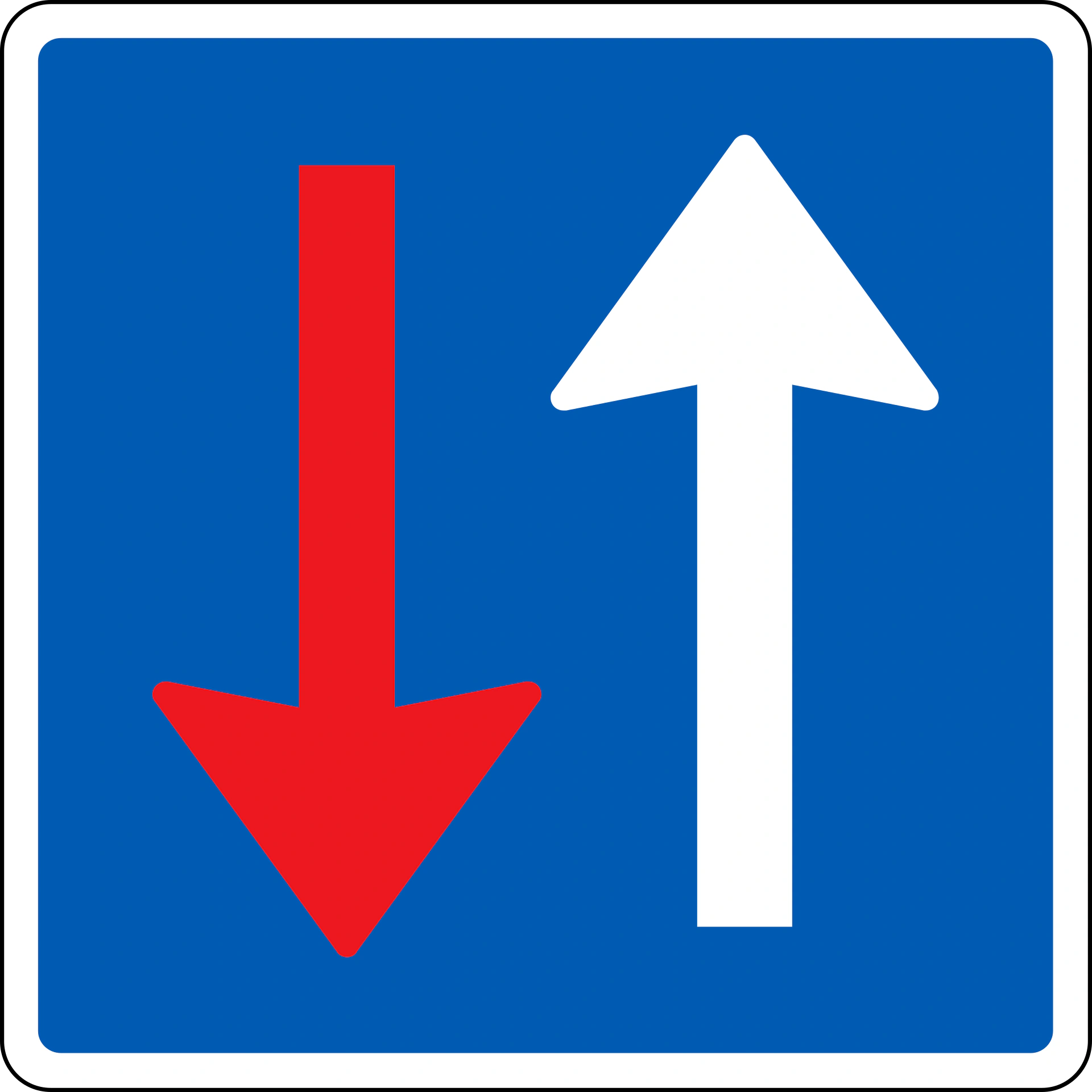
Understand Priority When Facing Oncoming Traffic with the B19 Sign
Clear answers to common questions about the Danish Priority Signs road sign category. Use this FAQ to review tricky rules, understand how these signs appear in exam scenarios, and remove confusion that often leads to mistakes in the Danish driving theory exam in Denmark.
The 'Yield' sign (B11) means you must allow other traffic, including pedestrians and cyclists, to pass before you proceed. You only stop if necessary. The 'Stop' sign (B13) is more absolute; you must come to a complete stop at the designated line or junction, regardless of other traffic, and only proceed when it is safe. You must always come to a stop at a 'Stop' sign, even if the intersection appears clear.
This sign (B18) is usually seen on narrow sections of road, such as bridges or single-lane tunnels, where two-way traffic must share the space. It means that oncoming traffic has priority, and you must wait until they have passed before entering the narrow section. Conversely, the 'Priority over oncoming vehicles' (B19) sign indicates that you have the right of way in such a situation.
The 'Main Road' sign (B16) tells you that you are on a road with priority, meaning traffic approaching from side roads must yield to you. You generally do not need to stop unless otherwise indicated by another sign or traffic signal. The 'End of Main Road' sign (B17) signals that this priority is ending, and you will soon encounter junctions or side roads where you may need to yield.
Yes, signs like 'Two-way cycle track crossing' (UB11.2) and 'Light rail crossing' (UB11.3) often appear shortly before the actual crossing. These signs alert you to potential hazards. You must be prepared to yield to cyclists or trams, especially if they have priority, or if the signs indicate a potential conflict point. Always look carefully for cyclists and trams, and be ready to slow down or stop.
Absolutely. While 'Yield' (B11) and 'Stop' (B13) signs are significant on their own, they are often supplemented by other signs or road markings. For example, a 'Stop' sign might have a 'Stop line' marking, and a 'Yield' sign might be placed at a junction with busy traffic. Additionally, warning signs indicating hazards ahead, like bends or intersections, can appear in conjunction with priority signs to prepare you for the situation.
After reviewing the overall structure of Danish road sign groups, select a category to explore individual signs, their meanings, and specific rules in detail. Enhance your knowledge by practicing questions related to each sign type, preparing effectively for your Danish driving theory exam.
Danish Road Sign Groups