
This section delves into Denmark's unique special regulation signs, designed to guide drivers through specific traffic situations and zones. Mastering these signs is crucial for both passing your theory test and ensuring safe, lawful driving on Danish roads. You'll learn to interpret signs indicating motorways, various traffic zones, and specific route instructions, making your journeys smoother and safer.
An explanation of how Danish Special Regulation Signs road signs apply in real traffic situations in Denmark. Learn where these signs are typically placed, what drivers are expected to do when they appear, and how correct reactions help you stay safe, avoid fines, and succeed in your Danish driving theory exam.
Danish special regulation signs are encountered across a wide variety of road types and situations. Signs like 'Motorway' (E42) and 'Expressway' (E43) mark the entry and exit points of high-speed roads, requiring drivers to adhere to specific driving rules. You'll also find signs designating 'Pedestrian zones' (E49), 'Living streets' (E51), and 'Urban areas' (E55), which significantly alter priority rules and speed limits, often favouring pedestrians and cyclists. Zones for 'No parking' (E68), 'No stopping' (E68.2), or 'Low-emission zones' (E69.9) are common in cities and specific areas, dictating where and how you can stop or drive. Directional signs at intersections (E11 series) and signs indicating lane reductions (E16 series) are vital for navigating complex junctions and roadworks safely. Furthermore, signs like 'Traffic enforcement camera' (E90) and 'Speed feedback sign' (E91) serve as important alerts for speed management.
An overview of the key learning outcomes when studying the Danish Special Regulation Signs road sign category. Understand the main concepts, sign meanings, and traffic situations covered here so you can recognise patterns, answer theory questions more confidently, and build a solid foundation for safe driving in Denmark.
Study Danish special regulation signs together to grasp unique traffic rules, including one-way streets, zones, and variable messages. Understanding these specific road signs is crucial for your theory test revision and safe driving in Denmark.
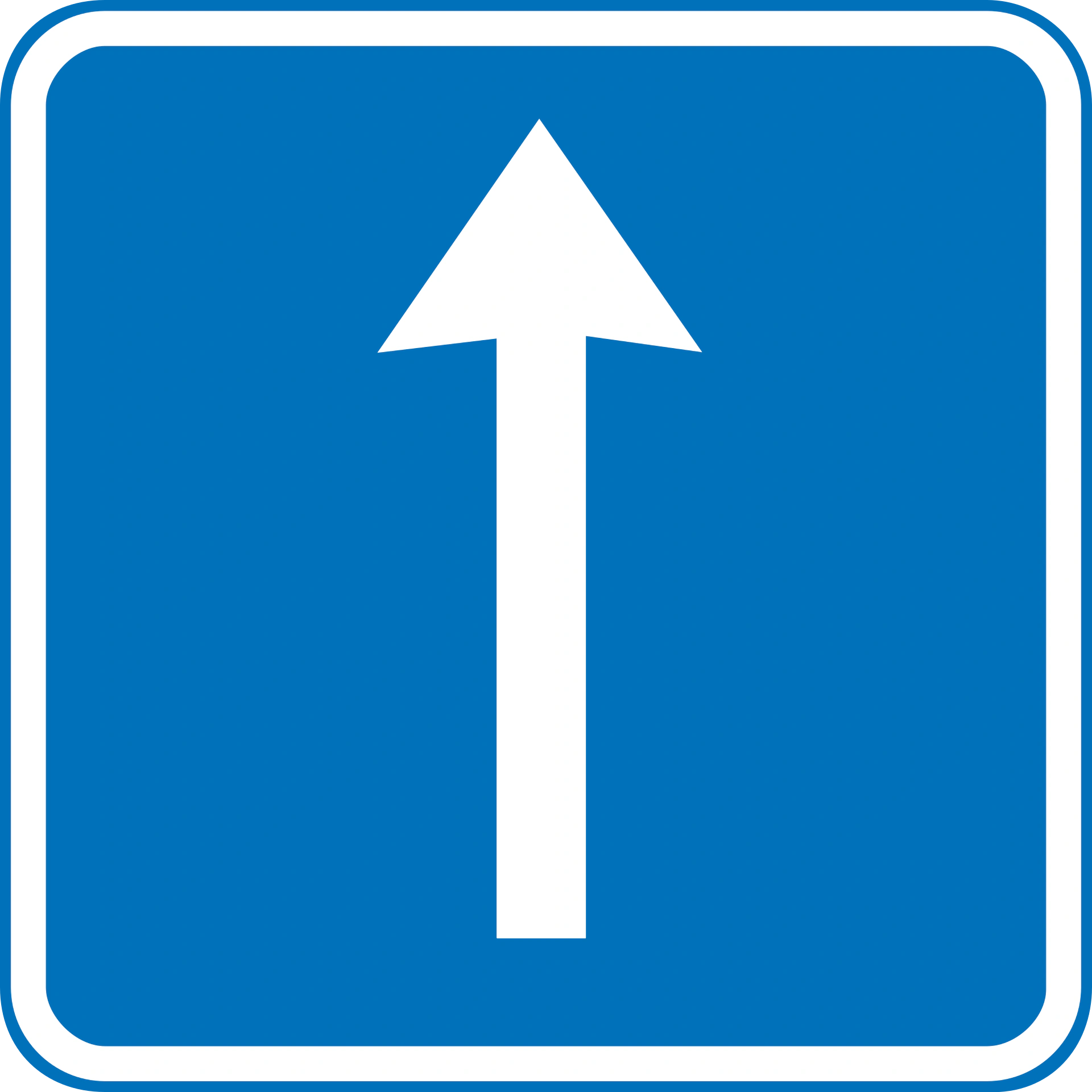
The E11.1 'Continue Straight' sign means you must follow a special rule for this road.
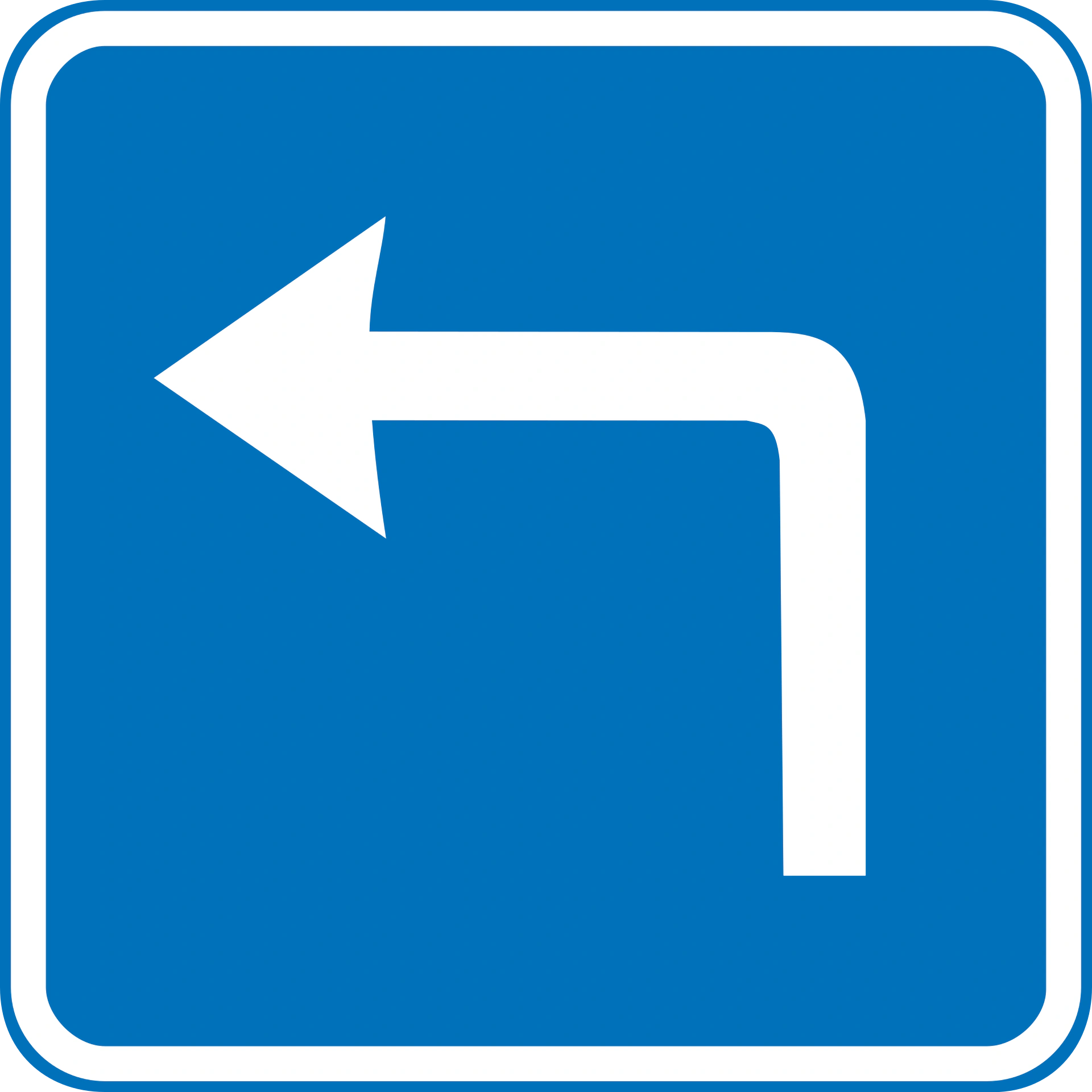
Understand the Danish E11.4 'Turn Left' Special Regulation Sign
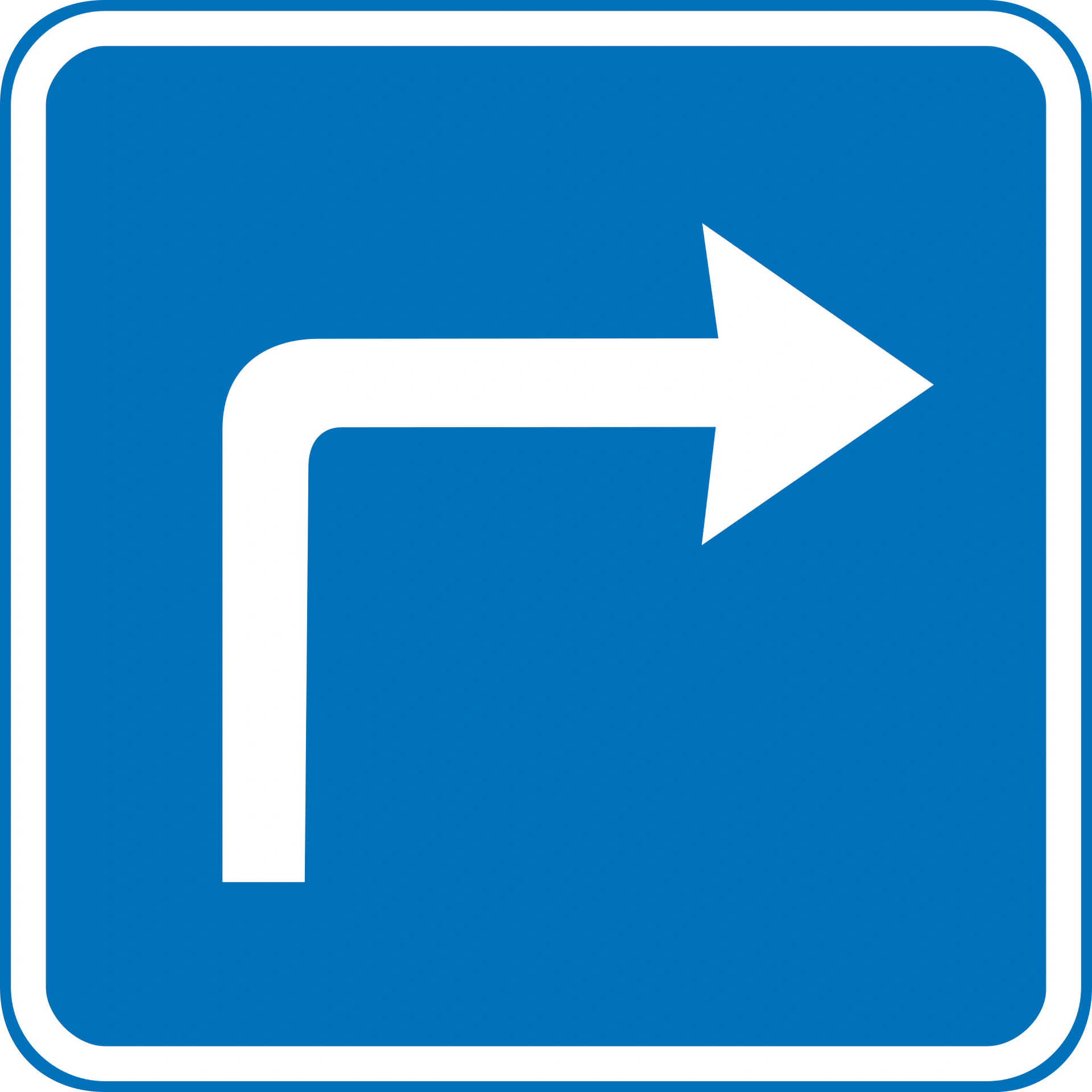
This sign means you must turn right, setting a special traffic rule.
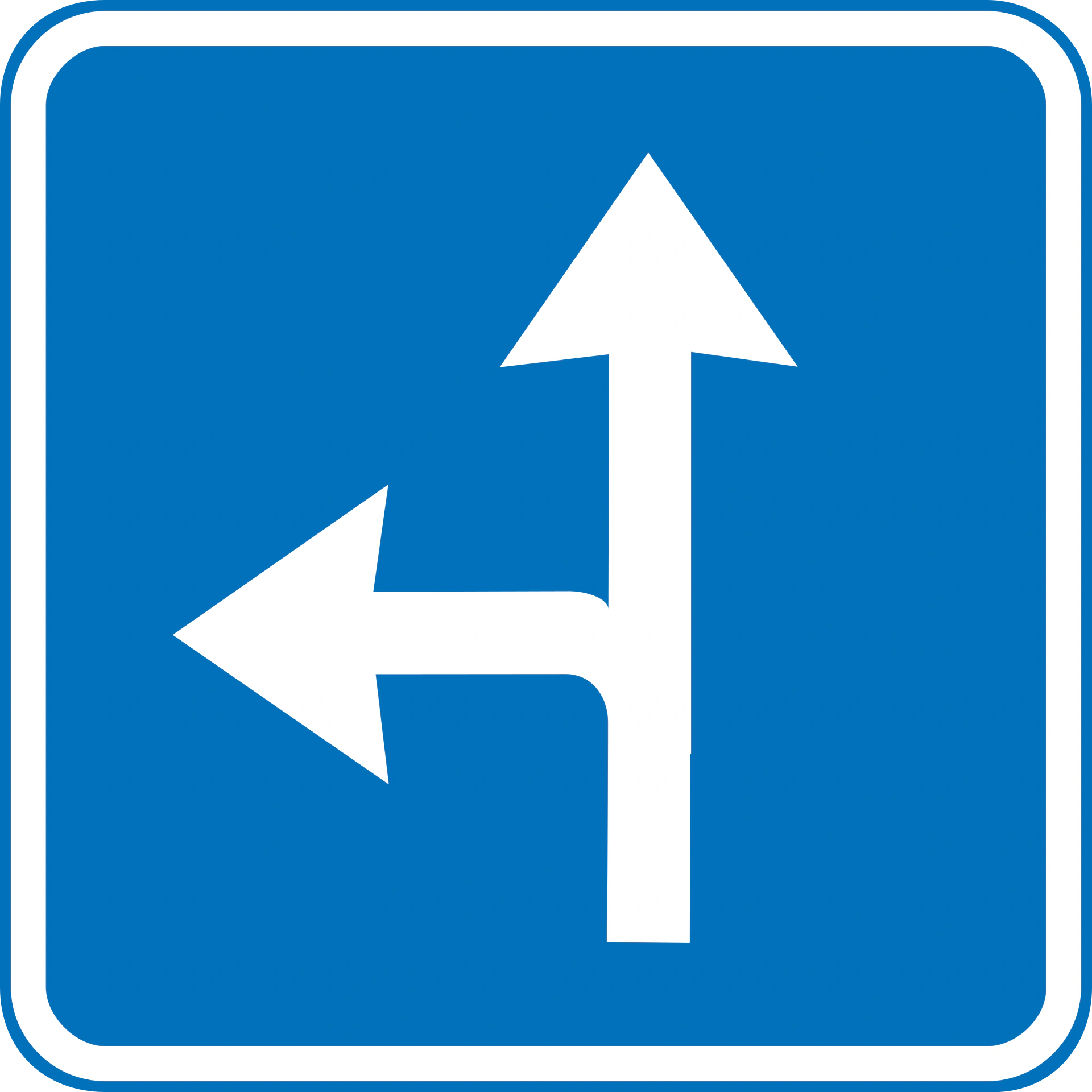
Understand the E11.6 'Continue straight or turn left' Special Regulation Sign
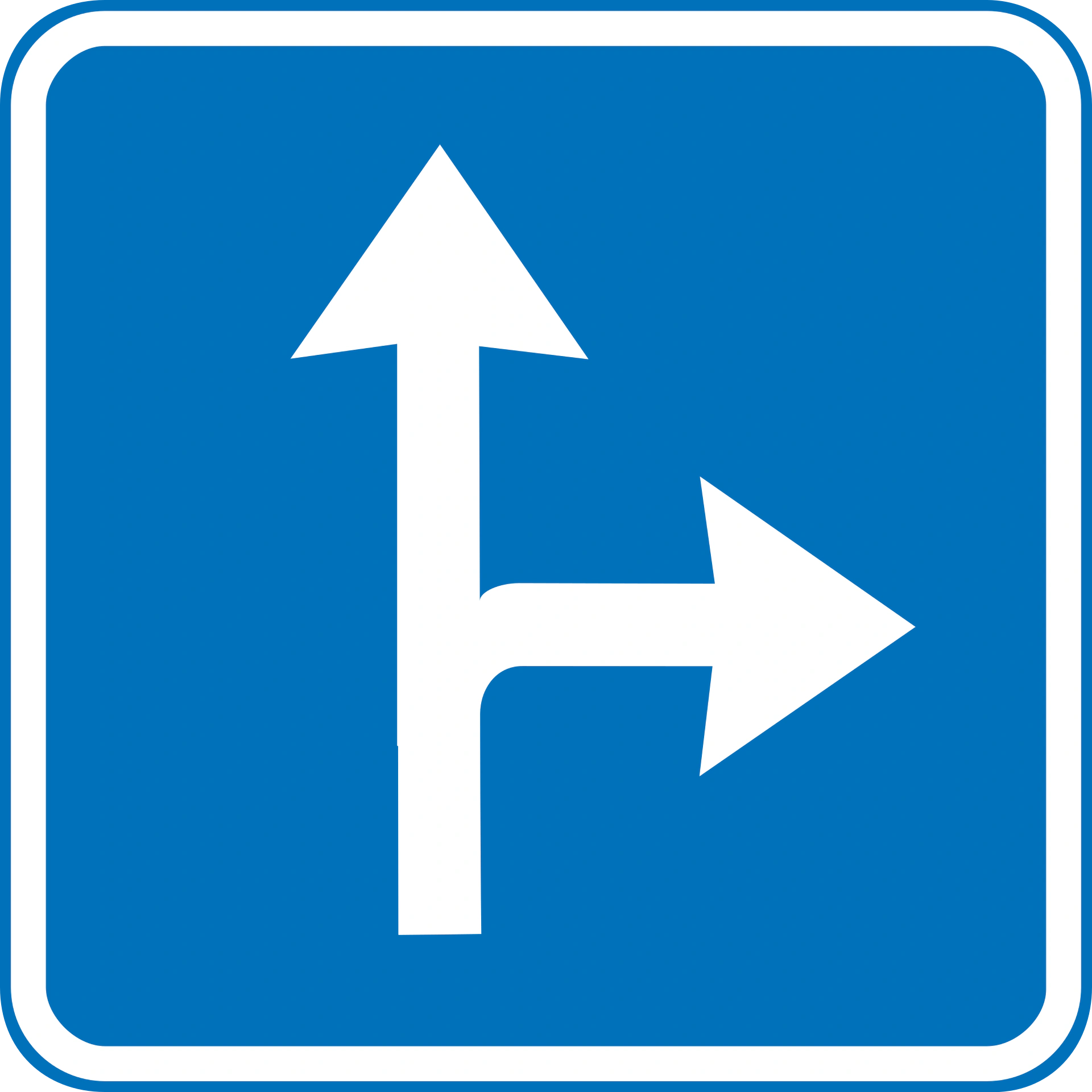
Special Regulation: Continue Straight or Turn Right
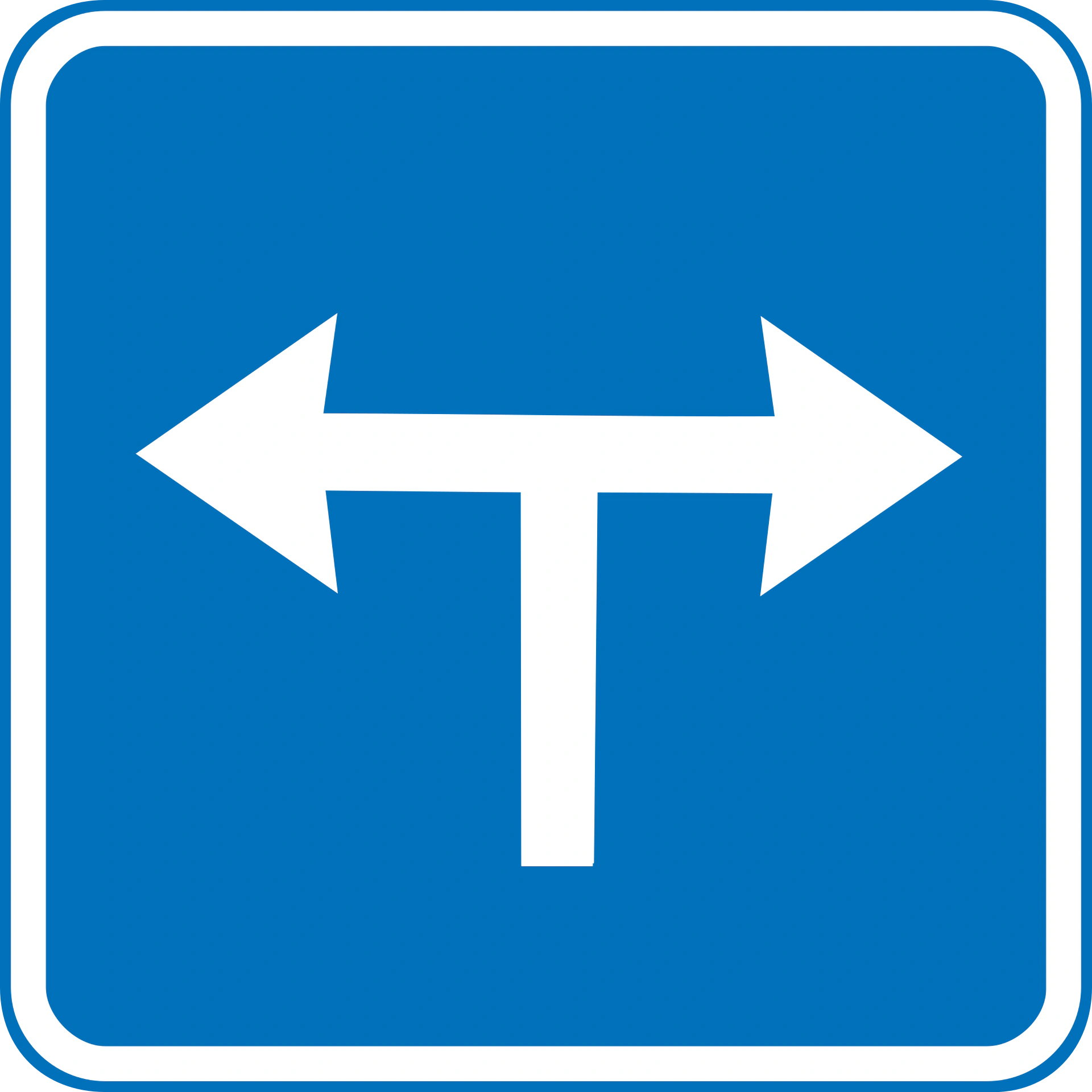
Special Regulation: 'Turn Left or Right' Sign (E11.8)
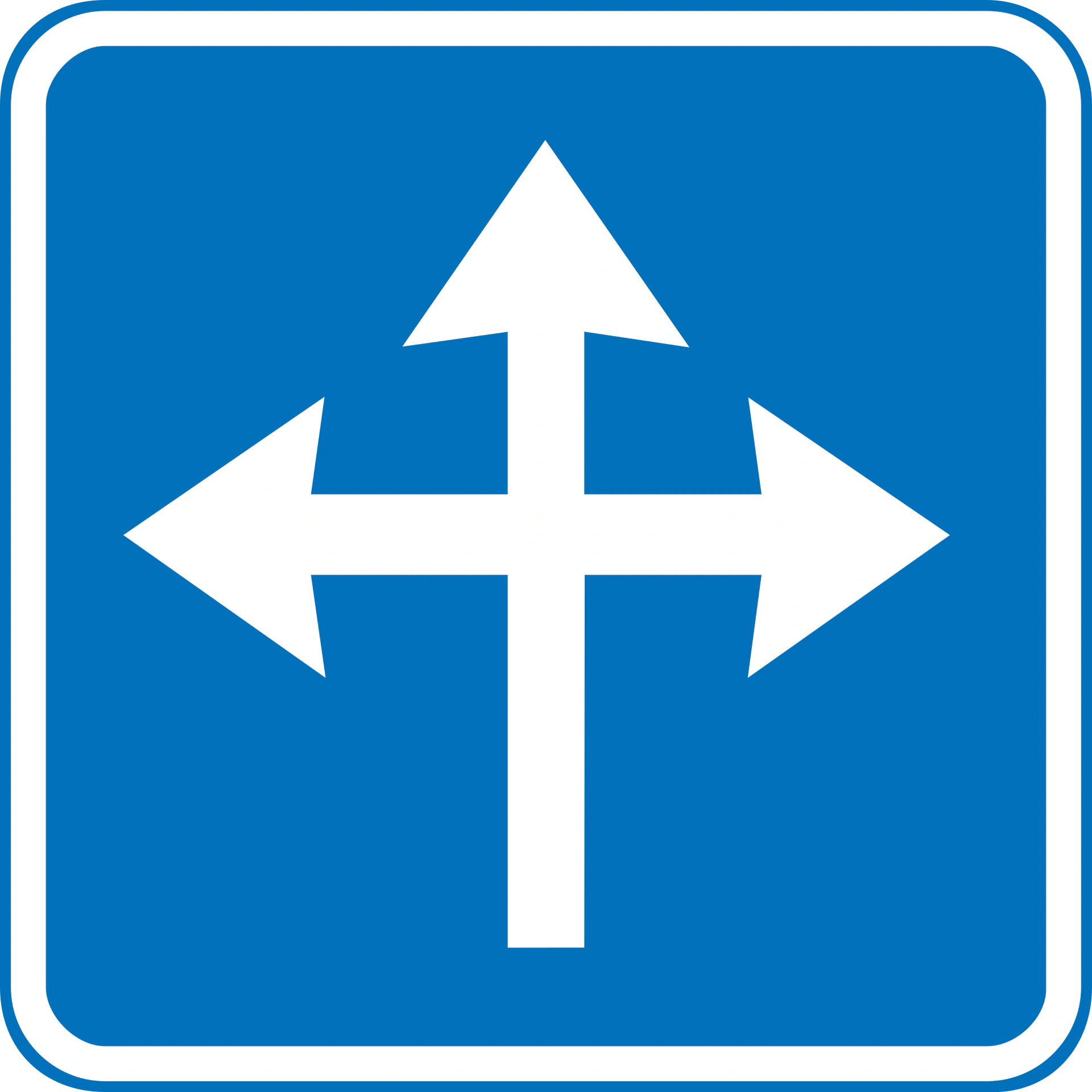
The E11.9 sign means you must follow a special road rule: continue straight, turn left, or turn right.
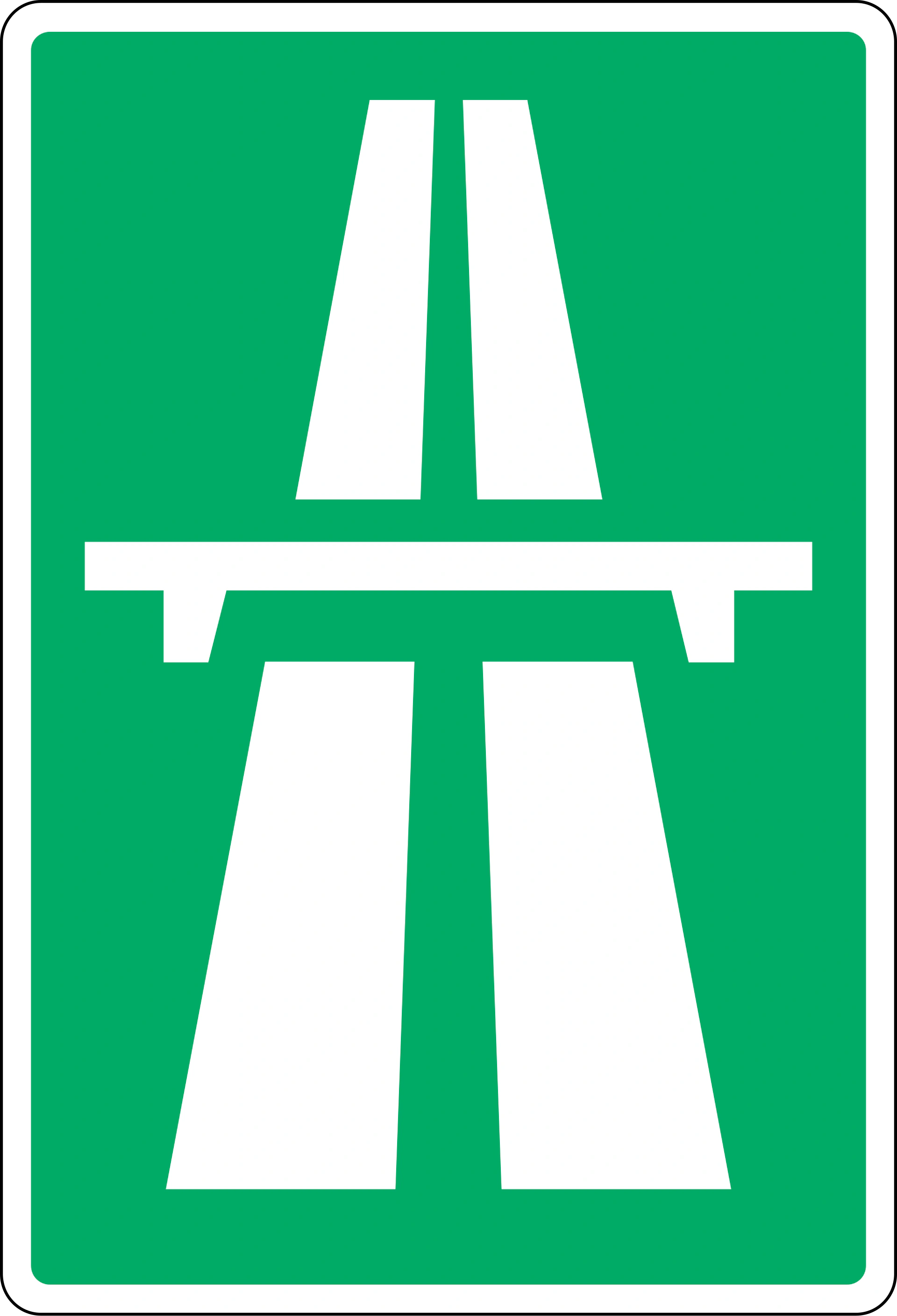
What does the E42 Motorway sign mean in Denmark?
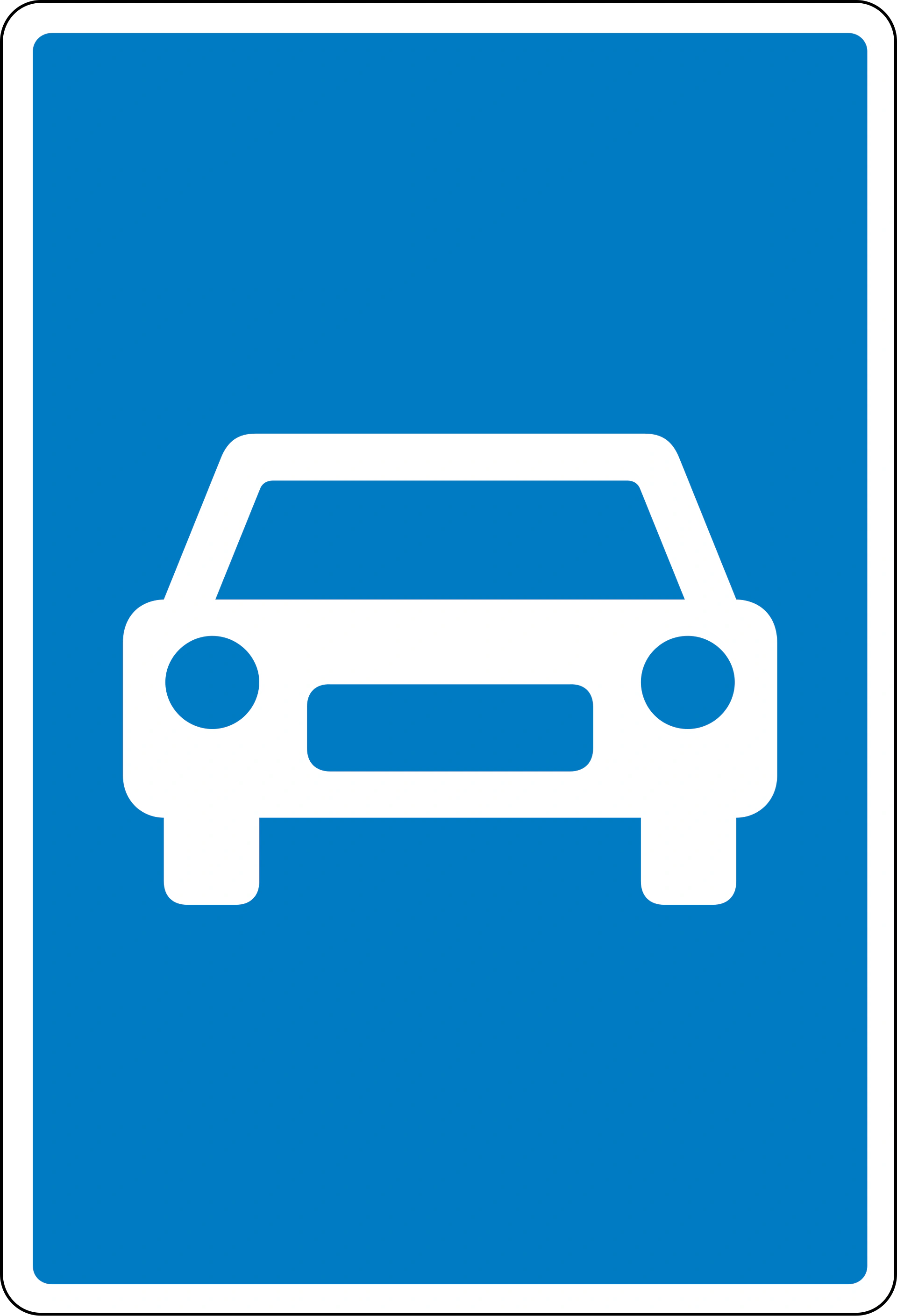
The E43 Expressway Sign Indicates a Special Danish Traffic Regulation
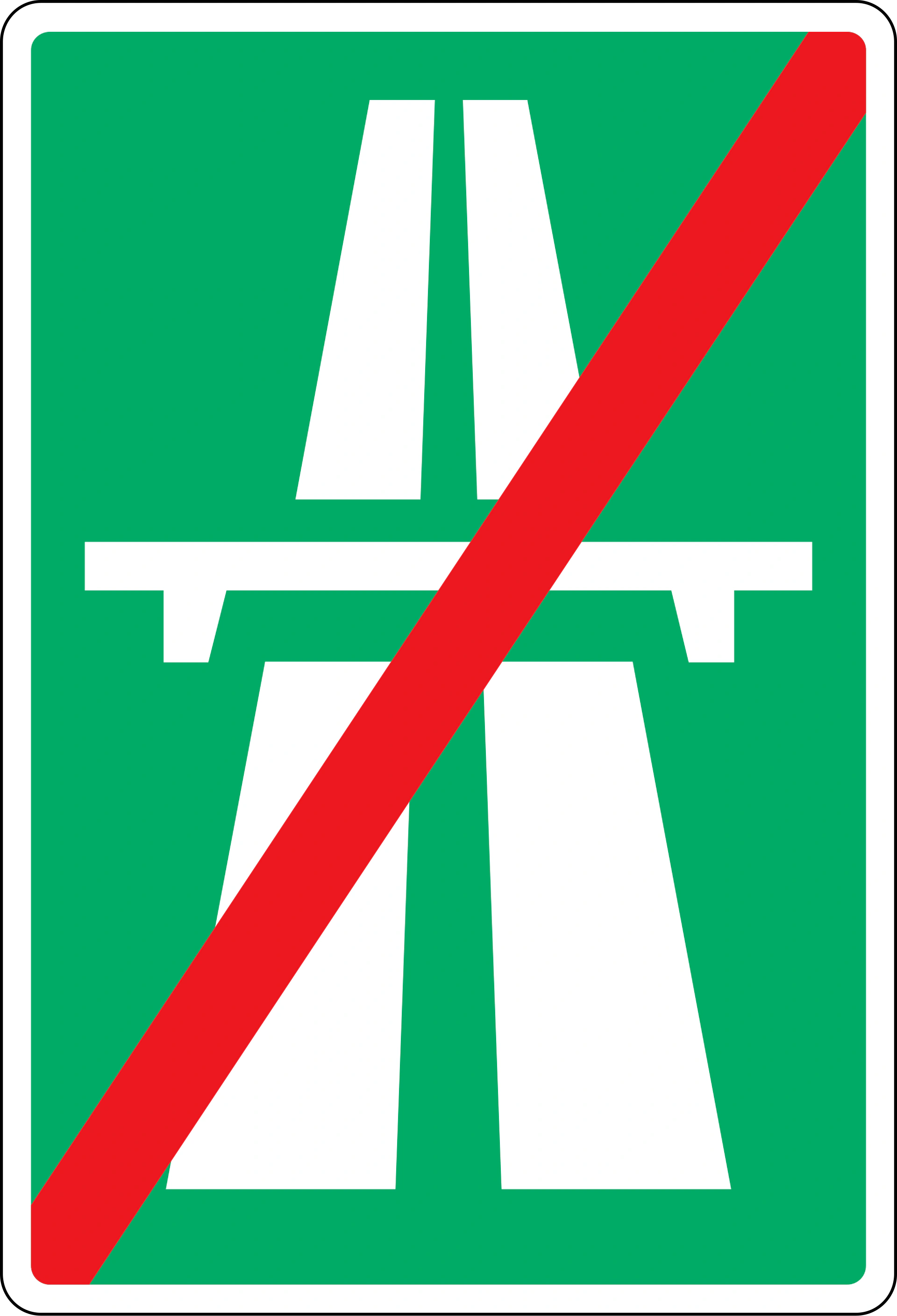
The E44 'End of Motorway' Sign: What It Signifies and How to React
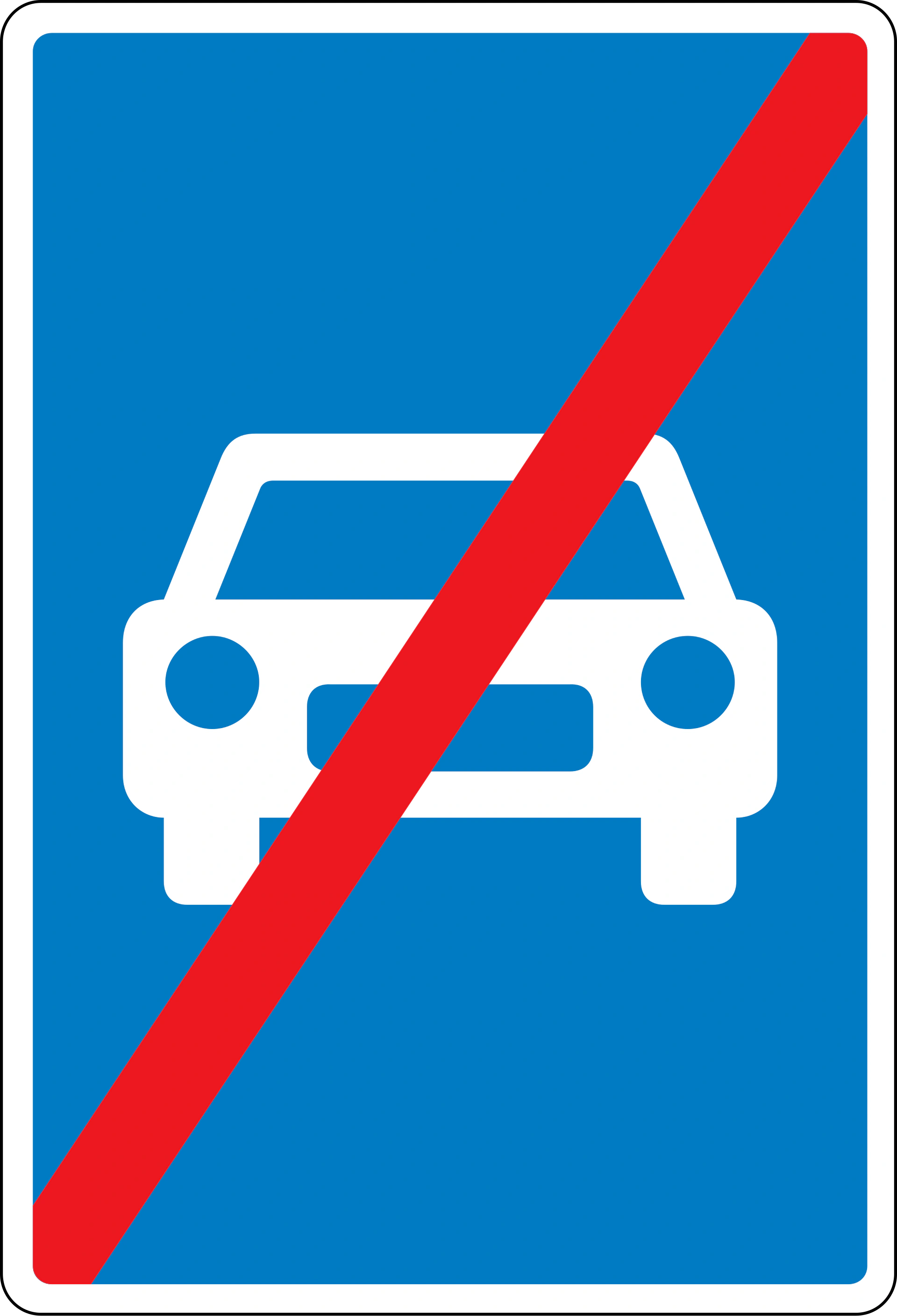
Sign E45: You've Reached the End of the Special Expressway Rules
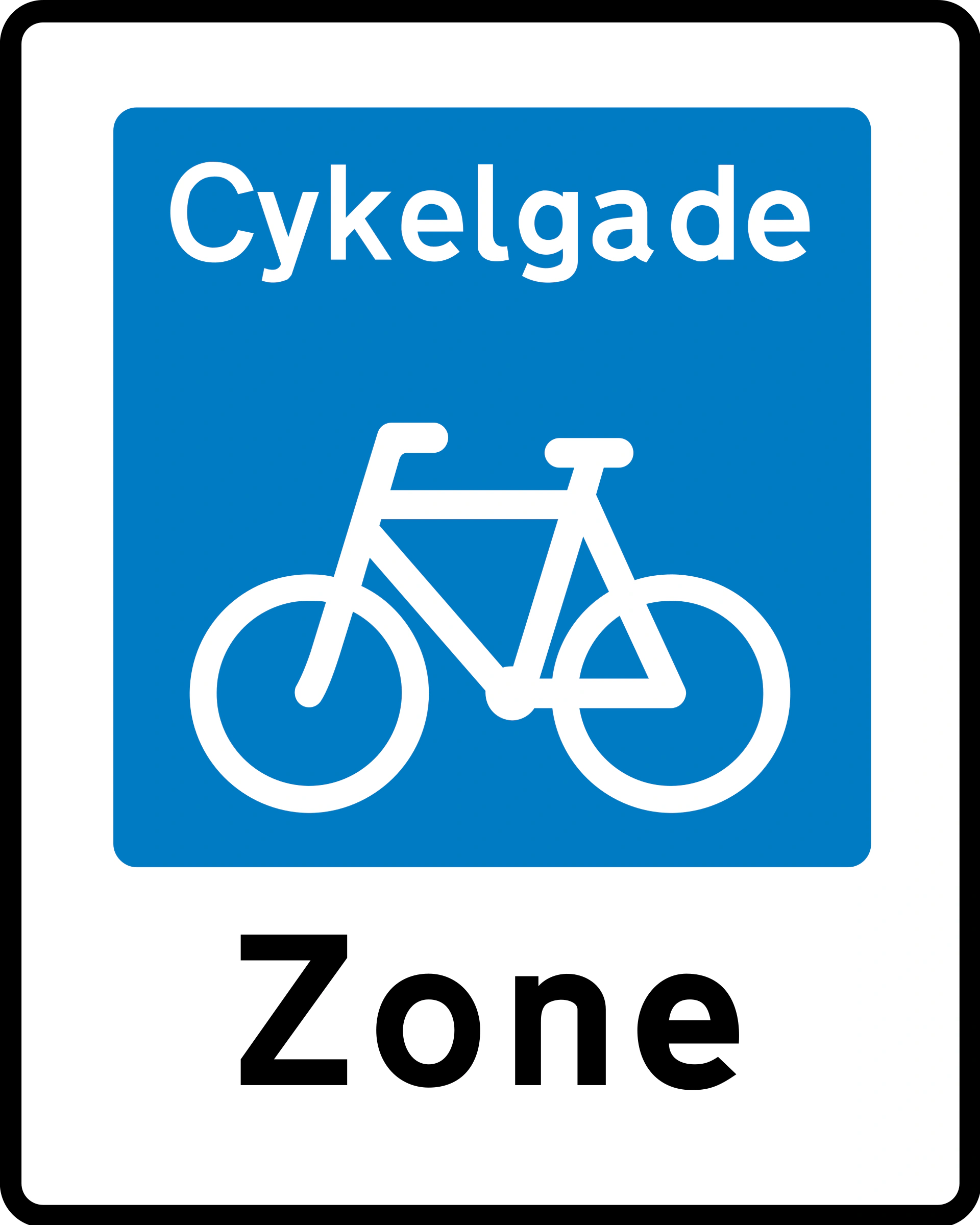
The E47 sign designates a Bicycle Boulevard, setting specific rules for traffic.
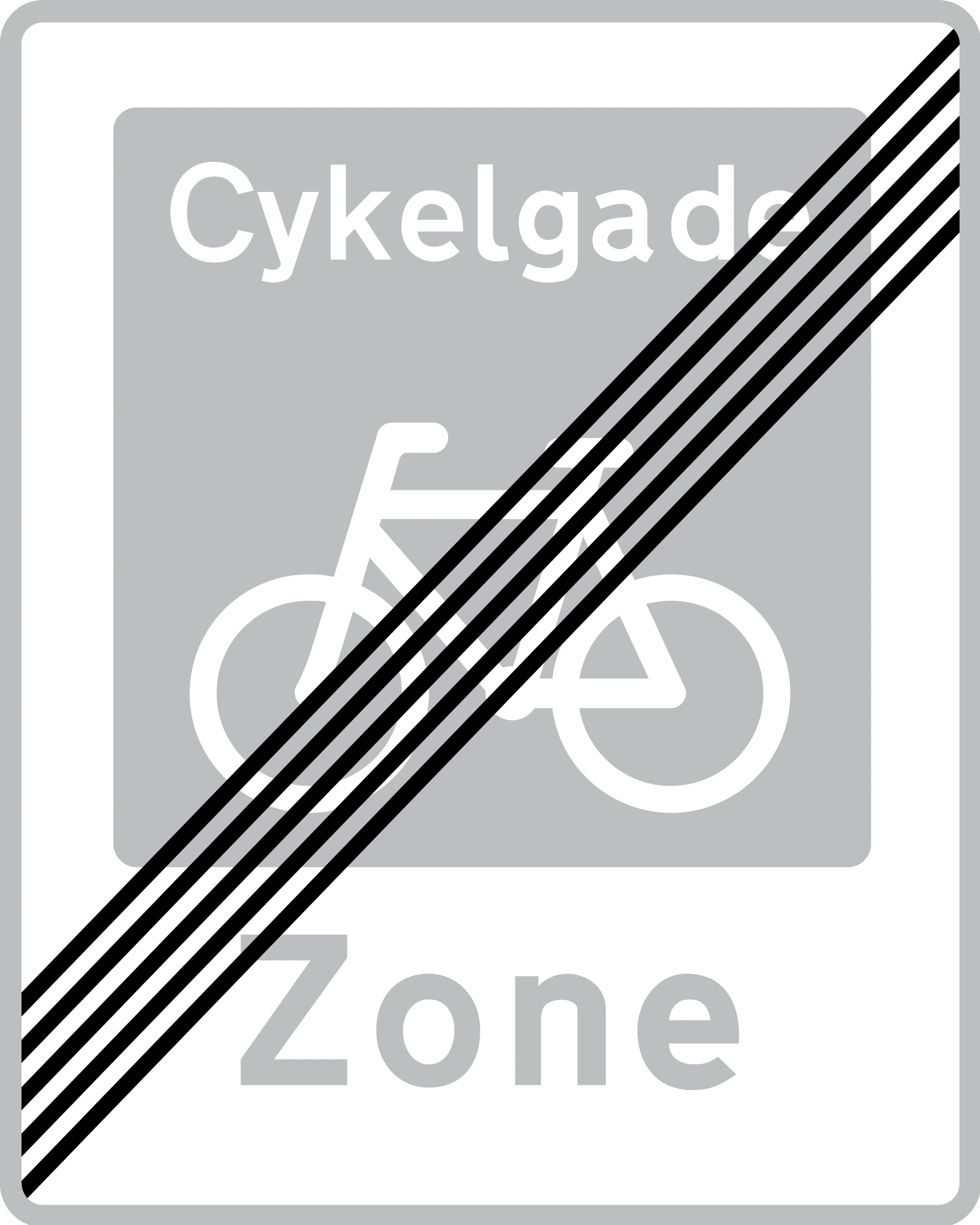
The E48 Sign Marks the End of a Bicycle Boulevard, Changing Traffic Rules
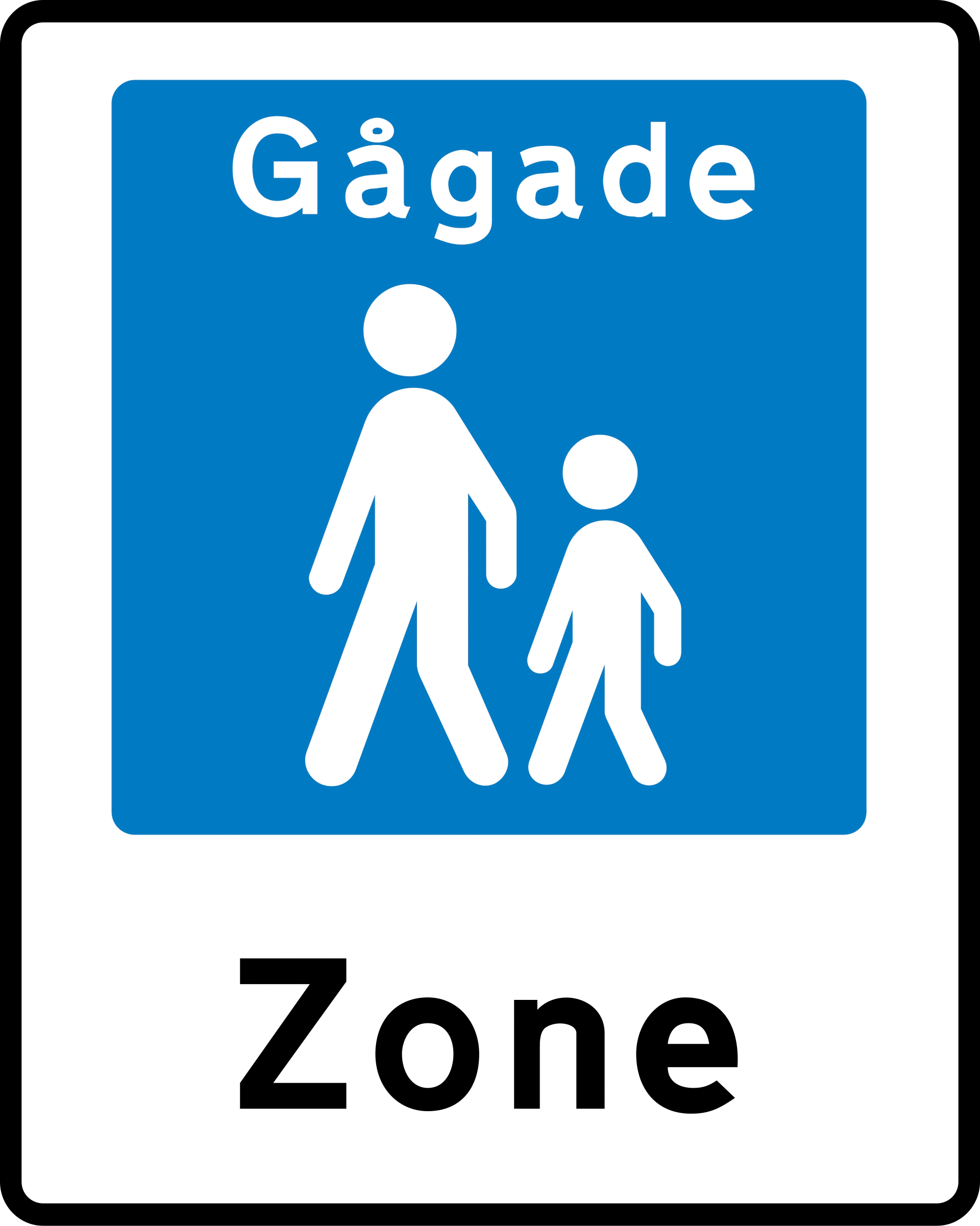
The E49 Pedestrian Zone sign marks an area where specific rules for vehicle access apply.
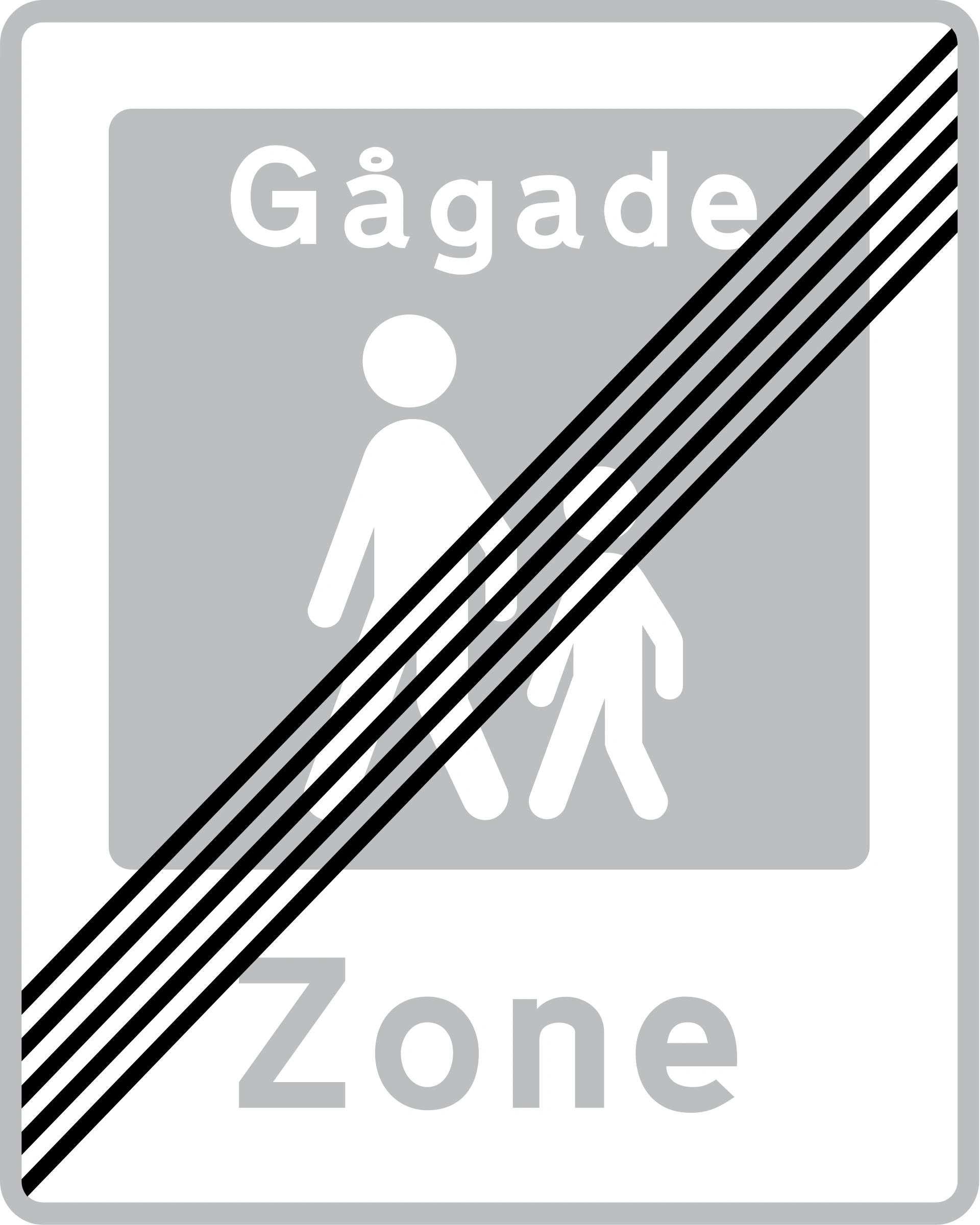
You are now leaving the Pedestrian Zone: understand the E50 sign.
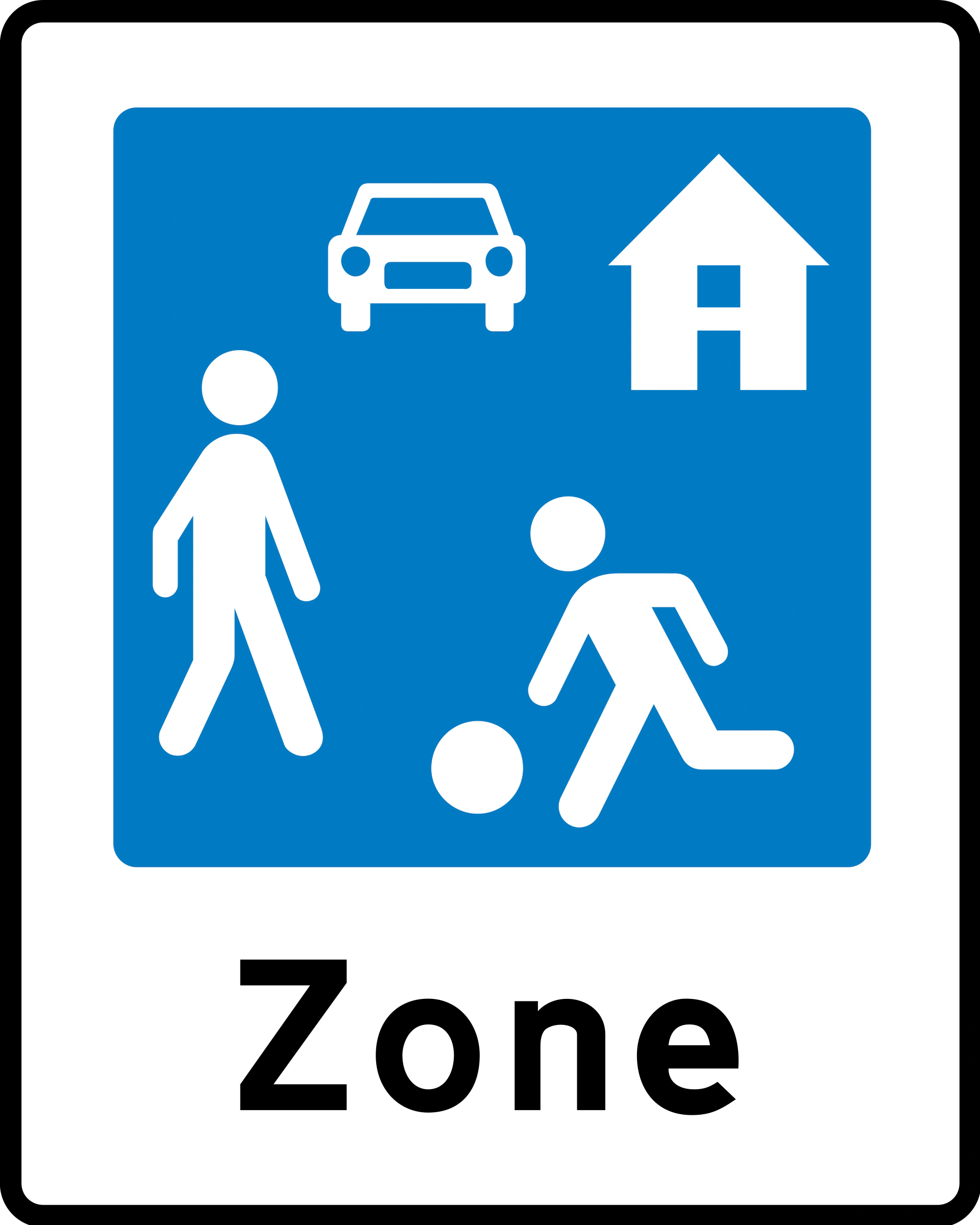
Understand the E51 Living Street sign for special Danish traffic rules.
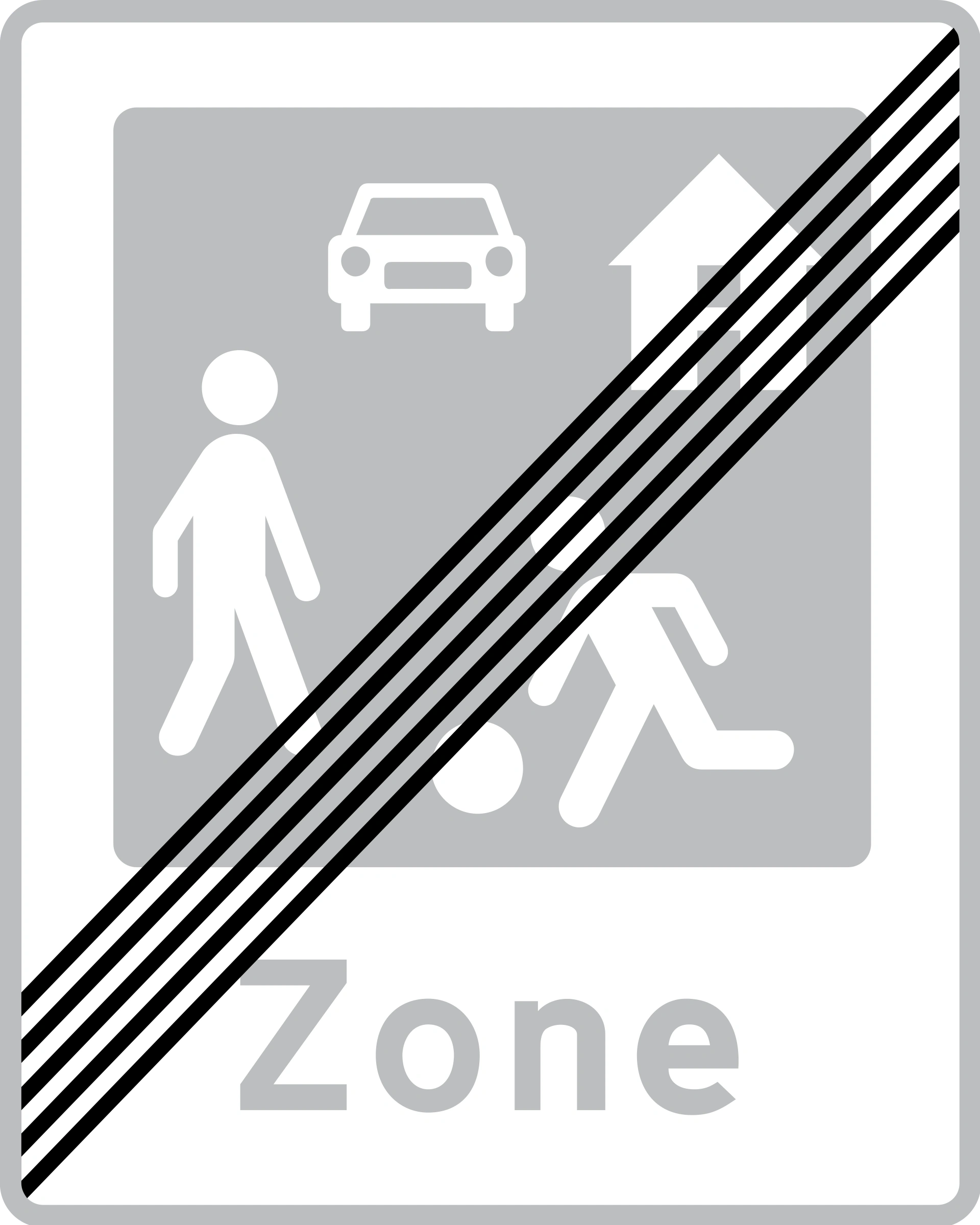
You've reached the end of the special 'living street' rules with the E52 sign.
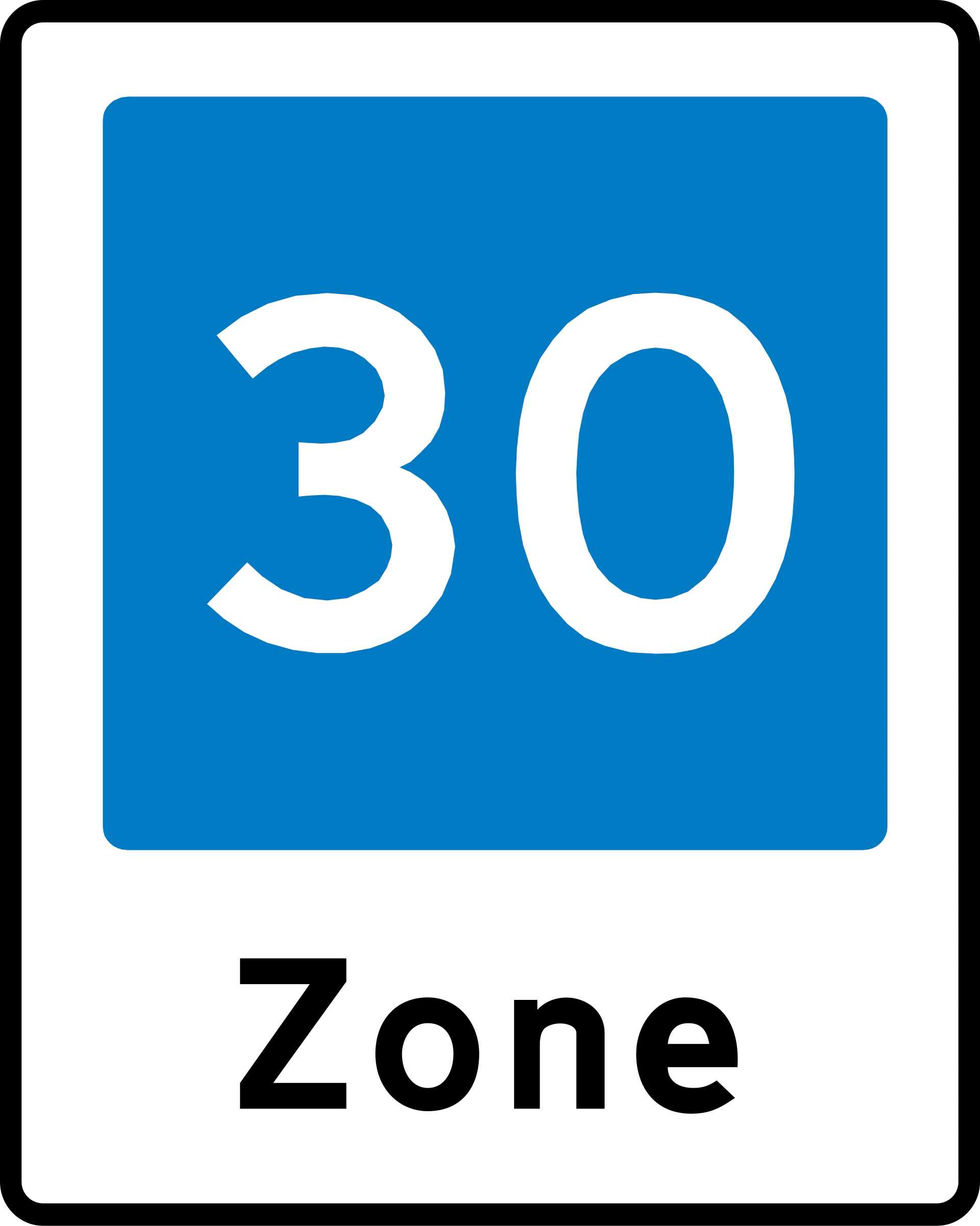
E53: Understand the 'Zone with Traffic Calming' Special Regulation Sign
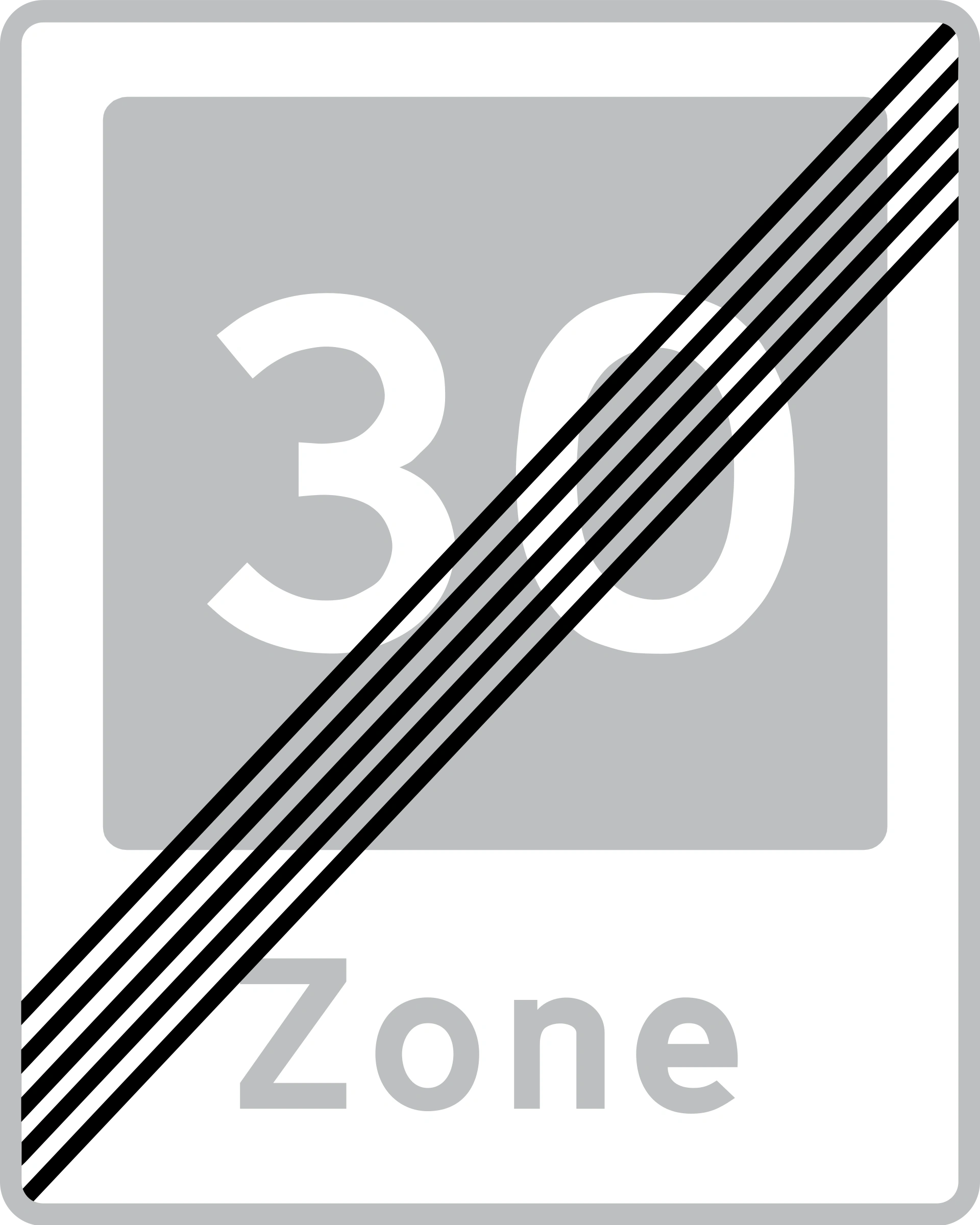
The E53 sign marks the end of a special traffic zone.
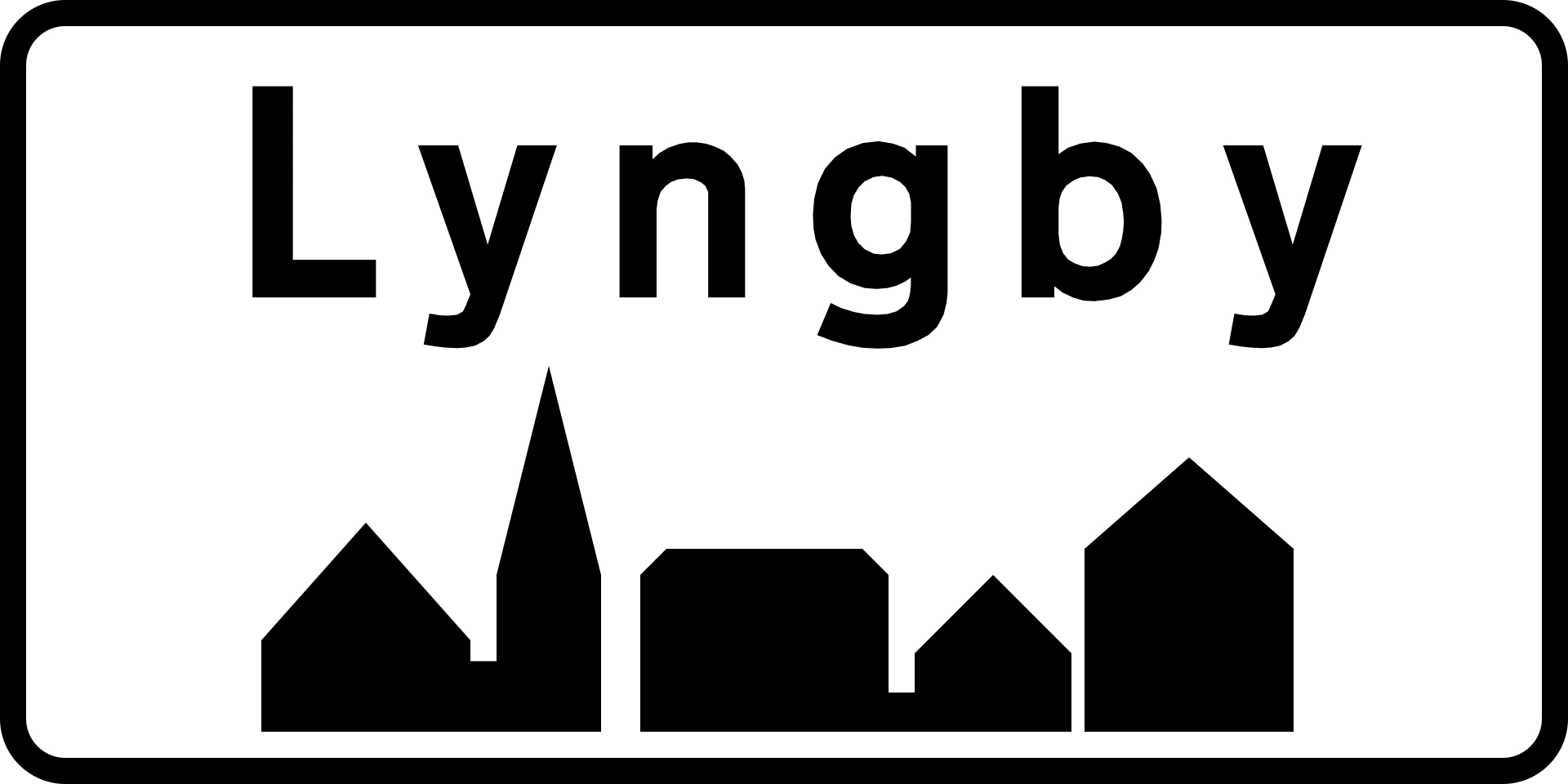
The E55 Urban Area sign designates a special zone with specific traffic rules in Denmark.
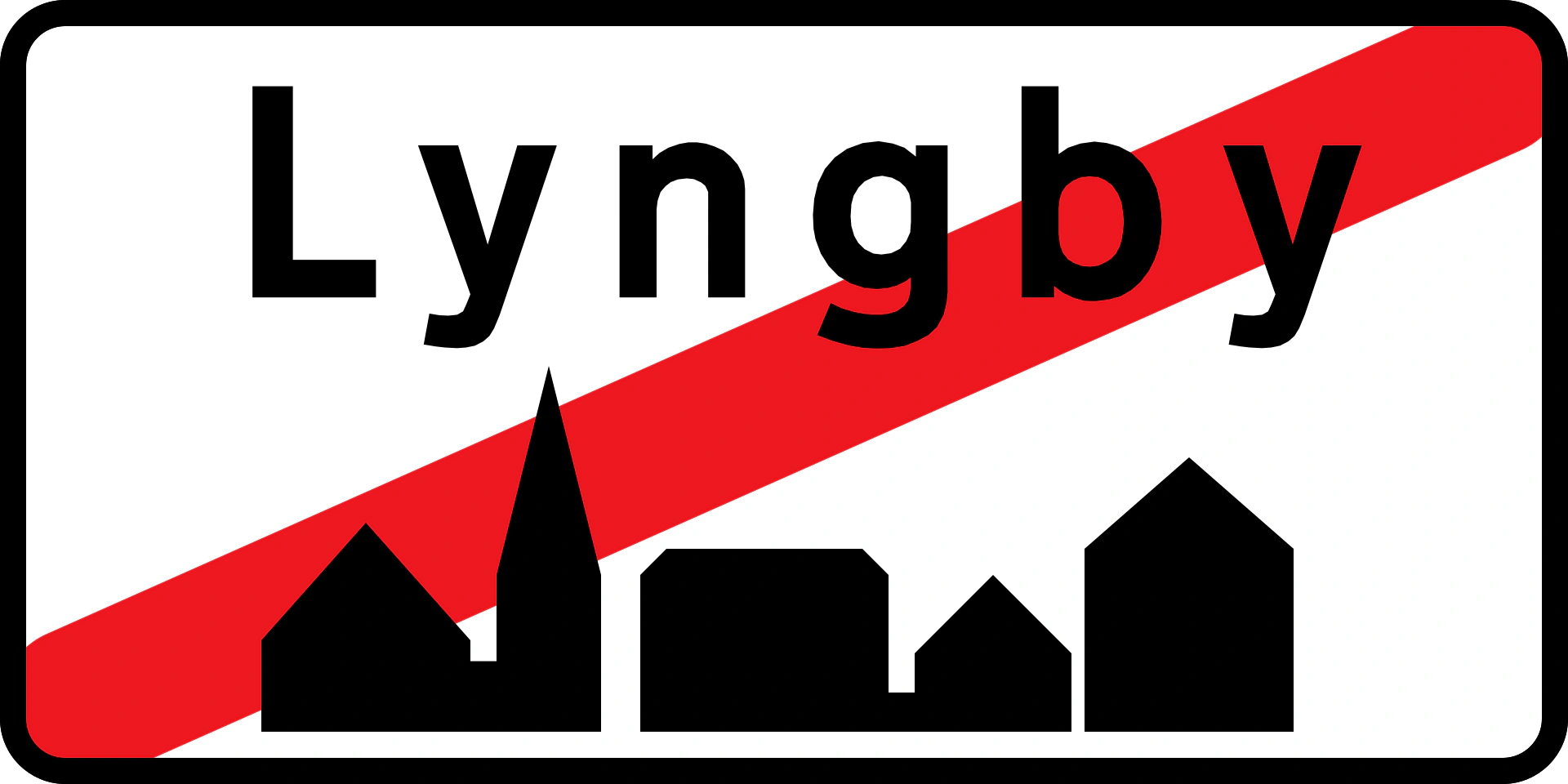
The E56 Sign Marks the End of an Urban Area and its Special Rules
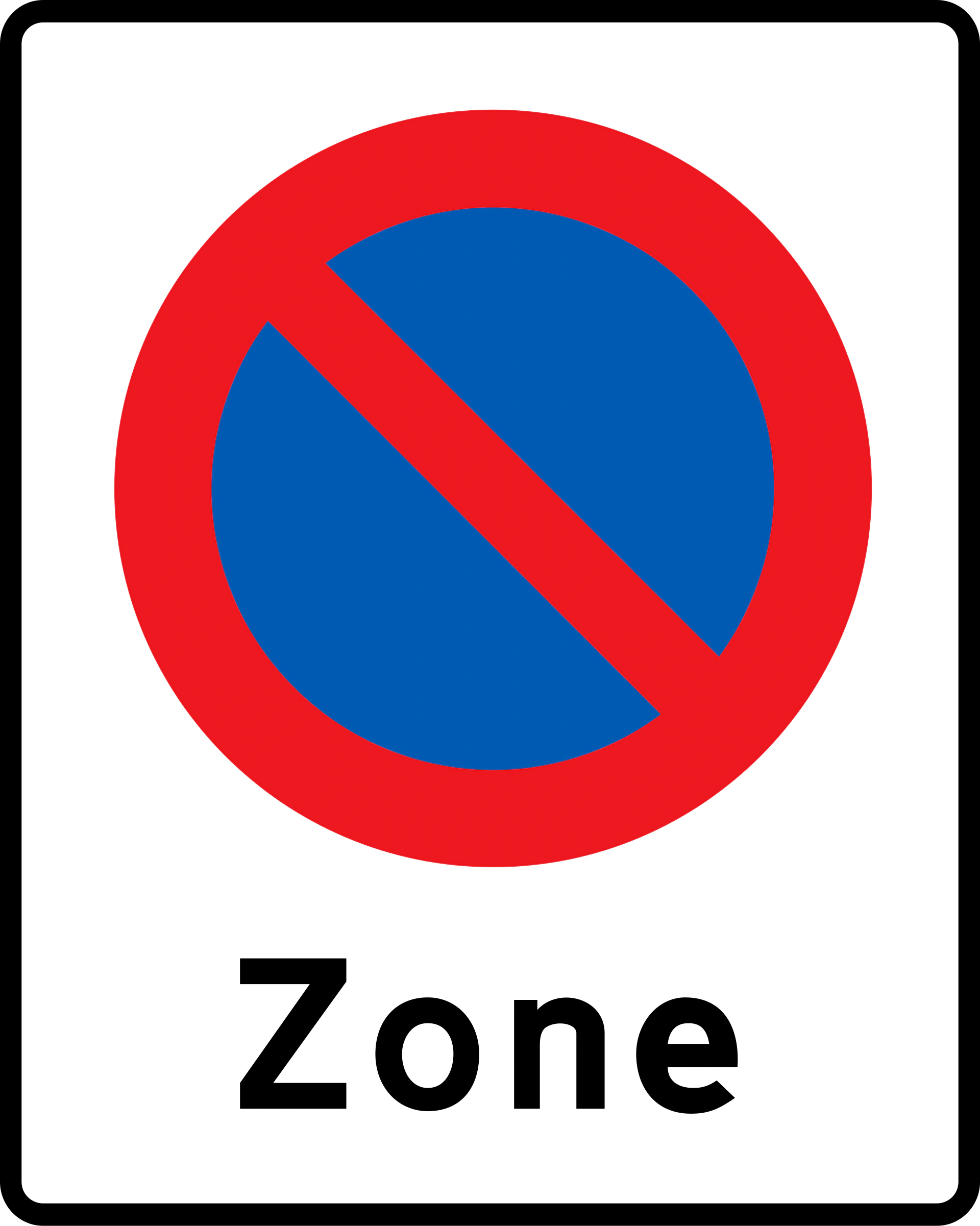
E68: Understanding the Danish 'Zone with No Parking' Special Regulation Sign
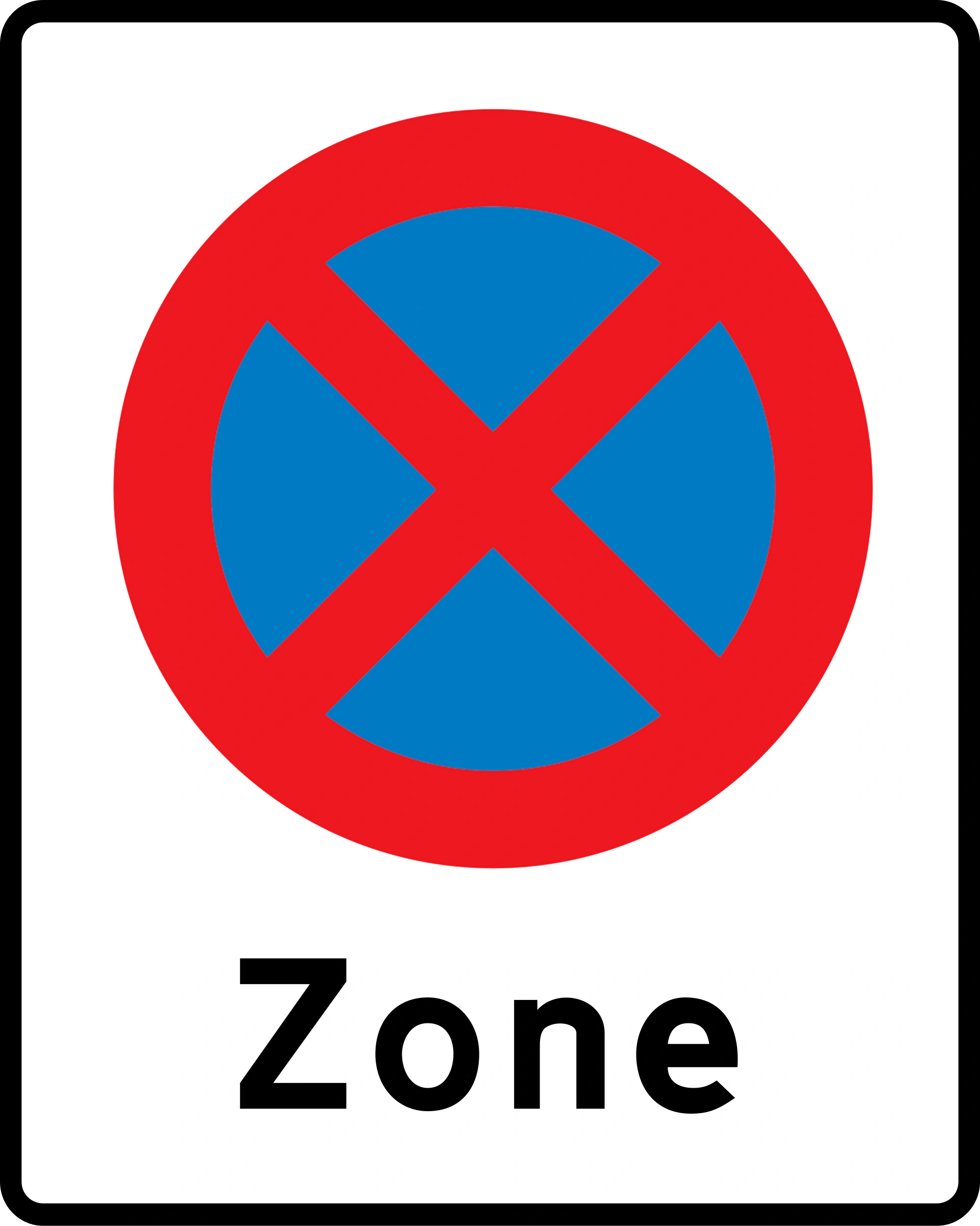
Master the 'Zone with no stopping' (E68.2) Danish road sign
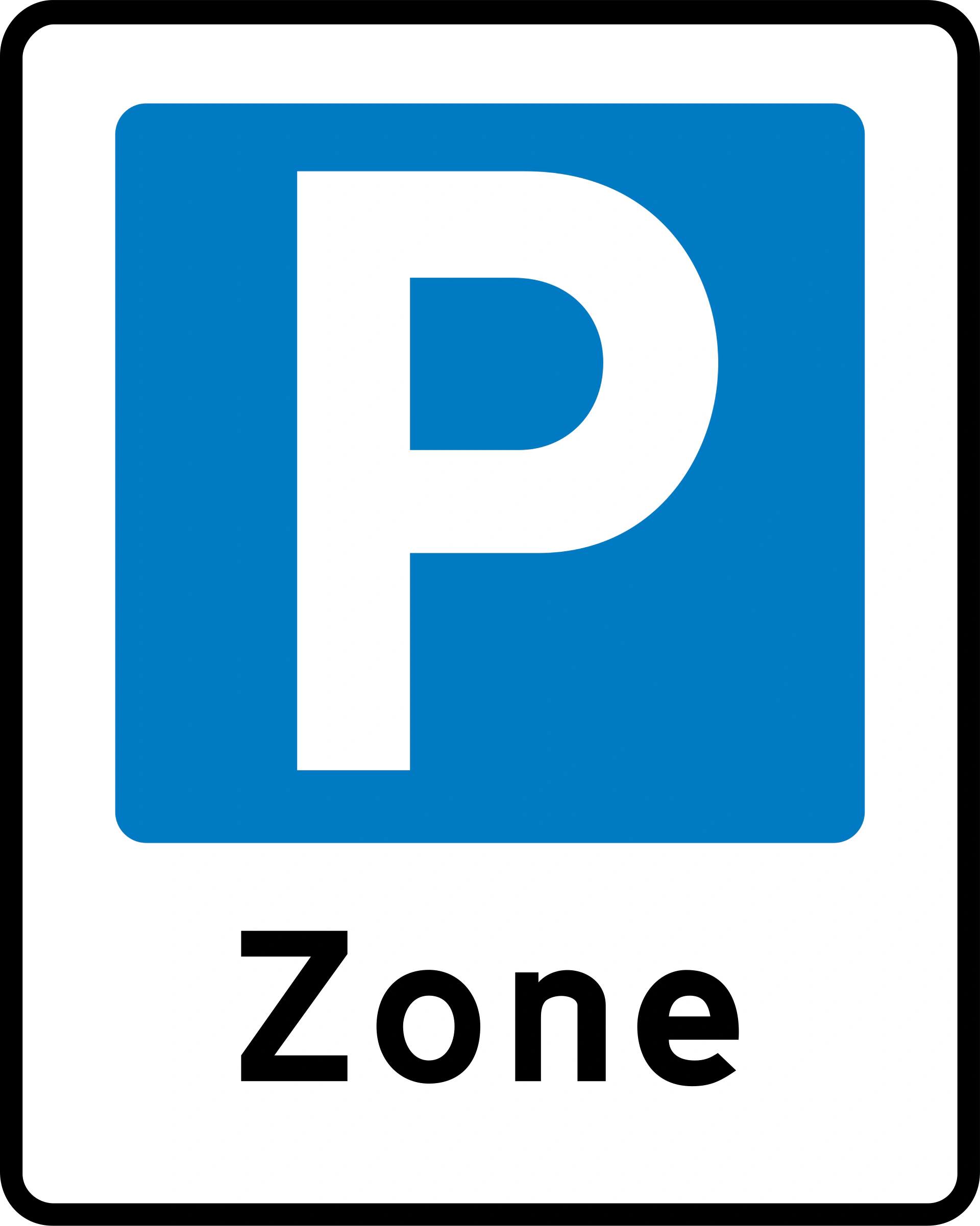
E68.3 Zone with Parking: Special Rules Apply Here
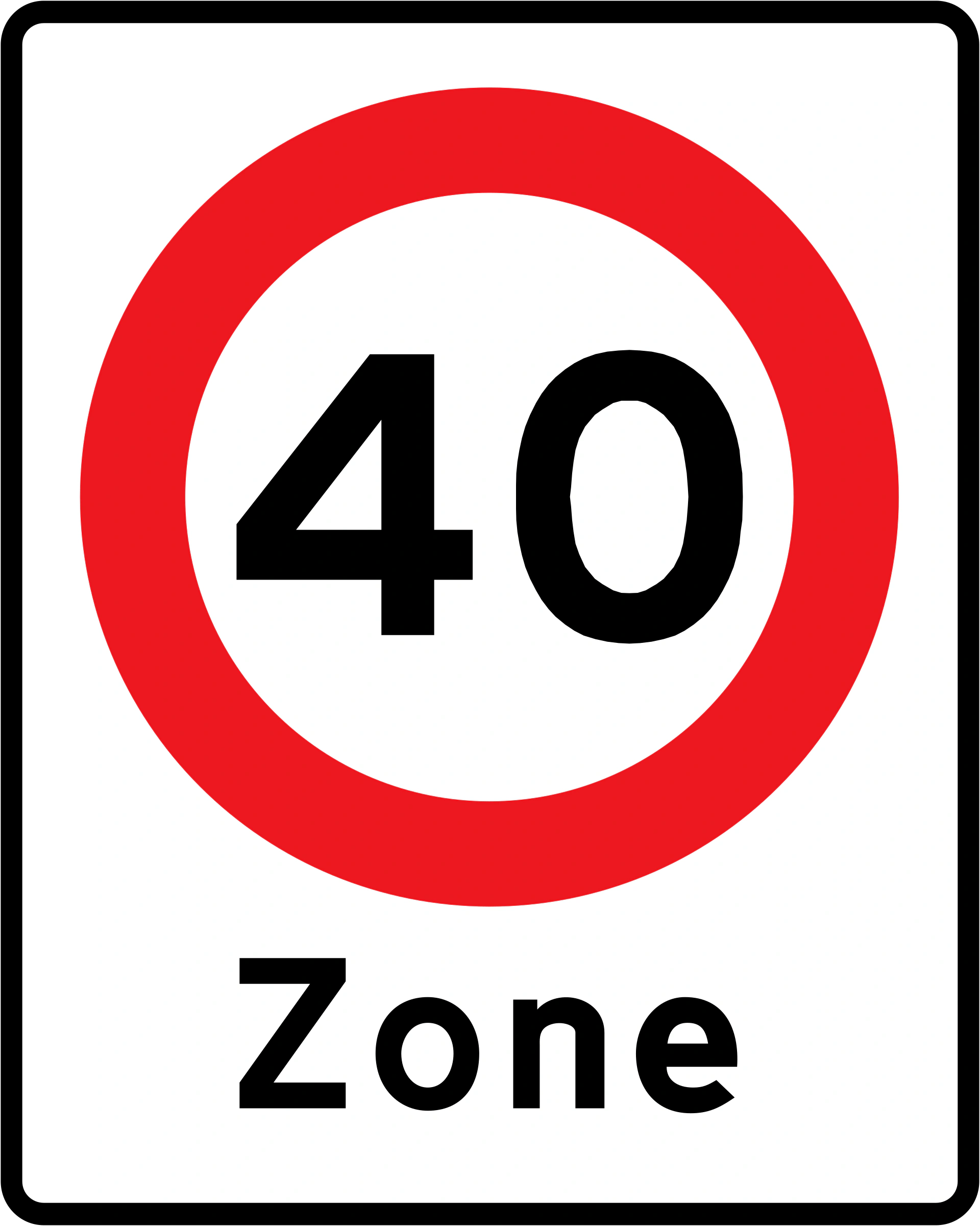
Understand the E68.4 'Zone with local speed limit' sign and its specific rules.
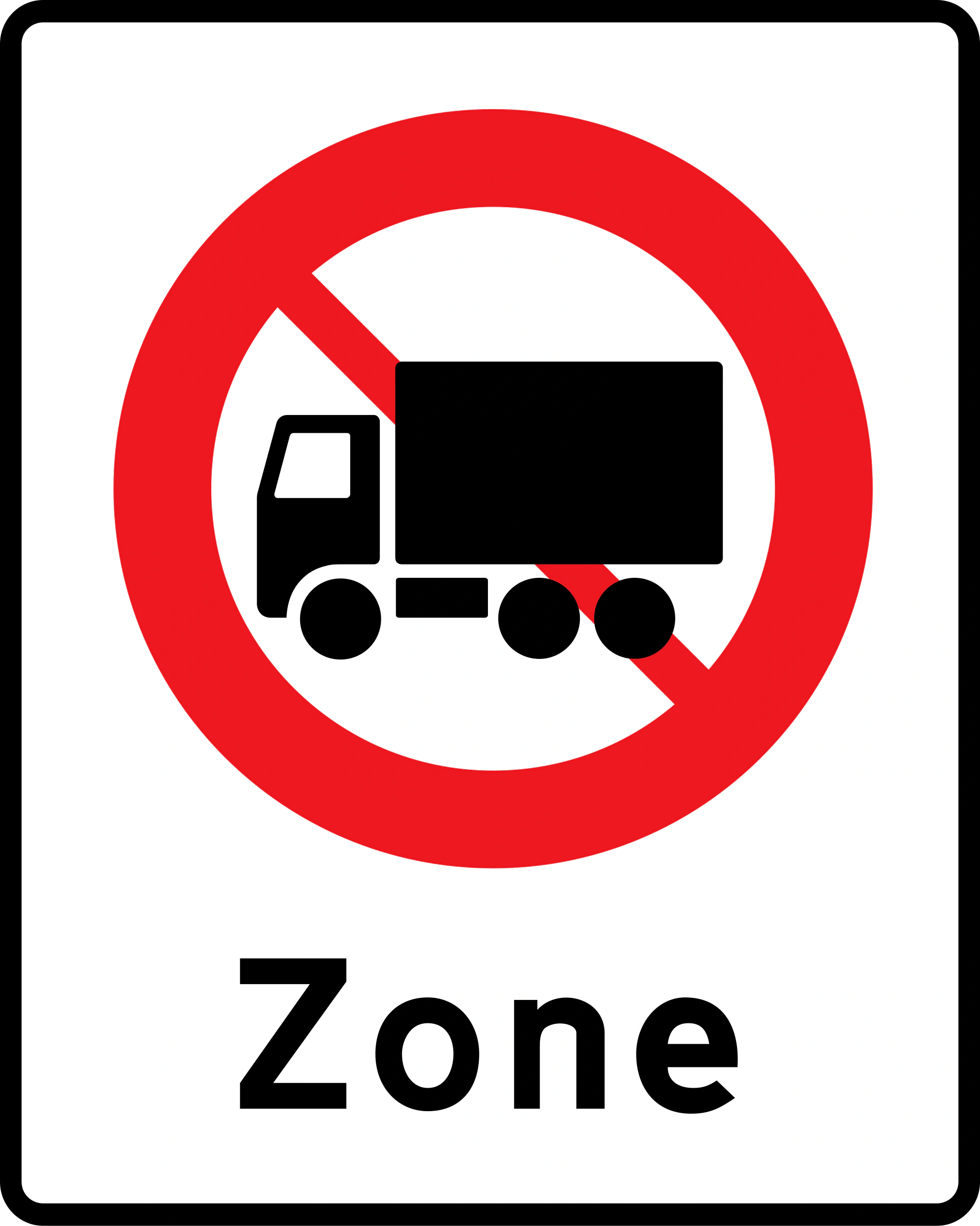
Understand the 'No Heavy Goods Vehicles Permitted Zone' sign (E68.5) in Denmark.
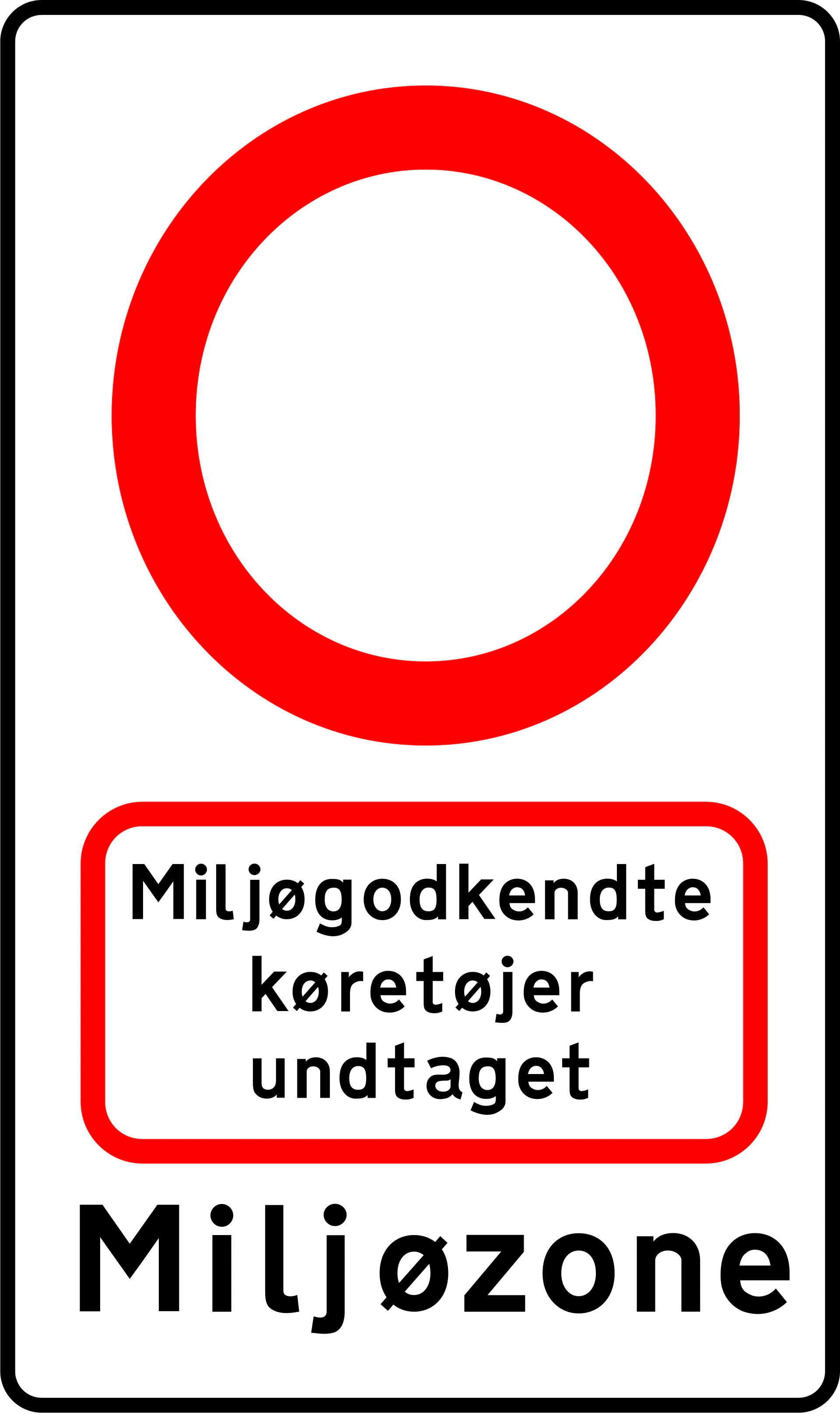
What does the E68.9 Low-Emission Zone sign mean?
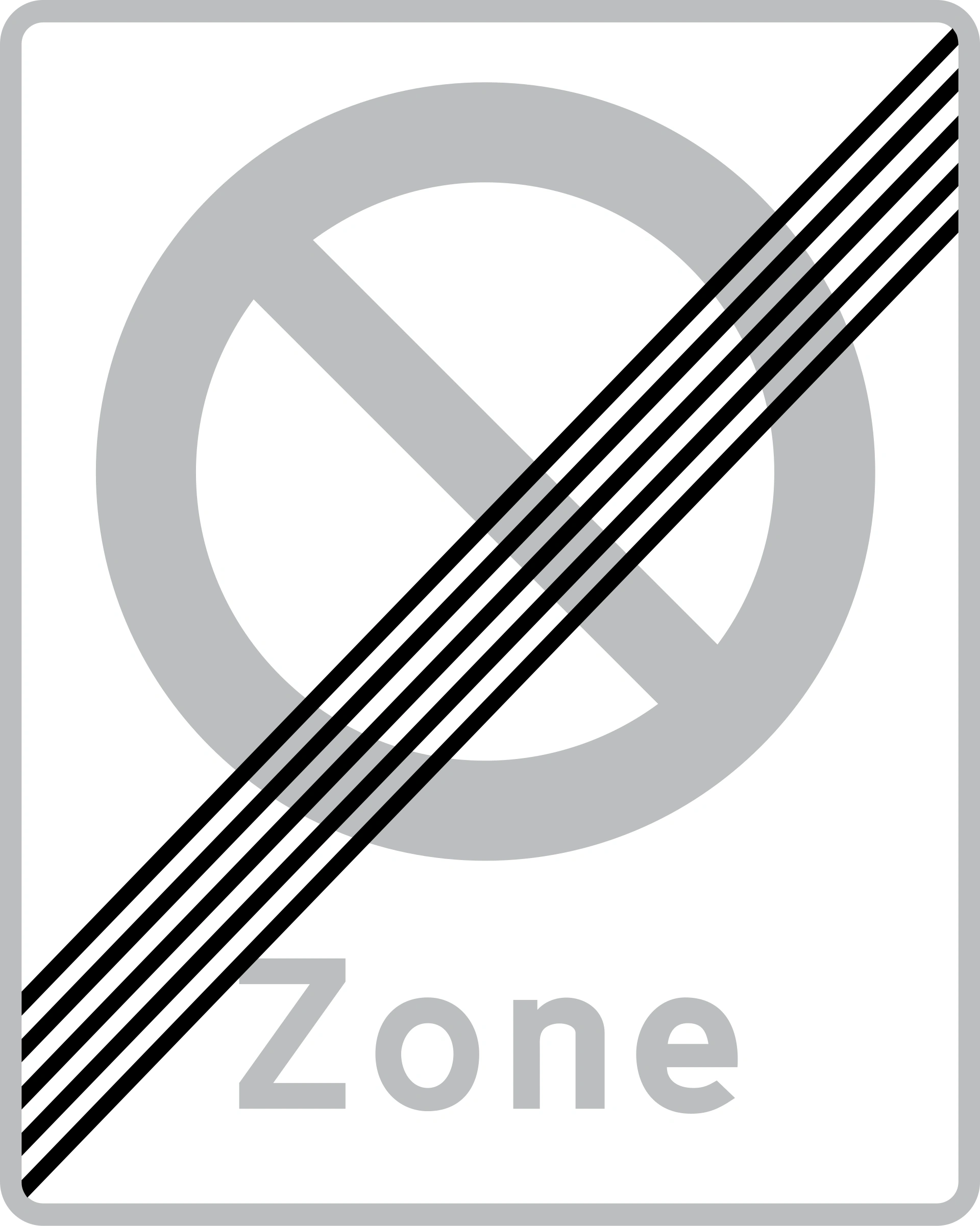
You've reached the end of the no parking zone!
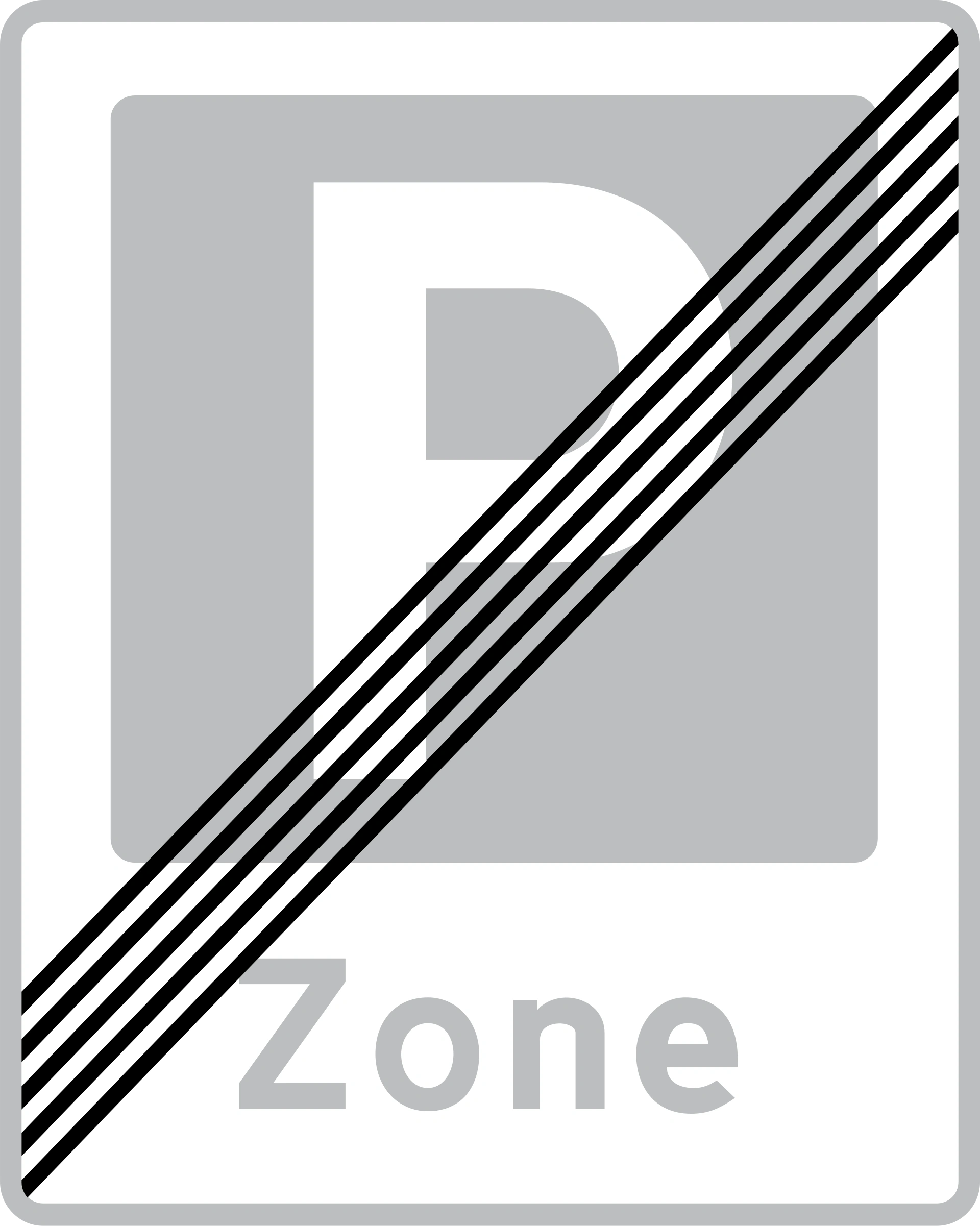
End of Zone with Parking: Exiting Special Area Rules
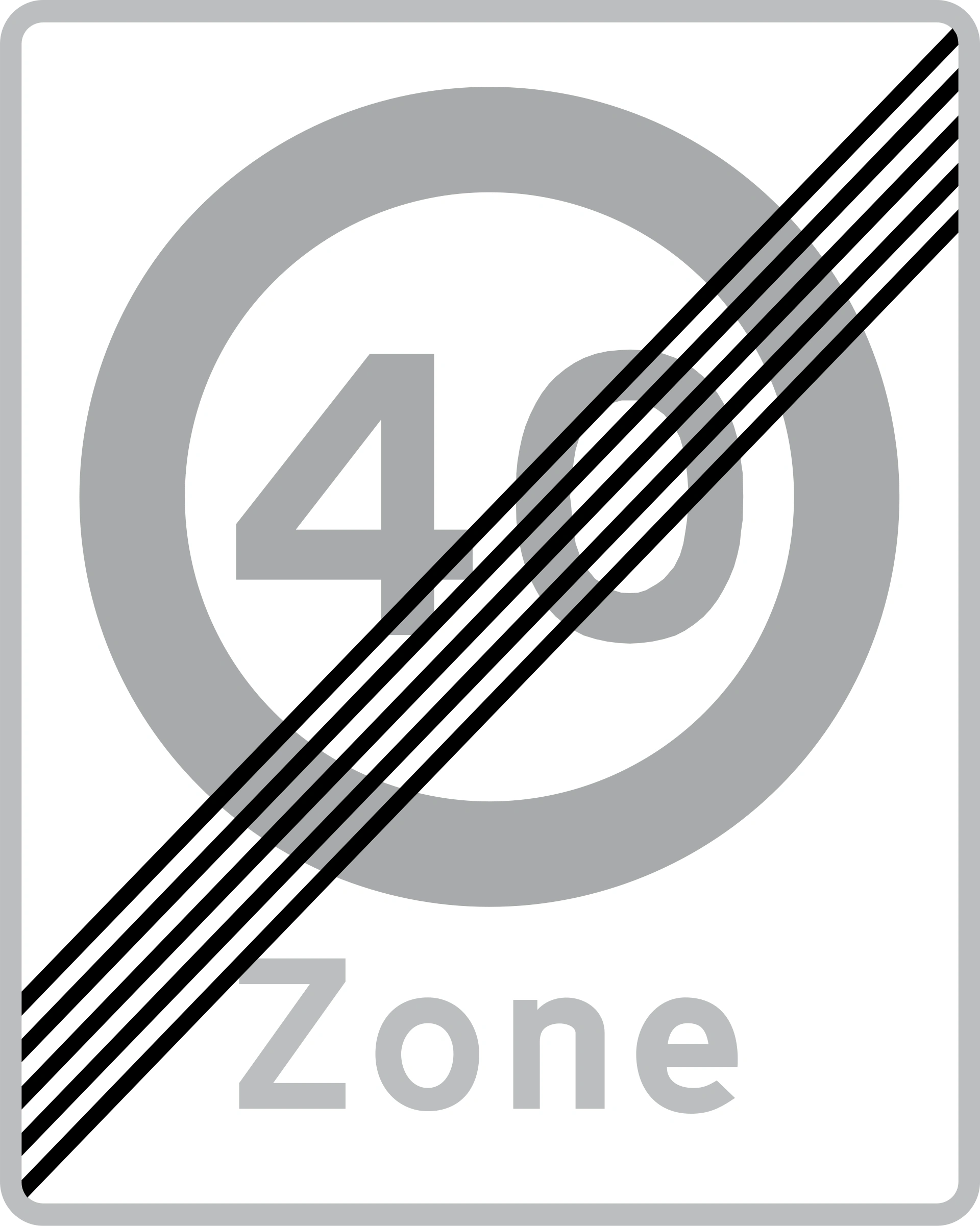
You've reached the end of a special speed limit zone.
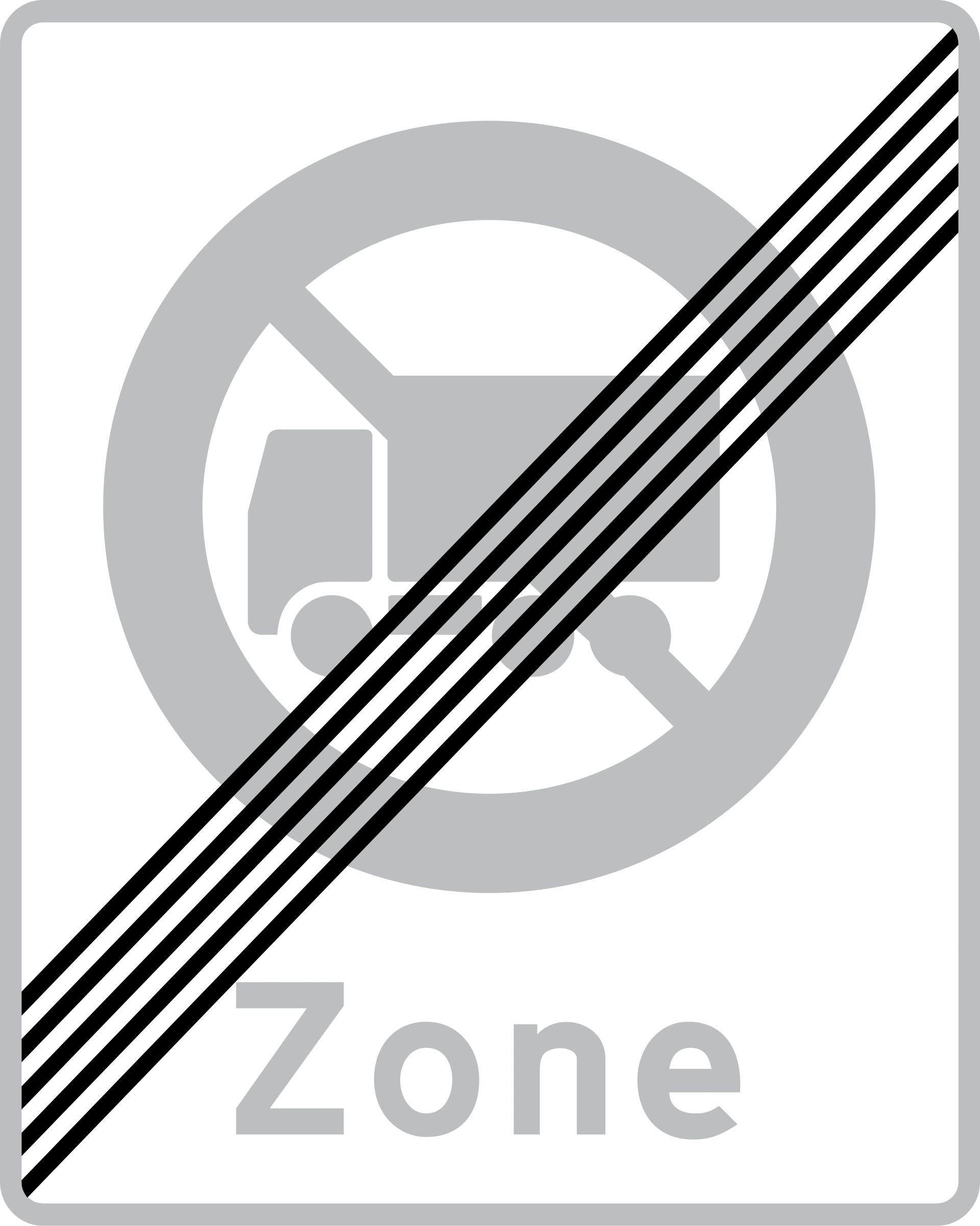
E69.5: You've Exited the Zone Where Heavy Goods Vehicles Are Not Allowed
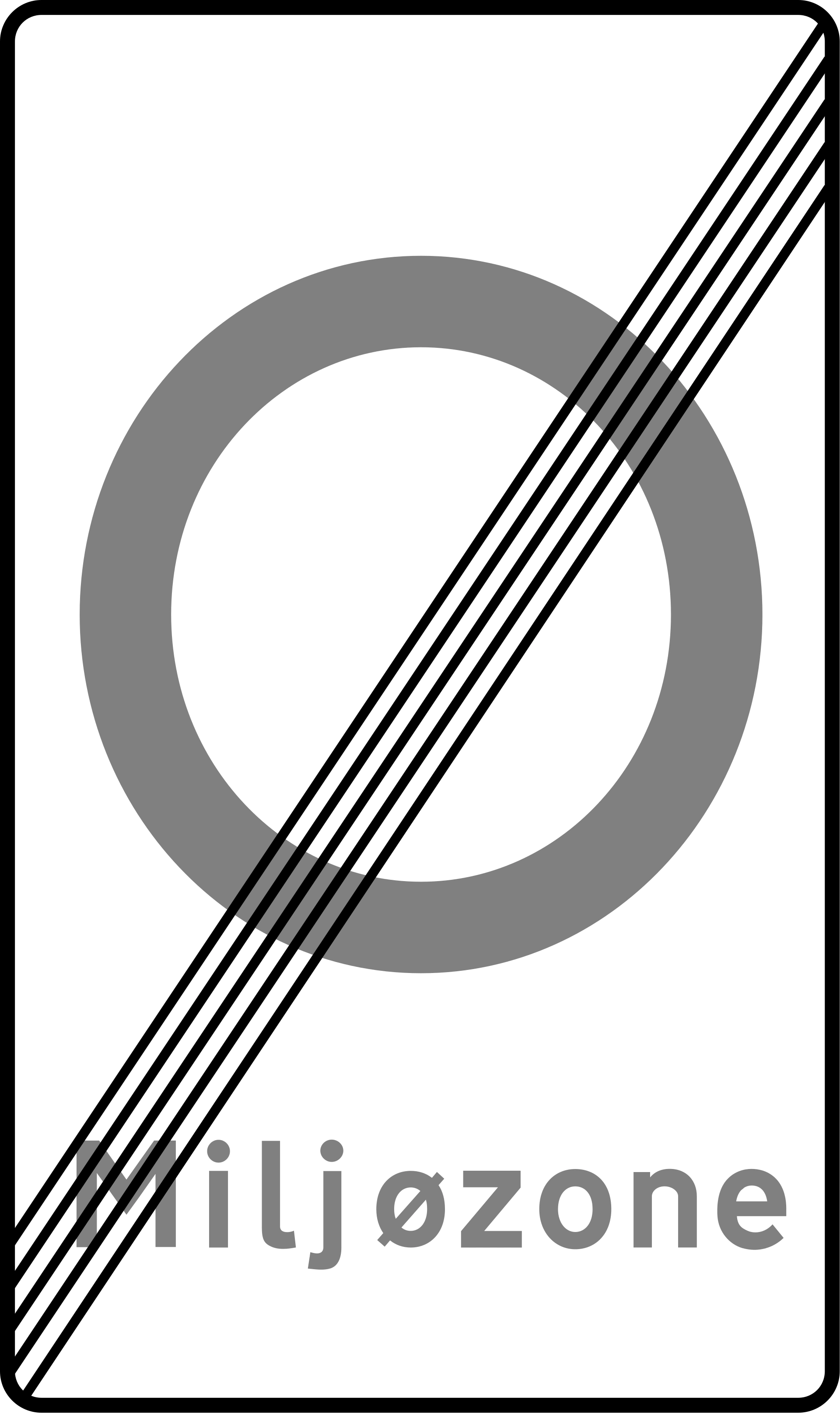
You have now left the low-emission zone.
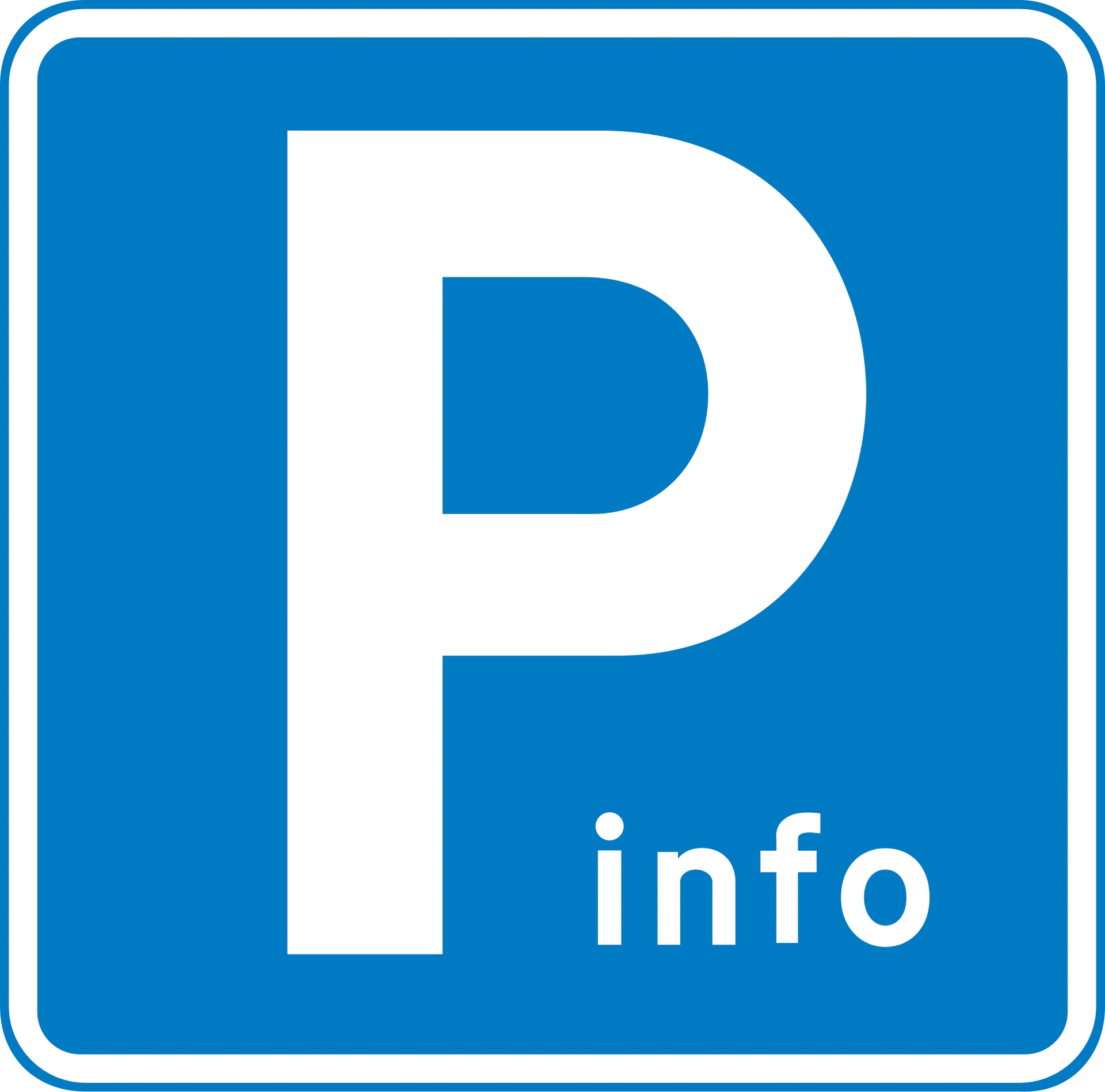
E70 Parking Zone Information: Special Rules Apply Here
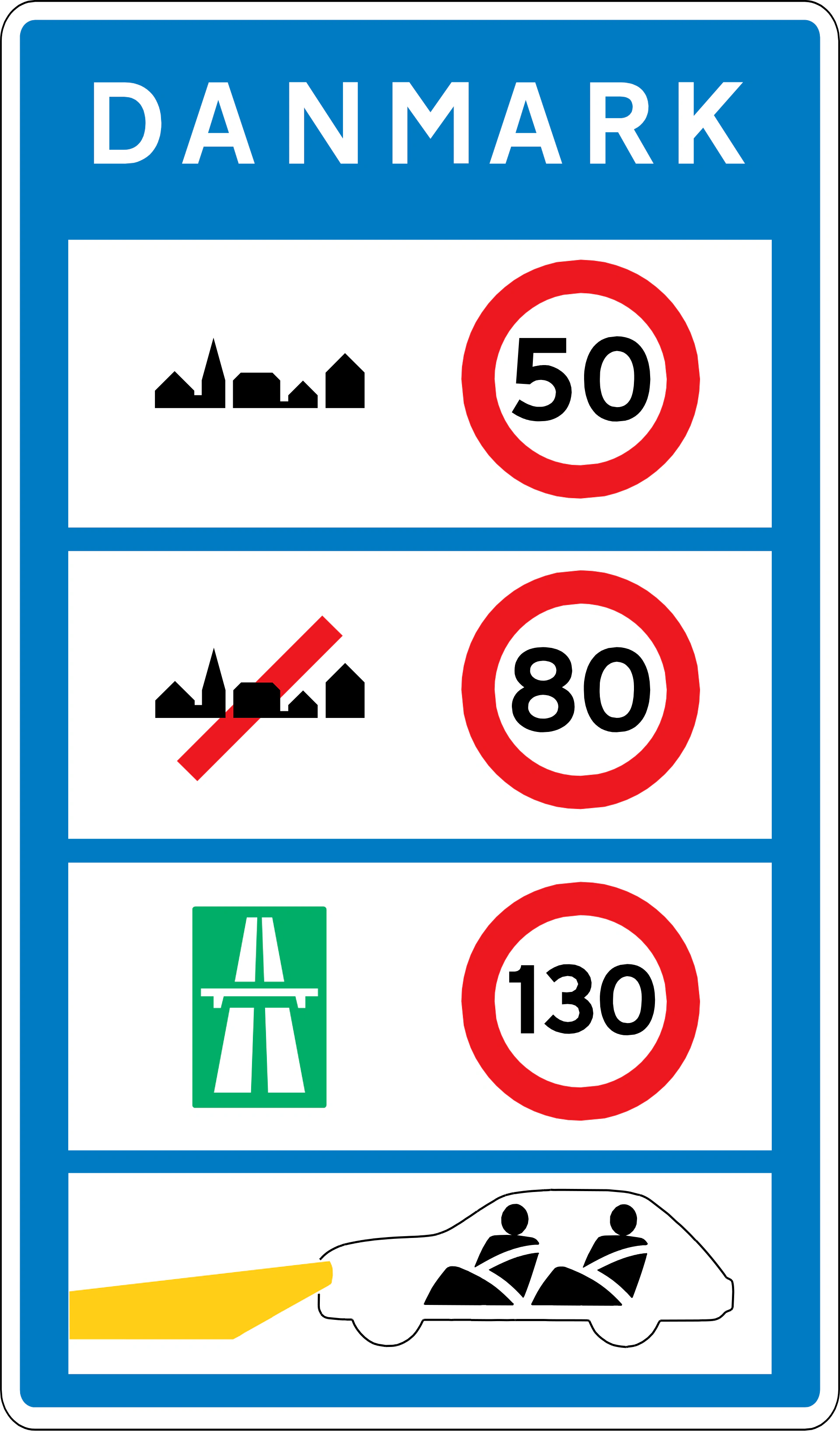
Master the E80+UE80 General Speed Limits sign for Danish road safety.
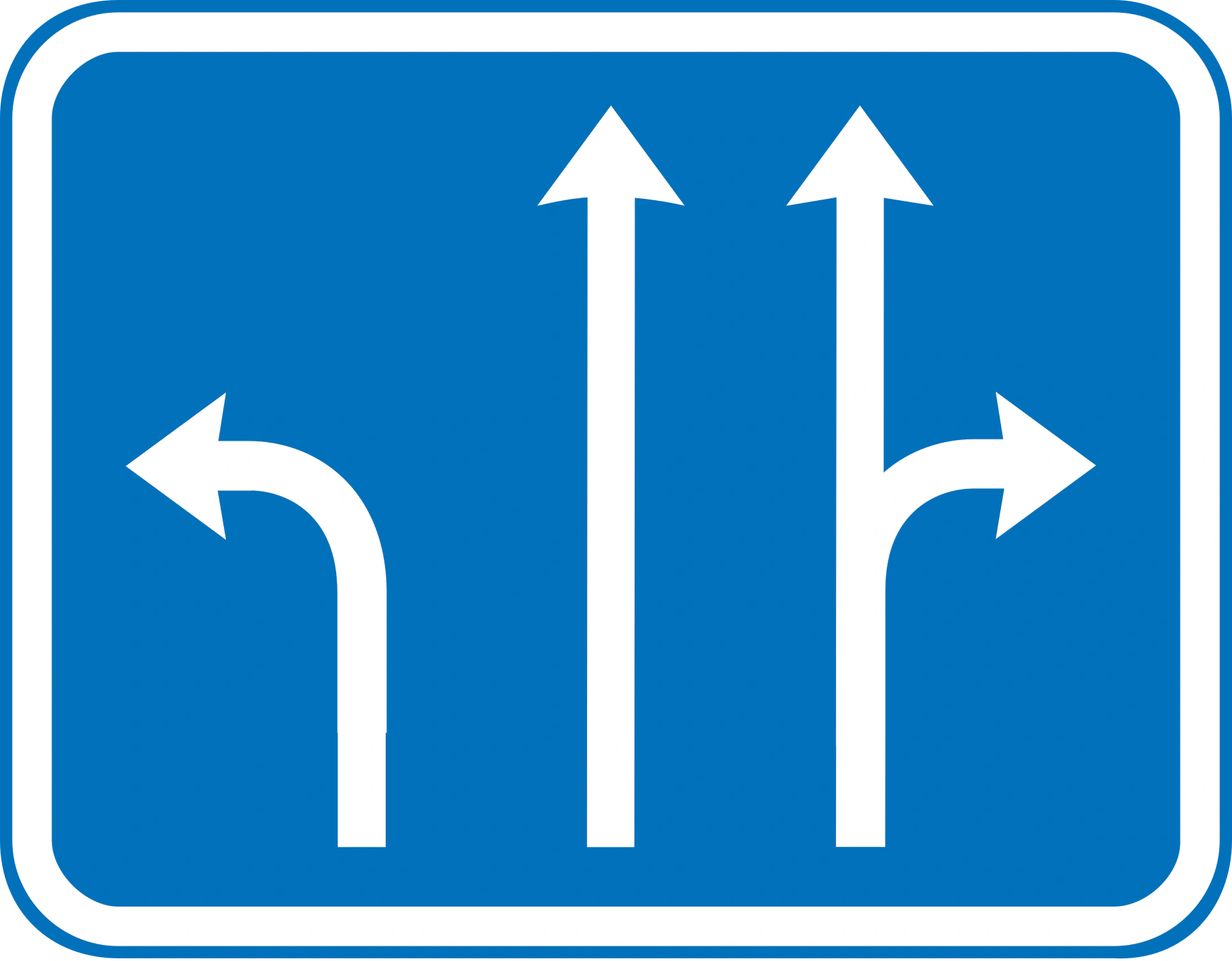
Understand Danish E15 Special Regulation: Lanes at Intersection Sign
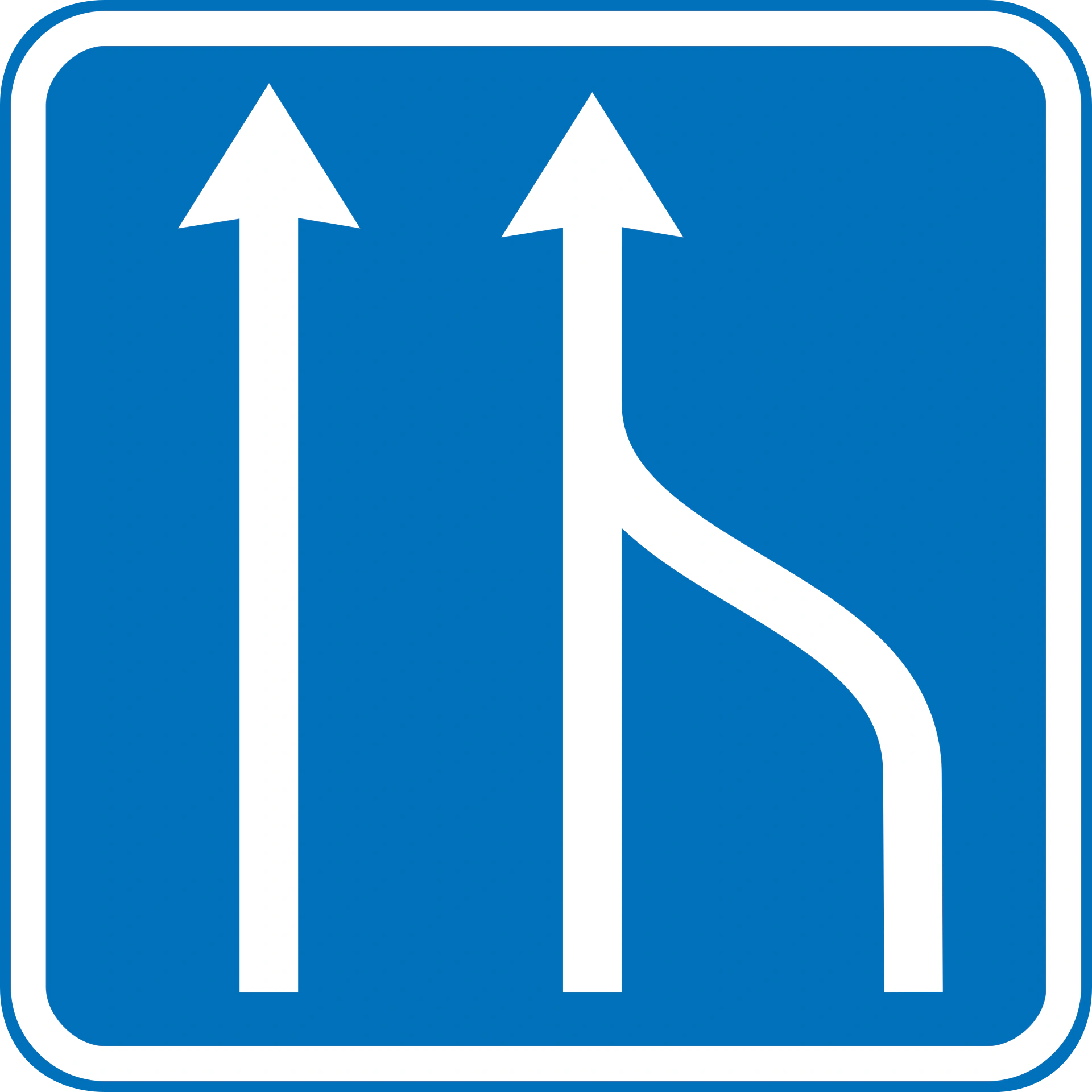
Prepare for Lane Reductions and Merges with the Danish E16.1 Special Regulation Sign
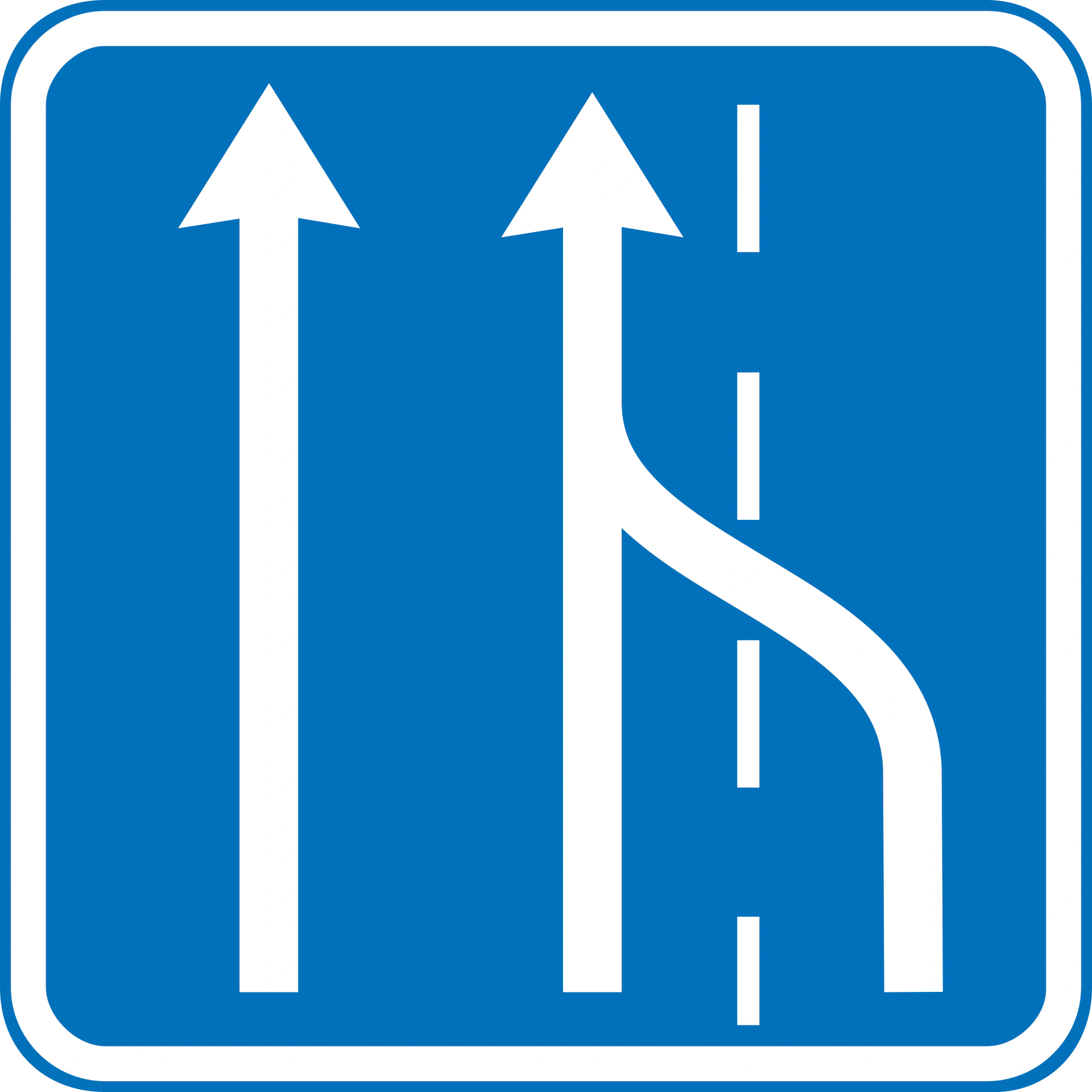
E16.2: Prepare for a Reduction in Lanes and Potential Lane Changes Ahead
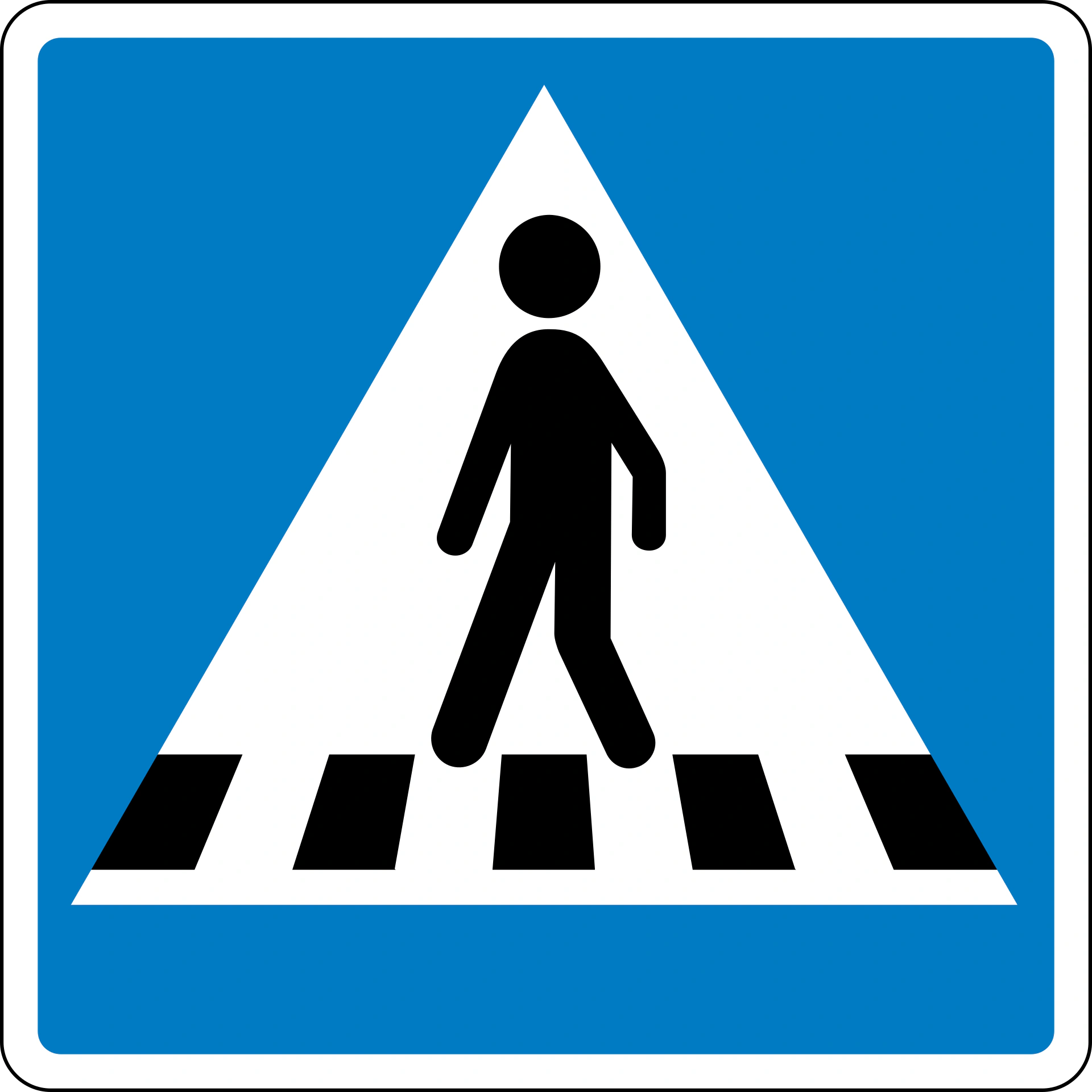
The E17 sign indicates a special regulation, not always a pedestrian crossing.
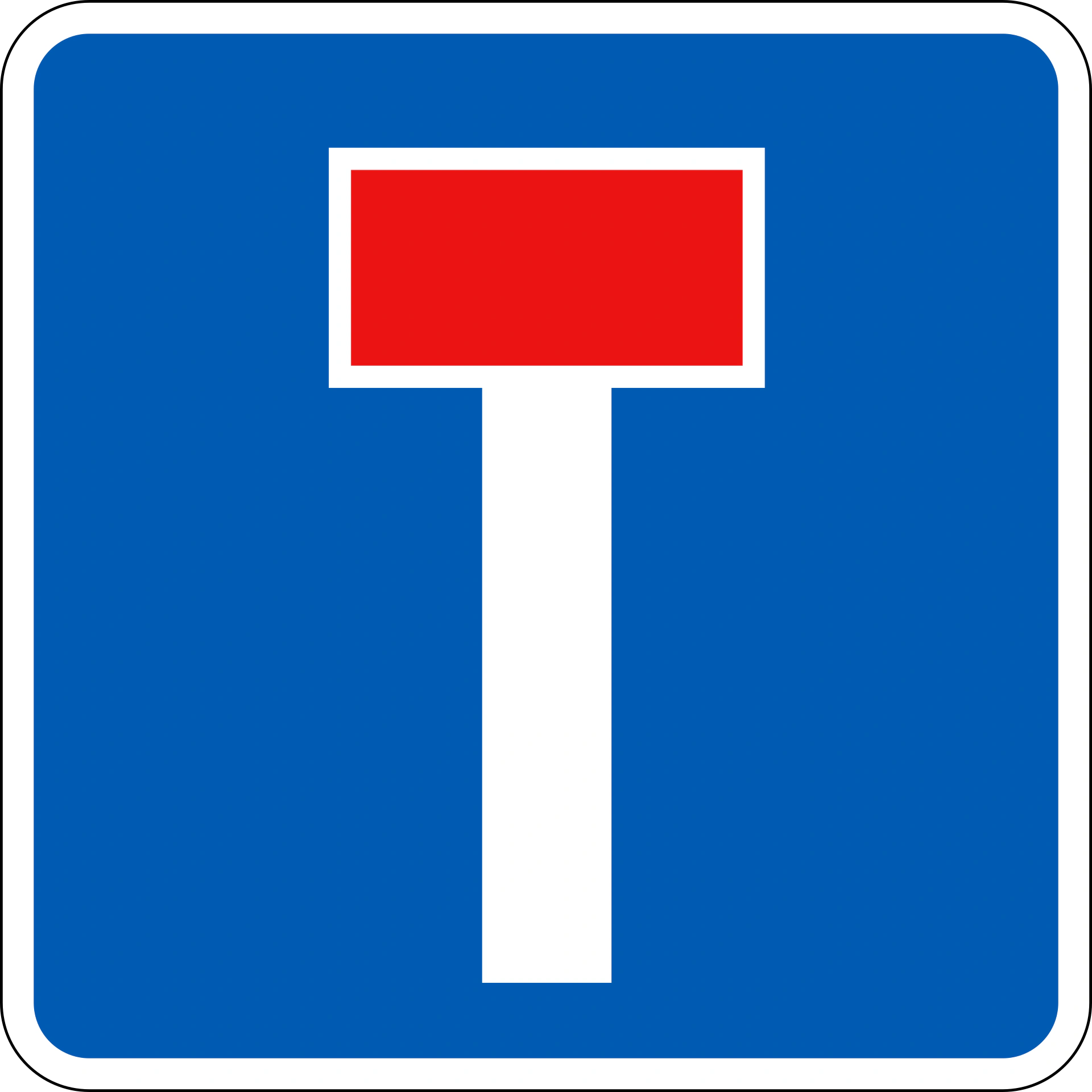
Understand the E18 'Dead End' Special Regulation Sign in Denmark
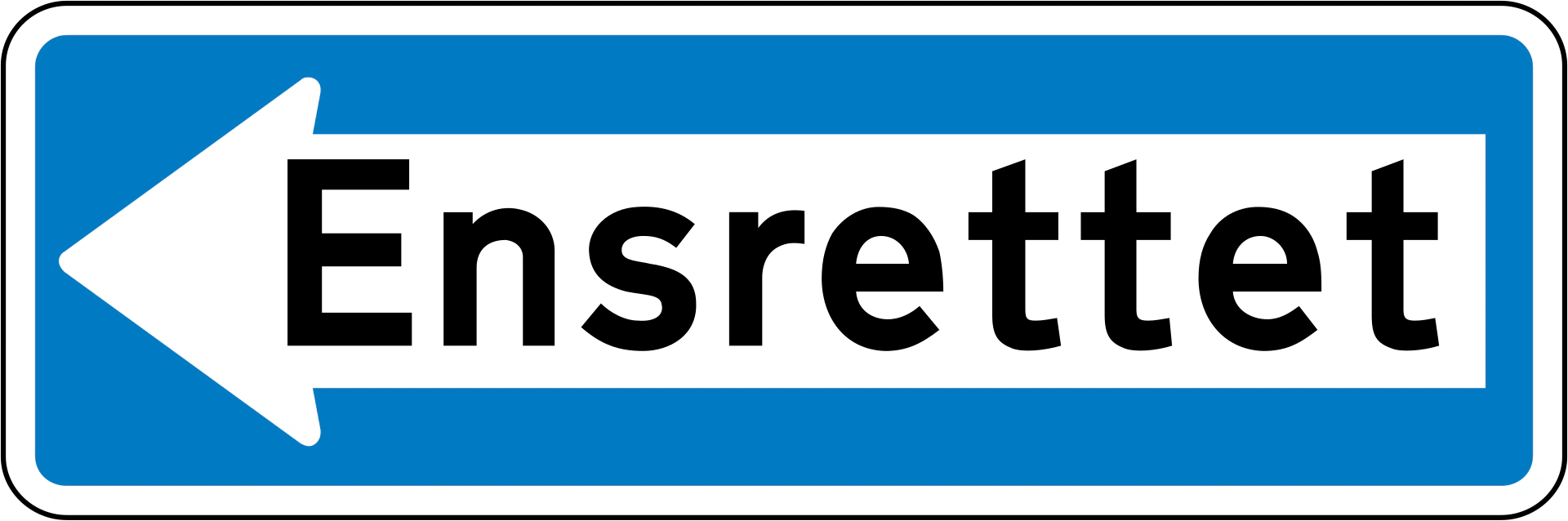
The E19 'One Way' Sign: Understanding Special Danish Road Regulations
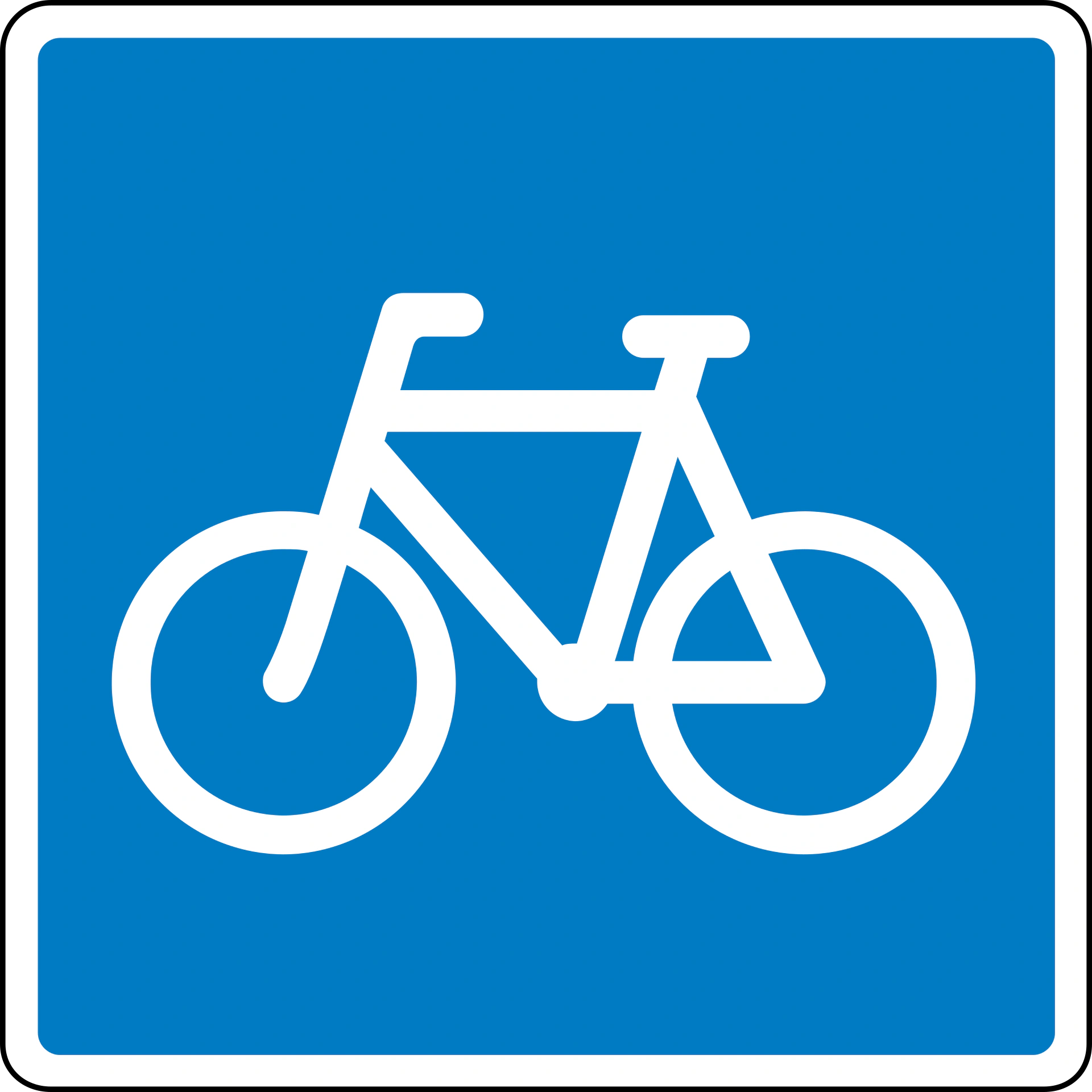
This sign indicates a recommended route specifically for cyclists.
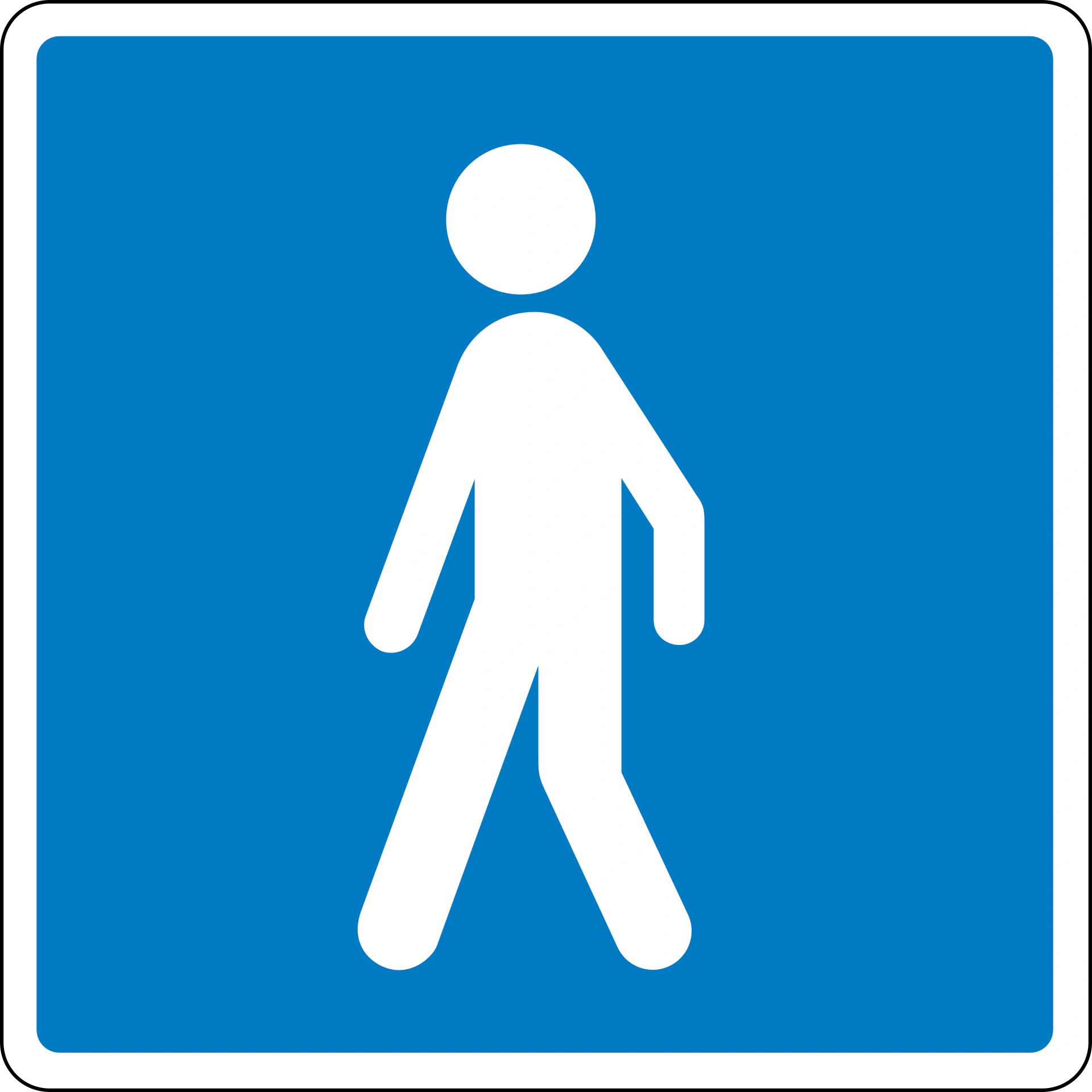
E21.2 Recommended Route for Pedestrians: Follow the Designated Path
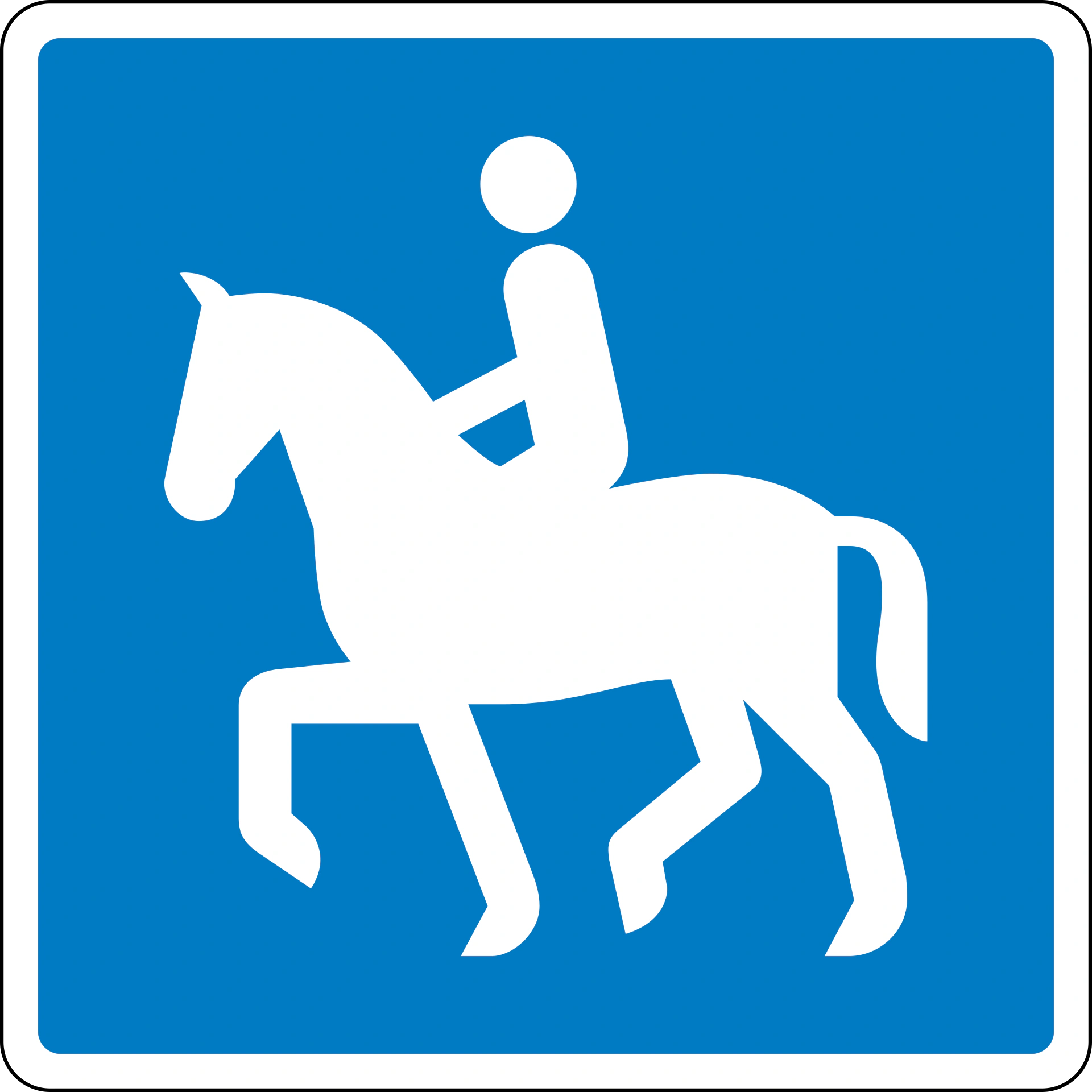
The E21.3 Sign Indicates a Recommended Route for Equestrians
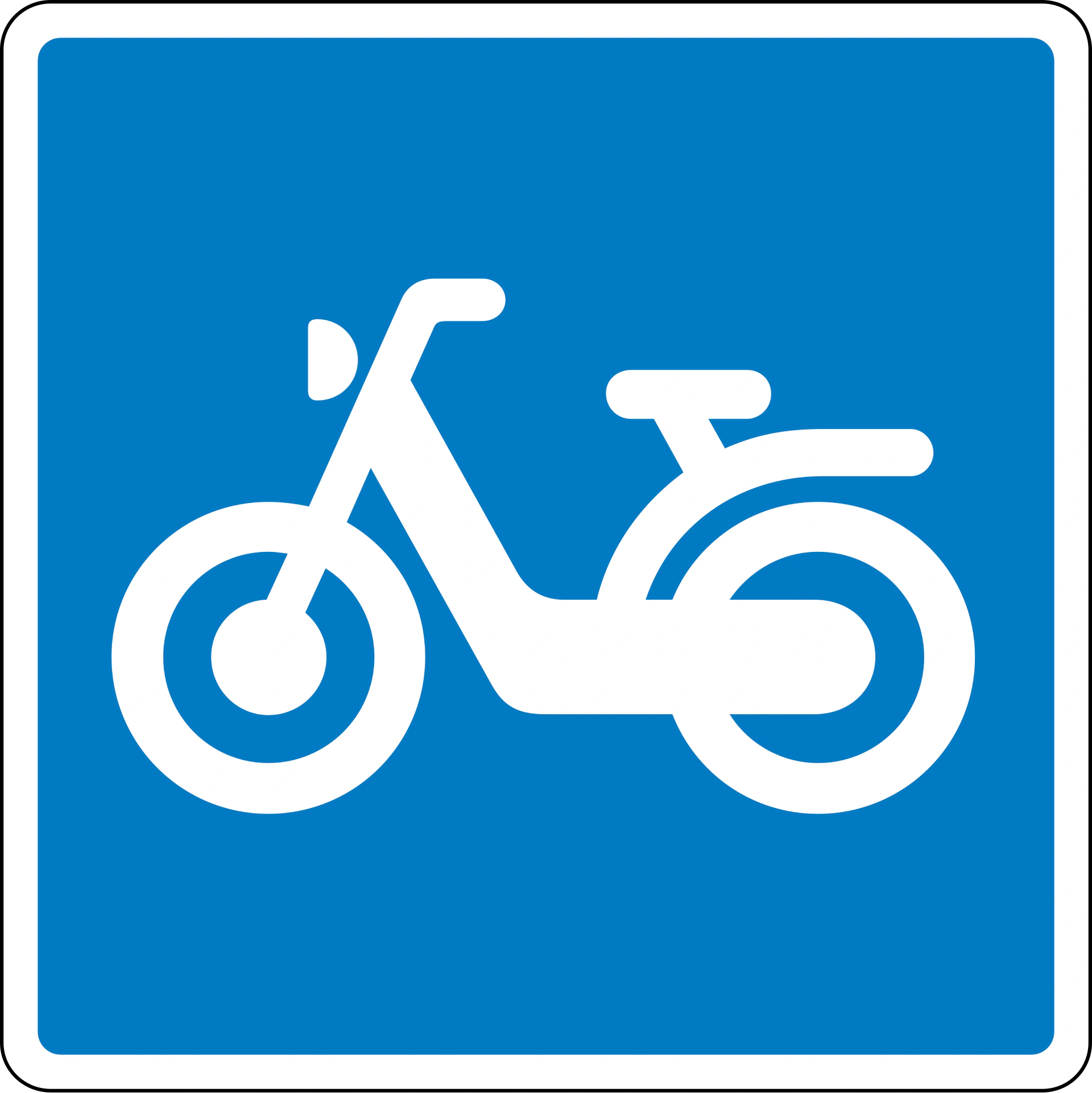
Follow the Recommended Route for Mopeds Sign (E21.4) for special road conditions.
Follow the Recommended Route for Heavy Goods Vehicles
Follow the Recommended Route for Hazardous Goods Vehicles with Sign E22.2
Special Route Sign: Recommended Route for Tractors and Motorized Equipment (E22.3)
Understand the Recommended Route for Buses sign (E22.4) – A Danish Special Regulation
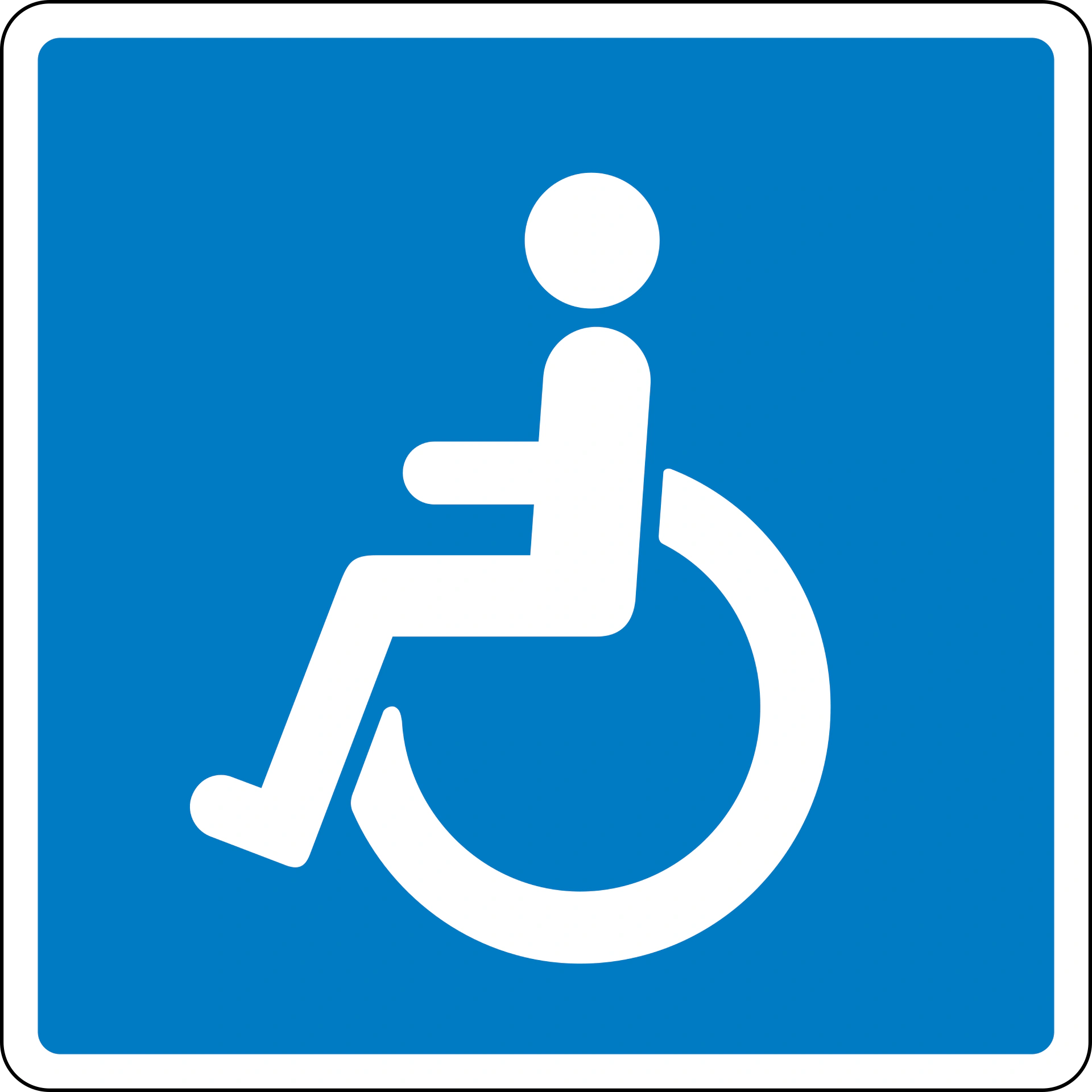
E23 'Instructions for disabled' sign: Decode Danish special traffic rules.
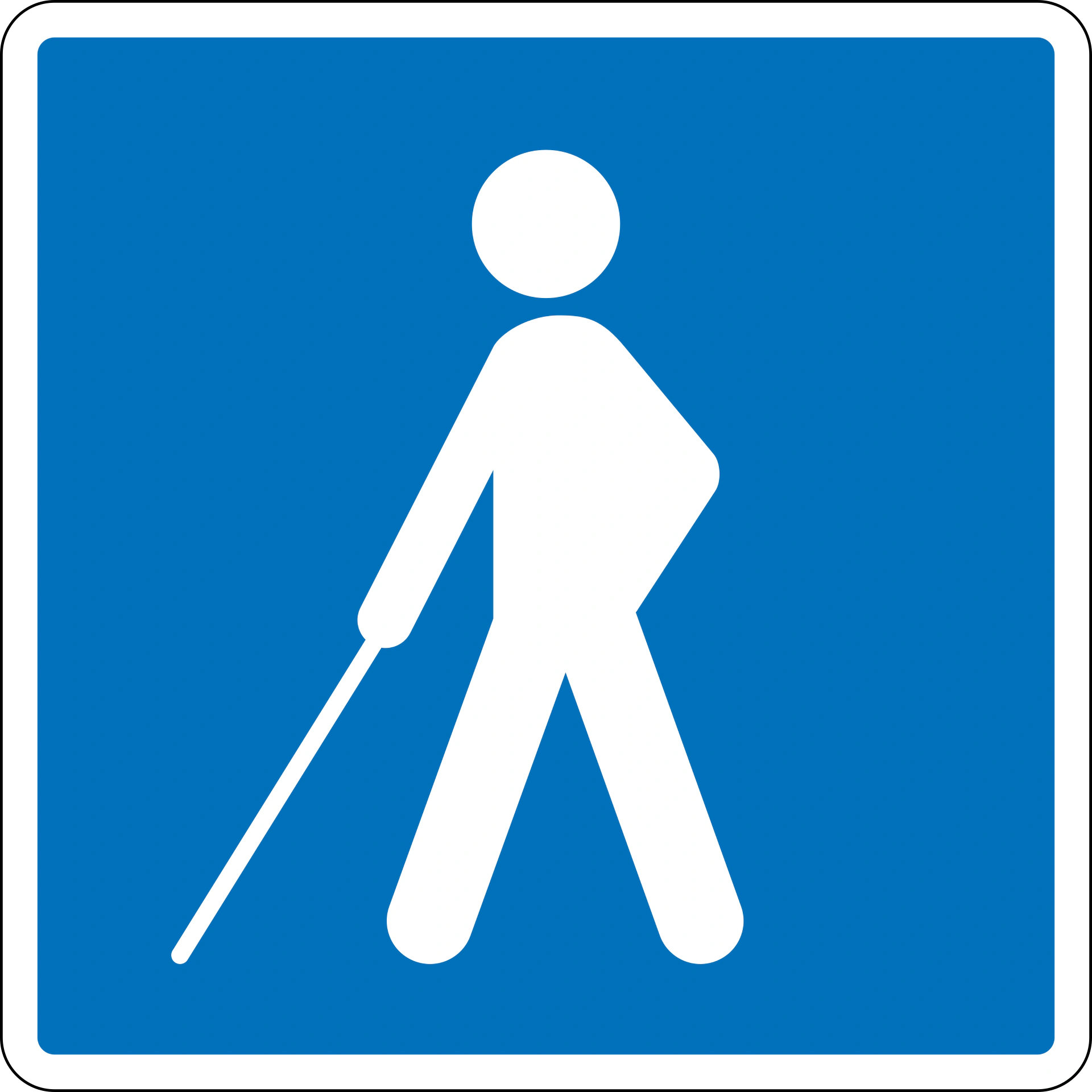
The E24 'Instructions for Visually Impaired' sign indicates a specific local traffic rule or road designation.
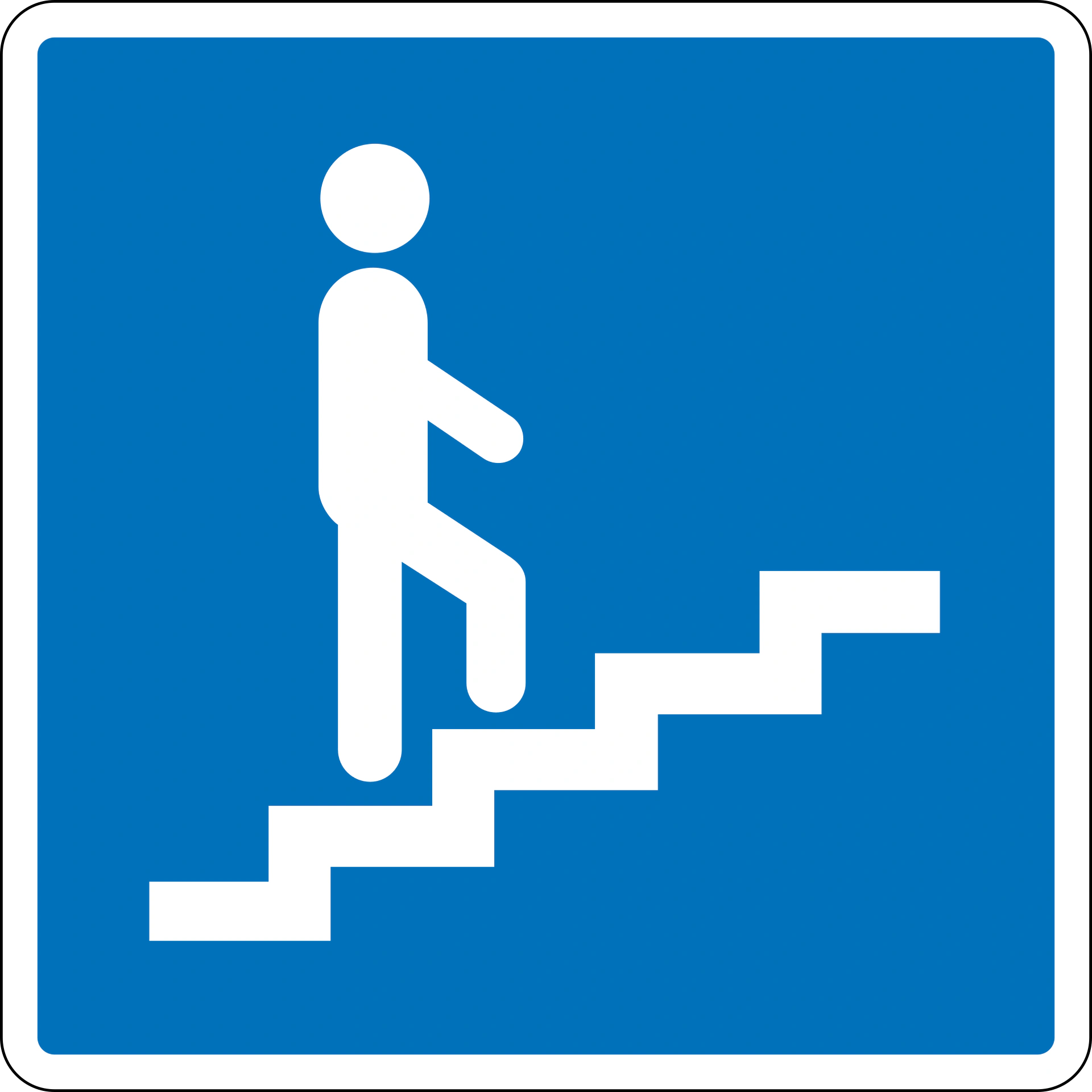
The E26.1 Pedestrian Overpass Sign: Understanding Special Traffic Regulations
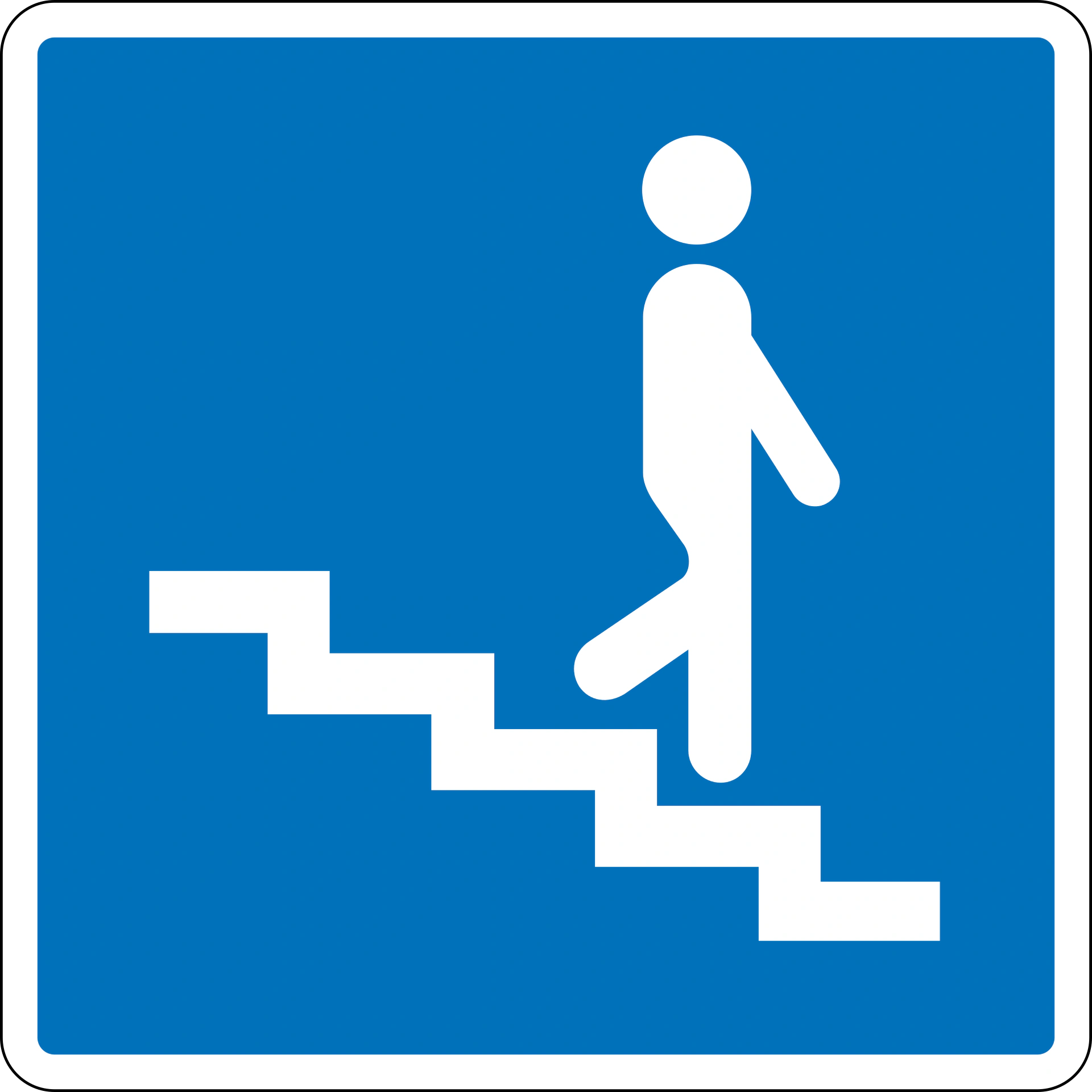
Understand the E26.2 Pedestrian Underpass Sign for Danish Road Rules
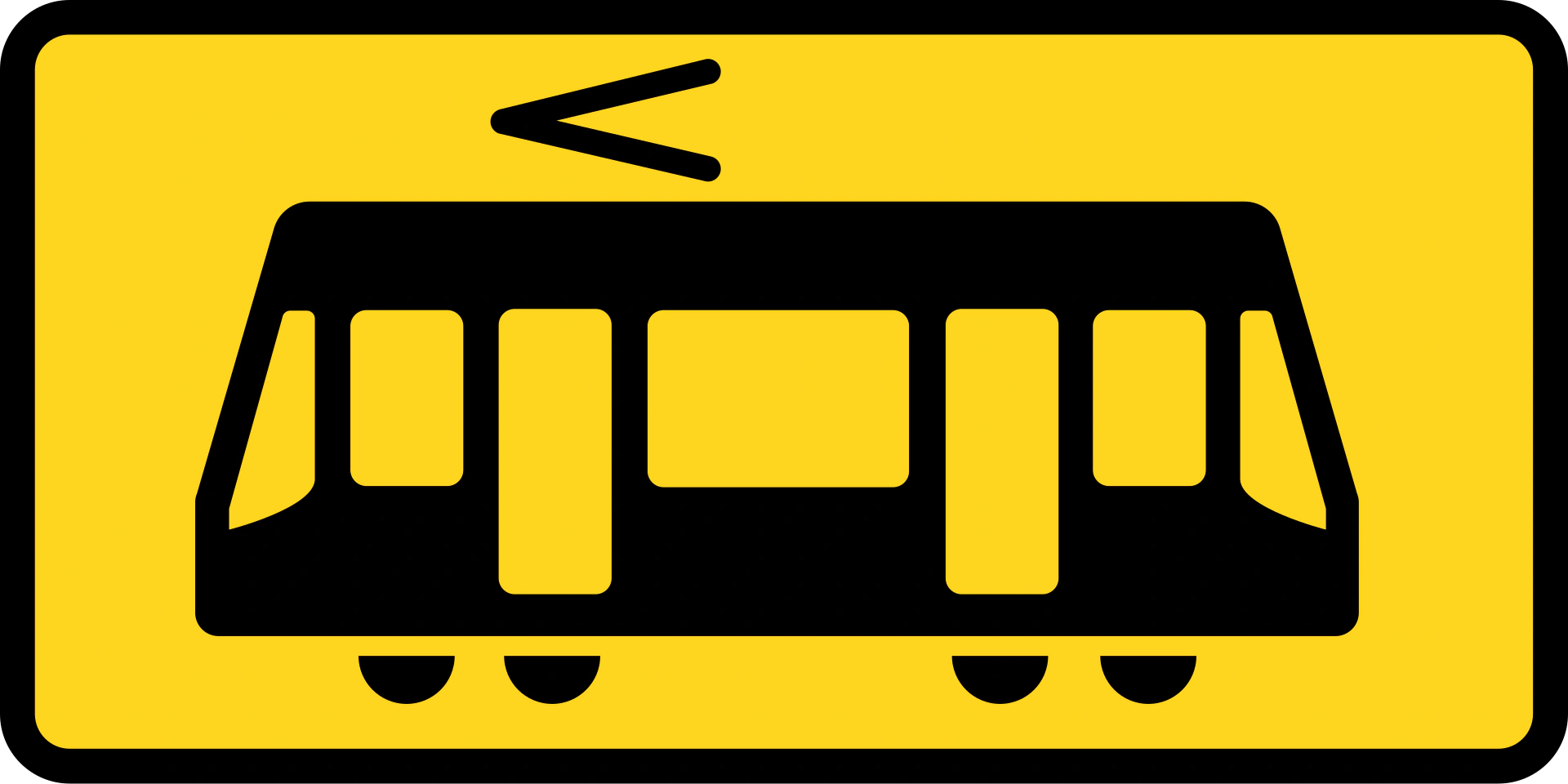
Understand the E30 Light Rail Stop Special Regulation Sign
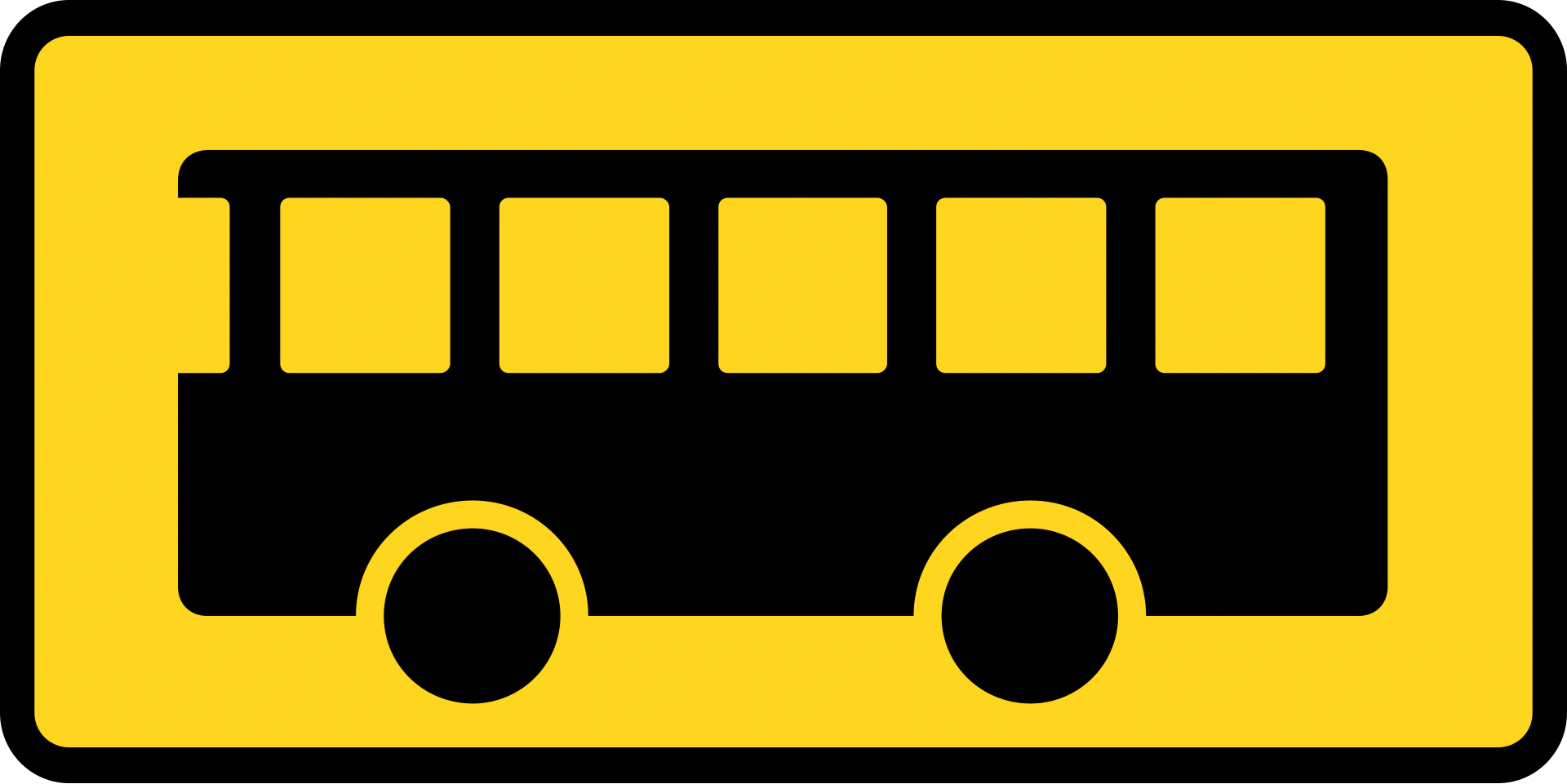
E31 Bus Stop Sign: Understand Danish Special Traffic Regulations
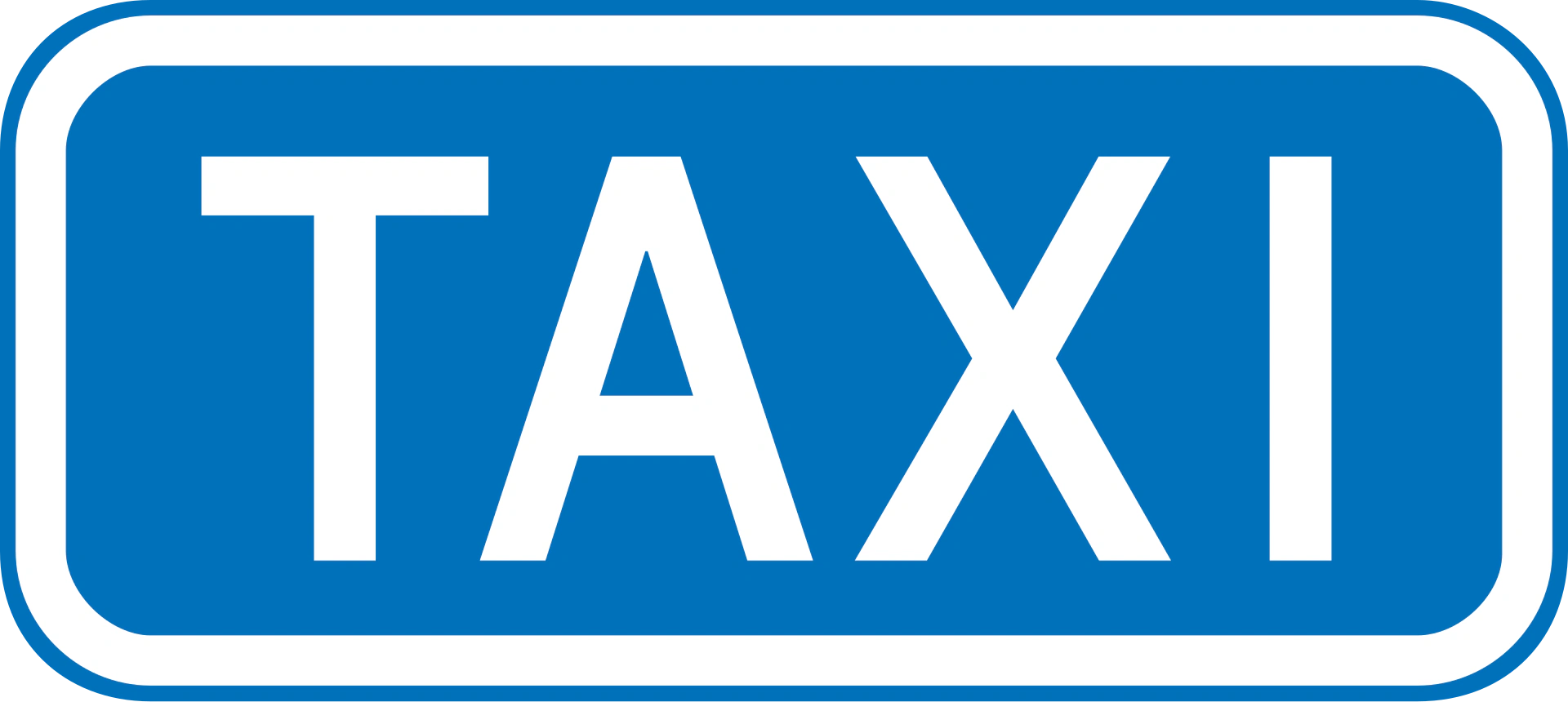
What does the E31 Taxi Stand sign mean?
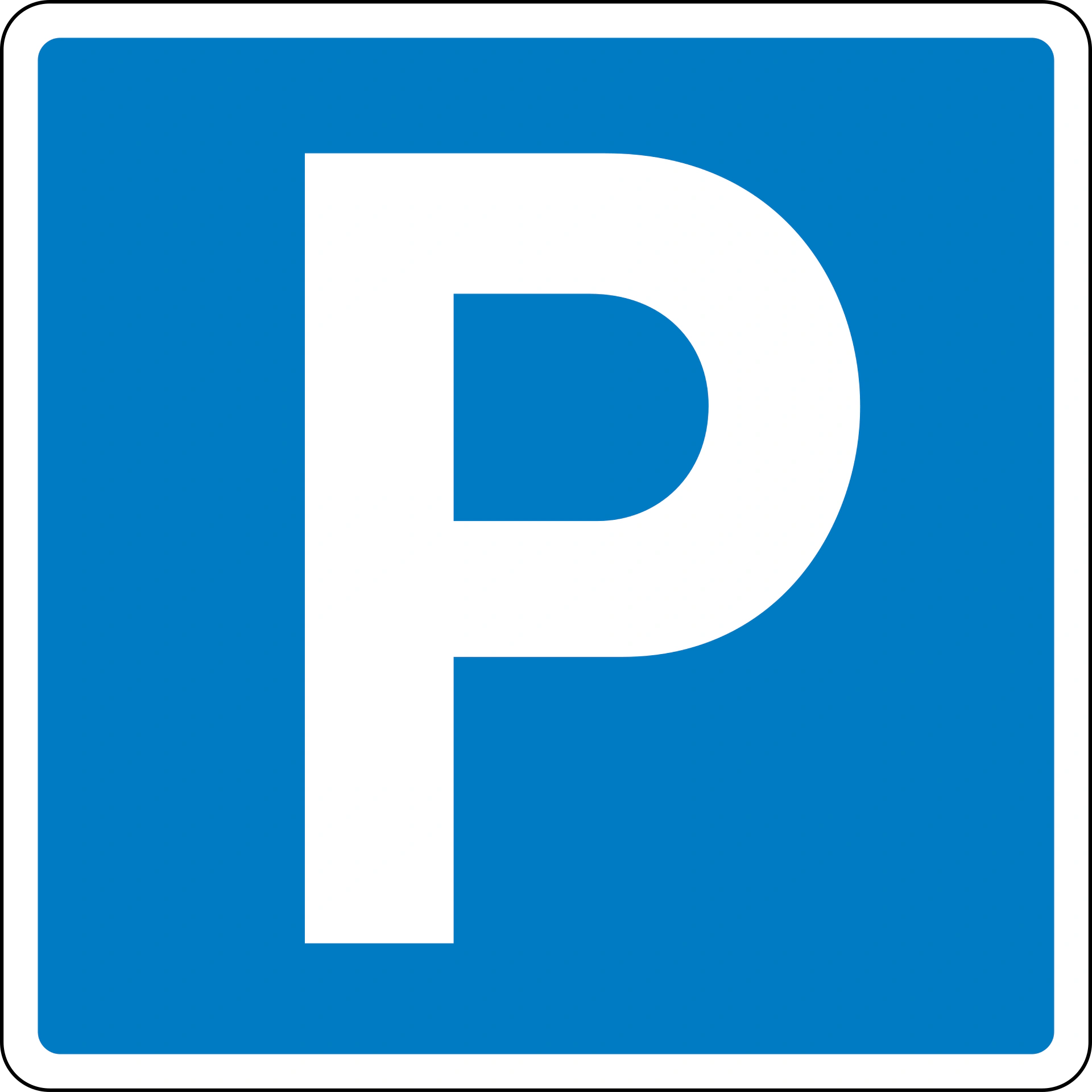
Understand the E33.1 'Parking' Special Regulation Sign in Denmark
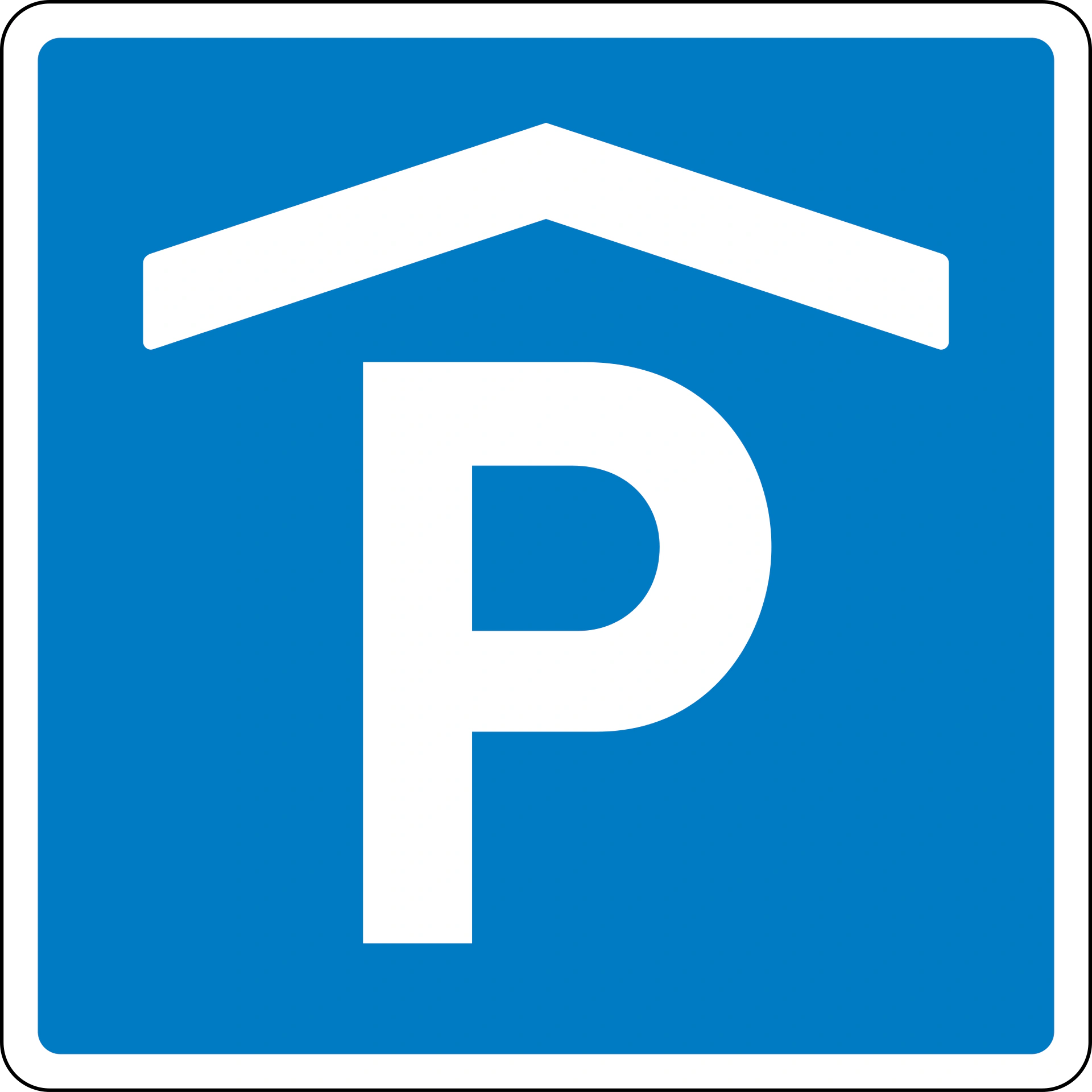
The E33.2 sign indicates Indoor Parking and defines special traffic rules for the area.
Understand the UE33.1 'Before and After' Sign for Special Regulations in Denmark
UE33.2 'After Sign': Apply Special Danish Road Regulations
UE33.3 'Before Sign': Prepare for Special Road Regulations Ahead
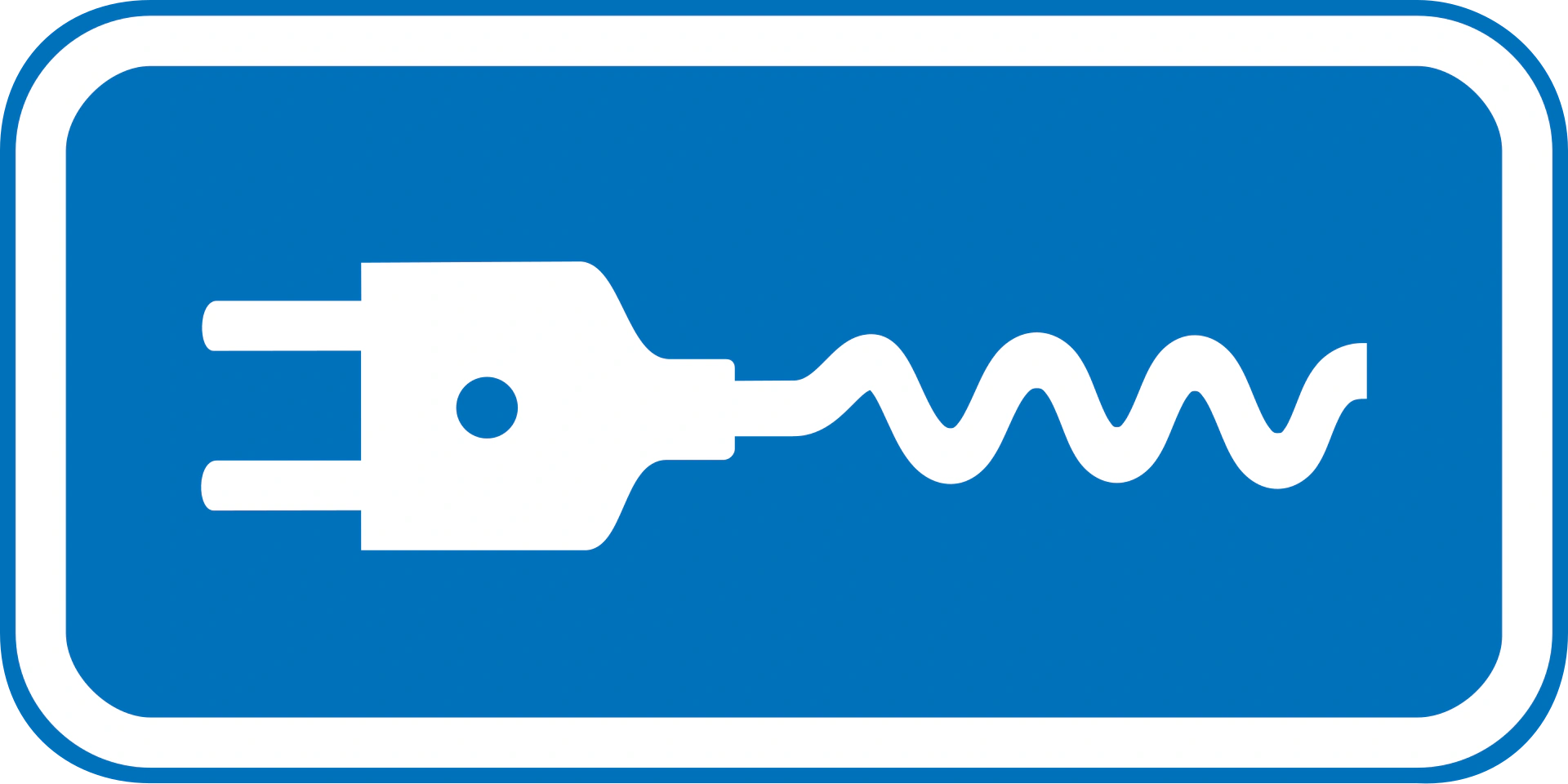
The UE33.4 Charging sign indicates a special traffic regulation or zone.
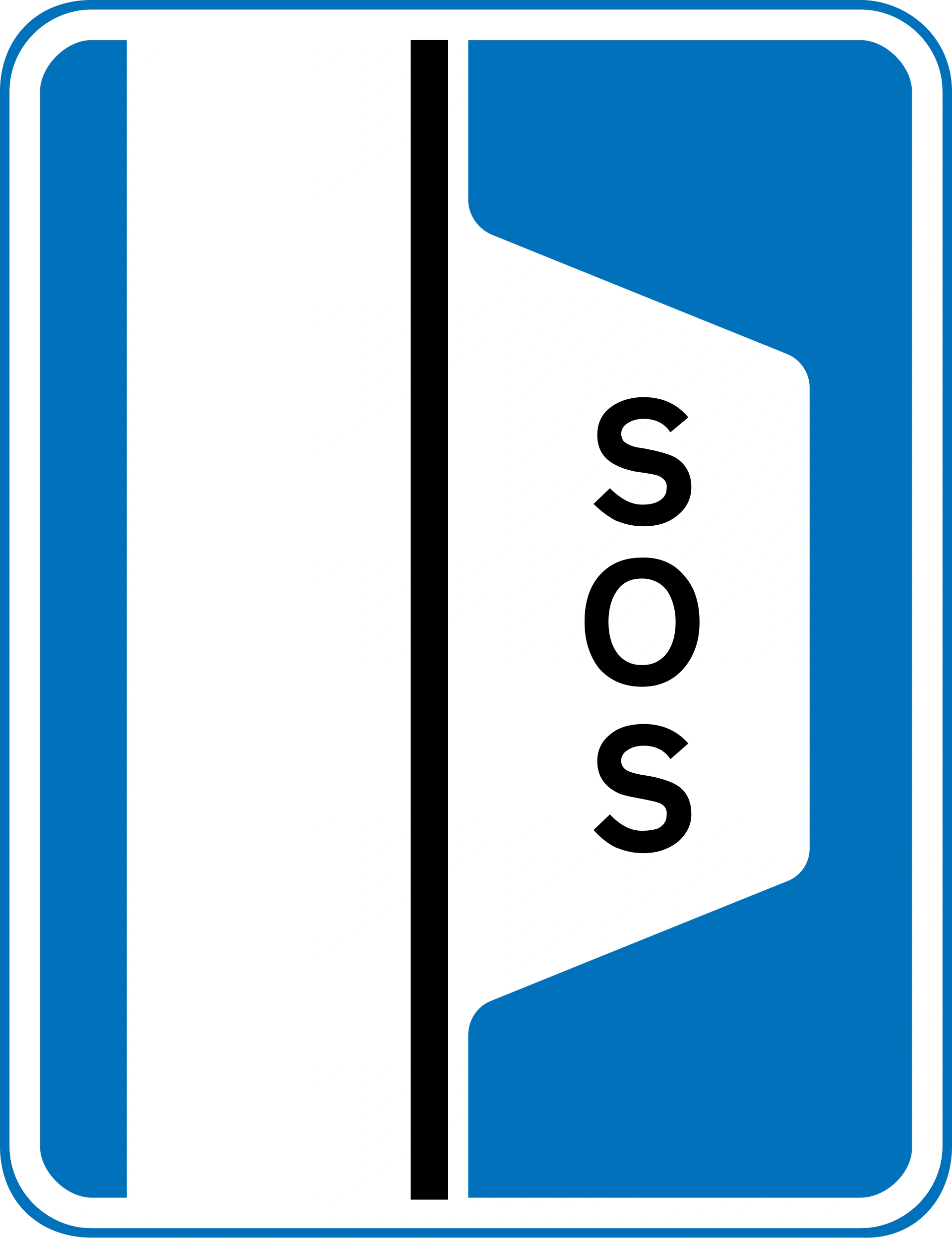
The E34 Breakdown Bay Sign Indicates a Special Regulation Zone on Danish Roads
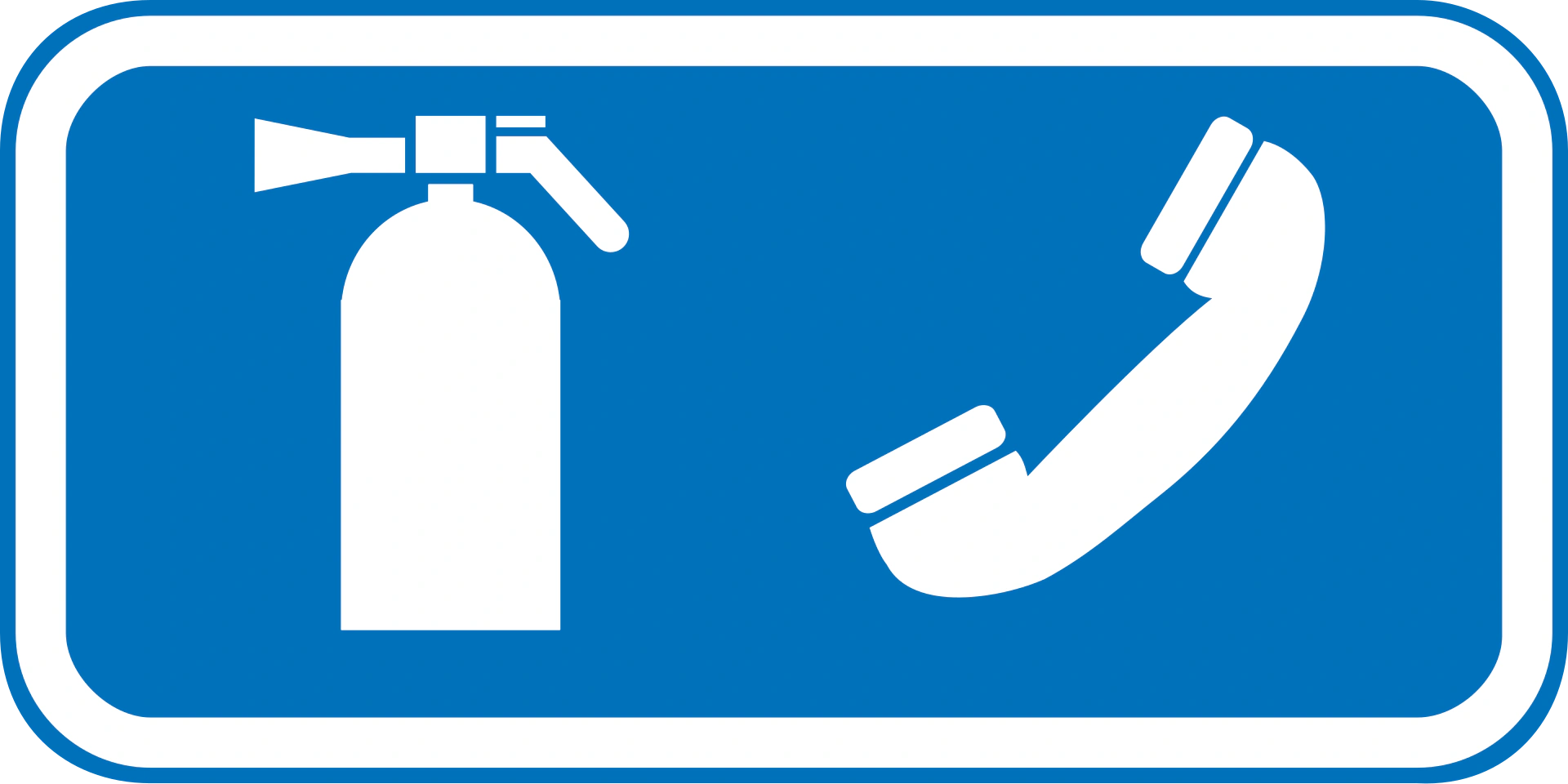
UE34: Fire Extinguisher and Emergency Phone - Special Regulation Sign
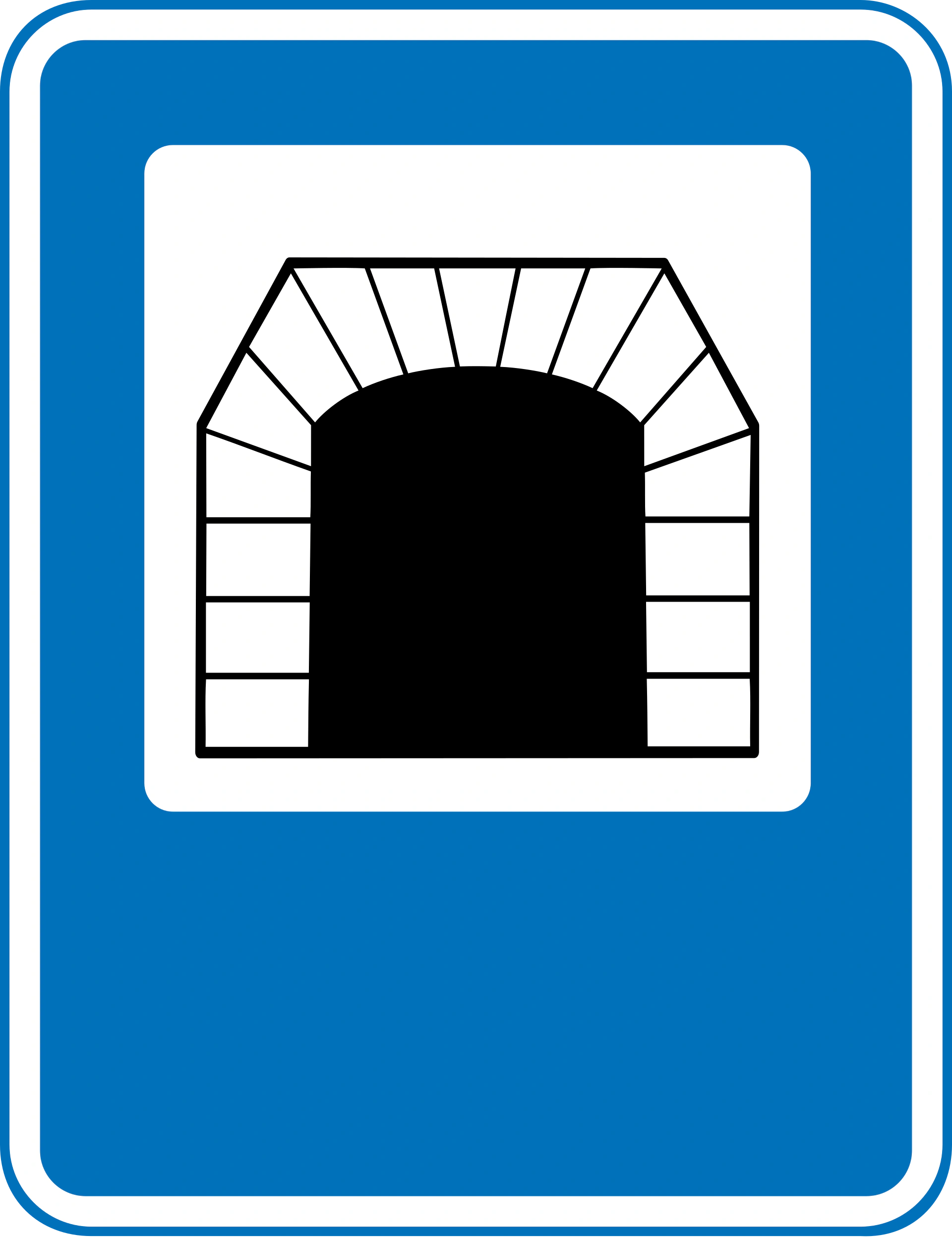
The E35 Tunnel sign indicates a special traffic regulation is in effect.
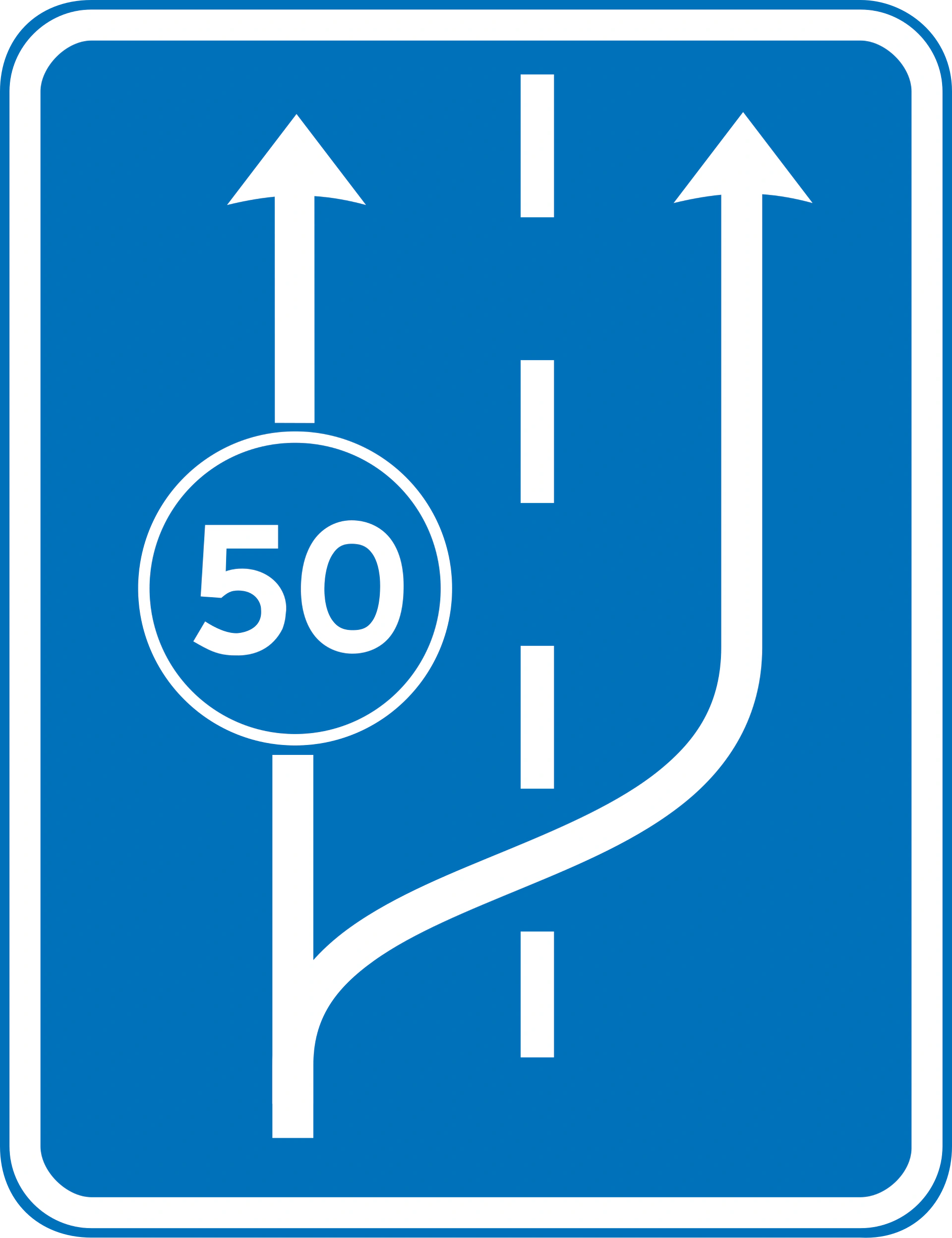
The 'Crawler lane begins' sign indicates a new road rule or lane arrangement is starting.
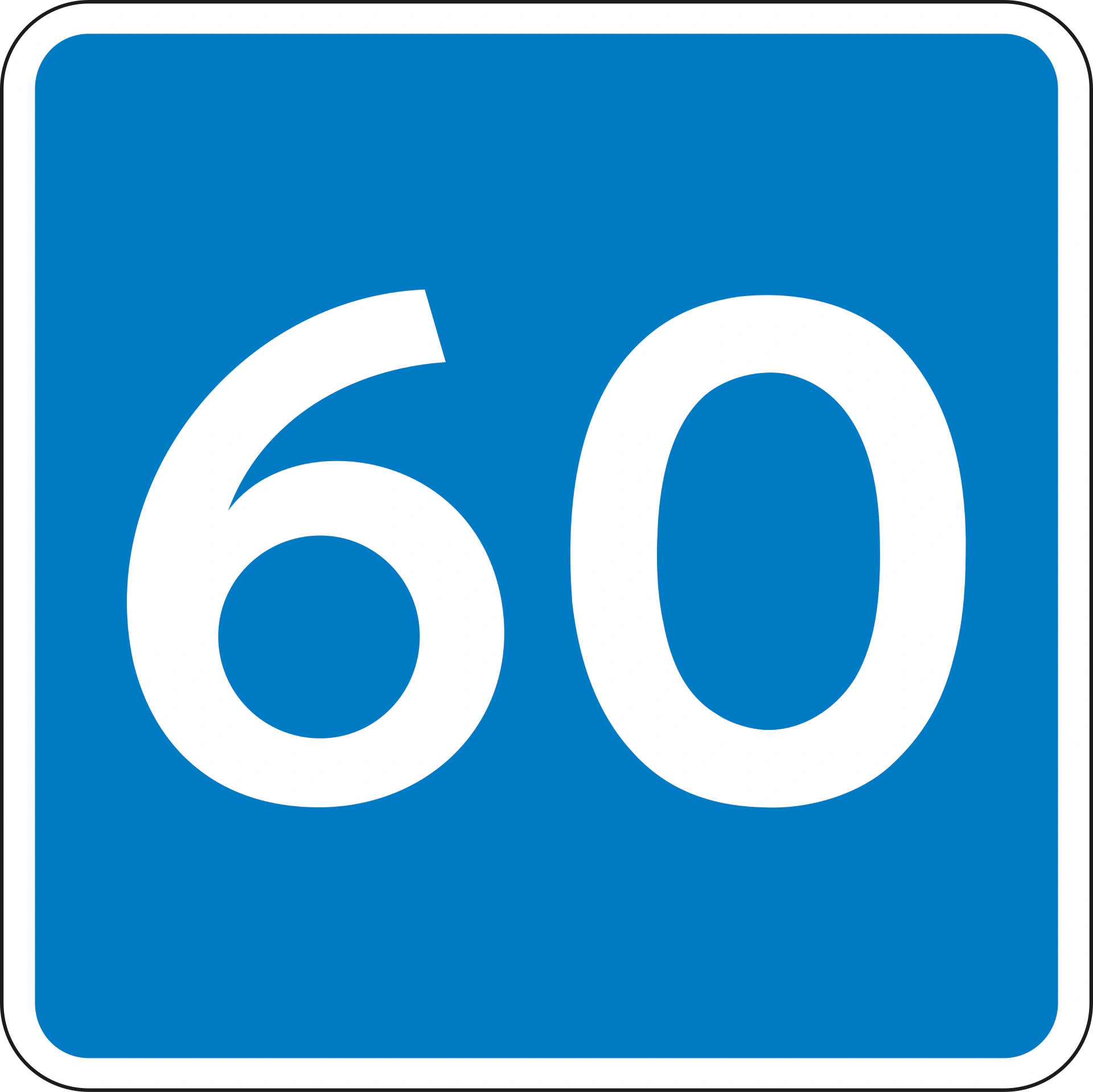
Understand the E39 Advisory Max Speed Sign for Special Danish Traffic Zones
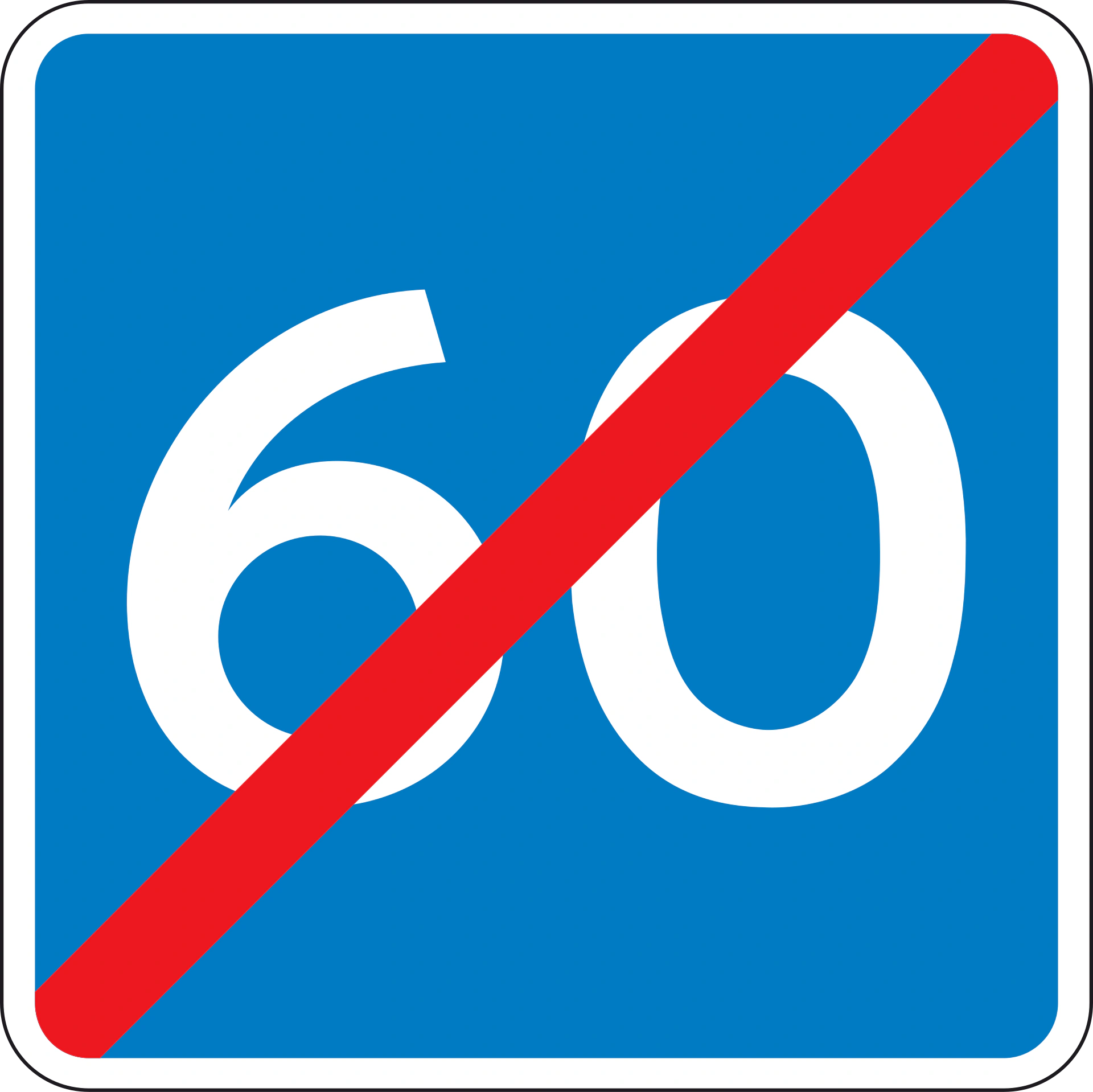
End of Advisory Maxspeed: Understanding Danish Special Regulation Signs
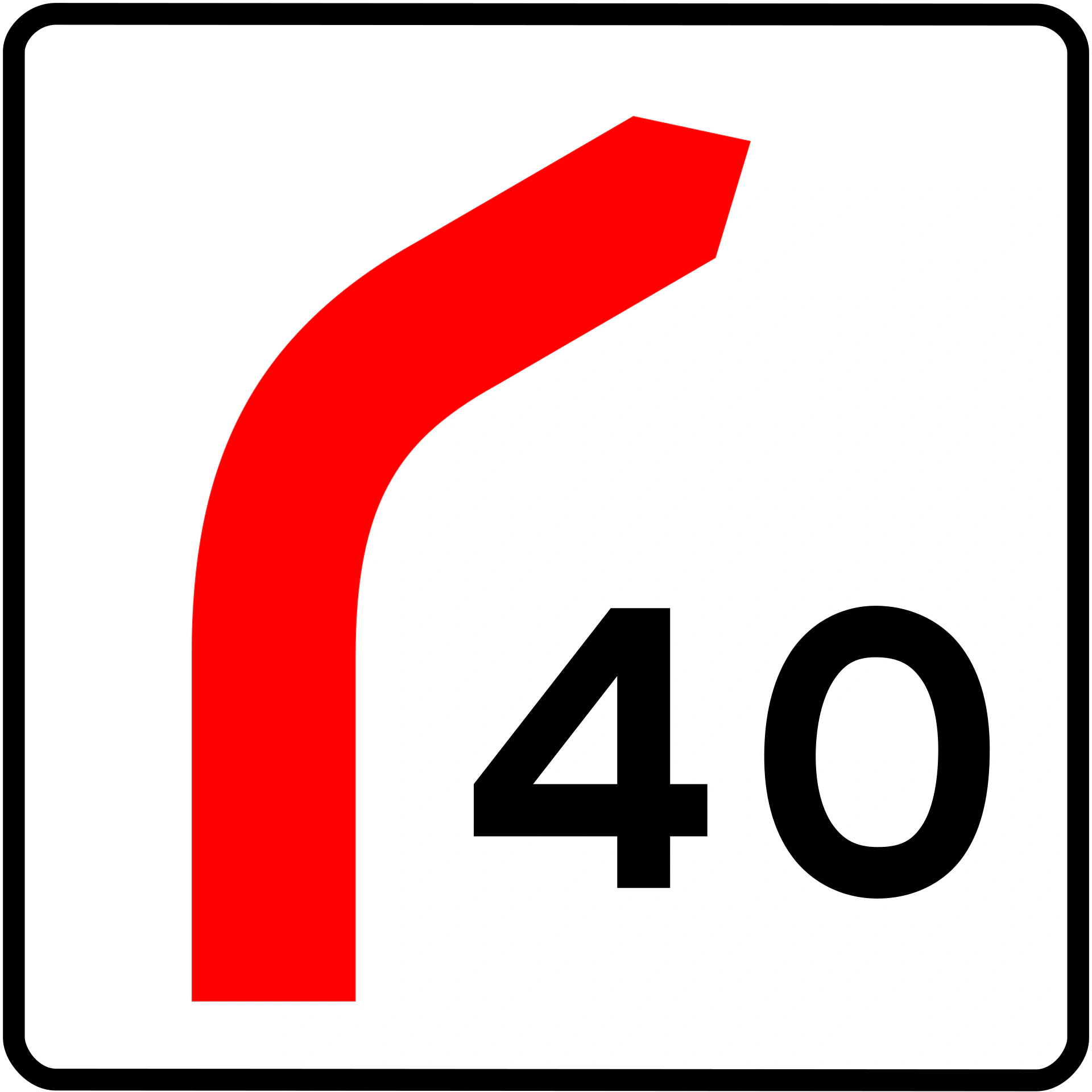
Understand the E41 Recommended Maximum Speed on Slip Road Sign
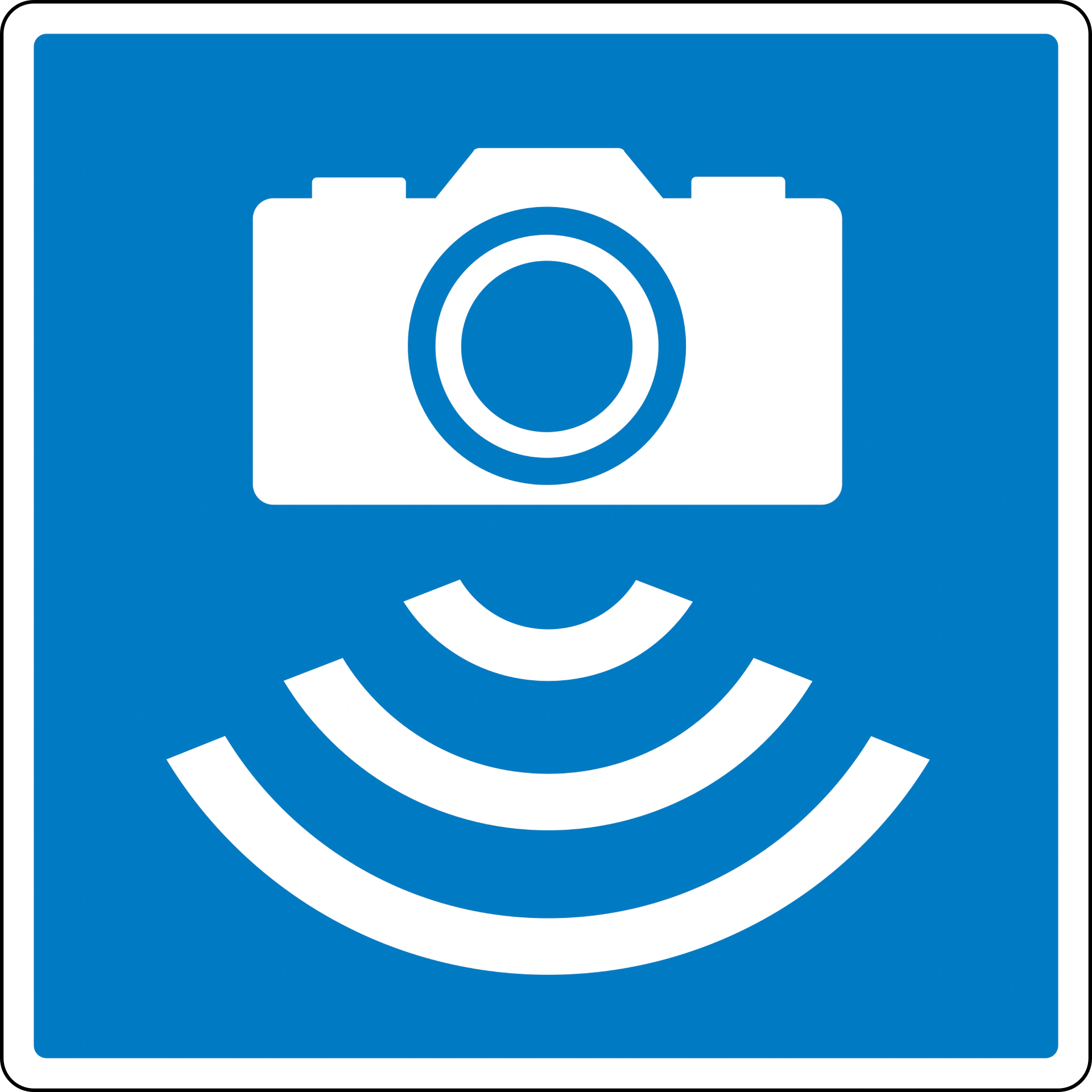
What does the E90 Traffic Enforcement Camera sign mean?
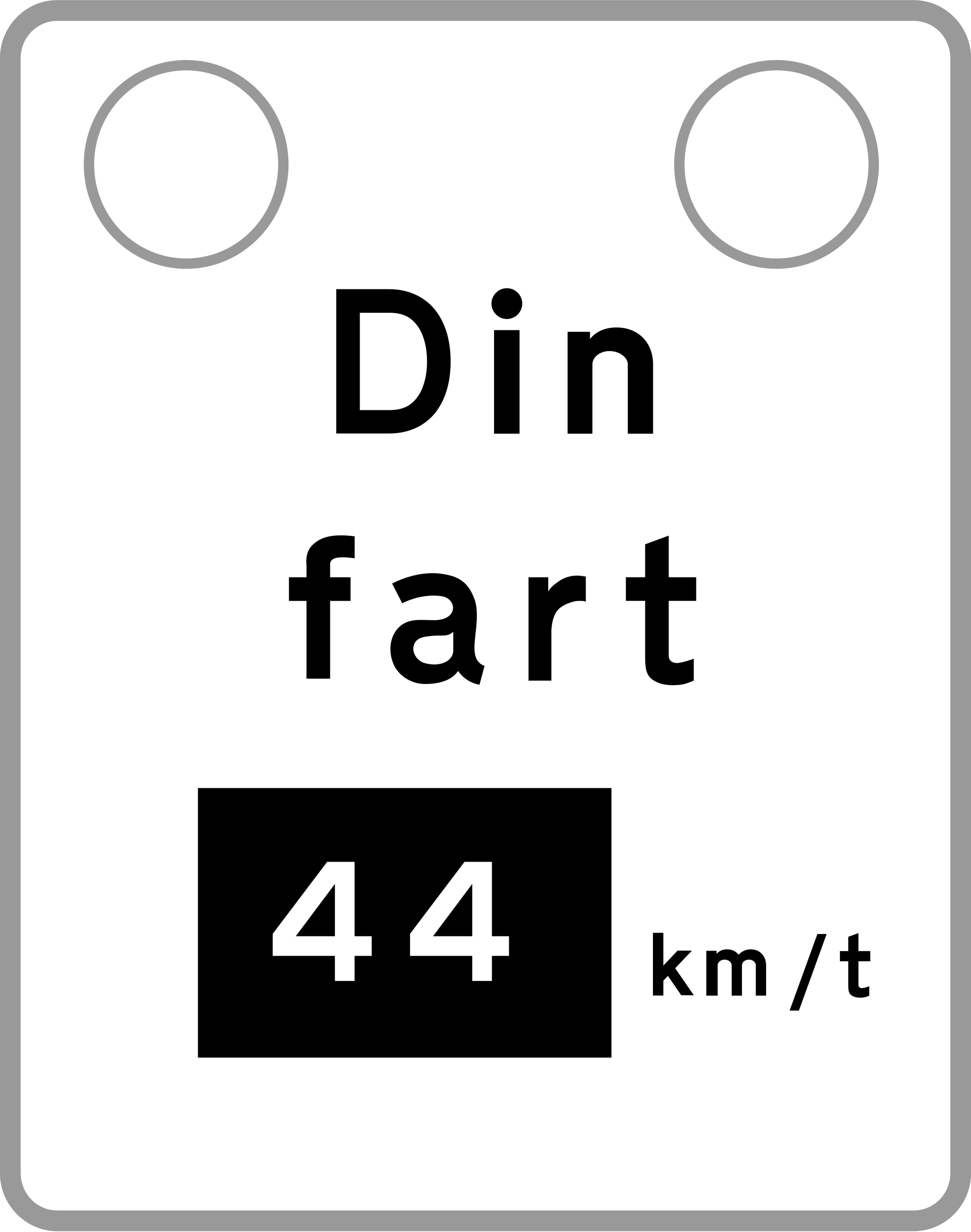
The E91 Speed Feedback Sign indicates a special traffic regulation zone.

The E92 Variable-message Sign Sets Special Rules or Zones
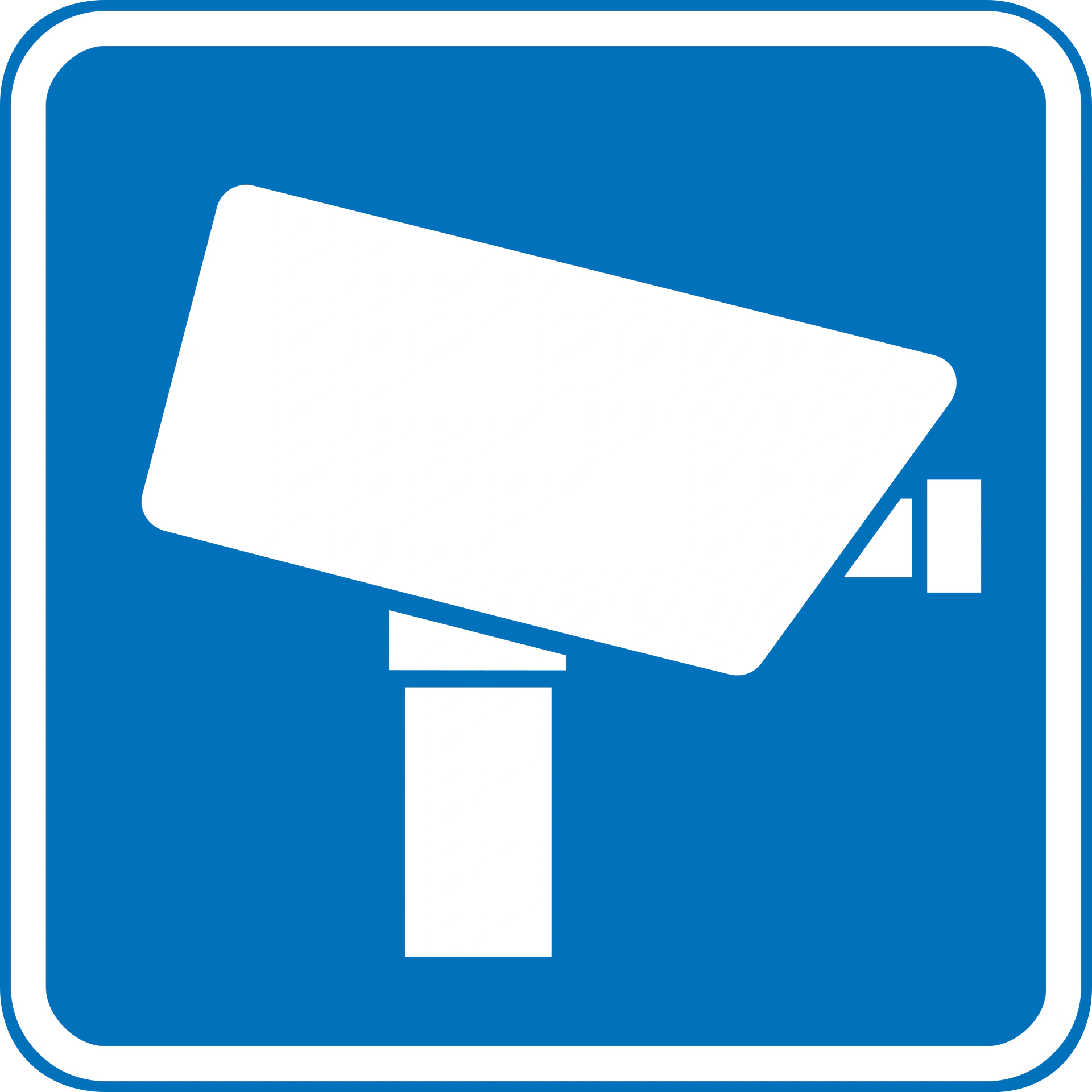
Video Surveillance Sign (E93): What It Means for Danish Road Users
Clear answers to common questions about the Danish Special Regulation Signs road sign category. Use this FAQ to review tricky rules, understand how these signs appear in exam scenarios, and remove confusion that often leads to mistakes in the Danish driving theory exam in Denmark.
While both are high-speed roads, the 'Motorway' sign (E42) typically indicates a road with full access control, meaning no intersections at the same level, and often higher speed limits. An 'Expressway' (E43) may have fewer restrictions than a motorway but still denotes a major route designed for faster traffic, often with grade-separated junctions. Always pay attention to the specific speed limits and rules indicated for each.
In a 'Living street' (E51), pedestrians and cyclists have priority, and drivers must proceed with extreme caution, typically at walking pace. Motor vehicles are allowed for access only. In a 'Pedestrian zone' (E49), motor vehicle traffic is generally prohibited, except for specific times or for vehicles with permits. Always look for accompanying signs that specify permitted times or vehicle types.
These signs indicate that a specific zone has a speed limit that differs from the general national speed limit. The sign itself will show the new, usually lower, speed limit that applies within that zone. You must adhere to this local speed limit until you see the corresponding 'End of zone' sign (e.g., E69.4).
Yes, there are dedicated signs for recommended routes. For example, 'Recommended route for cyclists' (E21.1) and 'Recommended route for heavy goods vehicles' (E22.1) guide these specific road users to appropriate paths or roads, helping to manage traffic flow and safety for everyone. Drivers should be aware of these signs as they might indicate increased presence of these vehicle types on certain routes.
A 'Speed feedback sign' (E91) displays your current speed as detected by radar and often compares it to the speed limit, sometimes with a smiley face for compliance or a sad face for exceeding it. These signs are not regulatory but are used to increase driver awareness of their speed and encourage self-correction to improve road safety. You should use it as a prompt to check your speedometer and adjust your speed if necessary.
After reviewing the overall structure of Danish road sign groups, select a category to explore individual signs, their meanings, and specific rules in detail. Enhance your knowledge by practicing questions related to each sign type, preparing effectively for your Danish driving theory exam.
Danish Road Sign Groups