
This section covers Danish signs that help you orient yourself and plan your route. You'll learn to identify signs indicating distances to destinations, as well as those marking various borders like regional, municipal, and national boundaries, plus signs for national and nature parks. Understanding these informational signs is crucial for safe navigation and a key part of passing your driving theory exam.
An explanation of how Danish Distance and Locality Signs road signs apply in real traffic situations in Denmark. Learn where these signs are typically placed, what drivers are expected to do when they appear, and how correct reactions help you stay safe, avoid fines, and succeed in your Danish driving theory exam.
Distance and locality signs are primarily informational and appear on roads to help drivers navigate. You'll commonly see distance signs (H41, H42) indicating the kilometres to various towns or cities, helping you plan your journey and estimate arrival times. These are often found on main roads and motorways. Signs for locality (H45) mark the entrance to a built-up area, which might imply a change in speed limits or other regulations. Border signs (H46, H47, H51) indicate when you are crossing a significant administrative boundary, such as a region, municipality, or even the national border, which can sometimes be accompanied by changes in local rules or customs. Finally, signs for national parks and nature parks (H49, H49.1) alert you to protected natural areas, often implying a need for careful driving due to potential wildlife or specific environmental regulations, and signs indicating you are leaving these areas (H50, H50.1) confirm you are exiting their influence.
An overview of the key learning outcomes when studying the Danish Distance and Locality Signs road sign category. Understand the main concepts, sign meanings, and traffic situations covered here so you can recognise patterns, answer theory questions more confidently, and build a solid foundation for safe driving in Denmark.
Study Danish distance and locality signs to improve your orientation and route planning. Understanding these road signs helps you identify key locations, borders, and distances, which is crucial for your Danish theory test revision and safe driving.
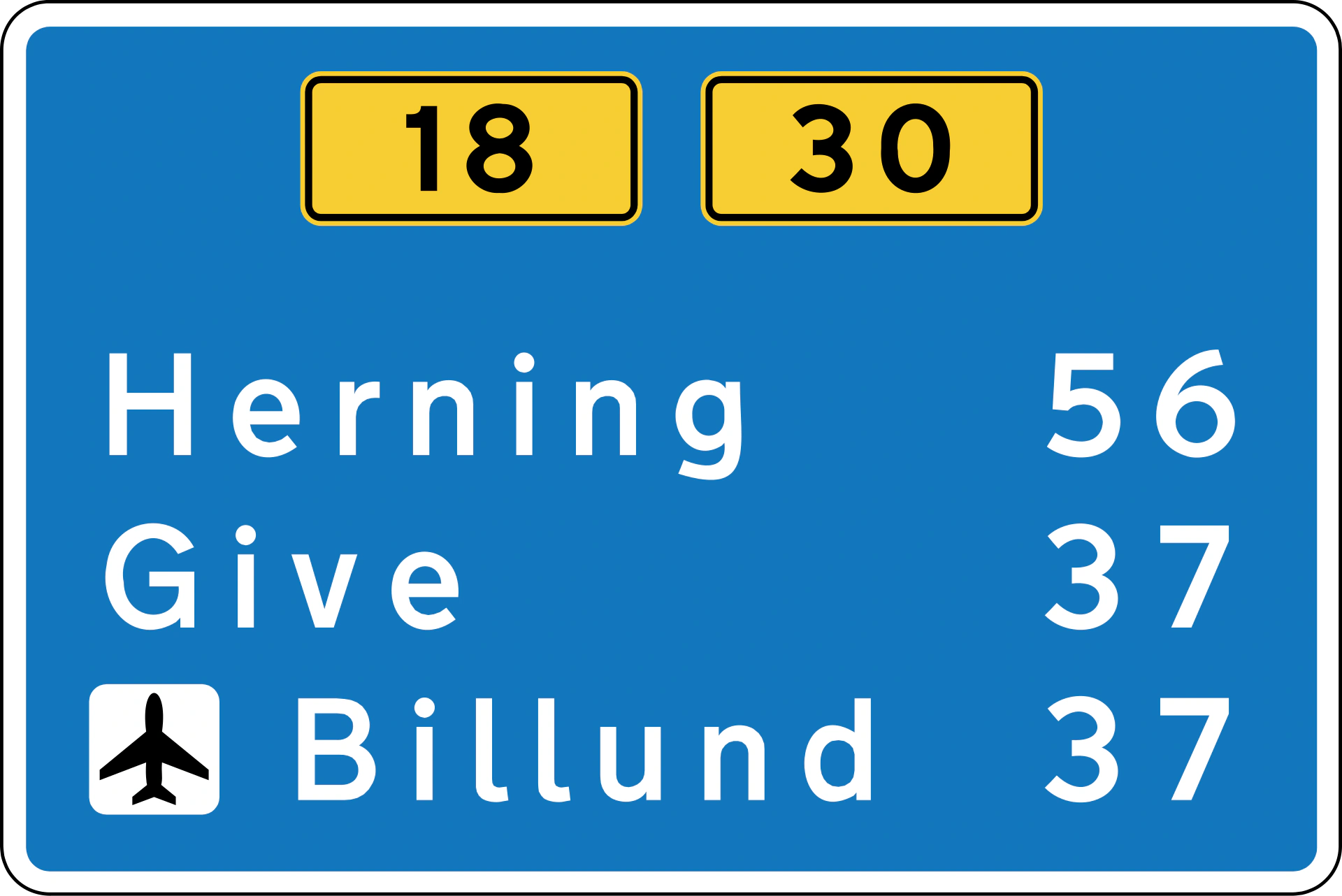
The H41 Distance Sign helps you navigate and plan your route.
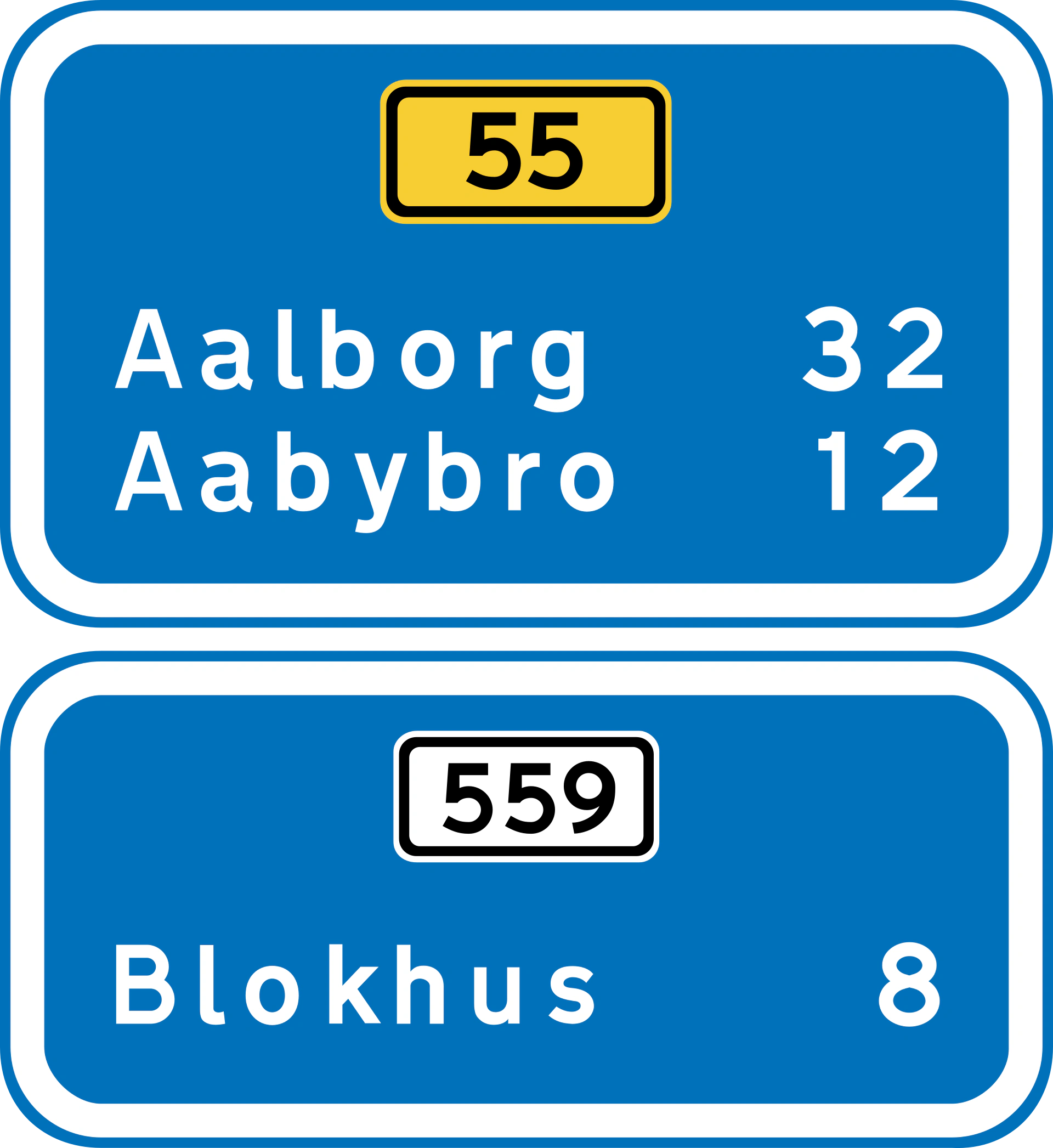
The H42 Split Distance Sign: Your Guide to Route Information in Denmark
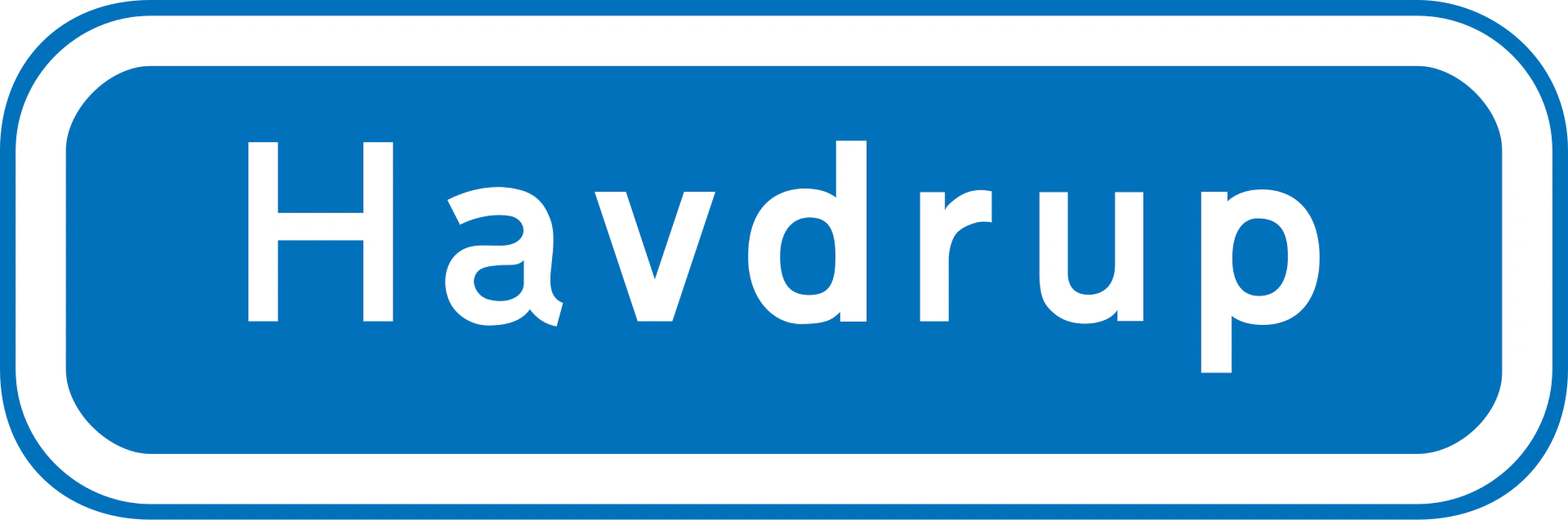
The H45 Locality sign helps you navigate by showing distances and destinations.
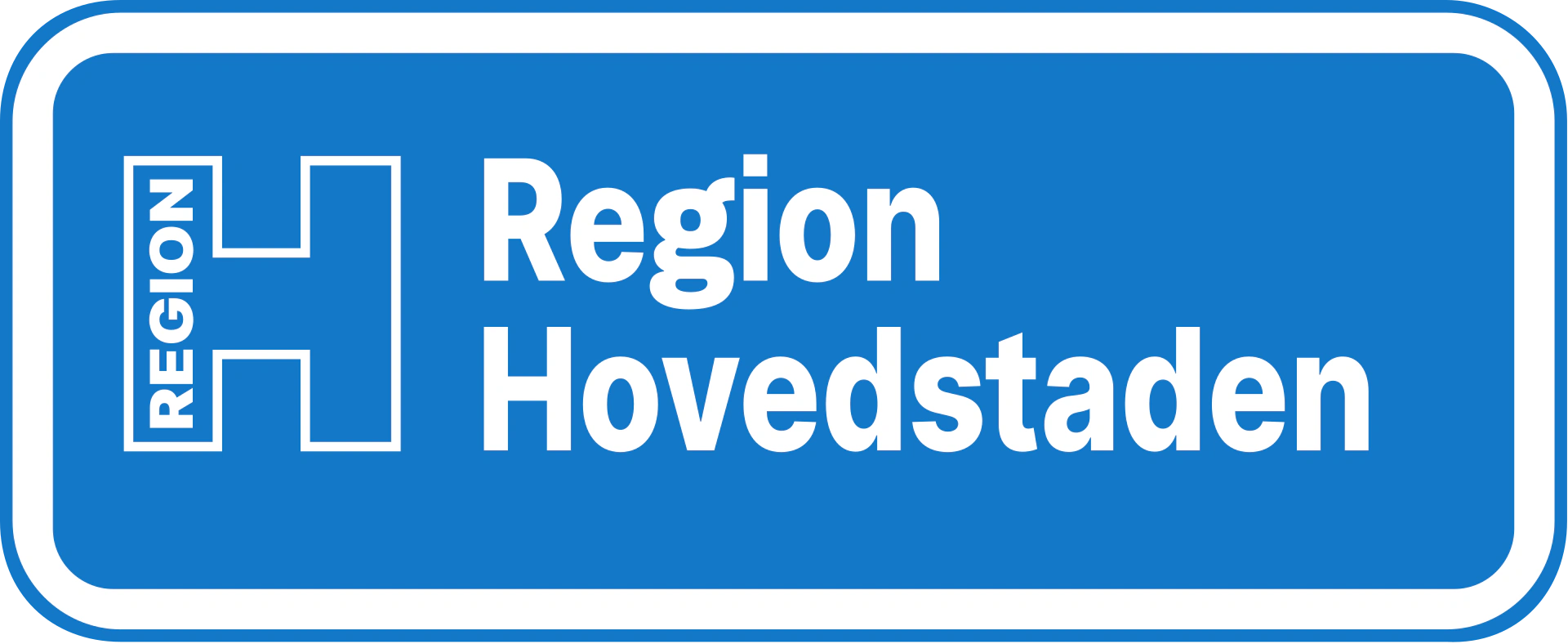
The H46 Regional Border Sign: Your Guide to Orientation and Route Planning
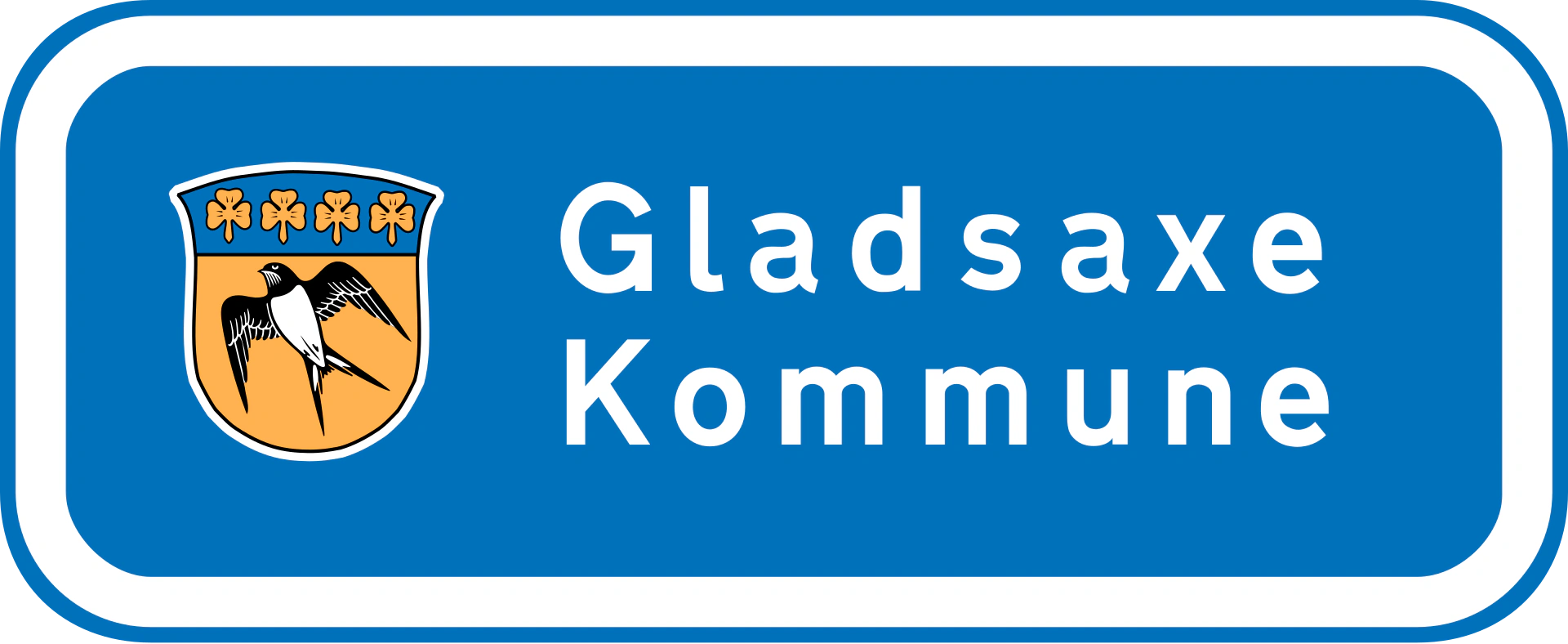
The H47 Municipal Border Sign: Your Guide to Local Orientation
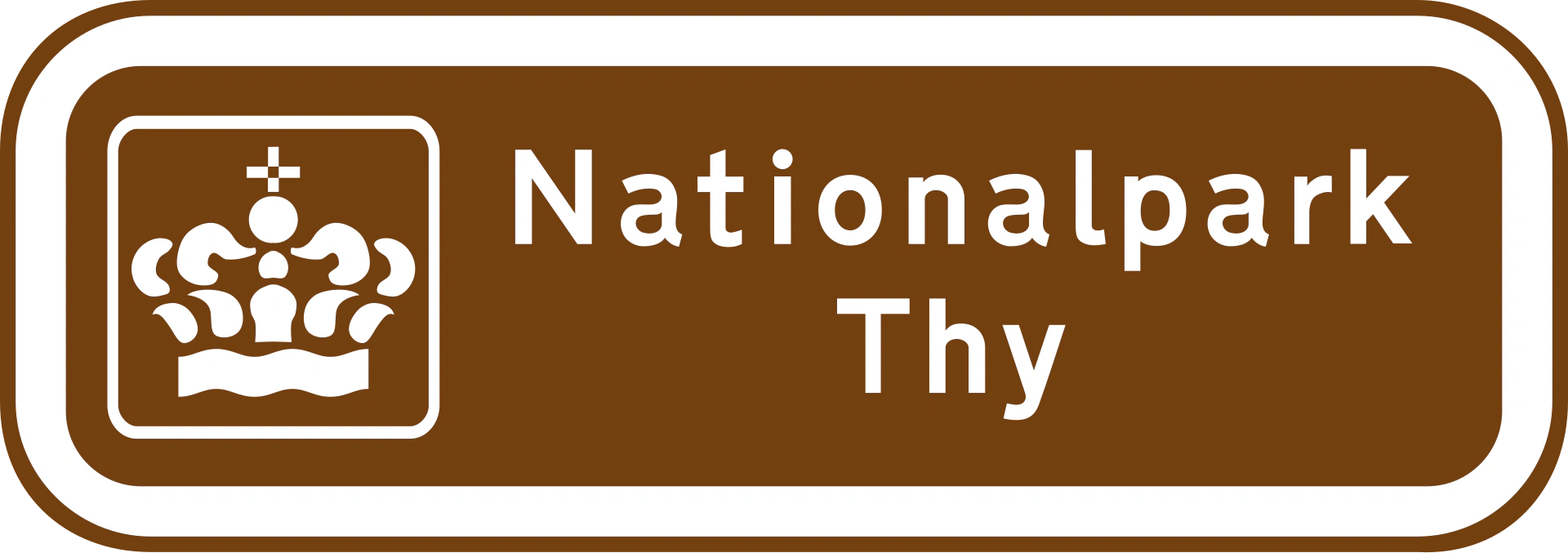
The H49 National Park sign provides orientation and destination information.
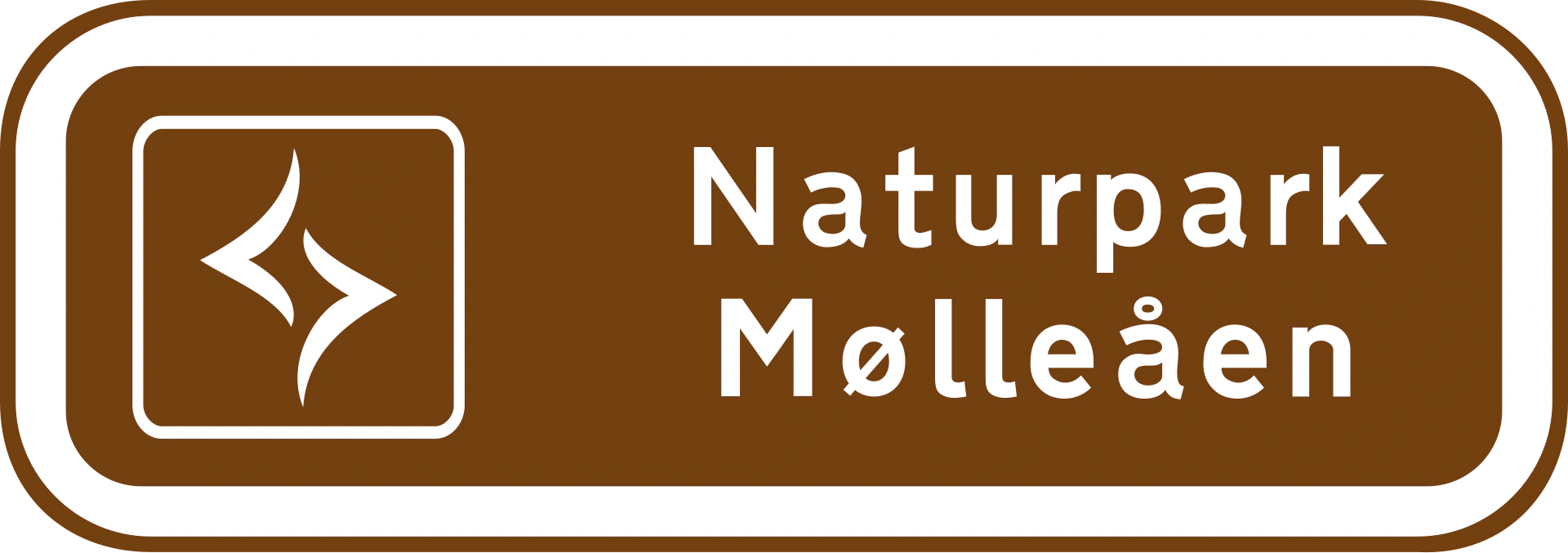
H49.1 Nature Park sign provides orientation and locality information.
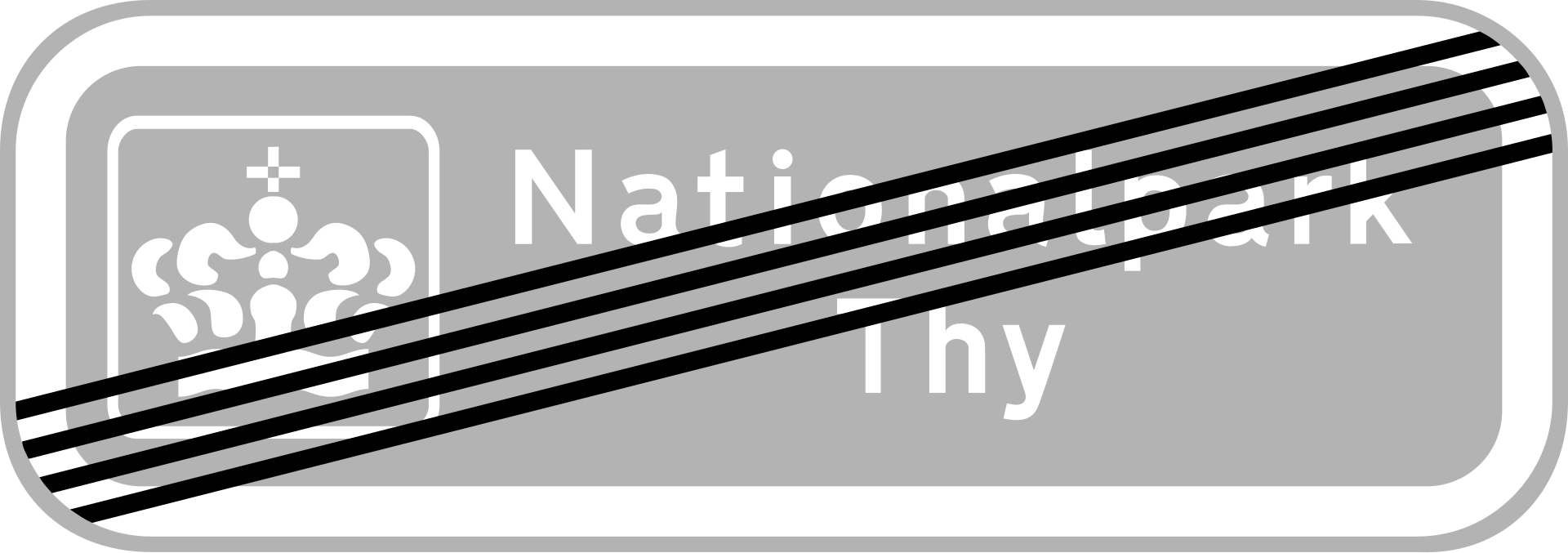
H50 Leaving National Park sign guides your journey and destination awareness.
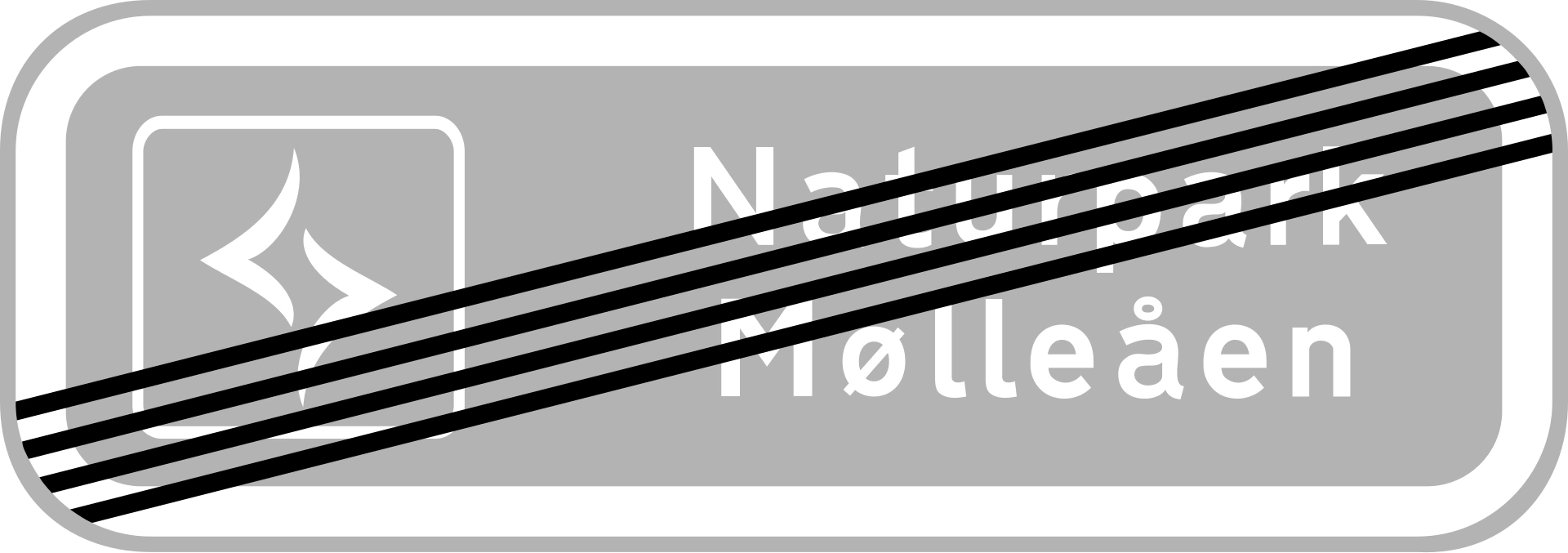
You are now leaving the Nature Park area.
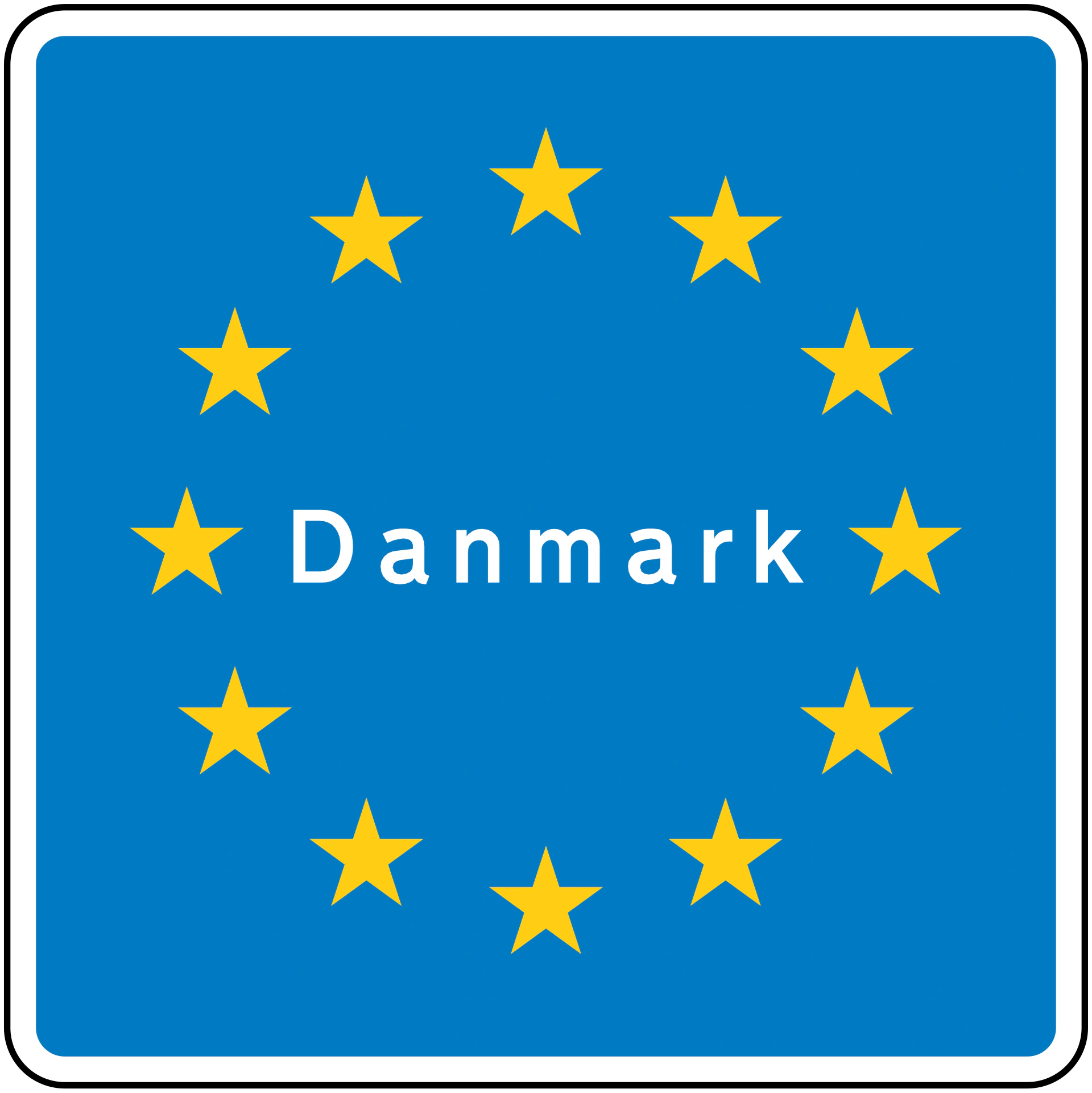
The H51 National Border sign guides your journey with distance and locality information.
Clear answers to common questions about the Danish Distance and Locality Signs road sign category. Use this FAQ to review tricky rules, understand how these signs appear in exam scenarios, and remove confusion that often leads to mistakes in the Danish driving theory exam in Denmark.
A locality sign (H45) typically indicates the entrance to a town or village, often signalling a change in speed limits and general driving conditions within that populated area. Border signs, such as regional (H46), municipal (H47), or national borders (H51), mark administrative boundaries between different zones. While a locality sign is about entering a community, a border sign signifies a transition between larger administrative or geographical areas, which might not always correspond with immediate changes in road rules, but are important for context and navigation.
No, distance signs (H41, H42) are purely informational. They tell you how far away a destination is. They do not impose any speed limits or dictate your driving behaviour. However, the information they provide can help you adjust your speed appropriately based on the upcoming road conditions or any legally posted speed limits in the areas you are approaching.
National park signs (H49) and nature park signs (H49.1) are generally informational, alerting drivers that they are entering a protected natural area. While they don't usually impose specific driving rules themselves, they serve as a reminder that you should be extra cautious. You might encounter reduced speed limits, increased wildlife activity, or specific environmental rules within the park, so it's wise to be extra attentive to your surroundings and any other signs present.
Signs indicating leaving a national park (H50) or nature park (H50.1) are there to confirm that you have exited the protected zone. This can be important because the specific rules or environmental considerations that applied within the park may no longer be in effect. It helps drivers transition back to normal road conditions and reminds them that they are no longer in a specially designated area.
The theory test often includes questions about navigation and understanding road signs. Knowing what distance, locality, and border signs mean, and where you might see them, helps you correctly interpret scenarios presented in test questions. Understanding these signs demonstrates your awareness of your location and surroundings, which is a fundamental aspect of safe driving tested in the exam.
After reviewing the overall structure of Danish road sign groups, select a category to explore individual signs, their meanings, and specific rules in detail. Enhance your knowledge by practicing questions related to each sign type, preparing effectively for your Danish driving theory exam.
Danish Road Sign Groups