
This section covers Danish prohibitory signs, a crucial category for passing your theory test and driving safely. These signs impose mandatory rules, ranging from turn restrictions and speed limits to prohibitions on parking, stopping, and specific vehicle types. By understanding these signs, you'll know exactly what is required of you on the road and avoid potential fines or dangerous situations.
An explanation of how Danish Prohibitory Signs road signs apply in real traffic situations in Denmark. Learn where these signs are typically placed, what drivers are expected to do when they appear, and how correct reactions help you stay safe, avoid fines, and succeed in your Danish driving theory exam.
Danish prohibitory signs are encountered in a wide variety of traffic situations where restrictions are necessary. You'll see 'No right turn' (C11.1) or 'No left turn' (C11.2) signs at intersections to manage traffic flow or prevent collisions. 'No entry' (C19) signs clearly indicate roads that cannot be entered, often one-way streets in the wrong direction. Prohibitions on vehicle types, such as 'No heavy goods vehicles' (C23.1) or 'No motor vehicles' (C22.1), are common on roads not designed for them or in residential areas. Weight (C31), dimension (C41, C42, C43), and axle load (C35) limits are often displayed before bridges, tunnels, or narrow sections. Speed limits (C55) are a common example of a temporary or local restriction. 'No overtaking' (C51) or 'No overtaking by heavy goods vehicle' (C52) signs are typically found on stretches of road where overtaking is particularly dangerous. Finally, 'No stopping' (C61) and 'No parking' (C62) signs, along with their subpanels (UC60.1-UC60.8, UC33), are prevalent in urban areas, along busy routes, or where obstructions must be avoided. It's vital to read these signs carefully and obey them to ensure safety and avoid penalties.
An overview of the key learning outcomes when studying the Danish Prohibitory Signs road sign category. Understand the main concepts, sign meanings, and traffic situations covered here so you can recognise patterns, answer theory questions more confidently, and build a solid foundation for safe driving in Denmark.
These Danish prohibitory signs dictate essential 'do not' rules for turns, entry, and vehicle access, along with restrictions on speed and overtaking. Studying these crucial traffic signs together helps you recognize mandatory limitations quickly, ensuring you understand binding restrictions for theory test revision and safe driving.
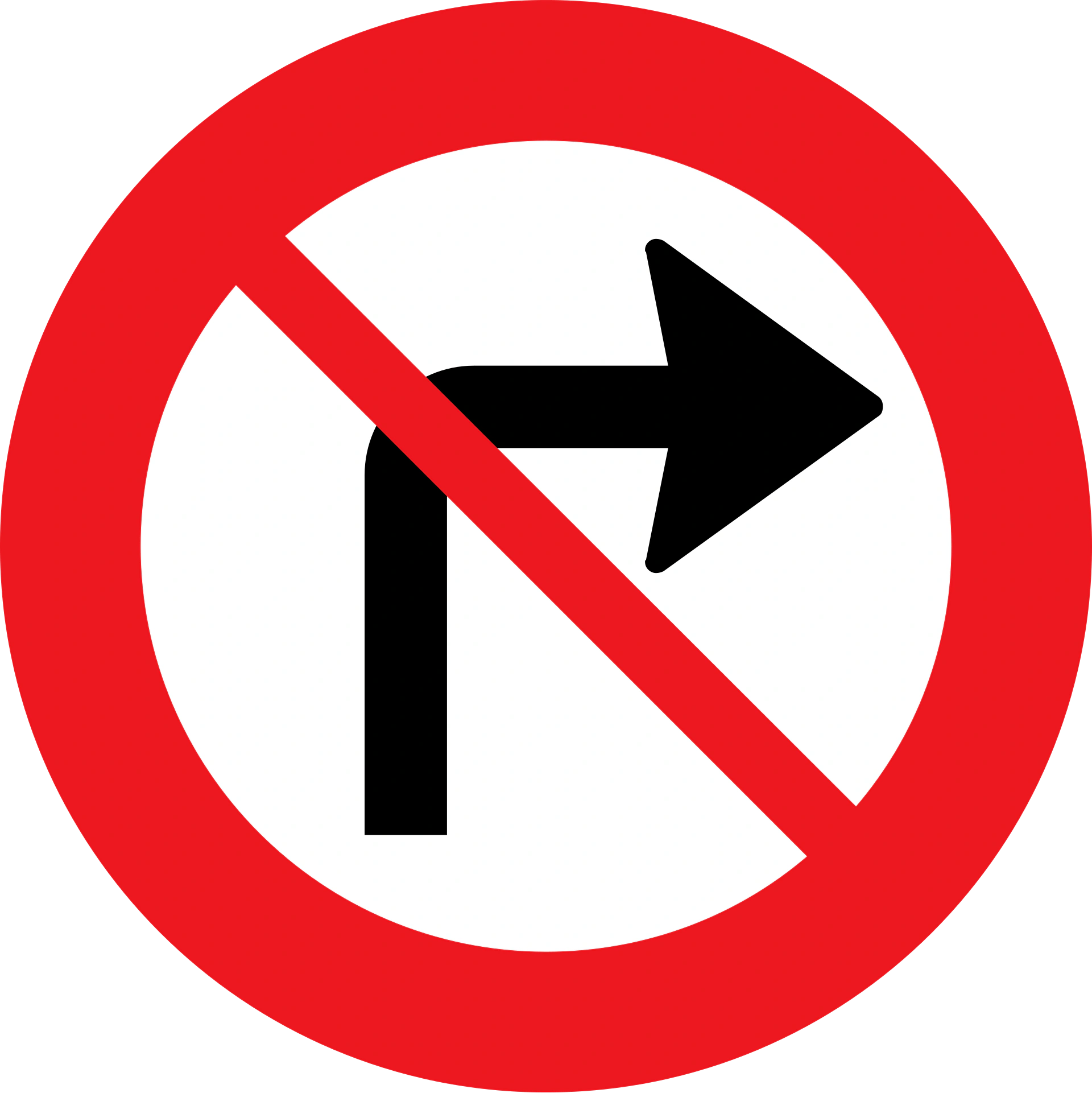
Understand the C11.1 'No Right Turn' prohibitory traffic sign in Denmark.
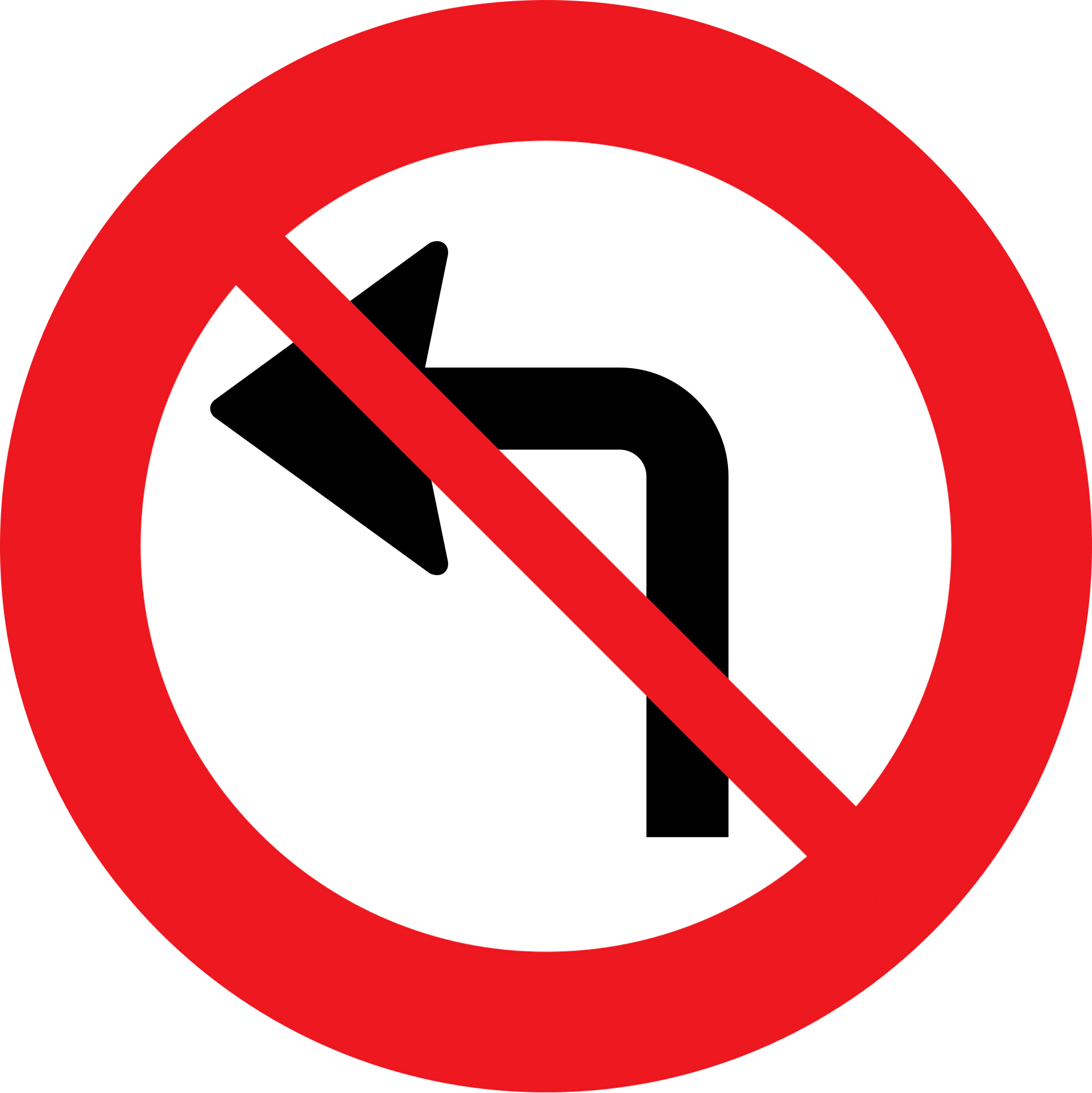
What the C11.2 'No Left Turn' Sign Means and How to Comply
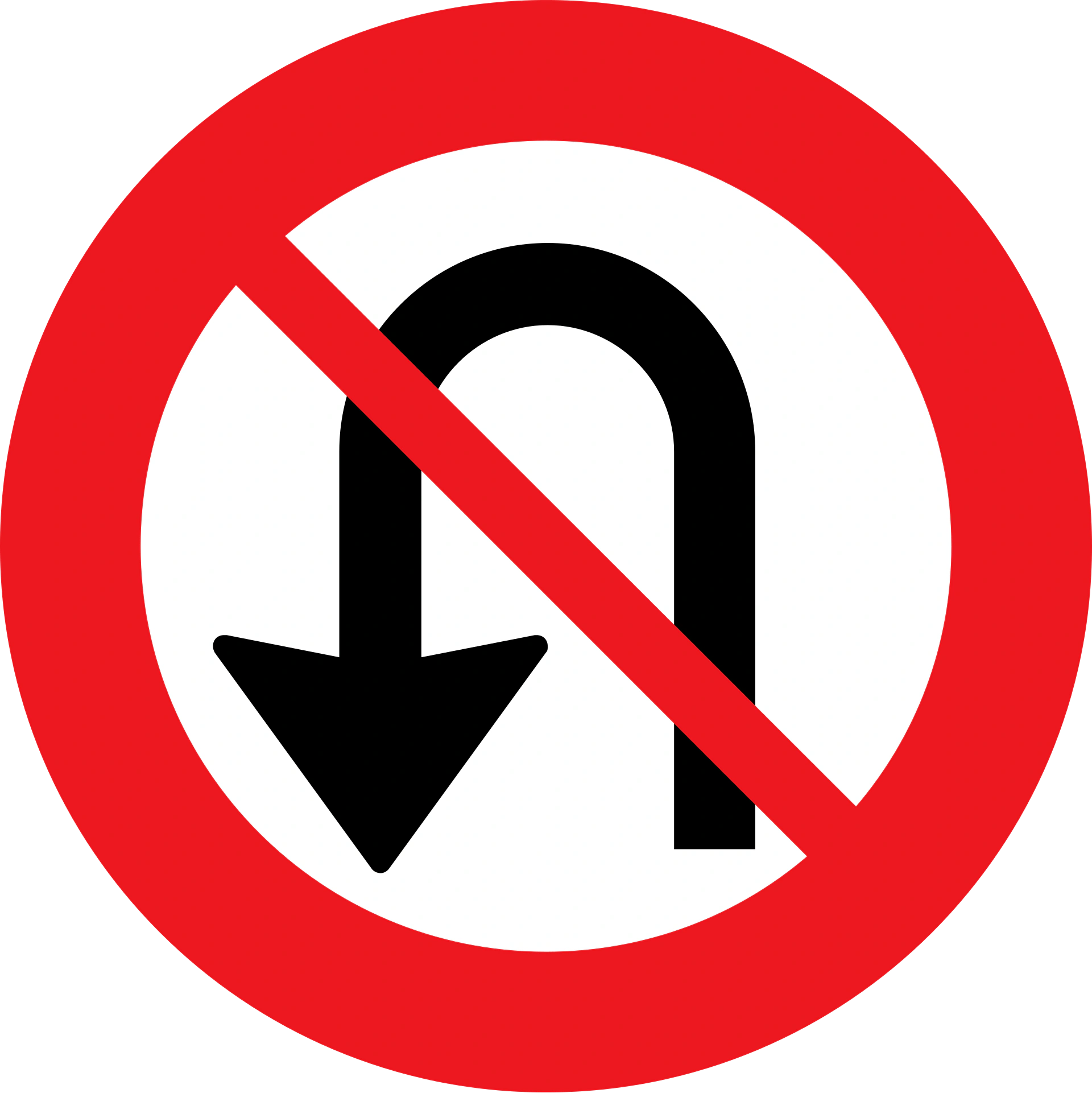
Understand the C12 'No U-turns' prohibitory traffic sign in Denmark
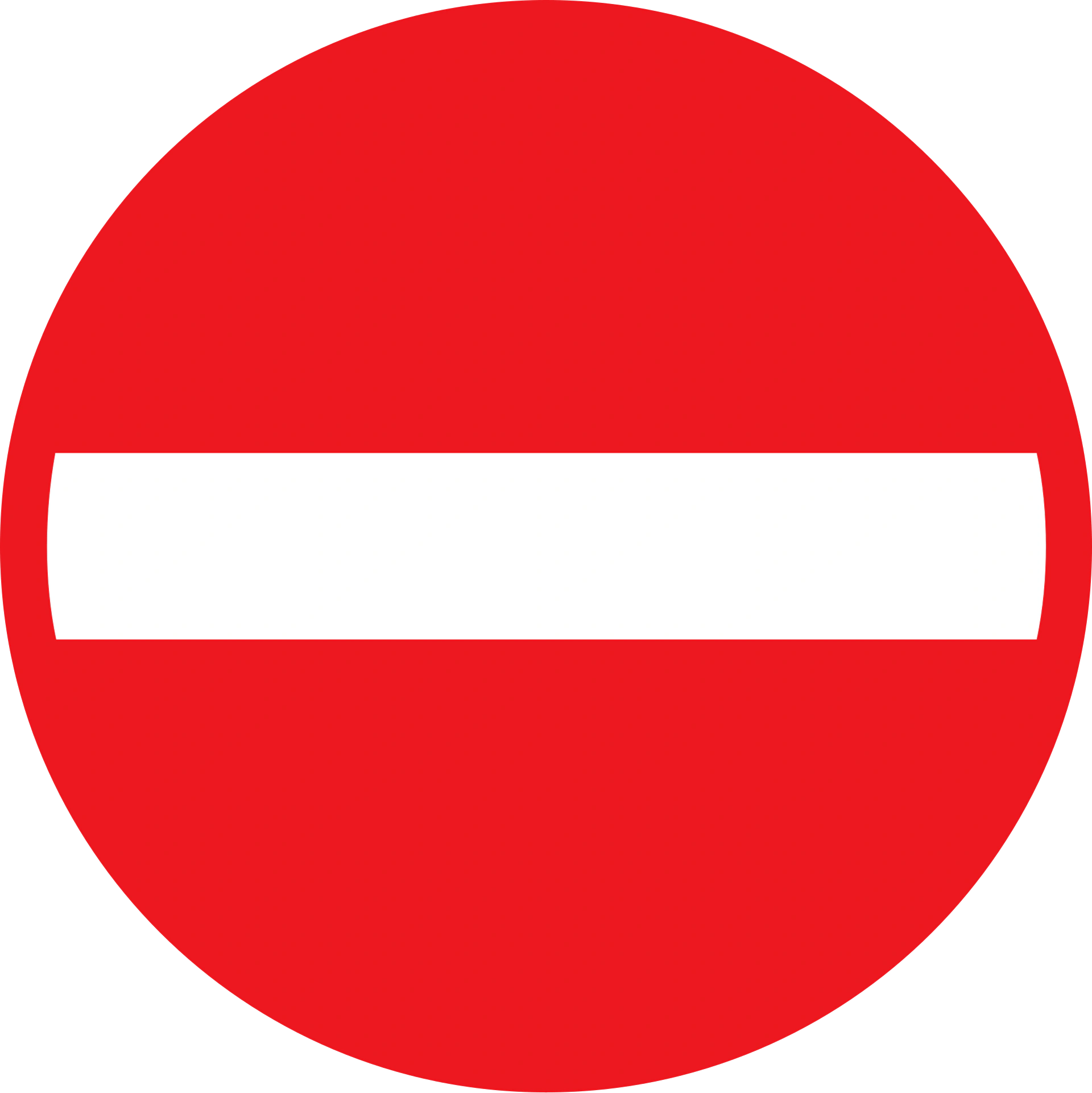
C19 No Entry: Obey This Prohibitory Sign and Stay Out
Understand the C21 'Driving in both directions prohibited' sign in Denmark.
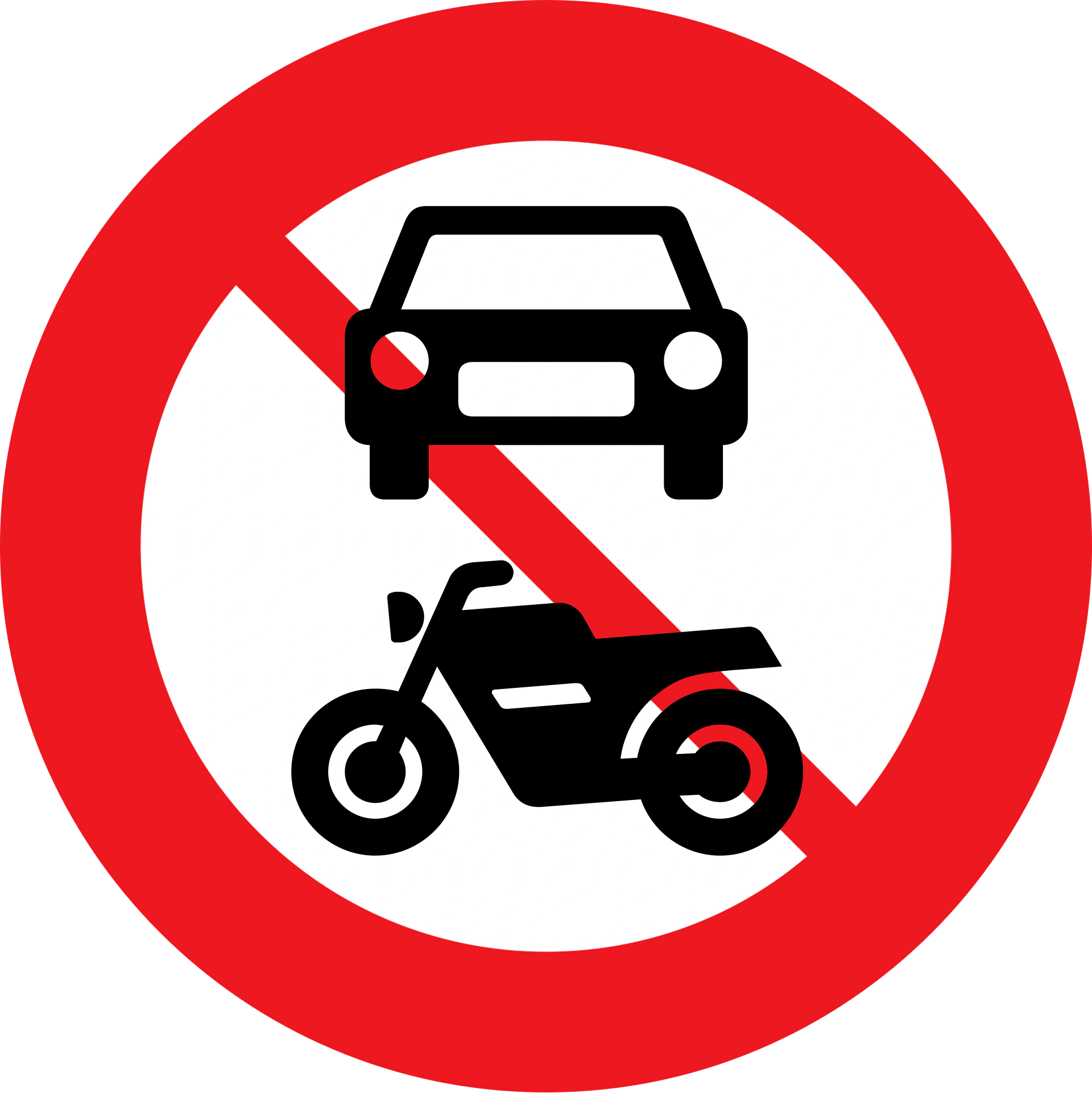
Understand the 'No Motor Vehicles' (C22.1) Sign: What It Means and How to Obey It
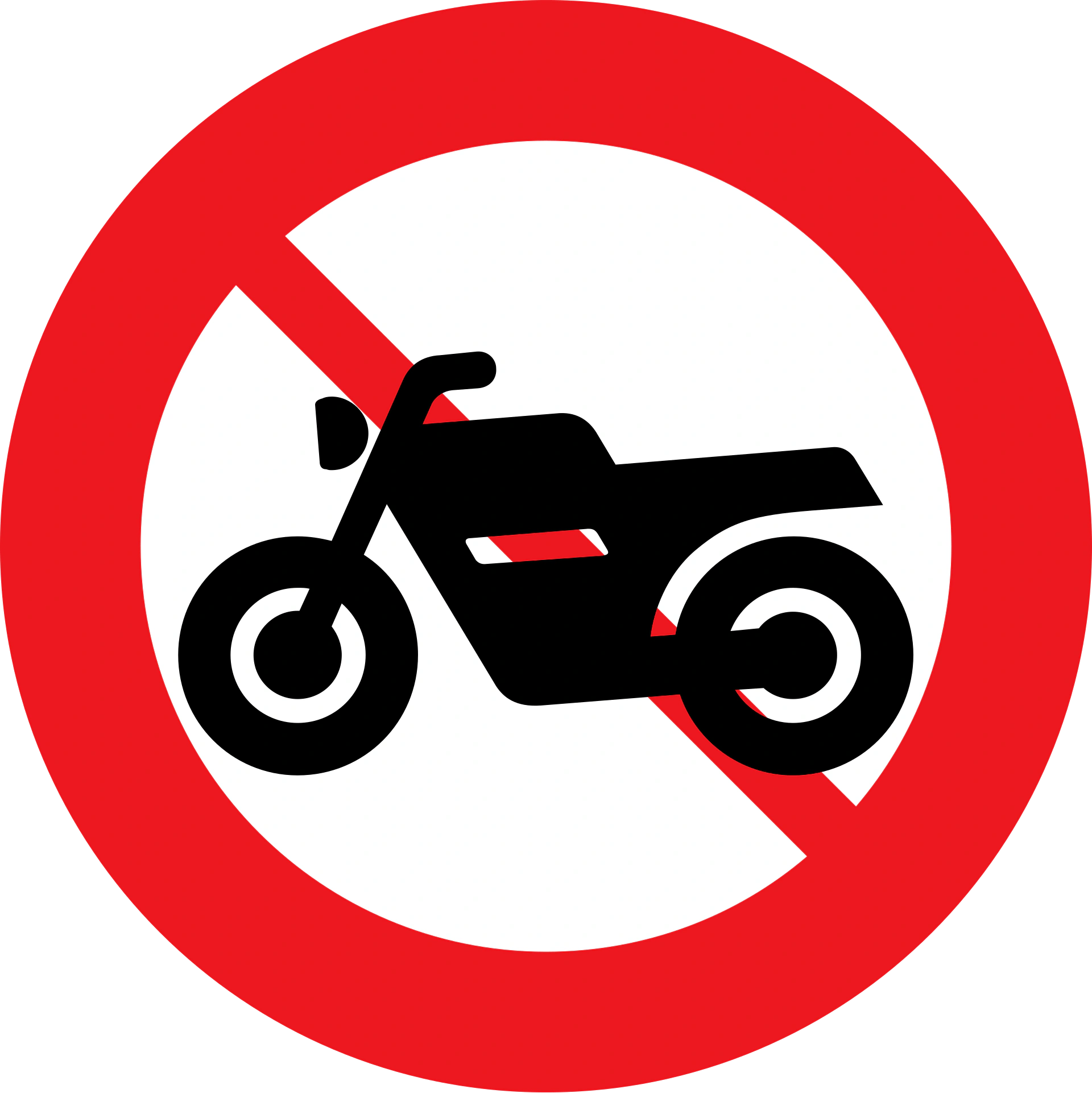
C22.2 Sign: No Motorcycles or Large Mopeds Allowed Ahead
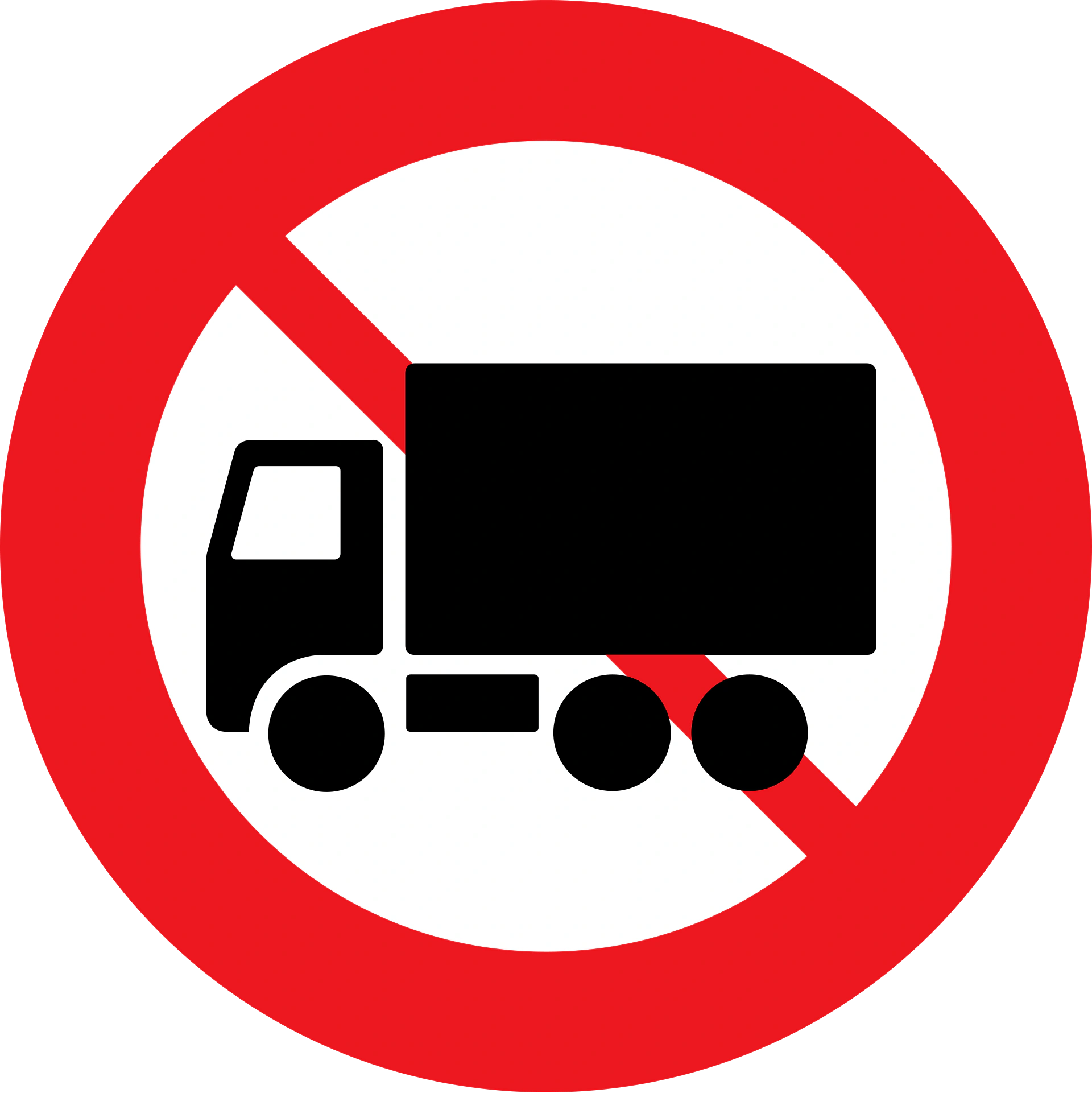
The C23.1 Sign: What 'No Heavy Goods Vehicles' Means for Your Drive
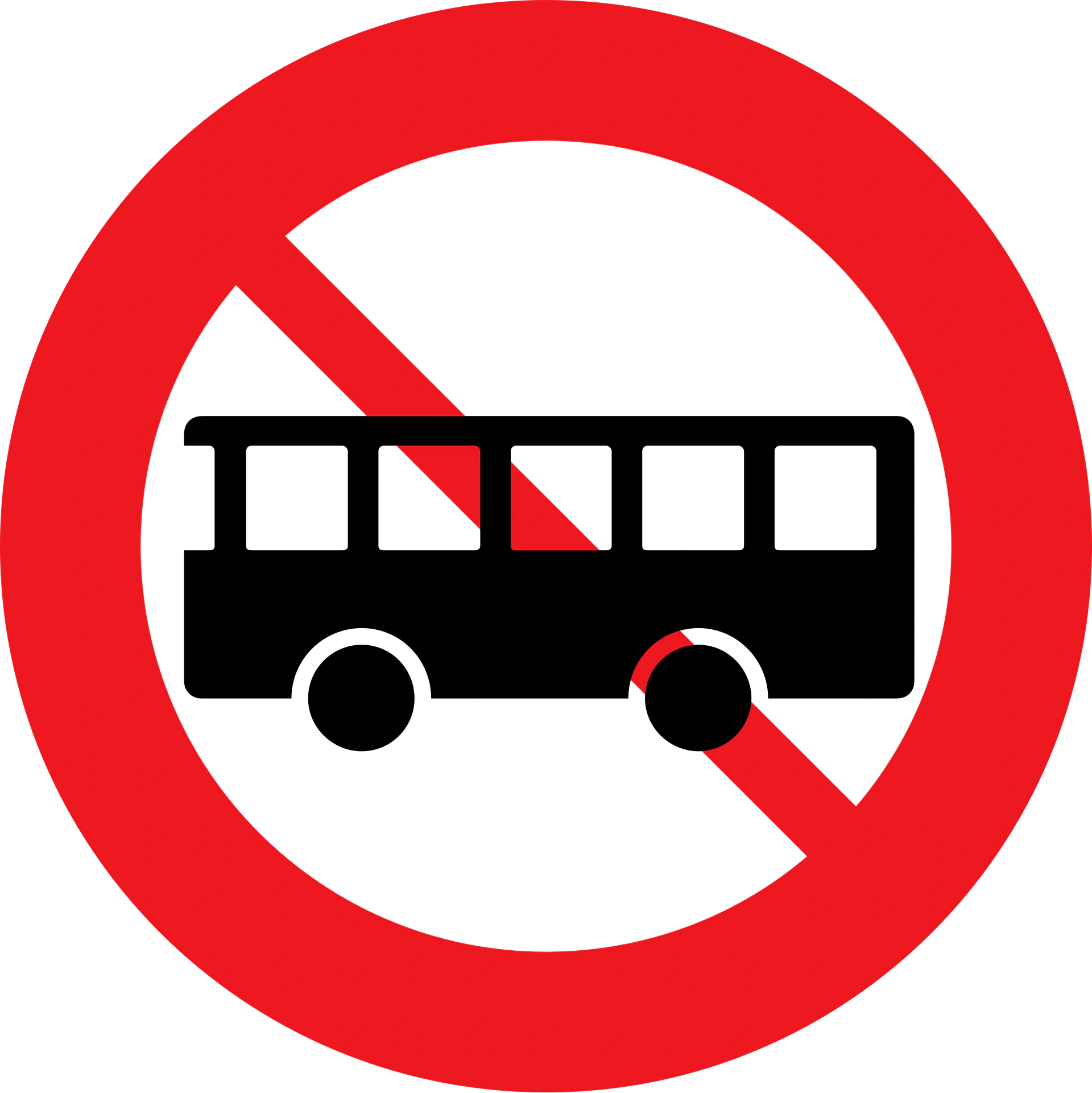
The C23.2 'No Buses' sign prohibits bus traffic, directing drivers to check applicable restrictions.
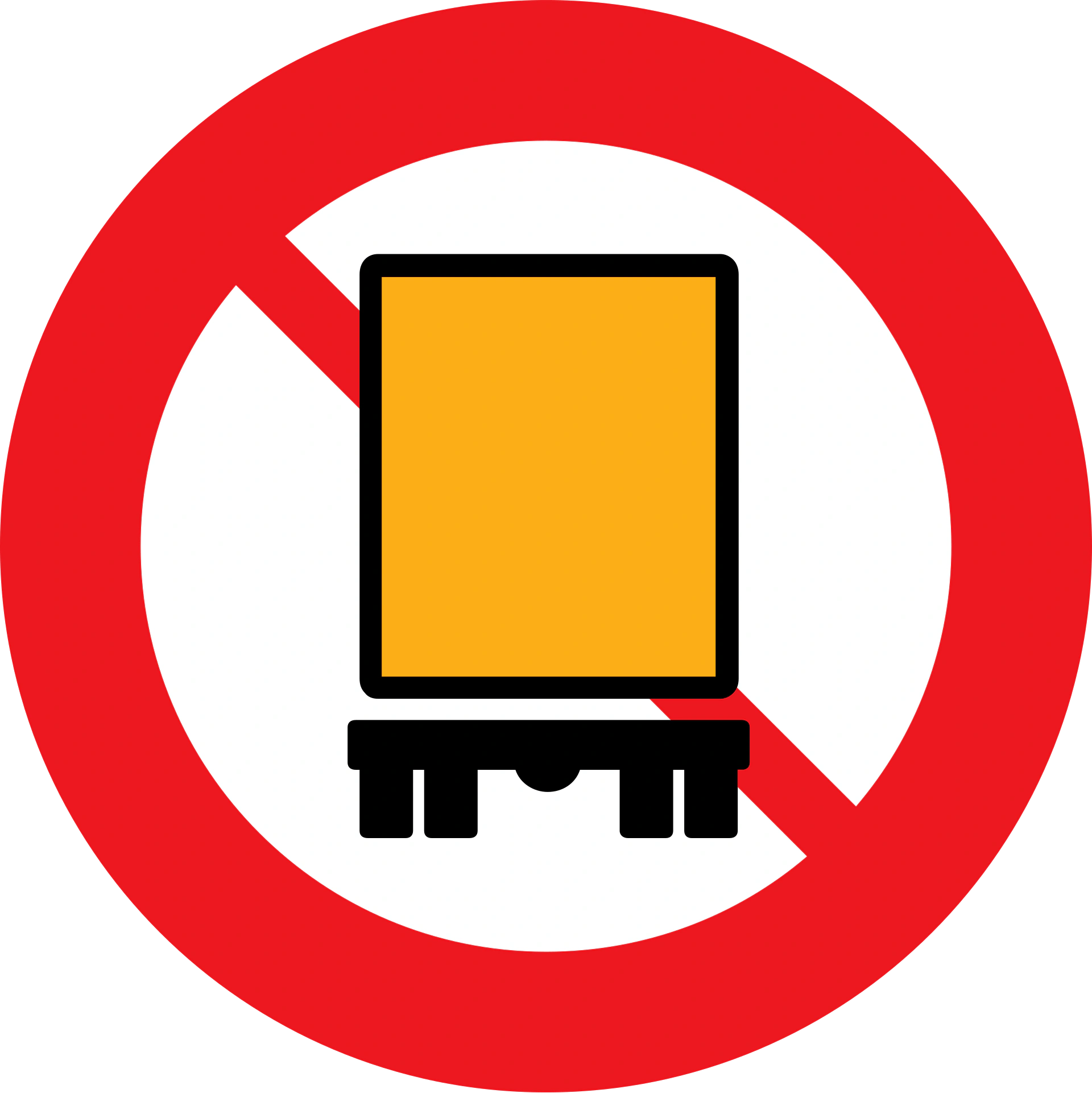
This 'No Vehicles Carrying Dangerous Goods' sign prohibits specific vehicles from proceeding.
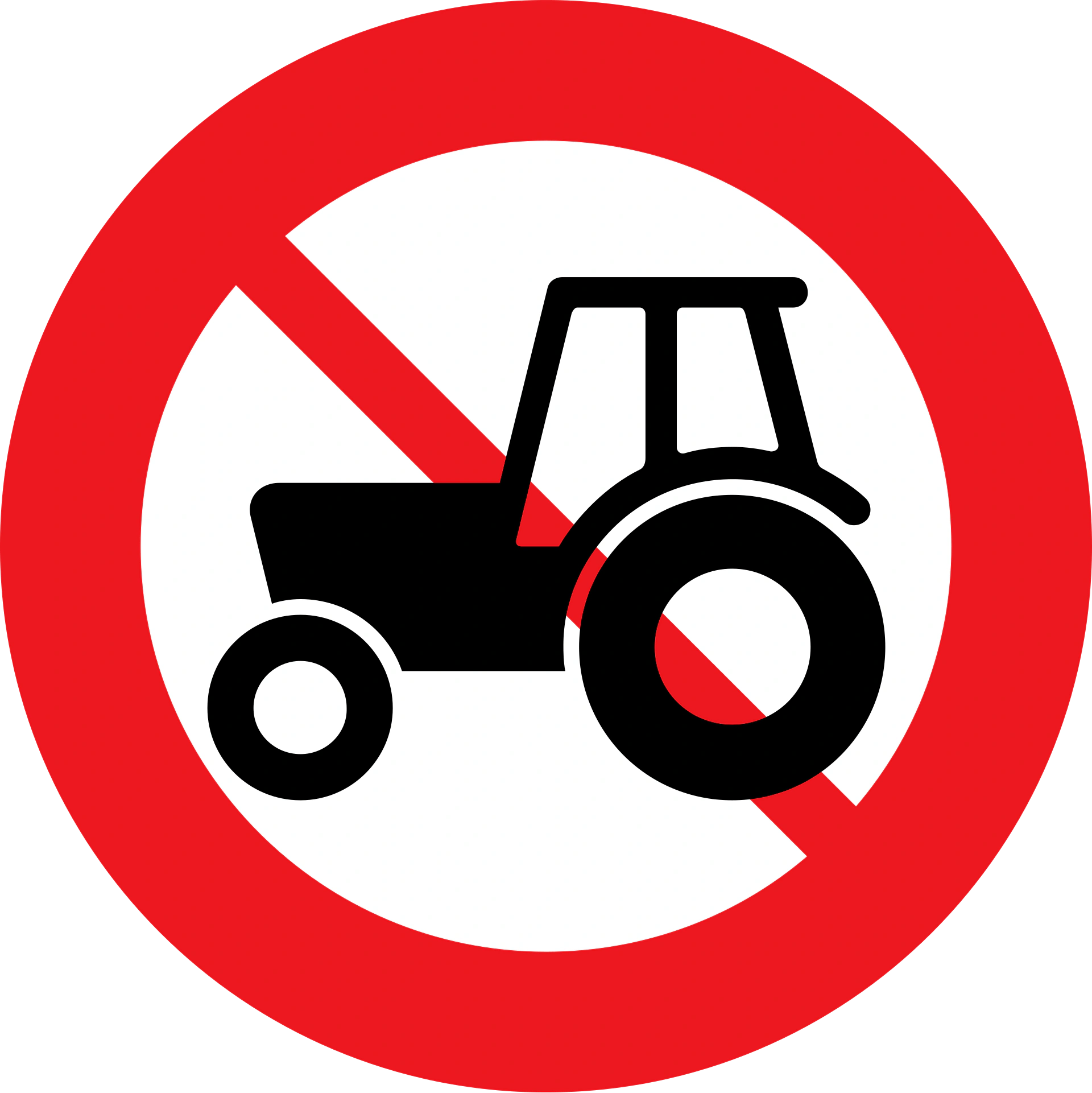
Understand the 'No Tractors or Motorized Equipment' Sign (C24.1)
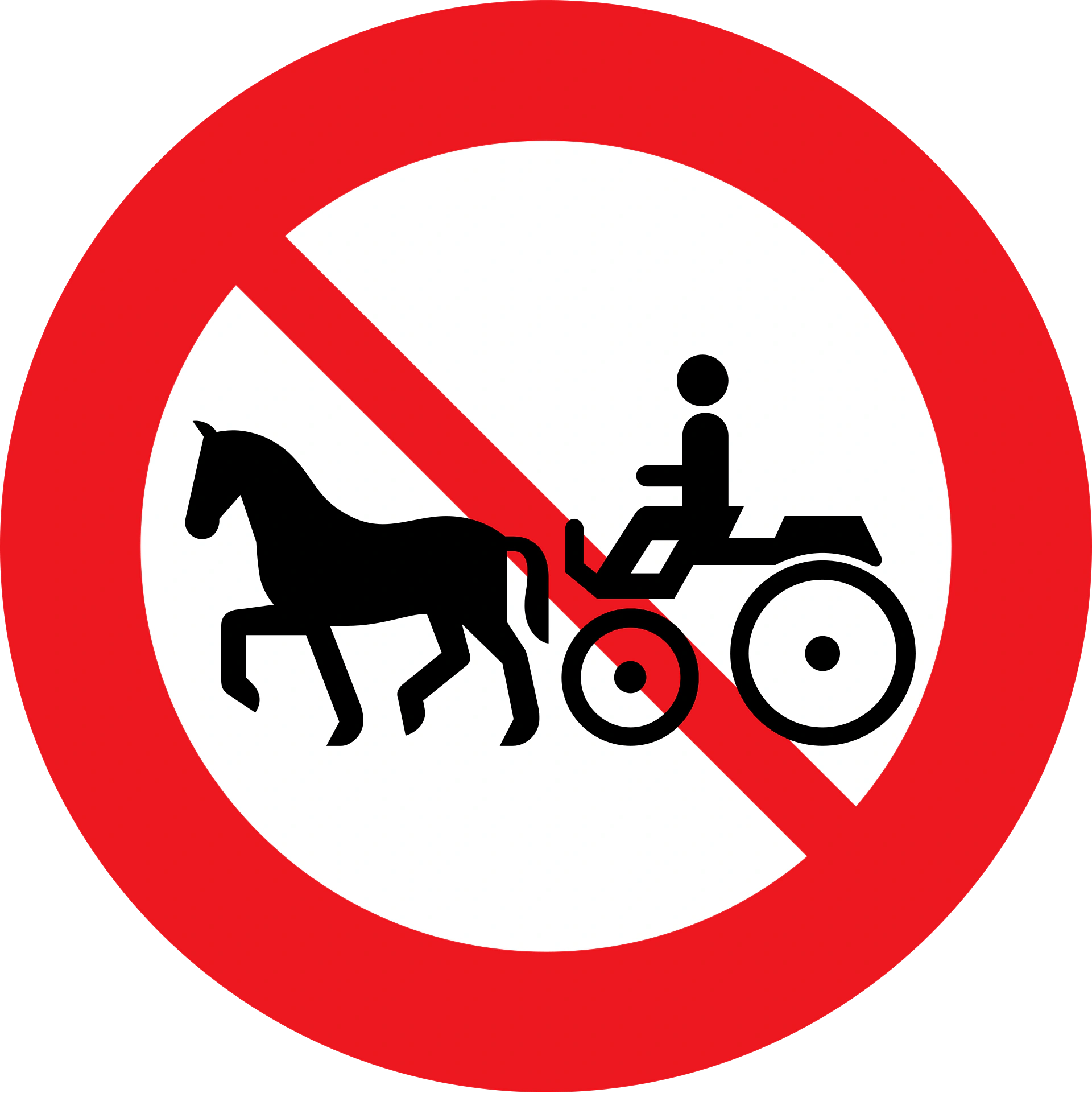
Understand the C24.2 Sign: No Horse-Drawn Vehicles or Similar Allowed
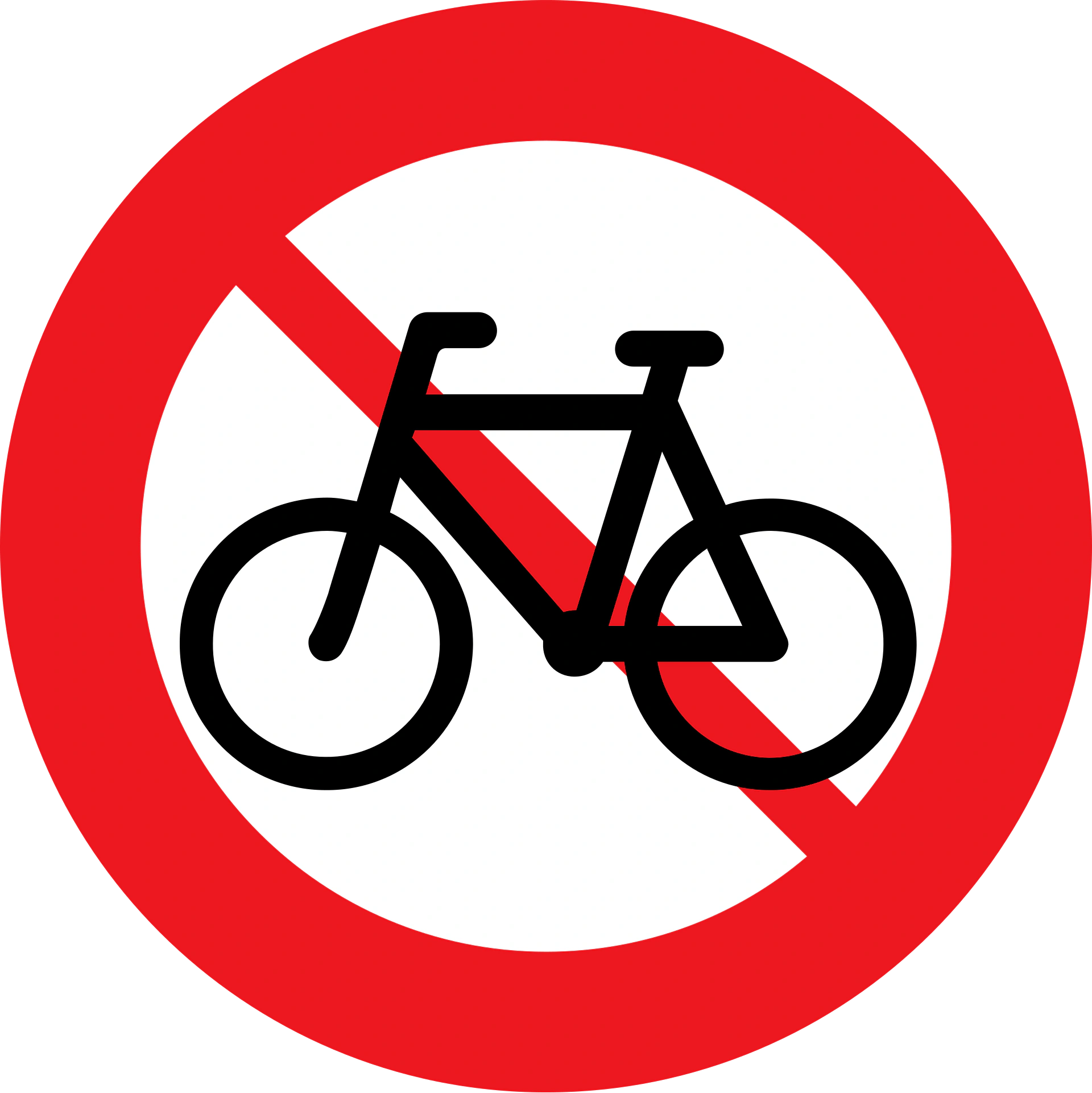
Understand the C25.1 Sign: No Bicycles or Small Mopeds Allowed Here
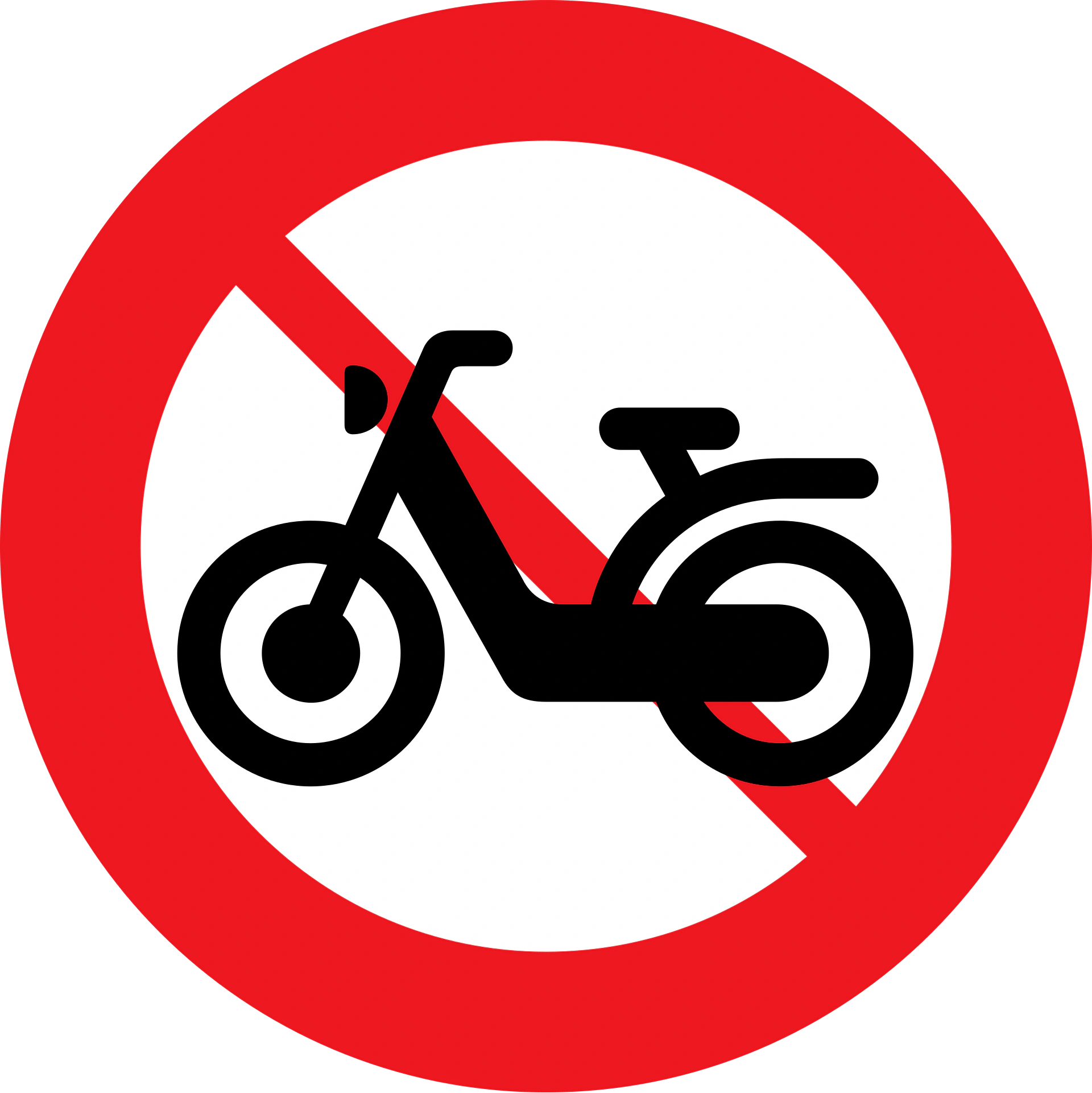
Understand the Danish C25.2 Sign: No Small Mopeds Allowed Here
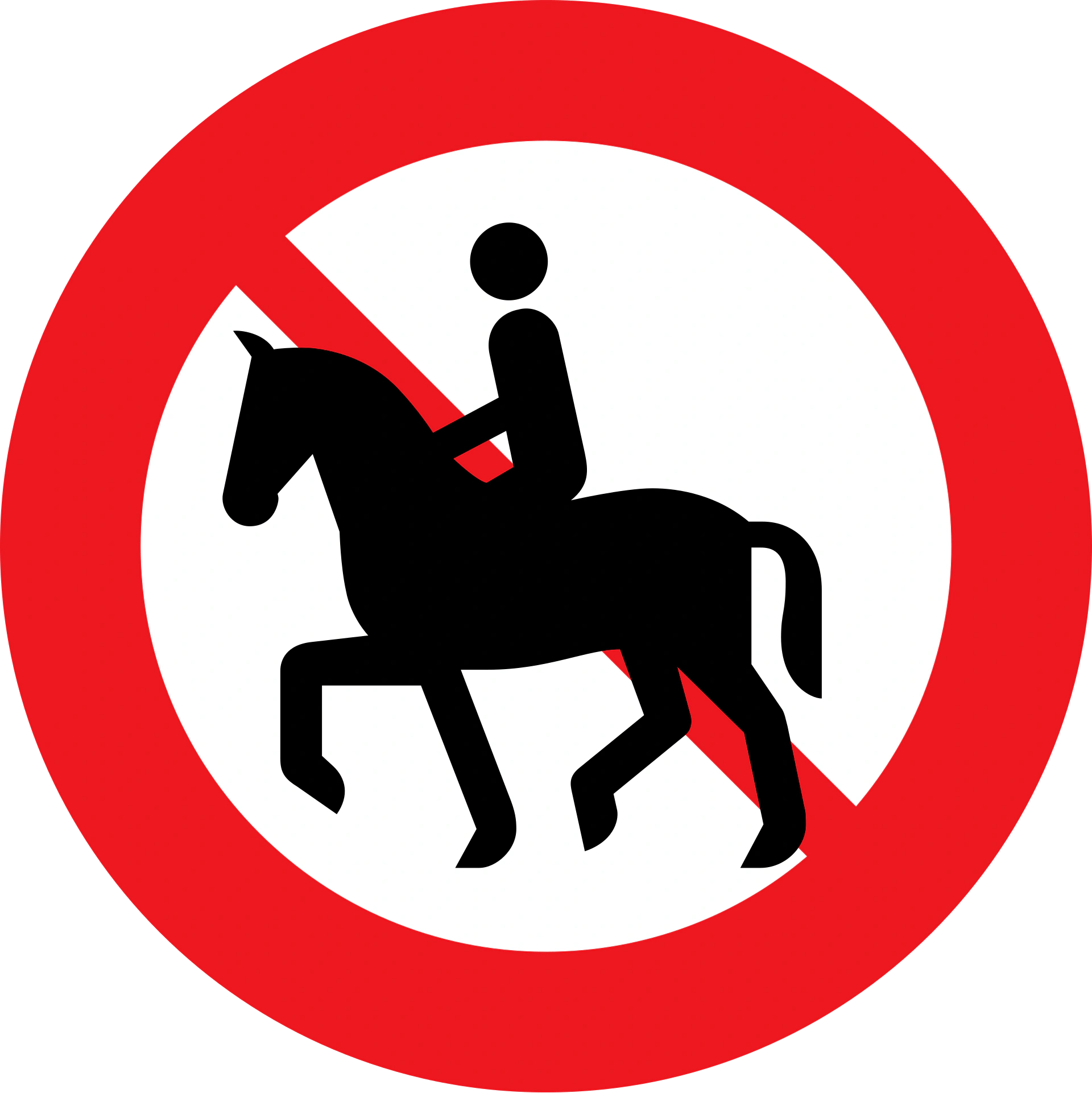
Understand the 'No Riding or Leading a Horse' Danish Prohibitory Sign (C26.1)
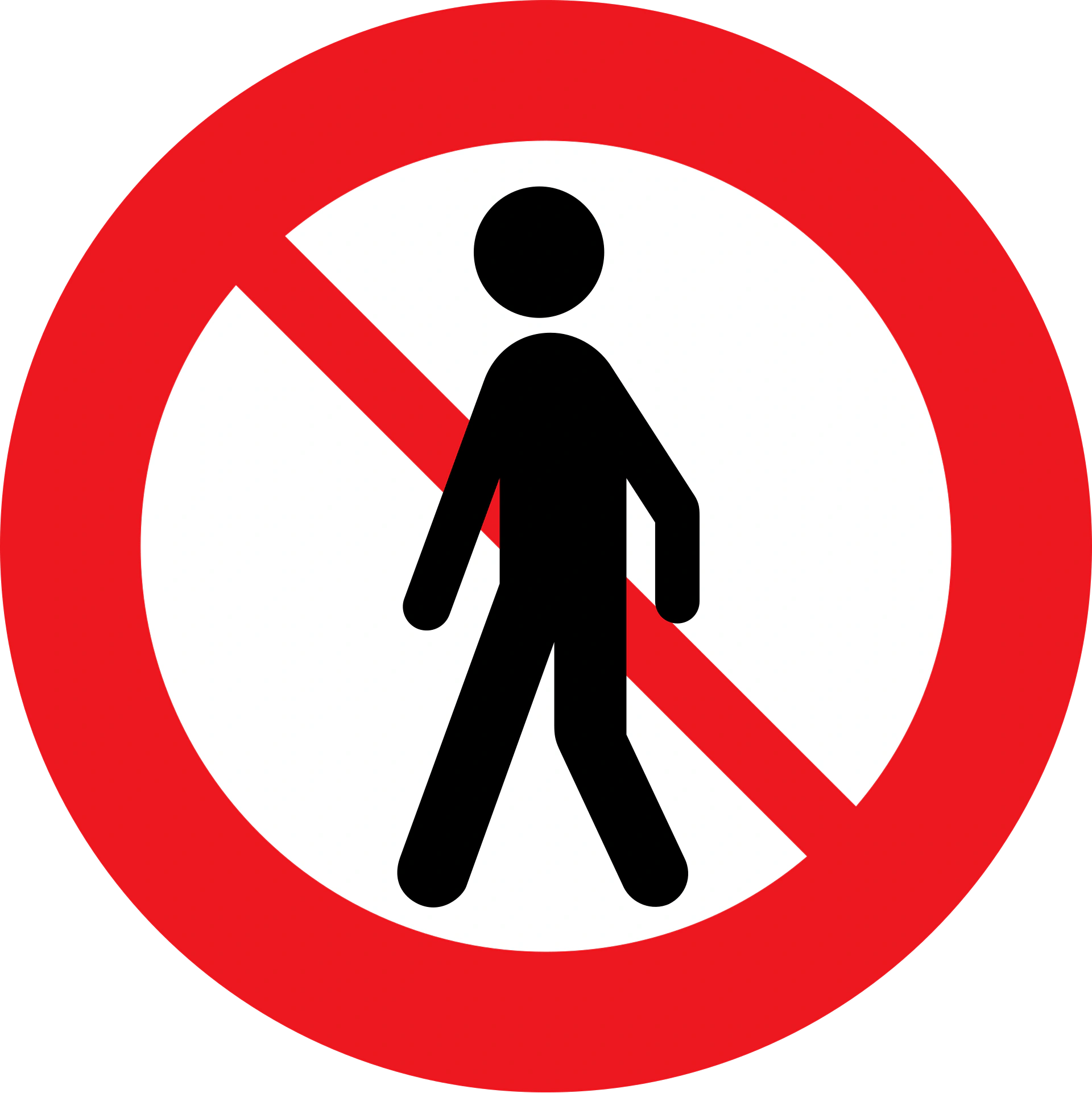
C26.2 'No Pedestrians' Sign: Understanding Prohibitory Traffic Rules
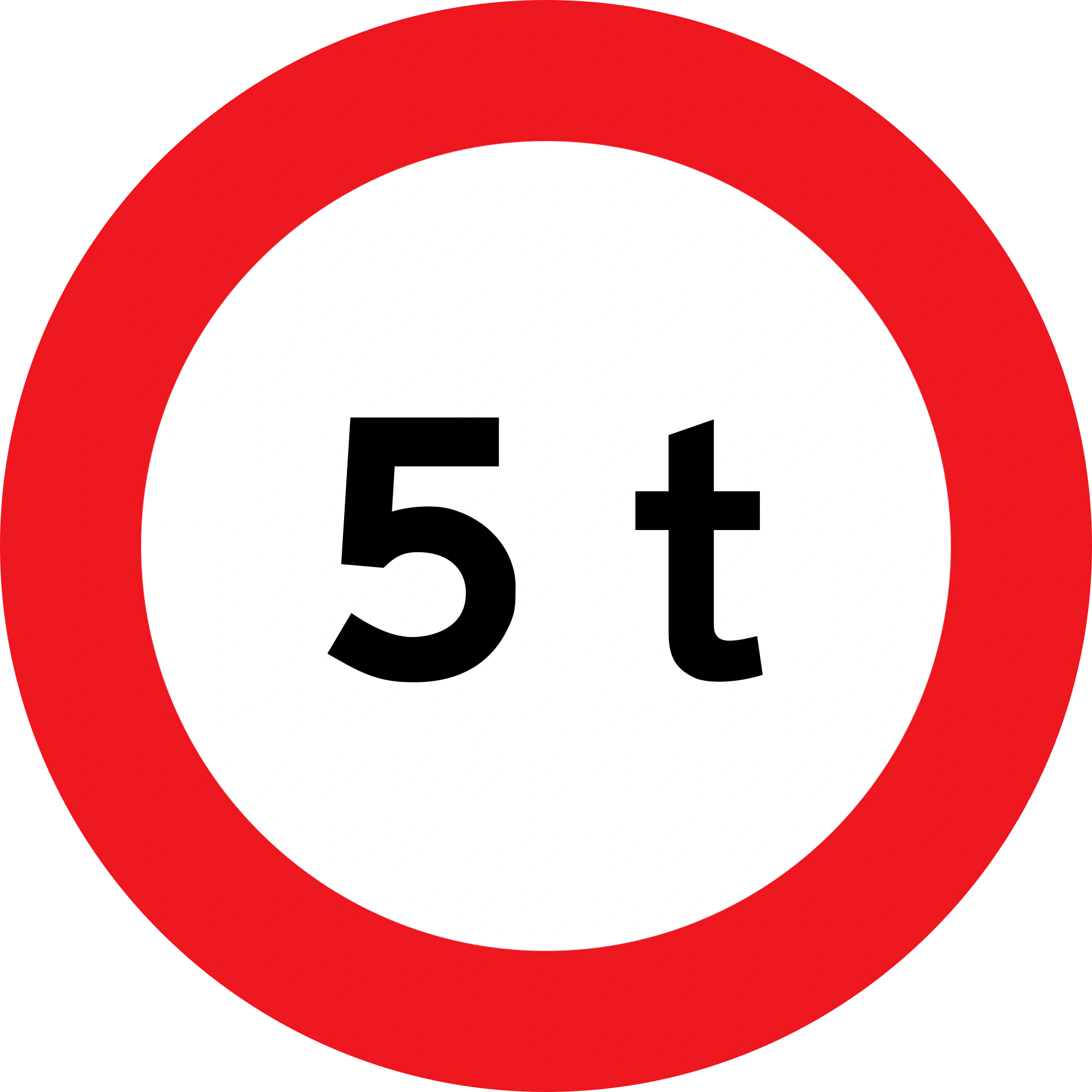
The C31 Max Weight sign prohibits vehicles exceeding a specified weight limit.
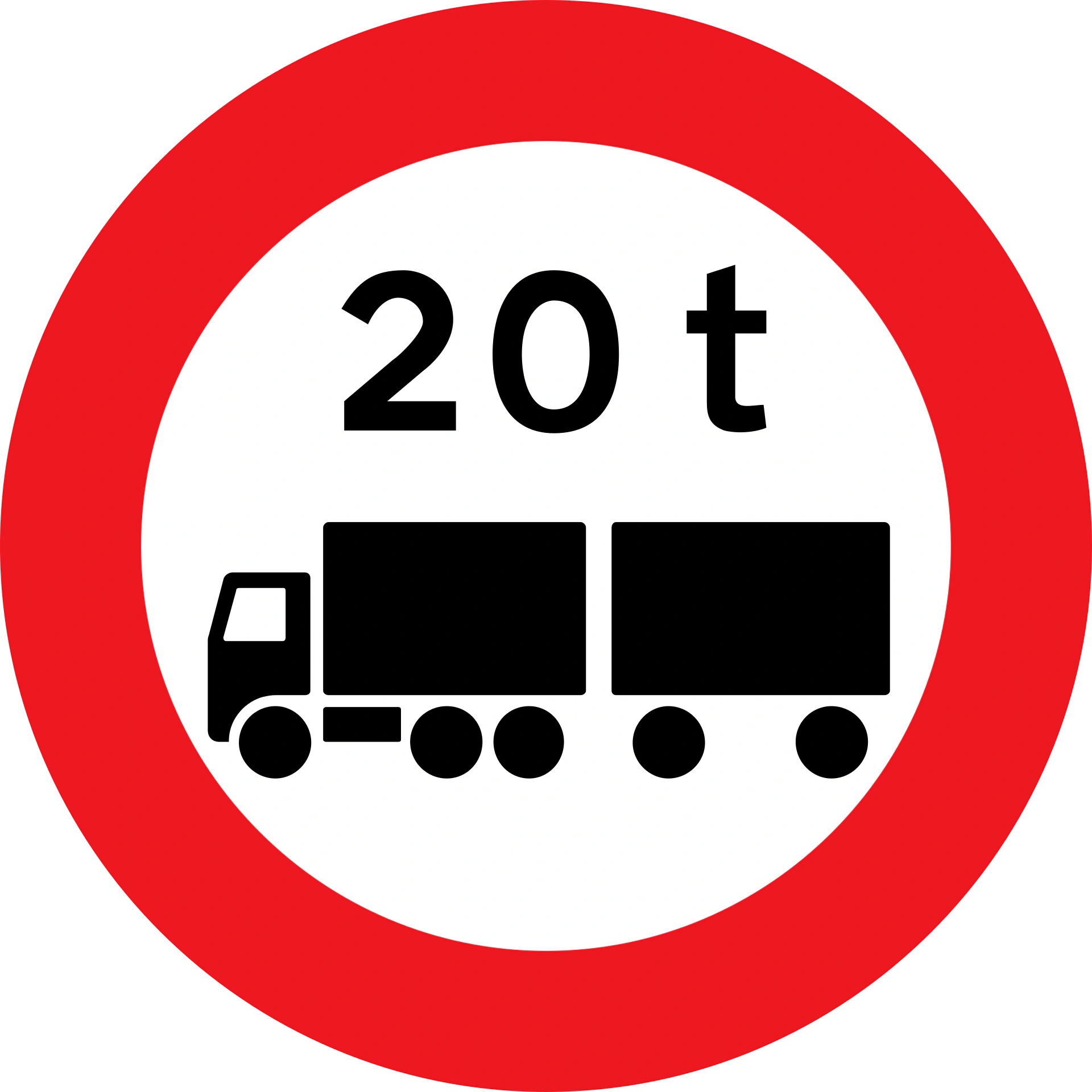
Understand the C32 'Max weight of roadtrain' prohibitory traffic sign.
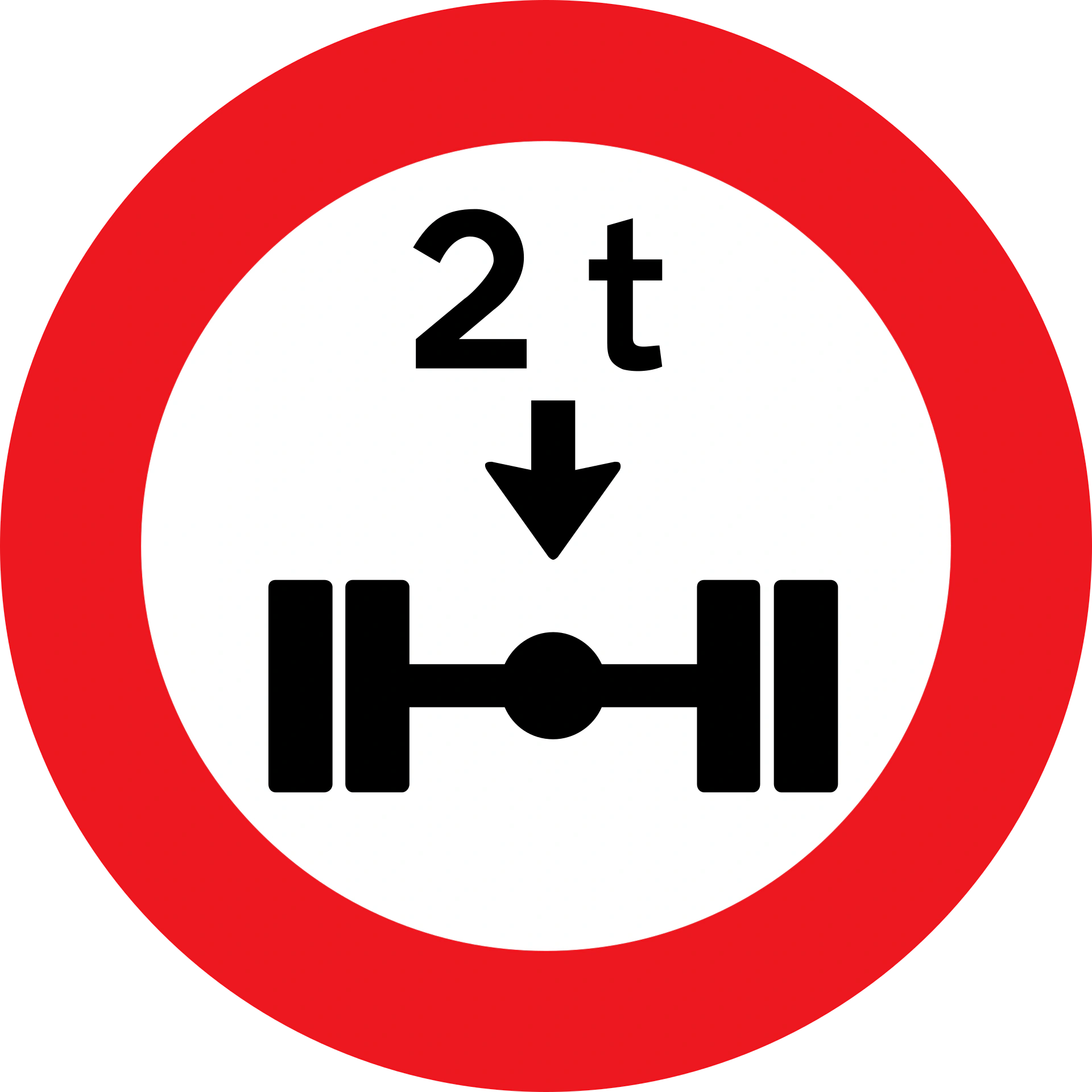
Understand the Danish C35 sign for maximum axle load.
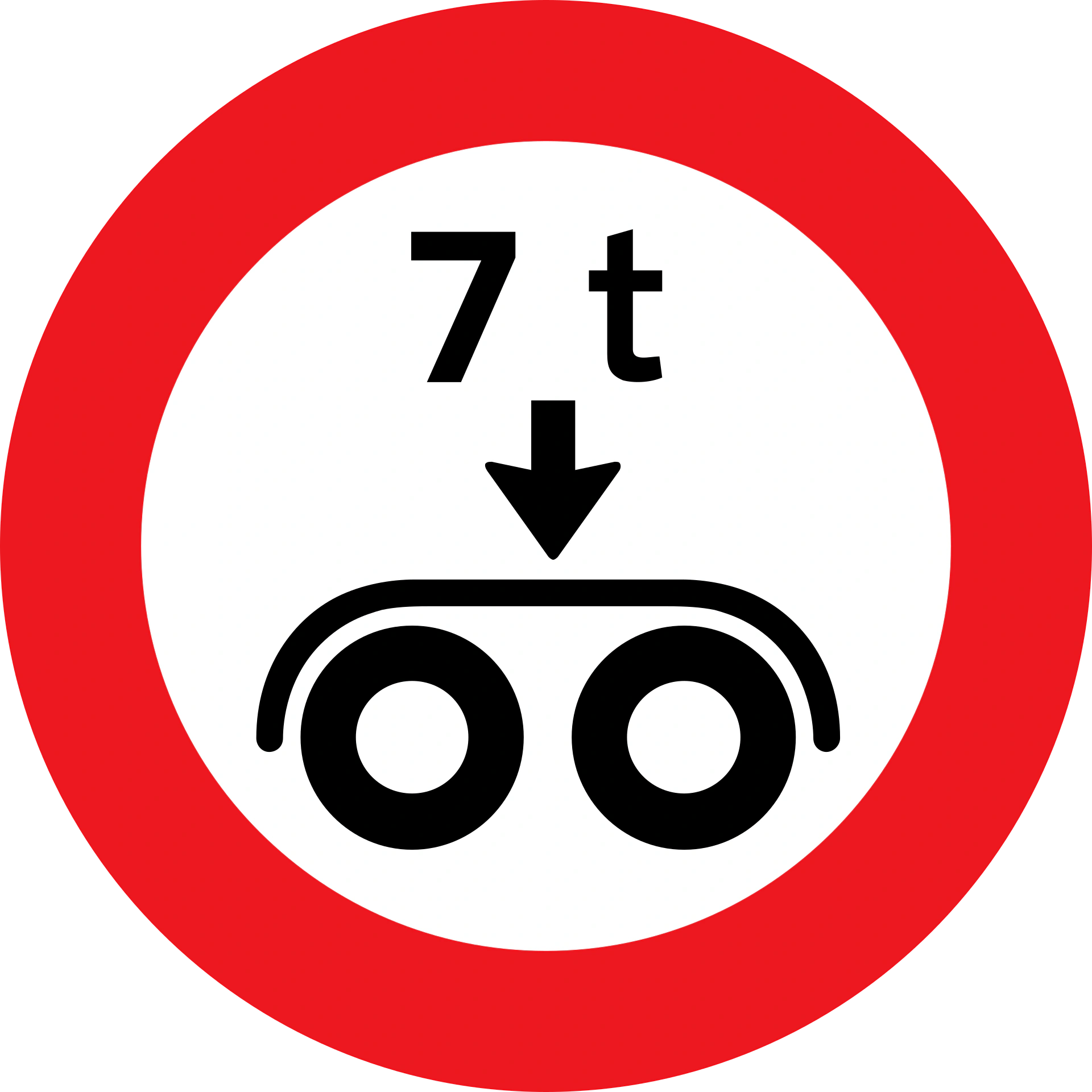
The C36 'Max Bogie Load' Sign: What It Prohibits and How to Comply
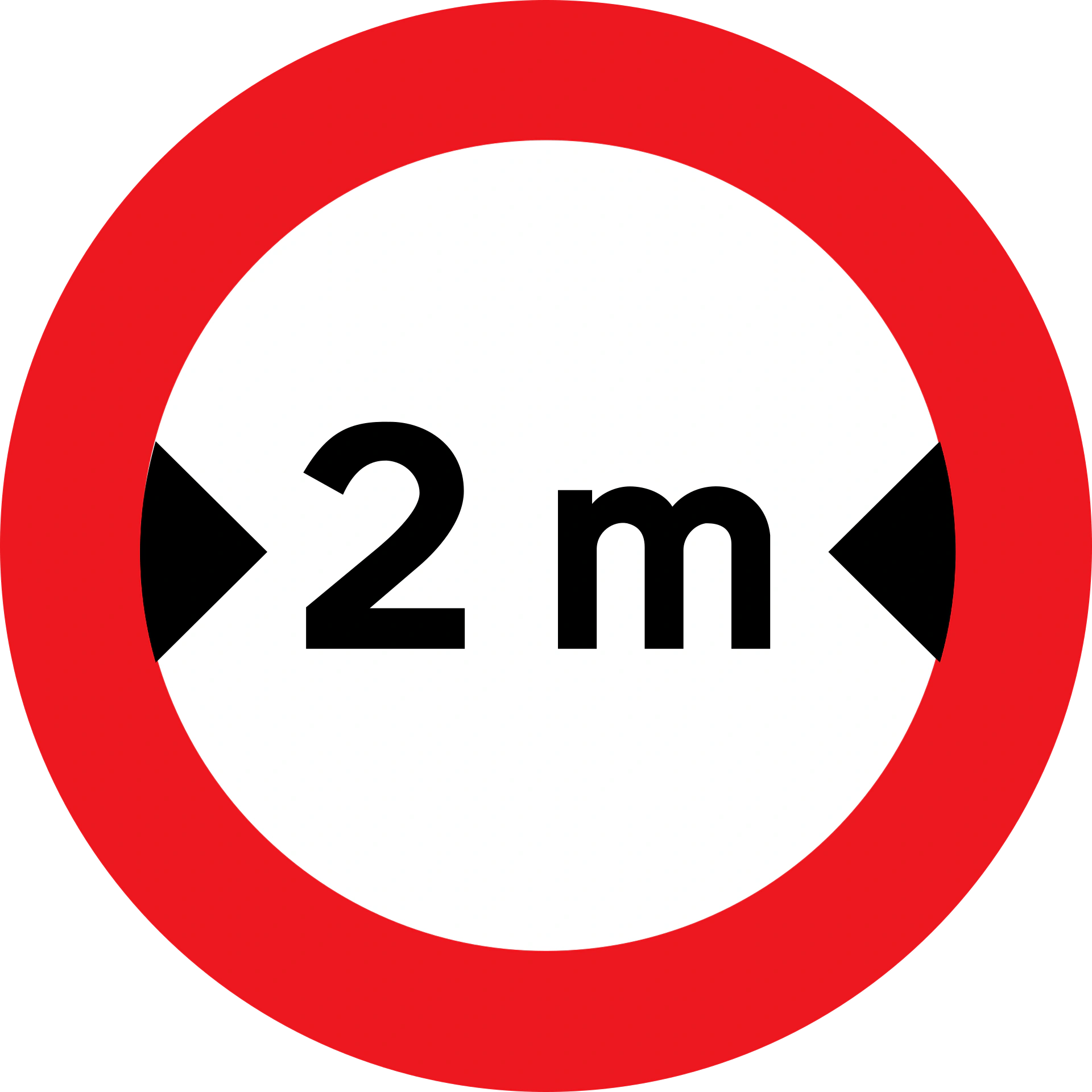
Understand the C41 'Max width of vehicle with load' prohibitory traffic sign.
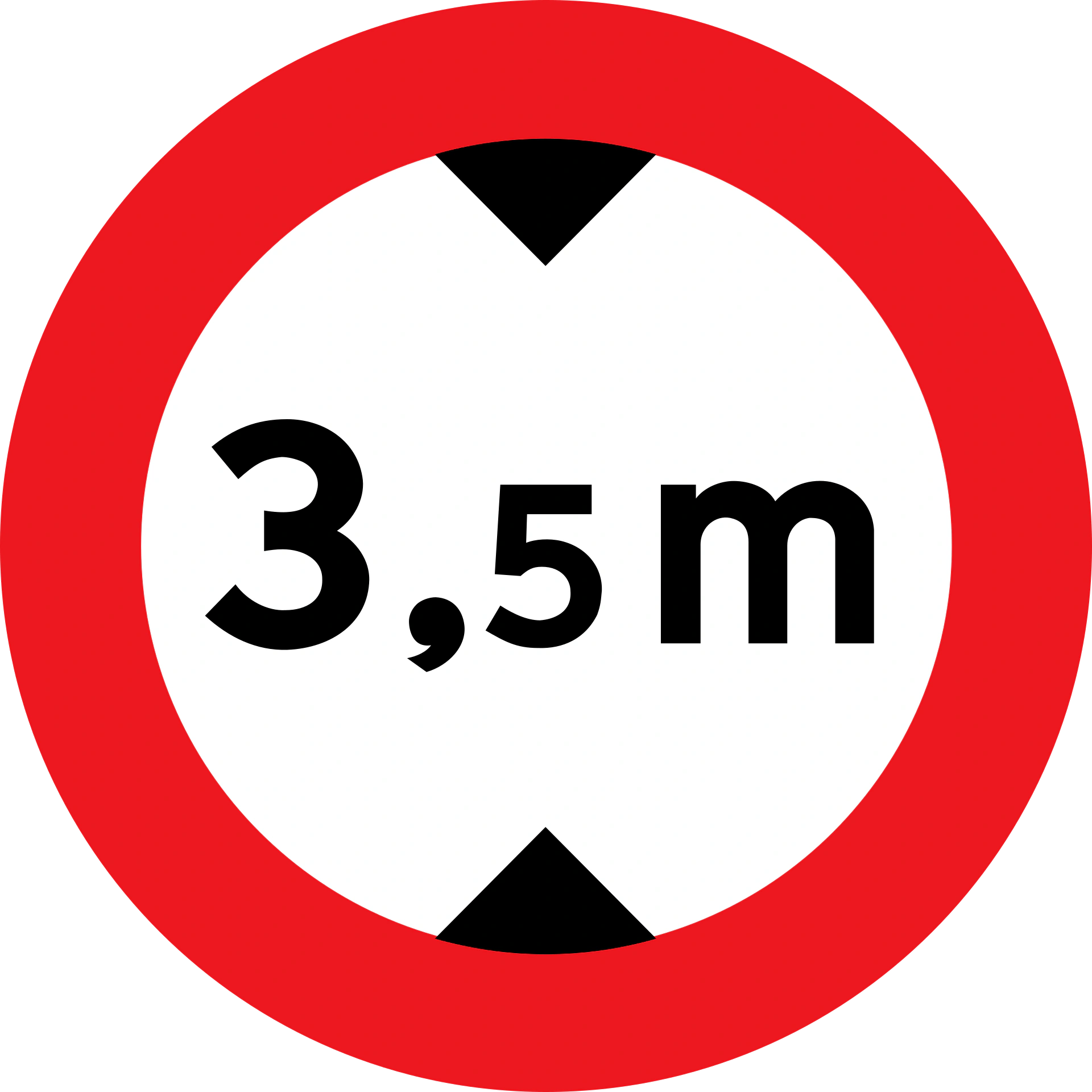
Understand the C42 Sign: Maximum Vehicle Height Restriction Ahead
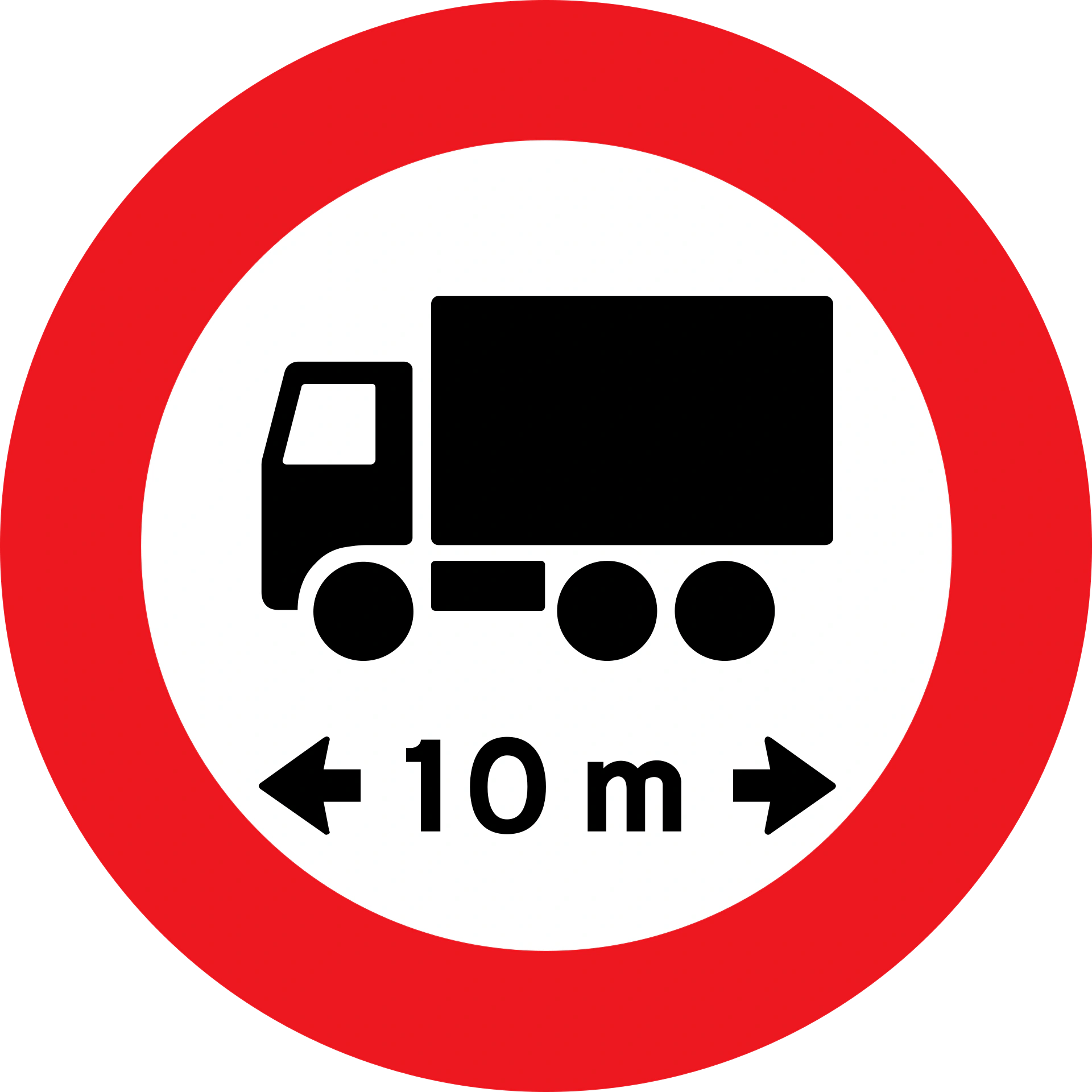
Understand the C43 'Max length of vehicle' prohibitory sign
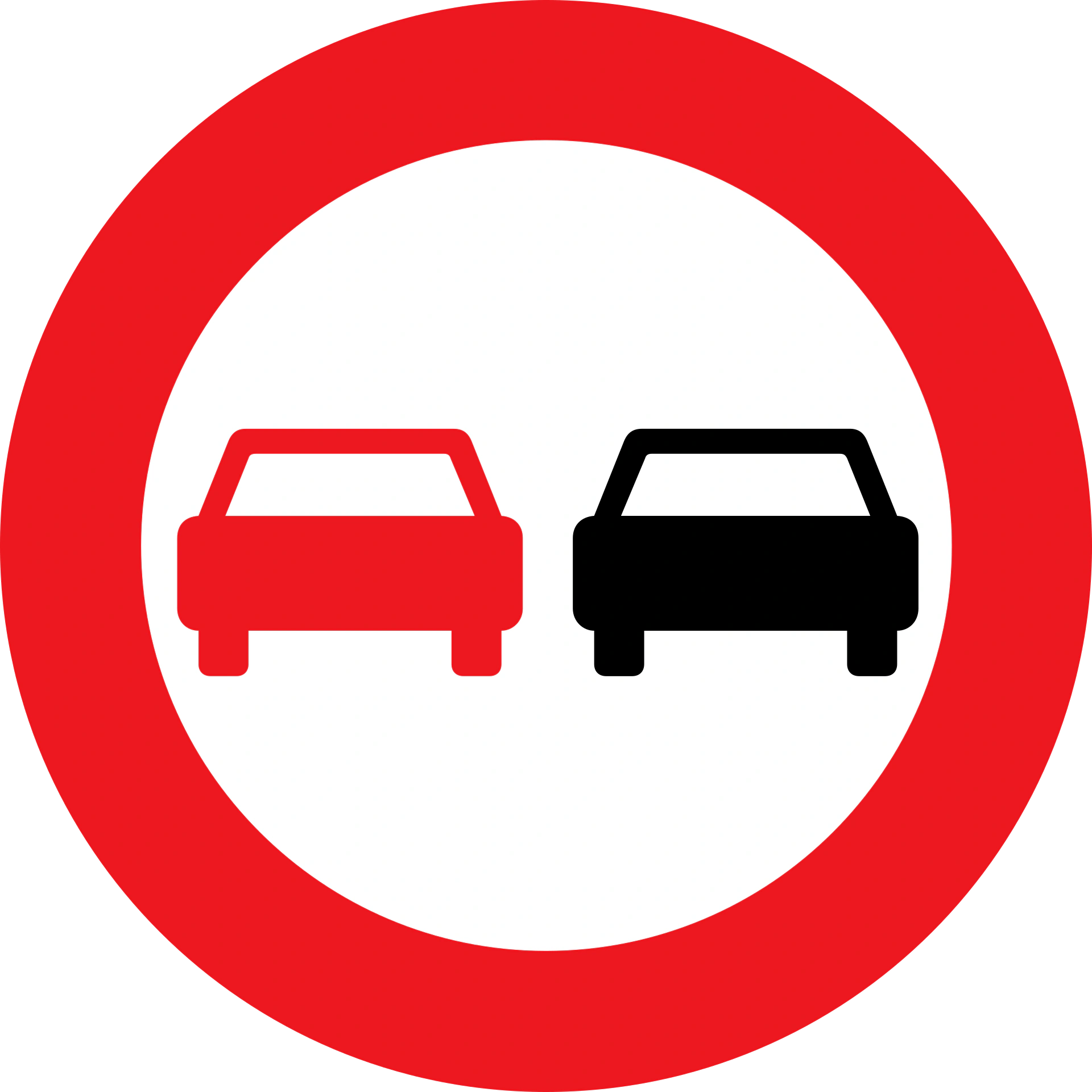
The C51 'No Overtaking' sign means you must not overtake other vehicles.
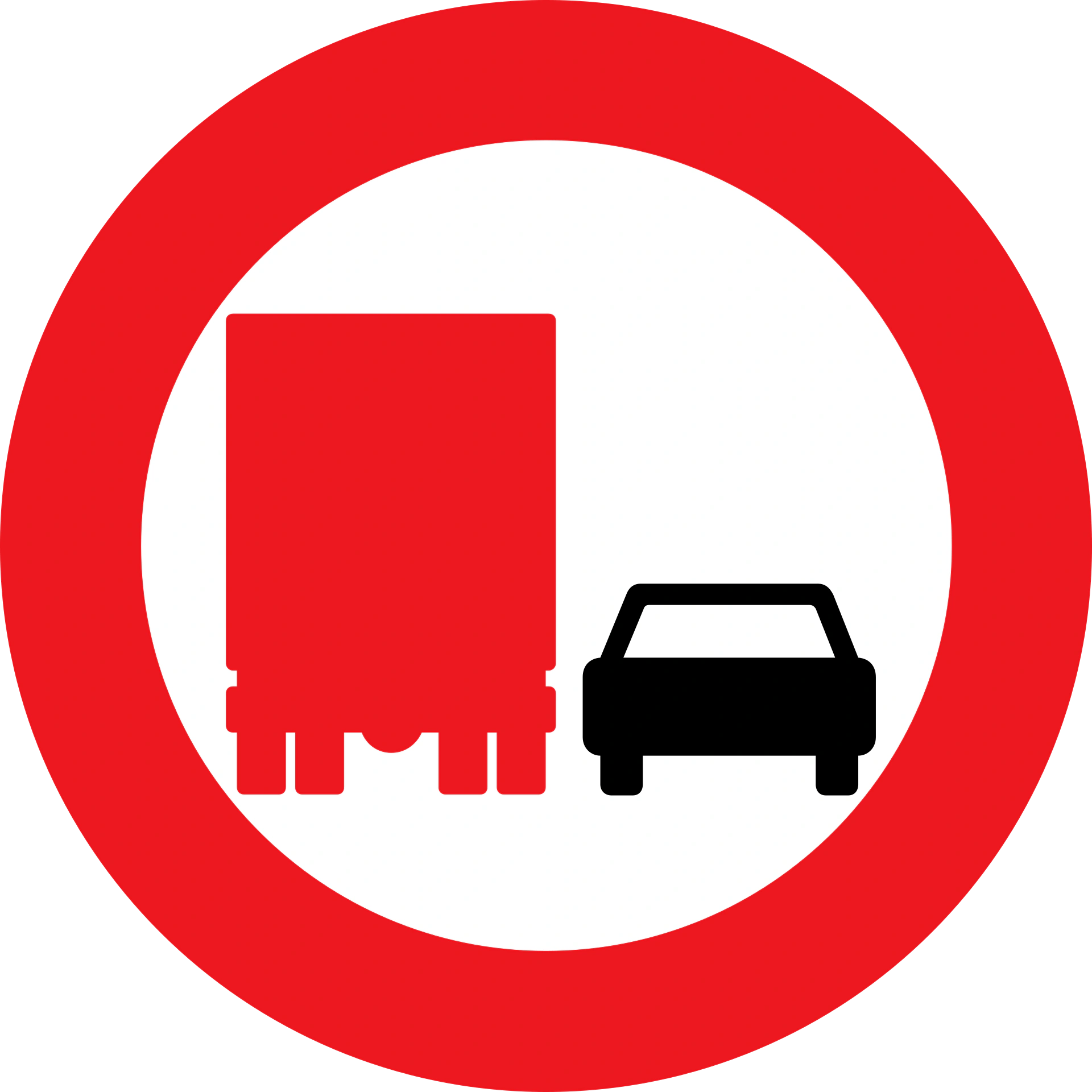
Understand the C52 sign: No Overtaking for Heavy Goods Vehicles
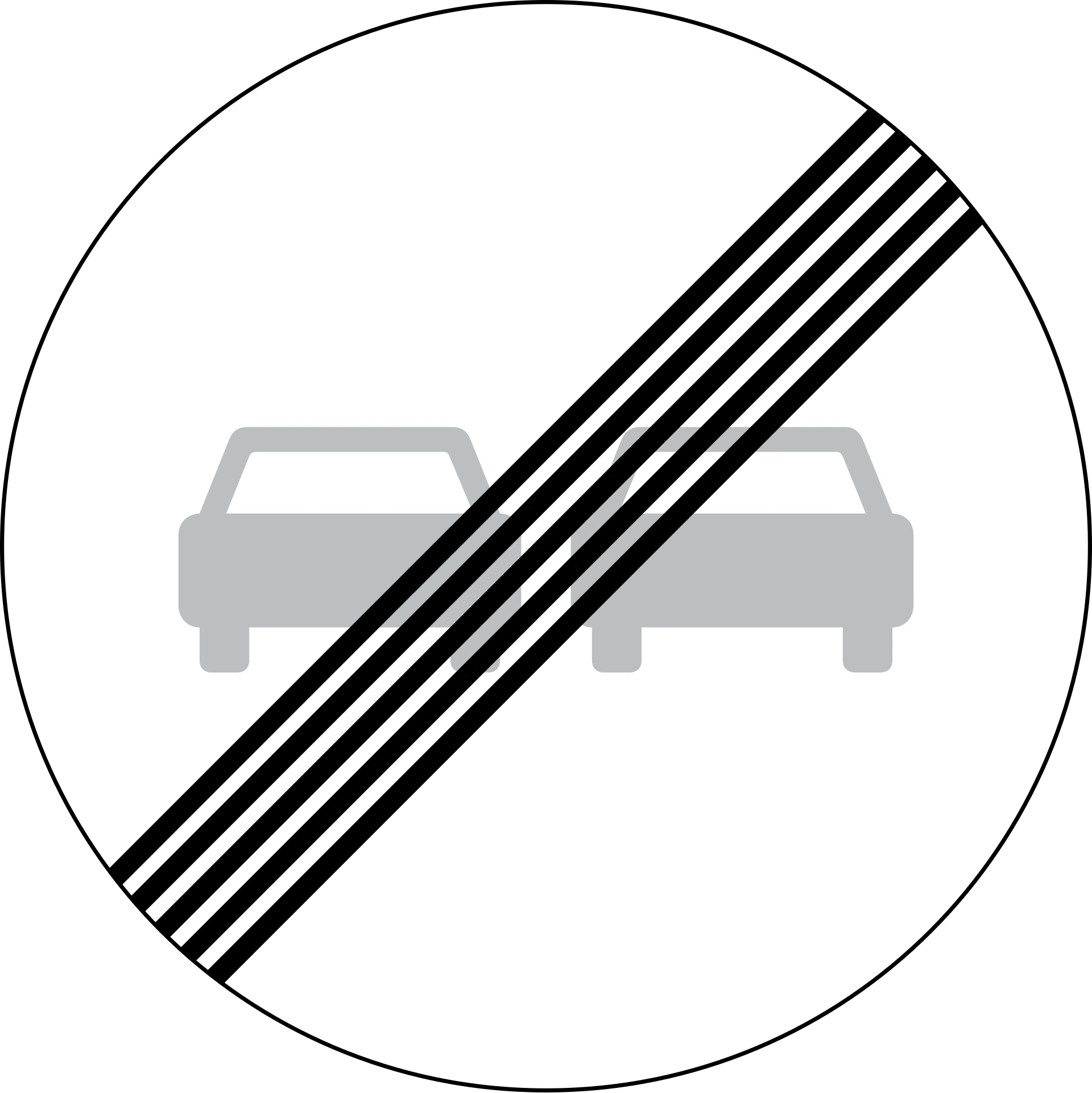
You can now overtake: Understanding the 'End of No Overtaking' sign (C53)
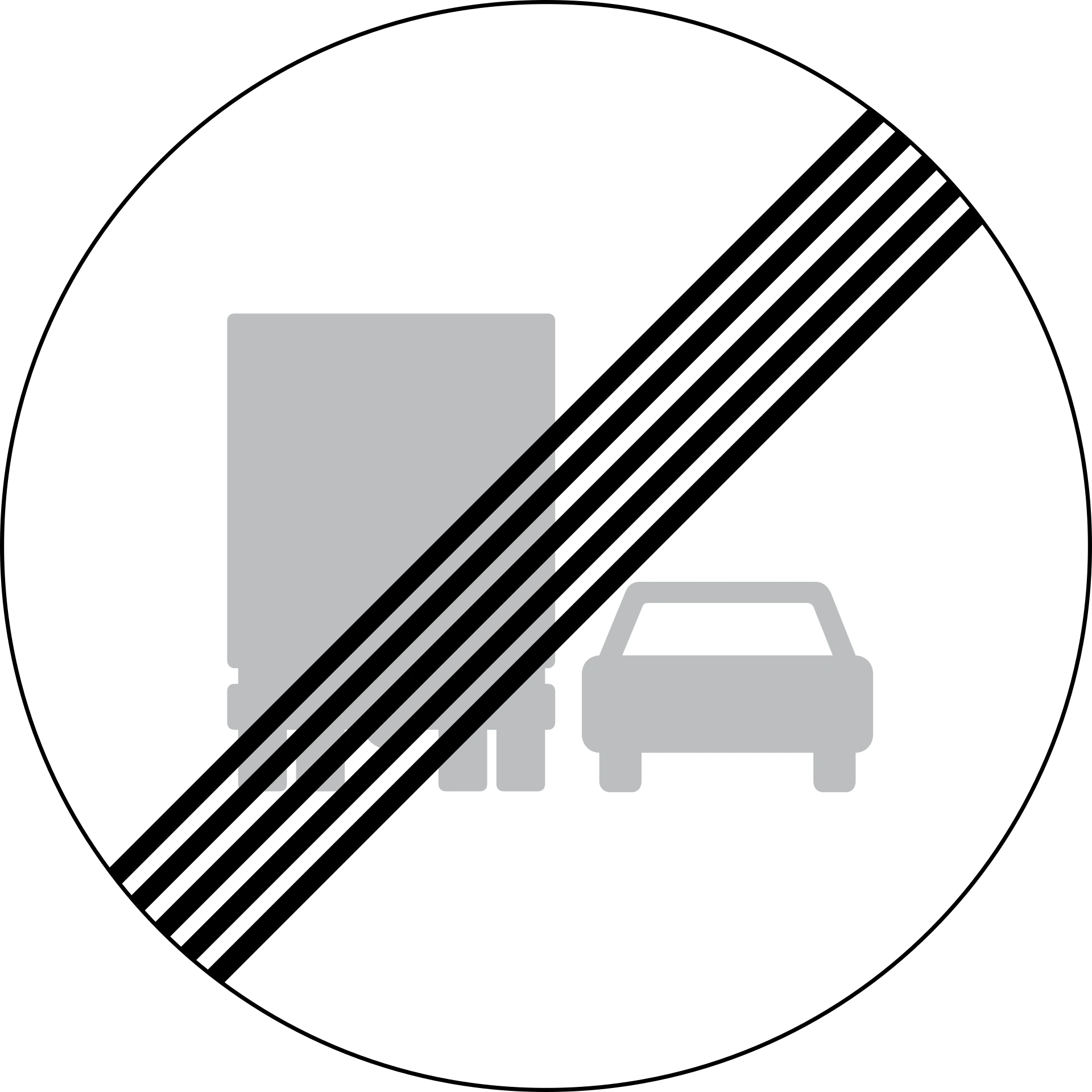
This sign indicates the end of the restriction on heavy goods vehicles overtaking.
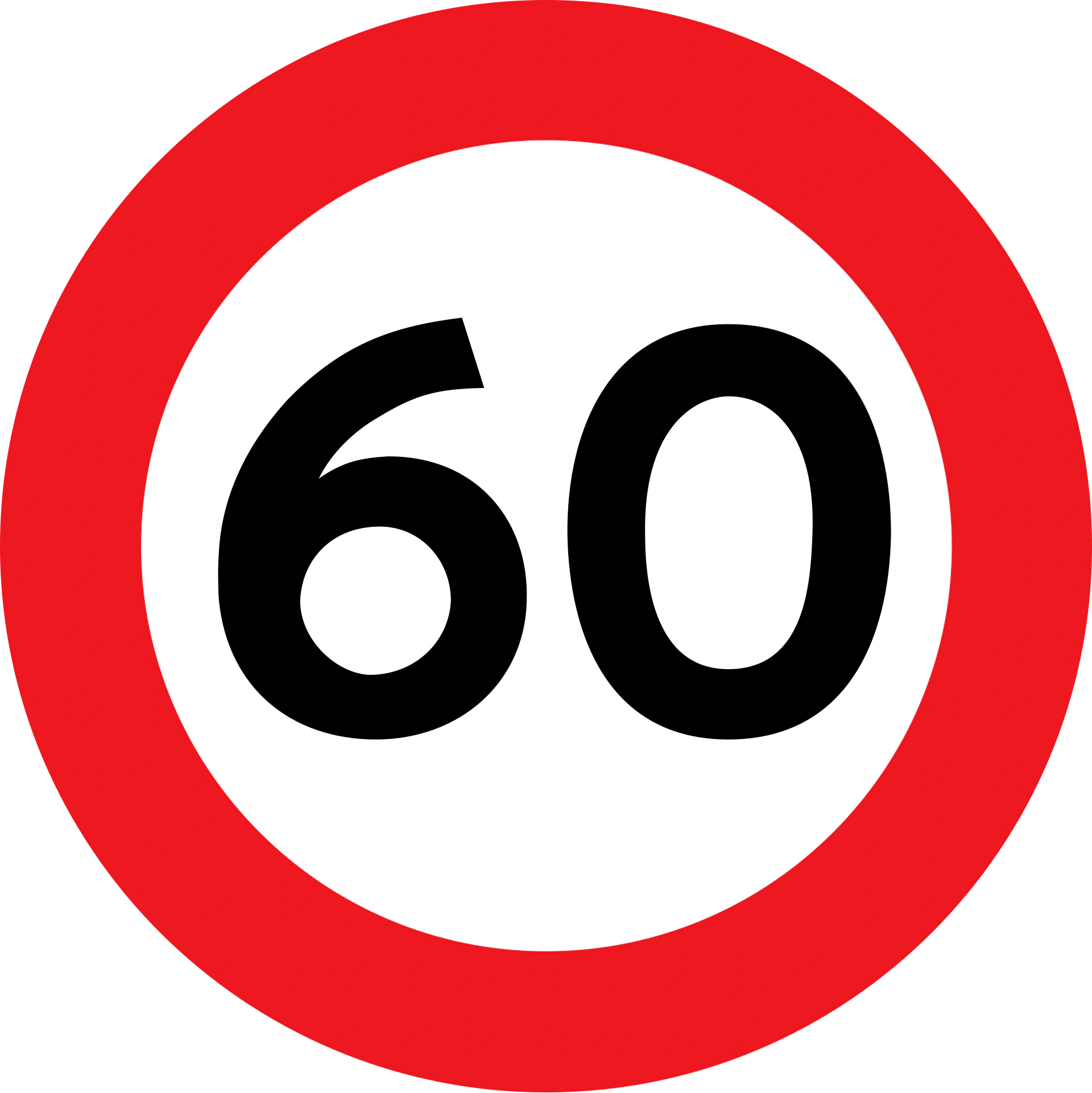
Understand and obey the C55 Local Speed Limit sign
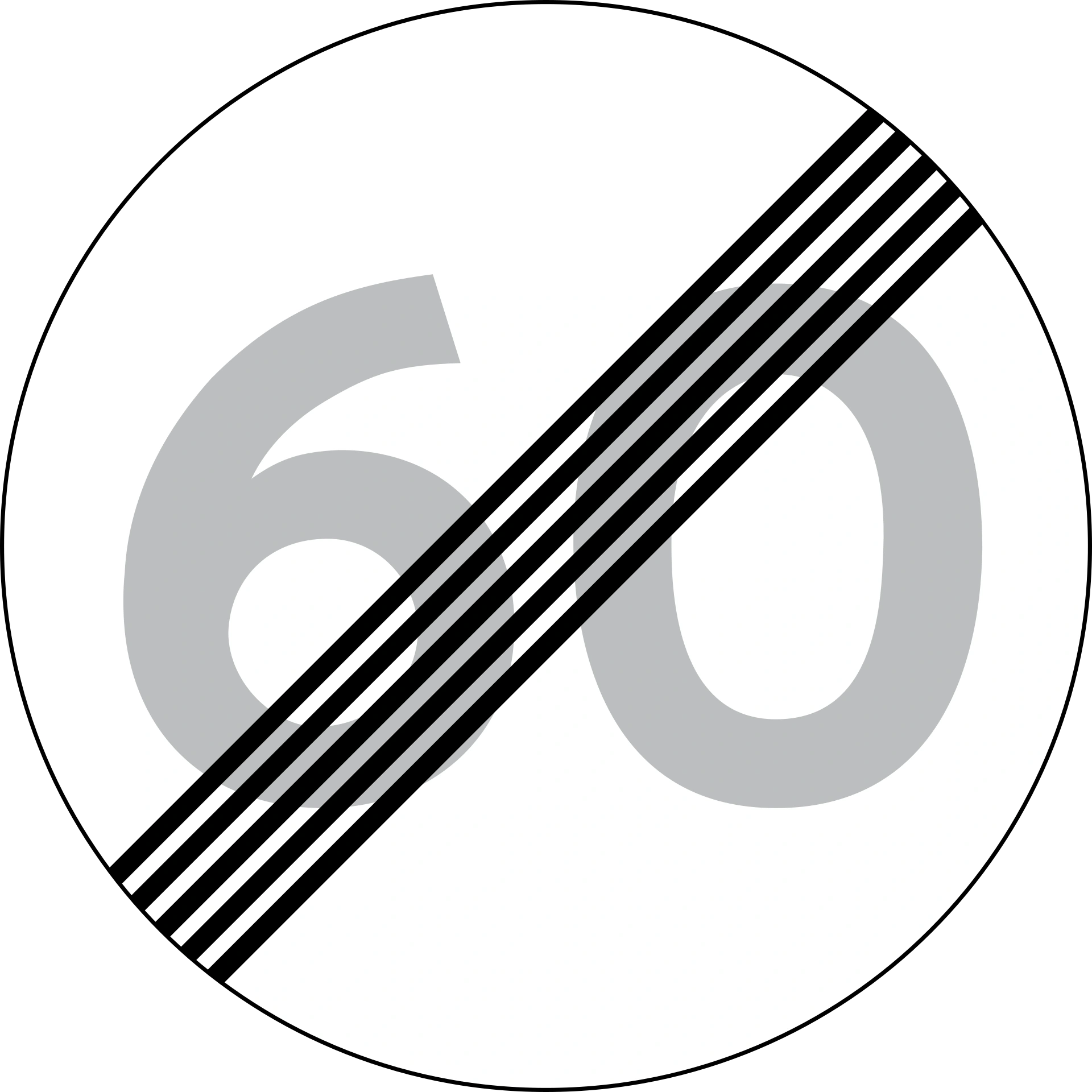
C56: You've Reached the End of the Local Speed Restriction
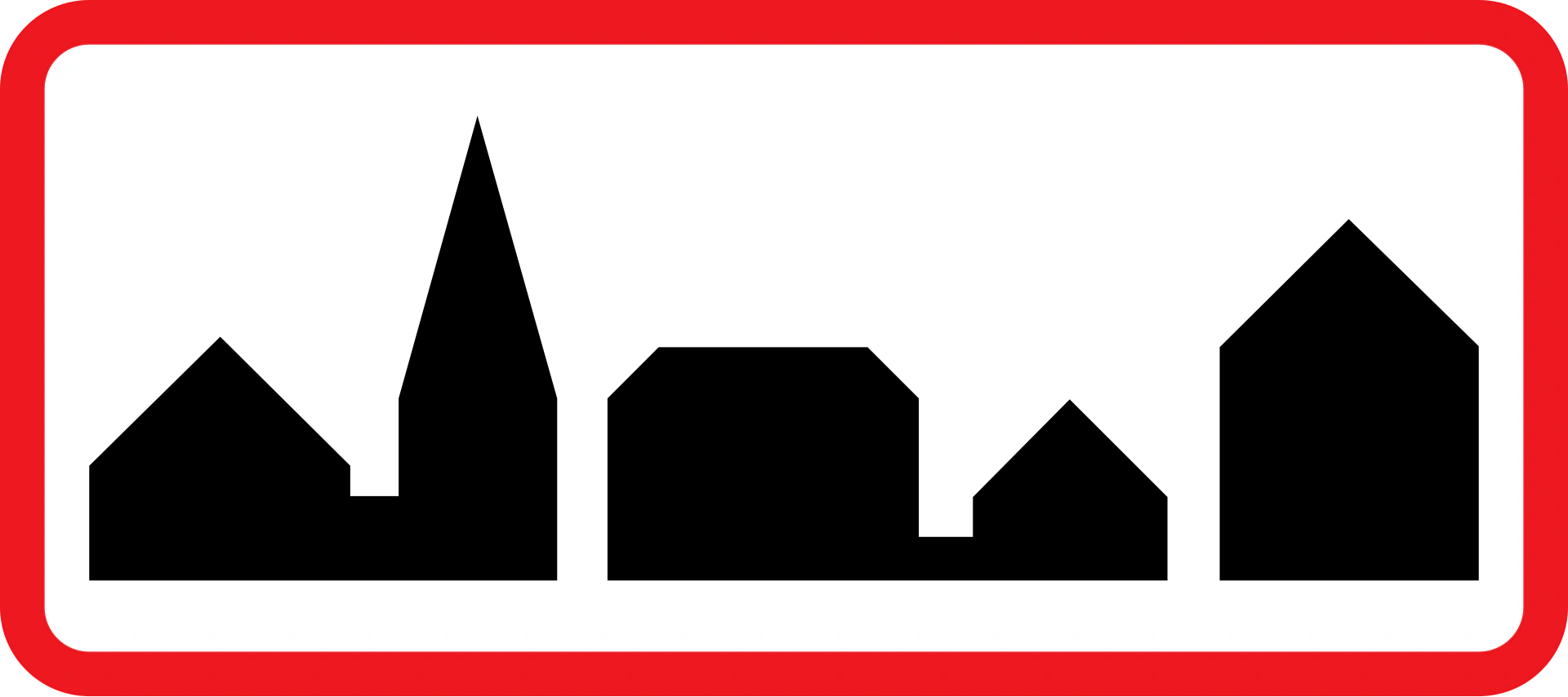
Understand the UC56 'Built Up Area Subpanel' for Binding Prohibitory Rules in Denmark
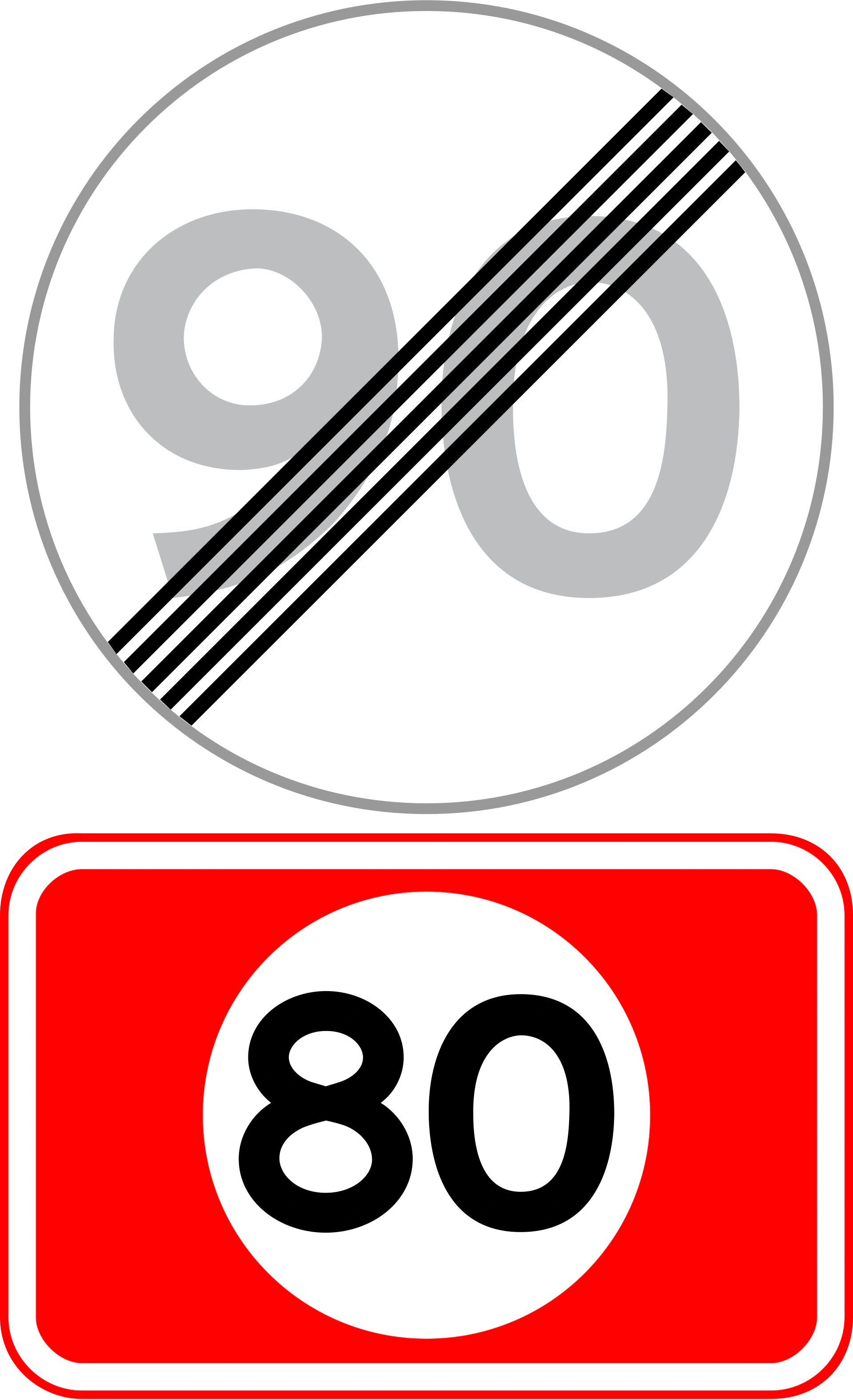
UC57: Signalling the End of a Local Speed Limit Restriction
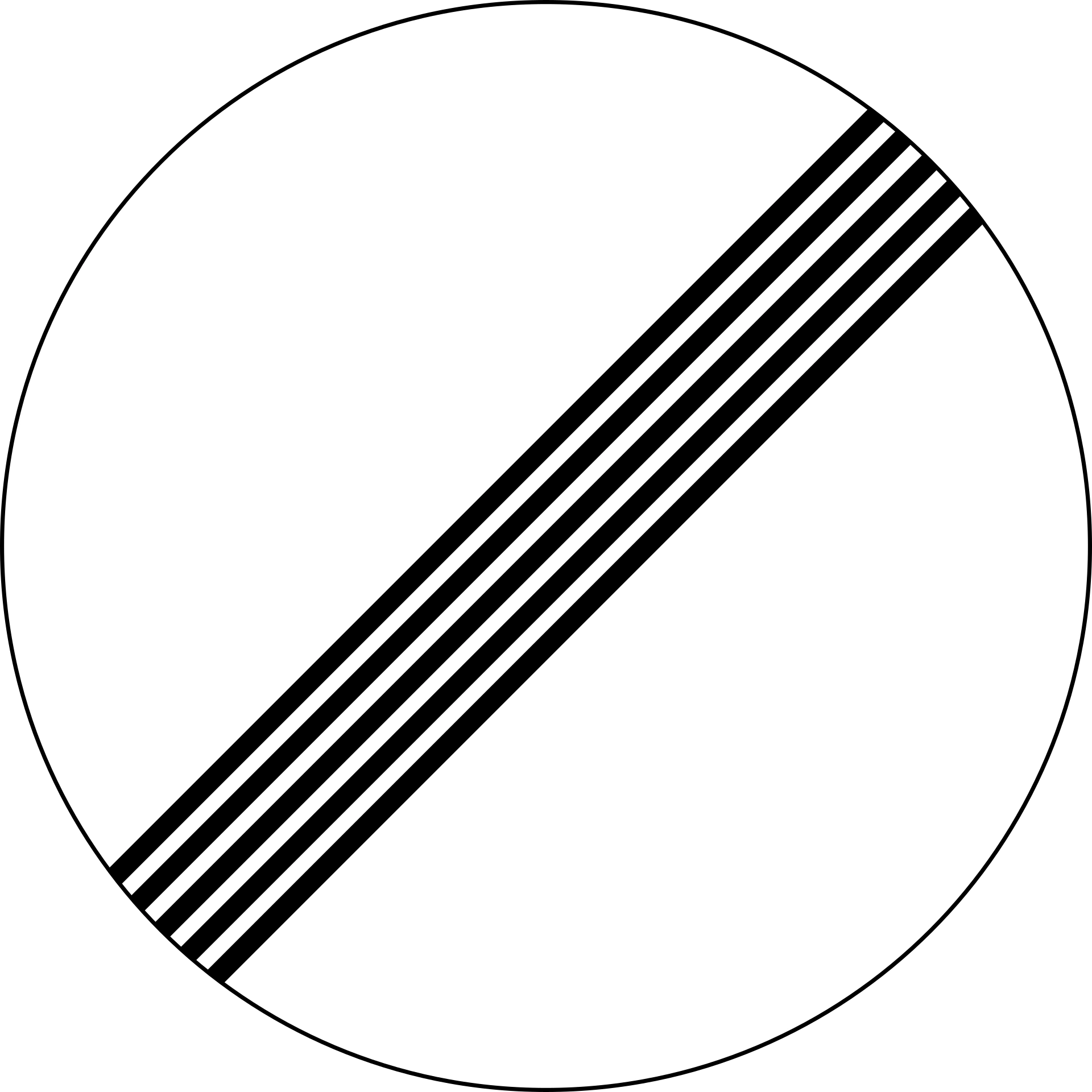
The C59 Sign: Understanding When a Prohibition Ends
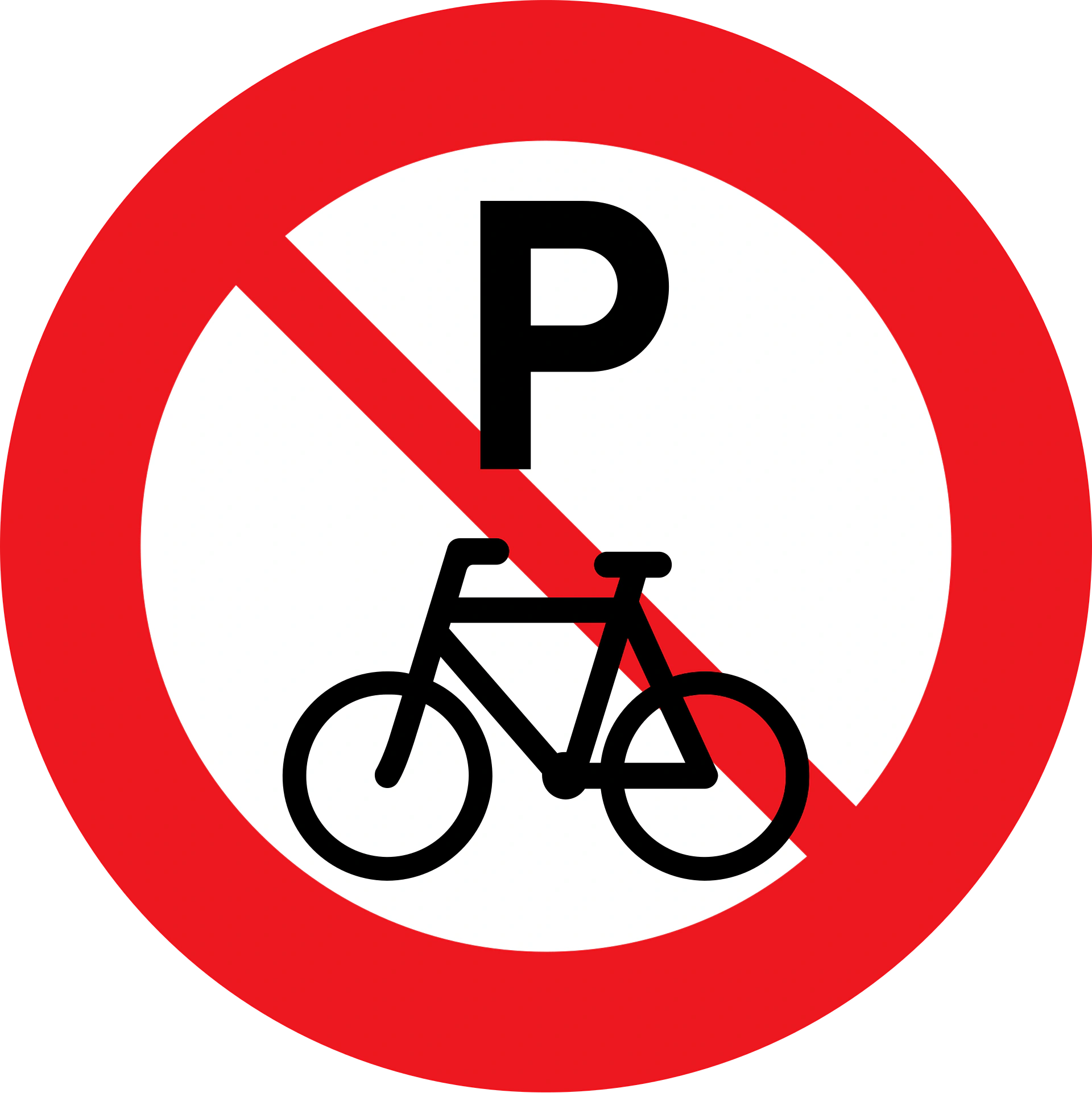
Understand the Danish C63 Sign: No Parking for Bicycles
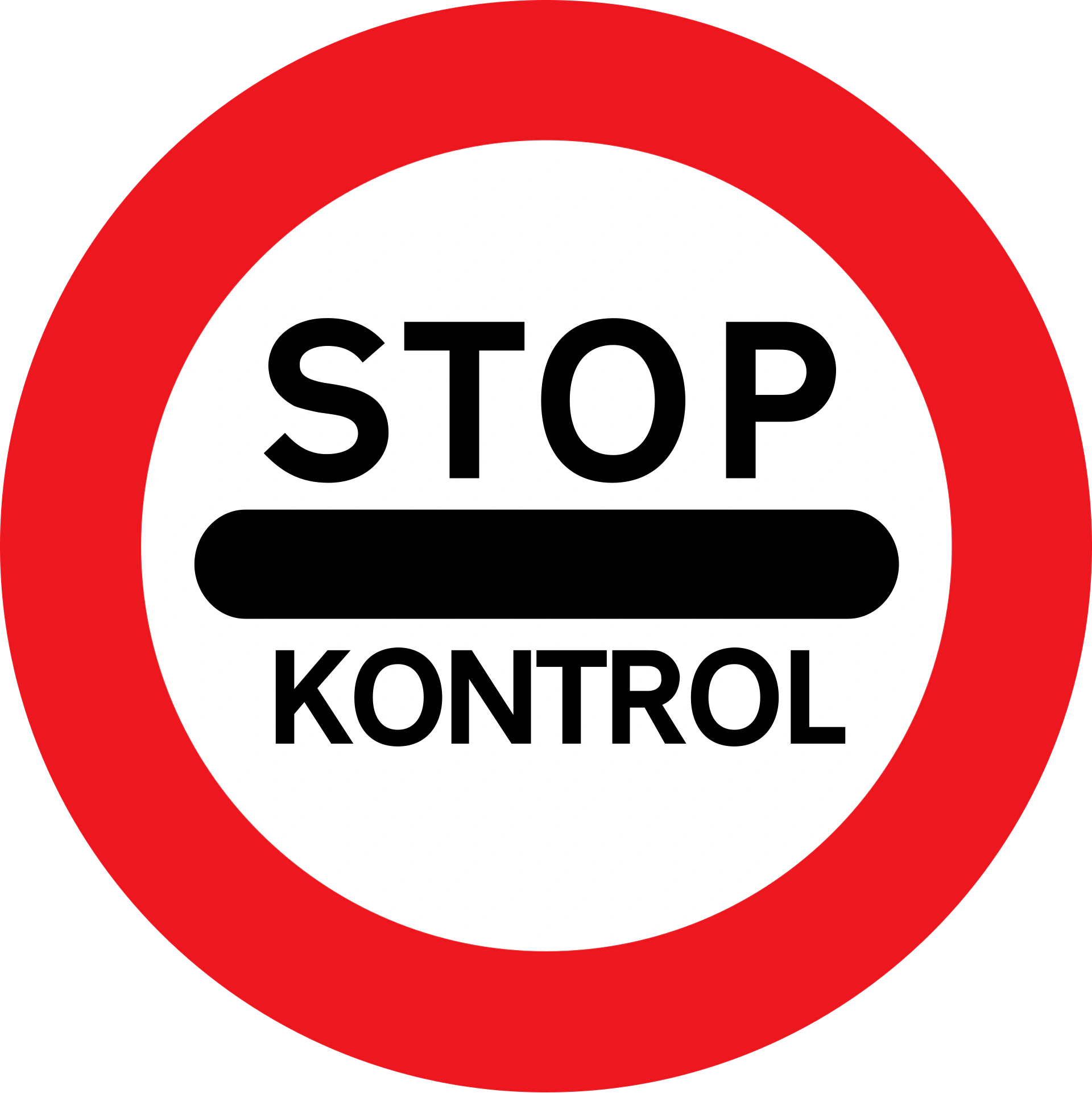
The C92 Sign Means You Must Stop: Continuing Without Stopping is Prohibited
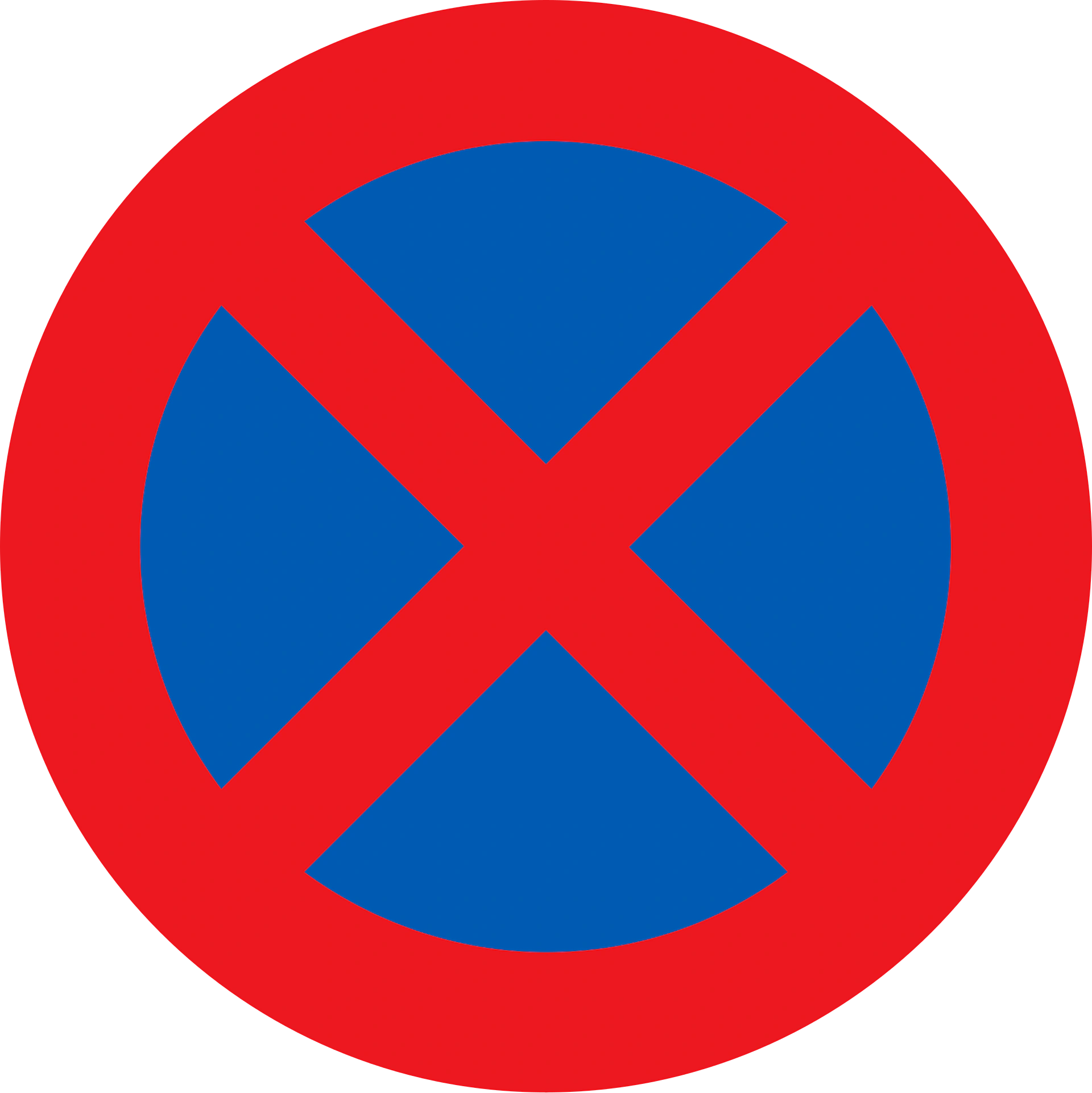
The C61 'No Stopping' sign means exactly what it says: no stopping allowed.
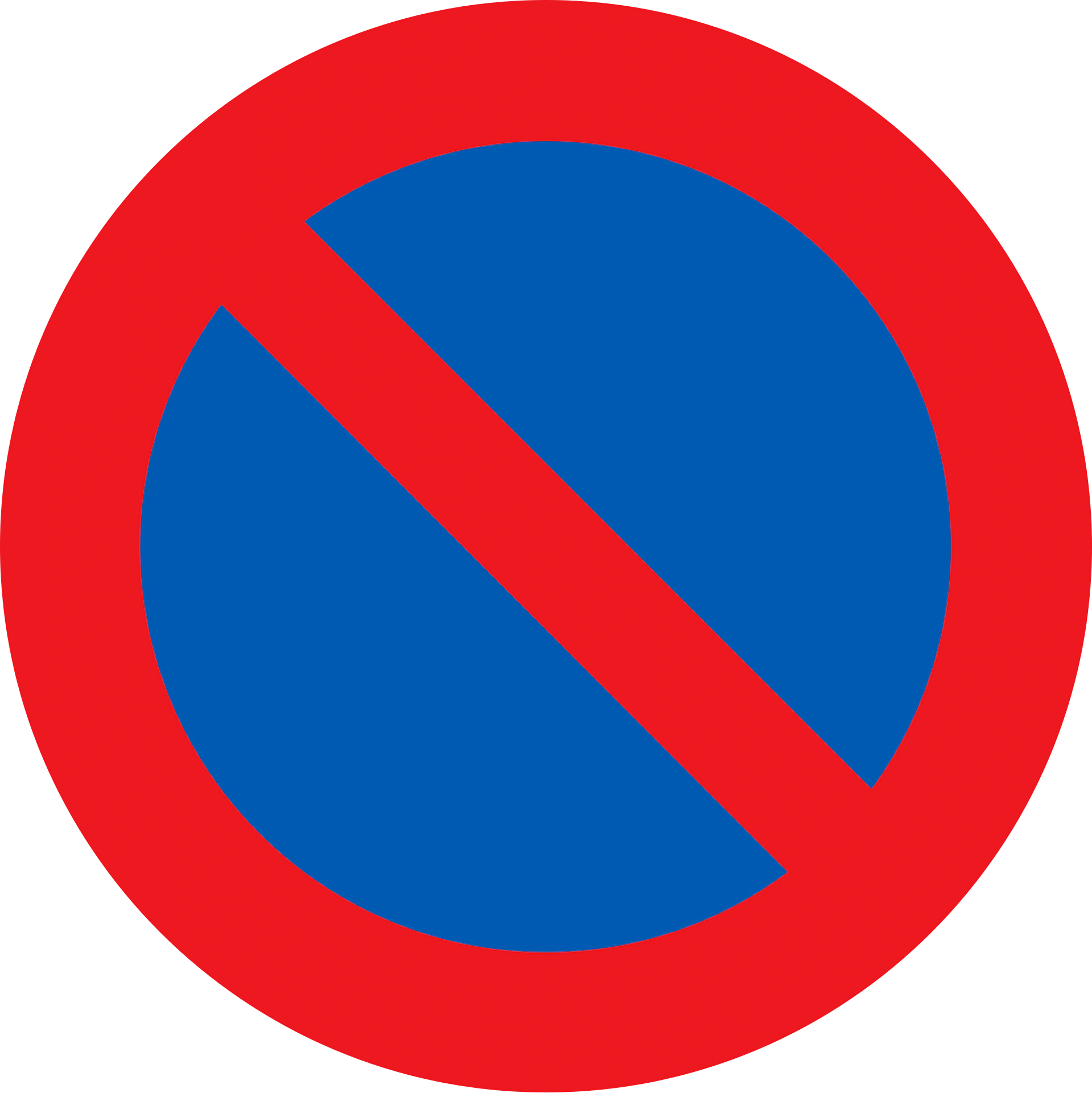
Understand the Danish C62 'No Parking' Prohibitory Traffic Sign
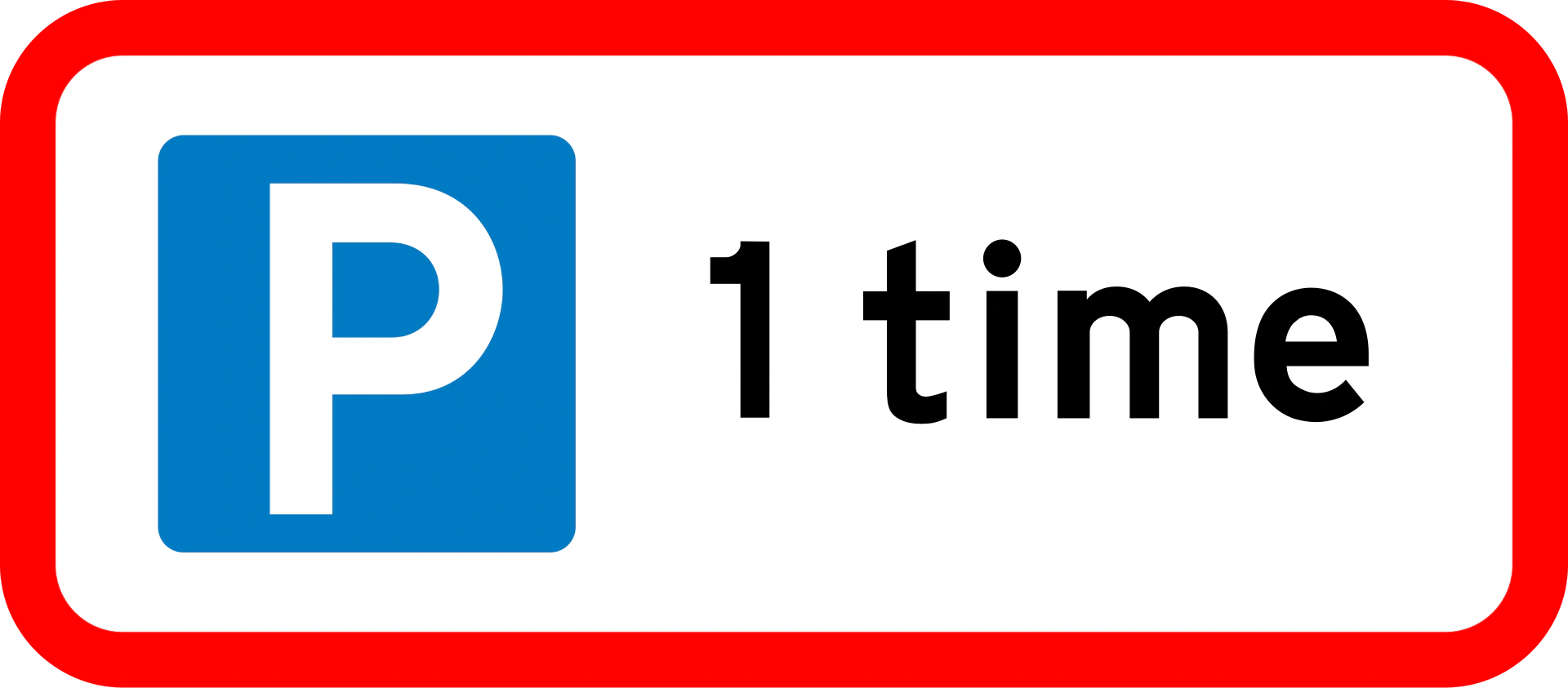
Understand the UC33 Limited Parking sign and its traffic restrictions.
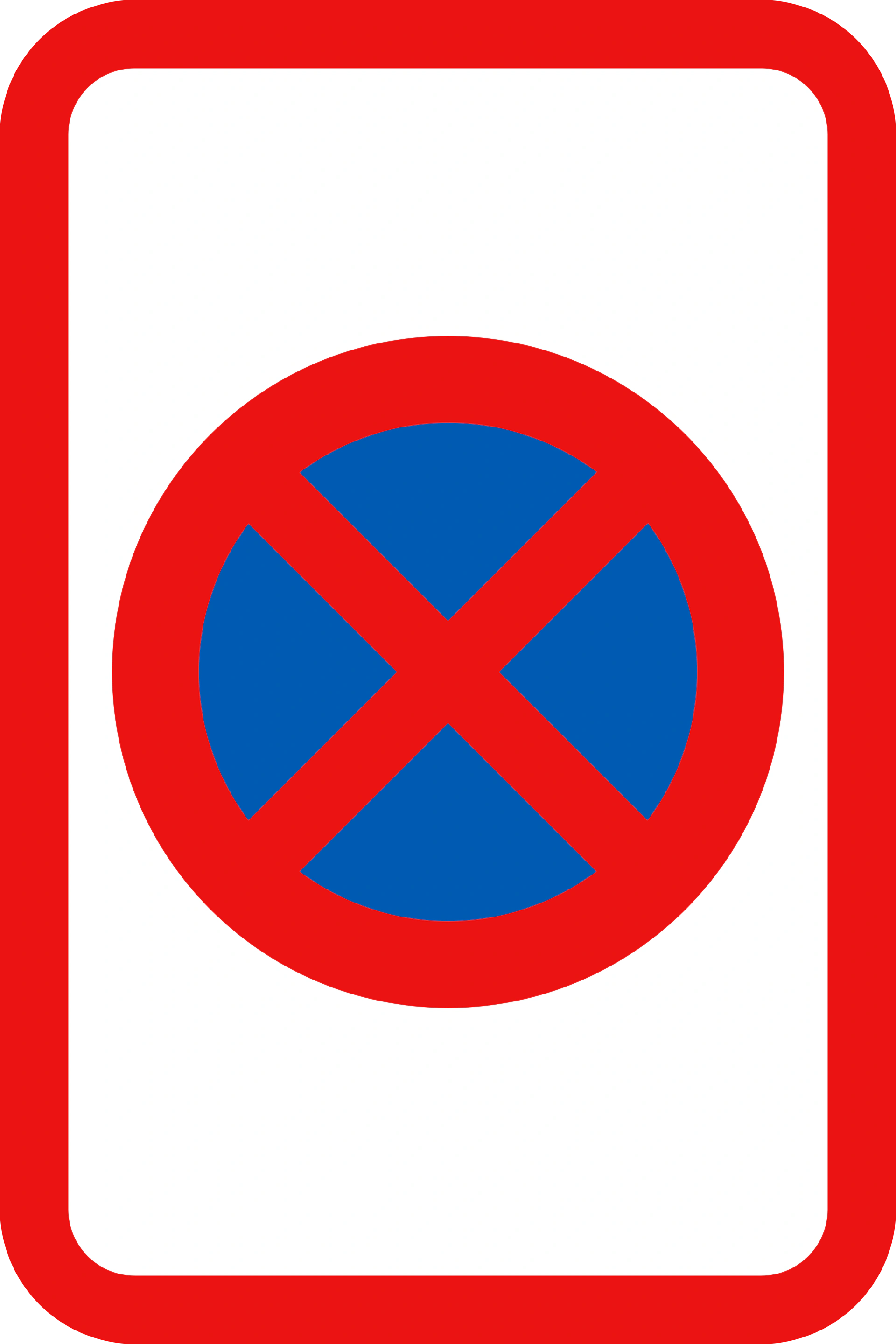
Decode the UC61 'No Stopping Subpanel' for Danish Road Rules
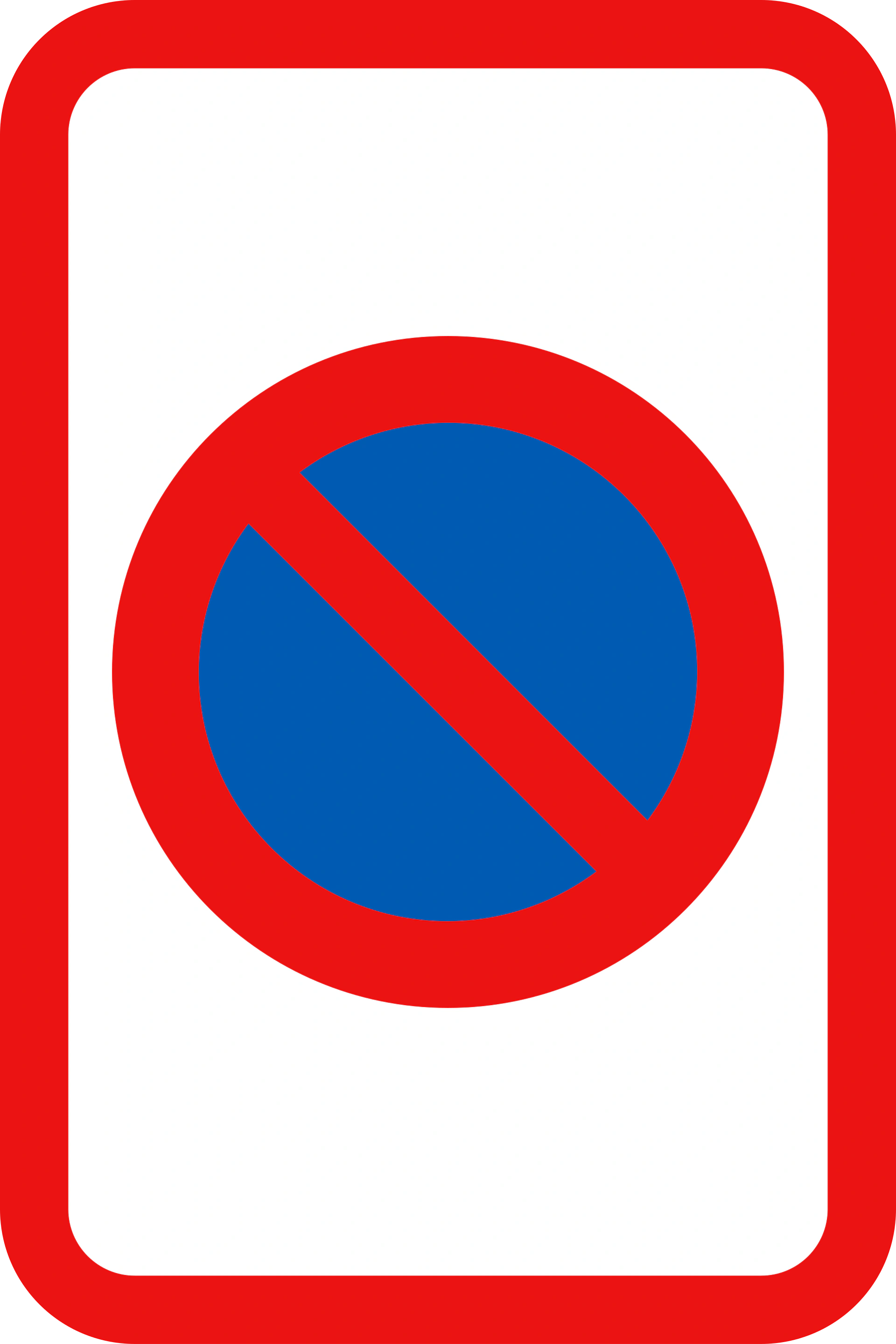
This Danish subpanel sign UC62 imposes specific parking restrictions.
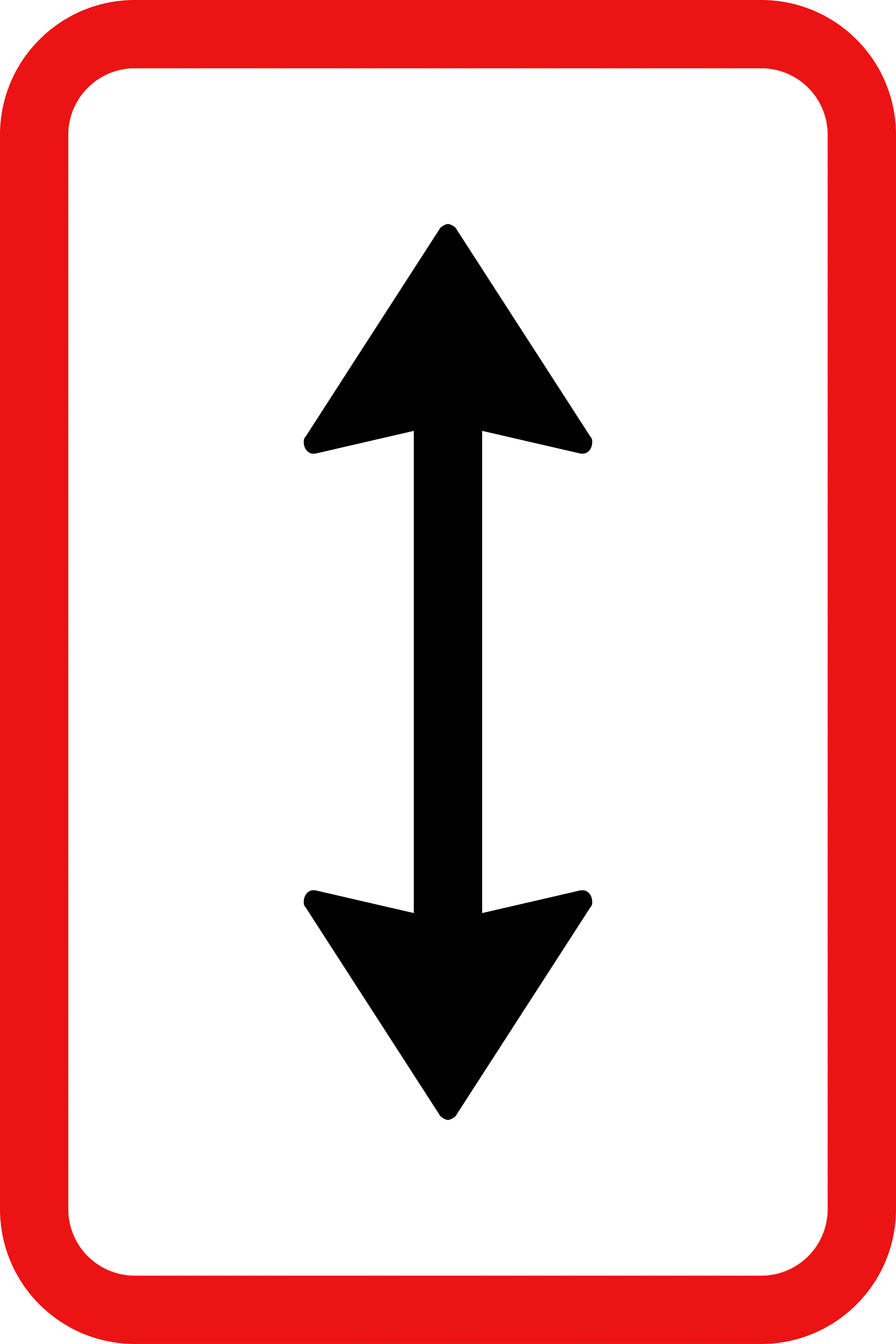
The UC60.1 sign means a restriction applies both before and after this point.
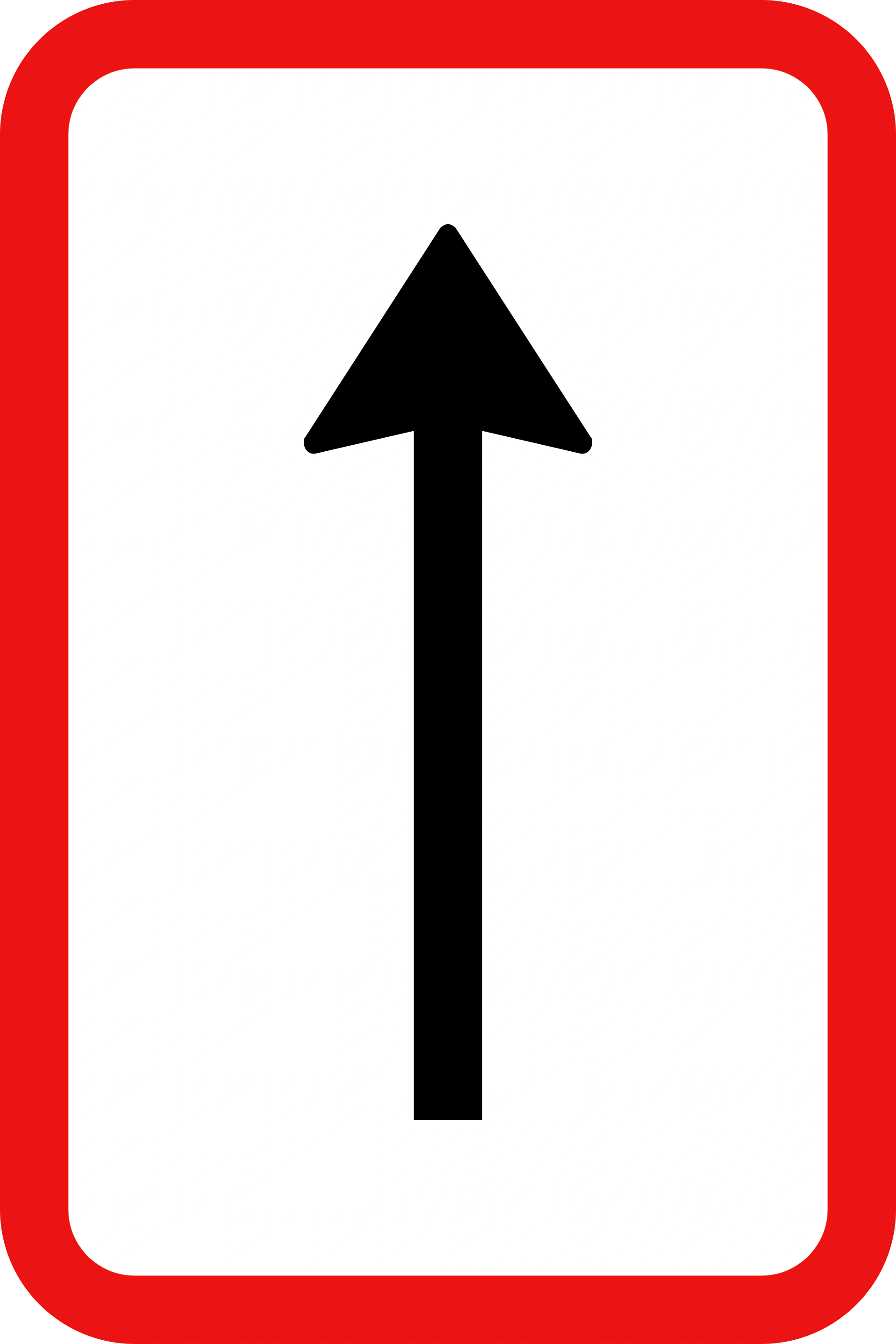
Understand the UC60.2 'Restriction Begins at Sign' Traffic Sign in Denmark
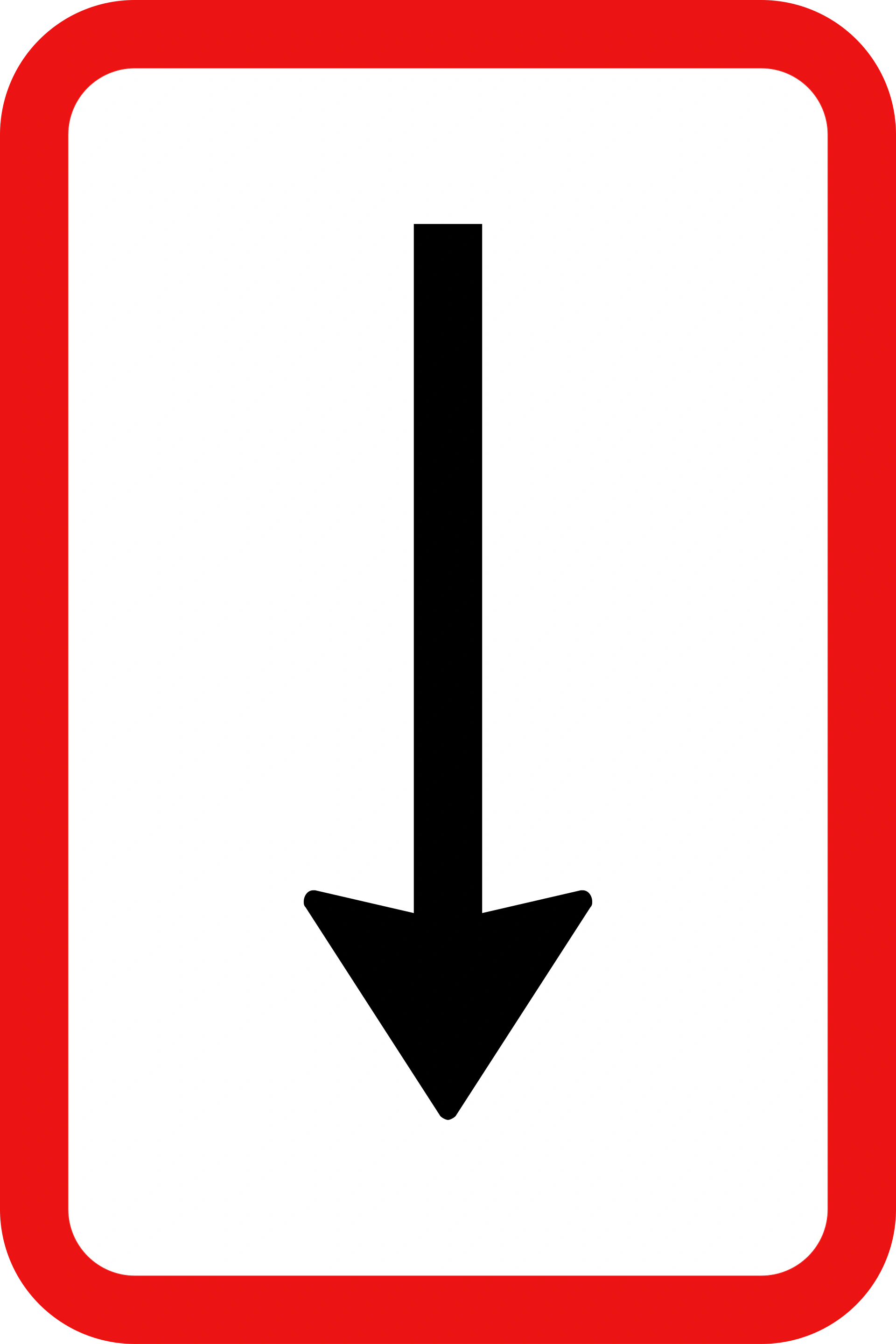
The UC60.3 'Restriction ends at sign' traffic sign means a previous rule no longer applies.
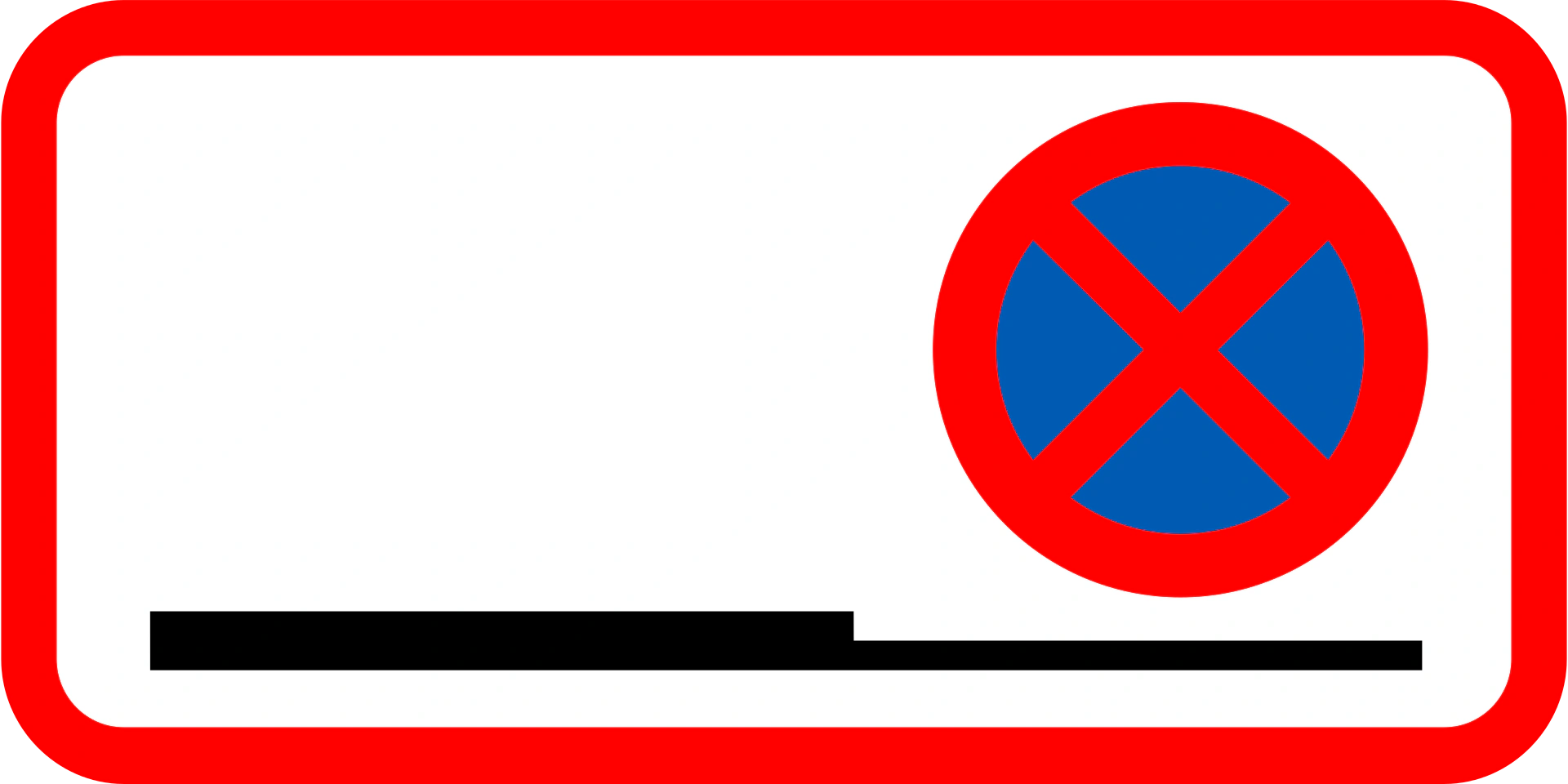
Understand the UC60.5 Sign: No Stopping on Shoulder

The UC60.6 'No Parking on Shoulder' sign prohibits stopping or parking on the shoulder.
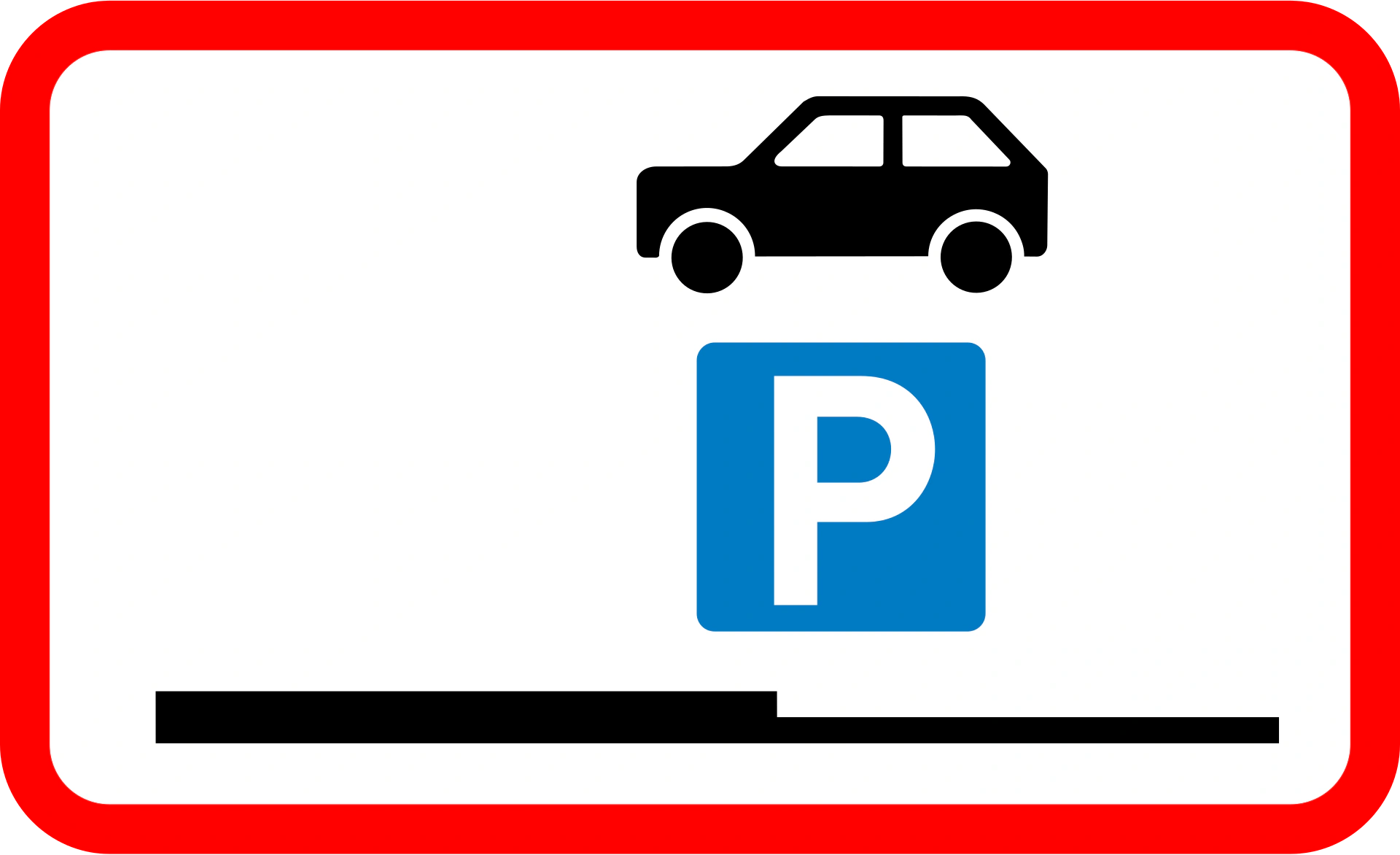
UC60.7: Parking on Shoulder is Permitted Here
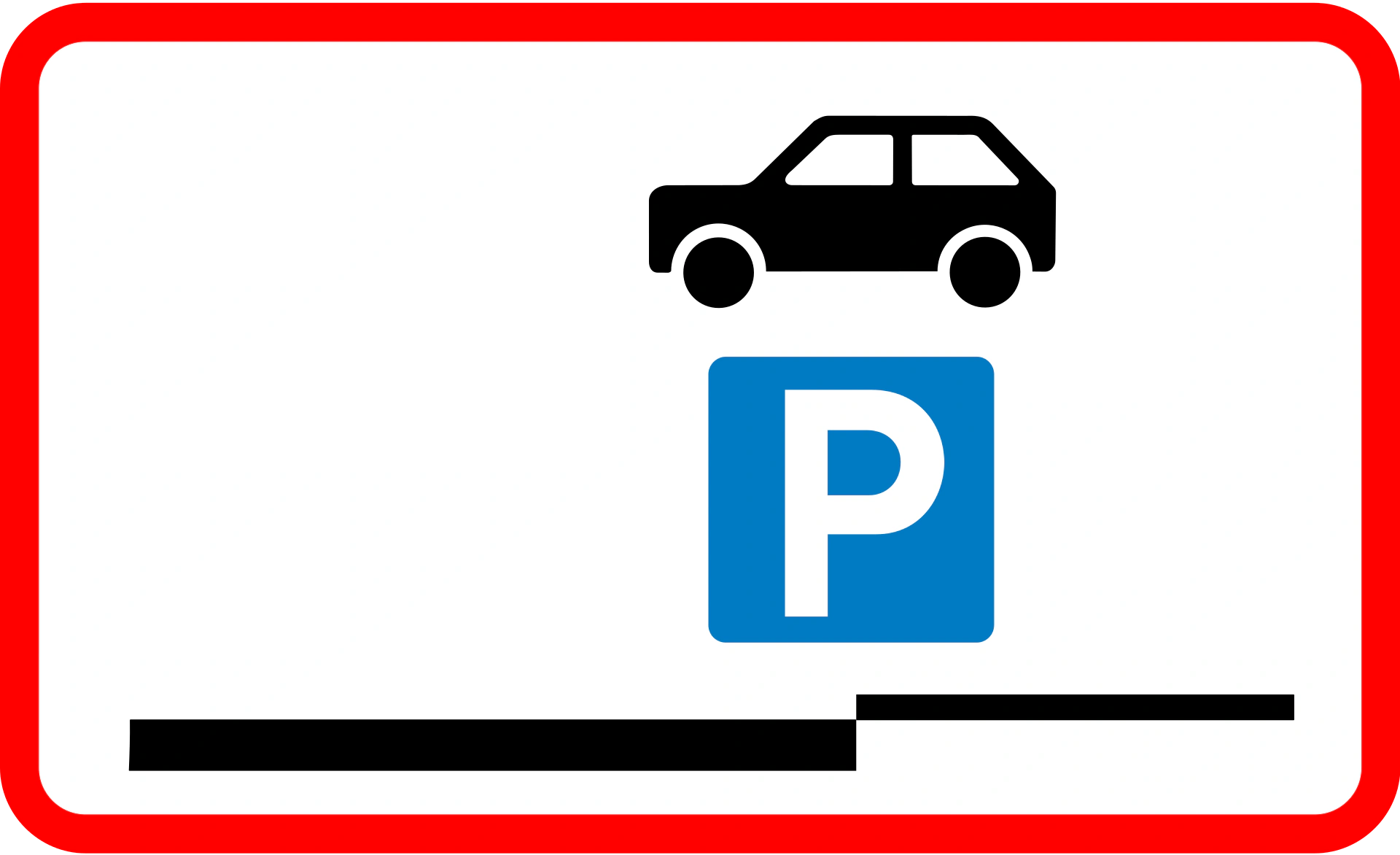
UC60.8: Parking Partly on Sidewalk Allowed Traffic Sign Explained
Clear answers to common questions about the Danish Prohibitory Signs road sign category. Use this FAQ to review tricky rules, understand how these signs appear in exam scenarios, and remove confusion that often leads to mistakes in the Danish driving theory exam in Denmark.
The 'No stopping' sign (C61) is more restrictive. It prohibits any form of stopping, even briefly to pick up or drop off passengers, unless required by traffic conditions (like a red light). The 'No parking' sign (C62) prohibits parking, which means leaving your vehicle unattended or for longer periods, but brief stops to load/unload might still be permissible if not otherwise regulated.
The end of a prohibition is usually indicated by a specific 'End of prohibition' sign (C59). For speed limits, there's also an 'End of local speed limit' sign (C56). Some signs, like 'End of no overtaking' (C53, C54), have their own specific termination signs. If no specific end sign is present, the restriction typically applies until the next intersection or until a different relevant sign appears.
Subpanels provide additional information or clarify the scope of the main prohibitory sign. For example, a 'No parking' sign might have a subpanel indicating 'Limited parking' (UC33), specifying a maximum duration. Other subpanels can specify when the restriction applies (e.g., UC60.1 'applies before and after sign'), where it applies (e.g., UC60.5 'no stopping on shoulder'), or if the restriction begins at the sign (UC60.2).
Yes, there are specific signs for turn prohibitions. 'No right turn' (C11.1) and 'No left turn' (C11.2) are commonly seen at intersections to direct traffic flow or prevent conflicts. There is also a 'No U-turns' sign (C12) to prevent drivers from turning around in the road.
Even as a car driver, you need to be aware of these signs. While they primarily target larger vehicles, they often indicate roads or structures (like bridges or tunnels) with physical limitations. For instance, a 'Max width' sign (C41) might signal a narrow passage ahead. Understanding these limitations helps anticipate potential hazards or route restrictions that could affect your journey, especially if you tow a trailer.
After reviewing the overall structure of Danish road sign groups, select a category to explore individual signs, their meanings, and specific rules in detail. Enhance your knowledge by practicing questions related to each sign type, preparing effectively for your Danish driving theory exam.
Danish Road Sign Groups