
This section covers Danish direction signs, crucial for guiding you to your destination efficiently and safely. Understanding these signs early allows you to prepare for turns, exits, or lane changes without last-minute manoeuvres. Mastering them is key to passing your theory test and ensuring smooth, predictable journeys on the road.
An explanation of how Danish Direction Signs road signs apply in real traffic situations in Denmark. Learn where these signs are typically placed, what drivers are expected to do when they appear, and how correct reactions help you stay safe, avoid fines, and succeed in your Danish driving theory exam.
Danish direction signs are frequently encountered on all types of roads, from major motorways to smaller urban streets. They appear on the roadside, overhead gantries, and sometimes on temporary structures. You'll see flag-type signs giving early indications of destinations, distances, and route numbers, helping you decide which lane to take well in advance. Stack-type signs often provide more detailed information, particularly at complex junctions or exits. Diversion signs (often marked with orange or specific route colours) are vital for rerouting traffic, especially around roadworks or events. Bicycle route signs clearly indicate dedicated paths, helping to keep cyclists safe and informed. Learning to read these signs quickly and accurately is essential for making timely decisions, avoiding sudden braking or lane changes, and ensuring a smooth flow of traffic for everyone.
An overview of the key learning outcomes when studying the Danish Direction Signs road sign category. Understand the main concepts, sign meanings, and traffic situations covered here so you can recognise patterns, answer theory questions more confidently, and build a solid foundation for safe driving in Denmark.
Understand the essential Danish direction signs that guide you toward destinations, service areas, and diversions. Studying these signs together helps you recognize patterns for safe lane selection and route planning, crucial for your theory test revision.

F11 Flag-type Direction Sign: Your Guide to Route and Lane Information

F11 Flag-Type Direction Sign: Your Guide to Route and Lane Information

The F11 Flag-type Direction Sign: Guiding Your Route and Lane Choices

F11 Flag-Type Direction Sign: Guiding You to Your Destination Safely

F12 Flag-Type Direction Sign: Guiding you to the right route and lane.

Understand Danish F12 Flag-Type Direction Signs for Safe Driving

F34.2 Flag-type Traffic Diversion Sign: Your Route Guidance
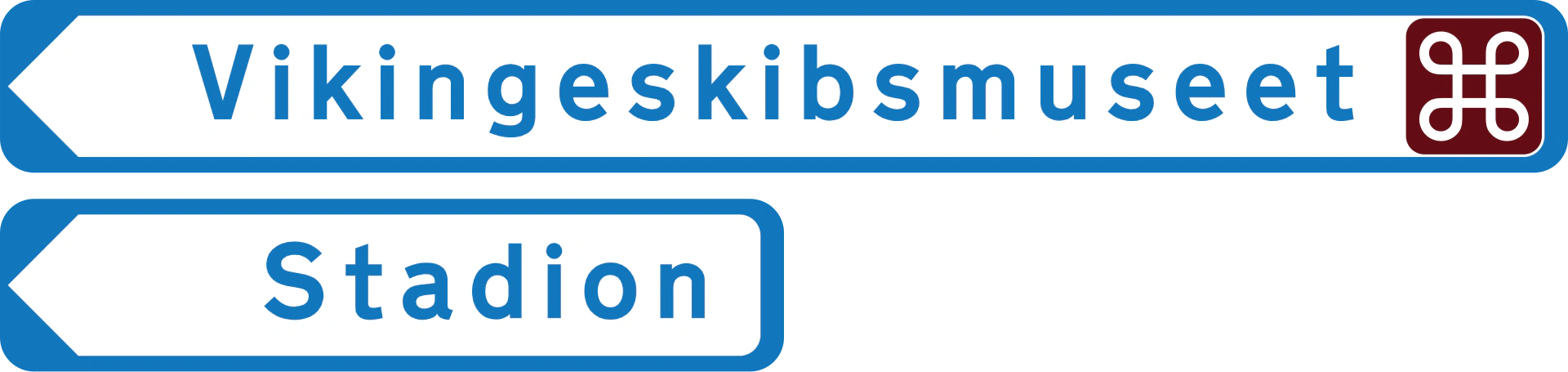
Read the F13 Flag-Type Direction Sign early for safe lane and route selection.

Understand the F13 Flag-type Direction Sign for Route and Lane Planning
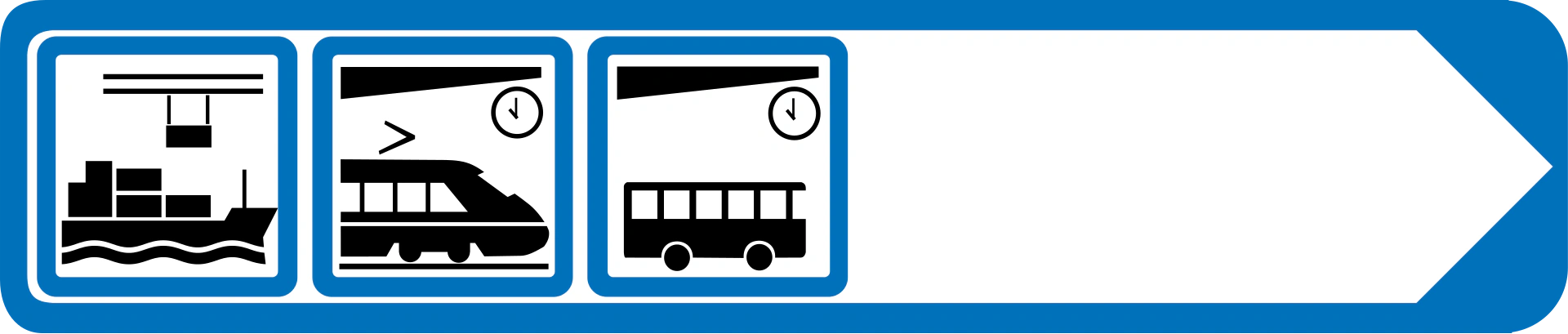
Know Your Way with the F13 Flag-Type Direction Sign
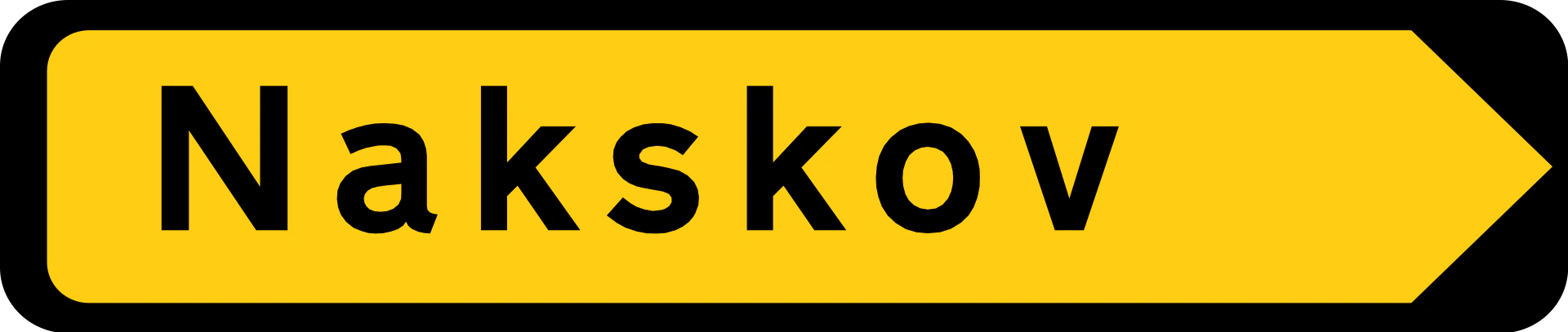
F14 Temporary Flag-Type Direction Sign: Guiding Your Route and Lane Choice

F14 Temporary Flag-Type Direction Sign: Guiding Your Route and Lane Choice
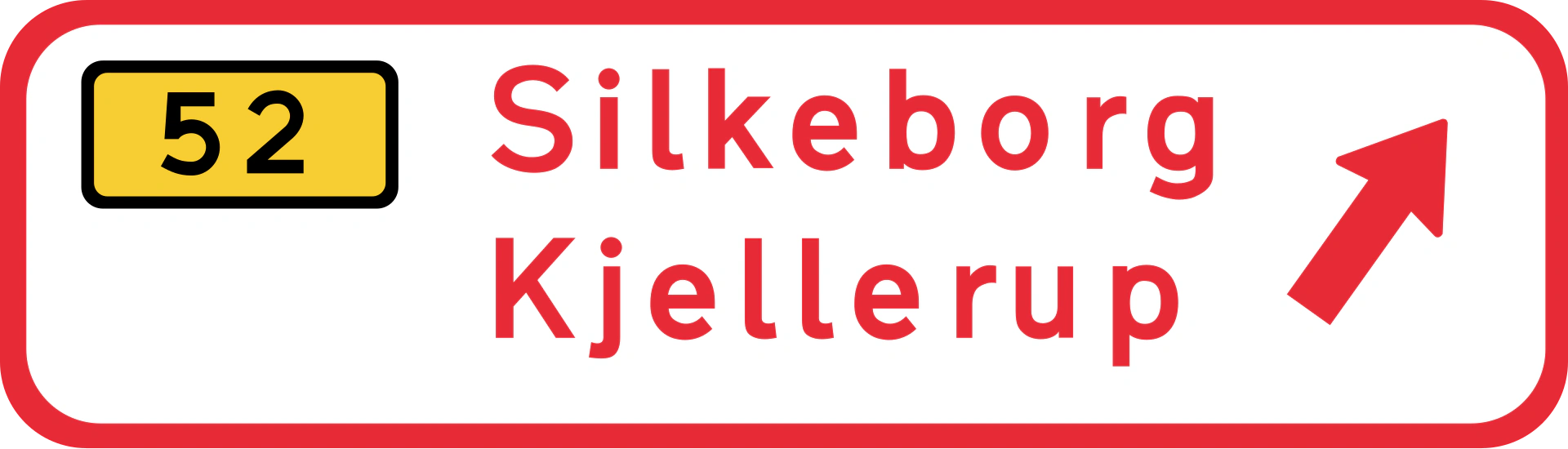
The F16 Exit Sign helps you choose the right lane and destination.
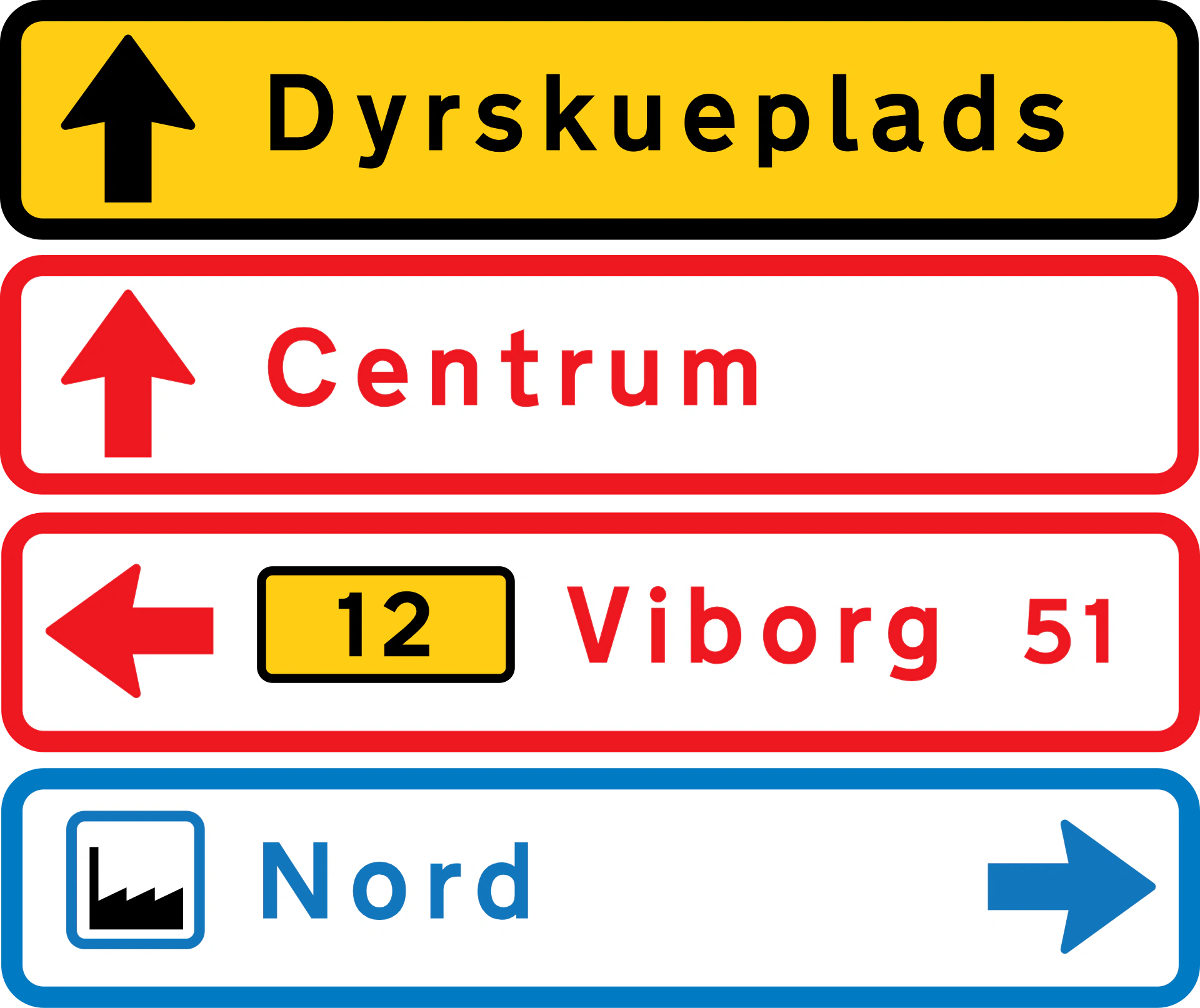
Master F18 Stack-Type Direction Signs for Seamless Route Planning
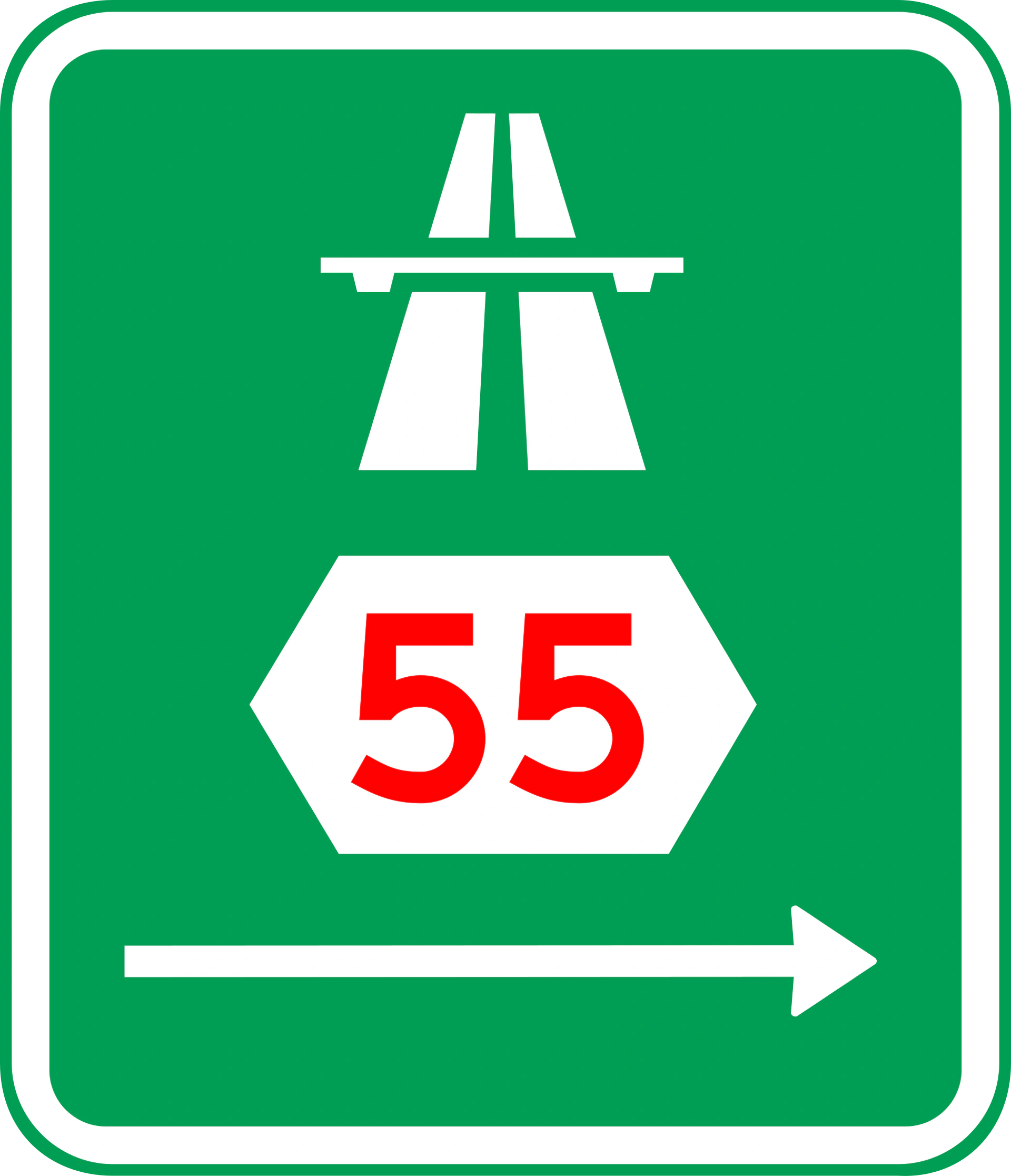
F34.1 Traffic Diversion Route sign guides you through complex junctions.
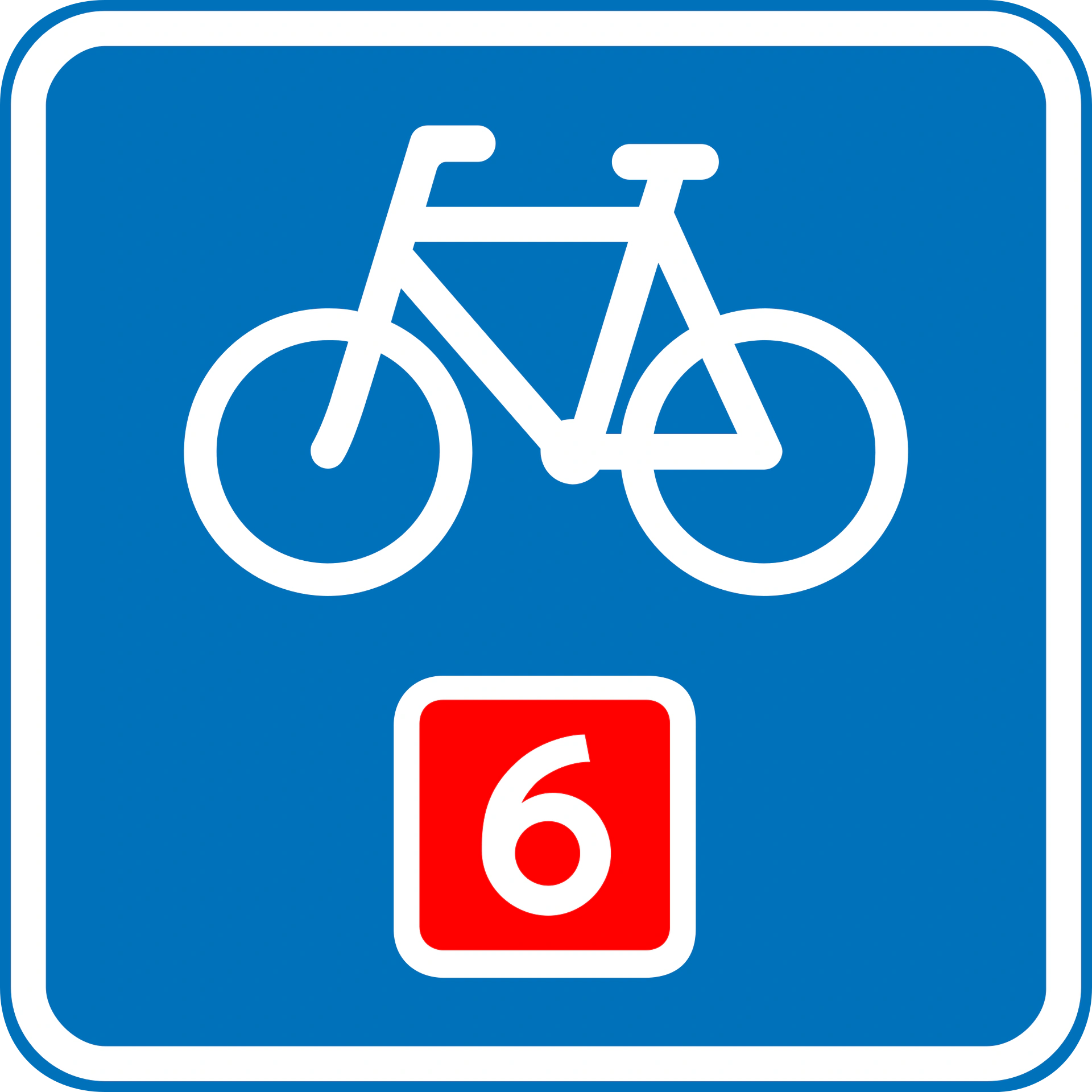
Understand the F21.1 Bicycle Route Direction Sign for Clear Navigation
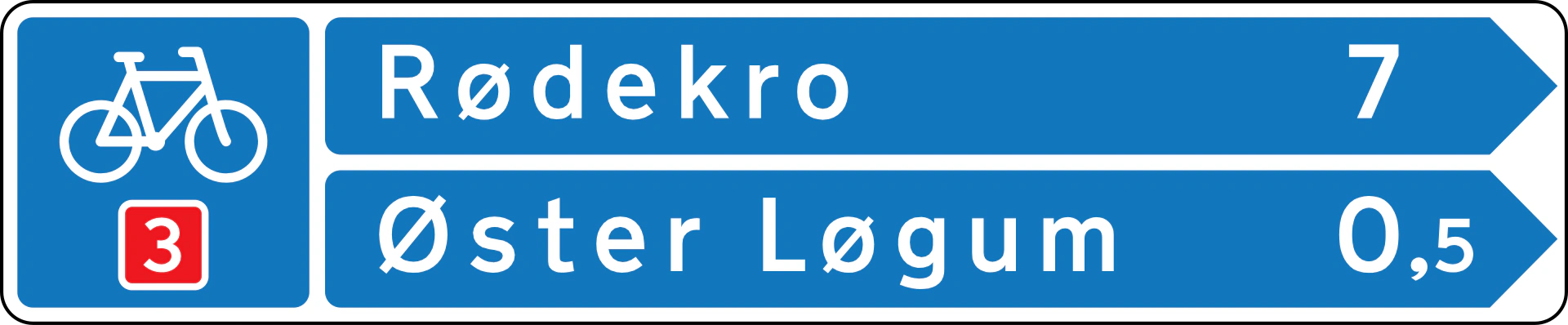
Prepare for your journey with the F21.2 Flag-type Direction Sign.
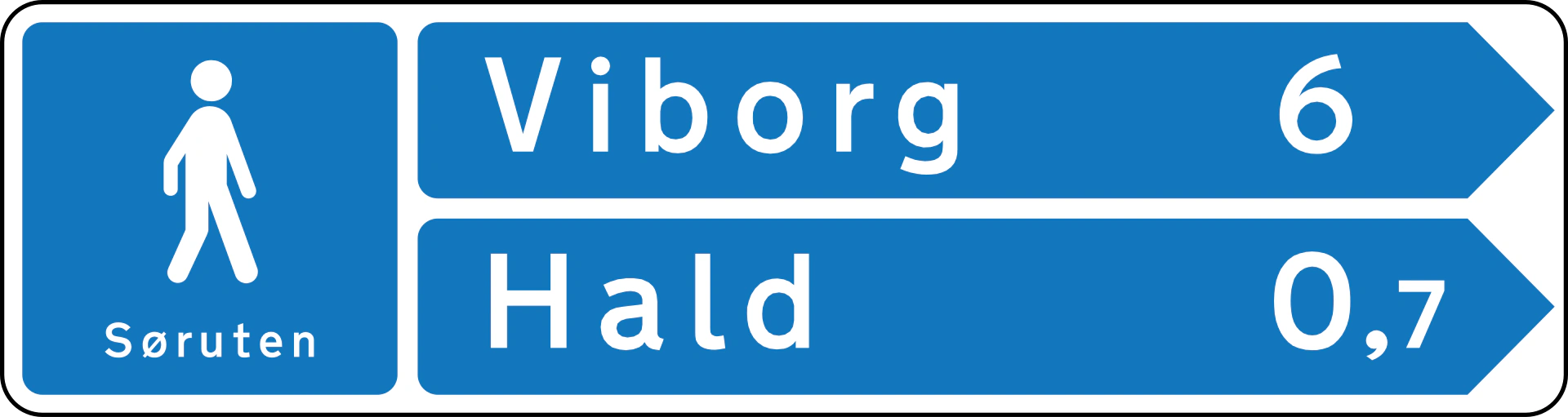
F21.2.2 Flag-type Direction Sign: Your Guide to Route and Lane Information
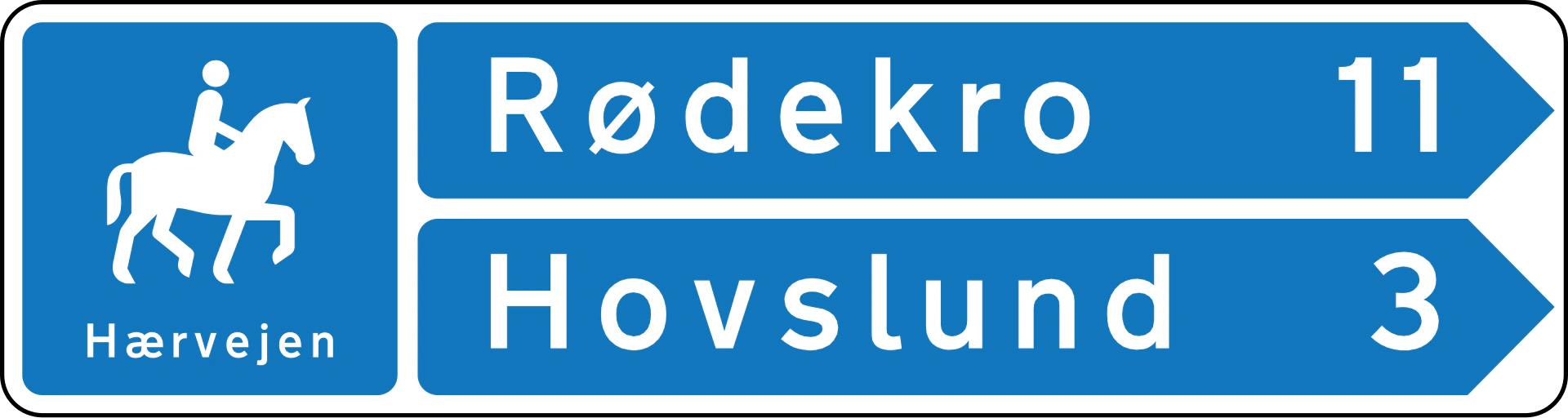
F21.2.3 Flag-Type Direction Sign: Your Guide to Route and Lane Information
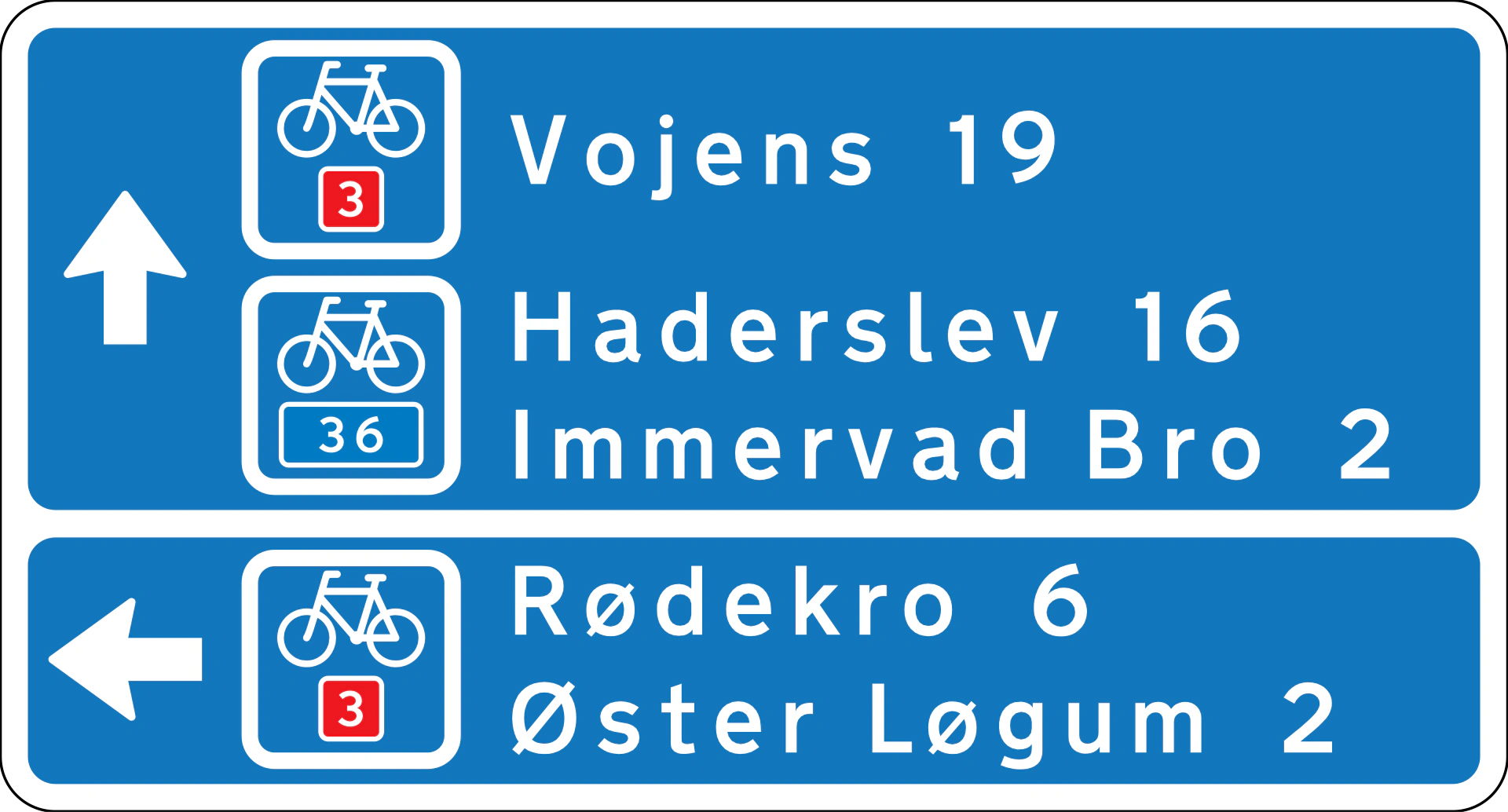
F21.3 Stack-Type Direction Sign: Guiding You To Your Destination and Lane
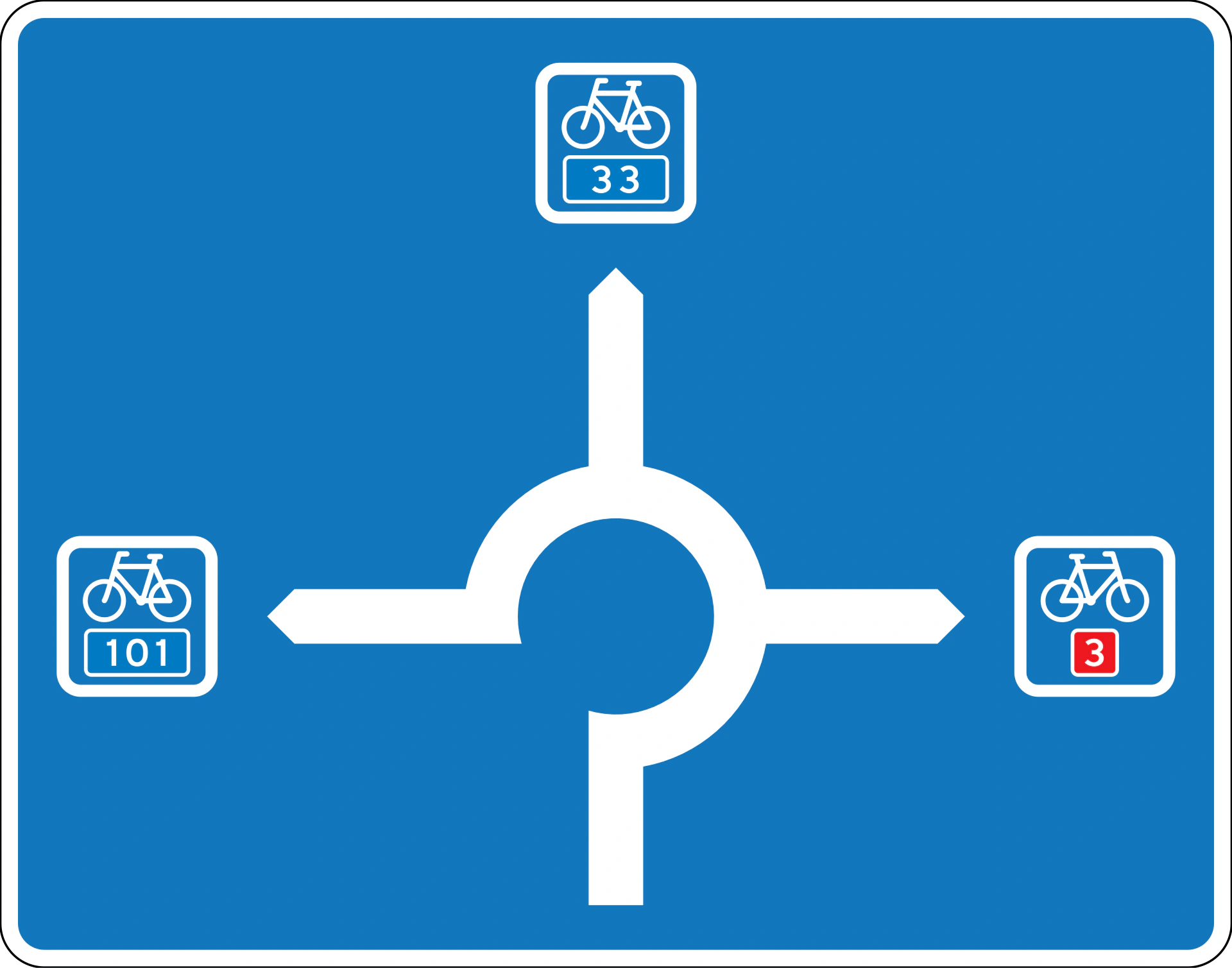
Master the F21.4 Map-type Advance Direction Sign for smooth navigation.
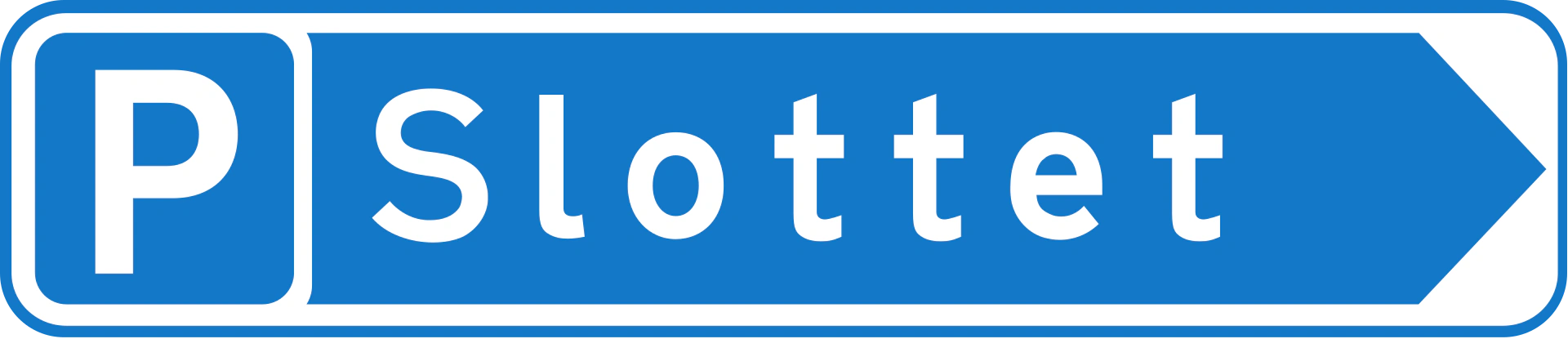
F33.1 Flag-Type Direction Sign: Your Guide to Route and Lane Information
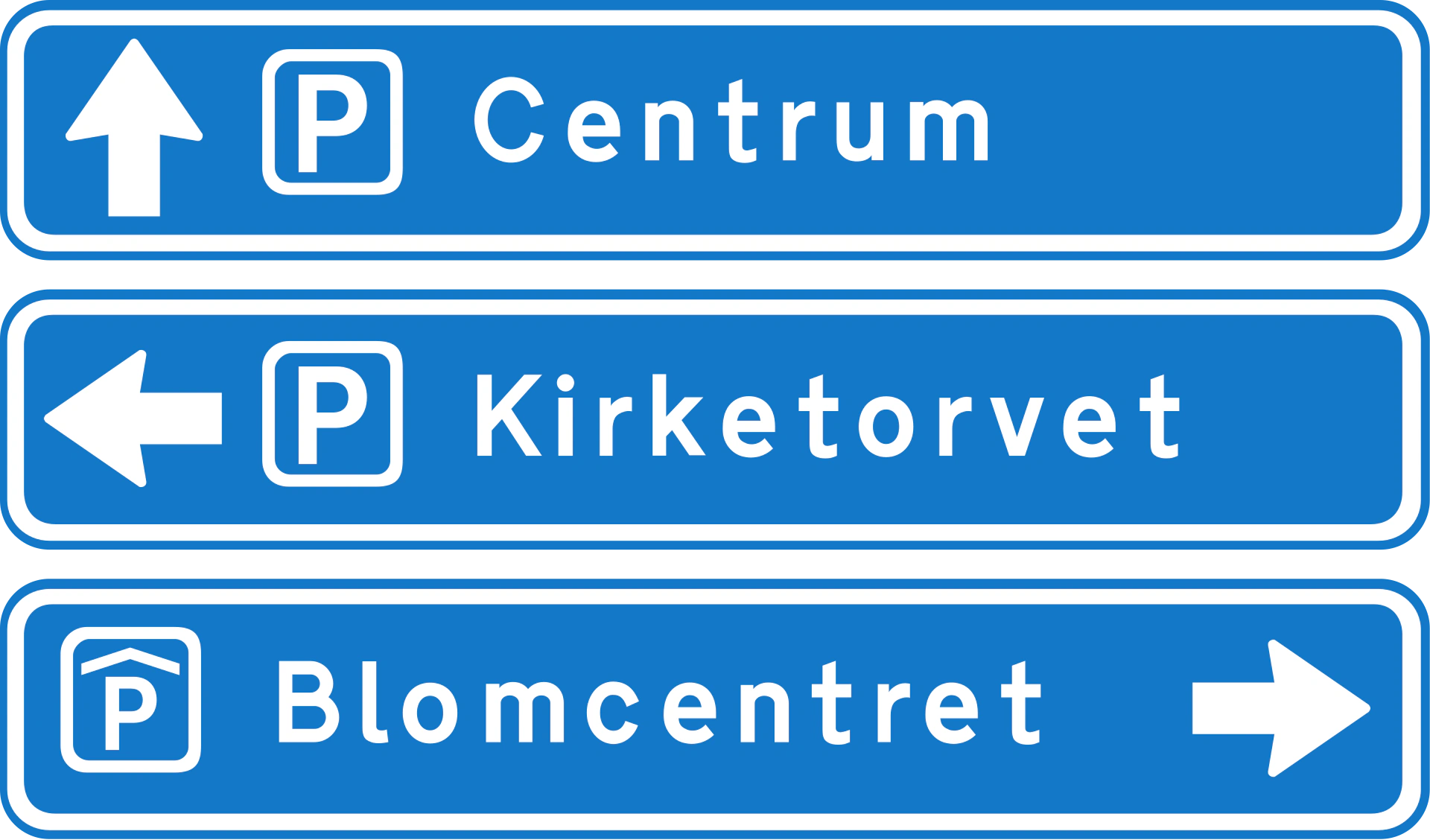
Prepare for your lane change with the Stack-Type Direction Sign (F33.2)
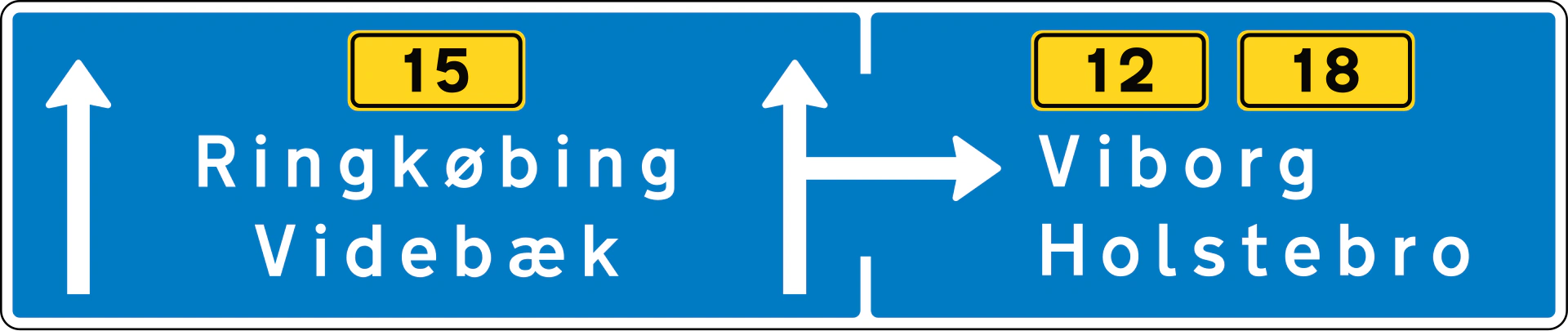
The G11 Portal Sign: Your Guide to Route and Lane Information
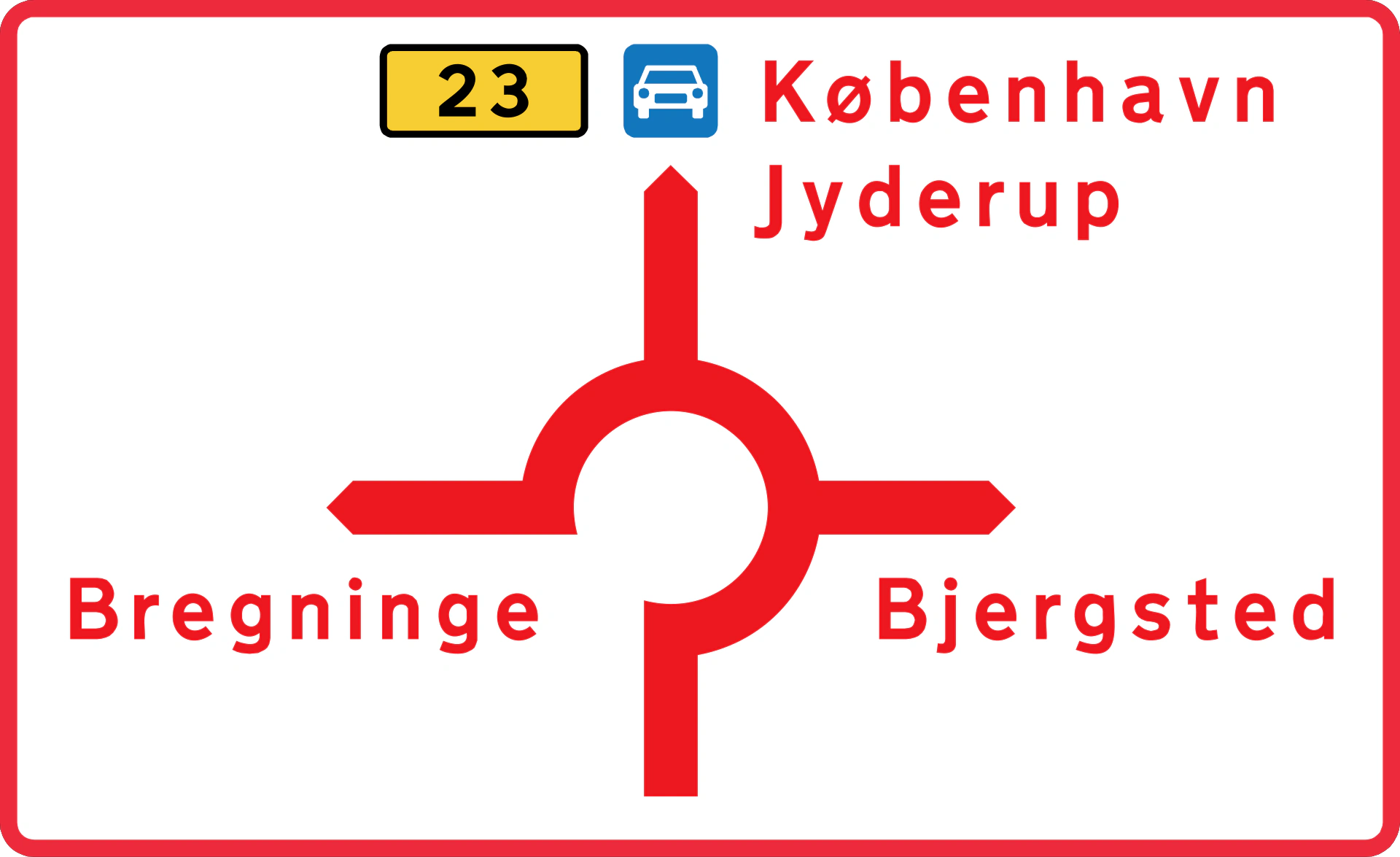
The G14 'Map-Type Advance Direction Sign' helps you plan your route ahead.
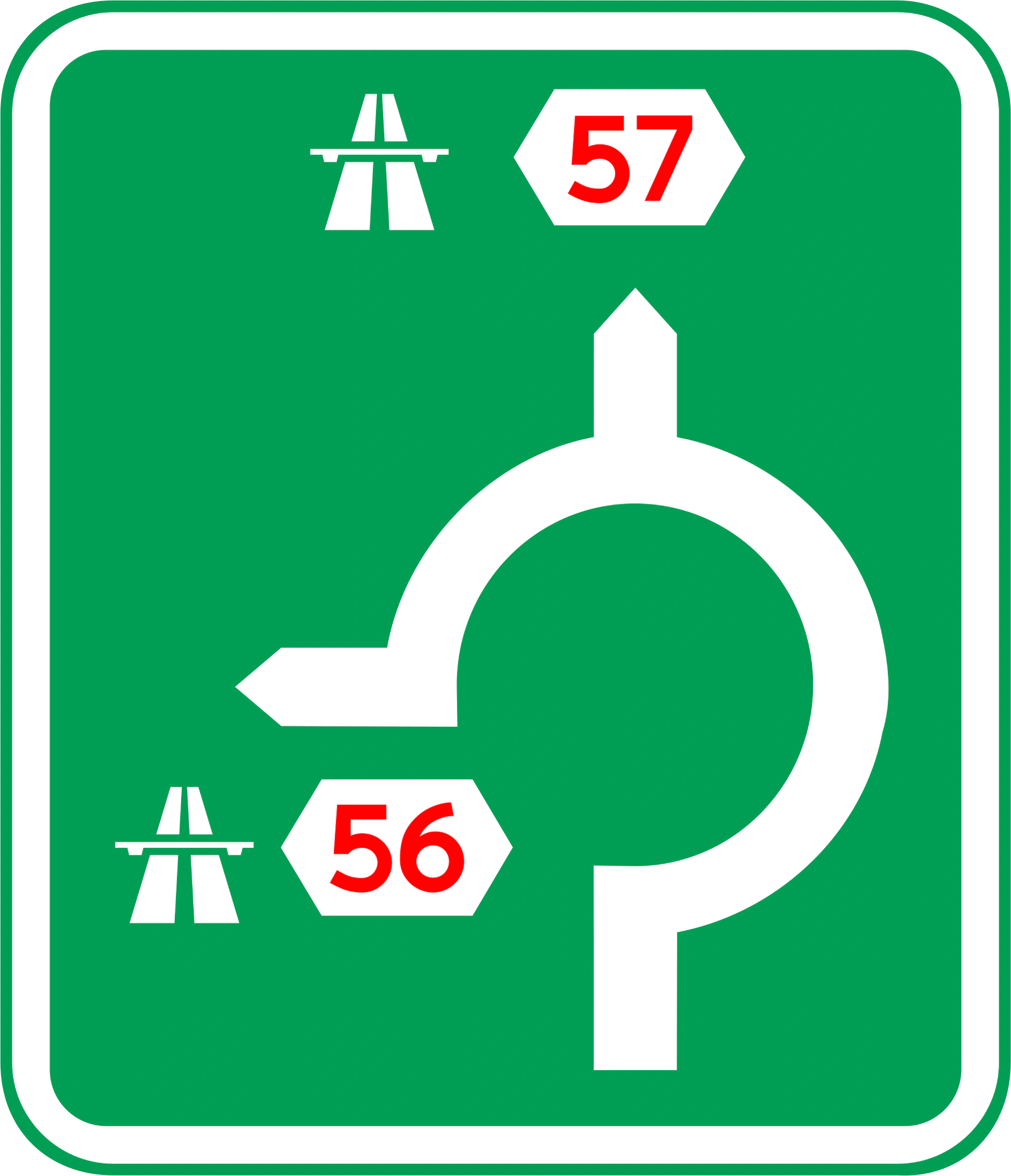
Master the Map-type Traffic Diversion Sign (F34.3) for Route Planning in Denmark
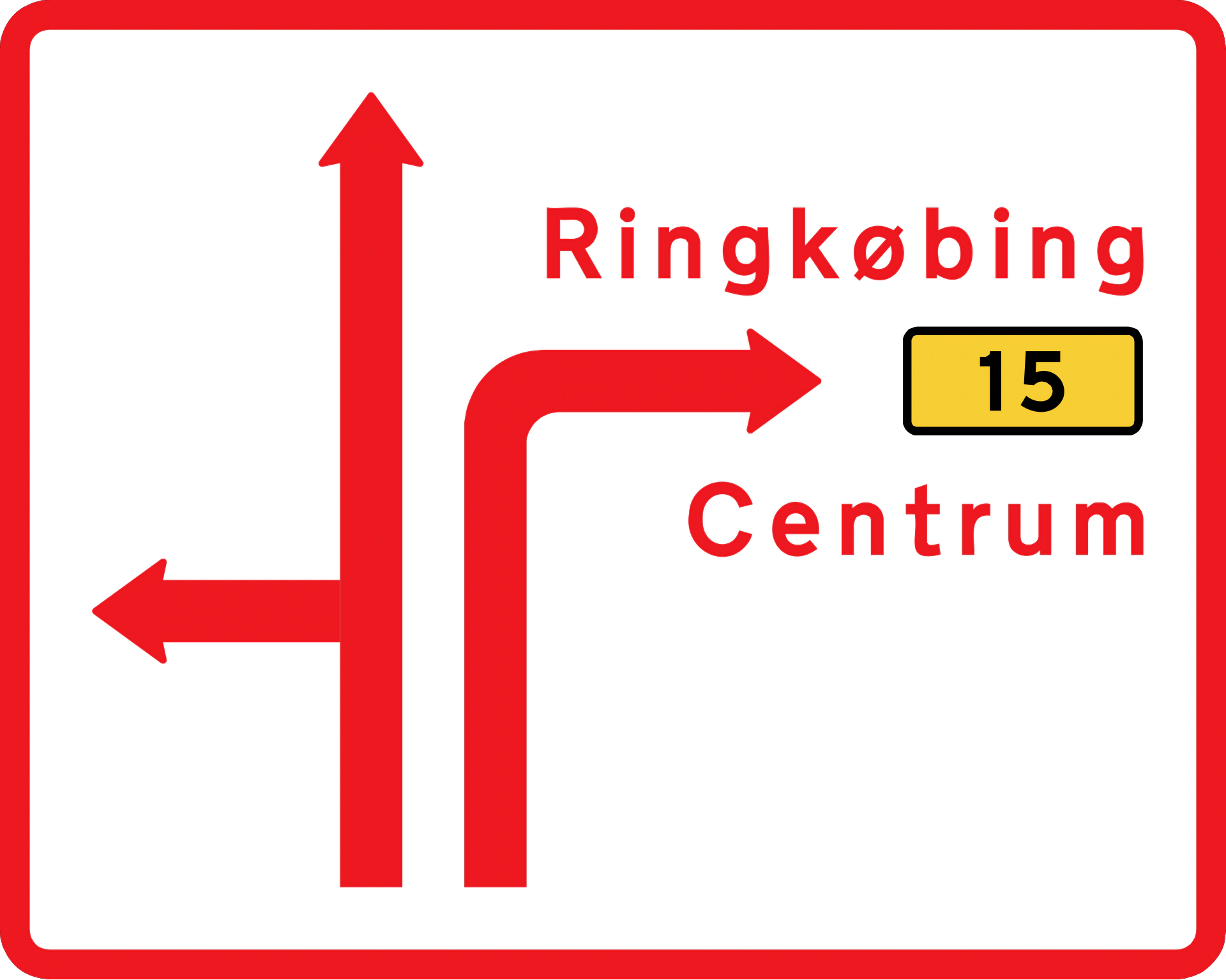
G15 Lane Diagram Sign: Plan Your Route and Lane Ahead
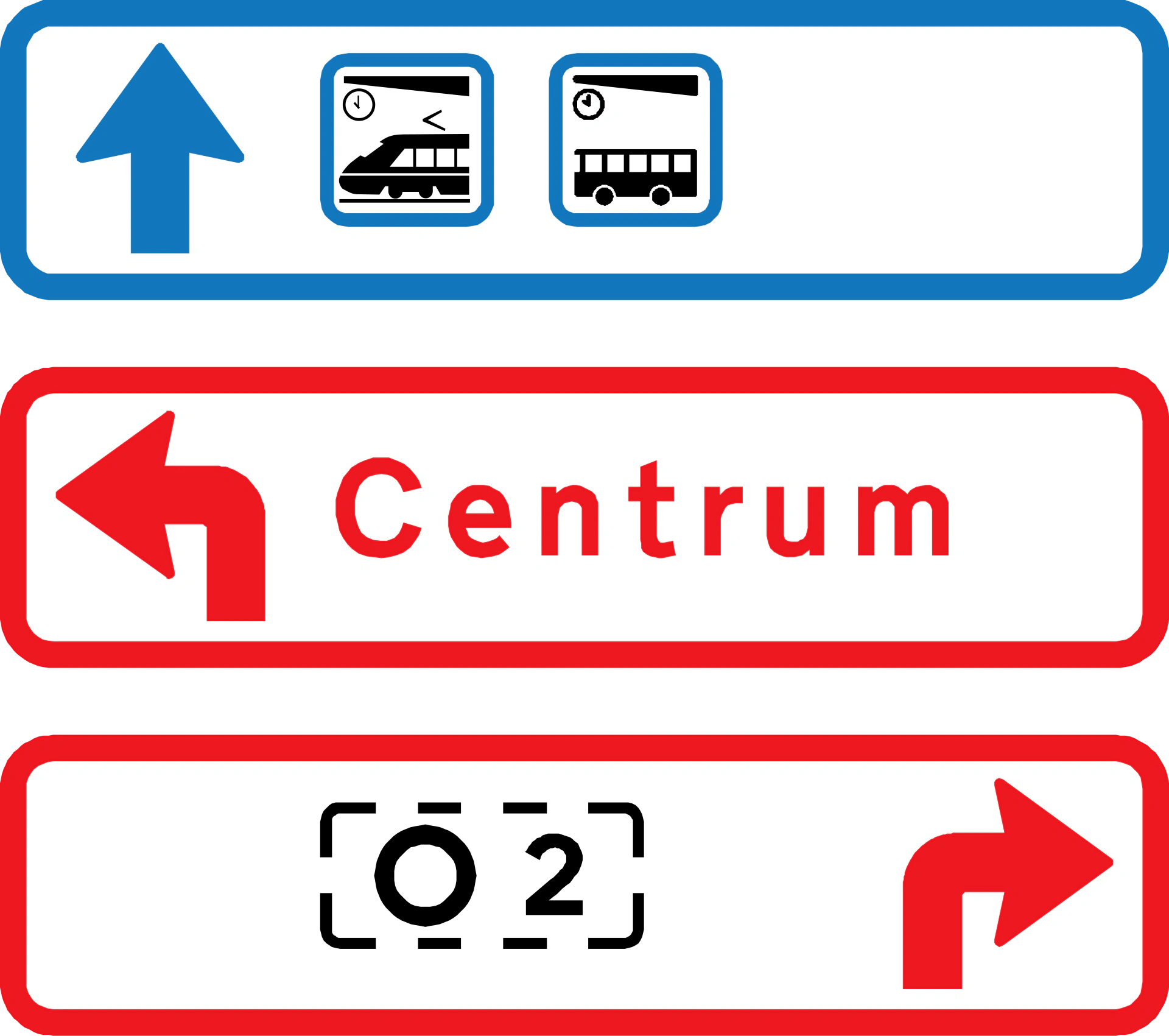
Get Ready for Your Route with the G18 Stack-type Advance Direction Sign
Clear answers to common questions about the Danish Direction Signs road sign category. Use this FAQ to review tricky rules, understand how these signs appear in exam scenarios, and remove confusion that often leads to mistakes in the Danish driving theory exam in Denmark.
The primary purpose of Danish direction signs is to guide drivers towards their intended destinations, including cities, towns, specific routes (like motorways or numbered roads), and essential services such as petrol stations or hospitals. They are designed to be seen and understood from a distance, allowing drivers to prepare for necessary lane changes or route selections well in advance, thus promoting safer and more efficient traffic flow.
Temporary direction signs, often indicated by a different colour background (like orange for diversions) or context (like cones), are used for short-term situations such as roadworks, accidents, or special events. They override or supplement permanent signage as needed. It's crucial to pay close attention to temporary signs as they often indicate altered routes or immediate hazards.
When you encounter a traffic diversion sign, it means your usual route is blocked or altered, and you must follow the indicated detour. These signs are designed to guide you along a safe and appropriate alternative path until you can rejoin your intended route or reach your destination. Always follow the diversion route promptly and look for further signs that confirm the path.
Advance direction signs are critical because they provide information about upcoming junctions, exits, or route splits well before you reach them. This allows you to assess the options, check your mirrors, signal your intentions, and move into the correct lane smoothly and safely, rather than having to make hurried decisions at the last moment. They are essential for preventing dangerous last-second manoeuvres.
Yes, bicycle route signs are relevant for car drivers because they indicate where dedicated cycle paths are located. Knowing these routes helps you anticipate the presence of cyclists, especially when turning or crossing cycle paths. It encourages you to be more aware of vulnerable road users and to give them the necessary space and consideration.
After reviewing the overall structure of Danish road sign groups, select a category to explore individual signs, their meanings, and specific rules in detail. Enhance your knowledge by practicing questions related to each sign type, preparing effectively for your Danish driving theory exam.
Danish Road Sign Groups