
Explore comprehensive Danish driving theory topics, covering all essential traffic rules, road signs, priority situations, and vehicle operation specific to Denmark. This hub provides clear explanations designed to help you master official Danish legislation and practical driving concepts. Build a strong theoretical foundation here to prepare effectively for your driving license theory examination.
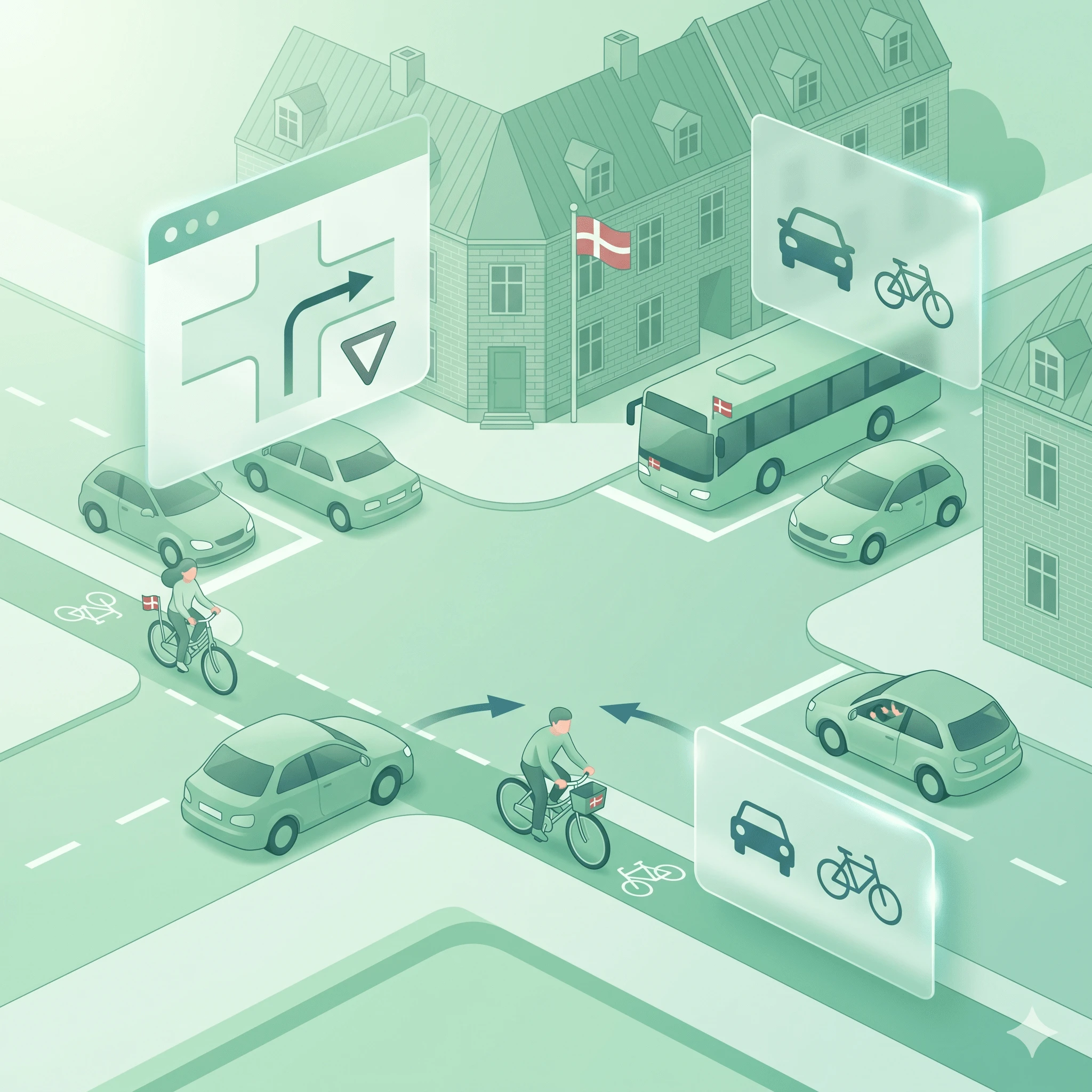
Deepen your knowledge of Danish traffic rules, right-of-way priority, and essential road safety through structured subject modules. These focused study areas help you build confidence in complex hazard perception and official road sign recognition before your test.
9 topics
7 topics
6 topics
3 topics
3 topics
3 topics
2 topics
1 topic
1 topic
1 topic
1 topic
1 topic
Navigate all essential Danish driving theory topics to prepare for your exam. Search for specific traffic rules or road signs, or browse subjects to deepen your understanding for comprehensive exam study.
Filter by category
50 theory topics found
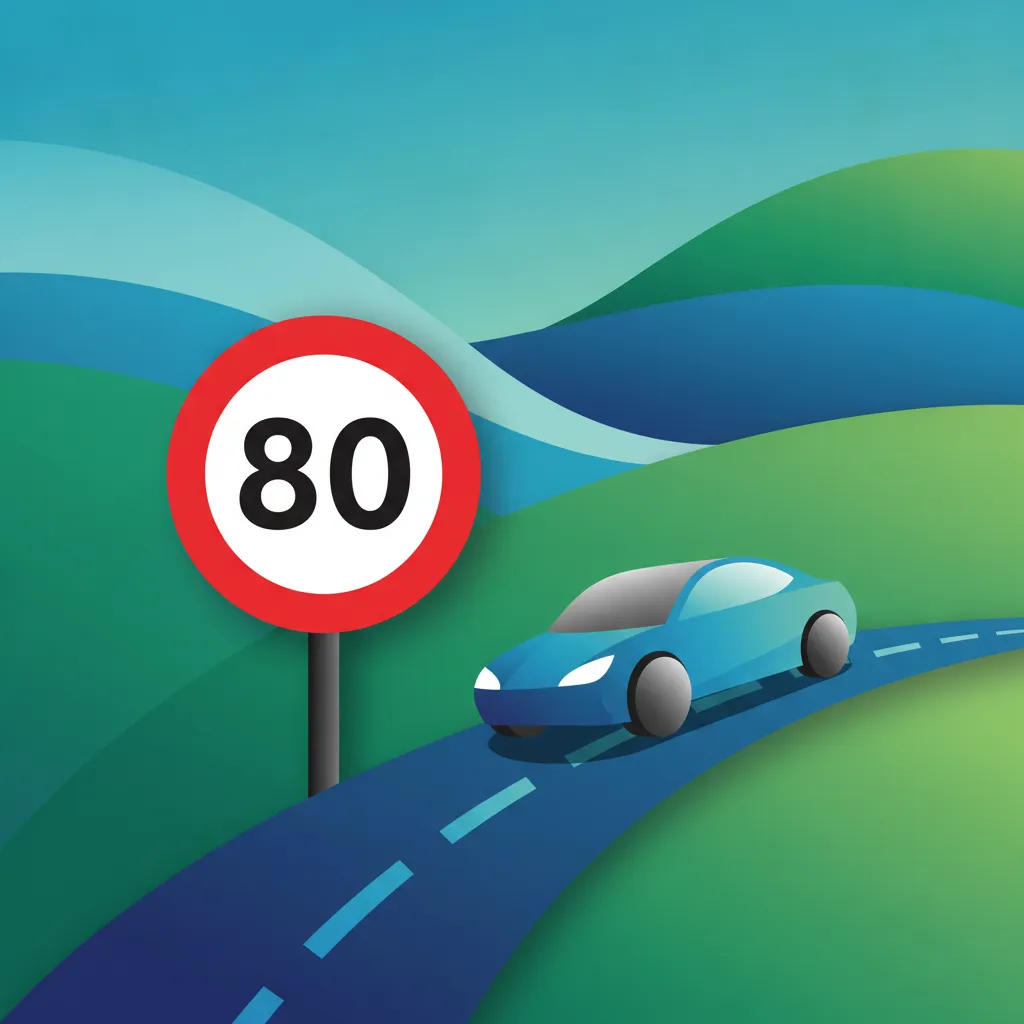
Speed limits in Denmark are established maximum speeds for various road types, crucial for maintaining safety and orderly traffic flow. While these limits define the highest legal speed, you must always drive according to conditions, even if it means going significantly slower. This section clarifies Danish speed regulations and the driver's responsibility for safe speed adaptation.
Alcohol acts as a depressant on the central nervous system, directly impacting essential skills required for safe driving. In Denmark, understanding these effects is not just about legal compliance but about preventing serious accidents. Even small amounts can compromise your judgment, coordination, reaction time, and perception, making you a danger to yourself and others on the road.
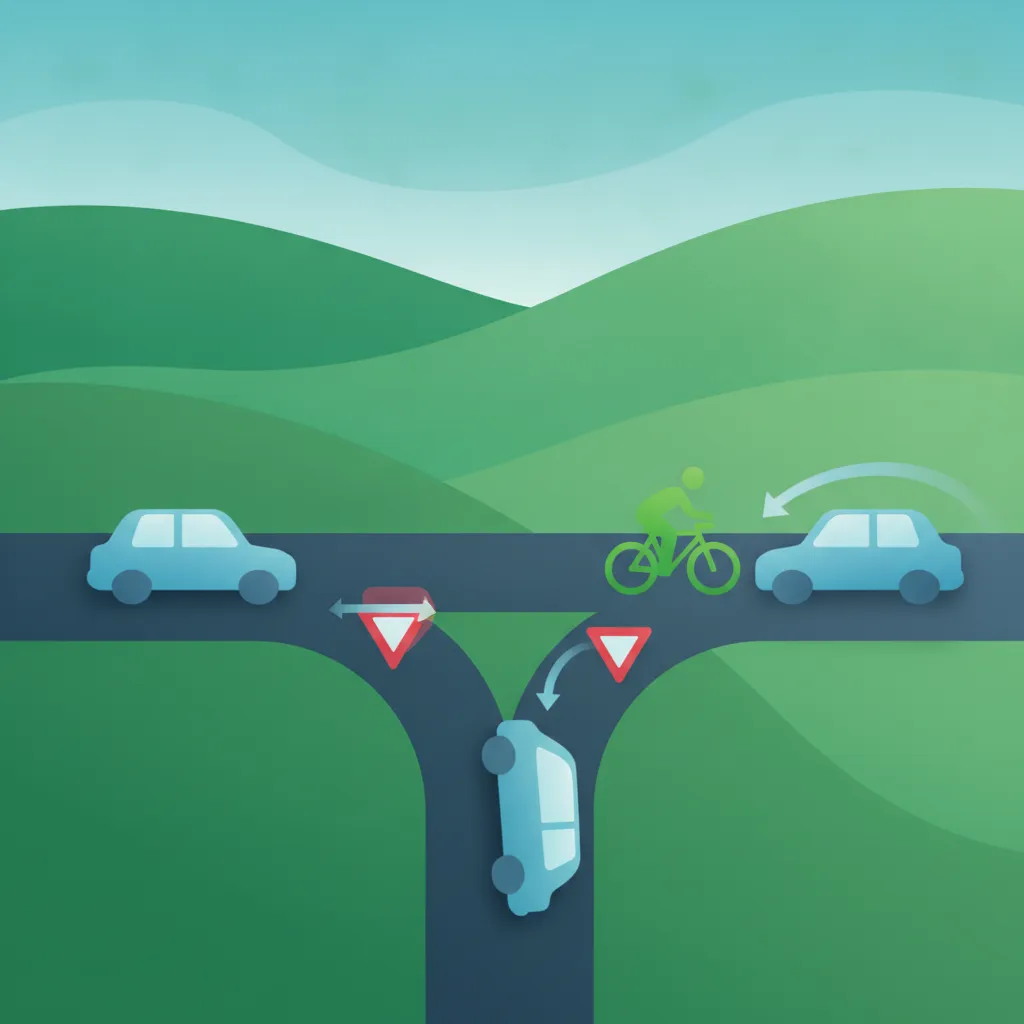
Right of way rules are the foundation for safe and orderly traffic flow. In Denmark, these rules dictate who has priority to proceed first when paths intersect or conflict. This page explains the hierarchy of factors—from traffic lights and signs to general rules—that determine who must yield and who can go, clarifying common confusions at intersections and in other traffic situations.
The total distance a vehicle needs to come to a complete stop is a sum of its reaction distance and braking distance. Both components are directly affected by your speed, but braking distance increases disproportionately faster. This page explains this crucial relationship, vital for judging safety margins and avoiding collisions in Danish traffic.
Traffic lights are critical devices used to manage the flow of vehicles and pedestrians, especially at intersections. In Denmark, understanding the precise meaning of each signal phase – red, red and yellow, green, and yellow – and how to react correctly is paramount for avoiding accidents and navigating complex road situations. These signals are designed to regulate conflicts and ensure an orderly traffic flow.
Pedestrian crossings are designated areas designed for safe pedestrian movement across roads. As a driver in Denmark, it's essential to understand the specific rules and expectations for approaching these areas. This guide clarifies how to identify different types of crossings and your obligations to vulnerable road users, preventing common hazards.
Danish roads are used by many different groups, each with unique characteristics and vulnerabilities. As a driver, you must constantly adapt your behavior to ensure the safety of everyone, especially pedestrians, cyclists, and motorcyclists. This section explains how to interact responsibly and predictably with all road users, from the most vulnerable to the largest vehicles, as required by Danish traffic law.

Driving demands your full and undivided attention. Using a mobile phone behind the wheel is a major source of distraction, severely impacting your ability to react to hazards, maintain precise vehicle control, and process vital traffic information. In Denmark, this is a significant factor in road accidents and a key focus of driver education.

Seat belts are one of the most effective safety features in any vehicle, designed to protect you and your passengers during sudden stops or collisions. In Denmark, strict rules govern their use, making it vital for all drivers to understand not only the legal requirements but also the physics behind how they prevent serious injuries by counteracting inertia and distributing impact forces.
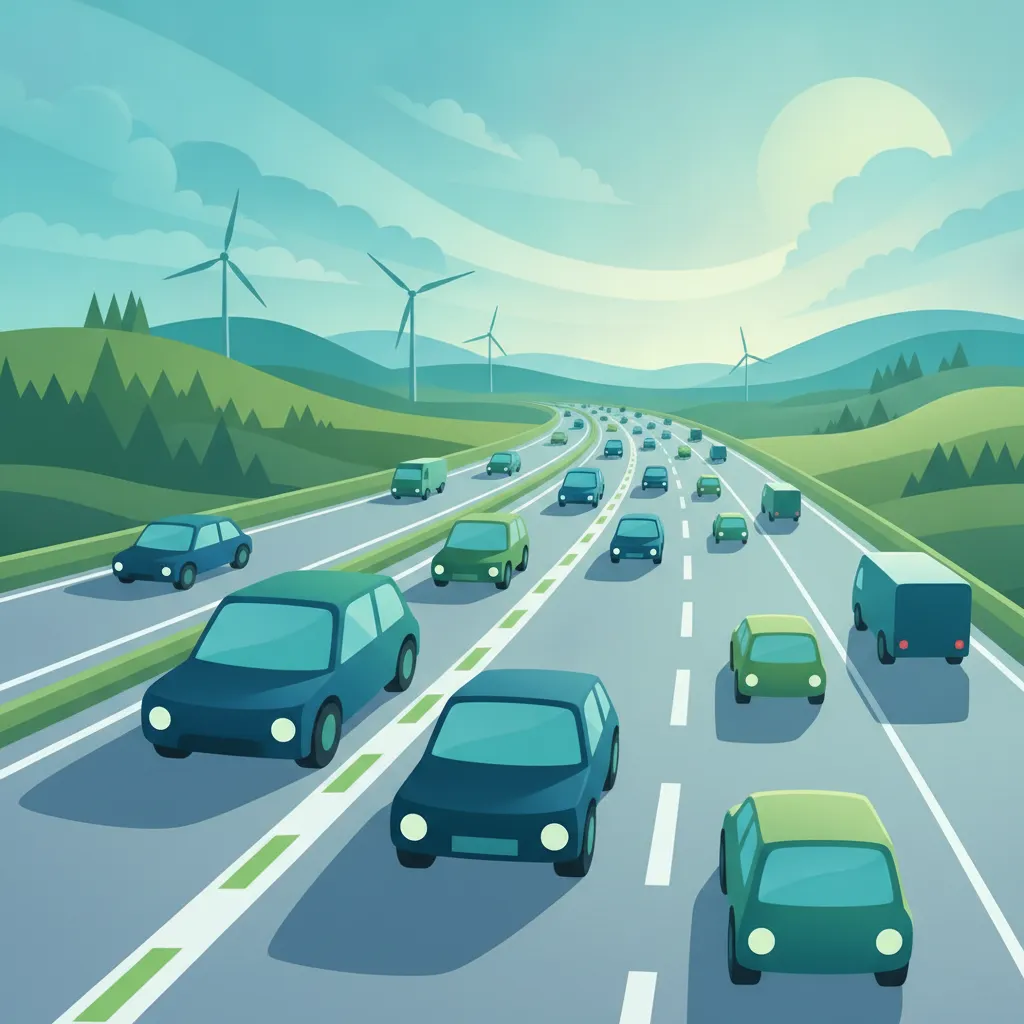
Entering a motorway requires a smooth transition from a slower road to fast-moving traffic. This process involves using acceleration lanes effectively, precisely matching your speed to other vehicles, and carefully observing the traffic flow to identify safe merging opportunities. Proper technique ensures you integrate without disrupting other drivers.
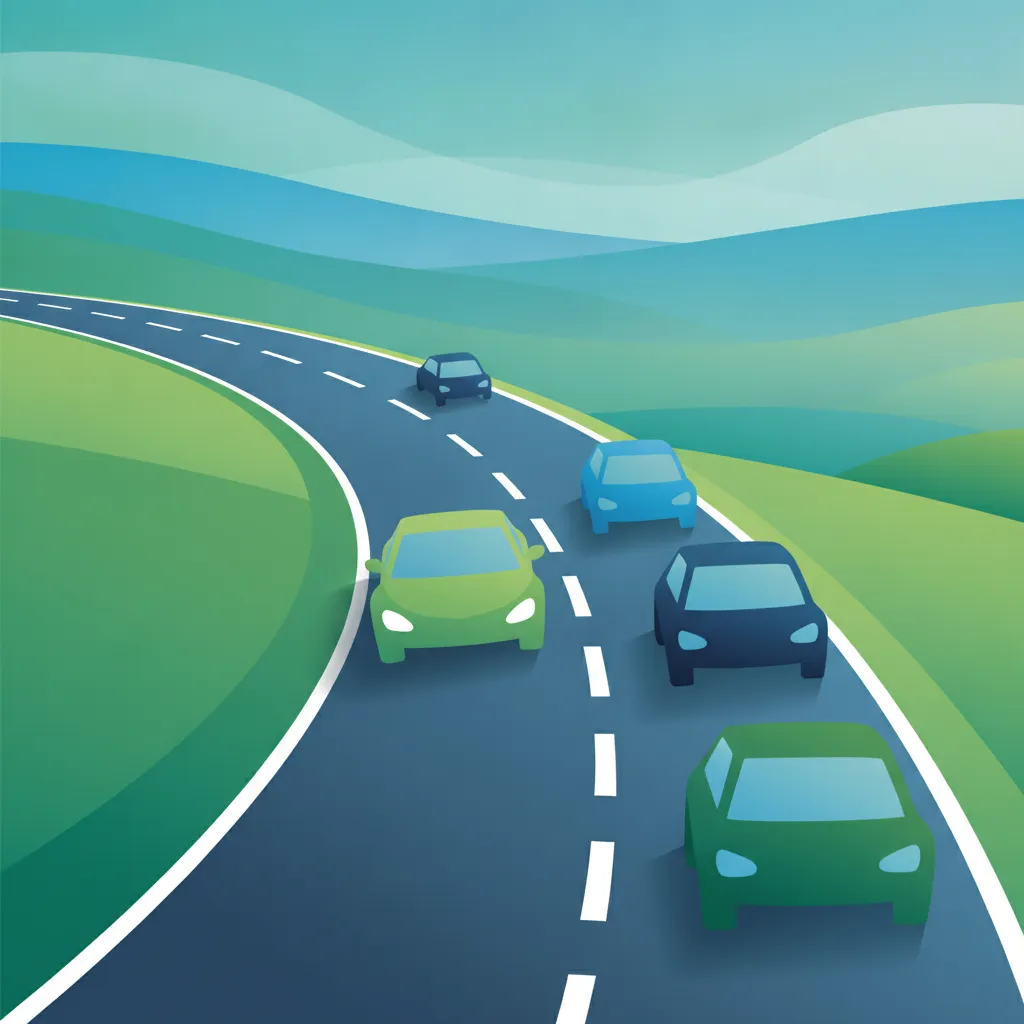
Motorways and highways in Denmark are designed for high-speed traffic, and proper lane use is essential to maintain safety and efficiency. Drivers must understand when to use the rightmost lane, how to execute safe overtakes, and how their lane choices impact overall traffic flow. This page clarifies the rules and best practices for navigating multi-lane roads, ensuring predictable and safe driving behavior.
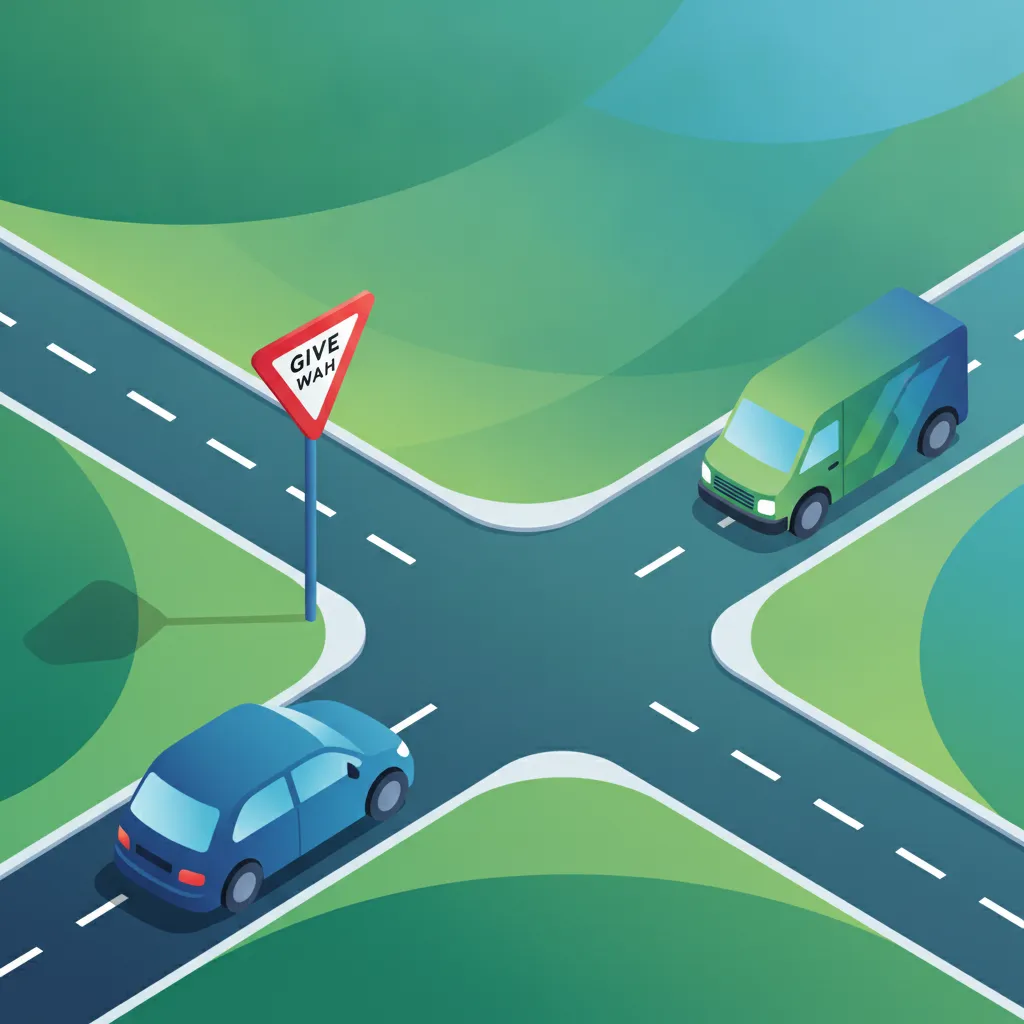
The 'Give Way' sign, known as 'Vigepligt' in Denmark, instructs drivers to yield to other traffic before entering an intersection or crossing another road. Unlike a stop sign, it doesn't always require a complete stop, but demands careful assessment and yielding if other road users are approaching or already on the priority road. Mastering this rule is essential for safe driving and passing the Danish theory exam.
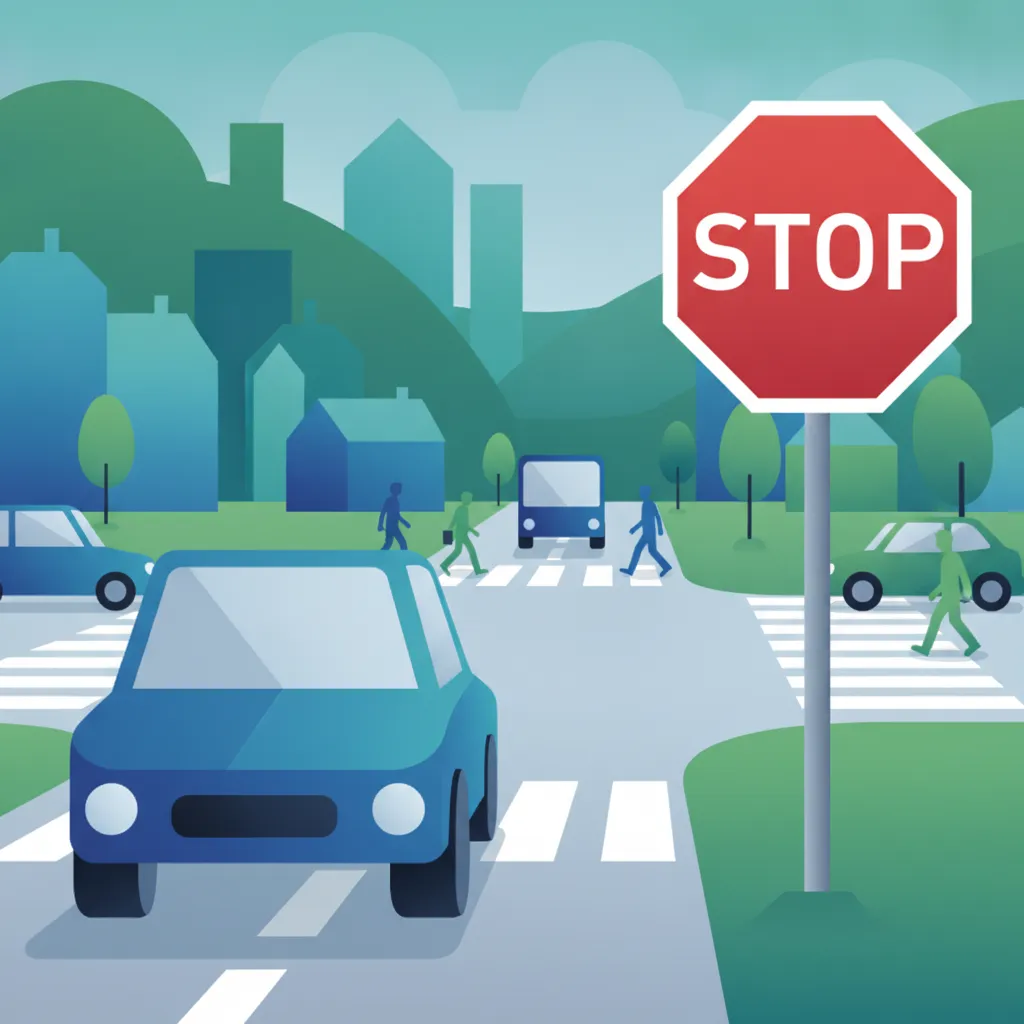
The stop sign (B13) is a critical regulatory sign in Denmark, requiring drivers to bring their vehicle to a complete halt before a stop line or intersection. Unlike a yield sign, a full stop is mandatory, regardless of perceived traffic. This rule ensures all drivers can assess the intersection thoroughly and safely yield to all other road users before proceeding.
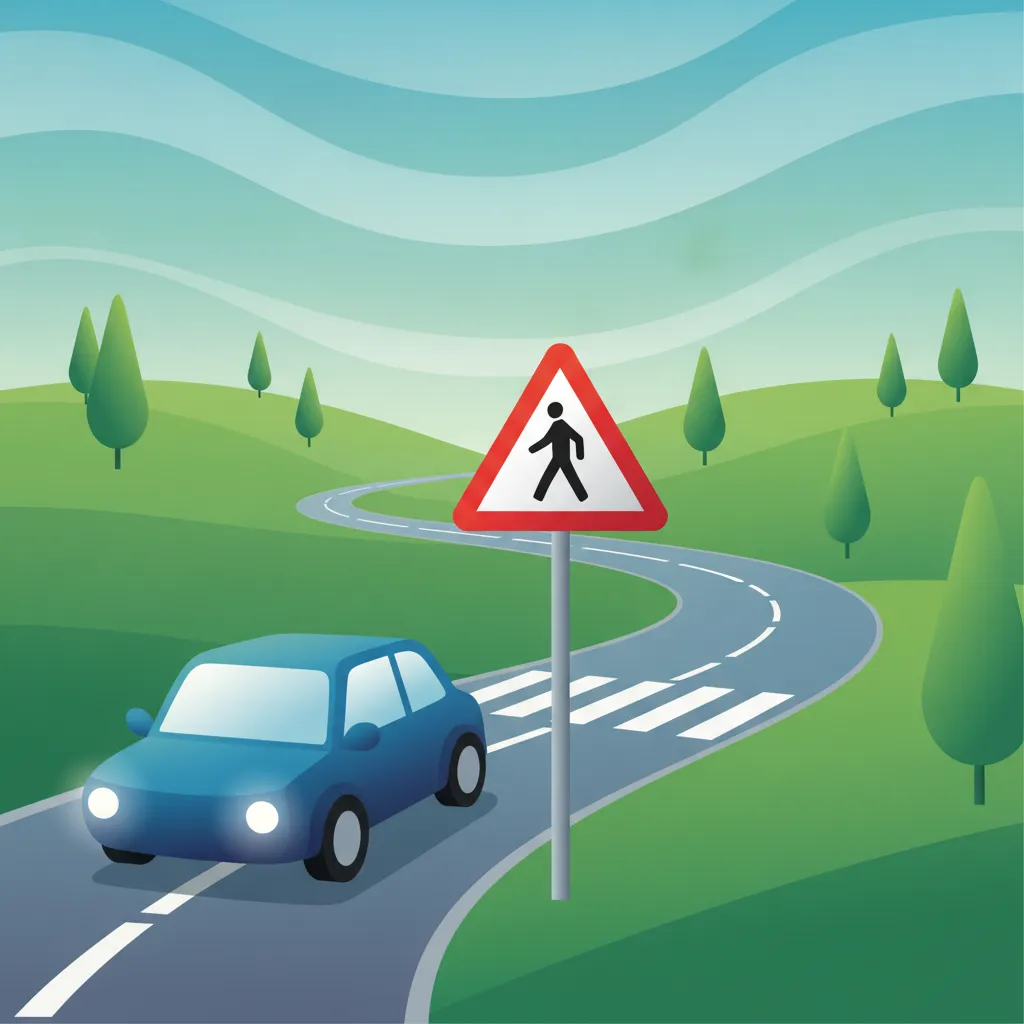
Warning signs are a vital part of Danish road safety, designed to give drivers advance notice of potential dangers or changes in road conditions ahead. They are not prohibitions but rather crucial alerts that require you to prepare for what's coming, allowing you to adapt your speed, position, and attention to avoid hazards. This page will guide you through understanding their purpose and common types in the Danish traffic environment.

Driving on snow and ice significantly increases the risk of losing control due to reduced friction between tires and the road surface. This section explains the specific challenges of winter driving in Denmark, including how to manage acceleration, braking, and steering. You'll learn essential techniques to prevent skidding and react safely to hazardous conditions like black ice.
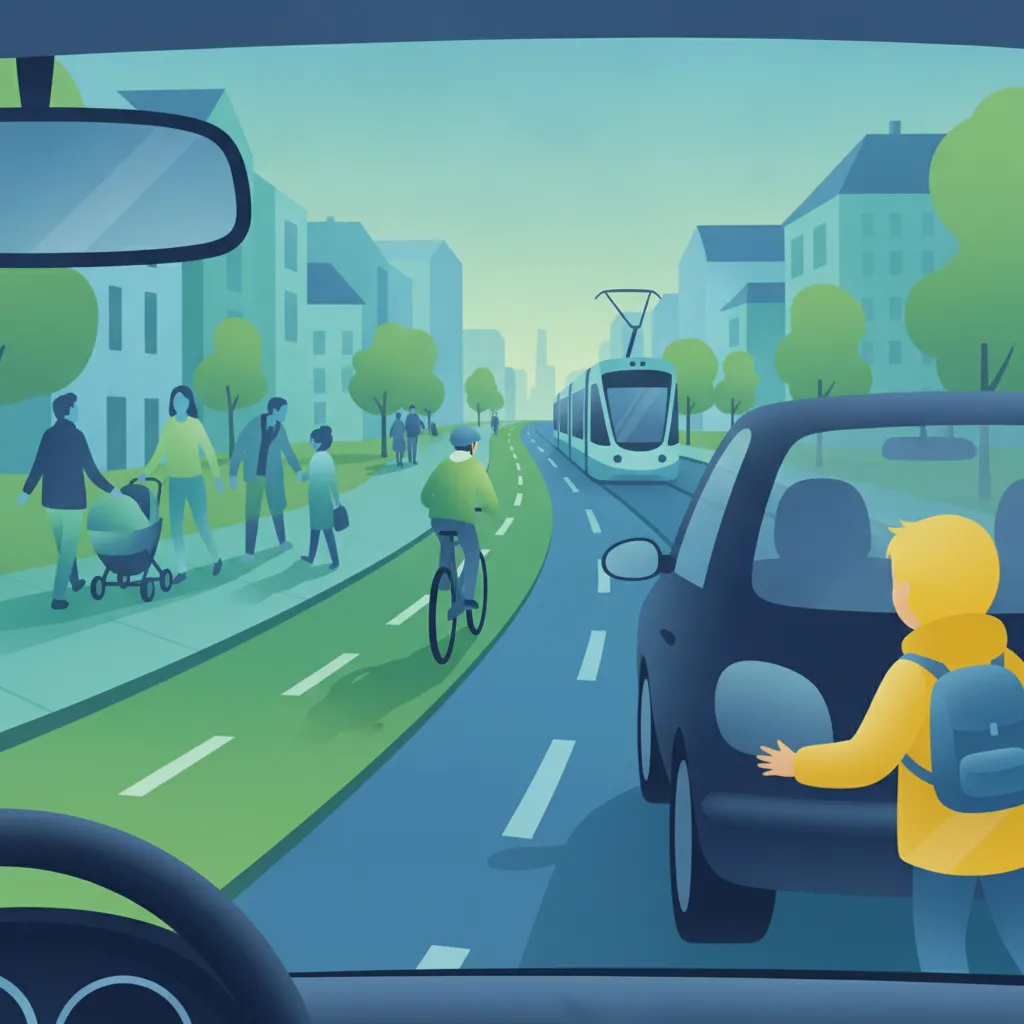
Hazard perception is the ability to identify potential dangers on the road before they become immediate threats. In Denmark, where cyclists are common and road conditions can vary, continuously scanning your environment and anticipating risks is vital. This skill allows you to drive proactively, maintaining safe margins and avoiding sudden braking or evasive maneuvers.

Tailgating, or driving too close to the vehicle ahead, significantly increases the risk of accidents. This page explains why maintaining sufficient safety distance (sikkerhedsafstand) is crucial, covering how your reaction time and braking distance impact the space you need. Mastering this concept is key for both your Danish theory exam and real-world safe driving.
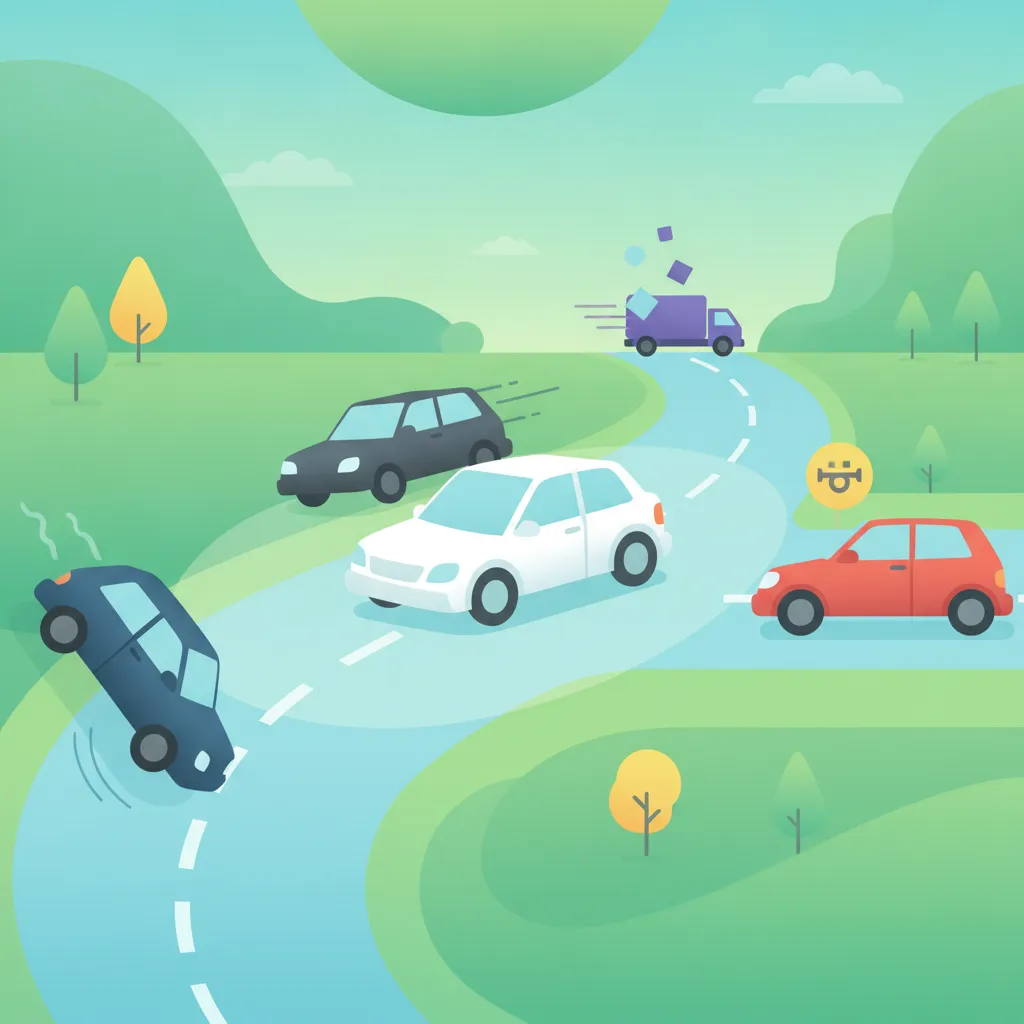
Defensive driving is a crucial approach to staying safe on Danish roads. It's about being proactive rather than reactive, constantly scanning your environment, anticipating potential dangers, and adjusting your driving to minimize risk. By understanding and applying these principles, you prepare yourself for a wide range of situations, reducing the likelihood of collisions regardless of others' actions.
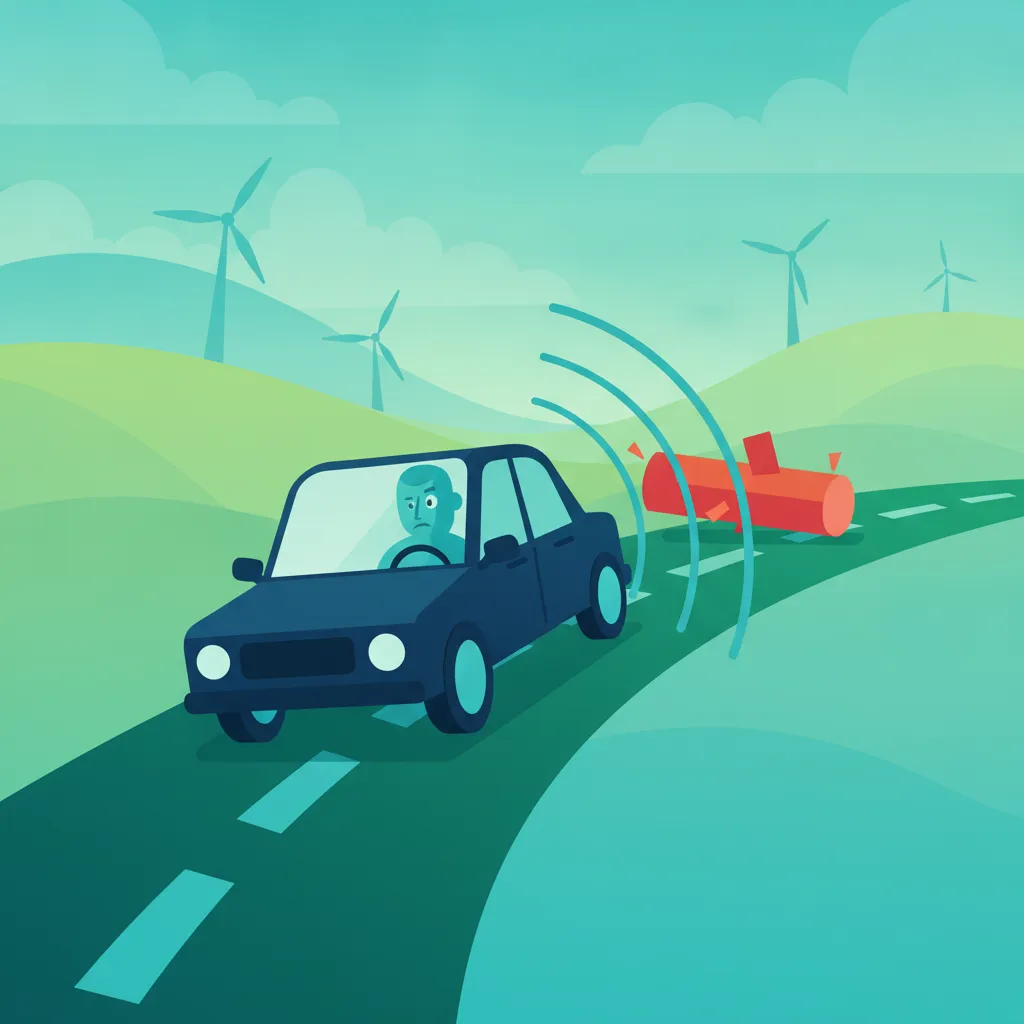
Reaction distance is a fundamental concept in Danish driving theory, describing the distance your vehicle covers while you perceive a danger, decide to act, and physically move to press the brake pedal. It's the 'unbraked' travel distance during your reaction time. Understanding this concept is vital for predicting stopping distances, maintaining safe following distances, and passing your Danish driving test.
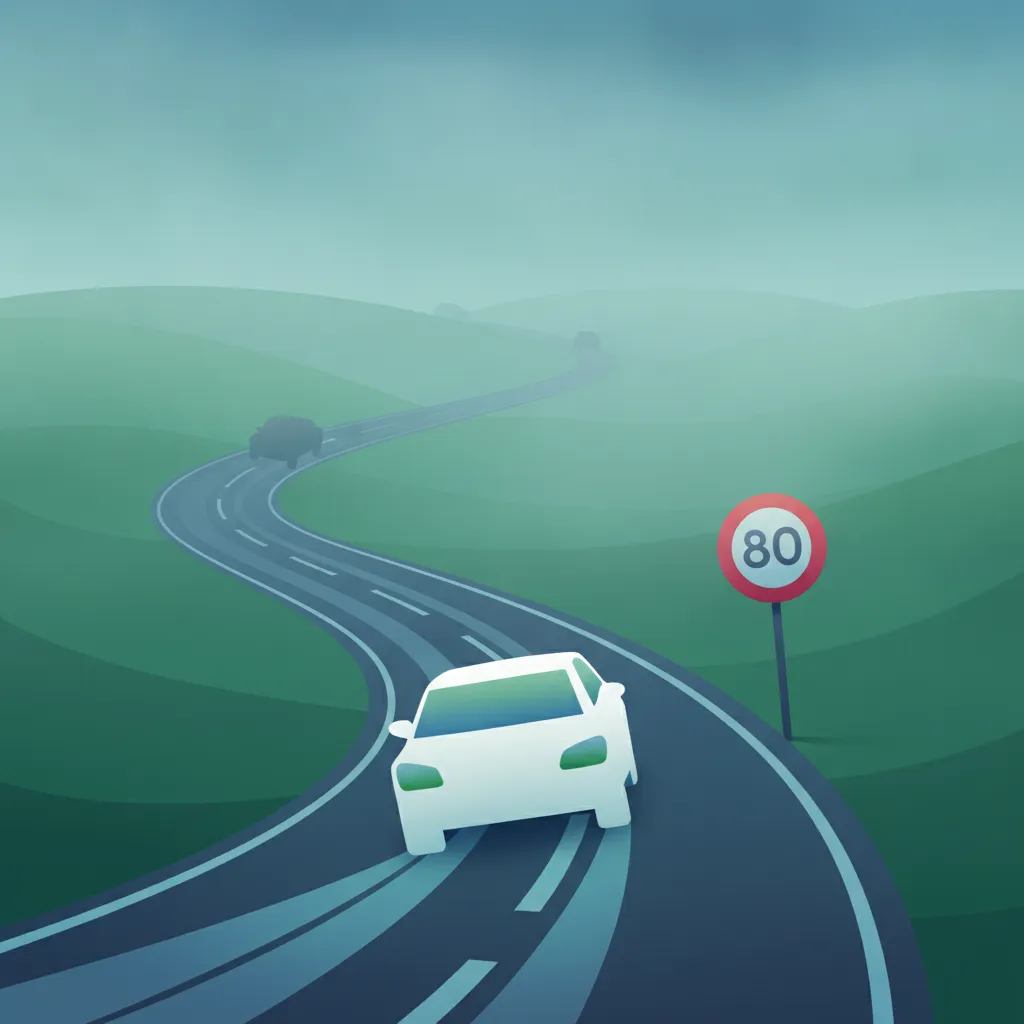
In Danish traffic, choosing a safe speed is a fundamental skill that goes beyond just observing posted speed limits. It's about making a continuous judgment call based on current conditions, ensuring you can always react and stop safely. This principle is vital for both passing your driving theory test and ensuring real-world road safety.
Page 1 of 3
Ready to deepen your understanding of Danish traffic laws and road safety? Browse our extensive library of articles to find explanations on specific rules, road signs, or driving procedures that will help you pass your driving theory exam with confidence.
Danish Driving Theory Articles