The L43 Secondary Route marker sign in Denmark is primarily a navigational tool, indicating a specific route category or number. While it helps you follow designated routes like E-roads, primary, or secondary routes, it doesn't impose a direct traffic rule on its own. Always combine this marker with other traffic signs, road markings, and signals to understand your obligations and navigate safely.
Mastering the 'Secondary route' sign (L43) is crucial for effective navigation and understanding Danish route classifications. This traffic sign explanation is vital for your theory test revision and accurate road sign interpretation.
This Danish route designation identifies a route class or route number. It helps drivers follow E-roads, primary routes, secondary routes, ring roads, bicycle routes, bicycle highways, EuroVelo routes, or tourist routes. The marker itself is mainly navigational; any binding traffic rule comes from the surrounding signs and road layout. Official catalogue code: L43.
The "Secondary route" route marker identifies the route category or route number shown. Use it for navigation rather than as a standalone traffic rule. Catalogue code L43.
Get clear, practical answers to the most common questions about the L43 - Secondary route road sign. Learn how the sign works, what rules it represents, and how it affects real driving situations. This FAQ strengthens your understanding and supports accurate decision making for the Danish driving theory exam in Denmark.
The L43 Secondary Route sign is mainly for navigation. It identifies a specific route class or number, helping you stay on your intended path, whether it's a national route, a regional road, or even a cycle path. It's not a regulatory sign that dictates immediate traffic behaviour like stopping or yielding.
Not directly because of the L43 sign itself. You should continue driving according to the existing traffic rules, speed limits, and road conditions. The sign's purpose is to confirm you are on the correct route. Always pay attention to other signs, lane markings, and traffic signals, as these are the ones that dictate your actions.
Learners sometimes mistakenly treat route markers like the L43 as regulatory signs. It's important to remember that while it guides your route, it doesn't change priority rules or impose prohibitions. Always look for signs that have specific colours or symbols indicating speed limits, directions, or prohibitions.
Use the L43 sign in conjunction with destination signs, road markings, and your map or GPS. It confirms that you are following a specific numbered or categorized route. If you intend to stay on that route, the L43 sign reassures you that you are heading in the right direction according to that route's designation.
Ignoring the L43 sign won't directly result in a traffic violation related to that sign specifically. However, if it leads you off your intended route, you might miss your turn or end up in an unfamiliar area. The most important thing is not to ignore nearby regulatory or warning signs, as these have direct implications for your driving safety and legality.
A clear reference image of the L43 - Secondary route road sign used in Denmark.
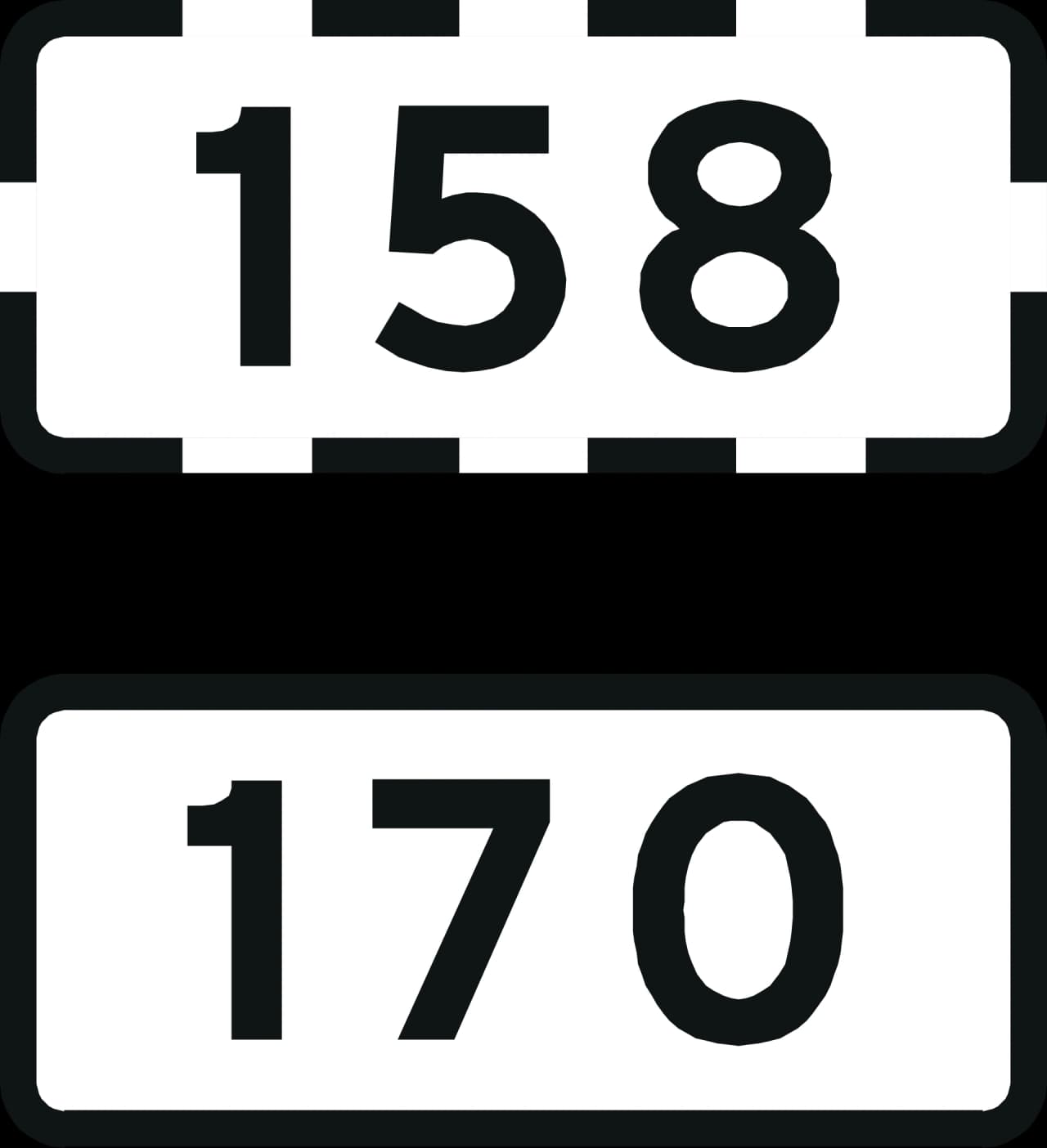
The L43 - Secondary route road sign may also be known by these alternative names or terms.
The L43 - Secondary route road sign is part of the Danish Route Designations category, which groups together signs with similar rules and functions.
Comparing similar Danish road signs, like this "Secondary route" marker, aids in precise identification and recall for your theory test revision. Master traffic sign comparison and enhance your sign recognition skills effectively.
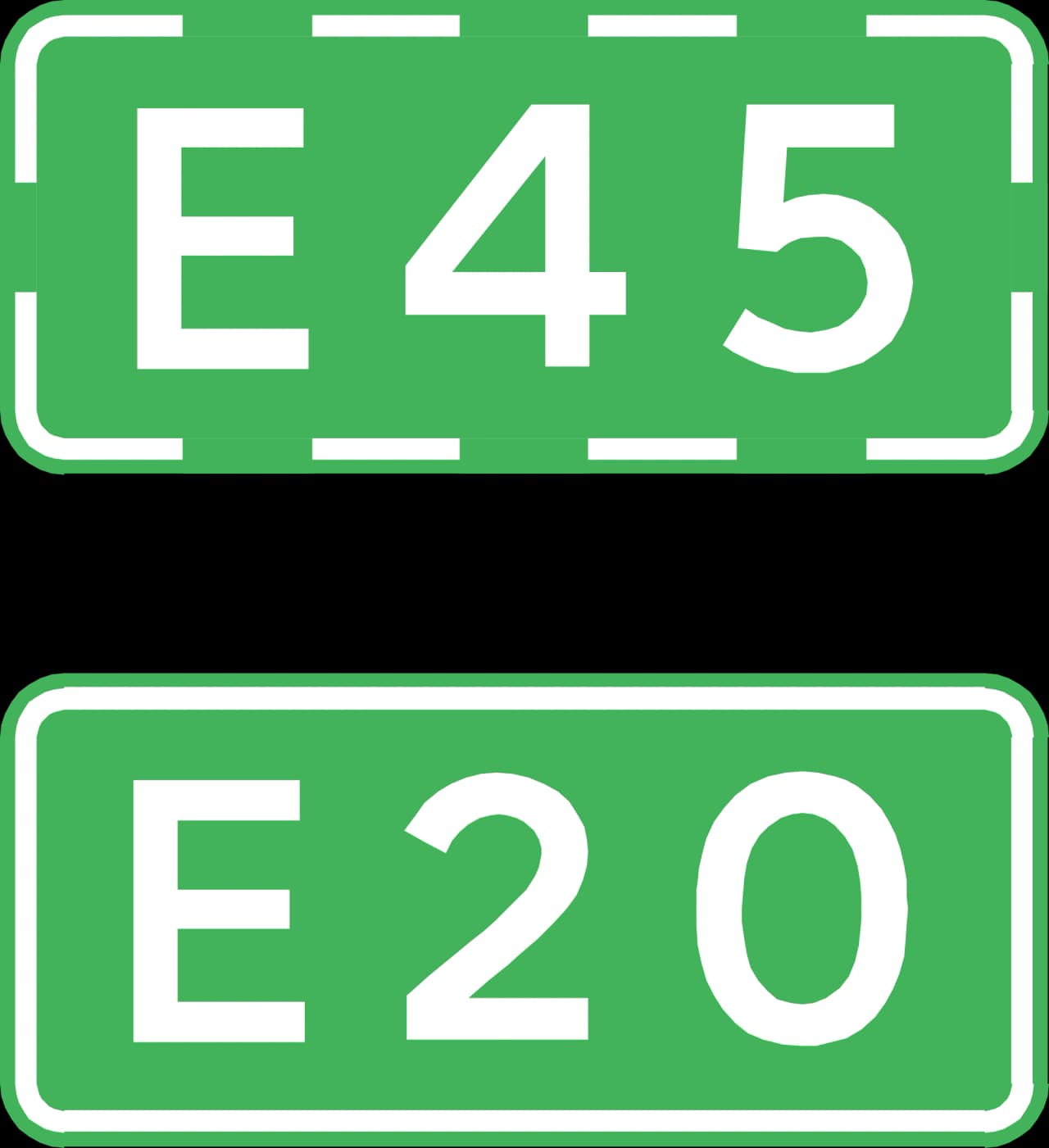
The L41 E-Road sign guides you along designated routes, but isn't a traffic rule itself.
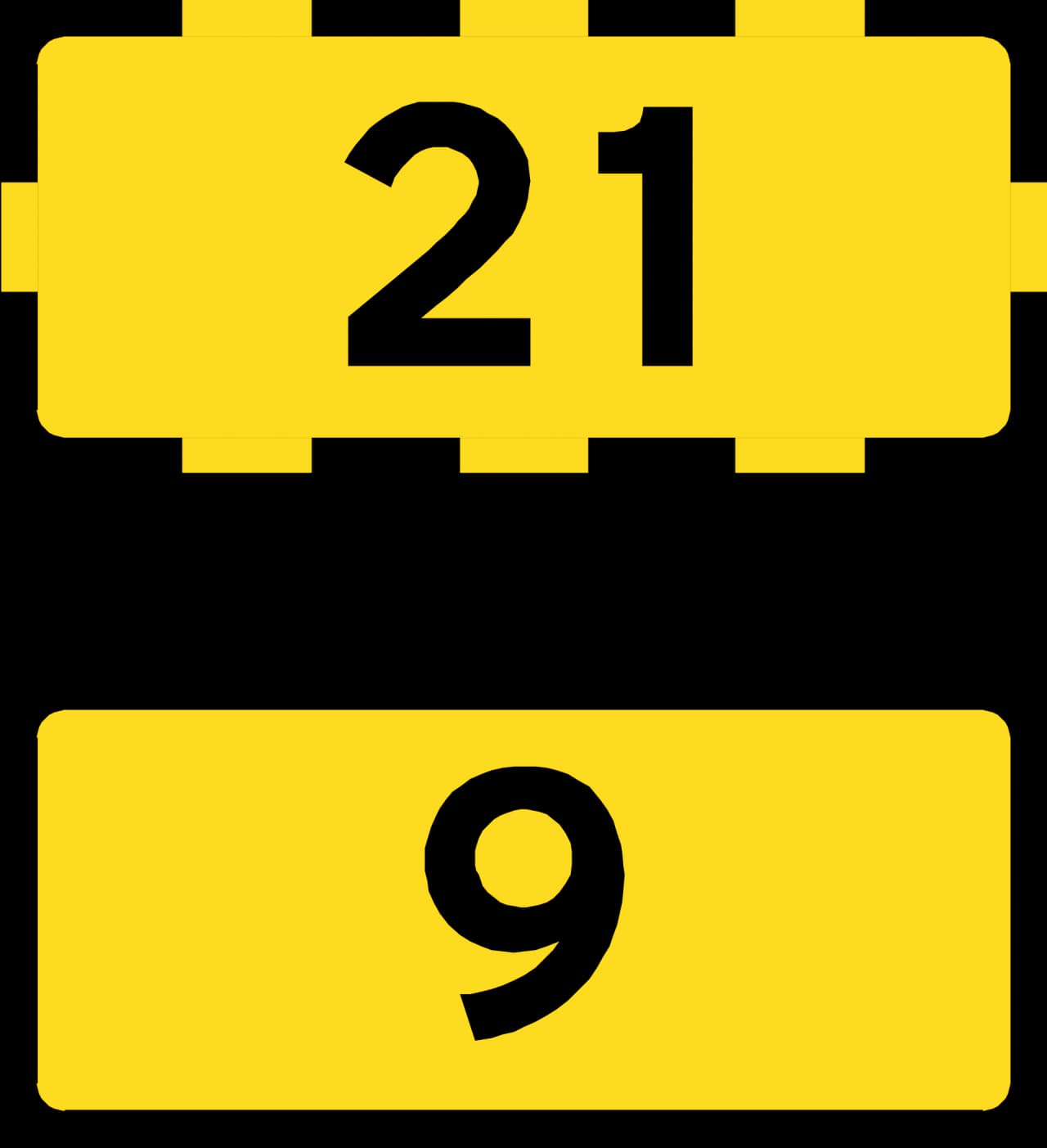
The L42 Primary Route sign is for navigation, not a traffic rule.
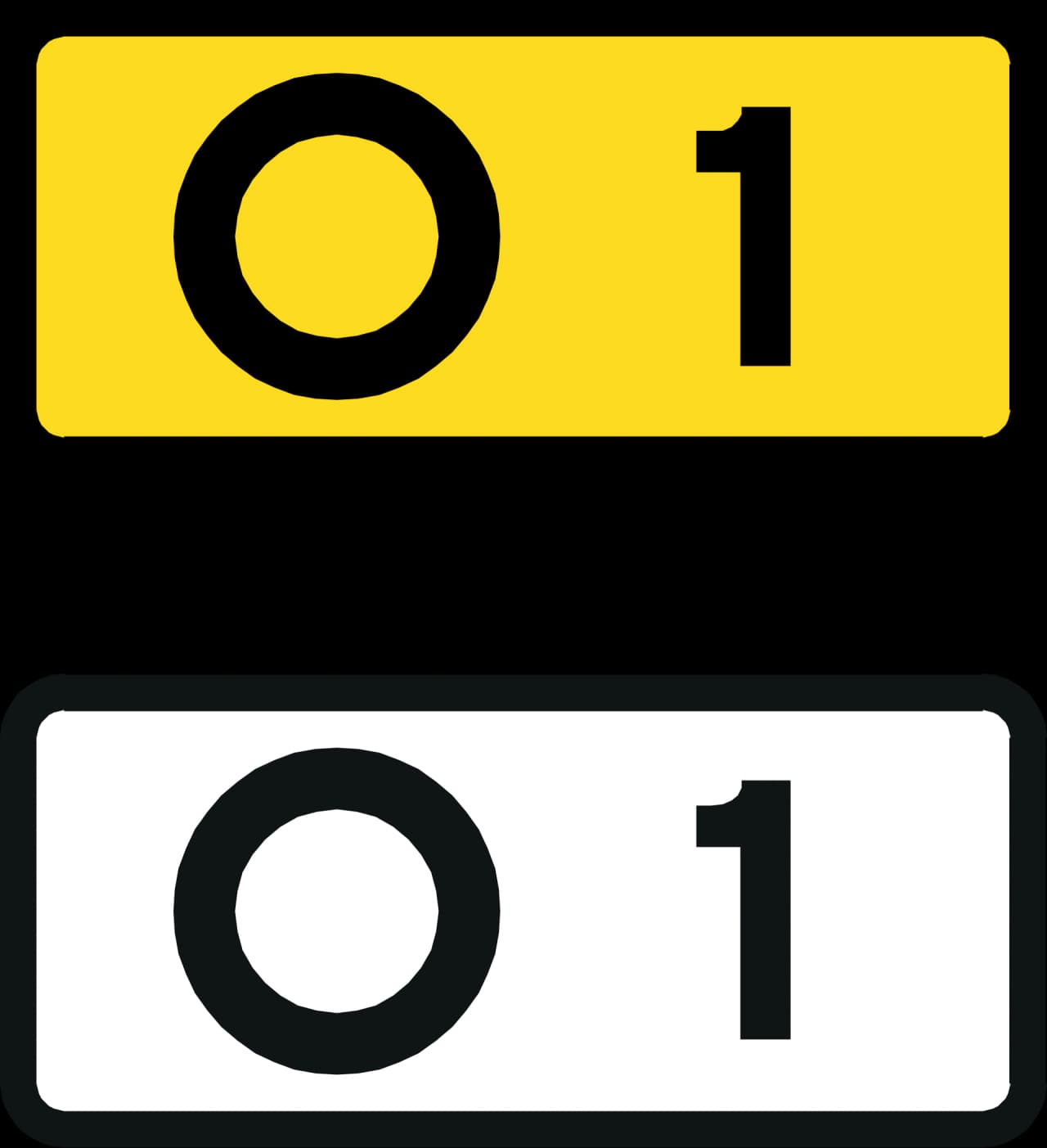
The L44 Ring Road sign helps you navigate, but isn't a traffic rule on its own.
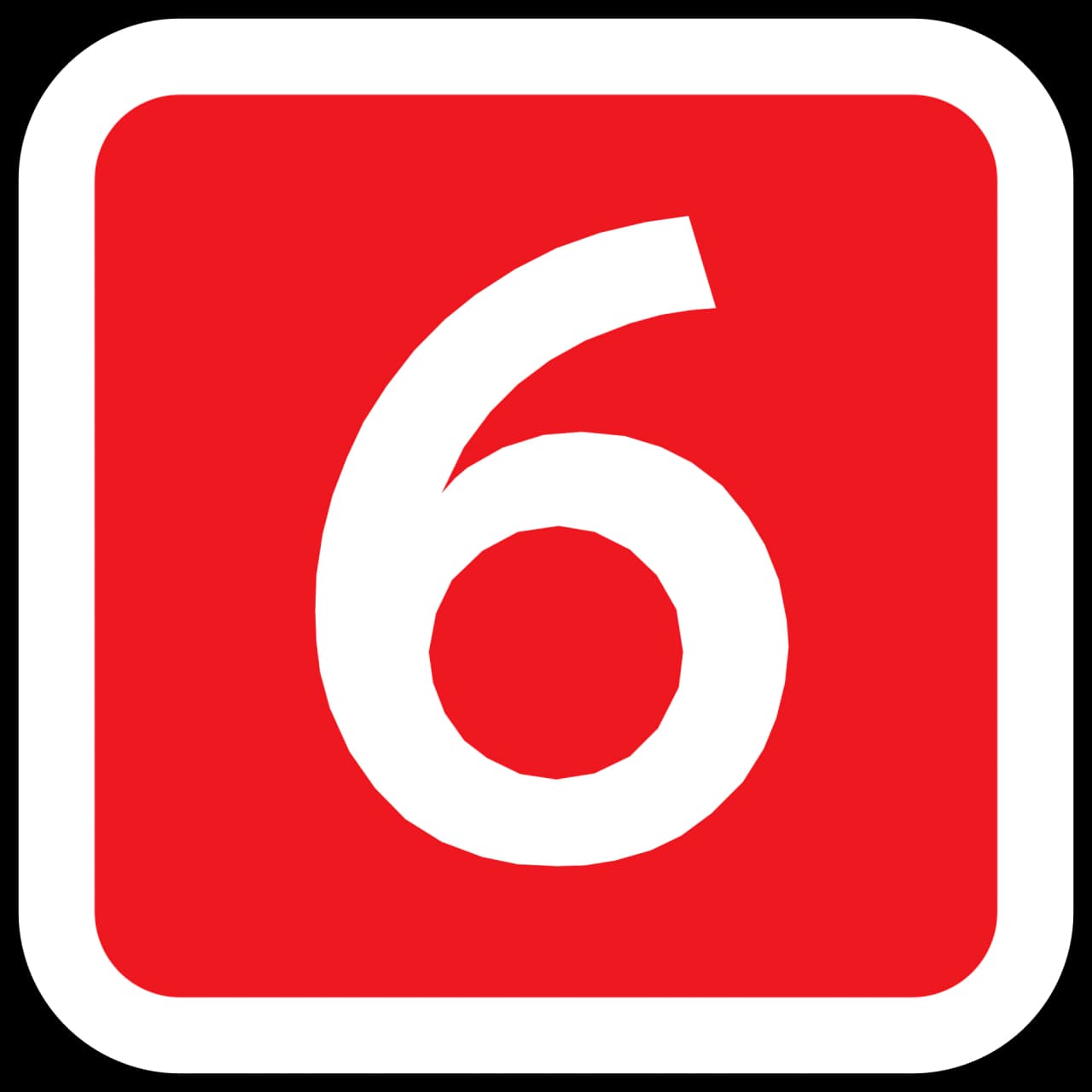
The L45 National Bicycle Route Sign: Your Guide for Navigation
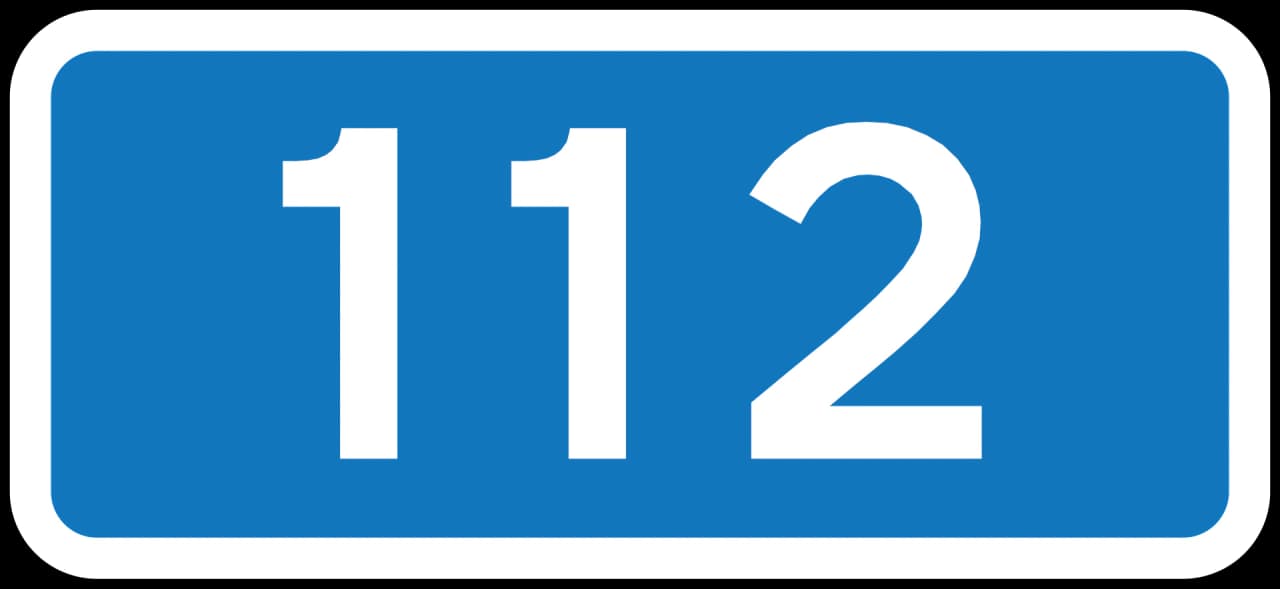
The L45.2 sign is a navigational marker for regional or local bicycle routes.

The L46 Bicycle Highway sign is for navigation, not a direct traffic rule.
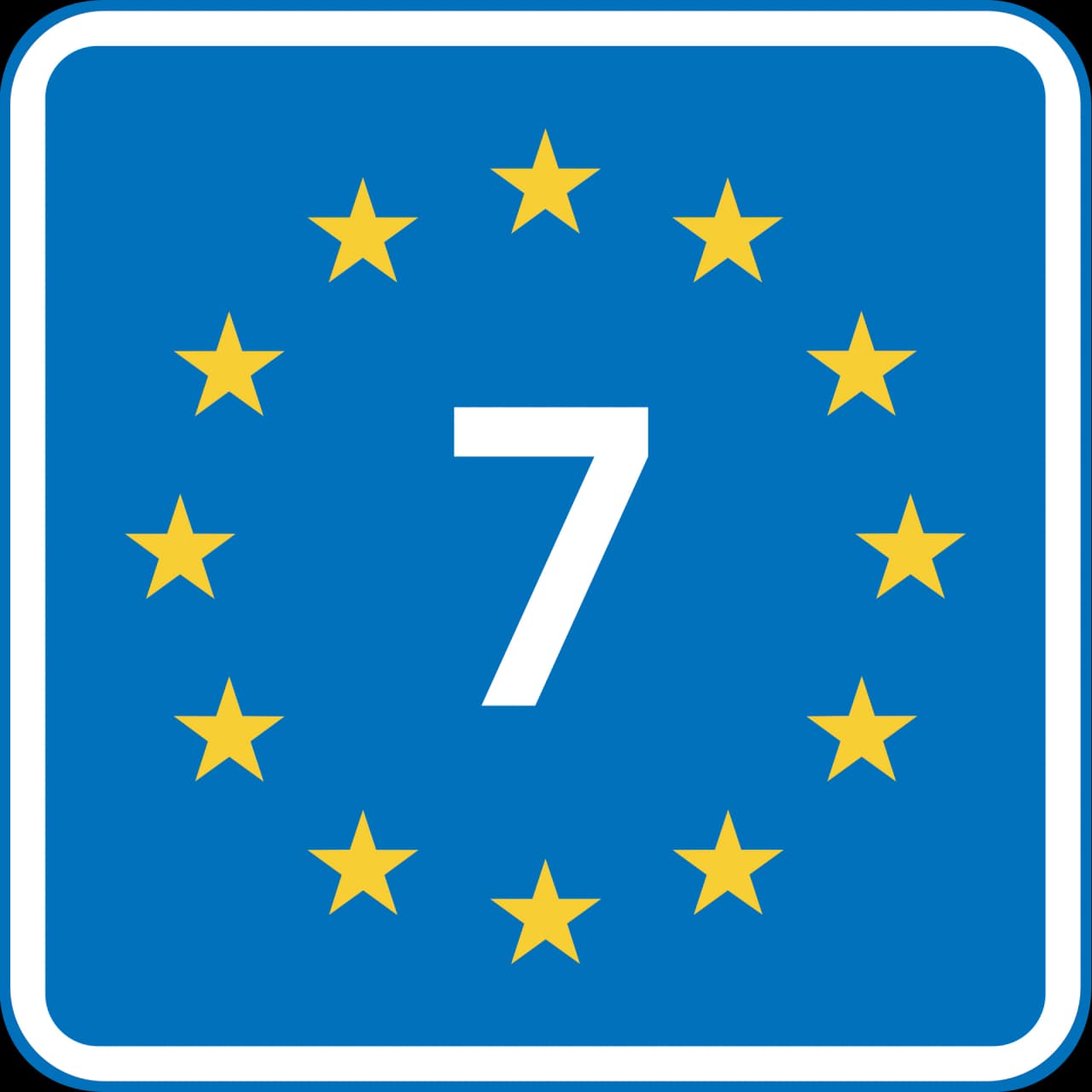
The L47 EuroVelo sign is your guide for specific cycle and tourist routes.

The L50 Marguerite Route Sign Guides You Along Scenic Tourist Paths
After reviewing the full list of Danish road signs, test your understanding by attempting practice questions focused on sign recognition and meaning. Reinforce your learning and identify areas needing further study to confidently pass your driving theory exam.
View All Danish Road Signs List