
The L46 'Bicycle highway' sign is a Danish route marker used for navigation, similar to how you might follow signs for E-roads or tourist routes. It identifies a specific class or number for a bicycle route, helping you stay on track. While it guides you along a designated path, remember that it is not a standalone traffic rule. Always pay close attention to surrounding regulatory signs, road markings, and traffic signals, as they dictate actual traffic behaviour and priority.
This sign indicates a designated bicycle highway, crucial for understanding Danish traffic flow and navigation, especially for cyclists and drivers sharing the road. Mastering this road sign meaning is key for your theory test revision and safe driving practice.
This Danish route designation identifies a route class or route number. It helps drivers follow E-roads, primary routes, secondary routes, ring roads, bicycle routes, bicycle highways, EuroVelo routes, or tourist routes. The marker itself is mainly navigational; any binding traffic rule comes from the surrounding signs and road layout. Official catalogue code: L46.
The "Bicycle highway" route marker identifies the route category or route number shown. Use it for navigation rather than as a standalone traffic rule. Catalogue code L46.
Get clear, practical answers to the most common questions about the L46 - Bicycle highway road sign. Learn how the sign works, what rules it represents, and how it affects real driving situations. This FAQ strengthens your understanding and supports accurate decision making for the Danish driving theory exam in Denmark.
The L46 sign is primarily a navigational aid. Its main function is to identify a specific route category or route number, particularly for bicycle highways. It helps drivers and cyclists follow a designated route, but it doesn't impose immediate traffic rules on its own.
No, the L46 sign itself does not grant priority. It's a route designation. Your priority at junctions or in traffic situations is determined by other traffic signs, road markings, and general right-of-way rules applicable in Denmark. Never assume priority based solely on seeing an L46 sign.
When you see the L46 sign, you should recognize it as a marker for a specific bicycle route. Use it in conjunction with destination signs and road markings to confirm you are on the correct path if you are navigating. Do not treat it as a command to stop, slow down, or change your behaviour unless other signs or road conditions require it.
Yes, you must not treat the L46 sign as a standalone traffic rule; it’s for navigation. It's also crucial not to ignore other, more critical regulatory signs (like stop signs, speed limits, or priority signs) just because you are familiar with the L46 route marker. The surrounding signs always take precedence for immediate traffic behaviour.
The L46 sign falls under a category of Danish route designation signs that help users follow specific paths. Similar to how other signs might mark national roads, European routes, or tourist trails, the L46 specifically identifies a bicycle highway, aiding in navigation for cyclists and providing context for drivers sharing the road.
Learners sometimes mistakenly think any sign on the road dictates a driving rule. The L46 is purely navigational. A common exam trap is assuming a route sign implies a specific speed or priority, which is incorrect. Always look for accompanying signs that give actual instructions or warnings to drivers.
A clear reference image of the L46 - Bicycle highway road sign used in Denmark.

The L46 - Bicycle highway road sign may also be known by these alternative names or terms.
The L46 - Bicycle highway road sign is part of the Danish Route Designations category, which groups together signs with similar rules and functions.
Master Danish traffic signs by comparing related route designations like the Bicycle highway. Understanding distinctions aids memory and reduces theory test errors, crucial for effective sign recognition.
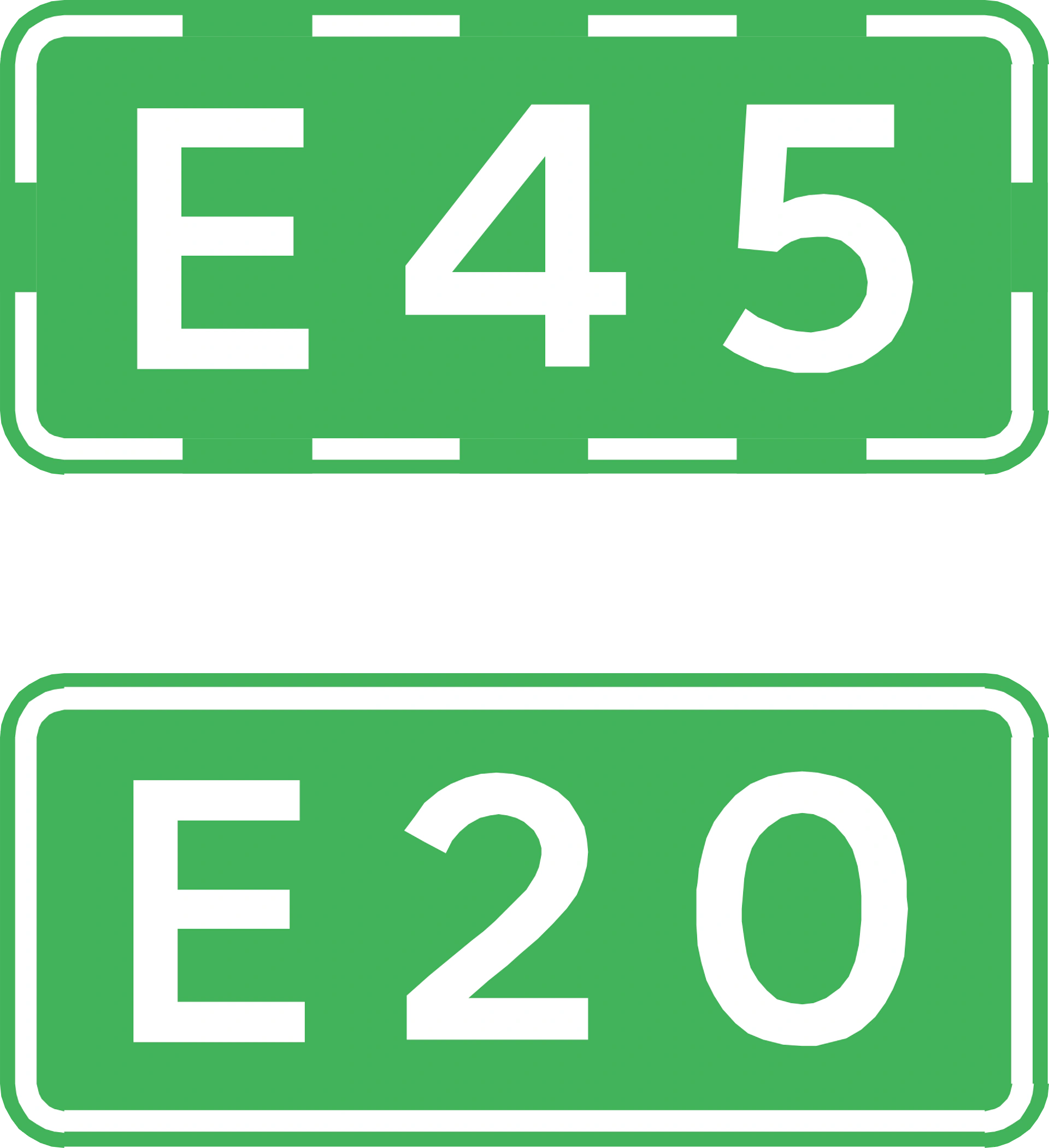
The L41 E-Road sign guides you along designated routes, but isn't a traffic rule itself.
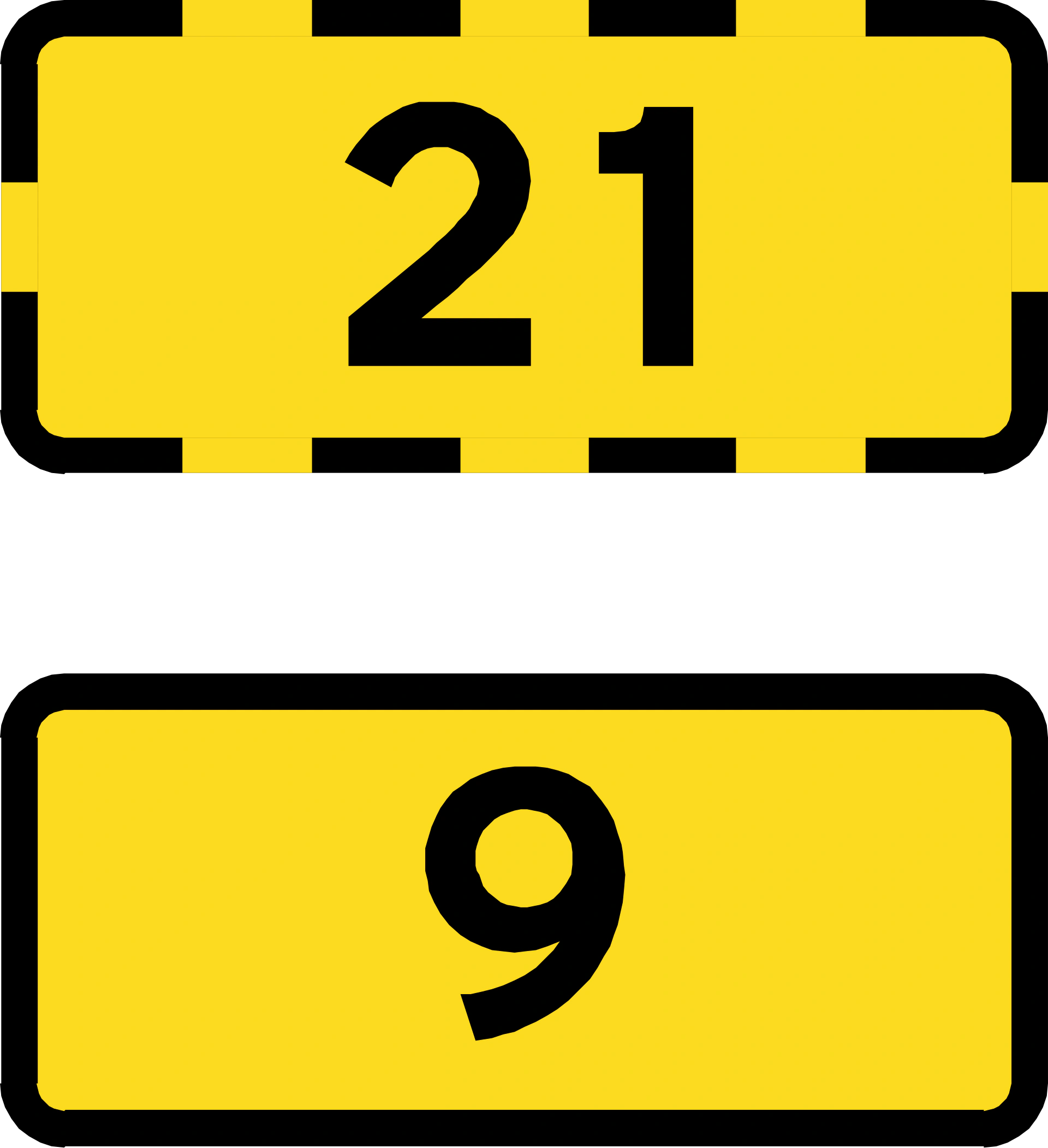
The L42 Primary Route sign is for navigation, not a traffic rule.
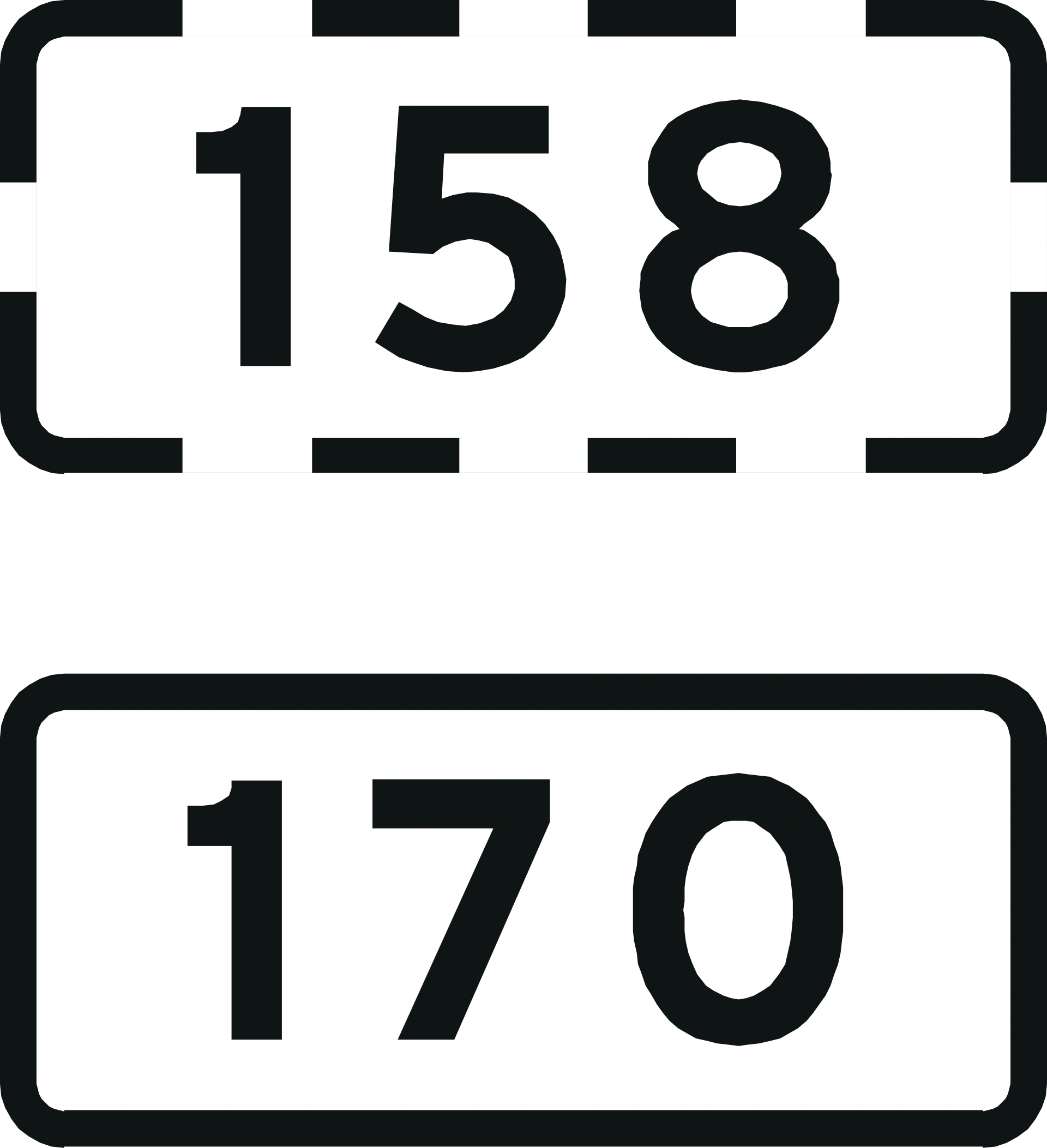
The L43 Secondary Route Marker: Your Guide to Navigation
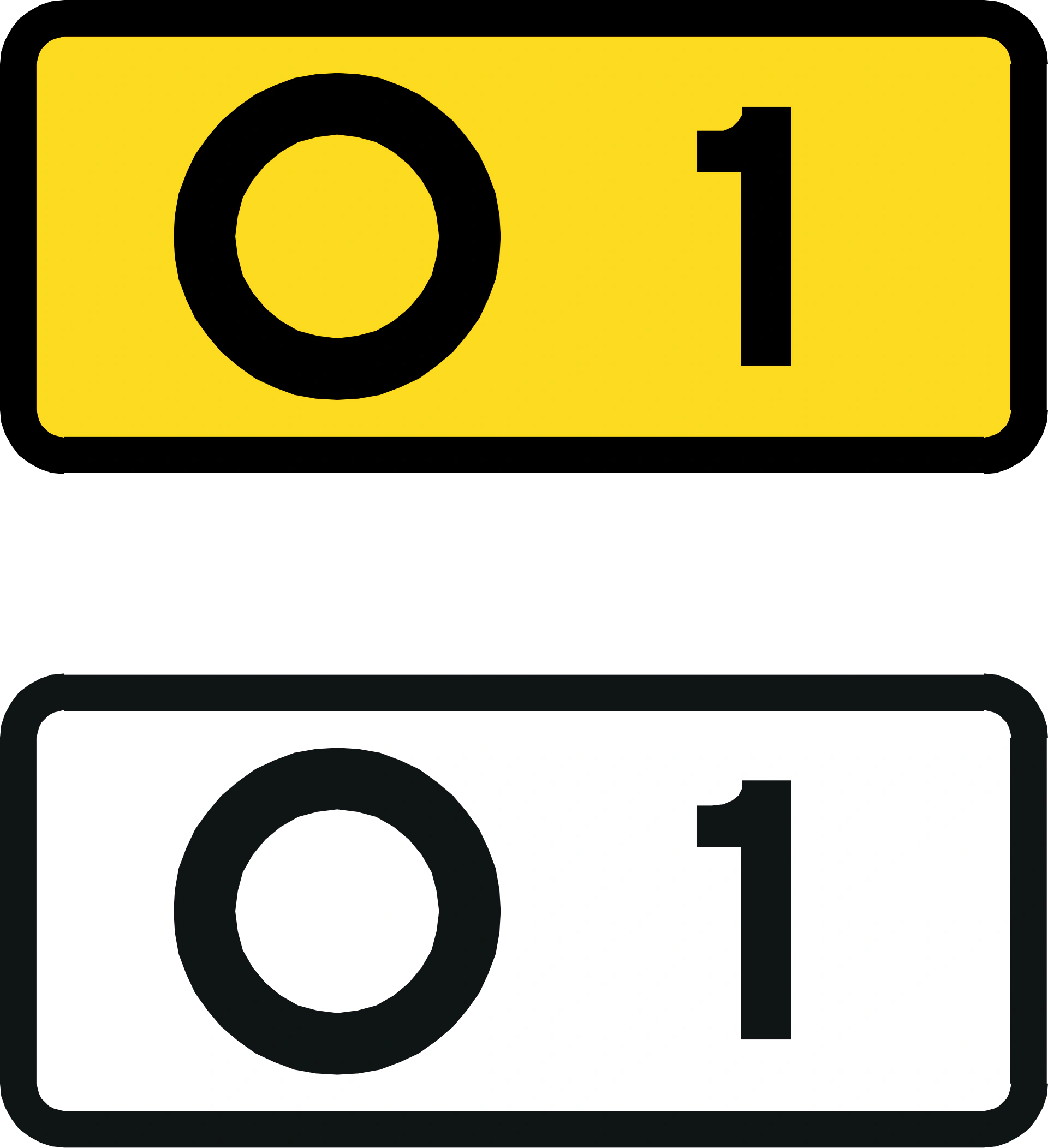
The L44 Ring Road sign helps you navigate, but isn't a traffic rule on its own.
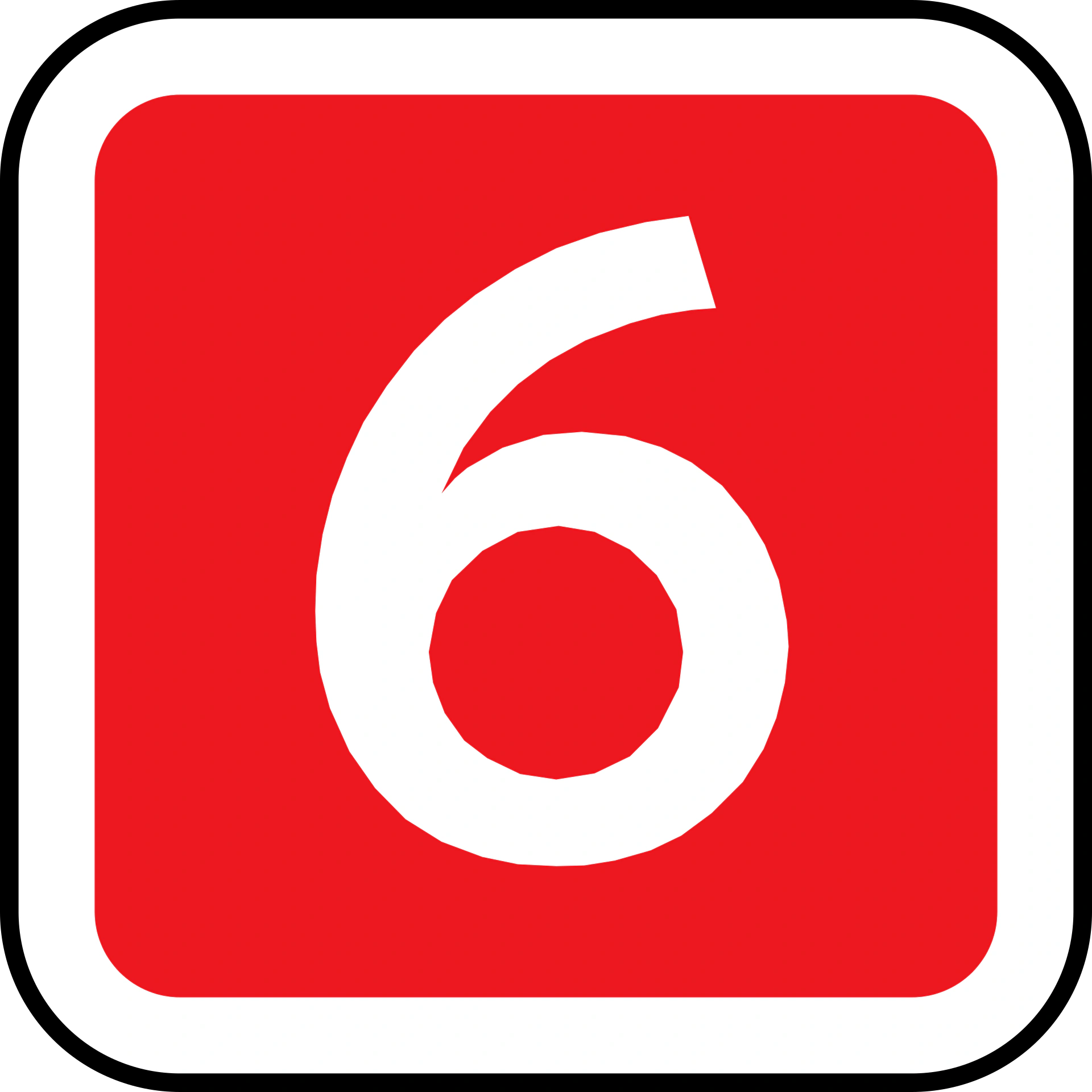
The L45 National Bicycle Route Sign: Your Guide for Navigation
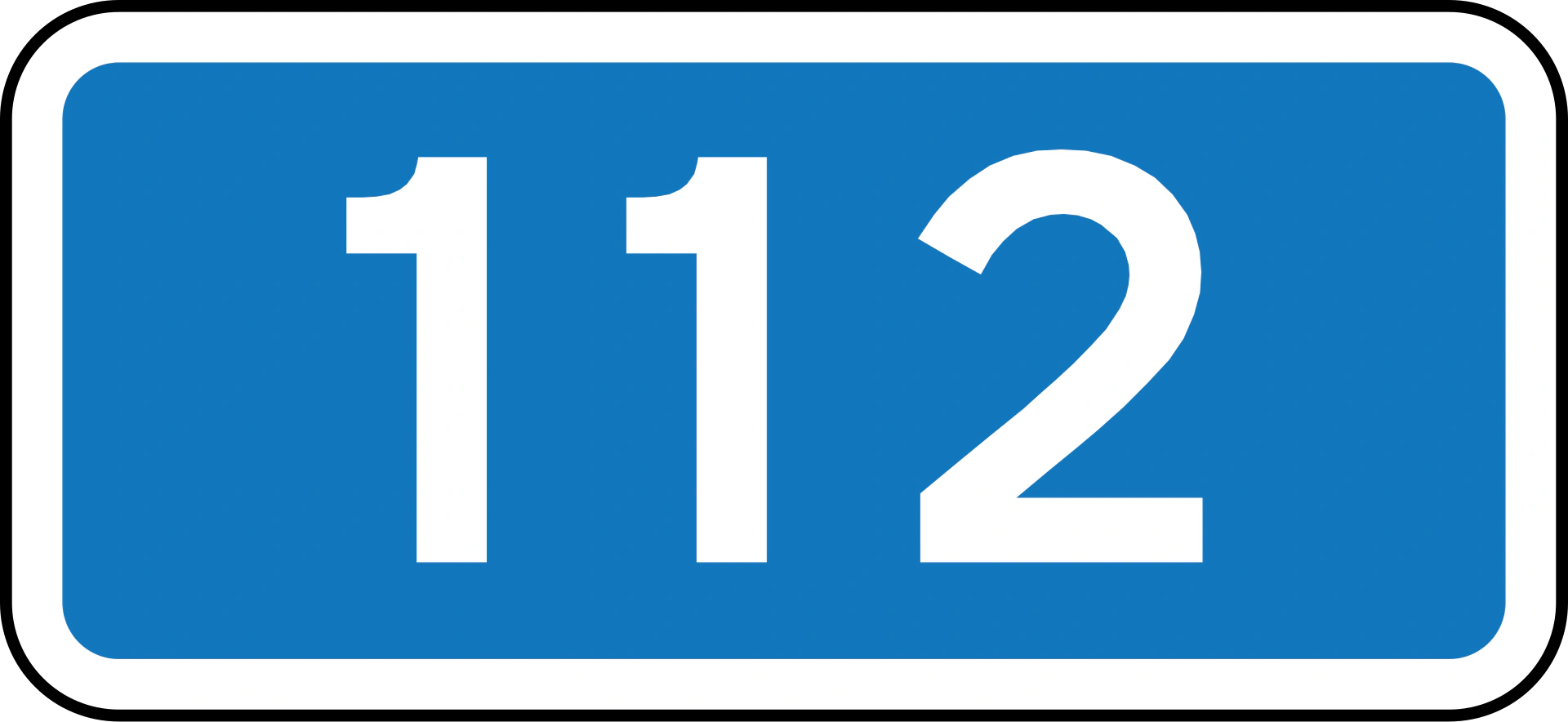
The L45.2 sign is a navigational marker for regional or local bicycle routes.
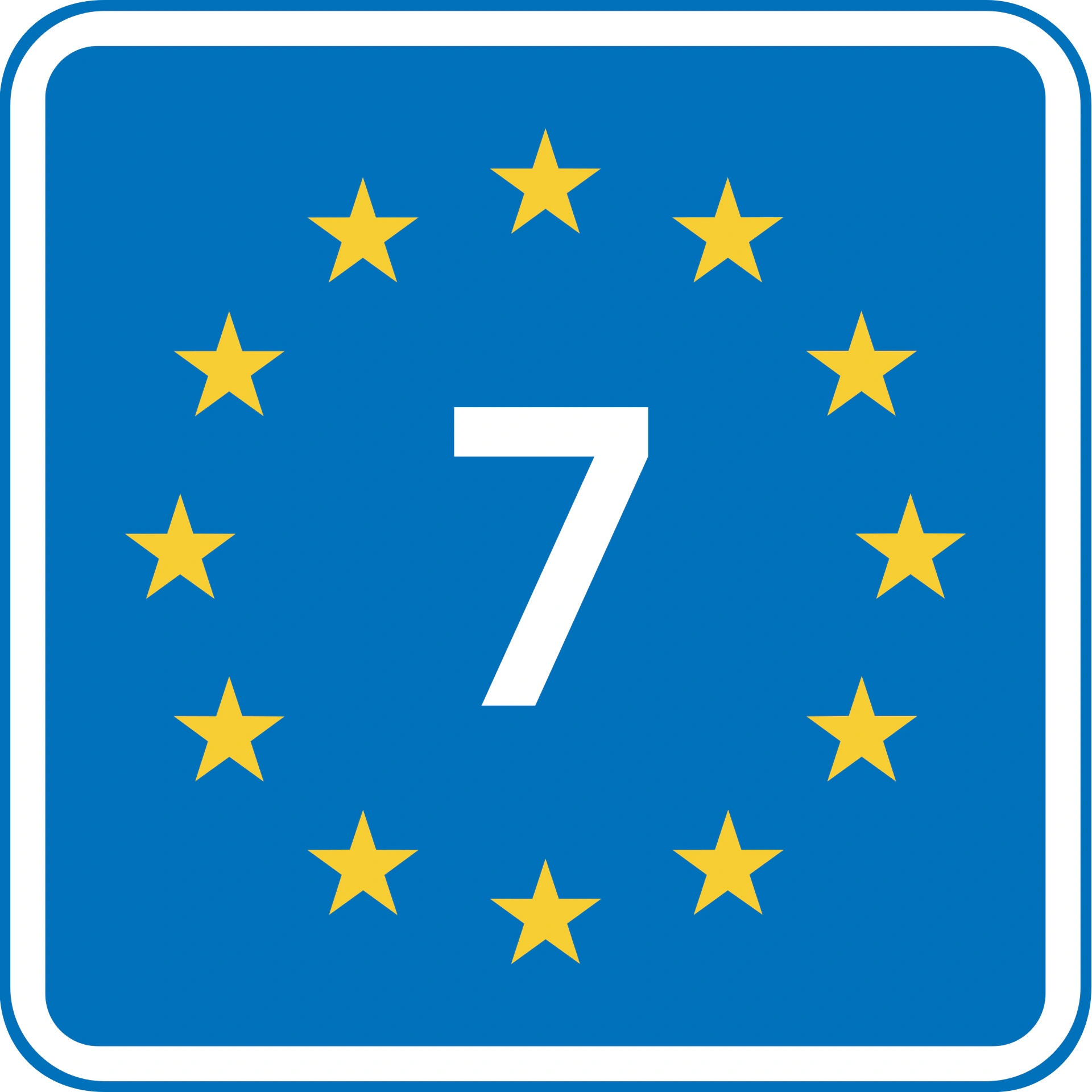
The L47 EuroVelo sign is your guide for specific cycle and tourist routes.

The L50 Marguerite Route Sign Guides You Along Scenic Tourist Paths
Strengthen your theory test preparation by exploring how these specific road signs influence priority, speed limits, and traffic flow across Danish roads. Review our curated resources to ensure you understand the legal obligations associated with each sign.
Navigate Complex Trailer Scenarios and Denmark's BE Regulations with Confidence.
Master Danish Category B Rules and Vehicle Entitlement
Navigating the rules for towing a trailer is essential for both your driving theory test and your future as a responsible driver. This guide explains how weight limits on registration documents determine your licence needs, distinguishing between basic Category B, Code 96, and Category B/E requirements. You will learn the importance of the combined total weight of your vehicle and trailer to ensure you stay within legal limits on Danish roads.
Understanding road markings is a foundational requirement for any driver in Denmark. This article explains the core functions of various surface lines, including the legal significance of solid versus broken lines, the yield requirements of hajtænder, and the specific behavior expected at cyklistboks or box junctions. By learning these rules, you will be well-prepared to identify road regulations and demonstrate correct conduct during your practical and theory assessments.
This Danish route designation identifies a route class or route number. It helps drivers follow E-roads, primary routes, secondary routes, ring roads, bicycle routes, bicycle highways, EuroVelo routes, or tourist routes. The marker itself is mainly navigational; any binding traffic rule comes from the surrounding signs and road layout. Official catalogue code: L45.
This Danish route designation identifies a route class or route number. It helps drivers follow E-roads, primary routes, secondary routes, ring roads, bicycle routes, bicycle highways, EuroVelo routes, or tourist routes. The marker itself is mainly navigational; any binding traffic rule comes from the surrounding signs and road layout. Official catalogue code: L45.2.
After reviewing the full list of Danish road signs, test your understanding by attempting practice questions focused on sign recognition and meaning. Reinforce your learning and identify areas needing further study to confidently pass your driving theory exam.
View All Danish Road Signs List