
As a Category AM vehicle operator, you are particularly vulnerable on the road and must adhere to specific responsibilities. This lesson explores the defensive driving requirements and legal expectations set by the French Code de la route to keep you and others safe.
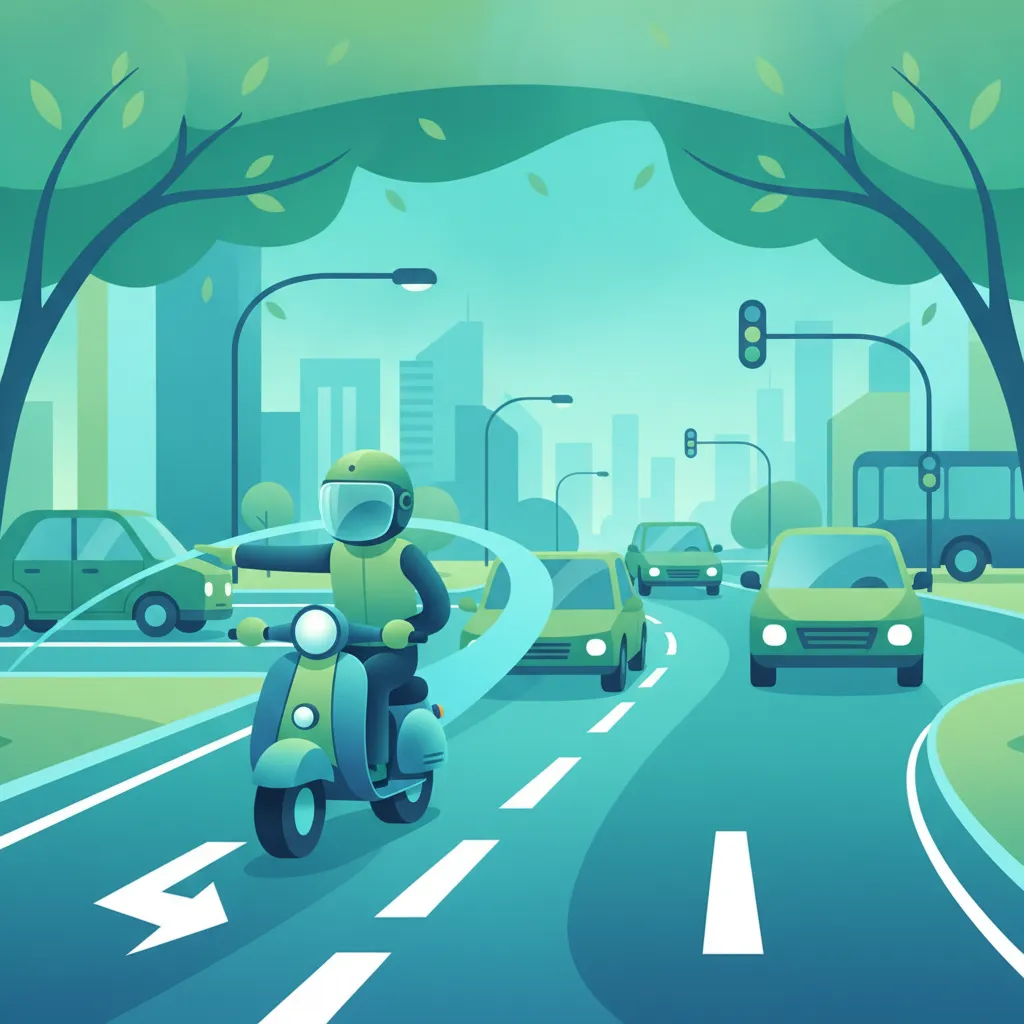
Lesson content overview
Operating a small vehicle on public roads—whether it is a moped (cyclomoteur), a light quadricycle (voiturette), or a motorized cycle—demands a profound understanding of your legal and moral responsibilities. Under French traffic law (le Code de la route), holding a Category AM licence grants you the freedom of mobility, but it also binds you to strict safety and behavioral standards.
Because small motorized vehicles lack the protective metal shell, crumple zones, and safety features of modern passenger cars, their operators are significantly more vulnerable to injury. To navigate French roads safely, you must move past basic mechanical operation and fully internalize the core tenets of defensive driving, visibility management, predictability, and legal compliance.
In road safety, vulnerability is defined by two primary factors: physical protection and visual presence. Category AM vehicles suffer from severe deficits in both areas, creating a high-risk profile that requires constant compensation by the operator.
Unlike car drivers, moped and scooter riders are exposed directly to the physical environment. In the event of a collision, there is no chassis to absorb the kinetic energy of the impact. The rider's body absorbing the force of an impact directly explains why even low-speed accidents can result in severe injuries.
Even light quadricycles (voiturettes), while enclosed, have lightweight bodies made of fiberglass or plastic and lack the robust crash-protection structures of standard passenger cars.
A small vehicle has a narrow frontal and rear profile. In busy traffic, this narrow profile easily blends into the background of buildings, trees, or larger vehicles. Furthermore, passenger car and truck drivers frequently fail to look for smaller profiles, as their visual scanning is subconsciously tuned to detect larger hazards like other cars.
This is compounded by the "angle mort" (blind spot) phenomenon; small vehicles can easily disappear entirely within the blind spots of larger commercial vehicles.
The Angle Mort Hazard: In France, heavy heavy-goods vehicles (vehicles over 3.5 tonnes) are legally required to display warning stickers indicating the positions of their blind spots. Never ride close to the sides or directly behind these vehicles, as the driver cannot see you.
Defensive riding (la conduite préventive) is an active strategy where you anticipate potential hazards, manage your space cushion, and prepare for the errors of other road users. Rather than simply reacting to emergencies, a defensive operator rides in a state of continuous anticipation.
Scan Ahead: Continuously sweep your eyes from 50 to 100 metres ahead in urban zones, and up to 150 metres in rural areas. Look for pedestrians stepping off curbs, car doors opening, or vehicles preparing to turn at intersections.
Identify Risks: Isolate specific objects or situations that could require you to change your speed or path, such as damp manhole covers, gravel on a bend, or a driver waiting to pull out from a side road.
Predict Outcomes: Ask yourself, "What is the worst-case scenario here?" For example, assume the driver waiting at the side road has not seen you and will pull out.
Decide and Execute: Adjust your position or reduce your speed early. This proactive step gives you a wider safety margin and communicates your caution to drivers behind you.
Under Article R413-9 of the French Code de la route, you must maintain a safe following distance behind the vehicle in front of you. This distance must correspond to the space covered by your vehicle in two seconds.
To calculate this, select a fixed object along the roadside (such as a sign or tree). Once the vehicle in front passes it, count "one thousand and one, one thousand and two." If you pass the same object before you finish counting, you are following too closely and must back off. In wet weather, this distance should be doubled to four seconds to account for increased braking distances.
Being seen is your primary active defense on the road. The Code de la route mandates several equipment standards specifically designed to elevate the visual profile of small vehicles.
Under Article R416-8 of the Code de la route, headlights are not merely for nighttime driving. They are your primary means of signaling your presence during the day.
To improve low-light detectability, French law places strict demands on reflective gear:
Surprising another driver is one of the most common causes of light vehicle accidents. To remain predictable, you must signal your intentions clearly and maintain consistent lane positioning.
When turning, changing lanes, or pulling away from a curb, you must activate your turn signals (clignotants) at least 3 seconds before initiating the physical maneuver (Article R412-3). This gives drivers behind you time to process your intention and adjust their speed.
If your vehicle's electrical signaling system fails while riding, you are legally required to use clear hand signals to communicate with other traffic (Article R413-2).
As a Category AM operator, you must ride on the right-hand side of your lane, but not so close to the curb or gutter that you encounter debris, drainage grates, or risk hitting pedestrians.
The French road network is a shared public utility. Safe coexistence requires understanding and respecting the hierarchy of vulnerability, as well as strict adherence to right-of-way laws.
[Least Vulnerable / Heaviest]
   ▲  Heavy Goods Vehicles & Buses
   │  Standard Passenger Cars
   │  Category AM Light Quadricycles (Voiturettes)
   │  Category AM Mopeds & Scooters
   │  Cyclists
   ▼  Pedestrians
[Most Vulnerable / Lightest]
This hierarchy dictates that less vulnerable vehicles have an increased duty of care toward those more vulnerable than themselves. As an AM operator, you must always yield to pedestrians and give cyclists wide clearance.
Unless road signs specify otherwise, the default rule at intersections in France is priorité à droite (priority to the right) under Article R410-1. You must yield to any vehicle emerging from a road on your right.
Pedestrians always have absolute priority. Article R415-9 of the Code de la route dictates that you must stop for any pedestrian who has stepped onto a zebra crossing (passage piétons) or who clearly demonstrates the intention to cross the road. When approaching a crossing, scan the sidewalk early and slow down to prepare to stop.
Operating a Category AM vehicle requires strict adherence to its specific legal envelope. The rules are designed around the mechanical capabilities of these light vehicles to keep them compatible with urban traffic flow.
The absolute maximum design speed for any Category AM vehicle (mopeds and light quadricycles) is 45 km/h (Article R413-1).
Carrying a passenger (passager) on a two-wheeled moped is subject to strict design and age regulations (Article R421-20):
The legal limit for blood alcohol concentration (BAC) in France is extremely strict, particularly for young and novice riders who represent a high-risk demographic.
For Category AM operators, the maximum legal limit is 0.25 mg per litre of exhaled air (which corresponds to a blood level of 0.5 grams per litre of blood or 0.5‰). For novice drivers holding other licenses, the limit is often lower (0.2 g/L), but AM operators must understand that any alcohol consumption severely impairs the balance and split-second decision-making required to operate a two-wheeler safely.
Safe operation requires adapting your driving behavior to shifting environmental conditions, as light vehicles react much more severely to weather and road surface defects than cars.
Rain, ice, fog, and wind demand immediate operational adjustments:
| Operational Context | Major Environmental Hazards | Required Operator Adaptations |
|---|---|---|
| Urban Zones | Pedestrians, delivery trucks blocking lanes, opening car doors, tram tracks. | Maintain a 1.5-metre distance from parked cars; cross tram tracks at a right angle (90 degrees). |
| Rural Roads | Agricultural machinery, high-speed oncoming traffic, blind bends, gravel on road edges. | Reduce speed before blind curves; stay visible on long straights; expect slow-moving tractors around corners. |
Your actions on the road have direct, physically measurable outcomes. Understanding these cause-and-effect relationships is key to surviving your first years on the road:
This lesson establishes that Category AM operators face both physical and visual vulnerability requiring constant compensation through defensive riding techniques, mandatory visibility equipment, and predictable road behavior. The core defensive framework involves continuous hazard scanning ahead, identifying risks, predicting worst-case outcomes, and executing early corrective actions. Key legal requirements include always-on low beam headlights, a two-second minimum following distance, three-second signal lead times before maneuvers, and strict adherence to the 45 km/h speed ceiling that bars motorway access. Environmental awareness is critical because mopeds react far more severely than cars to rain-slick surfaces, painted markings, and lateral wind gusts, demanding proactive speed reduction and firm handlebar control.
A short set of high-value points that capture the most important learning from this lesson.
Category AM operators are doubly vulnerable—physically exposed like car occupants lack protective structures, and visually obscured due to their narrow profile and blind spot susceptibility.
Defensive riding is an active, continuous process of scanning 50-150 metres ahead, identifying risks, predicting worst-case scenarios, and executing early corrective actions.
Low beam headlights must be active at all times, day and night, as your primary visibility tool under Article R416-8 of the Code de la route.
The 45 km/h maximum speed limit for Category AM vehicles legally prohibits motorway and expressway access regardless of posted speed limits.
Alcohol severely impairs the balance and split-second decisions critical for two-wheeler operation, with the legal BAC limit set at 0.5 grams per litre.
Explore all units and lessons included in this driving theory course.
The Two-Second Rule: maintain a following distance equivalent to two seconds of travel; double it to four seconds in wet conditions (Article R413-9).
Signal lead times are mandatory—activate turn signals at least 3 seconds before any lane change or turn under Article R412-3.
Always assume drivers at side roads have not seen you and will pull out; predict worst-case outcomes during hazard scanning.
Voiturettes (light quadricycles) share the same 45 km/h limit and headlight requirements as mopeds despite their partial enclosure.
Environmental conditions transform dramatically—rain creates 'summer ice' on oil-covered asphalt, and lateral winds can push lightweight mopeds out of lane.
Assuming your daytime headlights are optional; French law mandates low beam activation at all times for mopeds regardless of weather or time of day.
Forgetting that priorité à droite (priority to the right) remains the default rule at French intersections unless posted signs indicate otherwise.
Underestimating braking distances in wet conditions by not accounting for painted road markings, manhole covers, and zebra crossings becoming extremely slippery.
Riding too close to the right edge of the lane, inviting drivers to squeeze past unsafely within the same lane rather than using proper overtaking procedures.
Weaving through stationary traffic (slaloming) which eliminates predictability and places riders directly in vehicles' blind spots.
Lesson content overview
A short set of high-value points that capture the most important learning from this lesson.
Category AM operators are doubly vulnerable—physically exposed like car occupants lack protective structures, and visually obscured due to their narrow profile and blind spot susceptibility.
Defensive riding is an active, continuous process of scanning 50-150 metres ahead, identifying risks, predicting worst-case scenarios, and executing early corrective actions.
Low beam headlights must be active at all times, day and night, as your primary visibility tool under Article R416-8 of the Code de la route.
The 45 km/h maximum speed limit for Category AM vehicles legally prohibits motorway and expressway access regardless of posted speed limits.
Alcohol severely impairs the balance and split-second decisions critical for two-wheeler operation, with the legal BAC limit set at 0.5 grams per litre.
Explore all units and lessons included in this driving theory course.
The Two-Second Rule: maintain a following distance equivalent to two seconds of travel; double it to four seconds in wet conditions (Article R413-9).
Signal lead times are mandatory—activate turn signals at least 3 seconds before any lane change or turn under Article R412-3.
Always assume drivers at side roads have not seen you and will pull out; predict worst-case outcomes during hazard scanning.
Voiturettes (light quadricycles) share the same 45 km/h limit and headlight requirements as mopeds despite their partial enclosure.
Environmental conditions transform dramatically—rain creates 'summer ice' on oil-covered asphalt, and lateral winds can push lightweight mopeds out of lane.
Assuming your daytime headlights are optional; French law mandates low beam activation at all times for mopeds regardless of weather or time of day.
Forgetting that priorité à droite (priority to the right) remains the default rule at French intersections unless posted signs indicate otherwise.
Underestimating braking distances in wet conditions by not accounting for painted road markings, manhole covers, and zebra crossings becoming extremely slippery.
Riding too close to the right edge of the lane, inviting drivers to squeeze past unsafely within the same lane rather than using proper overtaking procedures.
Weaving through stationary traffic (slaloming) which eliminates predictability and places riders directly in vehicles' blind spots.
Explore search topics learners often look for when studying Responsibilities of Small Vehicle Operators. These topics reflect common questions about road rules, driving situations, safety guidance, and lesson level theory preparation for learners in France.
Browse additional driving theory lessons that cover connected traffic rules, road signs, and common driving situations related to this topic. Improve your understanding of how different rules interact across everyday traffic scenarios.
Understand the legal requirements for yielding at intersections, including the prioritê à droite rule. This guide covers how to safely navigate crossings and junctions while operating a small motorized vehicle according to the French Code de la route.

France features a vast network of roundabouts (carrefours a sens giratoire) governed by specific entry and lane-use regulations. This lesson explains that vehicles entering a roundabout must yield to traffic already circulating inside. You will learn how to select the correct lane depending on your exit, use direction indicators properly, and yield to pedestrians and cyclists near roundabout exits.
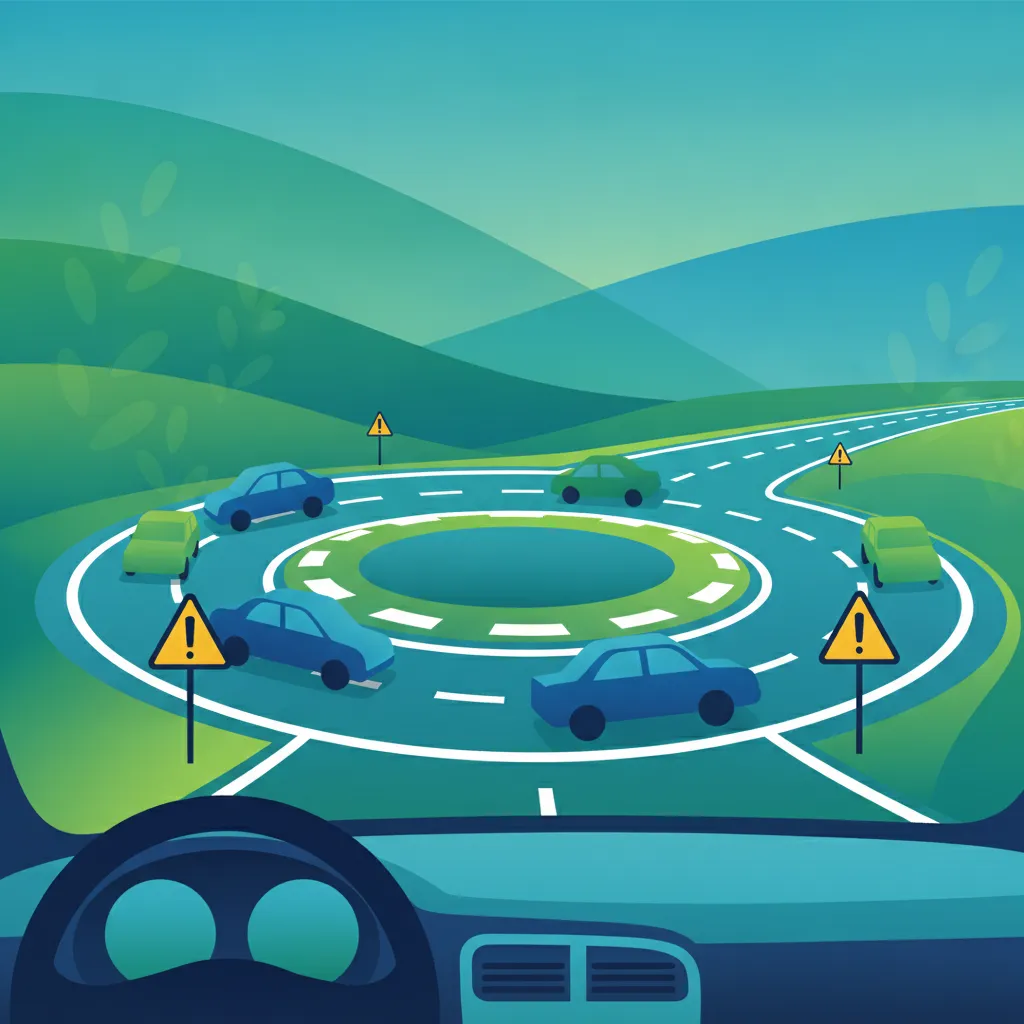
This lesson focuses on the skills required to safely enter, navigate, and exit roundabouts, a common feature in French urban environments. Learners will understand the need to yield to circulating traffic, select the appropriate lane upon entry, and signal intentions when exiting. By mastering these techniques, AM riders can safely integrate into roundabout traffic flow and reduce conflicts with other road users.
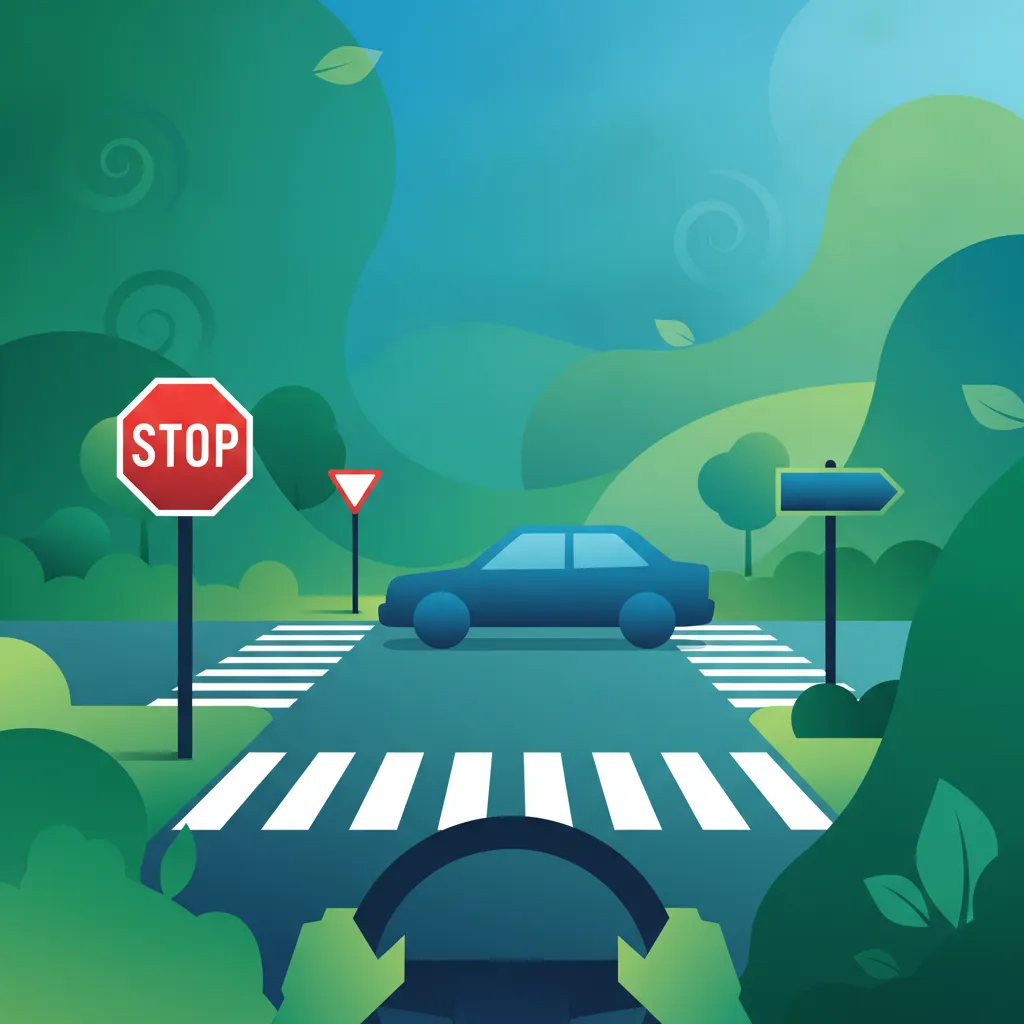
Learners will learn the critical steps for safely approaching and traversing intersections, emphasizing speed reduction, priority assessment, and adherence to right-of-way rules, including priorité à droite. The lesson covers recognizing stop lines, interpreting road markings, and maintaining a safe distance from other vehicles. By mastering these practices, AM riders can confidently navigate intersections while minimizing collision risk.

Learners will study the fundamental priority rules that dictate right-of-way at intersections, focusing on the 'priorité à droite' principle prevalent in French road design. The lesson explains how to identify priority roads, interpret yield signs, and apply these rules safely when operating an AM vehicle. Understanding priority ensures orderly movement and reduces conflict points in mixed traffic scenarios.

Negotiating crossroads that lack active traffic light signals requires a clear reading of signs and painted stop or yield lines. This lesson details the obligations of stopping completely at stop signs and slowing down to yield at 'cedez le passage' markings. You will learn to assess cross-traffic speeds, determine priorities when multiple vehicles arrive, and execute turns safely.

This lesson analyzes the technical path a long wheelbase vehicle must take when turning at intersections and navigating roundabouts. Drivers will learn to calculate tail swing and rear-wheel tracking, intentionally swinging wide to clear roadside curbs and poles safely. The lesson emphasizes yielding protocols for pedestrians and cyclists who may be crossing the target street during the turn.

Learners will explore the rules related to pedestrian crossings, focusing on the obligation to yield to pedestrians at zebra crossings and flashing pedestrian signals. The lesson highlights the importance of stopping before the stop line, reducing speed, and maintaining vigilance for pedestrian movement. Mastery of these practices ensures the safety of both pedestrians and AM riders at crossing points.

This lesson details the functioning of French traffic lights, including standard red, amber, and green phases, as well as flashing amber and dedicated cyclist phases. Learners will learn how to anticipate light changes, understand the implications for starting and stopping, and recognize the specific timing considerations for small, nimble AM vehicles at intersections. Mastery of traffic light interpretation contributes to smoother and safer crossing of intersections.

Controlled intersections use traffic lights and accompanying signs to manage busy crossings systematically. This lesson covers how to safely proceed on a green light, negotiate left turns when yielding to oncoming traffic, and obey flashing amber lights. You will also learn the hierarchy of traffic control, where police officer gestures overrule both traffic lights and priority signs.
This lesson provides a comprehensive breakdown of priority rules under French law, with special focus on the default rule of priorité à droite. You will learn to recognize when this rule applies, even in the absence of explicit signage, and how to verify that entering vehicles see you. It also explains how to read priority road indicators, stop signs, and yield signs, helping you manage right-of-way safely and confidently.
Explore active safety strategies to manage risks as a vulnerable road user. Learn how to maintain visibility, use protective gear, and apply defensive scanning to navigate traffic safely and predictably on public roads in France.
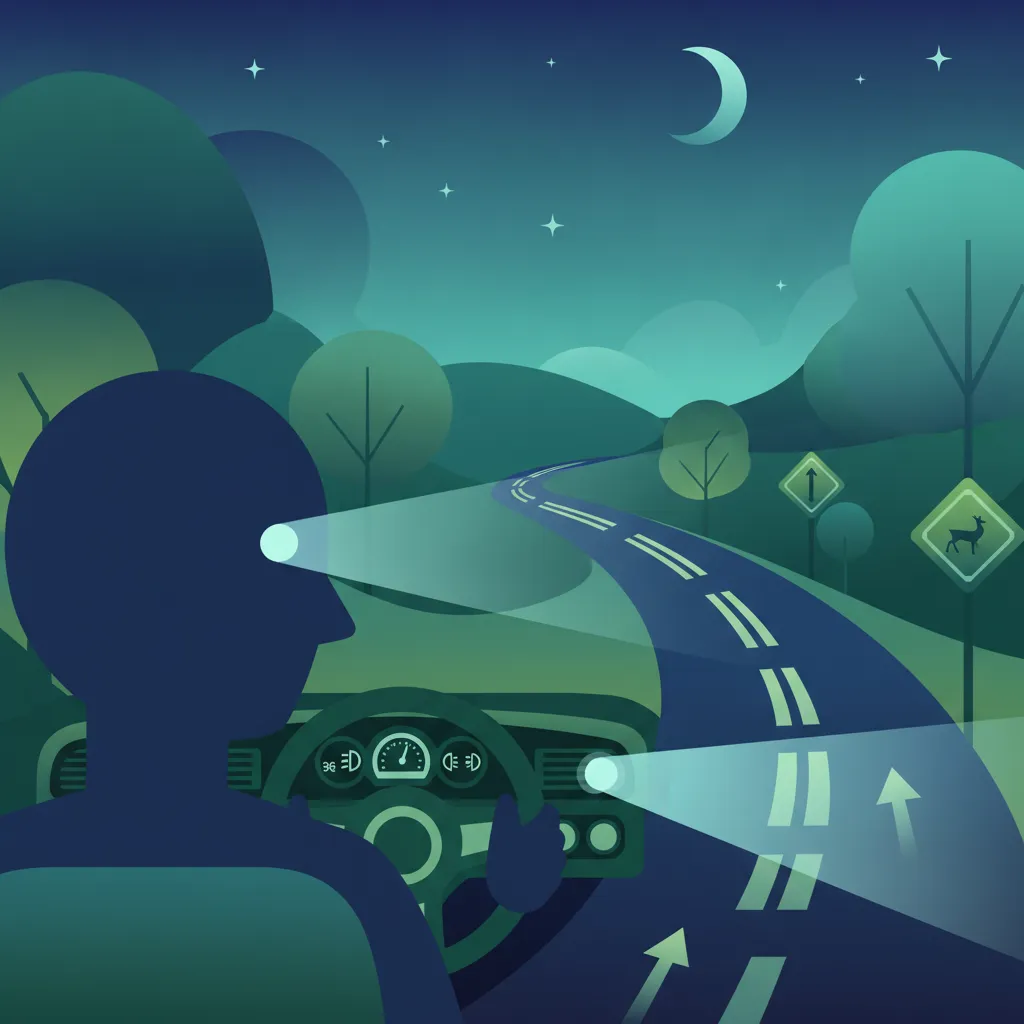
This lesson provides guidance on safe riding practices during nighttime, emphasizing proper headlamp usage, reflective clothing, and strategies to manage glare from oncoming traffic. Learners will learn to compensate for reduced peripheral vision and increased fatigue, as well as to identify common night road hazards in France. By applying these techniques, riders can enhance their visibility and safety after dark.
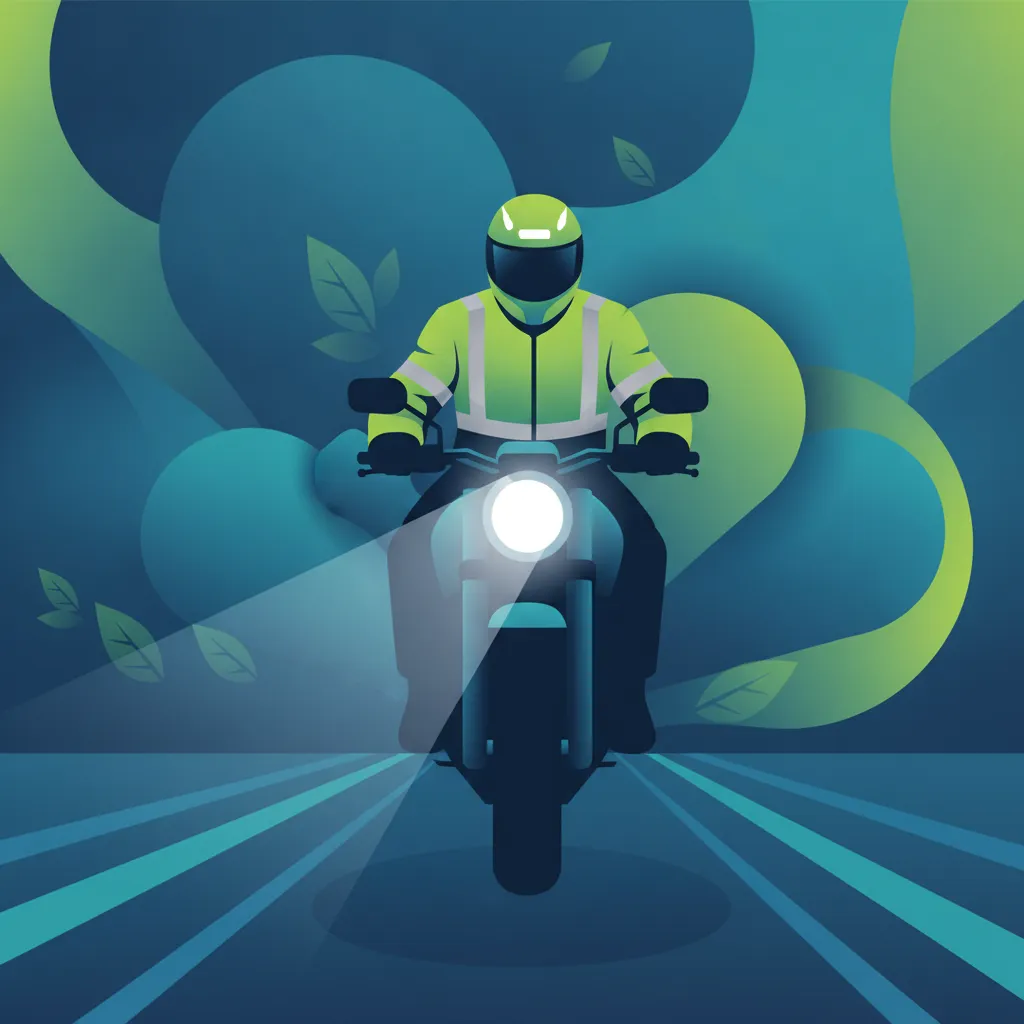
This lesson explores practical methods to make yourself visible to other road users, preventing the classic 'sorry mate, I didn't see you' hazard. You will analyze the use of high-visibility yellow or orange retro-reflective waistcoats, which are legally required to be carried on board in France. Additionally, you will study optimal headlight utilization and correct placement of auxiliary indicators to capture driver attention.
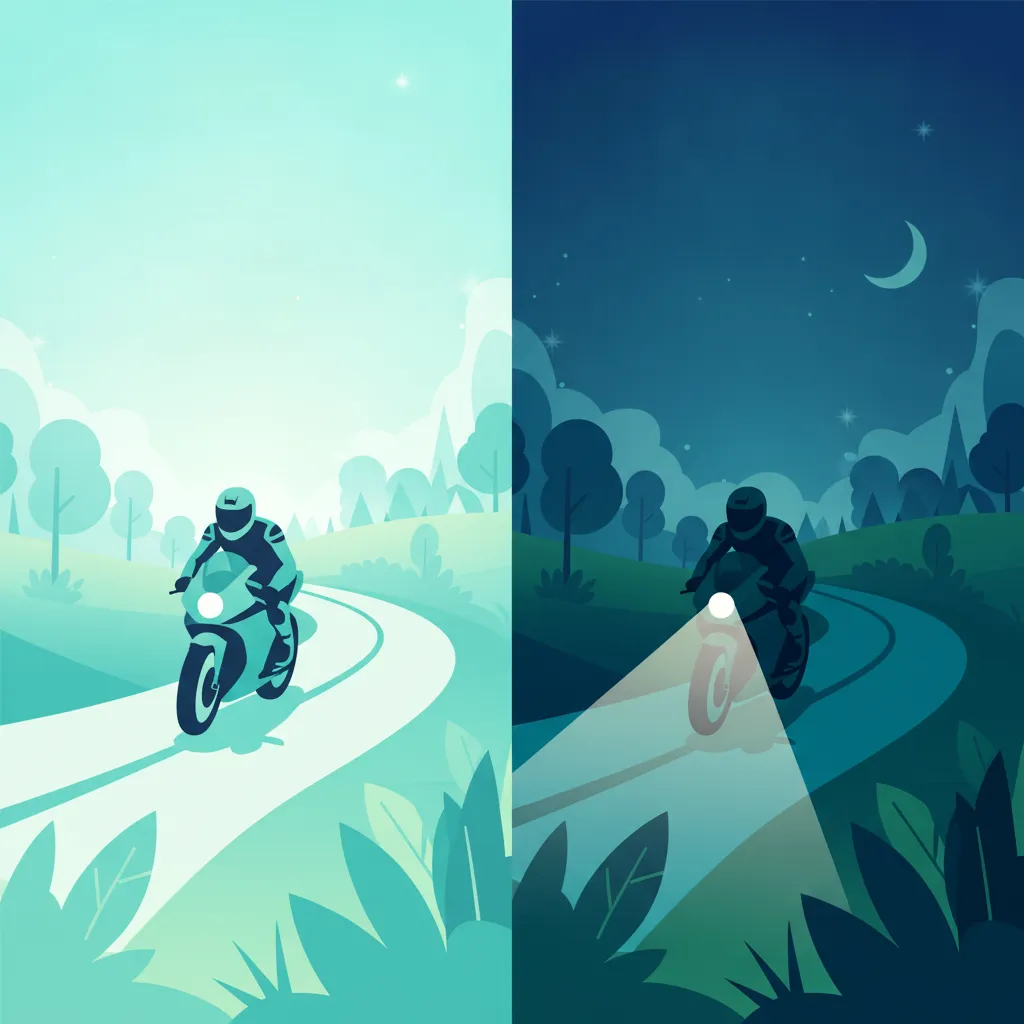
This lesson addresses the distinct safety considerations for riding during daylight hours versus nighttime, covering topics such as managing glare from the sun and ensuring adequate lighting after dark. Learners will learn strategies to maintain visibility, stay alert, and adapt riding techniques to varying light conditions, including the use of reflective gear. Emphasis is placed on proactive planning to mitigate risks associated with reduced visibility, thereby fostering safe riding practices.

Learners will explore techniques for maintaining control and safety while riding in rain, focusing on reduced braking efficiency, hydroplaning prevention, and visibility challenges. The lesson emphasizes appropriate speed reduction, tire condition checks, and the use of rain gear to enhance rider comfort and protection. By mastering these adaptations, riders can navigate wet French conditions with confidence.
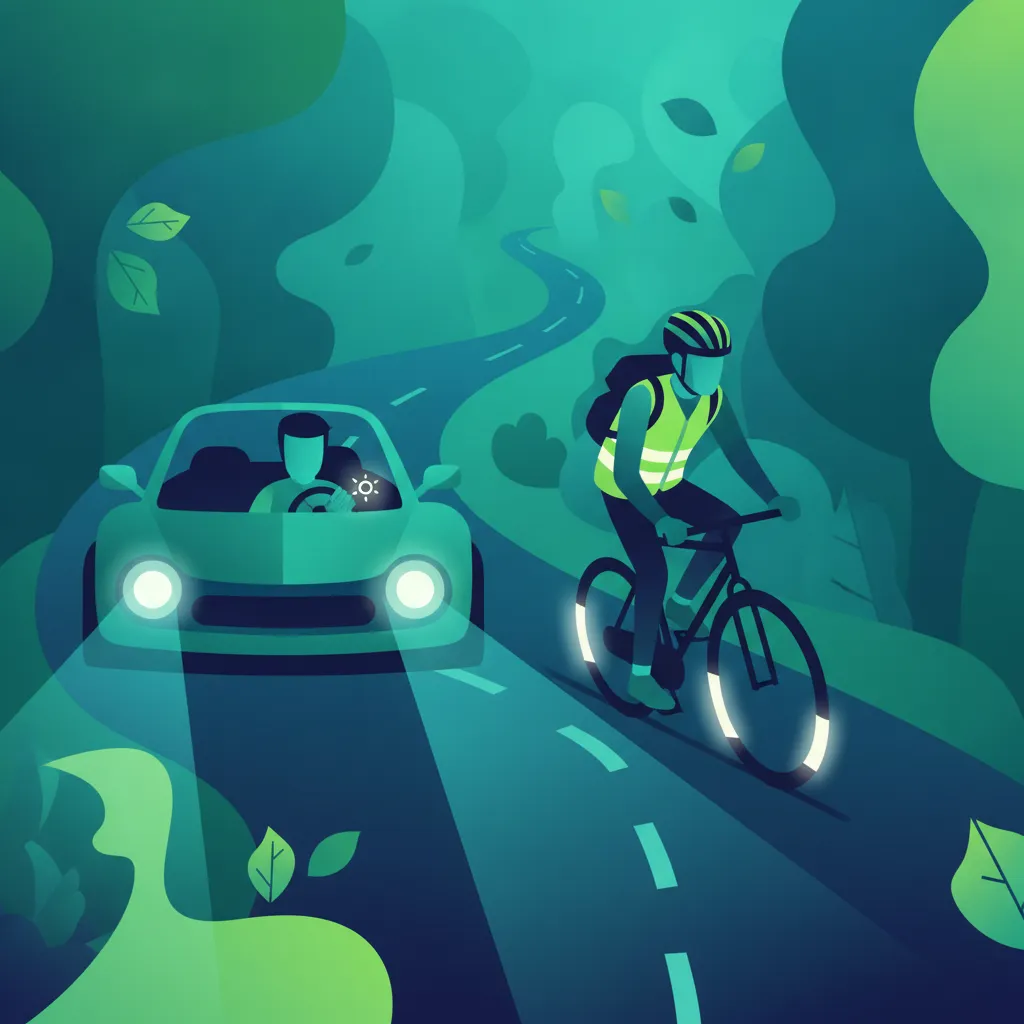
Learners will examine how the strategic use of lighting and reflectors significantly enhances rider visibility to other road users, especially in low-light conditions. The lesson outlines the legal requirements for front and rear lights, the benefits of daytime running lights, and the role of retroreflective strips on clothing. By following these guidelines, AM riders can improve their conspicuity, reducing the risk of collisions during both day and night riding in France.

Learners will develop the ability to anticipate potential hazards on the road, enhancing reaction times and defensive riding strategies. The lesson emphasizes constant scanning, early identification of threats such as sudden stops, pedestrian crossings, or unexpected lane changes, and appropriate response measures. By cultivating proactive risk assessment, AM riders can significantly reduce accident likelihood.

This lesson addresses the social pressures and distractions that can compromise safe riding, such as peer pressure to speed or use mobile devices while riding under French road law. Learners will learn strategies to maintain focus, resist negative influences, and prioritize safety over social conformity. By developing self-awareness, riders can make responsible decisions even in challenging social contexts.

Learners will be introduced to effective braking techniques tailored for AM vehicles, emphasizing progressive pressure application and the importance of maintaining grip. The lesson covers how to estimate stopping distances, execute emergency stops safely, and understand the limitations of light vehicle braking systems in France. Mastery of these techniques ensures riders can stop promptly and maintain control in various traffic scenarios.

Learners will focus on the importance of clear and consistent signalling to convey intentions to other road users, thereby enhancing predictability and safety on French streets. The lesson covers both hand signals and vehicle indicators, detailing correct usage, timing, and the legal obligations associated with each. By mastering these communication techniques, AM riders can reduce misunderstandings and potential conflicts, contributing to a smoother traffic flow.
This lesson focuses on the skill of adjusting speed according to real-time road conditions, visibility, and traffic density. Learners will learn to assess factors such as weather, road surface quality, and pedestrian activity to determine a safe riding speed under French regulatory expectations. By mastering adaptive speed control, riders can enhance safety and reduce the likelihood of accidents caused by inappropriate speed.
Find clear answers to common questions learners have about Responsibilities of Small Vehicle Operators. Learn how the lesson is structured, which driving theory objectives it supports, and how it fits into the overall learning path of units and curriculum progression in France. These explanations help you understand key concepts, lesson flow, and exam focused study goals.
Because AM vehicles like scooters and moped-style quadricycles are smaller, have less acceleration, and provide less physical protection than cars. Other road users may misjudge your speed or overlook you, making your visibility and defensive riding essential for survival.
Yes. While basic traffic rules apply to everyone, AM riders have additional responsibilities regarding road positioning, using dedicated lanes, and ensuring they remain constantly visible to other drivers who may be in a hurry or in large vehicles.
Predictability comes from consistent signaling, maintaining a steady lane position, and avoiding sudden maneuvers. Always assume drivers might not see you and signal your intentions well in advance to give others time to react.
Yes. The theory exam often presents scenarios where you must choose the safest action based on your vulnerability as an AM rider. You will be expected to identify the correct position on the road and predict potential hazards created by larger vehicles.
Ready to focus your study? Use the practice search to find exactly the French driving theory questions you need for the Code de la route and permis de conduire ETG. Refine your knowledge on specific topics or challenging rules to boost your confidence and exam readiness.