
This lesson guides you through the critical braking techniques required for operating AM vehicles safely on French roads. It builds on your knowledge of vehicle control and prepares you to handle emergency stops and varying road conditions during your official theory exam.

Lesson content overview
Operating a light vehicle—such as a 50cc scooter, a light motorcycle (mécaboite), or a light quadricycle (voiturette)—demands a precise understanding of vehicle dynamics. Under the French Category AM license (Permis AM, formerly known as the Brevet de Sécurité Routière - BSR), riders must control vehicles that are light, highly maneuverable, but also inherently less stable than four-wheeled passenger cars.
Safe operation hinges on your ability to decelerate and stop effectively under all conditions. This lesson covers the physical principles of braking, correct mechanical execution, the calculation of stopping distances under the French Code de la route, and critical safety maneuvers.
Braking is not merely a matter of squeezing a lever or pressing a pedal; it is a controlled transfer of energy. Your vehicle converts kinetic energy (the energy of motion) into thermal energy (heat) through the friction generated between the brake pads and the brake discs or drums.
For light vehicles, managing this friction is a delicate balancing act. Because mopeds and light quadricycles have small tire contact patches—often described as no larger than a credit card for two-wheelers—any sudden disruption in traction can immediately lead to a skid or a fall.
The moment you apply the brakes, physics dictates a forward shift in your vehicle’s center of gravity. This phenomenon is known as dynamic weight transfer (transfert de charge).
Because of dynamic weight transfer, the front brake provides approximately 70% to 80% of your total stopping power on a two-wheeler. If you rely solely on the rear brake, you will lack the force needed to stop quickly, and you run a high risk of locking the unloaded rear wheel. Conversely, grab the front brake too quickly before the weight has shifted forward, and the front wheel will lock instantly, causing an immediate crash.
The physical shift of a vehicle's mass from the rear axle to the front axle during deceleration, which significantly increases front-wheel traction while reducing rear-wheel traction.
To brake safely, you must understand the mechanical layout of your specific Category AM vehicle. The controls differ depending on whether you are riding an automatic scooter, a manual 50cc motorcycle, or driving a light quadricycle.
Most modern 50cc scooters use a continuously variable transmission (CVT) and have both brake controls on the handlebars:
Light motorcycles with manual gearboxes mimic full-sized motorcycles:
Light four-wheeled vehicles have standard automotive foot controls:
To prevent wheel lock-up and maximize traction, you must practice progressive braking (le freinage progressif). This technique is the cornerstone of safe, everyday deceleration under the French Code de la route.
Progressive braking is executed in three distinct phases:
The Transition (Feathering): Roll off the throttle entirely. Gently squeeze both brake levers (or apply light pressure to the pedal) to close the gap between the brake pads and rotors. This initial light touch begins the forward weight transfer smoothly.
The Ramp-Up (Squeezing): As the front suspension compresses and the front tire grip increases, steadily increase the pressure on the front brake lever. Simultaneously, maintain moderate, stable pressure on the rear brake to keep the chassis balanced.
The Release (Ease-Off): As your vehicle slows to a crawl just before stopping, gradually ease off the brake pressure. This prevents a final, abrupt jolt, keeping the vehicle stable as you put your left foot down to balance (on a two-wheeler).
The Danger of Abrupt Braking: Squeezing the front brake lever aggressively in a single, panicked motion (known as "grabbing" the brakes) does not allow time for the weight to transfer forward. The tire will skid across the pavement before it has a chance to grip, leading to an immediate loss of steering control.
Under the French Code de la route, you must be able to estimate your stopping distance at any given speed. This knowledge ensures you maintain a safe following distance (distance de sécurité) from the vehicle ahead.
The total Stopping Distance (Distance d'arrêt - DA) is the sum of two distinct metrics:
The reaction distance is the distance your vehicle travels between the moment you perceive a hazard and the moment your fingers or foot physically apply the brakes.
The braking distance is the distance your vehicle travels after you have applied the brakes until it comes to a complete halt. It depends entirely on the laws of physics, your vehicle's mechanical state, and road surface grip.
Road moisture dramatically reduces tire adhesion. On wet roads, your braking distance doubles.
| Vehicle Speed | Surface Condition | Reaction Distance (DR) | Approx. Braking Distance (DF) | Total Stopping Distance (DA) |
|---|---|---|---|---|
| 30 km/h | Dry Asphalt | 9 meters | 5 meters | 14 meters |
| 30 km/h | Wet Asphalt | 9 meters | 10 meters | 19 meters |
| 45 km/h | Dry Asphalt | 13.5 meters | 11 meters | 24.5 meters |
| 45 km/h | Wet Asphalt | 13.5 meters | 22 meters | 35.5 meters |
An emergency stop is executed when an unexpected hazard—such as a pedestrian stepping onto the roadway or a car suddenly cutting you off—requires you to come to a halt in the shortest distance possible.
In an emergency, your instinct may be to clamp down on both brakes as hard as possible. Doing so on a non-ABS-equipped vehicle will lock the wheels and cause a severe crash. Instead, apply the following structured protocol:
A professional rider constantly assesses the road surface to adjust their braking style. What works perfectly on warm, dry asphalt can be catastrophic on compromised surfaces.
French traffic law enforces strict rules regarding speed control, stopping distances, and general road safety. Failure to master your vehicle's braking capability can lead to steep penalties.
According to Article R412-12 of the French Code de la route, when two vehicles are traveling in the same direction, the driver behind must maintain a sufficient safety distance to avoid a collision in the event of sudden braking.
Article R413-17 of the French Code de la route requires all drivers to reduce their speed in circumstances where visibility is reduced, road conditions are poor, or when approaching vulnerable road users (pedestrians, cyclists). You must always remain in control of your speed and be capable of stopping within your clear field of vision.
To ensure you have mastered the material in this lesson, consider how you would handle these real-world scenarios:
This lesson covers the essential braking physics and techniques required for safe operation of Category AM vehicles (50cc scooters, light motorcycles, light quadricycles) in France. Learners must understand that dynamic weight transfer gives the front brake approximately 70-80% of total stopping power, and that progressive braking—applying pressure gradually in three phases—prevents wheel lock-up. The lesson teaches stopping distance calculation using the formula DA = DR + DF, with specific examples showing that wet roads double braking distance. Emergency braking protocol emphasizes squeezing rather than grabbing, keeping the vehicle upright, and looking toward escape paths. French legal requirements under Articles R412-12 and R413-17 are also covered, establishing safe following distance and speed adaptation obligations.
A short set of high-value points that capture the most important learning from this lesson.
Dynamic weight transfer during braking shifts approximately 70-80% of stopping power to the front wheel, making the front brake the primary stopping device for two-wheeled AM vehicles.
Progressive braking follows three phases: feather the controls to begin weight transfer, steadily increase front brake pressure as weight shifts forward, then ease off pressure just before stopping.
Stopping distance equals reaction distance plus braking distance, and braking distance increases by the square of your speed—doubling speed quadruples your stopping distance.
On wet roads, braking distance doubles due to reduced tire adhesion, while reaction distance remains unchanged because it depends only on human perception time.
Emergency braking requires squeezing (not grabbing) the front brake while keeping the vehicle upright and your eyes on the escape path, not the obstacle.
Explore all units and lessons included in this driving theory course.
Always execute progressive braking: light pressure first, then firm squeeze, then gradual release—this sequence prevents wheel lock-up and maintains stability.
Estimate reaction distance by multiplying the tens digit of your speed by 3 (e.g., at 45 km/h: 4.5 × 3 = 13.5 meters traveled in 1 second).
Article R412-12 requires maintaining at least a 2-second safety gap from the vehicle ahead; Article R413-17 mandates reducing speed when visibility or road conditions are poor.
On wet surfaces, the first few minutes of rain create the most dangerous 'summer ice' conditions as rainwater mixes with road oils and debris.
When carrying a passenger or heavy load, rear wheel traction increases slightly, allowing marginally more rear brake usage than usual.
Braking heavily while leaning into a turn overloads tire grip limits and causes the vehicle to destabilize or low-side—always brake in a straight line before entering a curve.
Relying solely on the rear brake results in dangerously long stopping distances and causes the unloaded rear wheel to lock and fish-tail.
Failing to 'cover' the brakes (rest fingers on levers) in high-risk zones like intersections or pedestrian crossings wastes up to 0.5 seconds of reaction time.
Riding too close to the vehicle ahead (tailgating) eliminates your margin for reaction time, making rear-end collisions inevitable during emergency stops.
Grabbing the front brake abruptly before weight transfers forward causes the front wheel to lock instantly, resulting in an immediate loss of steering control and a crash.
Lesson content overview
A short set of high-value points that capture the most important learning from this lesson.
Dynamic weight transfer during braking shifts approximately 70-80% of stopping power to the front wheel, making the front brake the primary stopping device for two-wheeled AM vehicles.
Progressive braking follows three phases: feather the controls to begin weight transfer, steadily increase front brake pressure as weight shifts forward, then ease off pressure just before stopping.
Stopping distance equals reaction distance plus braking distance, and braking distance increases by the square of your speed—doubling speed quadruples your stopping distance.
On wet roads, braking distance doubles due to reduced tire adhesion, while reaction distance remains unchanged because it depends only on human perception time.
Emergency braking requires squeezing (not grabbing) the front brake while keeping the vehicle upright and your eyes on the escape path, not the obstacle.
Explore all units and lessons included in this driving theory course.
Always execute progressive braking: light pressure first, then firm squeeze, then gradual release—this sequence prevents wheel lock-up and maintains stability.
Estimate reaction distance by multiplying the tens digit of your speed by 3 (e.g., at 45 km/h: 4.5 × 3 = 13.5 meters traveled in 1 second).
Article R412-12 requires maintaining at least a 2-second safety gap from the vehicle ahead; Article R413-17 mandates reducing speed when visibility or road conditions are poor.
On wet surfaces, the first few minutes of rain create the most dangerous 'summer ice' conditions as rainwater mixes with road oils and debris.
When carrying a passenger or heavy load, rear wheel traction increases slightly, allowing marginally more rear brake usage than usual.
Braking heavily while leaning into a turn overloads tire grip limits and causes the vehicle to destabilize or low-side—always brake in a straight line before entering a curve.
Relying solely on the rear brake results in dangerously long stopping distances and causes the unloaded rear wheel to lock and fish-tail.
Failing to 'cover' the brakes (rest fingers on levers) in high-risk zones like intersections or pedestrian crossings wastes up to 0.5 seconds of reaction time.
Riding too close to the vehicle ahead (tailgating) eliminates your margin for reaction time, making rear-end collisions inevitable during emergency stops.
Grabbing the front brake abruptly before weight transfers forward causes the front wheel to lock instantly, resulting in an immediate loss of steering control and a crash.
Explore search topics learners often look for when studying Braking Techniques for Light Vehicles. These topics reflect common questions about road rules, driving situations, safety guidance, and lesson level theory preparation for learners in France.
Browse additional driving theory lessons that cover connected traffic rules, road signs, and common driving situations related to this topic. Improve your understanding of how different rules interact across everyday traffic scenarios.
Learn the theory behind identifying potential dangers on the road. This guide explains how to process visual cues and manage reaction times to safely adapt your speed and positioning when navigating complex traffic situations in accordance with the French Code de la route.
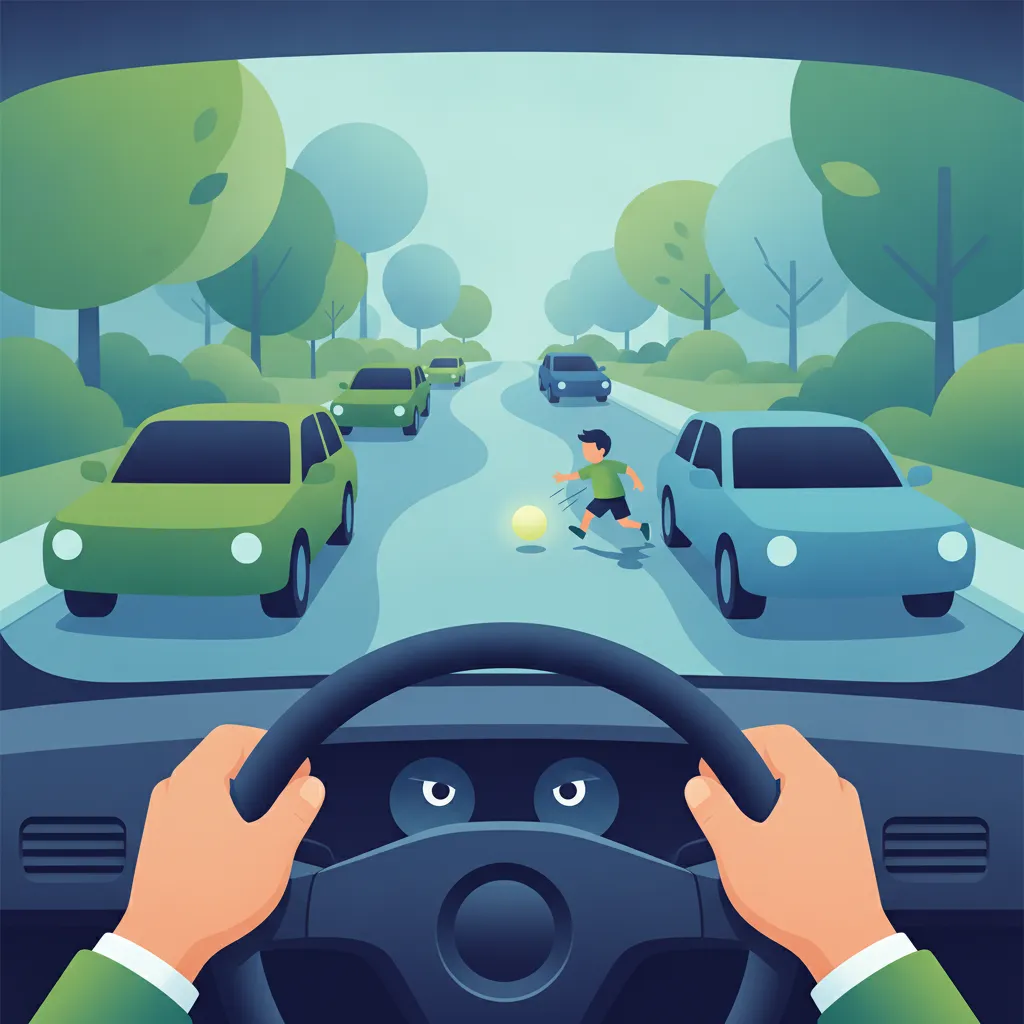
Proactive drivers scan the road constantly, detecting potential dangers before they turn into real-world emergency situations. This lesson teaches scanning techniques, the use of rear-view mirrors, and the interpretation of visual cues from other road users. You will learn to anticipate hazards like child play near roads, merging vehicles, and sudden lane changes, helping you drive defensively.
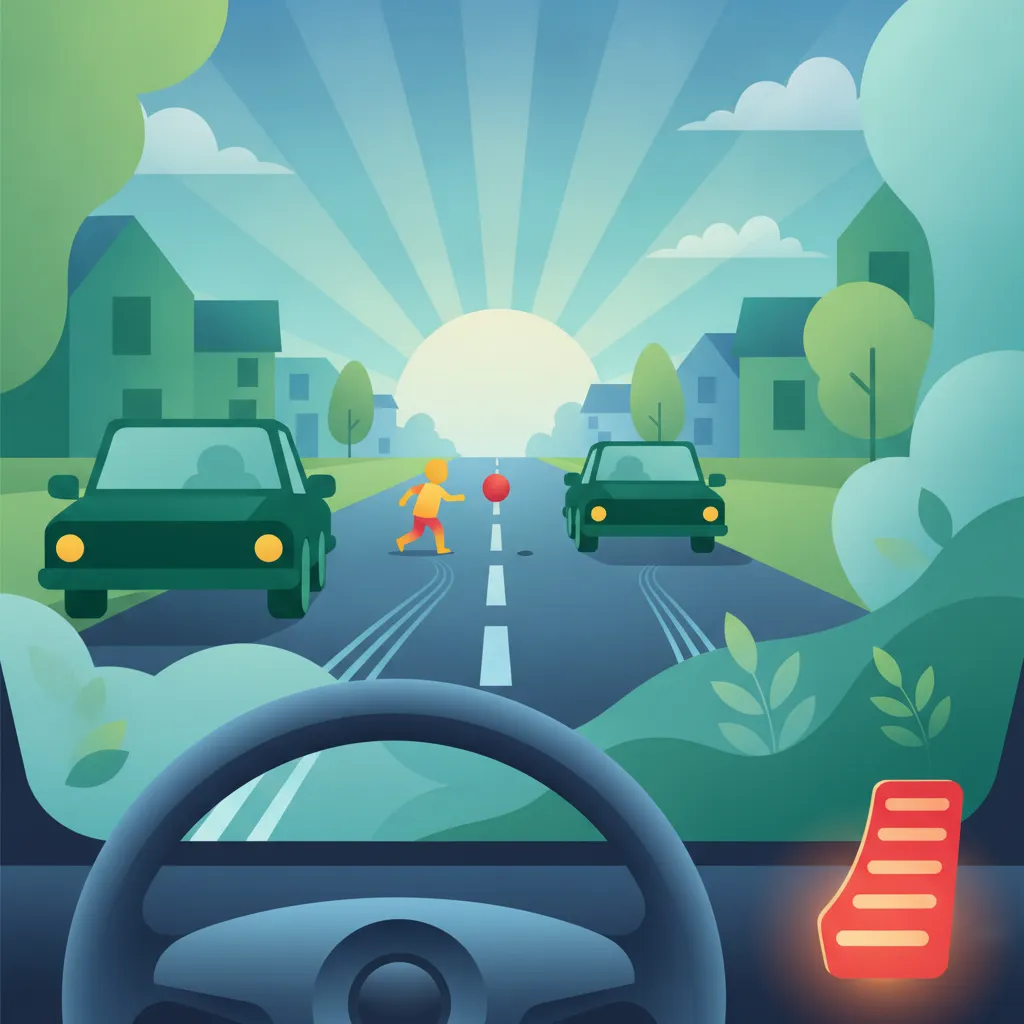
Learners will develop the ability to anticipate potential hazards on the road, enhancing reaction times and defensive riding strategies. The lesson emphasizes constant scanning, early identification of threats such as sudden stops, pedestrian crossings, or unexpected lane changes, and appropriate response measures. By cultivating proactive risk assessment, AM riders can significantly reduce accident likelihood.

In this lesson, drivers will learn strategies to avoid conflicts with smaller vehicles, such as cars and vans, which may not be as visible in large vehicle blind spots. The content emphasizes maintaining adequate spacing, using proper lane discipline, and being aware of small vehicles' behavior during lane changes and turns. Learners will also be introduced to communication techniques, such as signalling and eye contact.
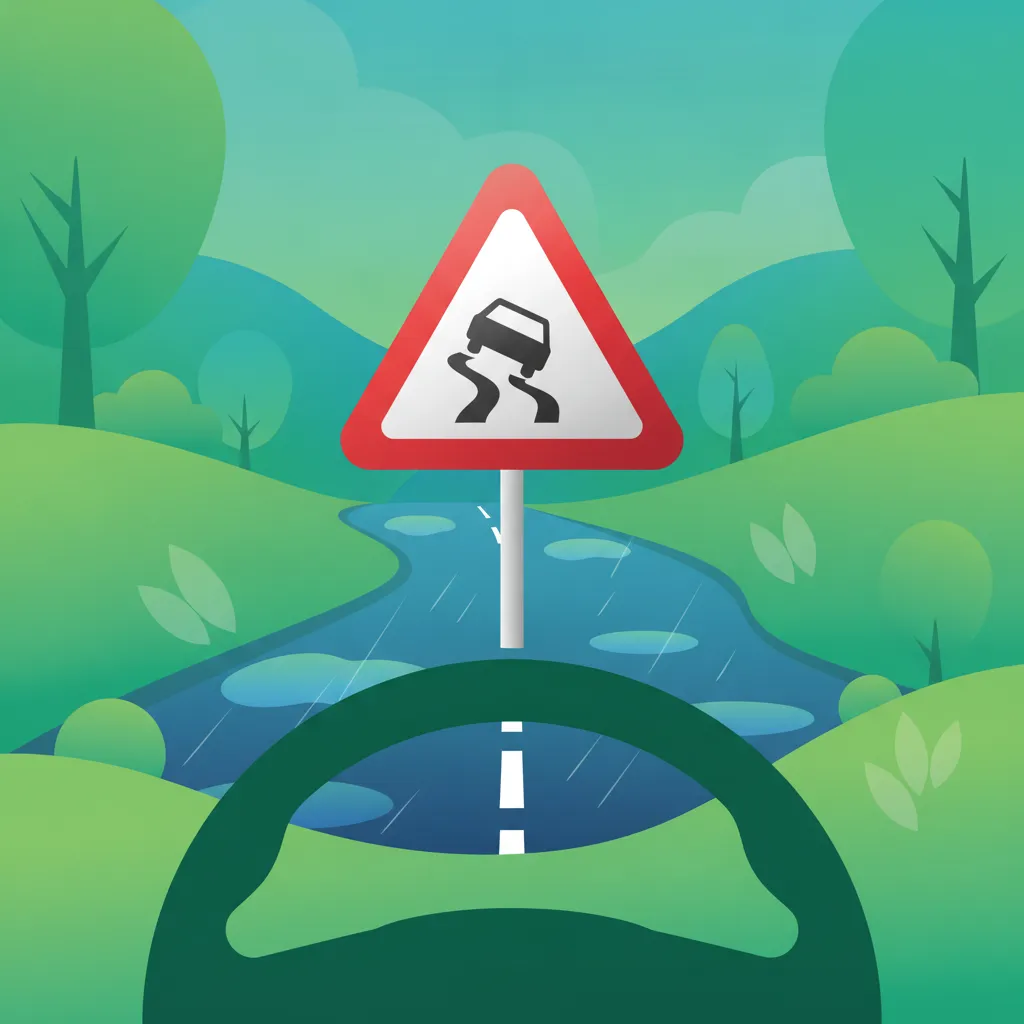
Warning signs on French roads are triangular with a red border, designed to alert drivers to upcoming dangers. This lesson teaches you how to interpret warnings for sharp curves, slippery surfaces, narrowing lanes, and wildlife or animal crossing hazards. You will understand the safety adjustments needed when approaching school zones, active roadworks, or crossings where vulnerable pedestrians are present.

This lesson analyzes the various traffic challenges unique to operating large passenger vehicles in historic and modern French urban areas. Drivers will learn to manage narrow street layouts, double-parked delivery trucks, and high-density multi-lane roundabouts safely. The lesson emphasizes defensive driving strategies, route adjustments, and maintaining mental focus under severe schedule and time pressures.
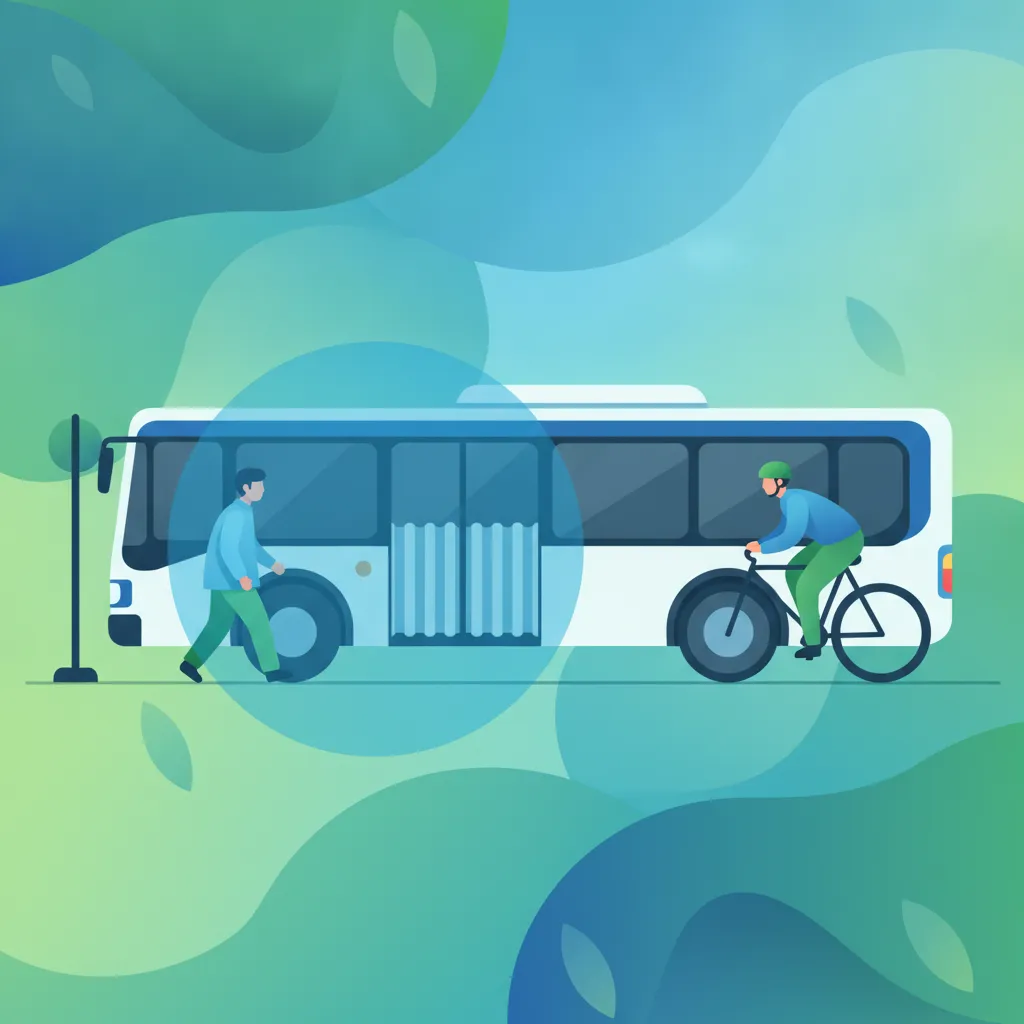
This lesson teaches specific visual scanning methods to detect vulnerable road users, such as children, elderly individuals, and cyclists near stops. Drivers will learn to anticipate sudden movements, like a passenger running to catch a bus or stepping off a sidewalk unexpectedly. Managing the massive blind spots around the front and right-hand sides of passenger vehicles is highlighted as a critical safety duty.

This lesson provides practical strategies for managing the physical demands of slow, heavily congested city traffic. You will learn how to maintain excellent low-speed balance through correct body posture, rear brake modulation, and smooth clutch control. It also emphasizes the importance of preserving an adequate safety buffer when stopping behind other vehicles, allowing an immediate escape route if you face a rear-end threat.
This lesson teaches riders how to approach and cross both controlled and uncontrolled intersections in urban settings. You will practice the 'scanning cycle' technique to identify cross-traffic hazards and manage your defensive line of sight around physical obstructions. The lesson also highlights the critical importance of early signaling and positioning to ensure that turning passenger cars do not violate your safety zone.
This lesson examines the specific challenges and responsibilities goods vehicle drivers face when interacting with pedestrians and cyclists in urban environments. Learners will understand right-of-way rules, the importance of yielding at pedestrian crossings, and safe turning practices that protect cyclists. The content emphasizes heightened driver vigilance, especially when navigating bike lanes and crowded sidewalks.
In this lesson, drivers will learn how to safely share the road with motorcycles and scooters, focusing on the specific blind spots and speed differentials that create risk. The content highlights proper lane positioning, caution when overtaking, and strategies for predicting motorcycle trajectories. Learners will also be introduced to the importance of being aware of scooter movements, especially in narrow streets.
Understand the legal requirements for speed control under French law. This lesson explores the relationship between vehicle speed, environmental conditions, and stopping distances, providing the theoretical foundation needed to adjust your riding behavior for various road surfaces and visibility levels.
This lesson focuses on the skill of adjusting speed according to real-time road conditions, visibility, and traffic density. Learners will learn to assess factors such as weather, road surface quality, and pedestrian activity to determine a safe riding speed under French regulatory expectations. By mastering adaptive speed control, riders can enhance safety and reduce the likelihood of accidents caused by inappropriate speed.
Speed limits in France are strictly regulated based on road category, weather conditions, and the driver's licensing status. This lesson covers standard speeds: 50 km/h in urban areas, 80 km/h on two-lane rural roads, 110 km/h on dual carriageways, and 130 km/h on motorways. You will also learn how these limits drop during rain or fog, and the reduced speed limits applicable to probationary drivers.
The legal speed limit is a maximum threshold, not a target speed that is always safe to maintain. This lesson teaches you how to select an appropriate, safe speed based on visibility, traffic congestion, and road topography. You will learn how to negotiate blind turns, approach summits with caution, and reduce speeds in heavy traffic to ensure you always maintain complete control of your vehicle.
This lesson details the specific legal speed limits for passenger transport vehicles on motorways, rural trunk roads, and urban streets under French law. Drivers will learn how speed limits shift depending on overall vehicle weight, towing arrangements, and poor weather conditions like heavy rain. Developing a proactive approach to speed management helps maintain stable vehicle control and ensures full regulatory compliance.

Adverse weather reduces tyre traction and limits visibility, dramatically raising the risk of multi-car accidents on highways. This lesson details speed reductions required during rainfall, techniques for avoiding aquaplaning, and demisting windshields for visibility. You will learn how to maintain extra stopping distance on snow-covered roads and the correct headlight adjustments to make during fog.
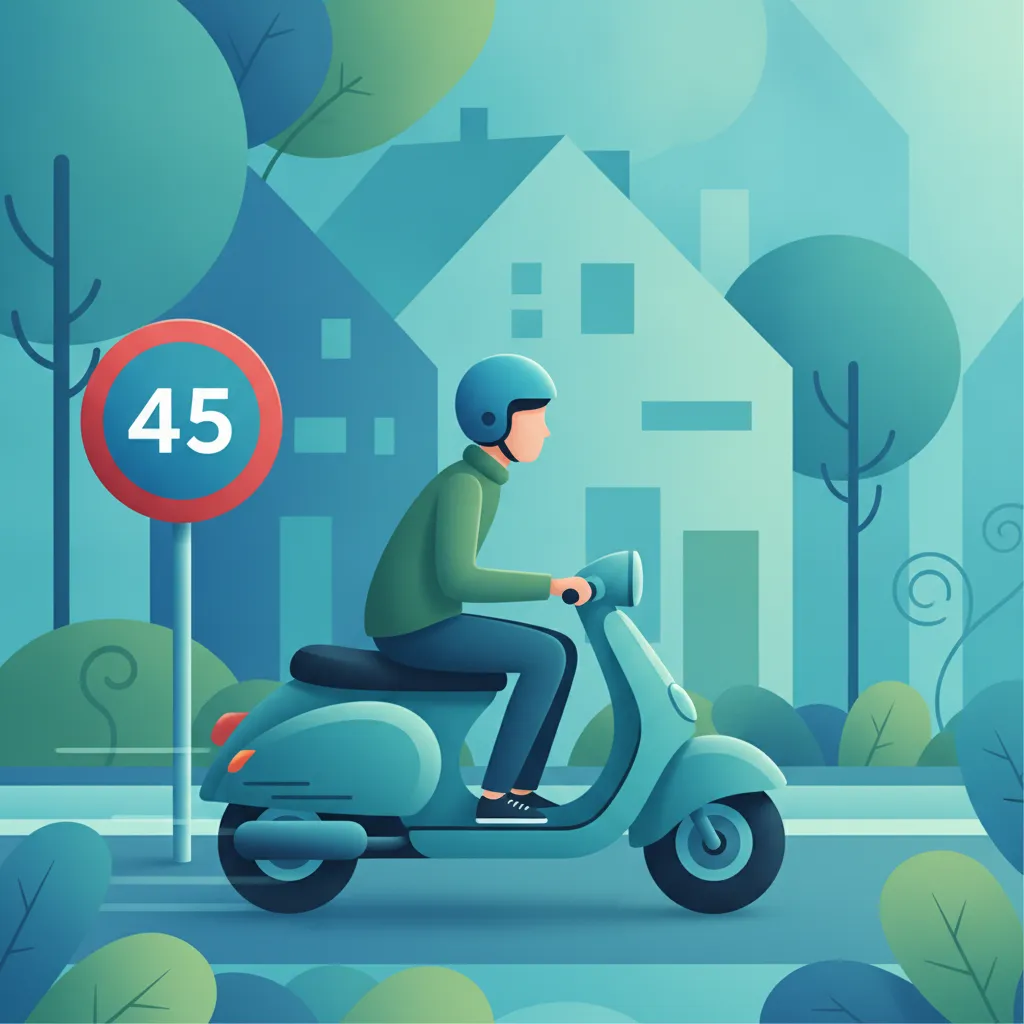
Learners will explore the specific speed limits applicable to AM vehicles across different road environments, including urban streets, residential zones, school areas, and highways in France. The lesson emphasizes interpreting speed sign information and adhering to the legally mandated maximum speeds, particularly the 45 km/h cap for light mopeds. Understanding and respecting these limits is vital for lawful and safe operation of AM vehicles.
French municipalities utilize distinct low-speed configurations to foster pedestrian safety in residential and educational neighborhoods. This lesson details speed restrictions in 'zone 30', pedestrian-only districts, and shared 'zones de rencontre' where speed is capped at 20 km/h. You will learn how priority hierarchies shift in these zones, giving pedestrians legal priority to use the entire roadway.
In this lesson, drivers will learn the specific speed limits that apply to goods vehicles across different road types in France, including urban areas, rural roads, and motorways. The content covers the differences between speed limit signs for heavy vehicles and standard passenger cars, the legal basis for these limits, and the importance of speed adaptation based on vehicle category and load. Learners will also be introduced to speed enforcement methods used in France, such as radar and speed cameras.
Find clear answers to common questions learners have about Braking Techniques for Light Vehicles. Learn how the lesson is structured, which driving theory objectives it supports, and how it fits into the overall learning path of units and curriculum progression in France. These explanations help you understand key concepts, lesson flow, and exam focused study goals.
Progressive braking prevents the wheels from locking, which can cause a light vehicle or scooter to skid. Gradually increasing pressure allows the tyres to maintain maximum grip on the road surface.
Wet, oily, or gravel-covered roads significantly reduce tyre traction. You must increase your following distance and brake much earlier in these conditions to compensate for the longer stopping time.
In an emergency, apply firm but controlled pressure to both brakes simultaneously while keeping your body upright and looking ahead. Avoid sudden, sharp movements that could destabilize the vehicle.
Yes, the test often features scenarios where you must decide if you have enough space to stop safely. You are expected to account for speed, road conditions, and the limitations of small vehicle braking systems.
Ready to focus your study? Use the practice search to find exactly the French driving theory questions you need for the Code de la route and permis de conduire ETG. Refine your knowledge on specific topics or challenging rules to boost your confidence and exam readiness.