
This lesson focuses on the critical safety adaptations required when riding your AM vehicle in rain and wet conditions. You will learn how to adjust your speed, maintain grip, and improve your visibility to ensure you remain safe on French roads in adverse weather. Mastering these techniques is essential for both your theoretical exam and your future as a responsible, defensive small-vehicle operator.
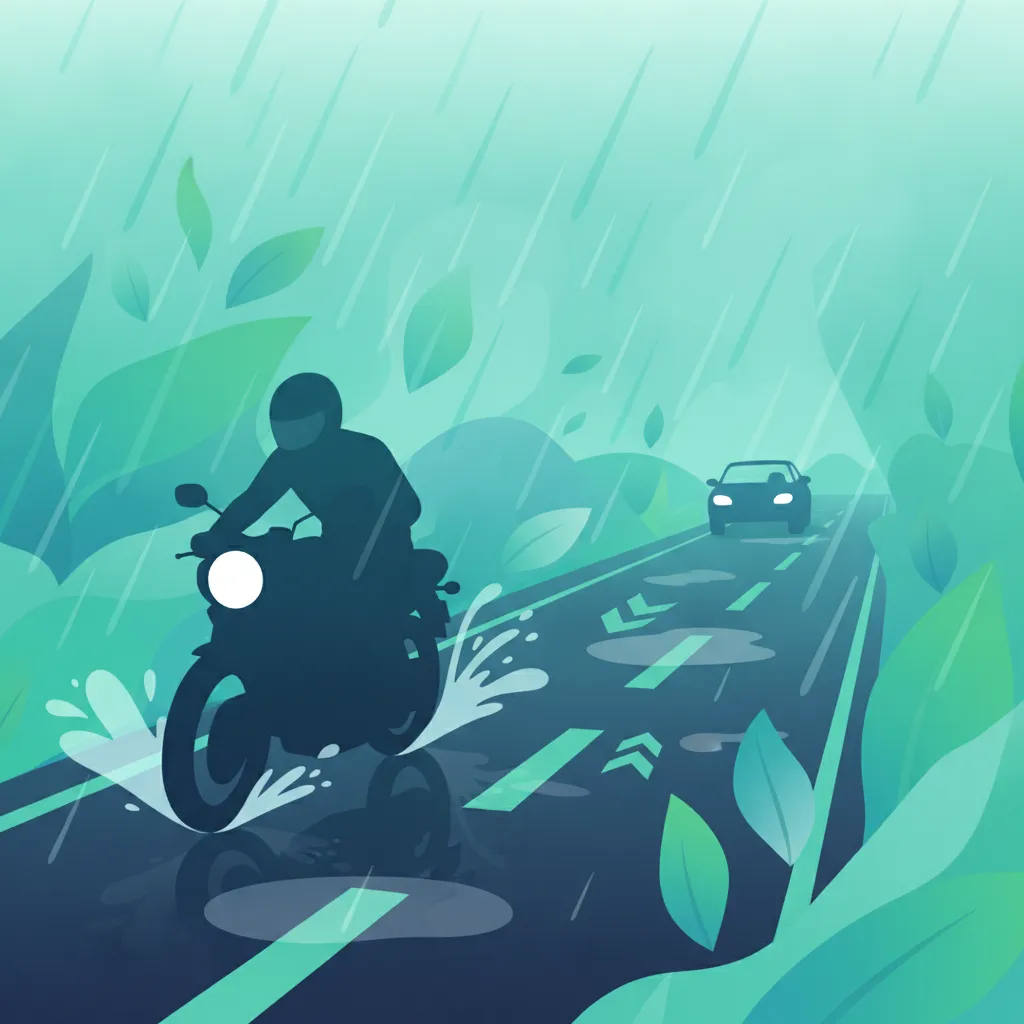
Lesson content overview
Riding a moped, scooter, or light quadricycle under the French Category AM licence (formerly the Brevet de Sécurité Routière or BSR) offers immense freedom, but it also exposes you directly to the elements. Among all weather conditions, rain and wet roads pose some of the most significant immediate threats to your safety.
Operating a lightweight motorized vehicle requires a deep understanding of how water alters vehicle physics, reduces tire traction, and impairs visibility. Mastering these concepts is not only a crucial step to passing your French driving theory exam (Épreuve Théorique Moto or Épreuve Théorique Générale) but is also fundamental to surviving on the road.
The primary safety hazard of wet weather is the dramatic reduction in tire-road adhesion, commonly referred to as reduced friction. Under dry conditions, the rubber of your tire grips the micro-textures of the asphalt, allowing you to accelerate, steer, and brake effectively.
When it rains, a thin film of water forms between the tire and the road surface, acting as a lubricant. This water film prevents the tire rubber from making direct contact with the pavement.
The reduction in friction affects all aspects of vehicle control:
In France, specific road danger signs warn you of areas where grip is habitually low, such as near curves or high-moisture zones.
Hydroplaning (often called aquaplaning in Europe) is a highly dangerous phenomenon where your tires completely lose contact with the road surface and "float" on a layer of water. When this happens, your steering wheel or handlebars become completely unresponsive, and applying the brakes will have absolutely no effect because there is zero friction between the tire and the ground.
Several factors contribute directly to the threshold at which your vehicle will hydroplane:
Deep puddles, ruts in the road, and areas of standing water are prime locations for hydroplaning. Even a few millimeters of standing water can cause a light AM vehicle to lose contact with the road.
The faster you ride, the less time your tires have to channel water away from the contact patch. At lower speeds, the tire tread can successfully push the water to the sides. At higher speeds, the water pressure builds up in front of the tire until the wheel climbs onto the water sheet.
Tire treads are specifically engineered to disperse water. Deep grooves channel water away from the center of the tire. As tires wear down, these grooves become shallower, drastically reducing their water displacement capacity.
French Legal Minimum Tread Depth: In France, the absolute legal minimum tread depth for motorized two-wheelers and light quadricycles is 1.6 mm (Article R313-1 of the Code de la route). However, for safe wet-weather riding, road safety experts strongly recommend replacing tires when the tread depth falls below 2.0 mm.
Underinflated tires have a larger, flatter contact patch that cannot cut through water efficiently, making them highly susceptible to hydroplaning. Overinflated tires reduce the size of the contact patch too much, reducing overall grip. Always maintain the exact tire pressure specified by your vehicle's manufacturer.
Because of reduced friction, stopping a Category AM vehicle in wet conditions takes significantly more space and time than in dry conditions. Under ideal, dry conditions, a rider can rely on a standard two-second following distance to react and stop safely.
When it rains, you must immediately transition to the four-second rule to compensate for the increased braking distance.
The distance a vehicle travels from the moment the brakes are fully applied until the vehicle comes to a complete stop. In wet conditions, the braking distance of a moped or light quadricycle can double compared to dry asphalt.
To apply the four-second rule on the road:
In wet weather, grabbing or stomping on the brakes abruptly will instantly lock your wheels, leading to a dangerous skid and an inevitable fall. Instead, riders must utilize progressive braking.
Close the throttle early: Anticipate stops well in advance to let engine braking naturally slow the vehicle down.
Apply light initial pressure: Gently squeeze or press the brakes to transfer the vehicle's weight forward. This "loads" the front tire, expanding its contact patch with the road.
Gradually increase pressure: Smoothly squeeze the brakes harder as the weight stabilizes, keeping a keen feel for tire traction.
Use both brakes in balance: On a moped or scooter, distribute your braking force smoothly between the front and rear wheels (typically a 60/40 or 50/50 split in the wet, compared to the front-biased 70/30 split used in dry conditions).
Rain drastically reduces visibility. Droplets coat your visor or windshield, road spray from other vehicles clouds the air, and grey, overcast skies reduce ambient light. To ensure you can see and, more importantly, be seen by other road users, the French Code de la route mandates specific lighting and vehicle maintenance rules.
According to Article R416-14 of the Code de la route, drivers and riders must use their low beam headlights (feux de croisement) during the day when visibility is reduced due to rain, fog, or snow.
Never use high beam headlights (feux de route) in heavy rain. The high-intensity light beams will hit the falling raindrops and reflect directly back into your eyes, causing severe glare and reducing your forward visibility even further.
Article R416-13 dictates that all vehicle glass, visors, and lenses must be kept clean and clear. Accumulated road grime, oil, and water spots scatter light and impair your vision, especially when riding at night in the rain.
If you experience a mechanical breakdown, flat tire, or are forced to stop on the side of the road in rainy conditions, you must activate your hazard warning lights (feux de détresse), if your vehicle is equipped with them, to alert oncoming traffic of your stationary position.
Riding wet and cold is not merely uncomfortable; it is an active safety hazard. When your body temperature drops, you risk mild hypothermia. This leads to:
To stay warm, dry, and focused, you must invest in high-quality protective rain gear:
Not all road surfaces behave the same way when wet. As an AM licence holder, you must train your eyes to scan the road constantly and identify specific high-risk materials that become as slippery as ice when wet.
The paint used for pedestrian crossings (passages piétons), lane dividers, and arrows is highly non-porous. When wet, these painted areas lose almost all traction. Avoid braking or turning while positioned directly on top of road paint.
Manhole covers (plaques d'égout), utility grates, and metal expansion joints on bridges become exceptionally slick. Always cross these surfaces with your vehicle completely upright, maintaining a constant speed and avoiding any sudden steering inputs.
When it first begins to rain after a period of dry weather, the water mixes with accumulated engine oil, grease, and rubber dust on the road surface. This creates a highly toxic, soapy, and slippery emulsion.
The first 15 to 30 minutes of a rainfall are actually the most dangerous. Once it has been raining heavily for an hour, much of this oil residue is washed away into the drainage system.
Wet leaves, mud dragged onto the road by agricultural vehicles, and loose gravel washed out by heavy downpours form a slippery barrier between your tires and the asphalt. Treat wet leaves with the same caution as black ice.
To successfully navigate real-world situations in wet conditions, study these practical scenarios and understand how to apply the safety rules dynamically.
This lesson covers essential wet weather riding safety for French AM licence holders, explaining how reduced friction affects vehicle control and why hydroplaning makes steering and braking completely ineffective. Key procedures include the four-second following distance rule to compensate for doubled braking distances and progressive braking technique using smooth, gradually increasing pressure. The lesson details specific road hazards including painted markings, metal surfaces, and the dangerous 'first 15 minutes' oil slick period. French legal requirements specify minimum tread depth of 1.6 mm under Article R313-1 and mandatory low beam headlight use under Article R416-14, while emphasizing that proper protective rain gear prevents dangerous body temperature loss that impairs physical response and mental alertness.
A short set of high-value points that capture the most important learning from this lesson.
Wet road conditions dramatically reduce tire-road adhesion because water acts as a lubricant between the tire rubber and asphalt surface.
Hydroplaning occurs when tires completely lose contact with the road, rendering steering and braking completely ineffective.
In France, the legal minimum tread depth is 1.6 mm, but safety experts recommend replacing tires at 2.0 mm for adequate wet-weather water displacement.
Braking distance in wet conditions can double compared to dry conditions, requiring immediate adoption of the four-second following distance rule.
The first 15-30 minutes of rainfall after dry weather creates the most dangerous conditions due to oil, grease, and rubber residue forming a slippery emulsion.
Explore all units and lessons included in this driving theory course.
Low beam headlights (feux de croisement) are legally mandatory during rain under Article R416-14; never use high beams in heavy rain.
Progressive braking involves smooth, gradually increasing pressure to prevent wheel lockup and skidding on wet surfaces.
Metal surfaces like manhole covers and painted road markings become extremely slippery when wet and should be crossed upright at constant speed.
Underinflated tires increase hydroplaning risk because their larger, flatter contact patch cannot efficiently channel water away.
The first 15 minutes of rainfall after a dry spell are more dangerous than prolonged rain because oil and grease create a slippery emulsion.
Assuming braking distance remains the same in wet conditions, leading to following too closely behind other vehicles.
Using high beam headlights during heavy rain, which causes glare from raindrops reflecting light back into the rider's eyes.
Braking aggressively or grabbing the brakes suddenly, which locks the wheels and causes a skid on wet surfaces.
Crossing manhole covers or painted road markings while braking or turning, which dramatically reduces available traction.
Not adjusting speed for reduced friction, attempting to maintain normal dry-weather speeds in wet conditions.
Lesson content overview
A short set of high-value points that capture the most important learning from this lesson.
Wet road conditions dramatically reduce tire-road adhesion because water acts as a lubricant between the tire rubber and asphalt surface.
Hydroplaning occurs when tires completely lose contact with the road, rendering steering and braking completely ineffective.
In France, the legal minimum tread depth is 1.6 mm, but safety experts recommend replacing tires at 2.0 mm for adequate wet-weather water displacement.
Braking distance in wet conditions can double compared to dry conditions, requiring immediate adoption of the four-second following distance rule.
The first 15-30 minutes of rainfall after dry weather creates the most dangerous conditions due to oil, grease, and rubber residue forming a slippery emulsion.
Explore all units and lessons included in this driving theory course.
Low beam headlights (feux de croisement) are legally mandatory during rain under Article R416-14; never use high beams in heavy rain.
Progressive braking involves smooth, gradually increasing pressure to prevent wheel lockup and skidding on wet surfaces.
Metal surfaces like manhole covers and painted road markings become extremely slippery when wet and should be crossed upright at constant speed.
Underinflated tires increase hydroplaning risk because their larger, flatter contact patch cannot efficiently channel water away.
The first 15 minutes of rainfall after a dry spell are more dangerous than prolonged rain because oil and grease create a slippery emulsion.
Assuming braking distance remains the same in wet conditions, leading to following too closely behind other vehicles.
Using high beam headlights during heavy rain, which causes glare from raindrops reflecting light back into the rider's eyes.
Braking aggressively or grabbing the brakes suddenly, which locks the wheels and causes a skid on wet surfaces.
Crossing manhole covers or painted road markings while braking or turning, which dramatically reduces available traction.
Not adjusting speed for reduced friction, attempting to maintain normal dry-weather speeds in wet conditions.
Explore search topics learners often look for when studying Riding Safely in Rain and Wet Conditions. These topics reflect common questions about road rules, driving situations, safety guidance, and lesson level theory preparation for learners in France.
Browse additional driving theory lessons that cover connected traffic rules, road signs, and common driving situations related to this topic. Improve your understanding of how different rules interact across everyday traffic scenarios.
Learn to proactively identify potential hazards when riding in the rain. This lesson details how to scan the road for high-risk surfaces, manage reduced visibility, and maintain a safe following distance according to French traffic laws to better anticipate and react to sudden danger on the road.
Proactive drivers scan the road constantly, detecting potential dangers before they turn into real-world emergency situations. This lesson teaches scanning techniques, the use of rear-view mirrors, and the interpretation of visual cues from other road users. You will learn to anticipate hazards like child play near roads, merging vehicles, and sudden lane changes, helping you drive defensively.
Learners will develop the ability to anticipate potential hazards on the road, enhancing reaction times and defensive riding strategies. The lesson emphasizes constant scanning, early identification of threats such as sudden stops, pedestrian crossings, or unexpected lane changes, and appropriate response measures. By cultivating proactive risk assessment, AM riders can significantly reduce accident likelihood.
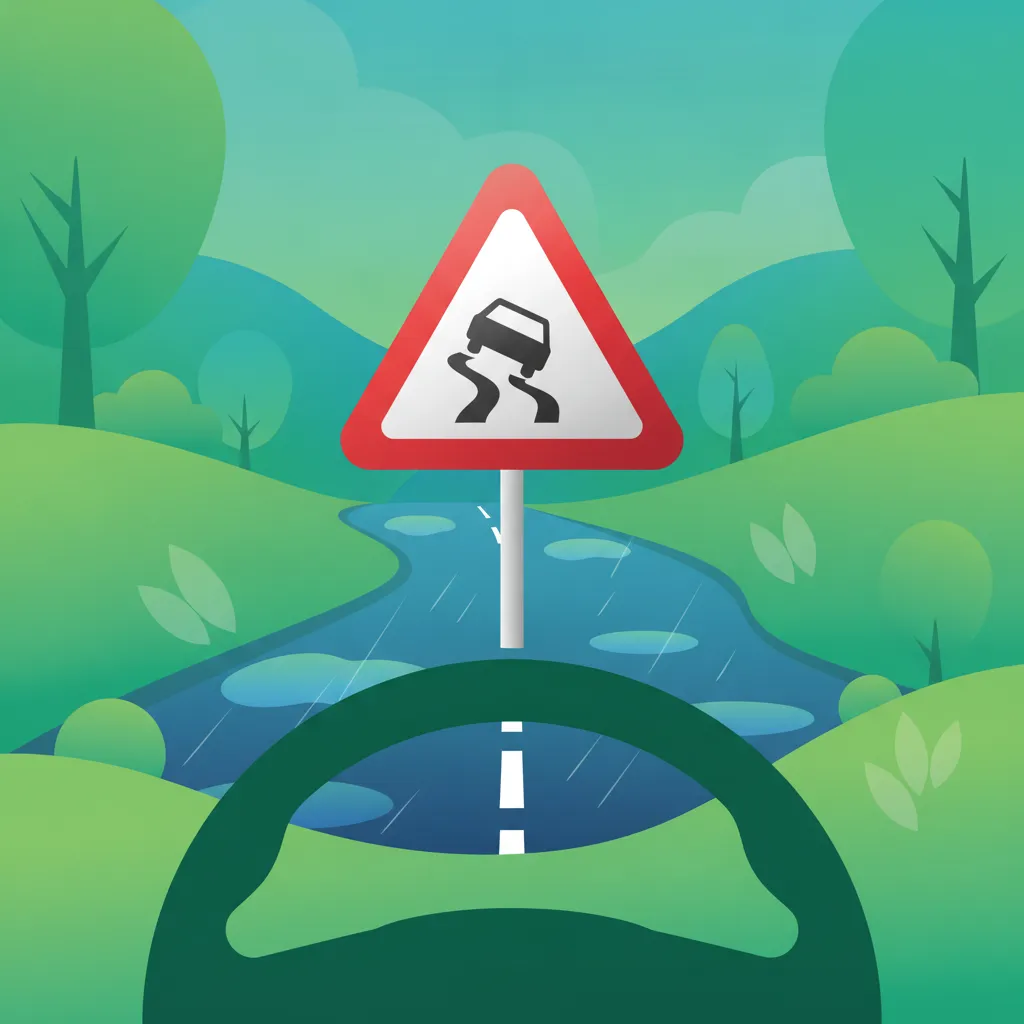
Warning signs on French roads are triangular with a red border, designed to alert drivers to upcoming dangers. This lesson teaches you how to interpret warnings for sharp curves, slippery surfaces, narrowing lanes, and wildlife or animal crossing hazards. You will understand the safety adjustments needed when approaching school zones, active roadworks, or crossings where vulnerable pedestrians are present.
This lesson focuses on French warning signs that alert drivers to potential hazards ahead, such as curves, animal crossings, or slippery surfaces, with particular attention to signs relevant to AM riders. Learners will examine how to interpret these signs, understand the associated risks, and adapt riding behavior accordingly. By mastering warning sign recognition, riders can proactively manage safety risks in diverse road conditions.
This final lesson integrates all course concepts into a single, cohesive approach to defensive riding and continuous risk assessment. You will study how to maintain a high-mileage visual lead, continuously scanning the road ahead for warning signs of conflict. By learning to assume that other motorists may not see you, you will build the proactive slowing habits and situational awareness needed to remain safe throughout your riding life.
Adverse weather reduces tyre traction and limits visibility, dramatically raising the risk of multi-car accidents on highways. This lesson details speed reductions required during rainfall, techniques for avoiding aquaplaning, and demisting windshields for visibility. You will learn how to maintain extra stopping distance on snow-covered roads and the correct headlight adjustments to make during fog.
In this lesson, drivers will learn strategies to avoid conflicts with smaller vehicles, such as cars and vans, which may not be as visible in large vehicle blind spots. The content emphasizes maintaining adequate spacing, using proper lane discipline, and being aware of small vehicles' behavior during lane changes and turns. Learners will also be introduced to communication techniques, such as signalling and eye contact.
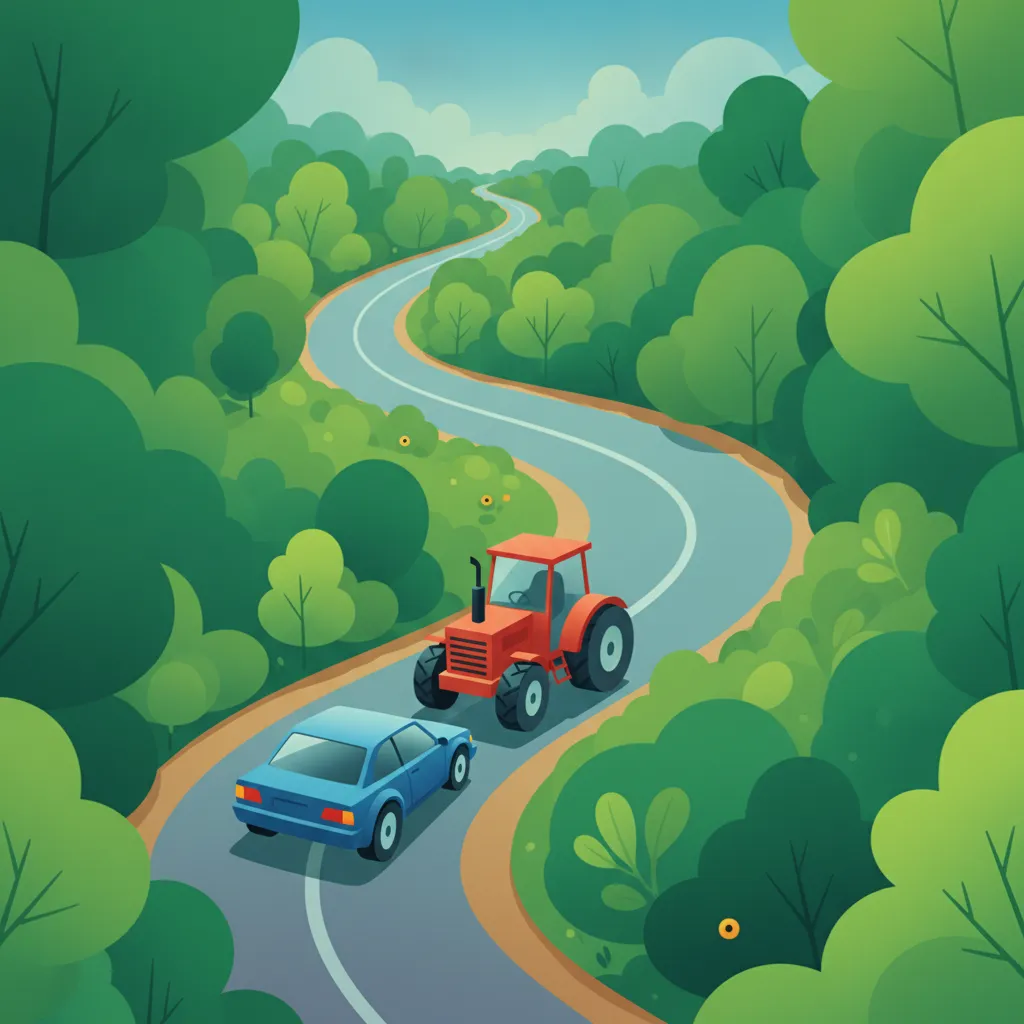
Rural roads account for a high percentage of severe accidents due to narrow widths, winding geometries, and sudden hazards. This lesson teaches strategies for negotiating sharp bends, handling agricultural machinery, and reacting to wildlife warning signs. You will learn to manage your vehicle's lane placement on roads with soft shoulders and understand speed limits on rural networks.
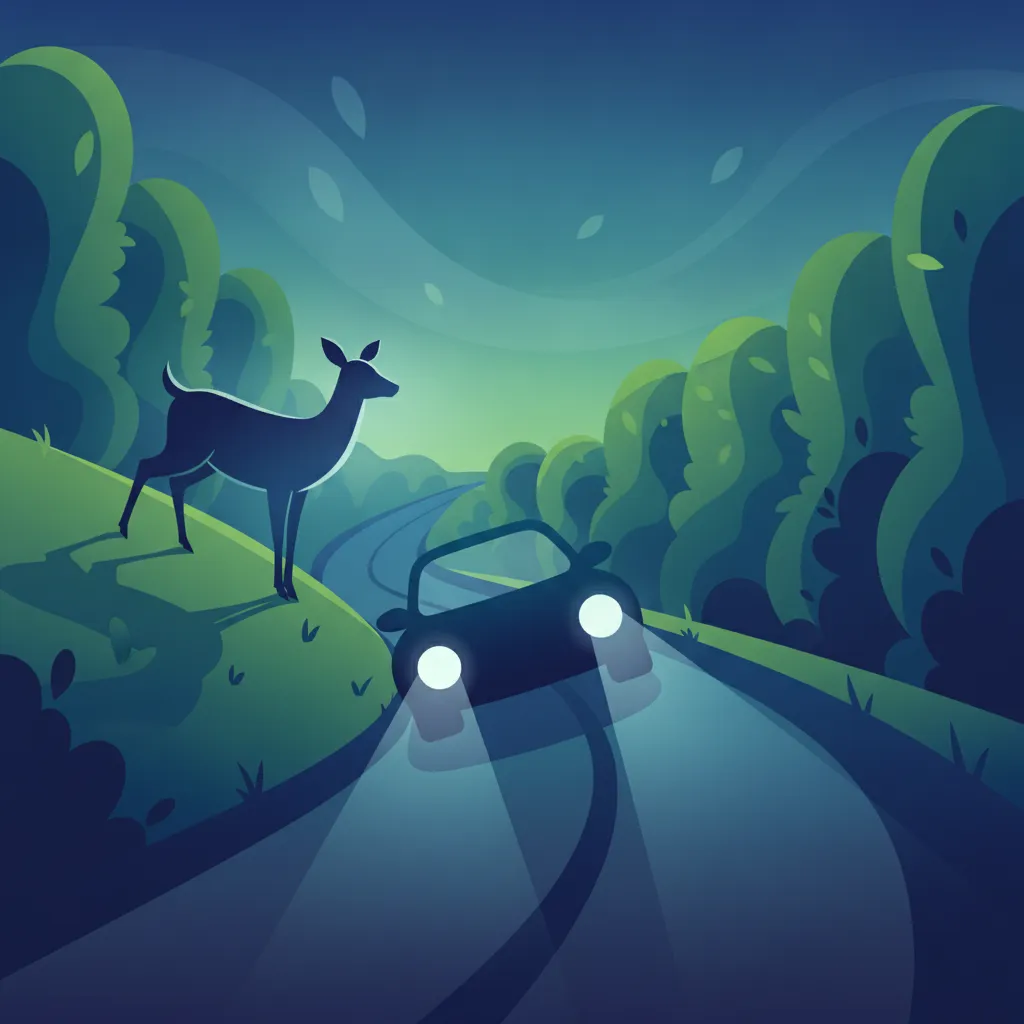
In this lesson, drivers will explore the specific challenges presented by rural road environments, including narrower lanes, shared space with agricultural vehicles, and frequent wildlife crossings. The content emphasizes adapting speed to road curvature, surface conditions, and visibility while navigating hills and bends. Learners will also learn to interpret rural road signage and understand the importance of maintaining vigilance.
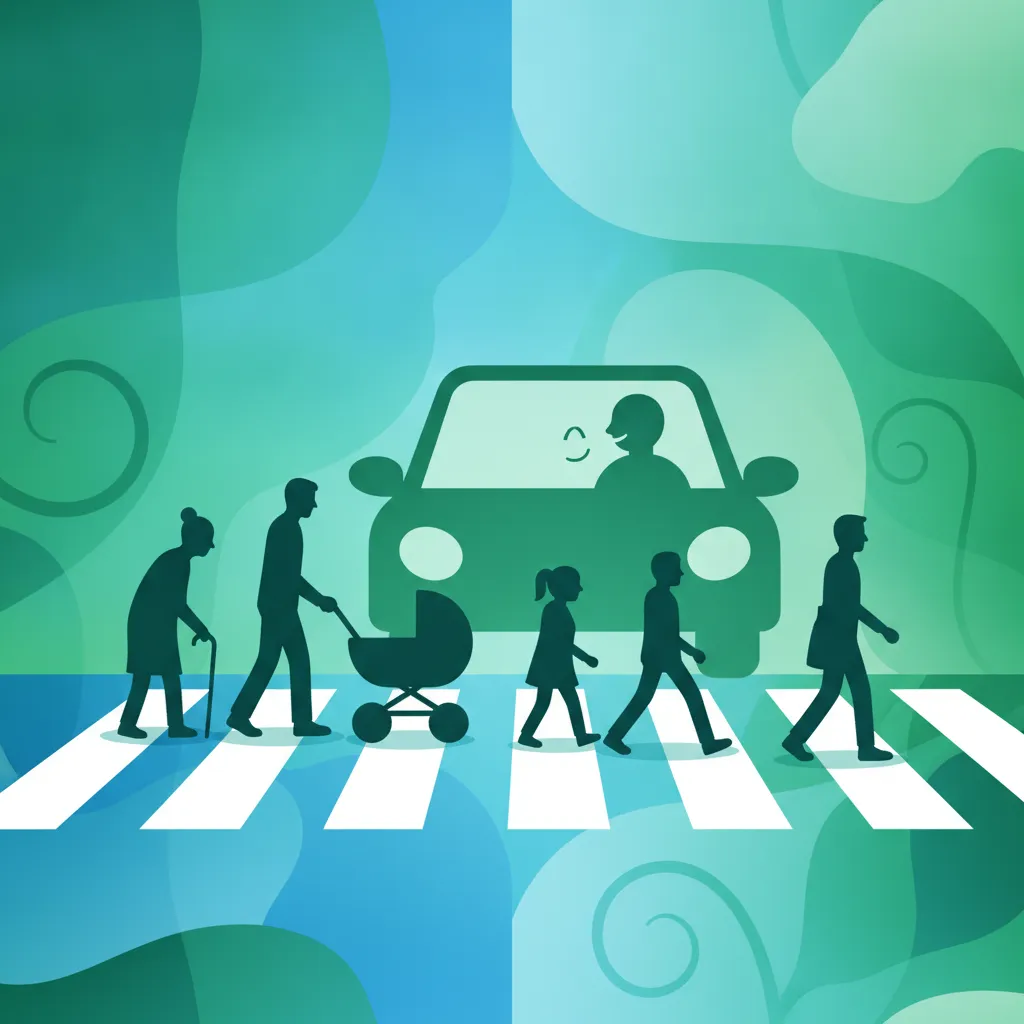
Driving safely involves a mutual social contract based on courtesy, safety awareness, and active risk mitigation. This lesson discusses the principles of defensive driving, prioritizing vulnerable road users like cyclists and pedestrians, and managing driver stress. It also highlights eco-driving strategies that help reduce fuel consumption and environmental emissions, fostering safer and cleaner shared roads.
Understand the French Code de la route requirements for using headlights and safety gear in low-visibility conditions. This explanation covers the mandatory use of low beam lights in the rain, the importance of reflective equipment, and how to correctly maintain your vehicle to remain visible to other road users.
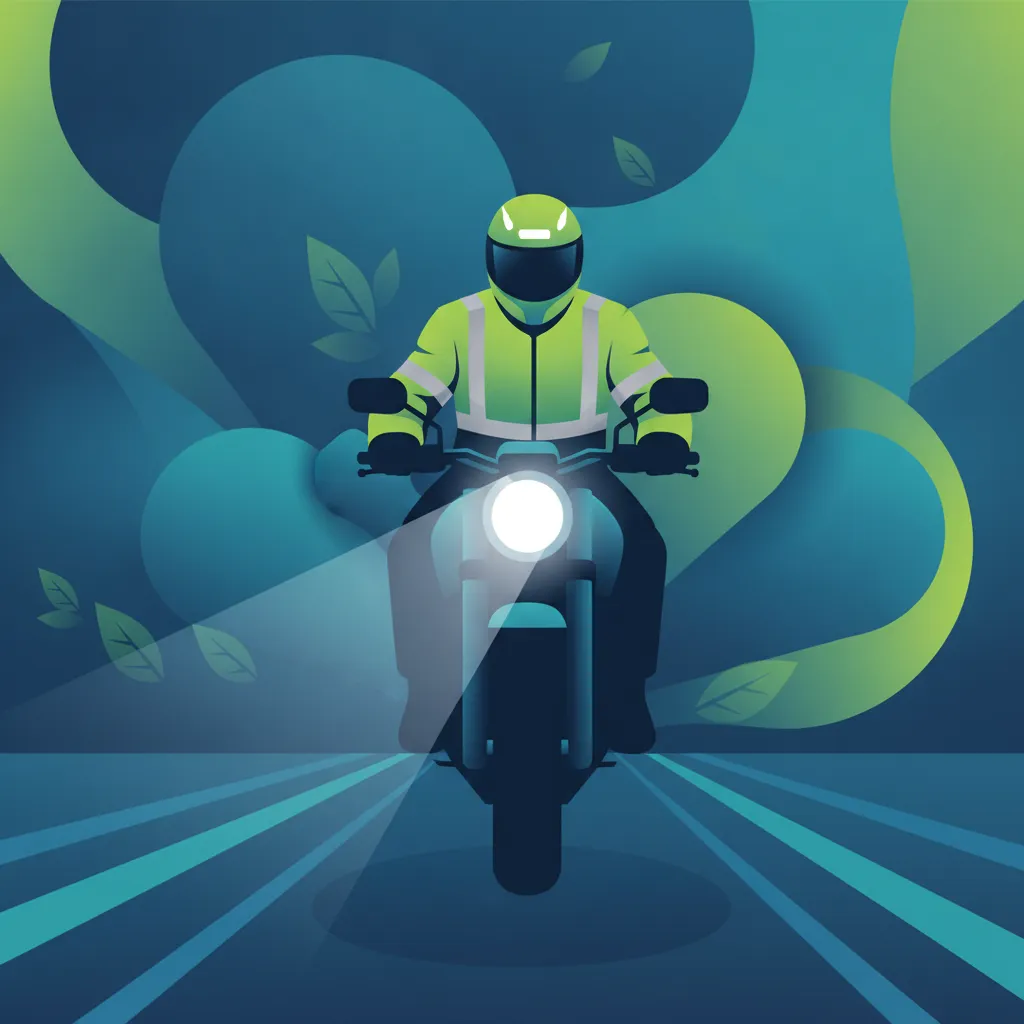
This lesson explores practical methods to make yourself visible to other road users, preventing the classic 'sorry mate, I didn't see you' hazard. You will analyze the use of high-visibility yellow or orange retro-reflective waistcoats, which are legally required to be carried on board in France. Additionally, you will study optimal headlight utilization and correct placement of auxiliary indicators to capture driver attention.

Correctly using your vehicle's lighting system is critical for visibility and communicating with other drivers on the road. This lesson explains when to use low beams (feux de croisement), high beams (feux de route), position lights, and specialized front and rear fog lights. You will learn the legal lighting configurations for driving in urban tunnels, rainy weather, dense fog, and dark rural roads.
This lesson addresses the distinct safety considerations for riding during daylight hours versus nighttime, covering topics such as managing glare from the sun and ensuring adequate lighting after dark. Learners will learn strategies to maintain visibility, stay alert, and adapt riding techniques to varying light conditions, including the use of reflective gear. Emphasis is placed on proactive planning to mitigate risks associated with reduced visibility, thereby fostering safe riding practices.
Learners will examine how the strategic use of lighting and reflectors significantly enhances rider visibility to other road users, especially in low-light conditions. The lesson outlines the legal requirements for front and rear lights, the benefits of daytime running lights, and the role of retroreflective strips on clothing. By following these guidelines, AM riders can improve their conspicuity, reducing the risk of collisions during both day and night riding in France.
This lesson provides guidance on safe riding practices during nighttime, emphasizing proper headlamp usage, reflective clothing, and strategies to manage glare from oncoming traffic. Learners will learn to compensate for reduced peripheral vision and increased fatigue, as well as to identify common night road hazards in France. By applying these techniques, riders can enhance their visibility and safety after dark.
Driving at night introduces serious safety challenges, such as reduced visual range, headlight glare, and fatigue. This lesson explains how to correctly transition from high beams to low beams to avoid blinding oncoming traffic. You will learn to look toward the right-side edge line to minimize headlight glare and recognize signs of visual tiredness that necessitate immediate rest breaks.

This lesson covers the technical and behavioral adaptations needed to ride safely at night under reduced ambient lighting. You will learn the legal parameters for switching between high and low beams, and how to avoid looking directly into oncoming headlights to preserve your night vision. The lesson also emphasizes the heightened threat of rider fatigue after dark and how to utilize retro-reflective clothing to make yourself visible.

This lesson covers the operational logic of traffic light signals in France, emphasizing the legal implications of the red, amber, and green cycles. You will study how to safely manage the amber phase to avoid rear-end collisions from vehicles behind while maintaining control. Additionally, you will discover the unique challenge of electromagnetic induction loops, which sometimes fail to detect lightweight motorcycles at quiet intersections.
Find clear answers to common questions learners have about Riding Safely in Rain and Wet Conditions. Learn how the lesson is structured, which driving theory objectives it supports, and how it fits into the overall learning path of units and curriculum progression in France. These explanations help you understand key concepts, lesson flow, and exam focused study goals.
Small vehicles like cyclomoteurs and scooters have less contact patch with the road than cars. In the rain, road markings, metal covers, and oil slicks become extremely slippery, and the reduced visibility makes it harder for other drivers to see you.
You should start braking earlier and more gently, using both brakes progressively to avoid locking the wheels. Abrupt braking on a wet surface is a primary cause of skidding.
Yes, you must ensure your lights are working properly to increase your conspicuity. Using dipped headlights is recommended even during the day if visibility is significantly reduced by heavy rain.
Many learners fail to account for the reduced grip on road markings. Always remember that painted lines and zebra crossings are much more slippery when wet than the surrounding asphalt.
Ready to focus your study? Use the practice search to find exactly the French driving theory questions you need for the Code de la route and permis de conduire ETG. Refine your knowledge on specific topics or challenging rules to boost your confidence and exam readiness.