The AB3b road sign, meaning 'Give Way sign 150 metres ahead', warns you that you are approaching a junction or intersection where you will need to yield to other traffic. In France, priority rules can be complex, so this sign is crucial for identifying your obligation to give way before reaching the conflict area. Always check road markings and be ready to stop or slow down to let other vehicles pass.
This French AB3b road sign warns drivers they must prepare to give way 150 metres ahead, crucial for your theory test revision. Mastering sign interpretation is key to navigating French junctions safely and understanding traffic sign explanations.
Priority signs are essential in France because priority can depend on the road type, the intersection layout, and whether priority-to-the-right still applies. This sign helps drivers identify who has right of way before entering the conflict area. A safe response means reading the sign with road markings, checking both directions, and committing only when the priority rule and traffic situation are clear. Official French sign code: AB3b.
"Give Way sign 150 metres ahead" explains the priority rule at or before a junction, roundabout, priority road, give-way point, or stop-controlled approach. It tells the driver whether to proceed with priority or prepare to yield or stop.
Get clear, practical answers to the most common questions about the AB3b - Give Way sign 150 metres ahead road sign. Learn how the sign works, what rules it represents, and how it affects real driving situations. This FAQ strengthens your understanding and supports accurate decision making for the French driving theory exam in France.
The AB3b sign is a warning sign indicating that 150 metres ahead, you will encounter a situation where you must yield to other traffic, usually at a junction or intersection. It prepares you to slow down and give priority.
When you see the AB3b sign, you must anticipate the need to give way. As you approach the junction, reduce your speed and be prepared to stop if necessary. Look for give-way lines or stop lines and check for oncoming traffic that has priority.
A common trap is assuming priority solely based on the width of the road. The AB3b sign, along with markings, dictates priority. Always be observant and never force your way through if another vehicle has the right of way or seems unsure.
No, the AB3b sign means 'Give Way', not necessarily 'Stop'. You only need to stop if giving way requires it to avoid obstructing traffic with priority. If the way is clear, you may proceed, but always be prepared to yield.
The AB3b sign is often used in conjunction with road markings like horizontal give-way lines (a series of dashed white lines) or stop lines (a solid white line). These markings visually reinforce the requirement to yield or stop at the designated point.
A clear reference image of the AB3b - Give Way sign 150 metres ahead road sign used in France.
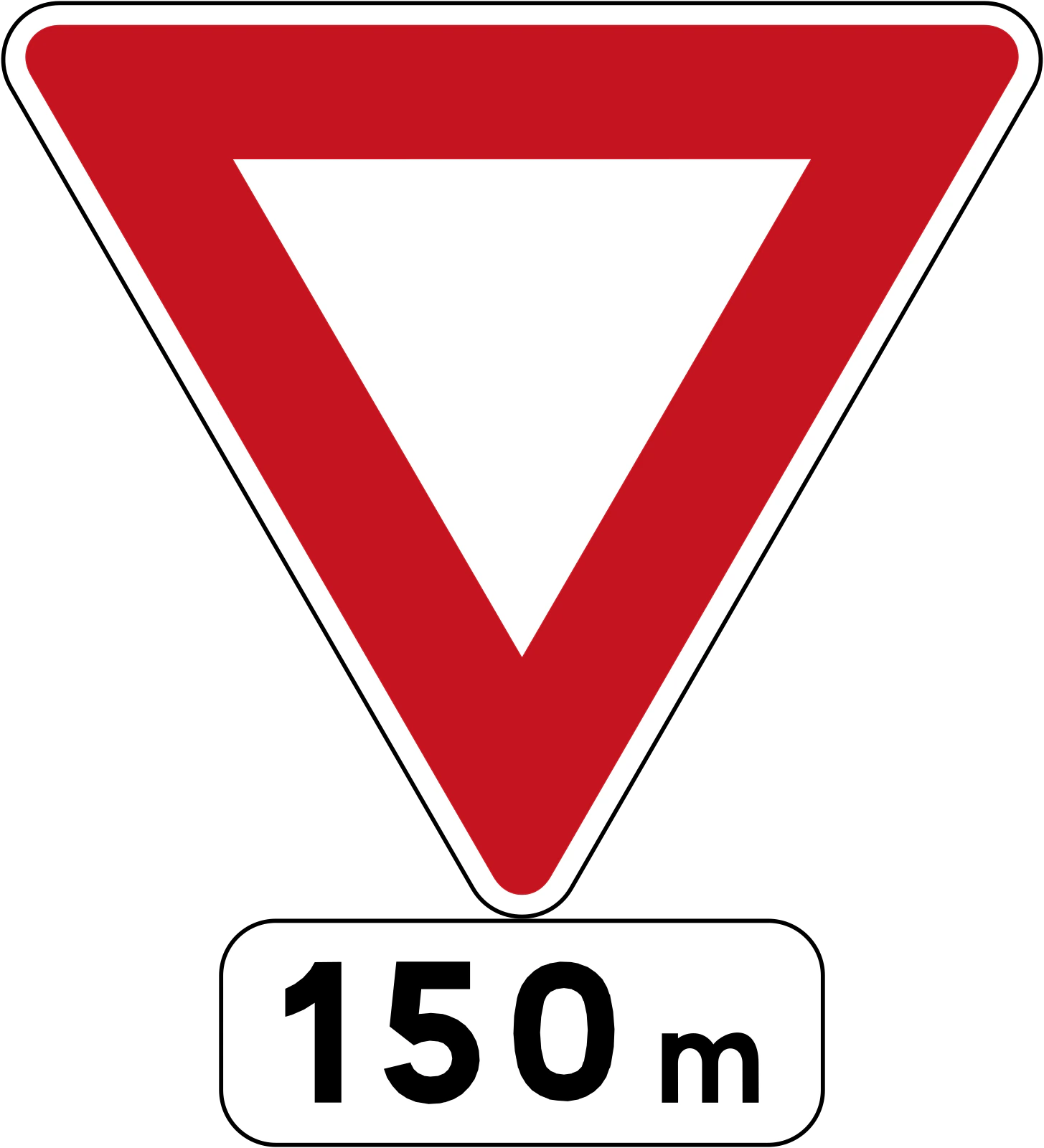
The AB3b - Give Way sign 150 metres ahead road sign may also be known by these alternative names or terms.
The AB3b - Give Way sign 150 metres ahead road sign is part of the France Priority Signs category, which groups together signs with similar rules and functions.
Comparing similar road signs helps solidify your understanding and improves recognition accuracy for your theory test revision. Focus on distinguishing between related traffic sign examples to prevent confusion and ensure you recall the correct rules.
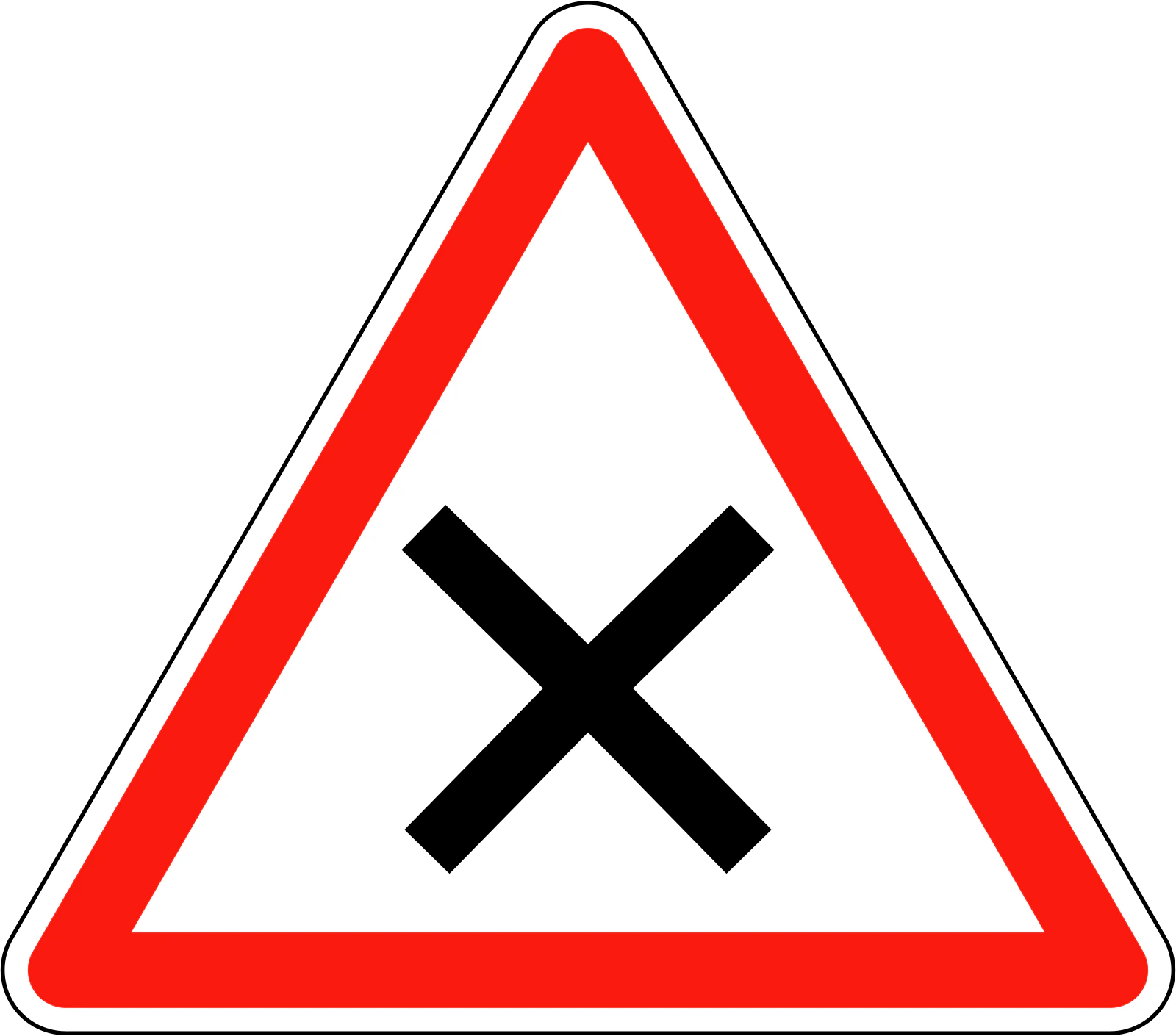
Master the AB1 Sign: Priority from the Right at Crossroads
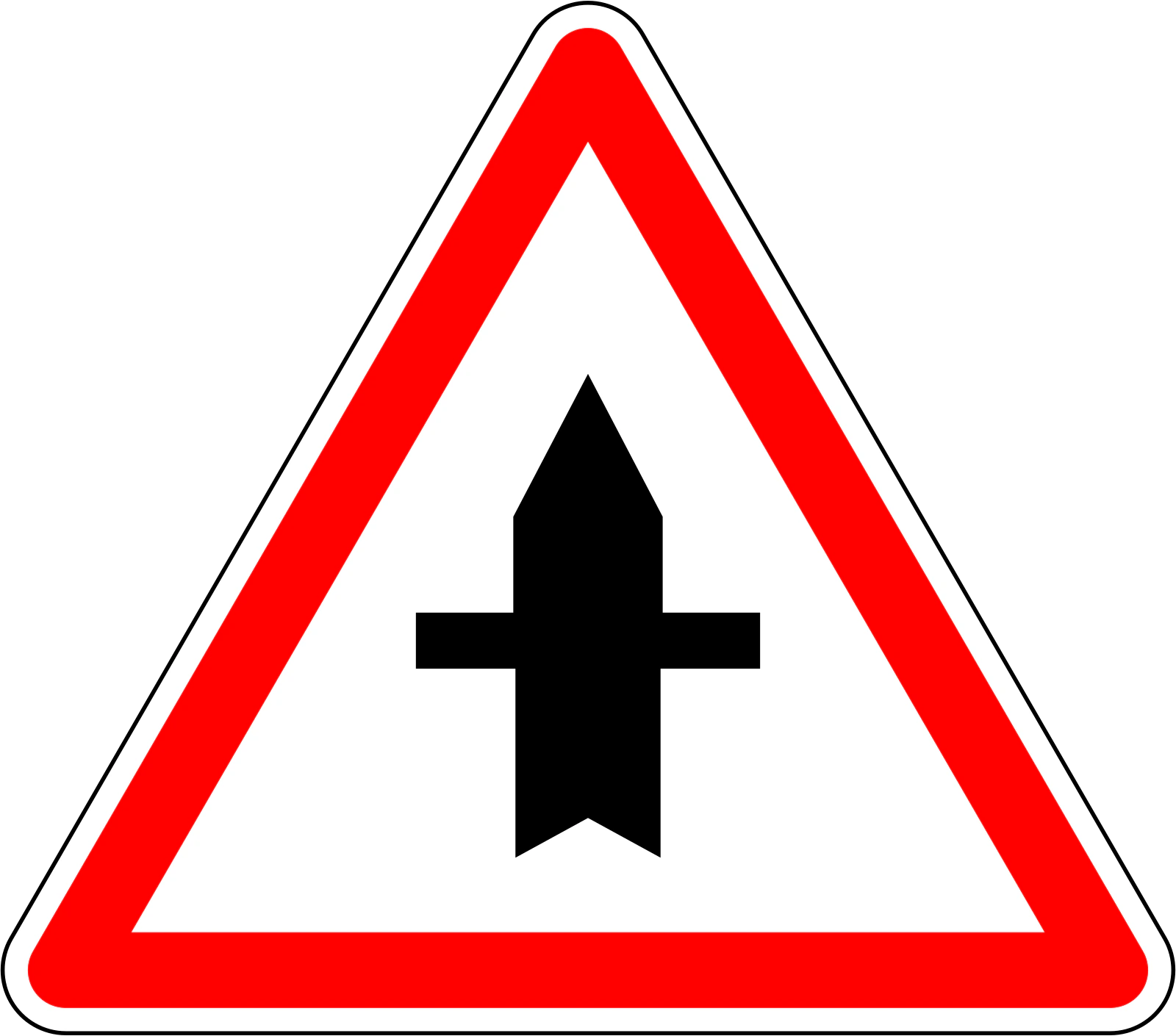
Master the AB2 'Crossroads with Priority' Sign in France
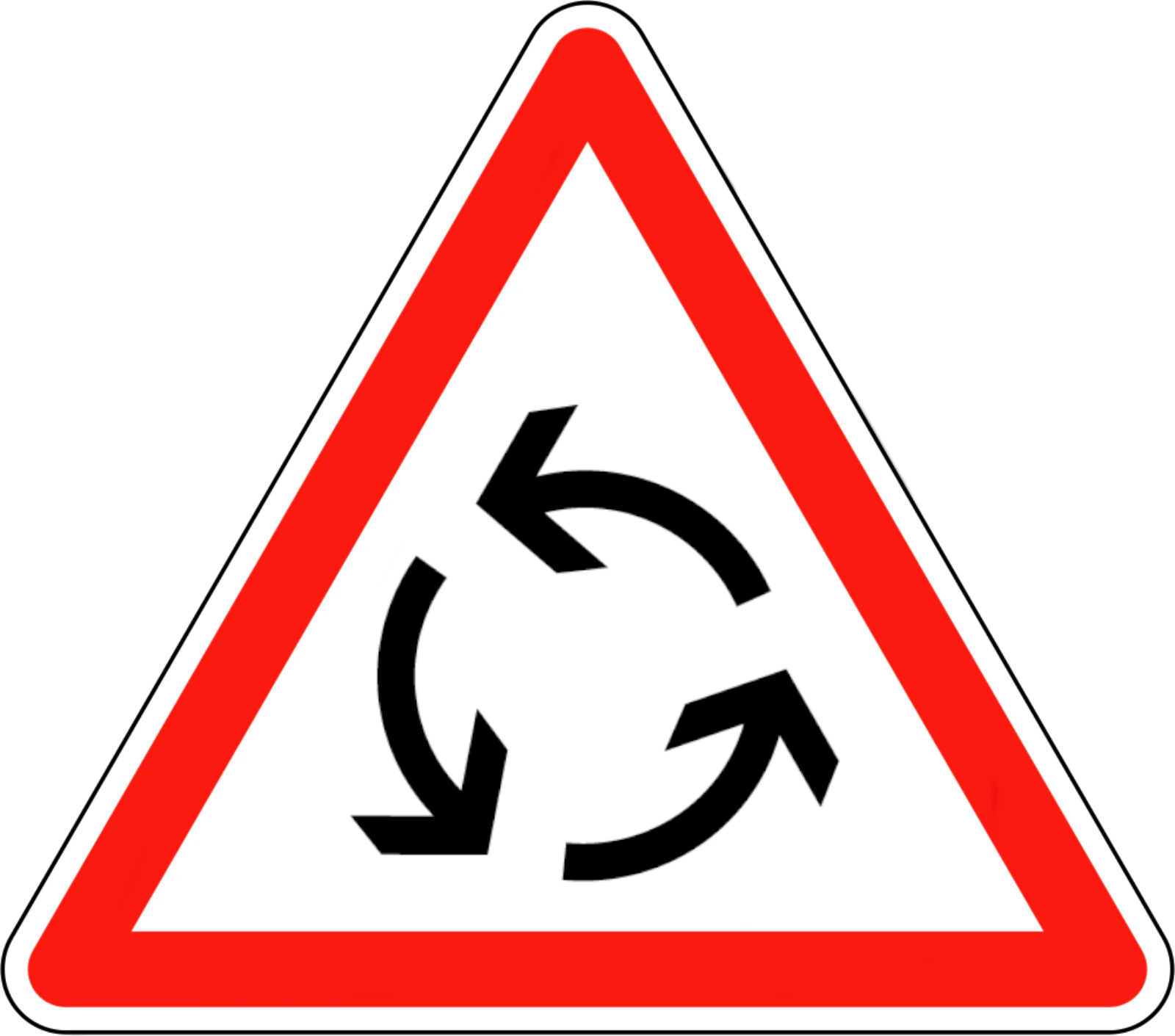
Prepare for roundabouts ahead with the AB25 priority sign.
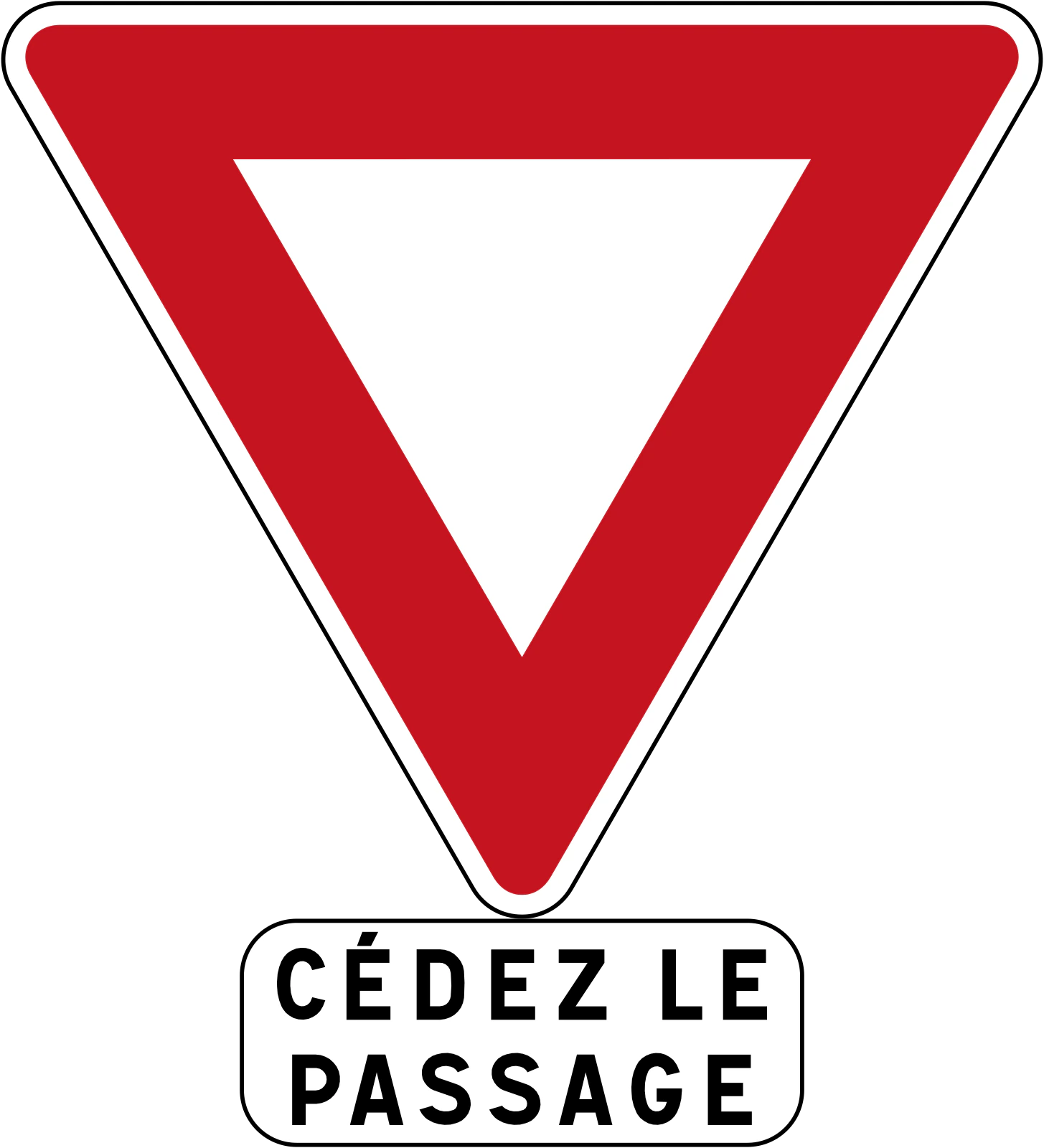
AB3a: Know when to Give Way with this essential French priority sign.
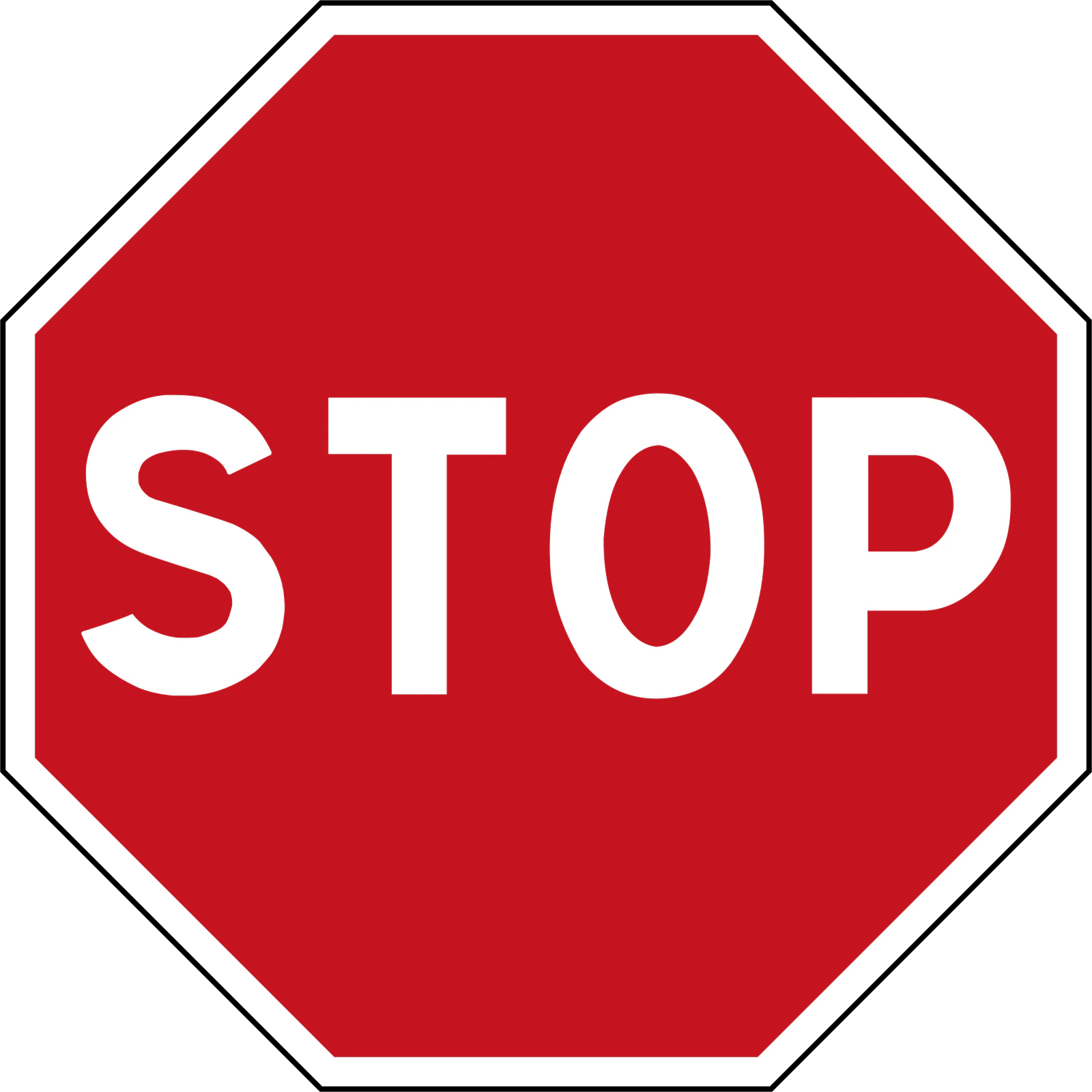
Master the 'Stop, Give Way' Sign (AB4) for Safe French Driving
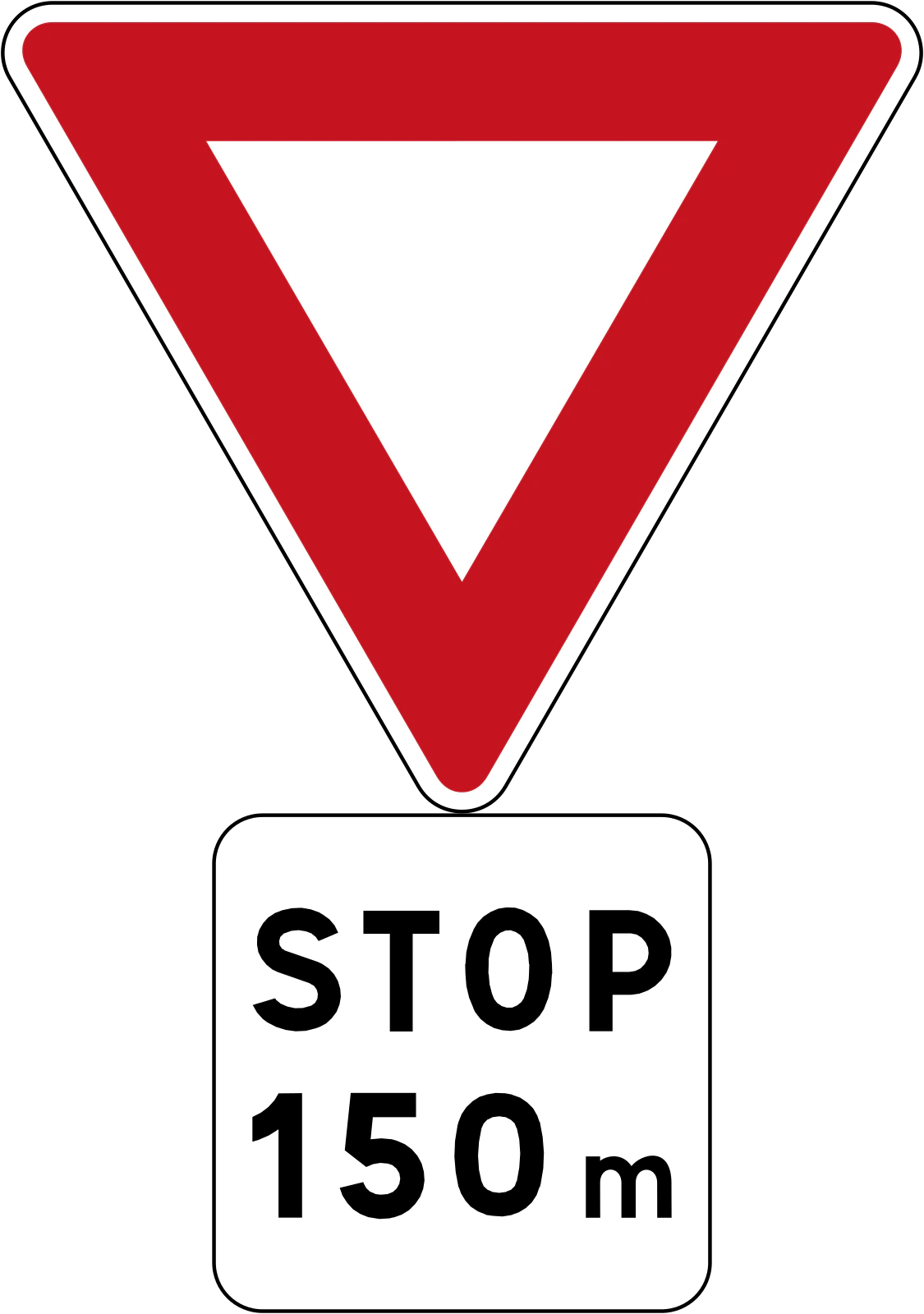
Prepare to Stop: You have 150 metres until the next Stop sign.
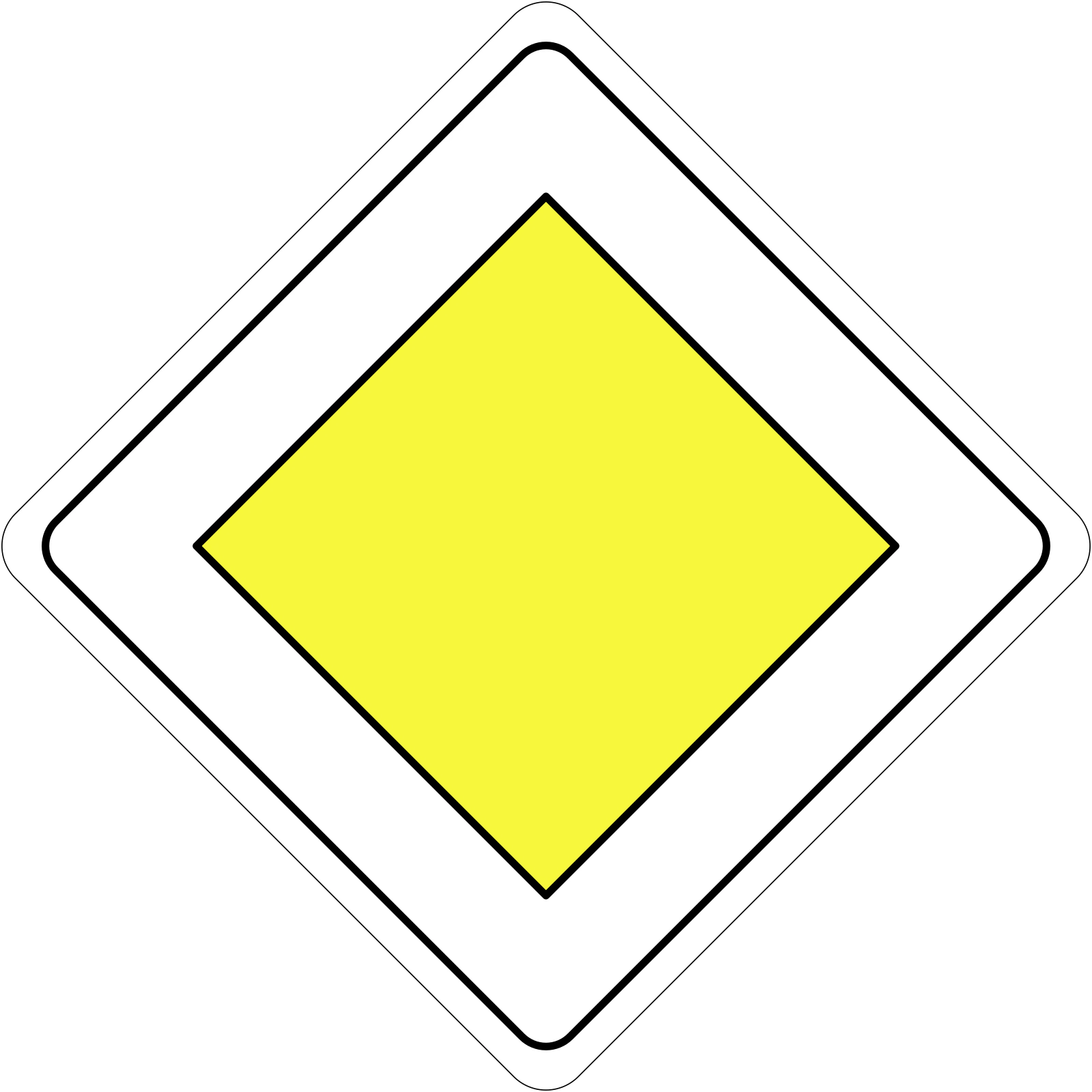
Understand the AB6 Priority Road Sign and Know When You Have Right of Way
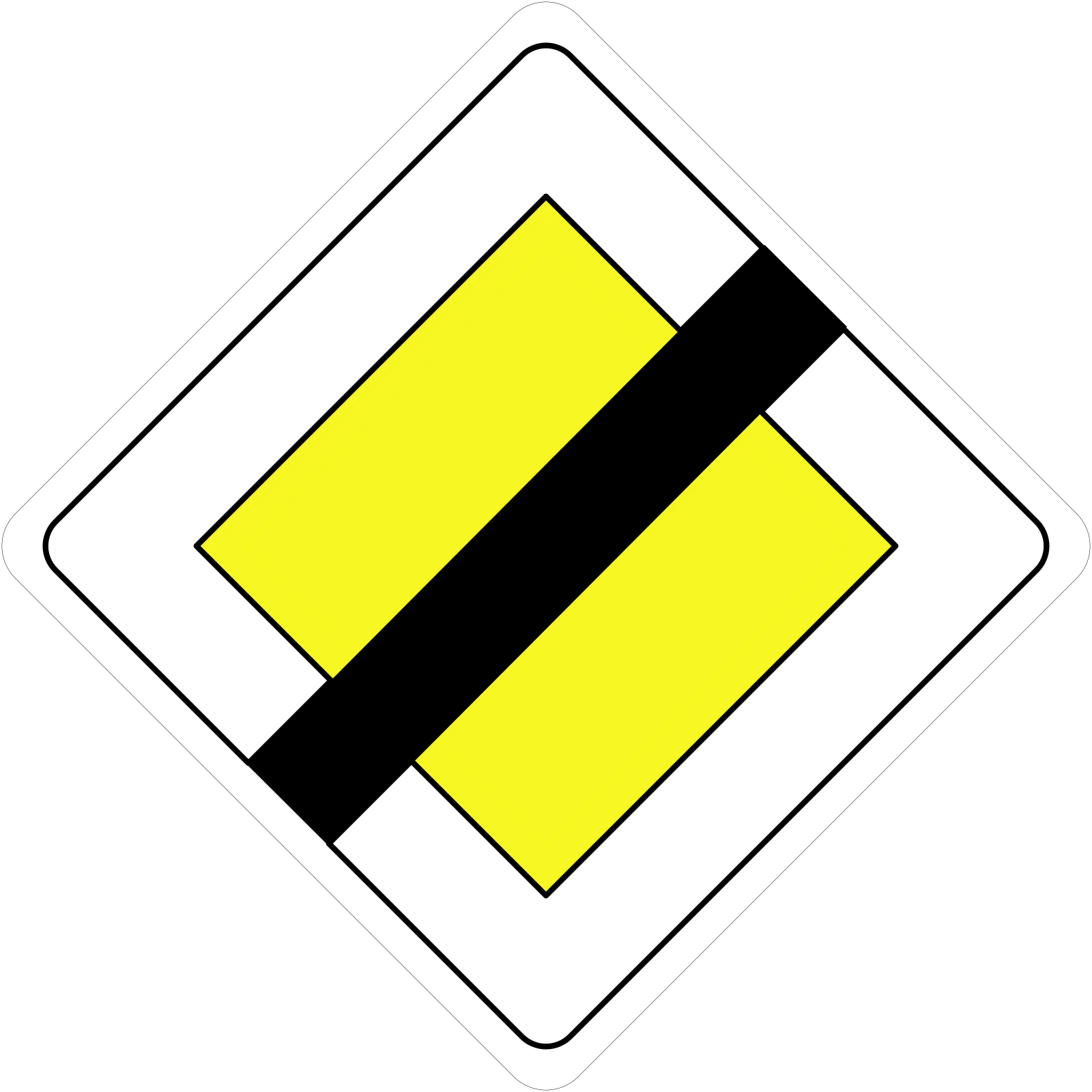
AB7: Prepare to lose priority on this road ahead.
Explore these structured materials to bridge the gap between visual sign recognition and the specific traffic rules required for your ETG theory test. These resources help clarify how regional road signs dictate right-of-way and safety in France.
Navigating intersections safely is a core component of the Code de la route, and many theory test questions are designed to test your vigilance regarding priority. This guide breaks down the legal requirements for right-hand priority and identifies tricky scenarios where road signs or markings override standard rules. You will learn how to identify hidden dangers and make the correct decisions under the pressure of the exam.
Navigating French urban environments requires a precise understanding of reserved lanes and public transport prioritization. This article explains the legal requirements for sharing the road with buses, taxis, and cyclists, including how to handle intersection maneuvers and turn crossings. These concepts are essential for both real-world driving safety and successfully passing the ETG theory test.
Master French Cycling Rules for a Safer Road and a Confident Permis B.
Navigate French Priority Junctions with Confidence and Precision.
Priority signs are essential in France because priority can depend on the road type, the intersection layout, and whether priority-to-the-right still applies. This sign helps drivers identify who has right of way before entering the conflict area. A safe response means reading the sign with road markings, checking both directions, and committing only when the priority rule and traffic situation are clear. Official French sign code: AB5.
Priority signs are essential in France because priority can depend on the road type, the intersection layout, and whether priority-to-the-right still applies. This sign helps drivers identify who has right of way before entering the conflict area. A safe response means reading the sign with road markings, checking both directions, and committing only when the priority rule and traffic situation are clear. Official French sign code: AB25.
Now that you've reviewed the full list of French road signs, enhance your understanding. Explore signs grouped by specific categories for deeper insights, test your recognition with practice questions, and solidify your knowledge for the Code de la route exam.
Browse All French Road Signs