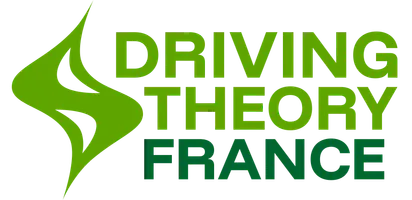
The CE22 'Local Radio Station' sign is a service sign used in France, indicating a facility such as fuel, rest areas, food, or toilets. It helps drivers plan stops without affecting traffic priority. Always plan your manoeuvre early and safely when you see this sign, and remember to obey any specific access or speed restrictions at the location.
This 'Local Radio Station' service sign (CE22) indicates nearby facilities to aid your journey planning. Understanding this sign is crucial for effective theory test revision and navigating France's road network efficiently.
Service signs help drivers locate useful facilities without making last-second decisions. This sign may point to fuel, charging, telephones, toilets, accommodation, food, information, repairs, viewpoints, emergency equipment, rest areas, or accessibility services. Drivers should follow the sign only when it is safe and should still obey separate access, parking, and speed signs at the facility. Official French sign code: CE22.
"Local radio station" directs drivers to a service, facility, rest opportunity, emergency point, tourist support, or journey amenity. It helps with planning but does not change traffic priority or access rules.
Get clear, practical answers to the most common questions about the CE22 - Local radio station road sign. Learn how the sign works, what rules it represents, and how it affects real driving situations. This FAQ strengthens your understanding and supports accurate decision making for the French driving theory exam in France.
The CE22 sign, officially meaning 'Local radio station', is a service sign. It directs you to facilities like petrol stations, rest areas, toilets, or places to eat. It's purely informational and helps you find services without altering priority rules.
When you see the CE22 sign, use it to plan a stop for fuel, rest, or other services. Signal in advance and move to a safe lane if needed. Avoid slowing down suddenly or stopping on the carriageway to read the sign. Always check for other signs at the facility itself.
The CE22 sign is neither a warning nor a prohibition. It's an informational service sign designed to help you locate amenities. It doesn't warn of danger or forbid any action, but you must still follow general road rules and any specific signs at the service point.
A common mistake is slowing down abruptly or making a sudden turn when they spot a service sign, potentially surprising other drivers. Another error is assuming the facility is suitable for all vehicle types or that access is unrestricted, ignoring specific parking or speed limits present at the location.
Not necessarily. While the CE22 sign points to a facility, you must still adhere to any separate access, parking, or speed limit signs at that location. Some facilities might have restrictions based on vehicle type, size, or operating hours. Always check for these additional signs.
Planning ahead is crucial because service signs might appear some distance before the actual turn-off. Sudden braking or late manoeuvres can be dangerous. Early planning allows you to change lanes safely and calmly, ensuring you don't disrupt traffic flow or create a hazard.
A clear reference image of the CE22 - Local radio station road sign used in France.
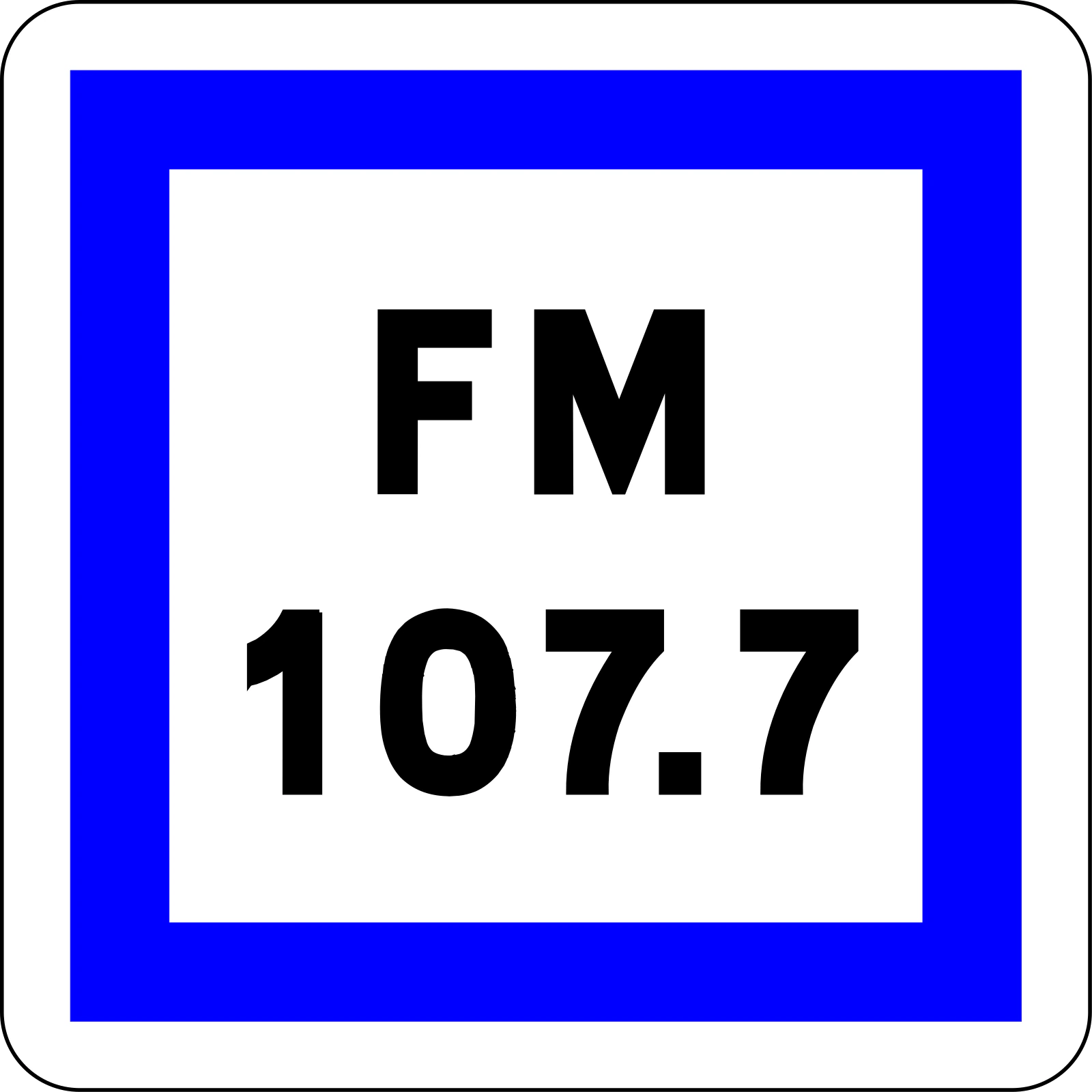
The CE22 - Local radio station road sign may also be known by these alternative names or terms.
The CE22 - Local radio station road sign is part of the France Service Signs category, which groups together signs with similar rules and functions.
Master French road signs by comparing similar ones. This targeted revision helps identify subtle differences, crucial for accurate theory test revision and avoiding common mistakes when learning traffic rules.
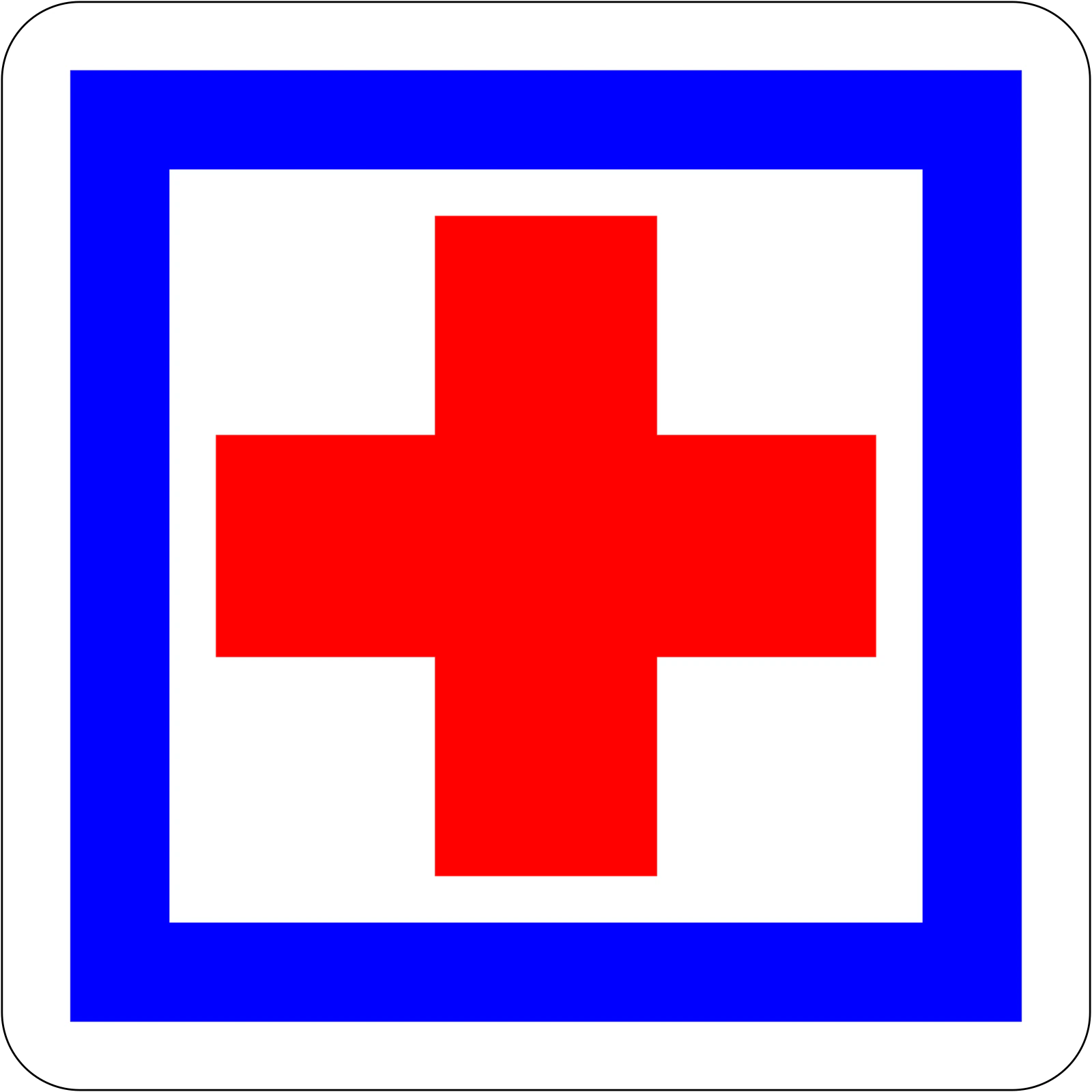
Navigate with Confidence: Understanding the CE1 First Aid or Hospital Service Sign
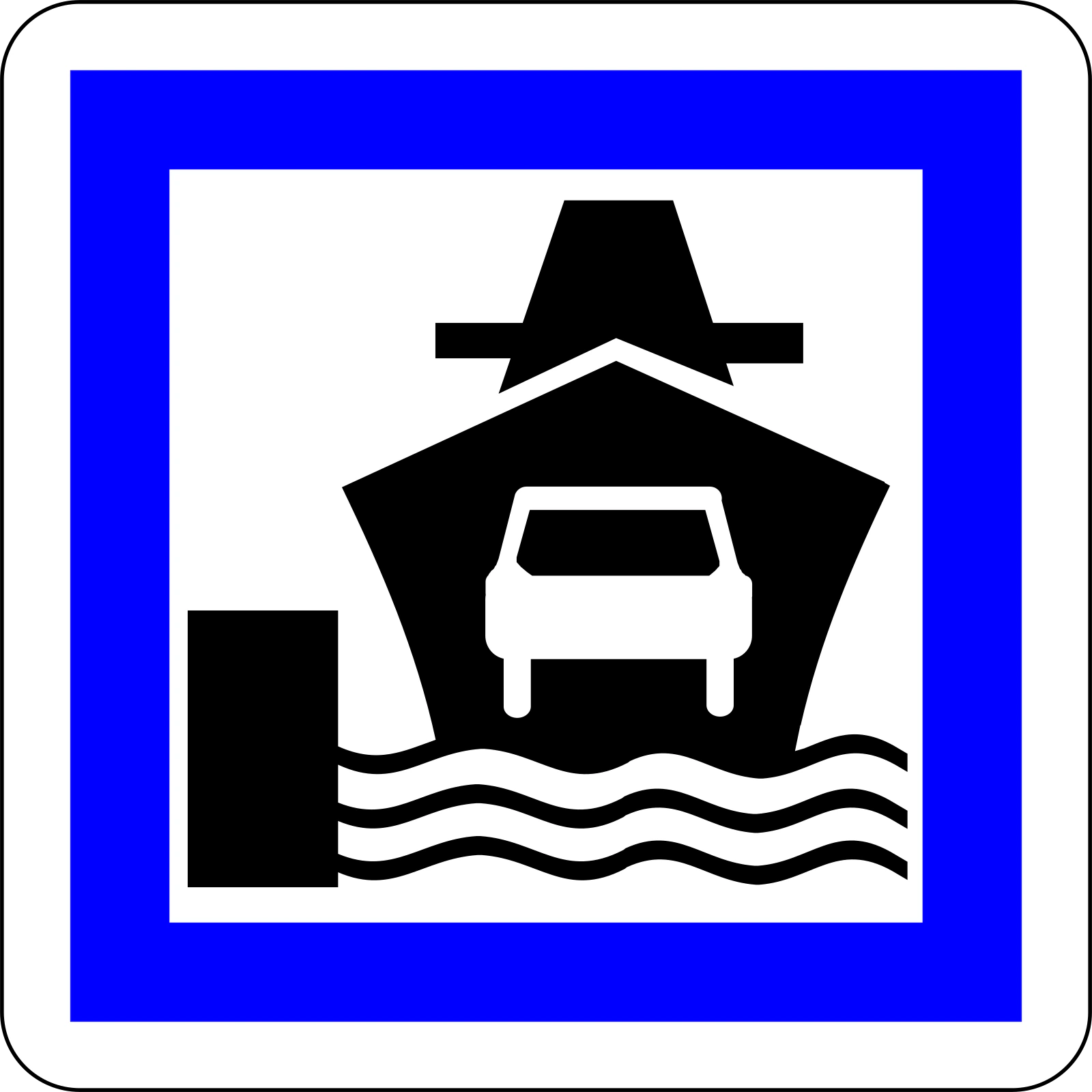
CE10 Car Ferry Sign: Your Guide to Services and Amenities
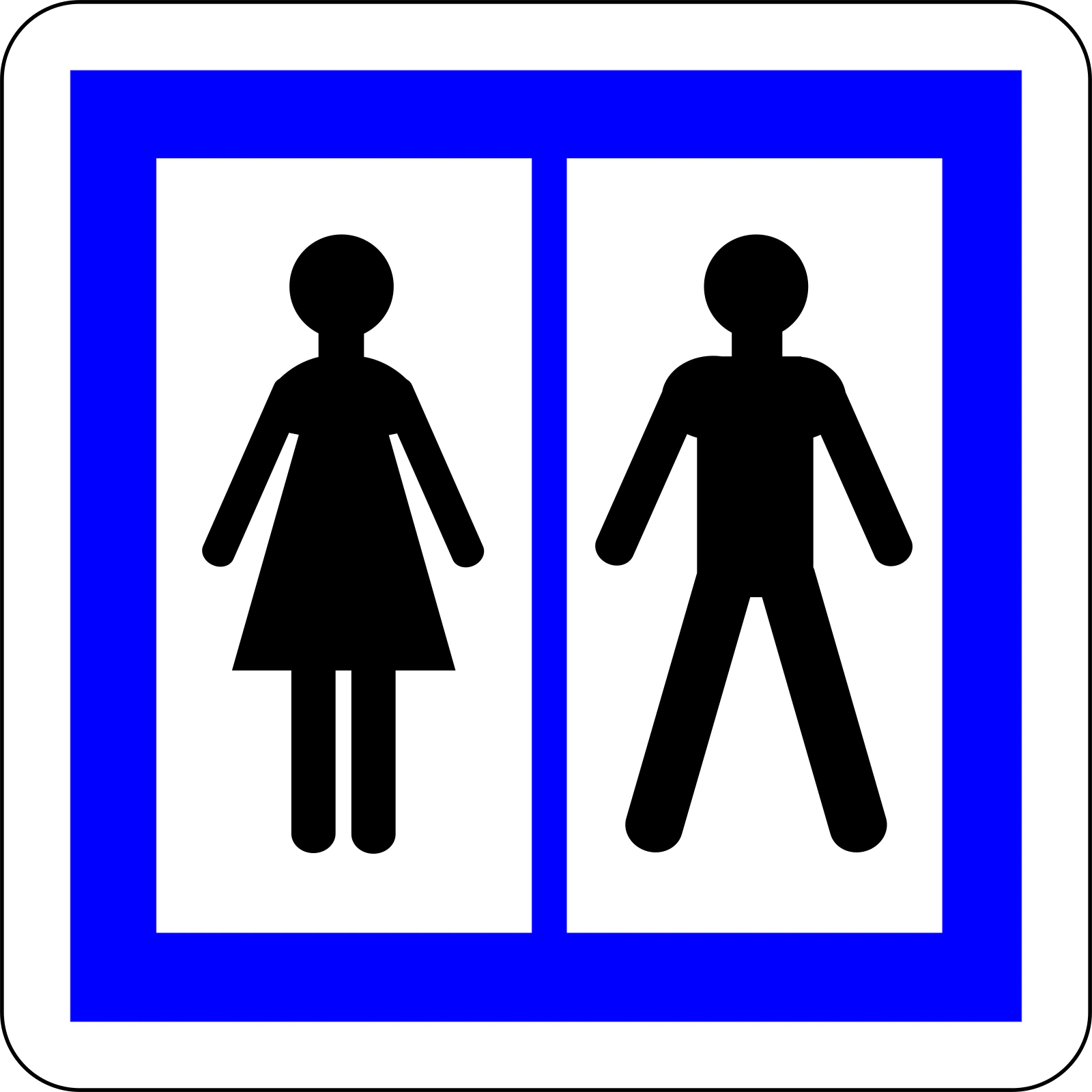
CE12: Toilets Service Sign – Guiding You to Facilities
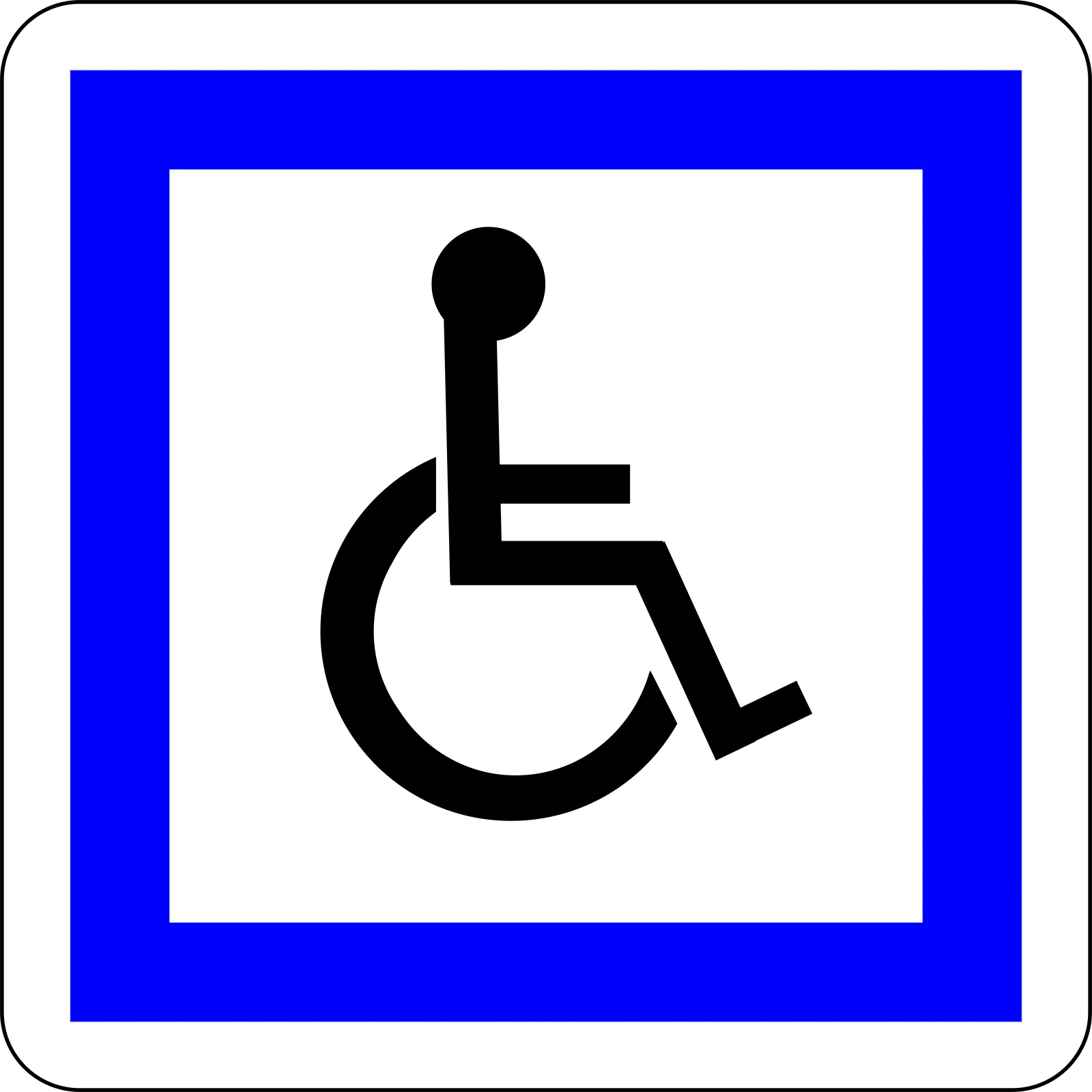
CE14: 'Services for the Disabled' sign guides you to essential facilities.
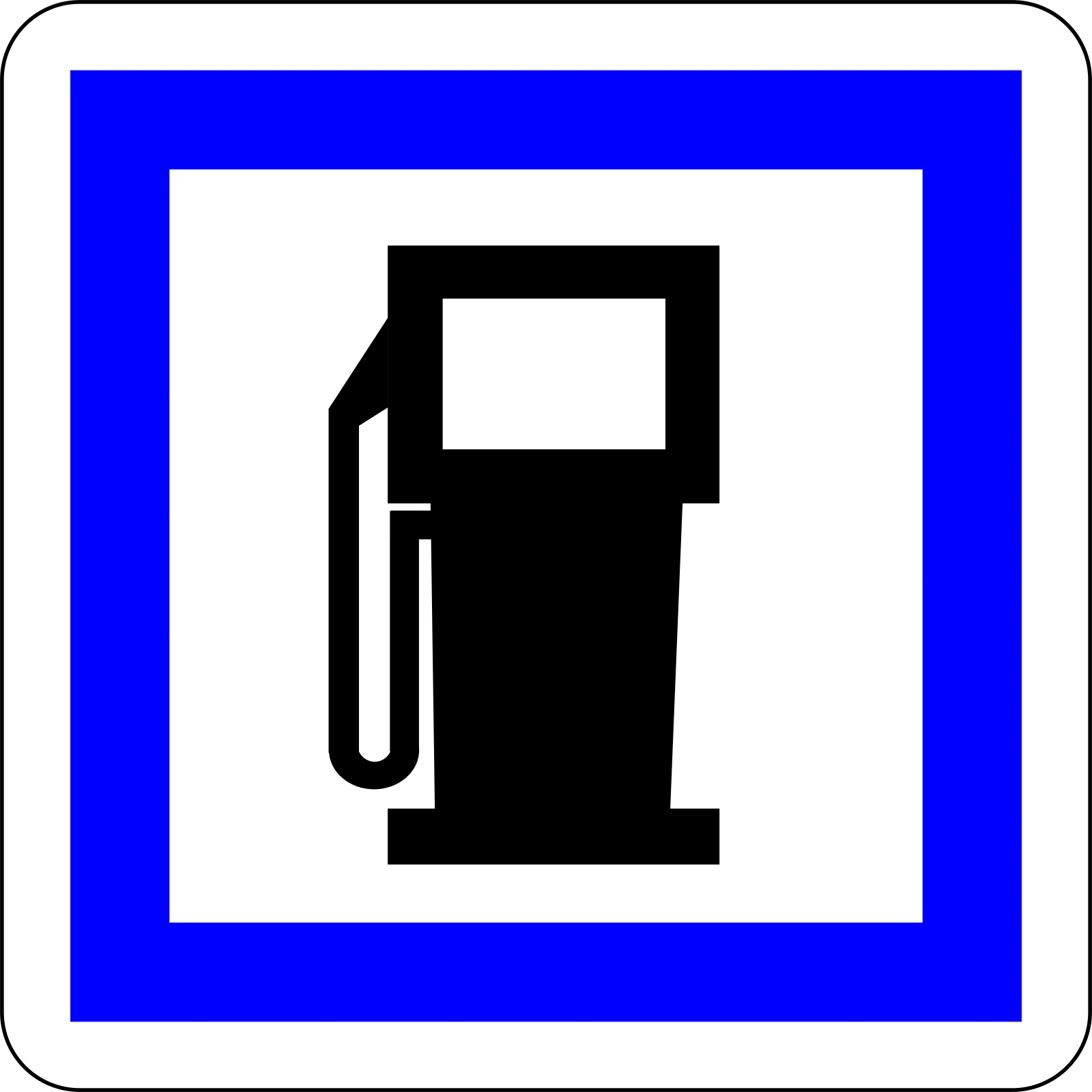
CE15a 'Petrol' Service Sign: Find Essential Facilities on Your Route
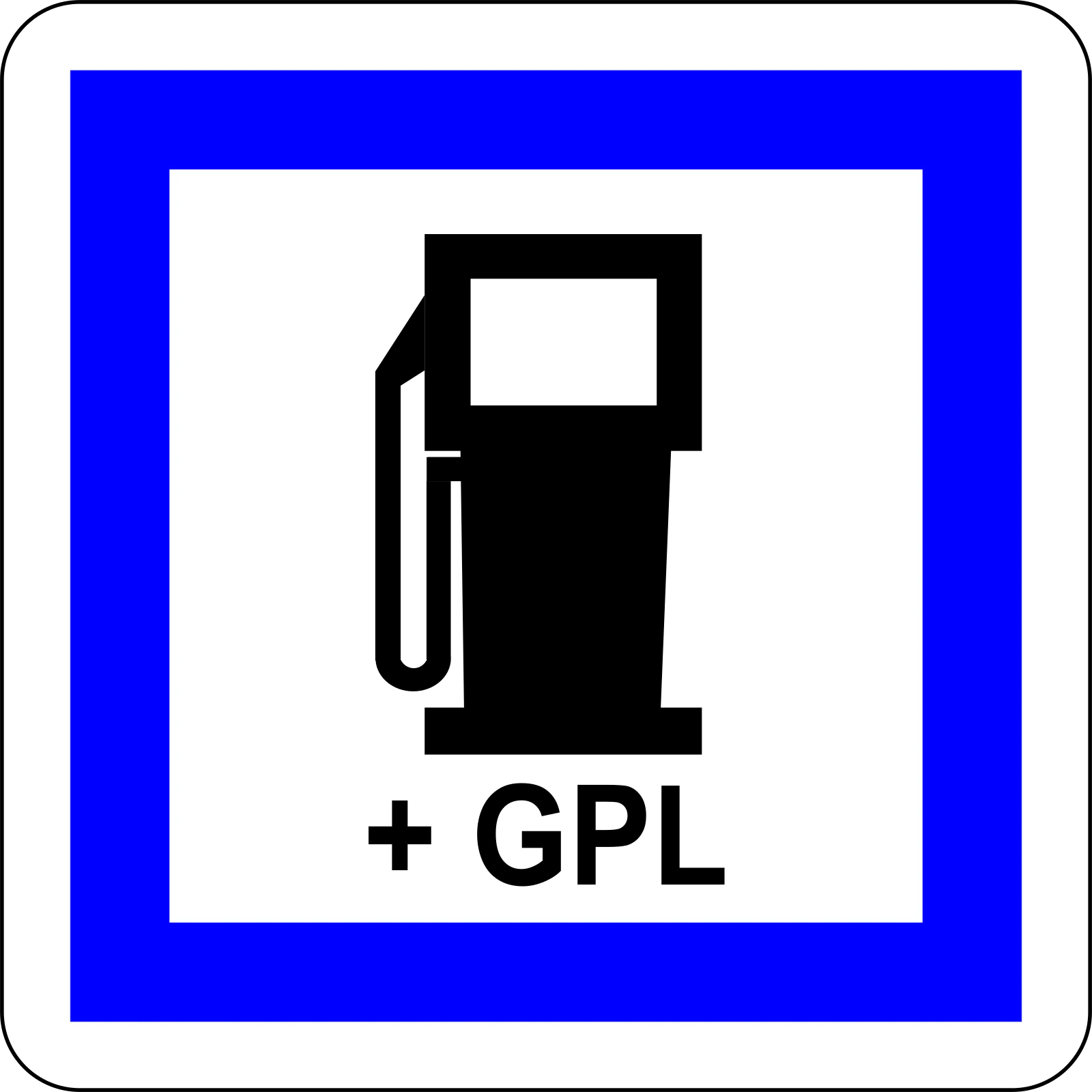
The CE15c sign indicates the availability of petrol and liquid petroleum gas services.
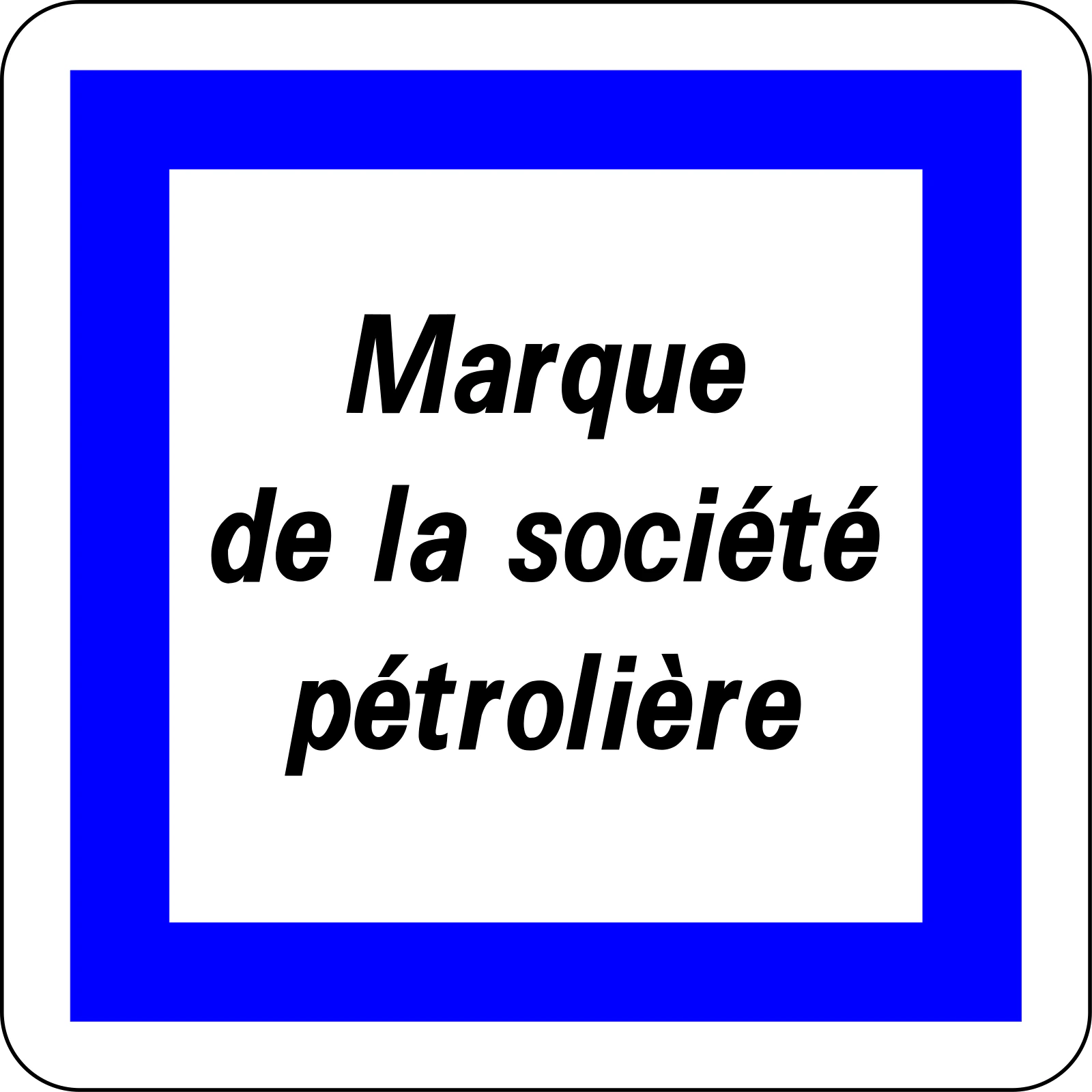
Navigate to essential services with the 'Petrol' information sign (CE15e).
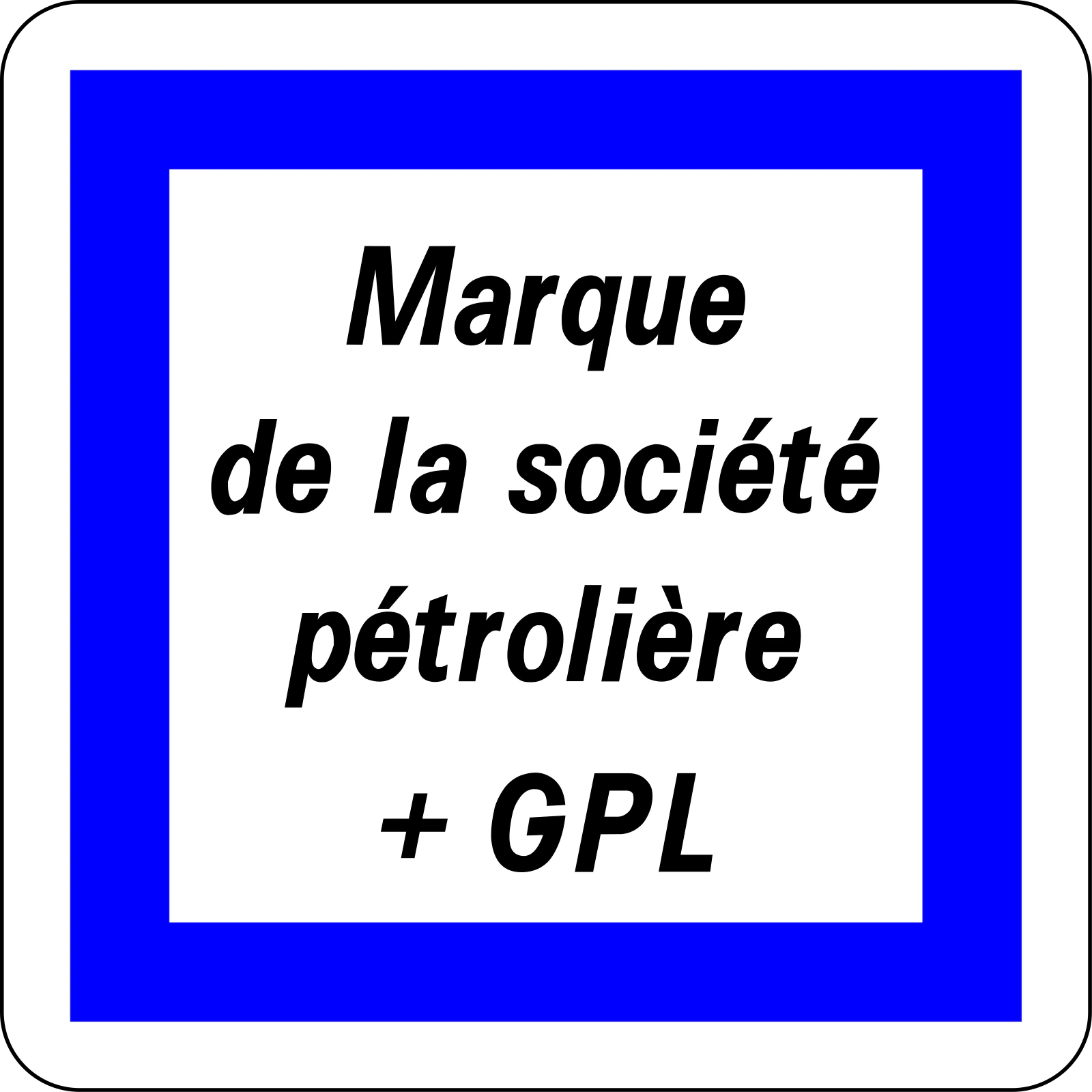
Find Petrol and Liquid Petroleum Gas with the CE15f Service Sign.
Explore these structured materials to bridge the gap between visual sign recognition and the specific traffic rules required for your ETG theory test. These resources help clarify how regional road signs dictate right-of-way and safety in France.
Protect Vulnerable Road Users and Master French Pedestrian Priority Rules.
Understanding priority rules concerning pedestrians and cyclists is a fundamental requirement for the French Code de la route. This guide clarifies your legal duties to 'céder le passage' and explains why proactive checking of blind spots is critical when turning. Applying these principles consistently will help you navigate urban intersections safely and correctly during your theory test.
Protect Vulnerable Road Users and Pass Your French Theory Exam with Confidence.
Navigating intersections safely is a core component of the Code de la route, and many theory test questions are designed to test your vigilance regarding priority. This guide breaks down the legal requirements for right-hand priority and identifies tricky scenarios where road signs or markings override standard rules. You will learn how to identify hidden dangers and make the correct decisions under the pressure of the exam.
Service signs help drivers locate useful facilities without making last-second decisions. This sign may point to fuel, charging, telephones, toilets, accommodation, food, information, repairs, viewpoints, emergency equipment, rest areas, or accessibility services. Drivers should follow the sign only when it is safe and should still obey separate access, parking, and speed signs at the facility. Official French sign code: CE15g.
Service signs help drivers locate useful facilities without making last-second decisions. This sign may point to fuel, charging, telephones, toilets, accommodation, food, information, repairs, viewpoints, emergency equipment, rest areas, or accessibility services. Drivers should follow the sign only when it is safe and should still obey separate access, parking, and speed signs at the facility. Official French sign code: CE15h.
Now that you've reviewed the full list of French road signs, enhance your understanding. Explore signs grouped by specific categories for deeper insights, test your recognition with practice questions, and solidify your knowledge for the Code de la route exam.
Browse All French Road Signs