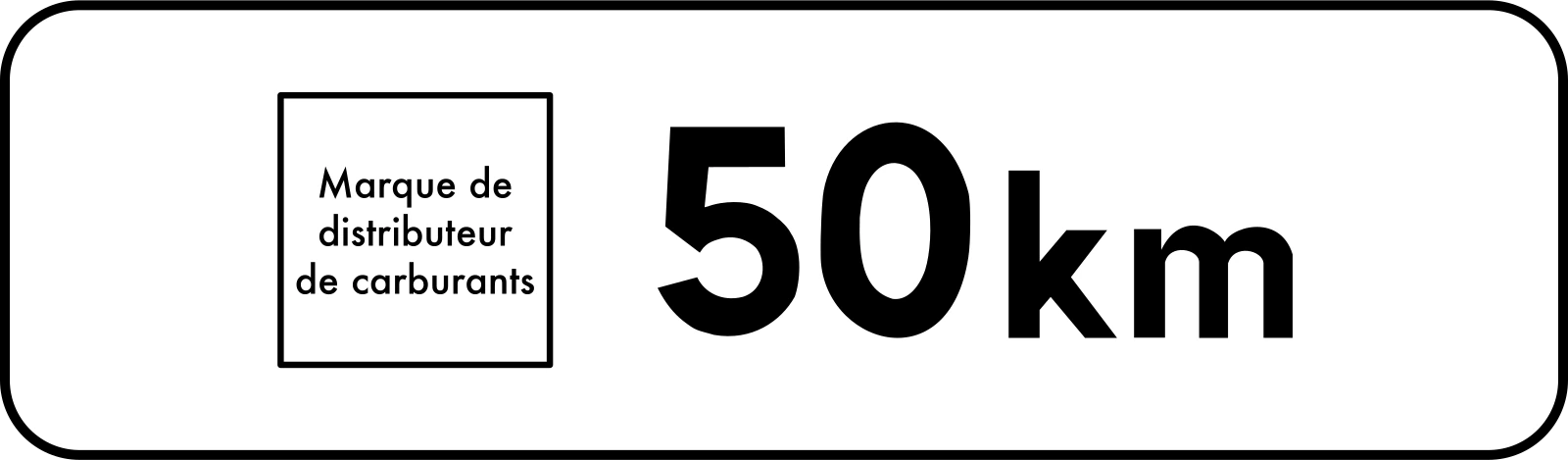
The M1a sign, officially known as a distance plate, is a supplementary sign used in France that indicates the distance to a specific hazard, service, or instruction, in this case, a gas station. It's crucial to understand that this plate does not represent the hazard or instruction itself but simply indicates how far away it is. You should always interpret the M1a plate in conjunction with the main sign it accompanies to accurately time your reaction, such as slowing down or preparing to change lanes.
This distance plate, used with other French road signs, informs you of the proximity to the next available gas station. Crucial for theory test revision, it helps plan your journey and avoid unexpected fuel shortages.
Distance plates provide advance timing information for another sign. They are used so drivers can reduce speed, change lane, prepare to stop, or plan a route at the right moment rather than reacting too early or too late. The plate should always be interpreted with the main sign because the distance only makes sense when the driver knows what it refers to. Official French sign code: M1a.
"Distance to the next gas station" shows how far away the main sign's hazard, service, restriction, or instruction is. It helps the driver time the response accurately.
Get clear, practical answers to the most common questions about the M1a - Distance to the next gas station road sign. Learn how the sign works, what rules it represents, and how it affects real driving situations. This FAQ strengthens your understanding and supports accurate decision making for the French driving theory exam in France.
The M1a distance plate means that the main sign it accompanies (in this case, indicating a gas station) is located at the distance shown on the plate. It's a supplementary sign that helps you prepare for what's coming by giving you advance notice of the distance.
When you see the M1a plate with a gas station sign, use the indicated distance to plan your actions smoothly. You should start preparing to adjust your speed or position well before you reach the actual gas station location. Do not wait until the last moment to react.
No, the M1a plate indicates the distance TO the next gas station, not that the gas station is at the plate's location. You need to continue driving for the specified distance before you reach the gas station.
A common trap is mistaking the distance plate for the hazard or instruction itself. Learners might incorrectly think the rule or hazard begins at the plate. Always remember that the distance plate only informs you about how far away the actual situation is, and you must always consider the main sign above it.
Absolutely not. The M1a distance plate is always used with another sign, such as one indicating a gas station, a hazard, or a restriction. The distance plate's sole purpose is to provide timing information; you must always pay attention to the main sign to understand what you need to do or be aware of.
A clear reference image of the M1a - Distance to the next gas station road sign used in France.
The M1a - Distance to the next gas station road sign may also be known by these alternative names or terms.
The M1a - Distance to the next gas station road sign is part of the France Distance Plates category, which groups together signs with similar rules and functions.
Reviewing similar road signs side-by-side helps embed recognition and reduce confusion for your theory test revision. Effective traffic sign comparison sharpens your ability to identify signs quickly and accurately during the exam.
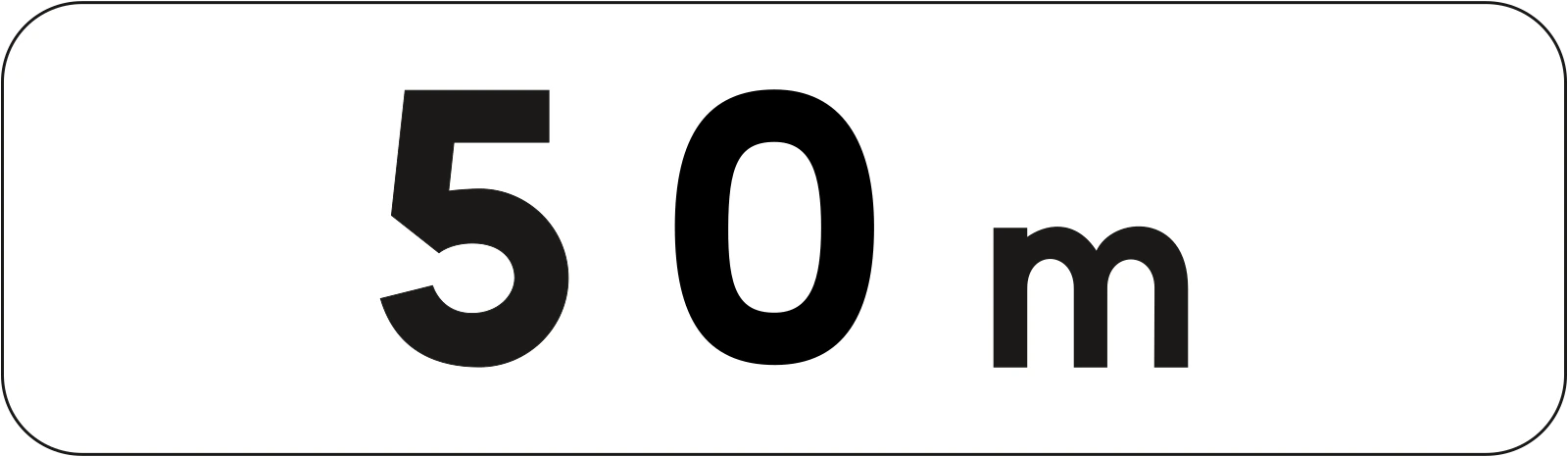
The M1 Distance plate tells you how far away the next sign's instruction or hazard is.
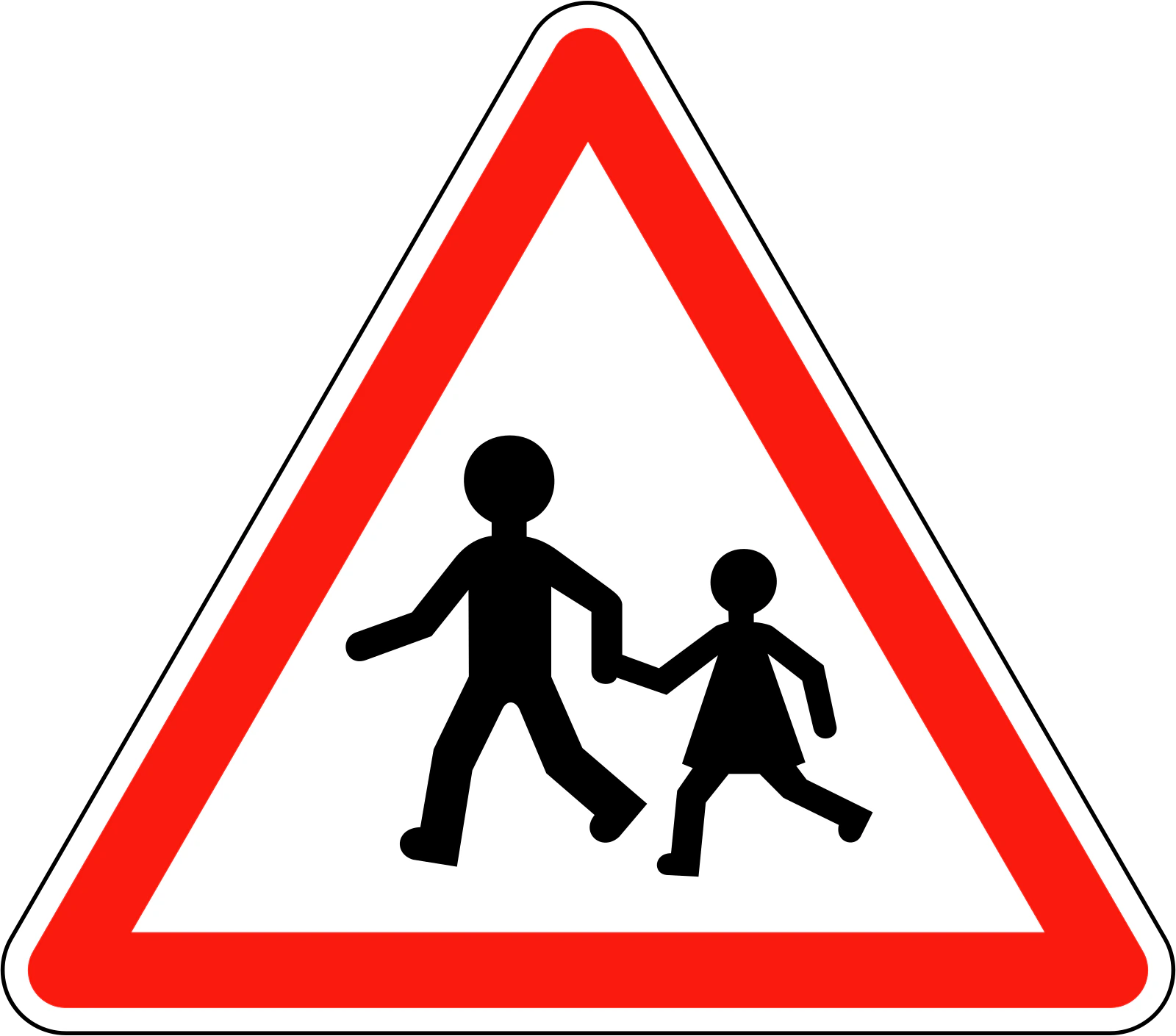
Warning: Children Crossing Ahead – Prepare to slow down and be vigilant!
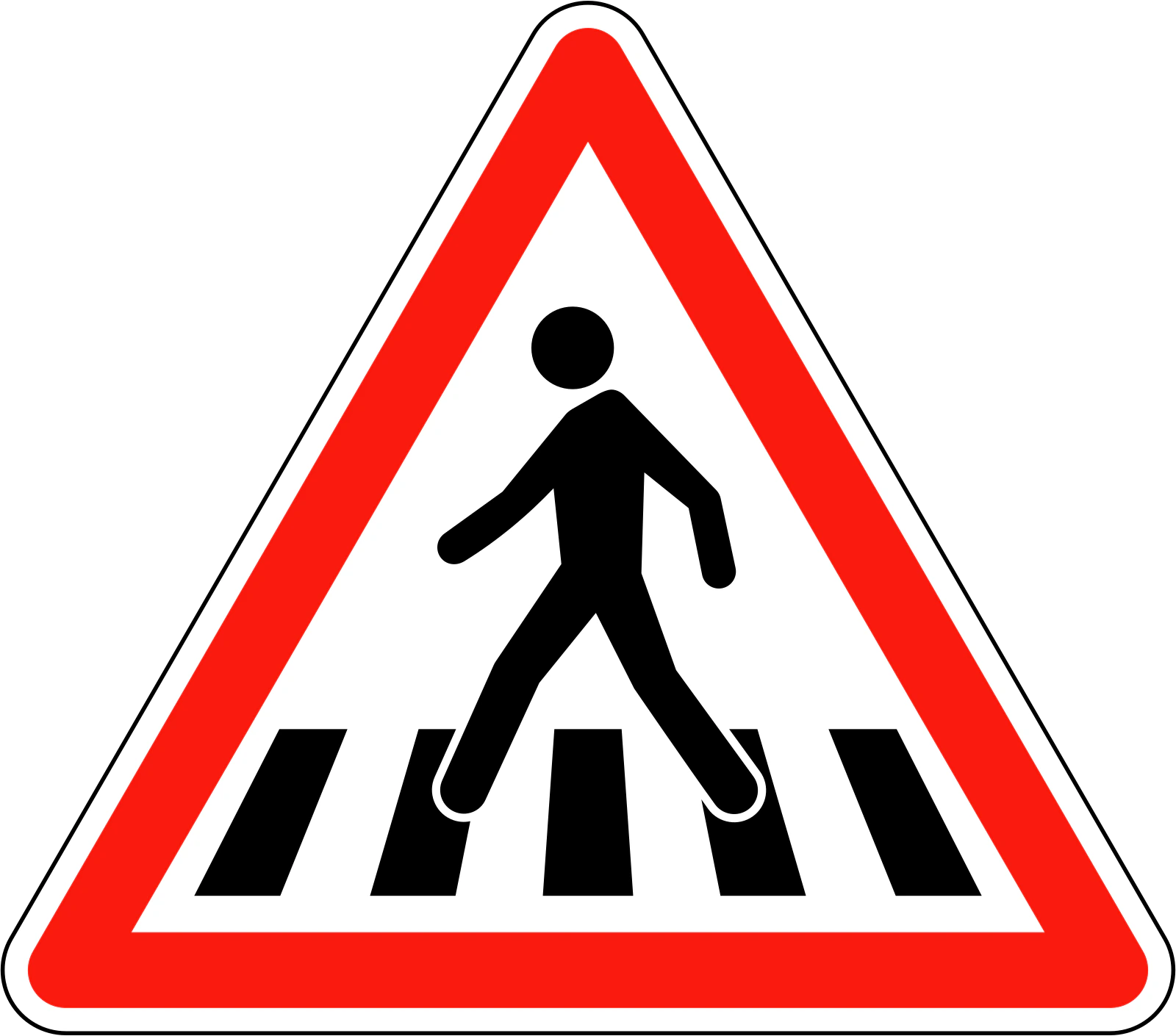
Prepare for Pedestrians: The A13b 'Pedestrian Crossing Ahead' Warning Sign
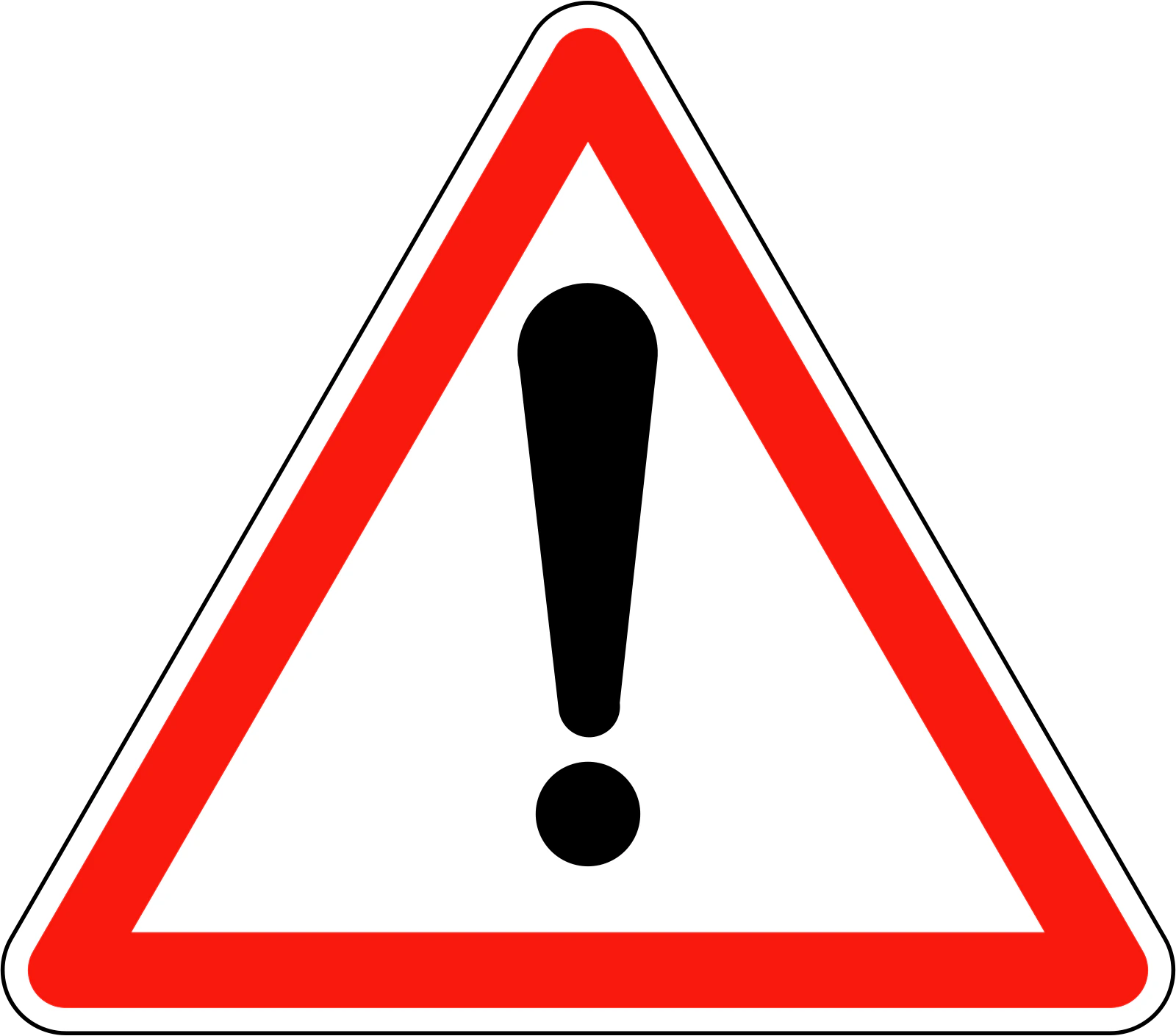
A14 Other Danger: Prepare for the Unexpected Ahead!
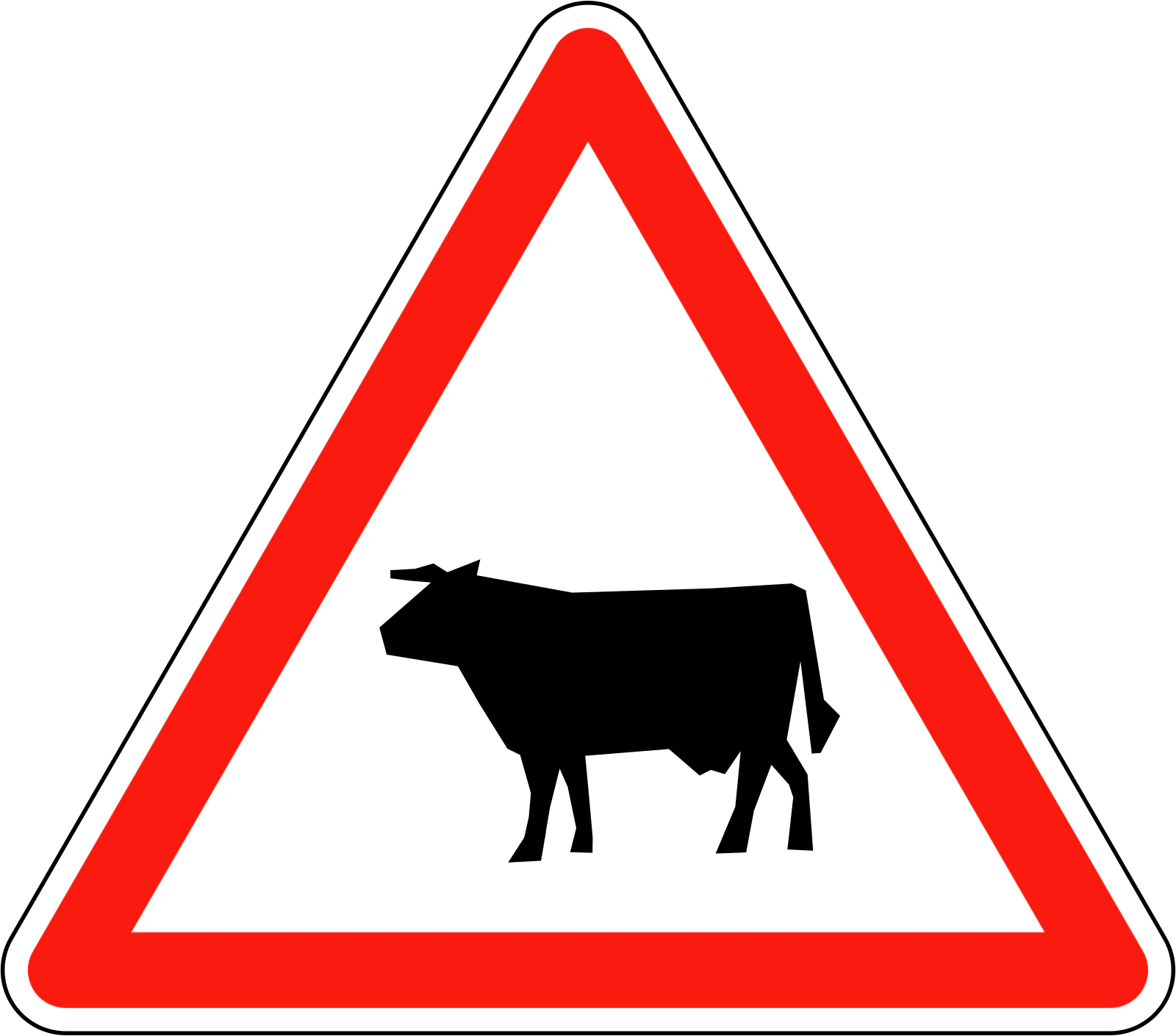
Prepare for cattle on the road with the French A15a warning sign.
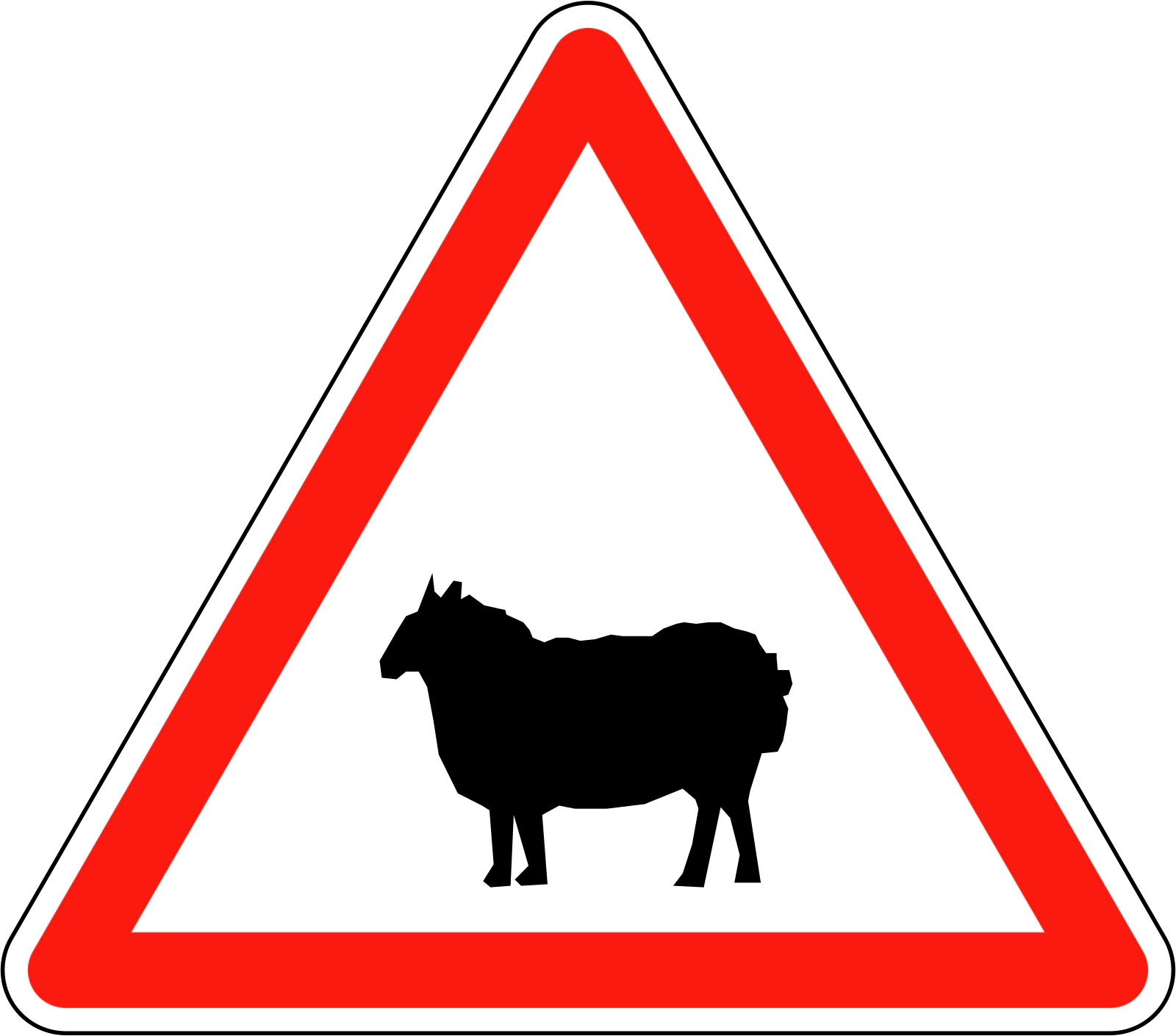
Watch out for Sheep: Understanding the A15a Warning Sign in France
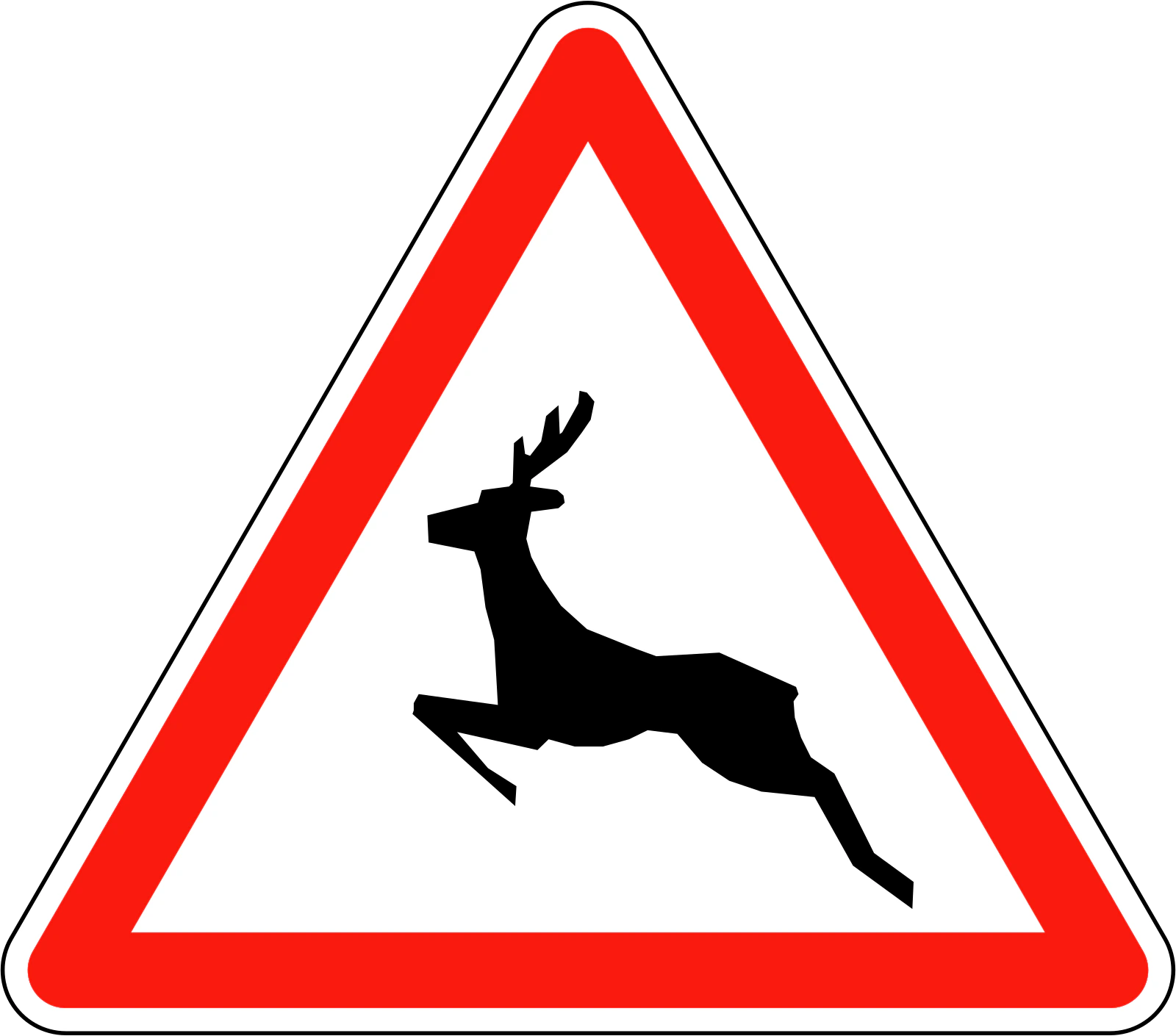
Be aware of wild animals with the A15b warning sign.
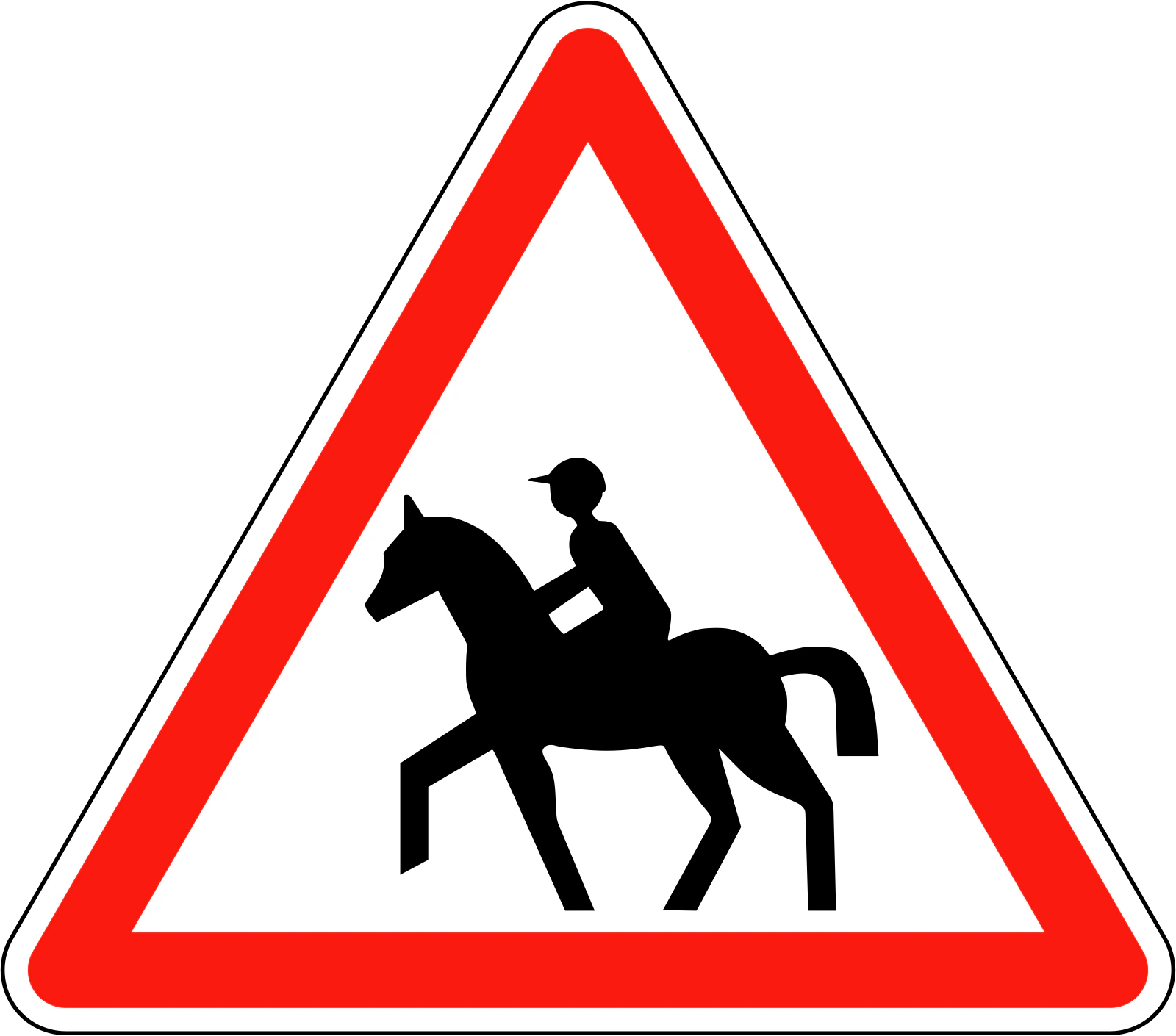
Watch out for horses: Understand the 'Equestrians' warning sign (A15c).
Explore these structured materials to bridge the gap between visual sign recognition and the specific traffic rules required for your ETG theory test. These resources help clarify how regional road signs dictate right-of-way and safety in France.
Understanding traffic rules is fundamental for the French driving license theory exam. While France generally follows the 'priorité à droite' rule at unmarked junctions, this article explains the critical exception: road signs and signals always override this default. You will learn to identify situations where signs dictate priority, ensuring you navigate intersections and roundabouts correctly and safely, a key aspect tested in the official Code de la route exam.
Navigating rural intersections requires a sharp understanding of the French Code de la route, especially when signs are absent. This guide breaks down the priority rules for unmarked junctions and identifies the common mistakes candidates make during the ETG theory exam. You will learn how to recognize these high-risk areas and apply the correct priority principles to ensure safe driving and exam success.
Decipher French Road Signs for a Confident Code Exam Pass.
Master French Cycling Rules for a Safer Road and a Confident Permis B.
Distance plates provide advance timing information for another sign. They are used so drivers can reduce speed, change lane, prepare to stop, or plan a route at the right moment rather than reacting too early or too late. The plate should always be interpreted with the main sign because the distance only makes sense when the driver knows what it refers to. Official French sign code: M1.
Priority signs are essential in France because priority can depend on the road type, the intersection layout, and whether priority-to-the-right still applies. This sign helps drivers identify who has right of way before entering the conflict area. A safe response means reading the sign with road markings, checking both directions, and committing only when the priority rule and traffic situation are clear. Official French sign code: M7.
Now that you've reviewed the full list of French road signs, enhance your understanding. Explore signs grouped by specific categories for deeper insights, test your recognition with practice questions, and solidify your knowledge for the Code de la route exam.
Browse All French Road Signs