
German traffic sign 230, officially designated 'Ladebereich Unternummern', indicates specific rules for loading areas, often modified by supplementary plates or road markings like numbers -10, -11, -20, -21, -30, -31. As a regulatory sign, it imposes a binding rule under the StVO, requiring drivers to adapt their speed, position, or route before entering the controlled zone. Always pay close attention to any additional plates or markings, as they refine the sign's application to specific vehicles, times, or situations.
Master the meaning of German Road Sign 230, crucial for your theory test revision on loading areas and parking rules. This sign demands careful attention to understand specific parking and loading restrictions, directly impacting your driving decisions and ensuring compliance with traffic legislation.
German road sign 230, officially designated "Ladebereich Unternummern - -10, -11, -20, -21 - -30, -31", belongs to the regulatory signs group. It gives a binding rule under the German StVO and must be followed rather than treated as advisory information. You may see it in junctions, restricted streets, cycle and pedestrian facilities, parking areas, low-emission zones, and roads with binding lane or speed rules, depending on how the road authority has arranged the location. The practical meaning is not just the symbol itself, but the driving decision it triggers: adjust speed, position, priority, route choice, stopping behaviour, or attention before the situation becomes urgent. For learners, the key skill is knowing whether the sign commands, forbids, limits, or cancels a rule. Always combine the sign with road markings, traffic lights, police instructions, and any supplementary plates at the same location.
German road sign 230 means "Loading area Unternummern - -10, -11, -20, -21 - -30, -31" and is officially listed as "Ladebereich Unternummern - -10, -11, -20, -21 - -30, -31". In practice, it tells drivers to recognise the situation early, adapt before reaching the controlled area, and check whether markings or supplementary plates change how the rule applies.
Get clear, practical answers to the most common questions about the 230 - Loading area Unternummern - -10, -11, -20, -21 - -30, -31 road sign. Learn how the sign works, what rules it represents, and how it affects real driving situations. This FAQ strengthens your understanding and supports accurate decision making for the German driving theory exam in Germany.
Sign 230 signifies a designated loading area with specific sub-number designations (like -10, -11, -20, -21, -30, -31). It's a regulatory sign, meaning its instruction must be followed. You need to understand the exact rule it applies through supplementary plates or road markings, which might restrict certain vehicles, times, or types of activity within this area.
When you encounter sign 230, you must first check any supplementary plates or road markings. These will clarify what is specifically regulated, such as restrictions on parking, stopping, or specific vehicle types. You need to adjust your driving behaviour (speed, lane, or intended action) before reaching the designated area to comply with the rule.
A common mistake is assuming the sign applies universally or without modification. Learners might forget to check supplementary plates or road markings which are crucial for understanding the specific restrictions for the area indicated by sign 230. The exam often tests your ability to interpret these combined signals correctly.
Yes, sign 230 is a regulatory sign and imposes binding rules. Depending on the supplementary information, it can prohibit stopping, parking, or even driving in the specified loading area for certain vehicles or at certain times. Always look for additional details to understand the exact limitation.
These numbers typically refer to specific sub-sections of a larger loading area or indicate different rules that apply to different parts of it, often in conjunction with specific road markings or signage. It's vital to identify which numbered section applies to your situation and follow its specific regulations.
A clear reference image of the 230 - Loading area Unternummern - -10, -11, -20, -21 - -30, -31 road sign used in Germany.
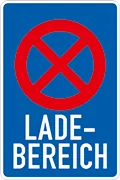
The 230 - Loading area Unternummern - -10, -11, -20, -21 - -30, -31 road sign may also be known by these alternative names or terms.
The 230 - Loading area Unternummern - -10, -11, -20, -21 - -30, -31 road sign is part of the German Regulatory Signs category, which groups together signs with similar rules and functions.
Comparing related road signs, like different variations of loading area rules, sharpens your recall for the German theory test. Understanding the subtle differences between similar traffic signs prevents common mistakes and boosts your sign recognition skills during revision.
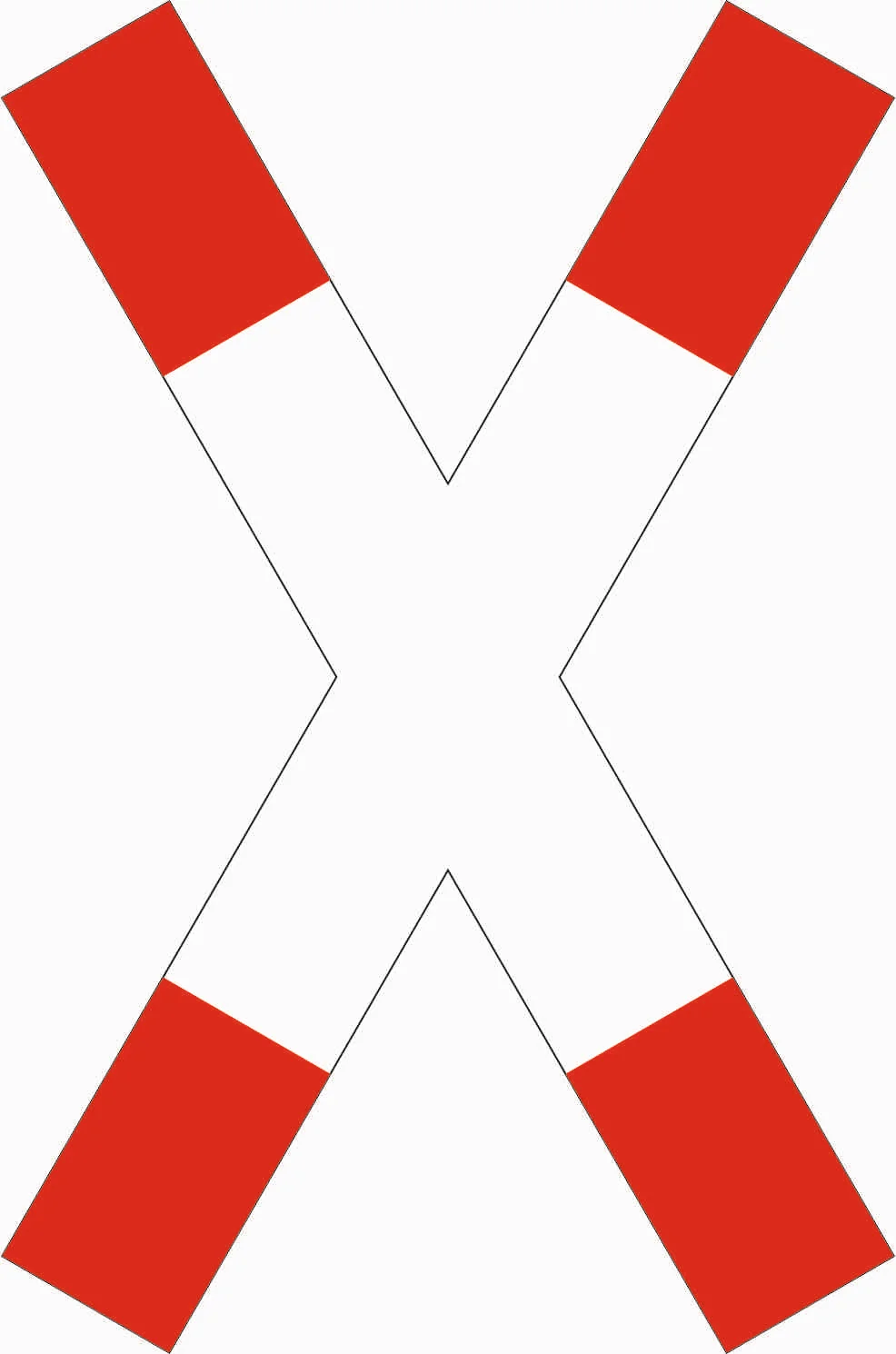
Master the Standing Railway Crossbuck (Andreaskreuz - stehend) Sign
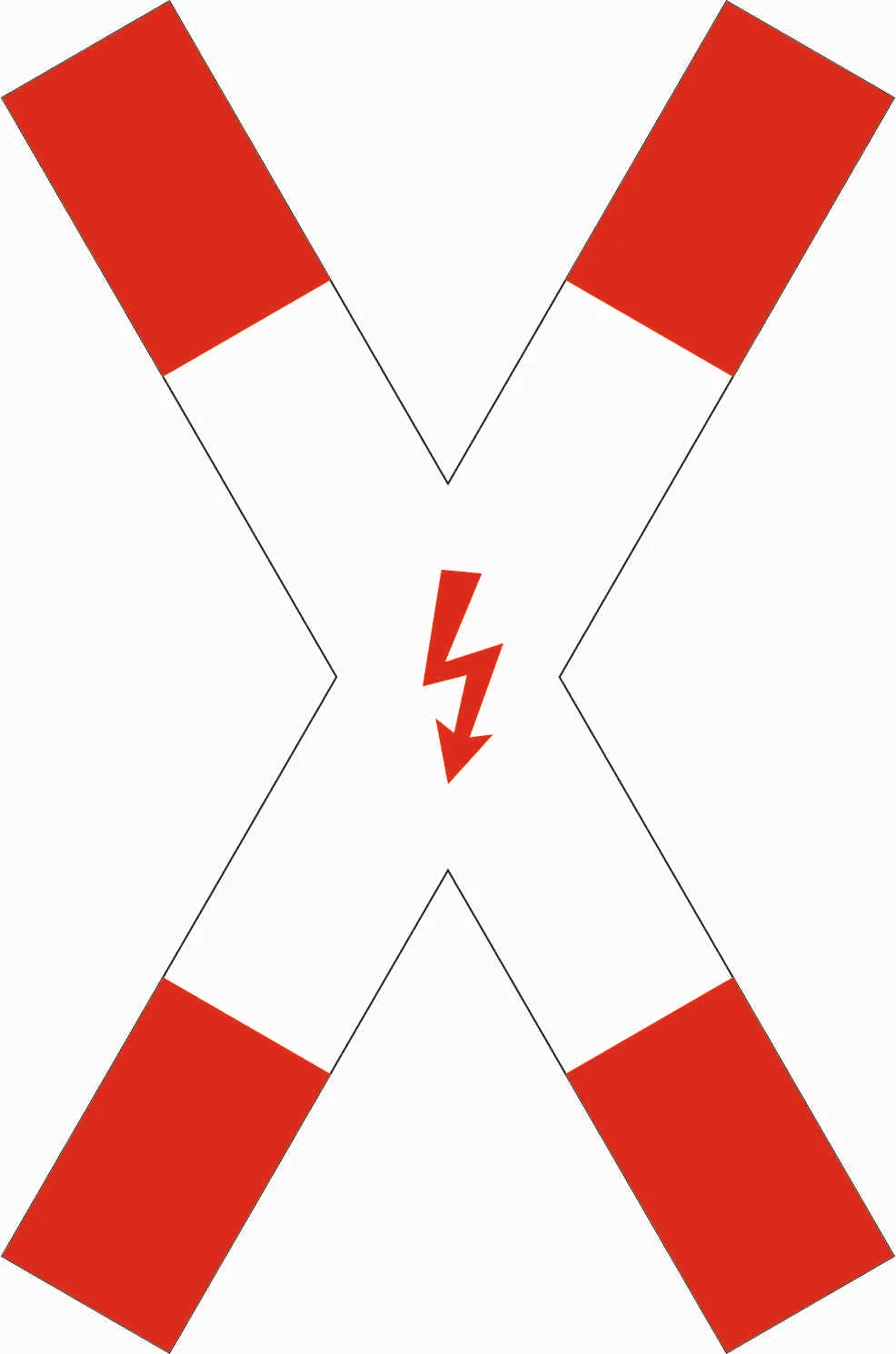
Understand the Railway Crossbuck with Blitzpfeil (Sign 201-51) in Germany
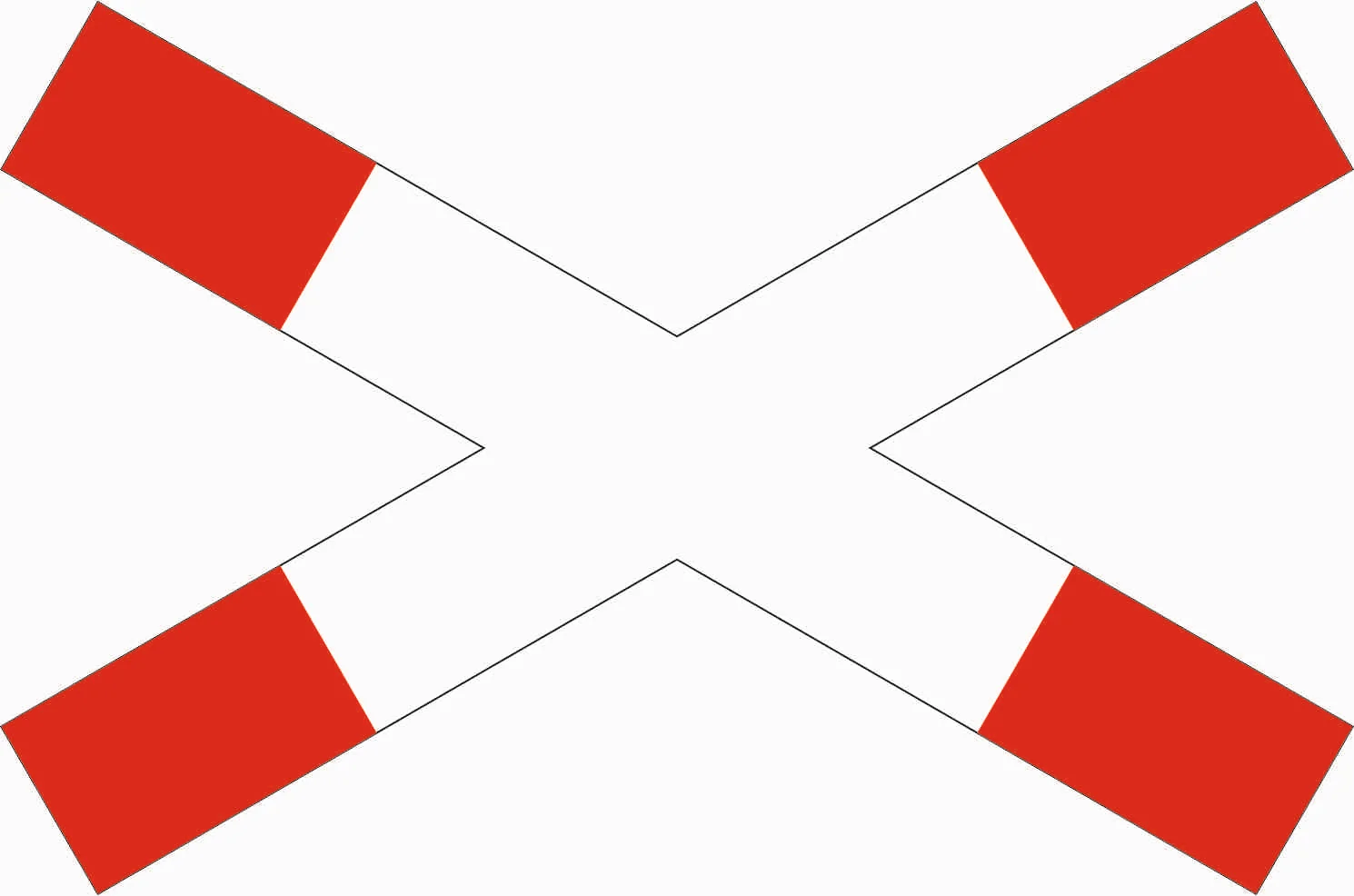
German road sign 201-52: The Railway Crossbuck 'Andreaskreuz - liegend'
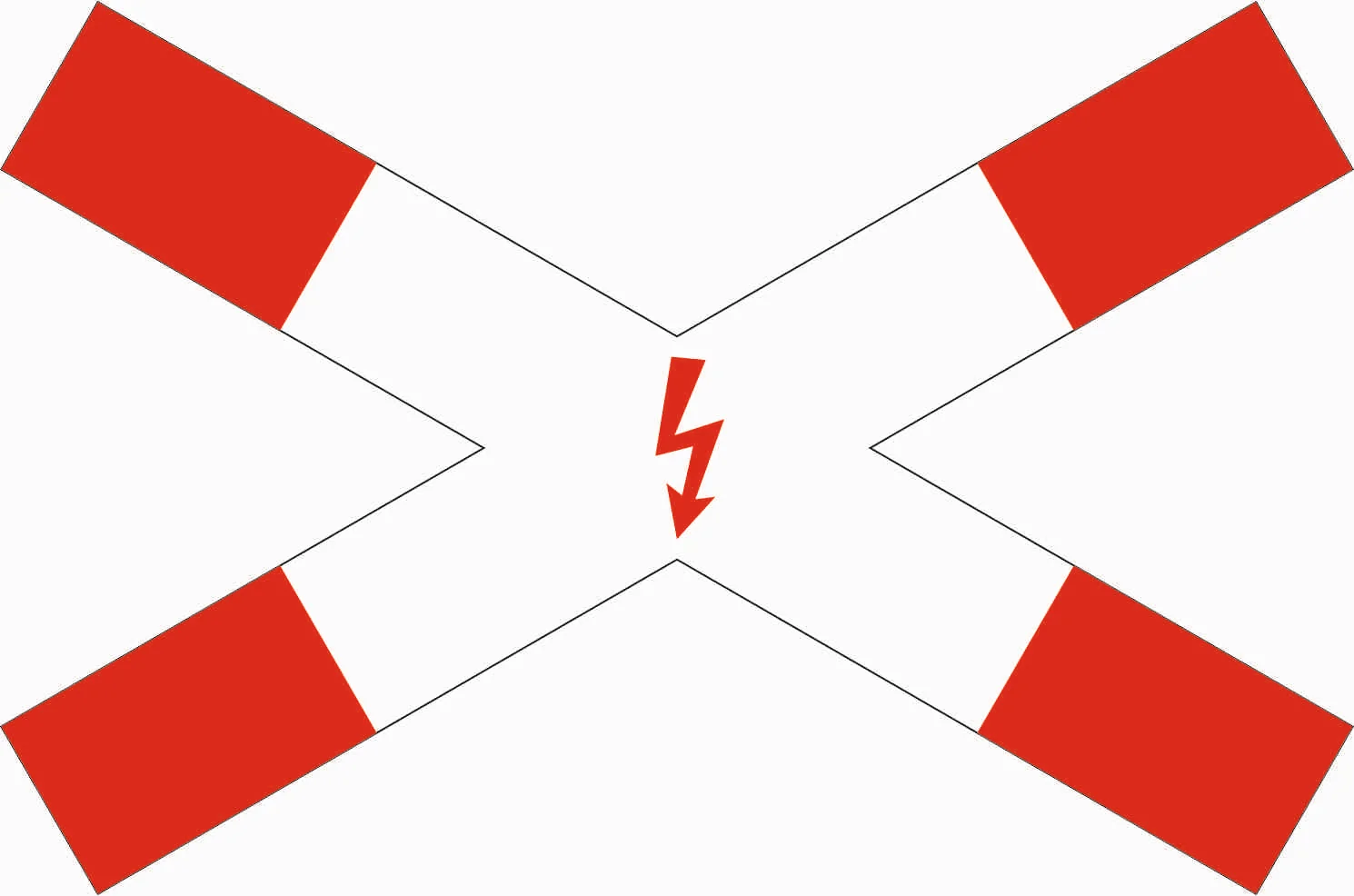
Germany's Railway Crossbuck Sign 201-53 with Blitzpfeil: What You Need to Know
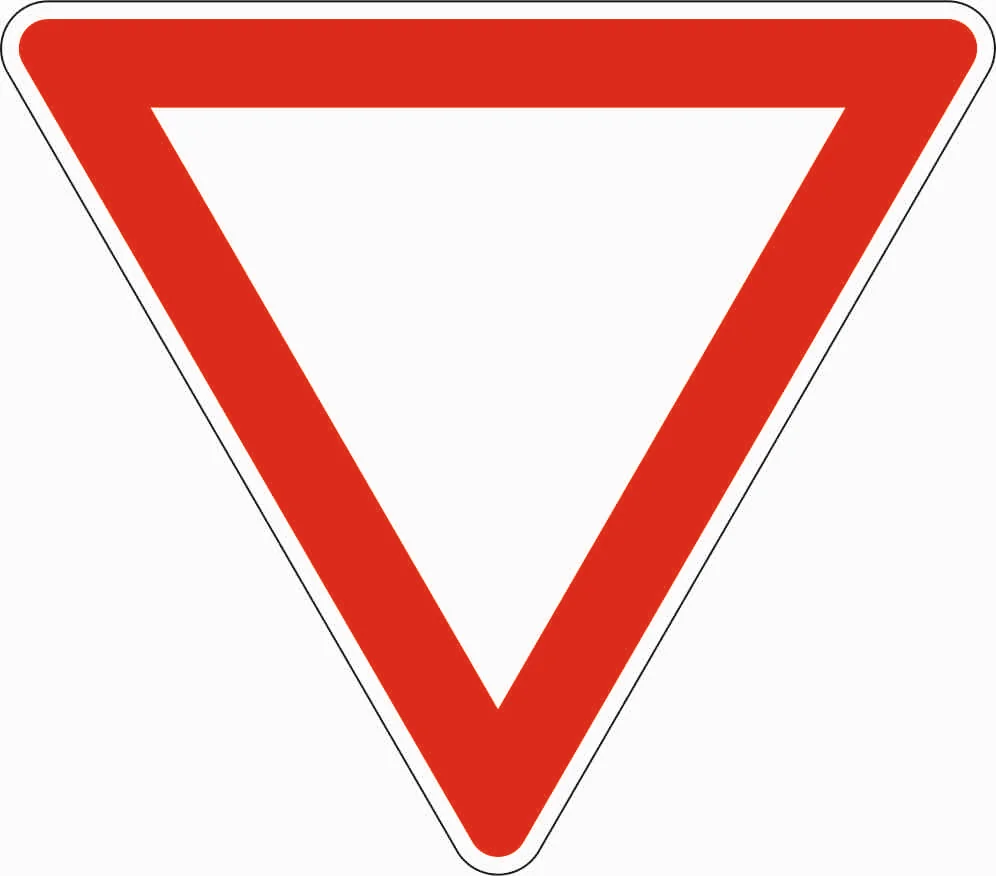
Understand the German "Yield" Sign (Sign 205 - Vorfahrt gewähren)
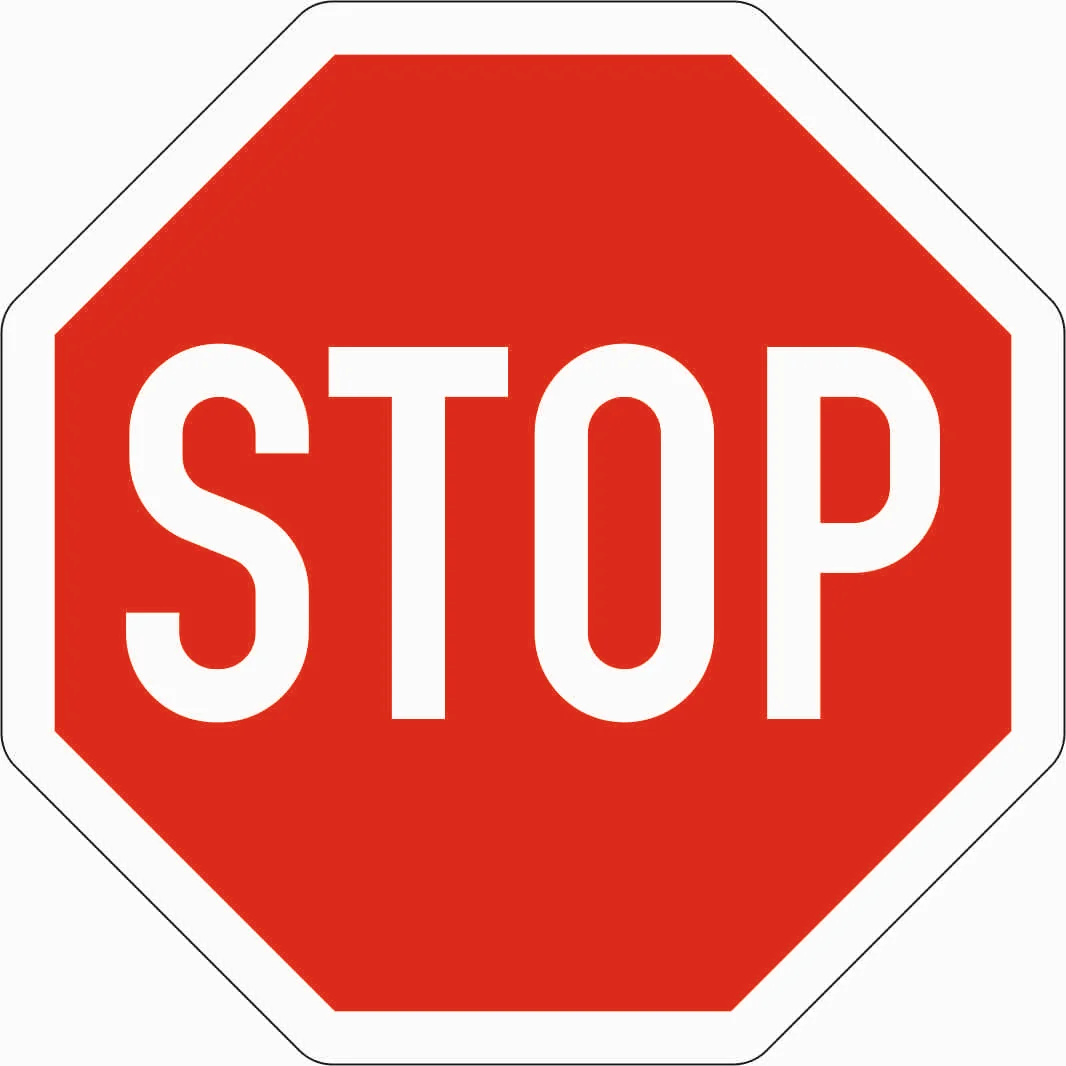
Sign 206: Stop and Yield – You must stop and give way
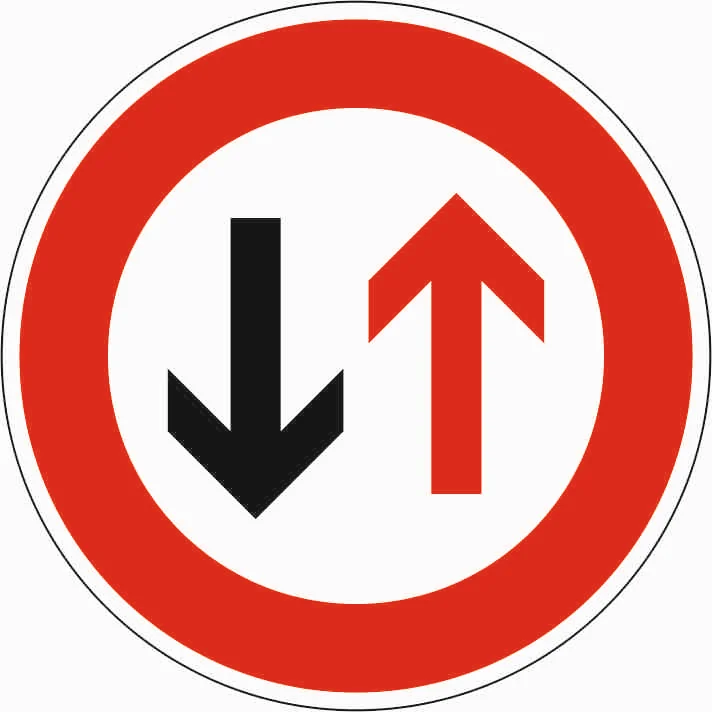
Sign 208: You Must Yield to Oncoming Traffic on This Road
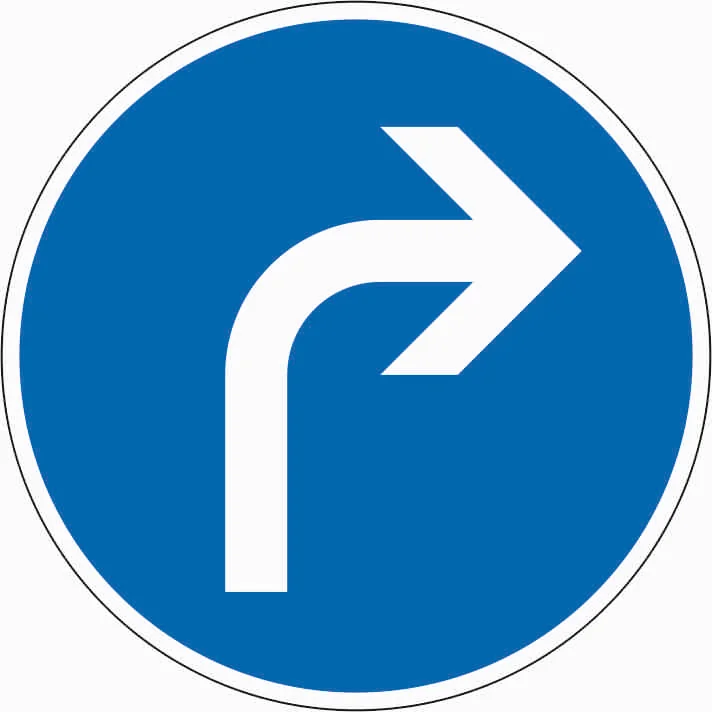
Mandatory Direction - Right: Sign 209 Explained
Deepen your understanding of these specific road markings by exploring related traffic rules and situational hazard perception exercises. Applying the official StVO regulations ensures you recognize critical signage accurately during your theory test.
Master German Merging Rules for a Smooth and Safe Drive
Obtaining a German driving licence is a milestone that requires careful coordination between your driving school, the local licensing authority, and technical examination bodies. This article explains how to manage your training milestones, understand the importance of Prüfungsreife, and choose the right learning path for your goals. You will learn how to avoid common planning pitfalls that lead to delays and extra costs on your way to becoming a licensed driver.
Encountering a wrong-way driver, known as a 'Geisterfahrer' in Germany, on the Autobahn is a terrifying but potentially survivable situation. This article provides essential, text-based guidance on how to react if you hear an official radio warning or, more critically, spot headlights approaching you on the wrong side of the road. Mastering these life-saving procedures is paramount for safe Autobahn driving and understanding high-risk scenarios tested in the German driving theory exam.
Master German Car Park Rules for a Smooth Drive and a Theory Pass!
German road sign 1042-32, officially designated "Zeitliche Beschränkung (werktags 8:30 - 11:30 h, 16 - 18 h)", belongs to the supplementary signs group. It changes how the sign above is applied by adding a distance, direction, time period, vehicle class, exception, condition, or parking detail. You may see it in below a main traffic sign, where it limits, extends, explains, or creates an exception to the rule shown above it, depending on how the road authority has arranged the location. The practical meaning is not just the symbol itself, but the driving decision it triggers: adjust speed, position, priority, route choice, stopping behaviour, or attention before the situation becomes urgent. For learners, the key skill is reading the entire sign stack from top to bottom before deciding whether the rule applies to your vehicle. Always combine the sign with road markings, traffic lights, police instructions, and any supplementary plates at the same location.
German road sign 274.1, officially designated "Beginn einer Tempo 30-Zone", belongs to the regulatory signs group. It gives a binding rule under the German StVO and must be followed rather than treated as advisory information. You may see it in junctions, restricted streets, cycle and pedestrian facilities, parking areas, low-emission zones, and roads with binding lane or speed rules, depending on how the road authority has arranged the location. A start version normally marks the beginning of the controlled section. The practical meaning is not just the symbol itself, but the driving decision it triggers: adjust speed, position, priority, route choice, stopping behaviour, or attention before the situation becomes urgent. For learners, the key skill is knowing whether the sign commands, forbids, limits, or cancels a rule. Always combine the sign with road markings, traffic lights, police instructions, and any supplementary plates at the same location.
Deepen your understanding of specific road sign categories or test your knowledge with practice questions. Explore our themed sign groups for targeted study or jump into quizzes to reinforce your recognition skills for the official German theory exam.
All German Road Signs List