
This sign, officially 'Verbot für Kraftfahrzeuge und Züge, die nicht schneller als 25 km/h fahren können oder dürfen', is a regulatory sign in Germany prohibiting motor vehicles and vehicle combinations that are unable to reach or are not permitted to exceed 25 km/h. It's crucial to recognise such signs early and adapt your driving behaviour before reaching the restricted area. Always pay attention to supplementary plates or road markings that might alter the sign's application.
This sign indicates a restriction for motor vehicles and vehicle combinations unable to reach or exceeding 25 km/h. Mastering this sign's meaning is crucial for your German theory test revision and understanding traffic sign explanations.
German road sign 257-58, officially designated "Verbot für Kraftfahrzeuge und Züge, die nicht schneller als 25 km/h fahren können oder dürfen", belongs to the regulatory signs group. It creates a binding restriction or prohibition that applies until it is cancelled, replaced, or limited by a supplementary plate. You may see it in junctions, restricted streets, cycle and pedestrian facilities, parking areas, low-emission zones, and roads with binding lane or speed rules, depending on how the road authority has arranged the location. The practical meaning is not just the symbol itself, but the driving decision it triggers: adjust speed, position, priority, route choice, stopping behaviour, or attention before the situation becomes urgent. For learners, the key skill is knowing whether the sign commands, forbids, limits, or cancels a rule. Always combine the sign with road markings, traffic lights, police instructions, and any supplementary plates at the same location.
German road sign 257-58 means "No motor vehicles Züge, nicht schneller als 25 km/h fahren können dürfen" and is officially listed as "Verbot für Kraftfahrzeuge und Züge, die nicht schneller als 25 km/h fahren können oder dürfen". In practice, it tells drivers to recognise the situation early, adapt before reaching the controlled area, and check whether markings or supplementary plates change how the rule applies.
Get clear, practical answers to the most common questions about the 257-58 - No motor vehicles Züge, nicht schneller als 25 km/h fahren können dürfen road sign. Learn how the sign works, what rules it represents, and how it affects real driving situations. This FAQ strengthens your understanding and supports accurate decision making for the German driving theory exam in Germany.
Sign 257-58 prohibits motor vehicles and vehicle combinations that cannot travel faster than 25 km/h, or are not allowed to. This means if your vehicle's maximum speed is 25 km/h or less, you are forbidden from entering the area where this sign is posted. Always check for supplementary signs that might specify exceptions or different speed limits.
You might see sign 257-58 in various locations such as junctions, restricted streets, shared cycle and pedestrian facilities, parking areas, or specific zones like low-emission areas. Road authorities use it to manage traffic flow and safety, particularly where slower vehicles could cause hazards or congestion.
A common trap is assuming this sign only applies to very slow vehicles. Remember it also applies to vehicles that *may not* exceed 25 km/h, even if capable of going faster. Another trap is ignoring supplementary plates which can restrict the prohibition to specific times, directions, or types of vehicles, so always look for them.
You need to recognise the sign and adapt your behaviour *before* entering the controlled area. This might mean adjusting your speed, changing lanes, or choosing an alternative route if your vehicle is prohibited. It's a prohibitory sign, so immediate compliance is necessary from the point it applies.
Sign 257-58 specifically targets 'motor vehicles and vehicle combinations'. This generally excludes bicycles or manual wheelchairs, but it definitely applies to slow-moving motorized vehicles like certain agricultural machinery, construction vehicles, or small mopeds if they are registered as motor vehicles and fall below the speed threshold or are restricted to it.
A clear reference image of the 257-58 - No motor vehicles Züge, nicht schneller als 25 km/h fahren können dürfen road sign used in Germany.
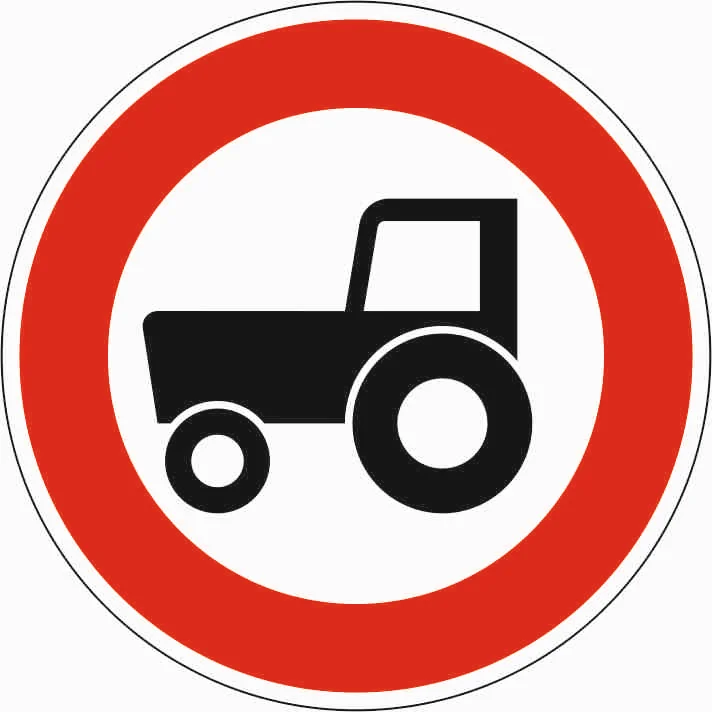
The 257-58 - No motor vehicles Züge, nicht schneller als 25 km/h fahren können dürfen road sign may also be known by these alternative names or terms.
The 257-58 - No motor vehicles Züge, nicht schneller als 25 km/h fahren können dürfen road sign is part of the German Regulatory Signs category, which groups together signs with similar rules and functions.
Reviewing similar road signs side-by-side sharpens your ability to distinguish them, crucial for accurate theory test revision and avoiding common mistakes. This focused traffic sign comparison helps solidify your understanding of German traffic rules and official road signs, leading to better exam preparation.
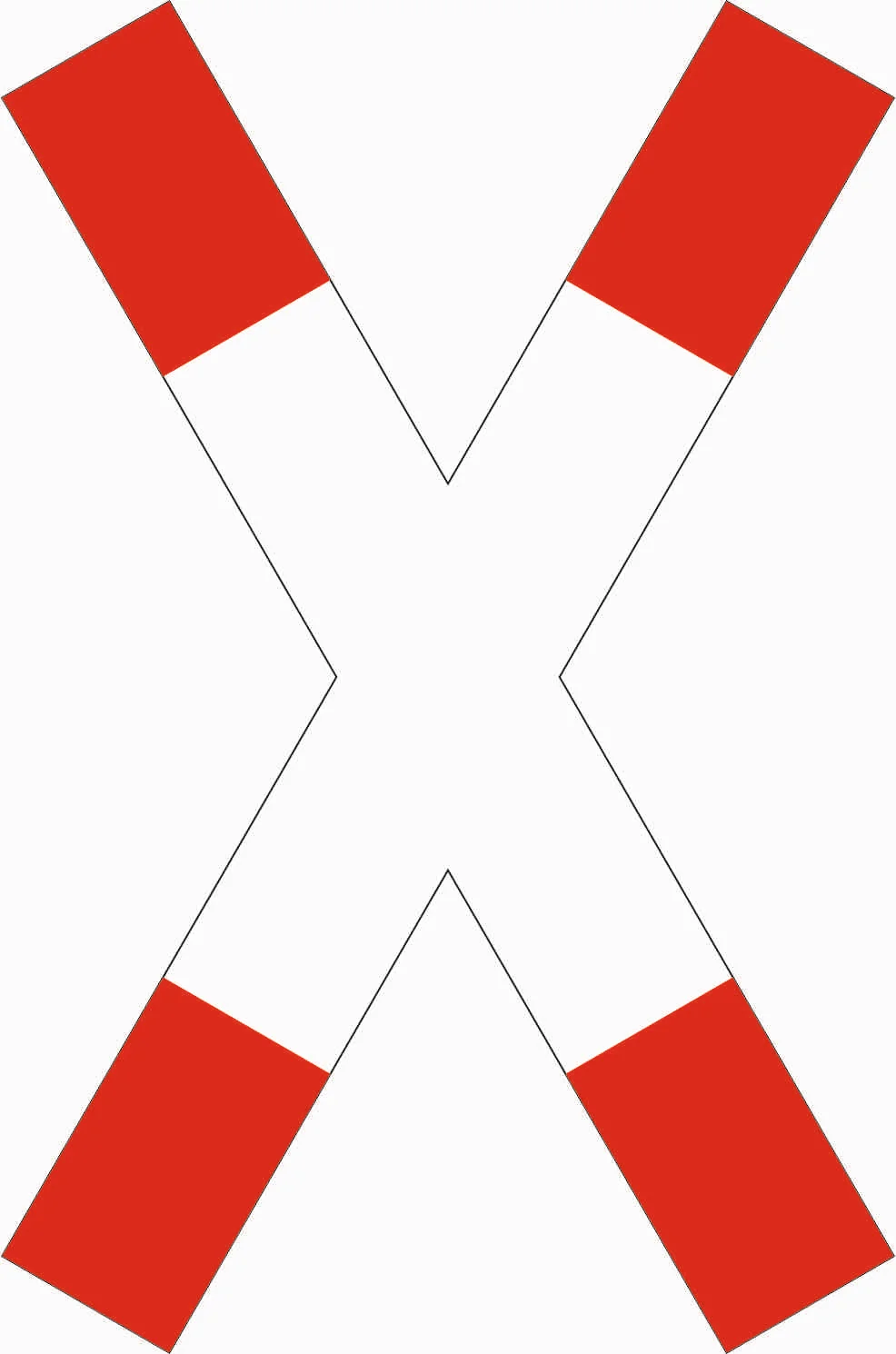
Master the Standing Railway Crossbuck (Andreaskreuz - stehend) Sign
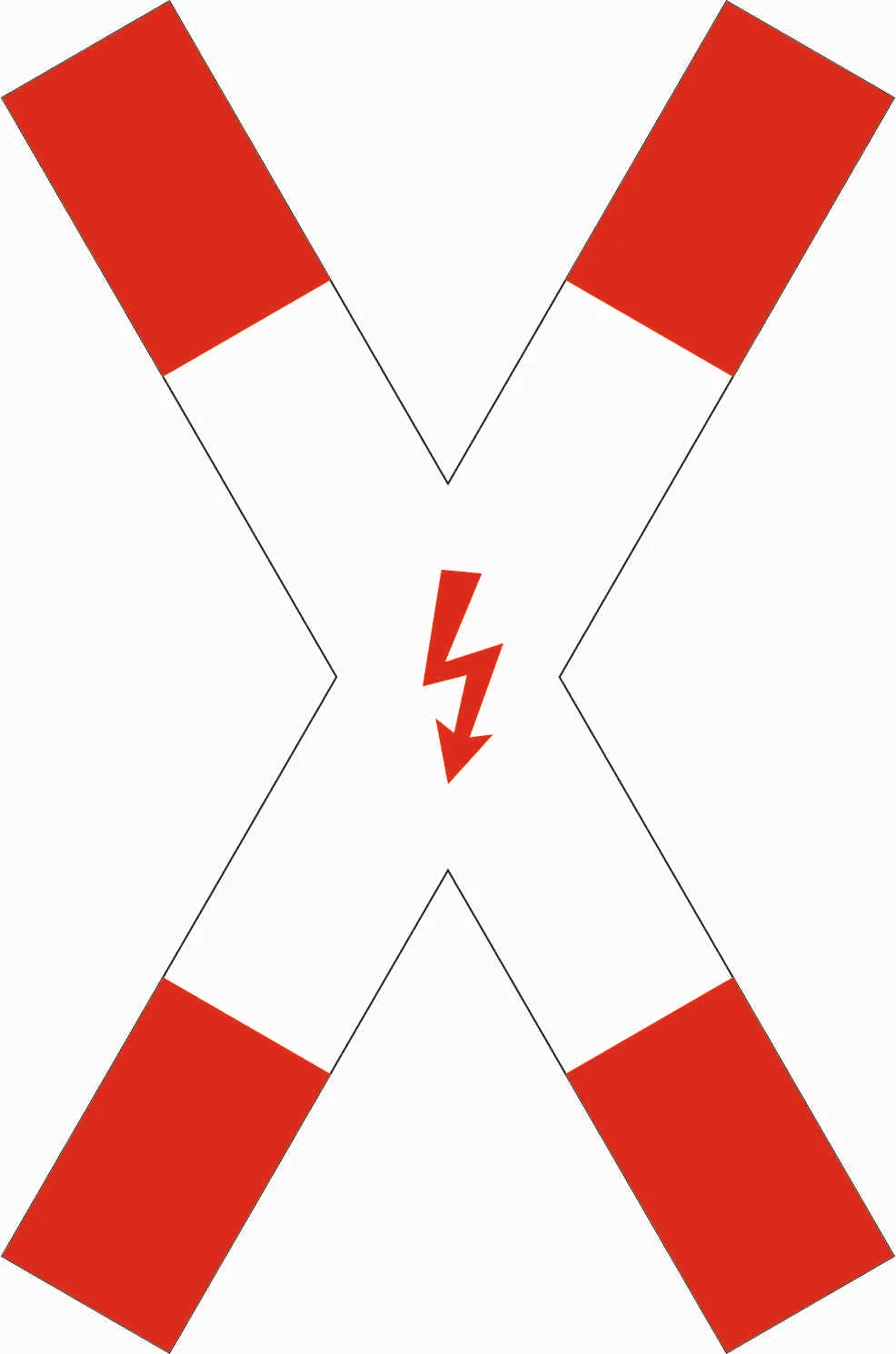
Understand the Railway Crossbuck with Blitzpfeil (Sign 201-51) in Germany
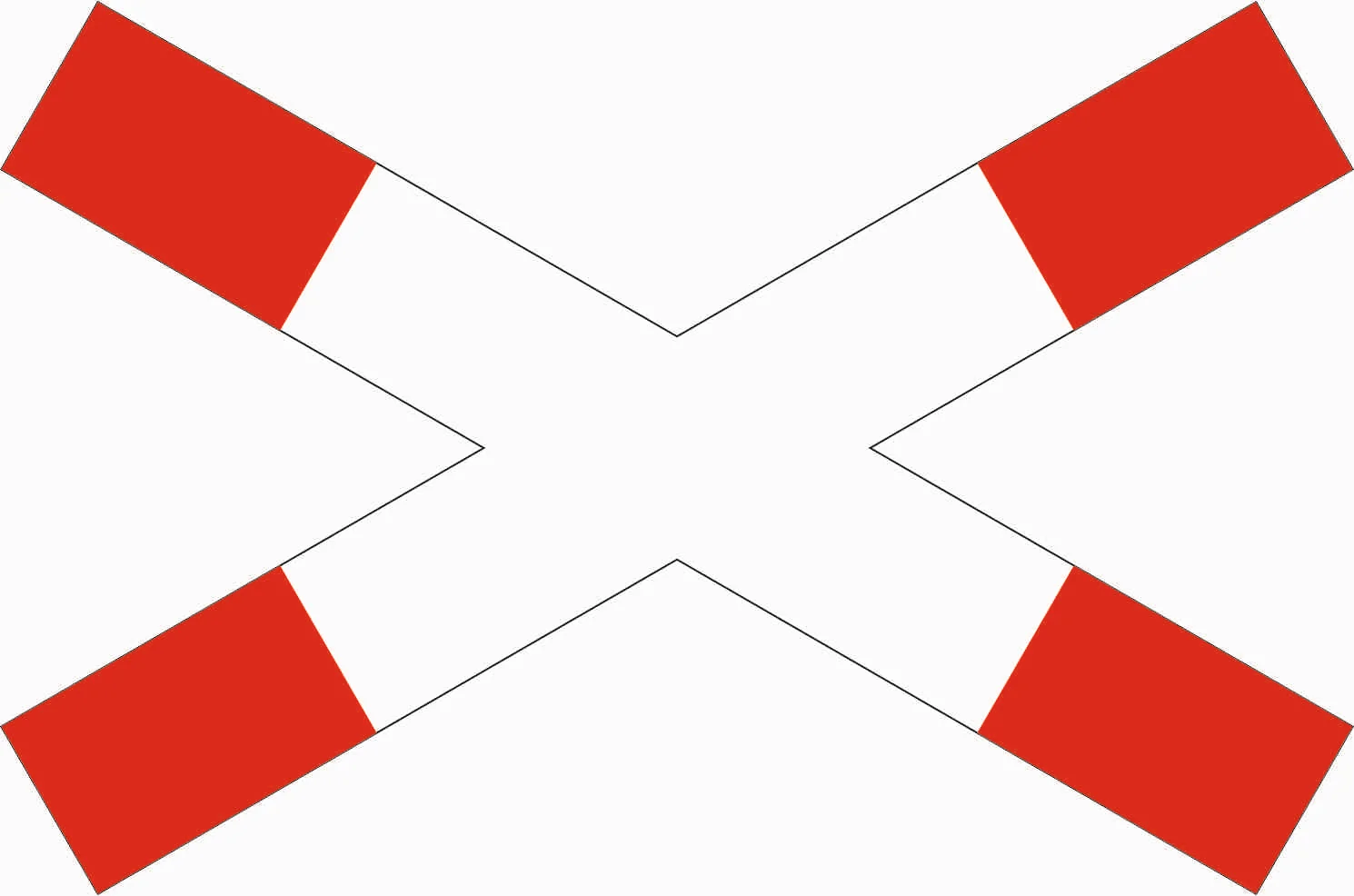
German road sign 201-52: The Railway Crossbuck 'Andreaskreuz - liegend'
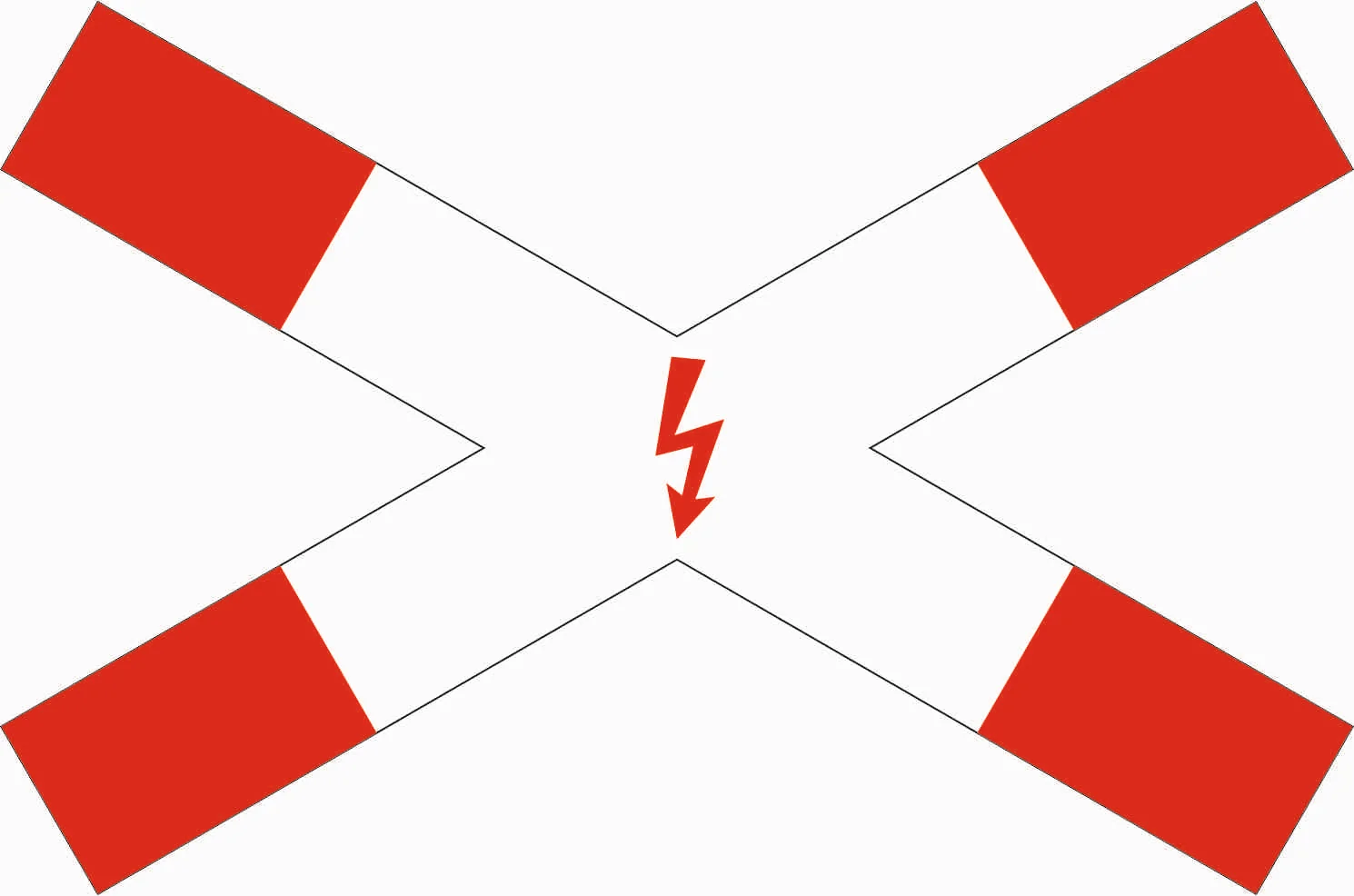
Germany's Railway Crossbuck Sign 201-53 with Blitzpfeil: What You Need to Know
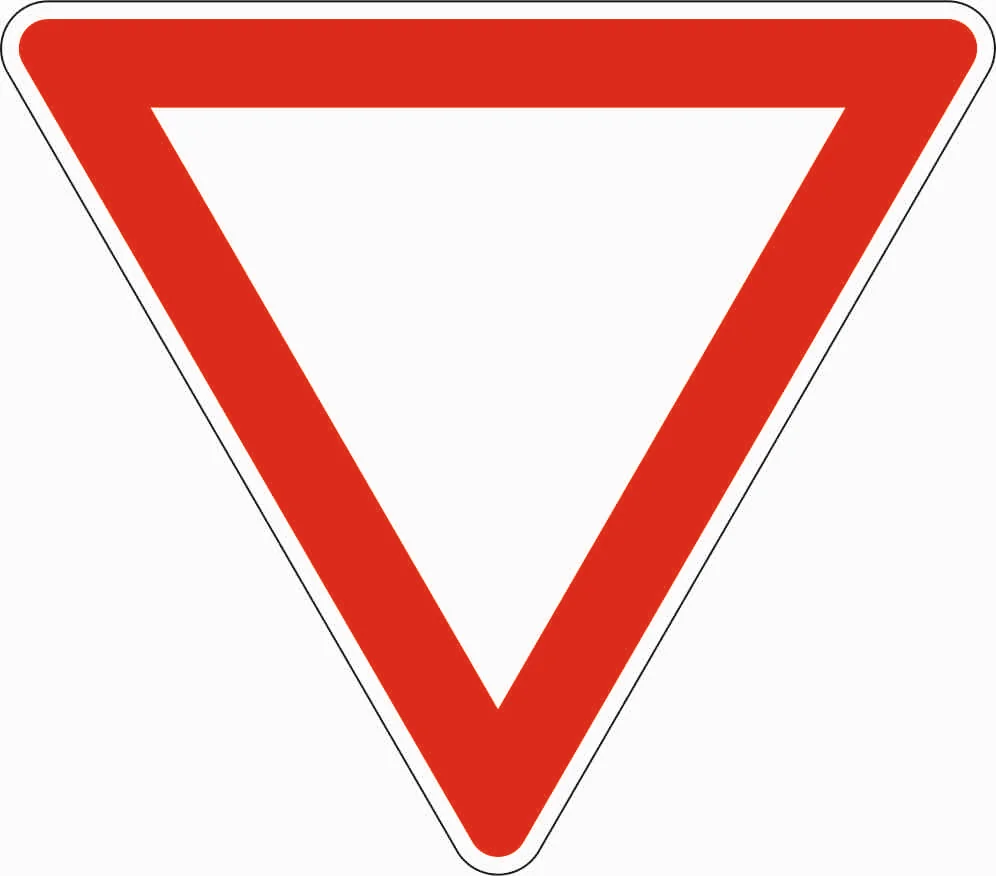
Understand the German "Yield" Sign (Sign 205 - Vorfahrt gewähren)
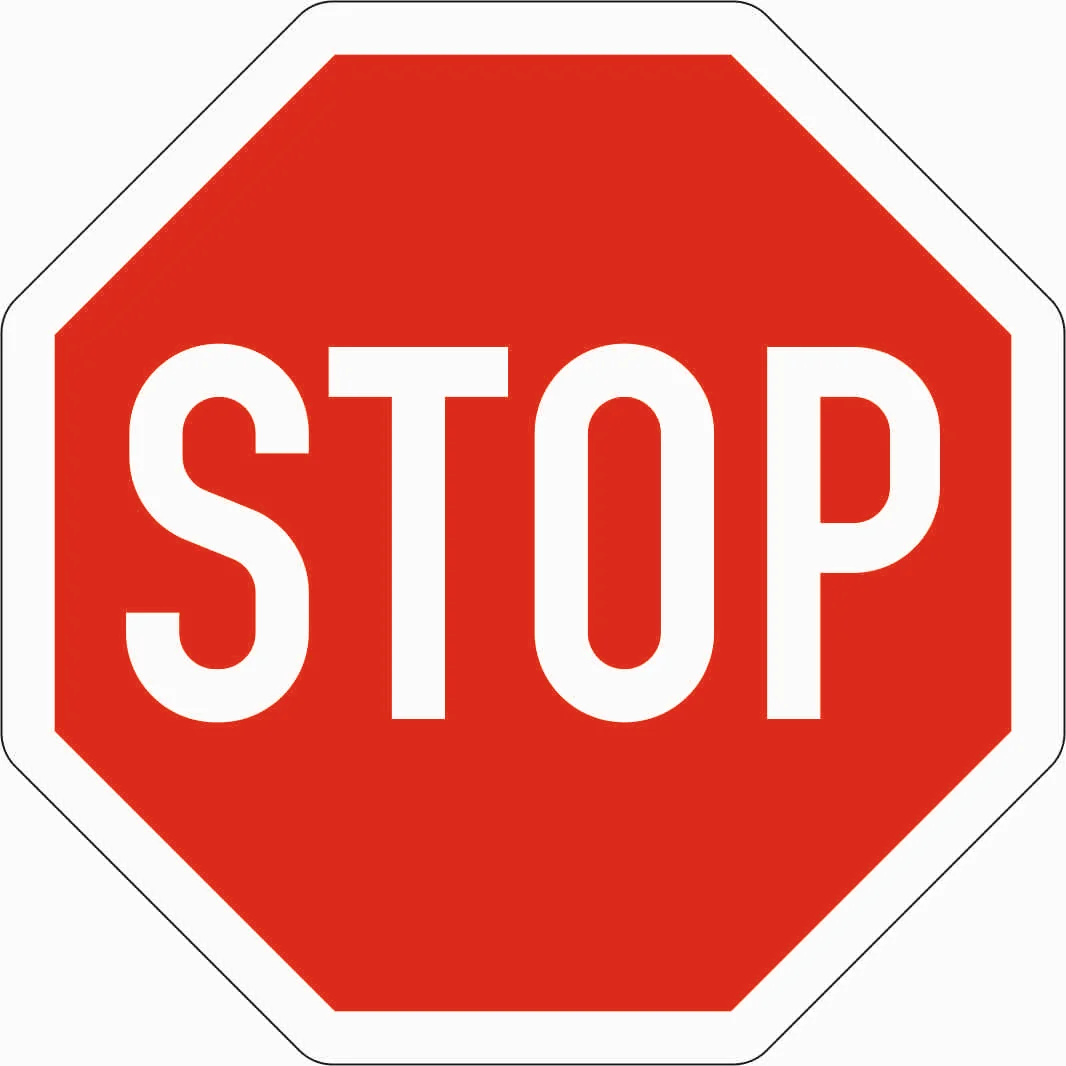
Sign 206: Stop and Yield – You must stop and give way
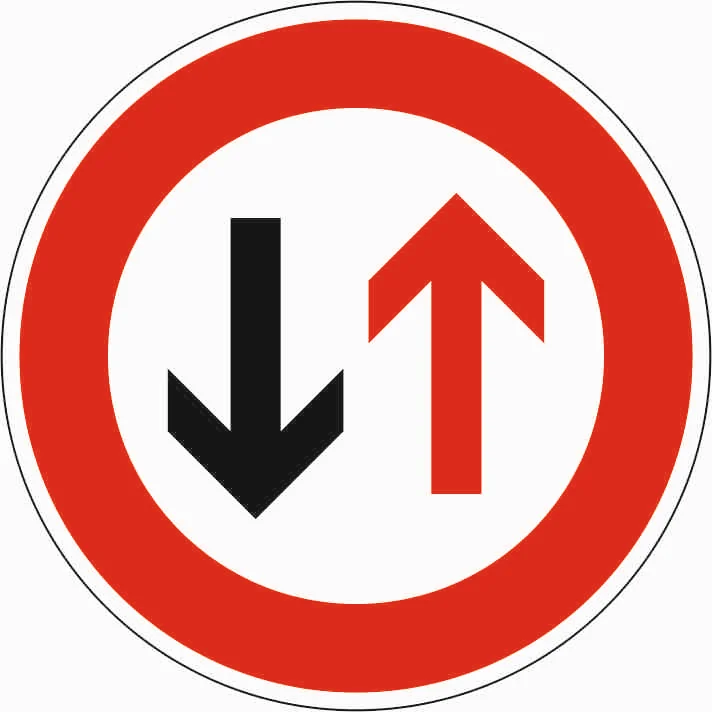
Sign 208: You Must Yield to Oncoming Traffic on This Road
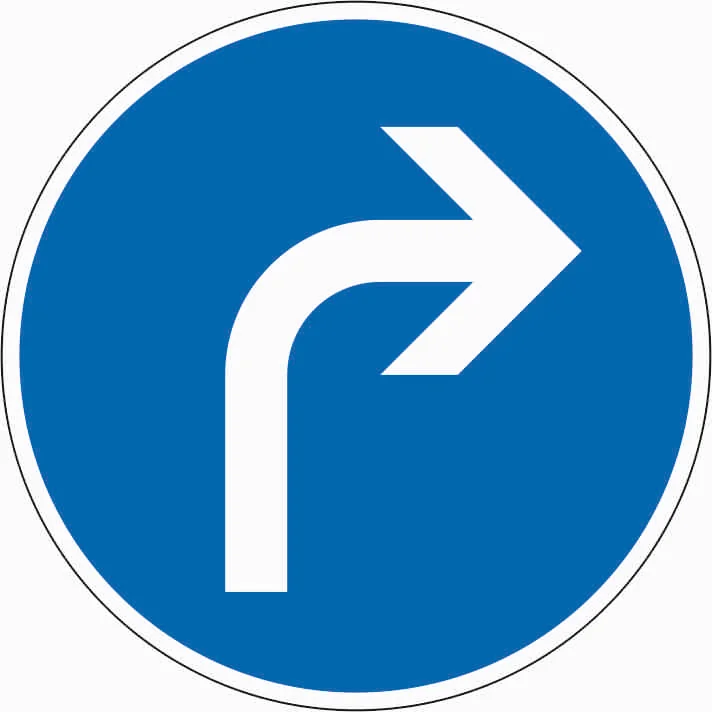
Mandatory Direction - Right: Sign 209 Explained
Deepen your understanding of these specific road markings by exploring related traffic rules and situational hazard perception exercises. Applying the official StVO regulations ensures you recognize critical signage accurately during your theory test.
Master German Merging Rules for a Smooth and Safe Drive
After any traffic accident in Germany, knowing the correct procedure is paramount. This guide details the mandatory actions you must take according to German law, including securing the accident scene, providing necessary information to other parties, and understanding the implications of §142 StGB (Fahrerflucht). Mastering these steps is vital for both safe driving and succeeding in your German driving theory test.
Stay Safe and Legal: Navigate German Roads with Confidence in Any Weather.
Securing a driving license in Germany requires a clear understanding of the legal requirements and the structured path from theory lessons to your final examination. This guide breaks down the essential criteria for selecting an officially recognized driving school in Hamburg and clarifies the differences between license classes like B, A1, and C, ensuring you are well-prepared for the regulations governed by the FEV.
German road sign 1010-61, officially designated "Kraftfahrzeuge und Züge, die nicht schneller als 25 km/h fahren können oder dürfen", belongs to the supplementary signs group. It changes how the sign above is applied by adding a distance, direction, time period, vehicle class, exception, condition, or parking detail. You may see it in below a main traffic sign, where it limits, extends, explains, or creates an exception to the rule shown above it, depending on how the road authority has arranged the location. The practical meaning is not just the symbol itself, but the driving decision it triggers: adjust speed, position, priority, route choice, stopping behaviour, or attention before the situation becomes urgent. For learners, the key skill is reading the entire sign stack from top to bottom before deciding whether the rule applies to your vehicle. Always combine the sign with road markings, traffic lights, police instructions, and any supplementary plates at the same location.
German road sign 1024-17, officially designated "Kraftfahrzeuge und Züge, die nicht schneller als 25 km/h fahren können oder dürfen frei", belongs to the supplementary signs group. It changes how the sign above is applied by adding a distance, direction, time period, vehicle class, exception, condition, or parking detail. You may see it in below a main traffic sign, where it limits, extends, explains, or creates an exception to the rule shown above it, depending on how the road authority has arranged the location. The practical meaning is not just the symbol itself, but the driving decision it triggers: adjust speed, position, priority, route choice, stopping behaviour, or attention before the situation becomes urgent. For learners, the key skill is reading the entire sign stack from top to bottom before deciding whether the rule applies to your vehicle. Always combine the sign with road markings, traffic lights, police instructions, and any supplementary plates at the same location.
Deepen your understanding of specific road sign categories or test your knowledge with practice questions. Explore our themed sign groups for targeted study or jump into quizzes to reinforce your recognition skills for the official German theory exam.
All German Road Signs List