
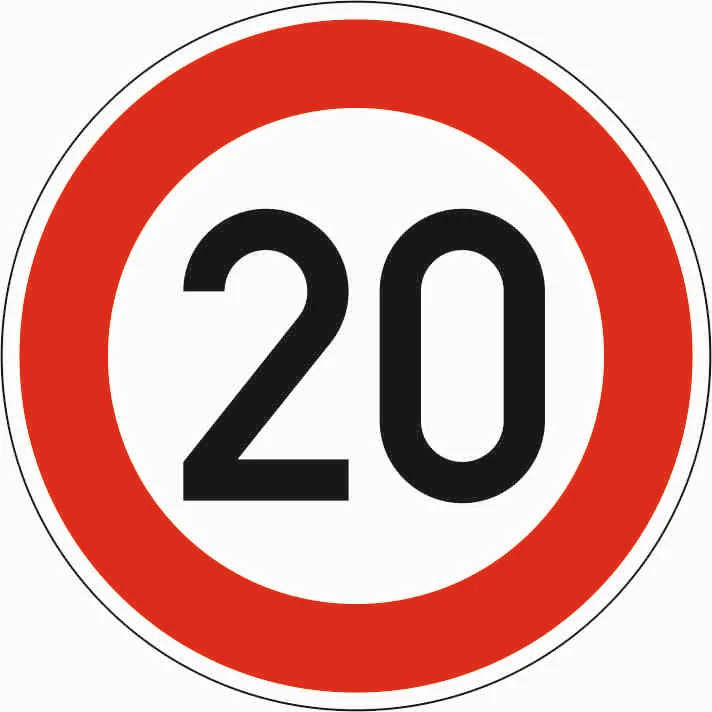
German traffic sign 274-20 indicates a strict maximum speed limit of 20 km/h. This regulatory sign applies until cancelled and requires drivers to reduce speed before entering the restricted zone. You'll often encounter this sign in specific areas like junctions, pedestrian zones, or roads with temporary hazards, so always pay close attention to supplementary plates and road markings that might refine its application. Understanding this sign is crucial for safe driving and is a common topic in the German theory exam.
This German road sign, 'Maximum speed 20 km/h', mandates a strict speed limit, crucial for navigating restricted German traffic zones. Mastering its specific meaning and application is vital for your theory test revision and understanding traffic sign explanations.
German road sign 274-20, officially designated "Zulässige Höchstgeschwindigkeit 20 km/h", belongs to the regulatory signs group. It creates a binding restriction or prohibition that applies until it is cancelled, replaced, or limited by a supplementary plate. You may see it in junctions, restricted streets, cycle and pedestrian facilities, parking areas, low-emission zones, and roads with binding lane or speed rules, depending on how the road authority has arranged the location. The practical meaning is not just the symbol itself, but the driving decision it triggers: adjust speed, position, priority, route choice, stopping behaviour, or attention before the situation becomes urgent. For learners, the key skill is knowing whether the sign commands, forbids, limits, or cancels a rule. Always combine the sign with road markings, traffic lights, police instructions, and any supplementary plates at the same location.
German road sign 274-20 means "Maximum speed liwith 20 km/h" and is officially listed as "Zulässige Höchstgeschwindigkeit 20 km/h". In practice, it tells drivers to recognise the situation early, adapt before reaching the controlled area, and check whether markings or supplementary plates change how the rule applies.
Get clear, practical answers to the most common questions about the 274-20 - Maximum speed liwith 20 km/h road sign. Learn how the sign works, what rules it represents, and how it affects real driving situations. This FAQ strengthens your understanding and supports accurate decision making for the German driving theory exam in Germany.
Sign 274-20, officially 'Zulässige Höchstgeschwindigkeit 20 km/h', means you must not exceed 20 km/h from the point the sign is placed. It's a binding regulatory sign that applies until it's cancelled by another sign or a specific end condition.
You might see this sign in various locations where speed needs to be significantly reduced for safety. This can include narrow streets, areas with high pedestrian or cyclist activity, junctions, parking areas, or sometimes as a temporary restriction due to road works or specific events.
You should be prepared to slow down and actively adjust your speed before you reach the point where the 20 km/h limit applies. The goal is to be at or below 20 km/h *as* you enter the restricted zone, not to brake suddenly only after passing the sign.
Supplementary plates attached to sign 274-20 can significantly alter its meaning. They might specify that the 20 km/h limit only applies to certain types of vehicles (e.g., trucks), at certain times of day, in specific directions, or for a certain distance. Always read these plates carefully.
Regulatory signs like 274-20 are binding until they are explicitly cancelled. This usually happens with an 'End of Speed Limit' sign (sign 274-30) or another sign that replaces it. Do not assume the restriction ends at the next junction unless indicated by traffic rules or specific signage.
A common trap is assuming the limit applies only to specific situations not mentioned on the sign or supplementary plates. Another is not considering the interaction with traffic lights or road markings, which can refine the situation. Always follow the sign's explicit instruction and any accompanying details.
A clear reference image of the 274-20 - Maximum speed liwith 20 km/h road sign used in Germany.
The 274-20 - Maximum speed liwith 20 km/h road sign may also be known by these alternative names or terms.
The 274-20 - Maximum speed liwith 20 km/h road sign is part of the German Regulatory Signs category, which groups together signs with similar rules and functions.
Comparing signs like "Maximum speed liwith 20 km/h" with others helps solidify your understanding and reduces errors during your German theory test revision. Sharpen your traffic sign comparison skills to accurately recognise diverse road signs and improve your overall exam preparation.
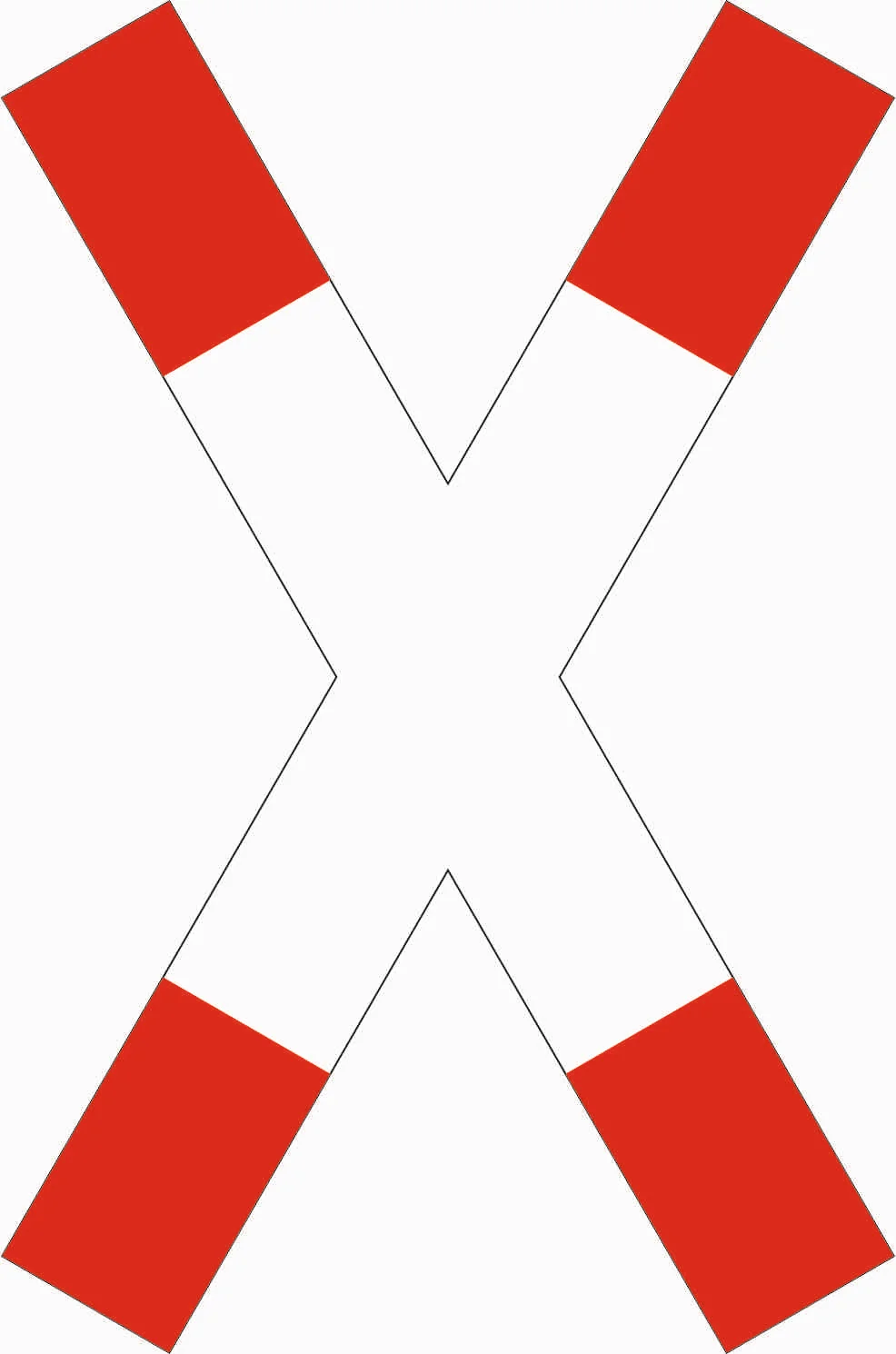
Master the Standing Railway Crossbuck (Andreaskreuz - stehend) Sign
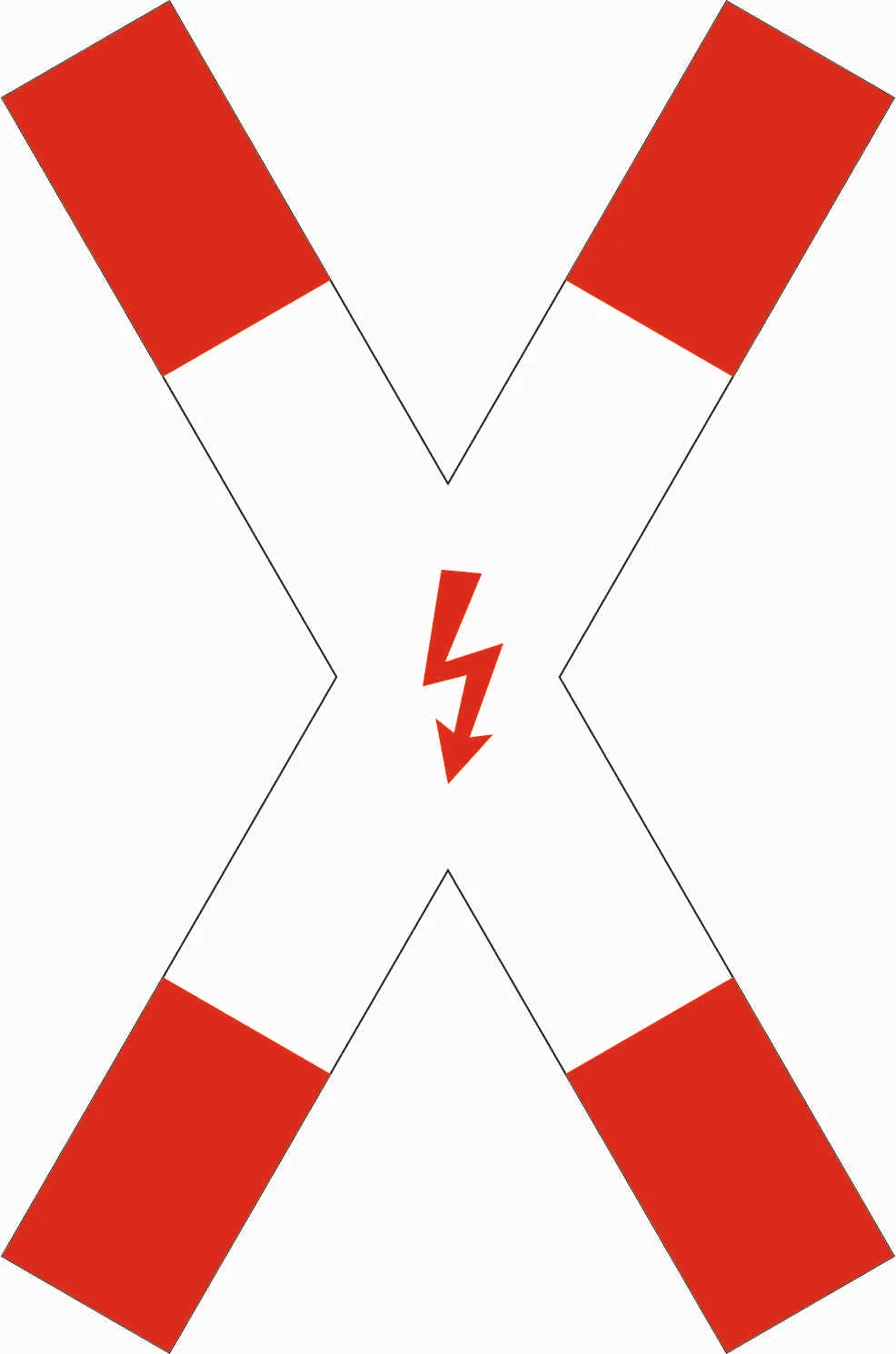
Understand the Railway Crossbuck with Blitzpfeil (Sign 201-51) in Germany
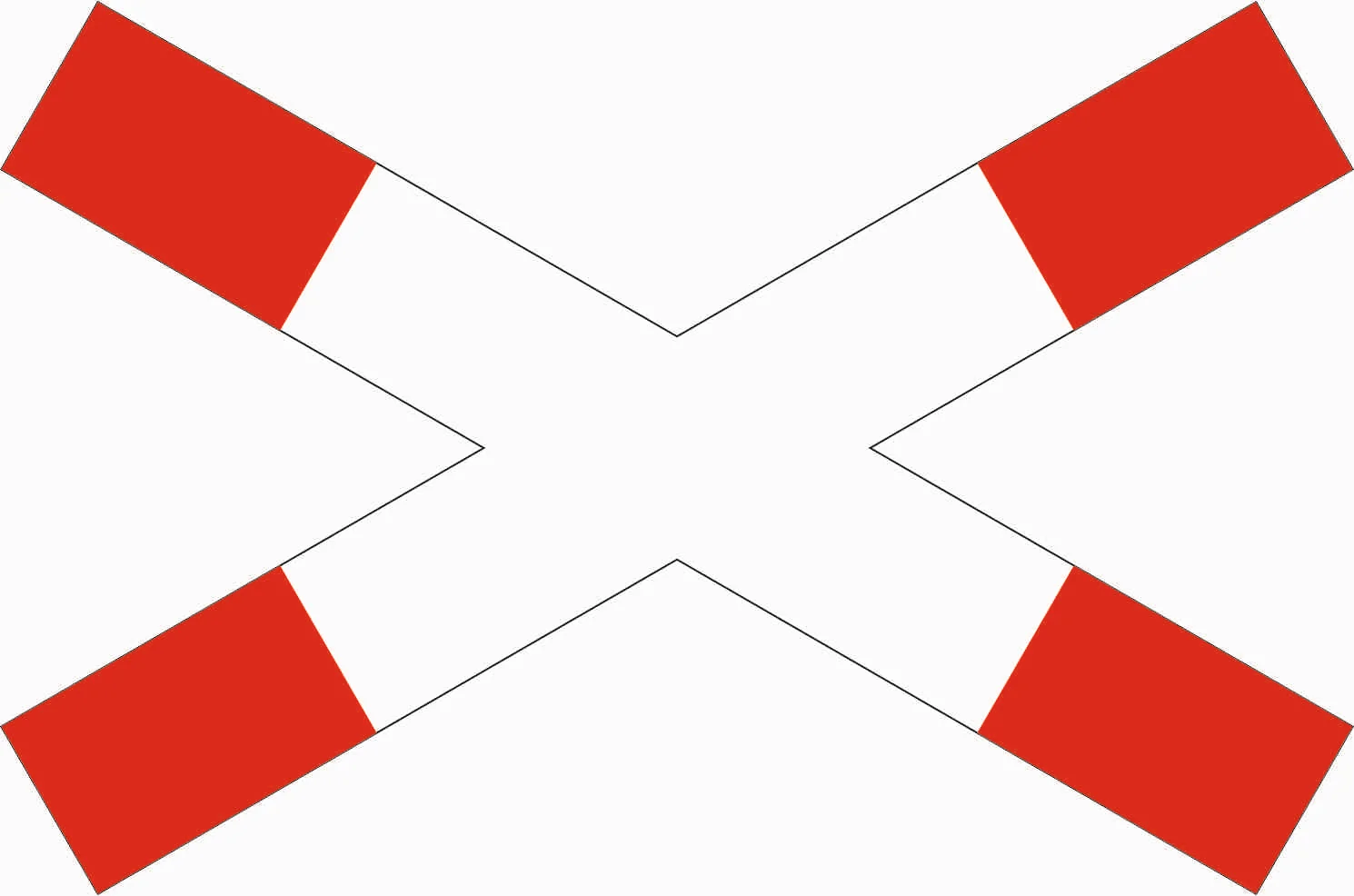
German road sign 201-52: The Railway Crossbuck 'Andreaskreuz - liegend'
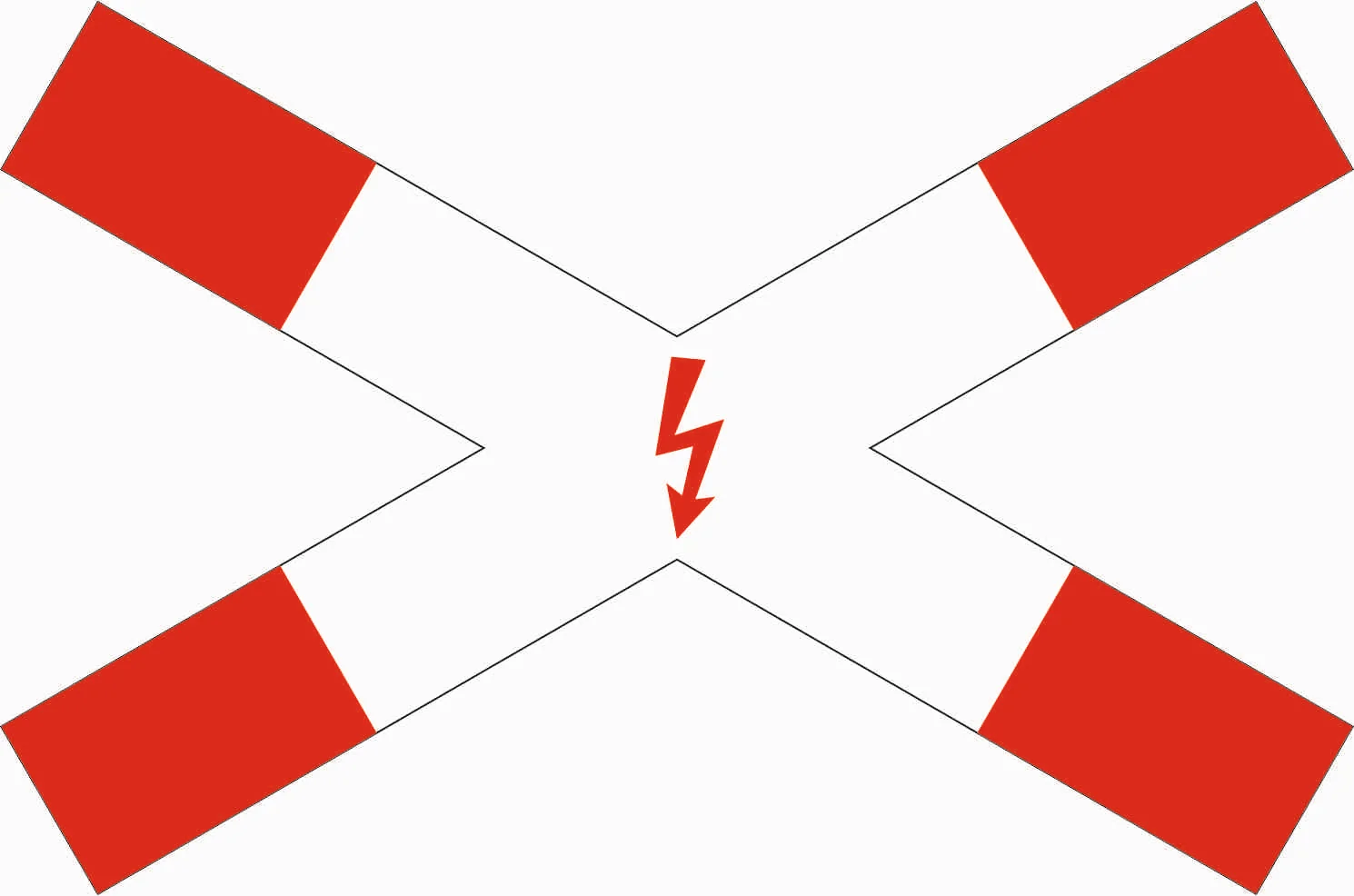
Germany's Railway Crossbuck Sign 201-53 with Blitzpfeil: What You Need to Know
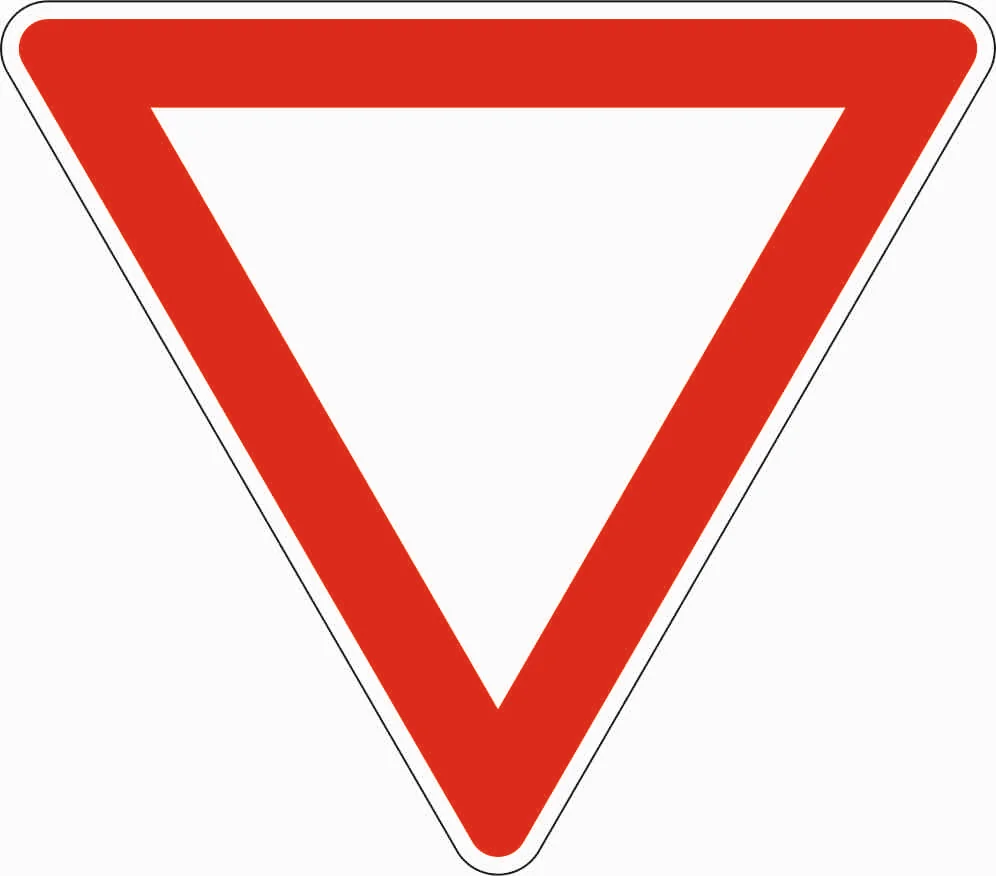
Understand the German "Yield" Sign (Sign 205 - Vorfahrt gewähren)
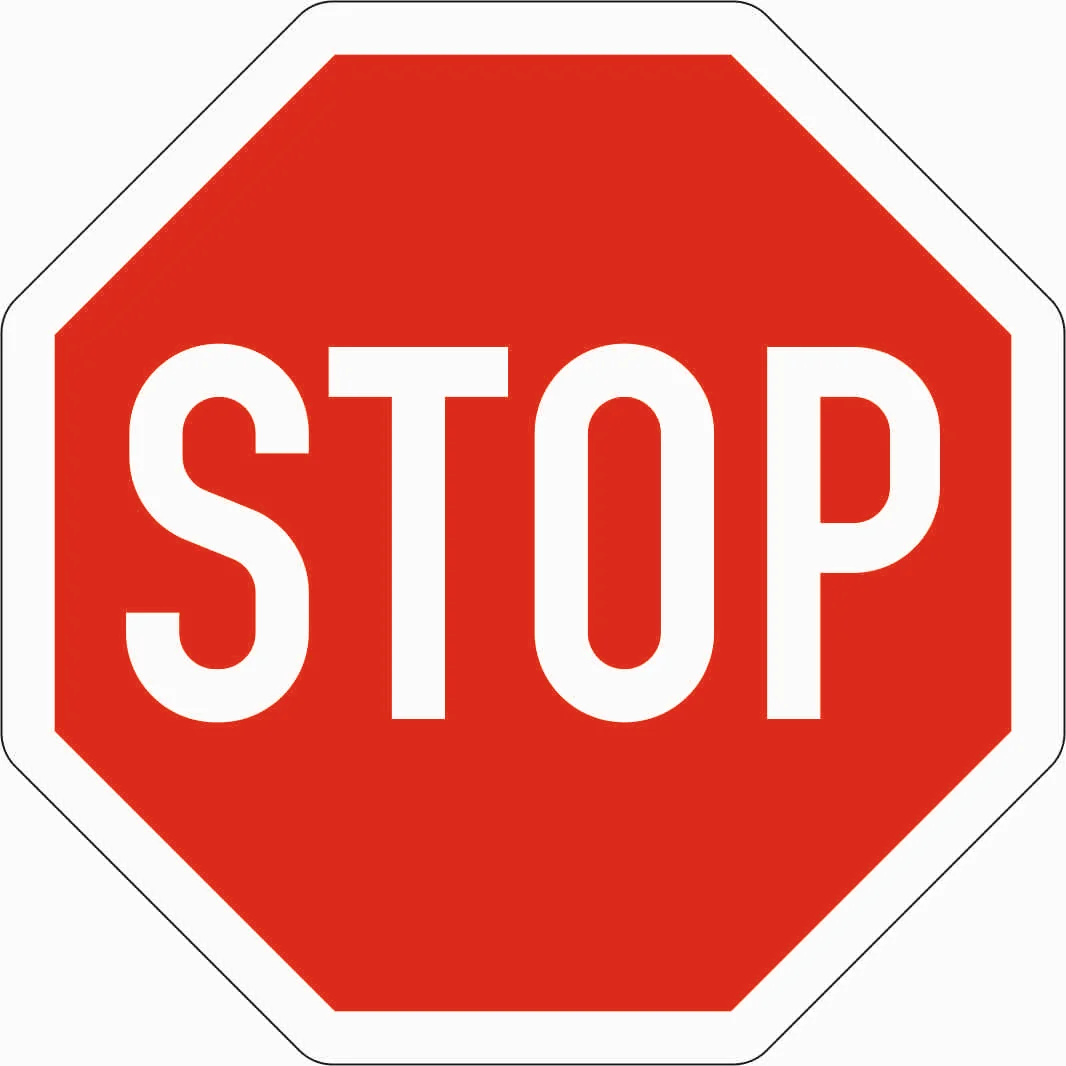
Sign 206: Stop and Yield – You must stop and give way
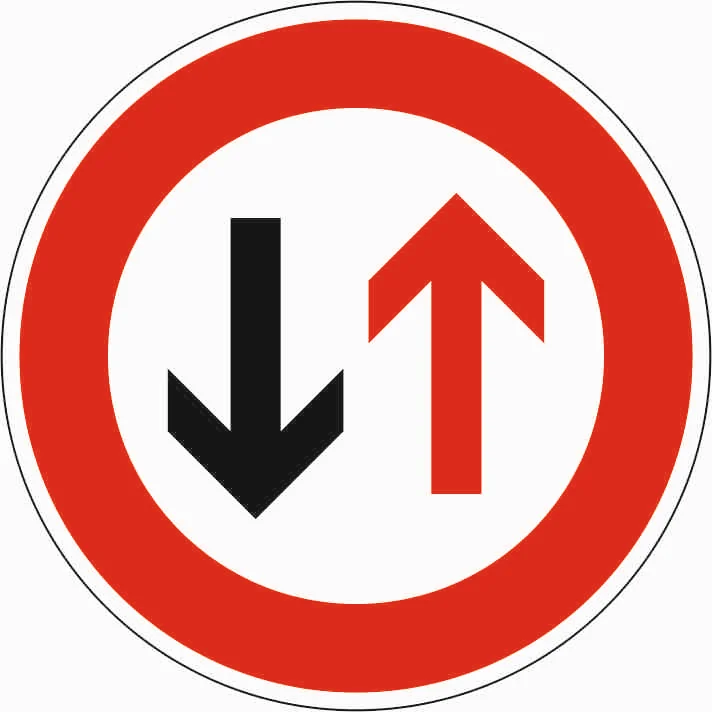
Sign 208: You Must Yield to Oncoming Traffic on This Road
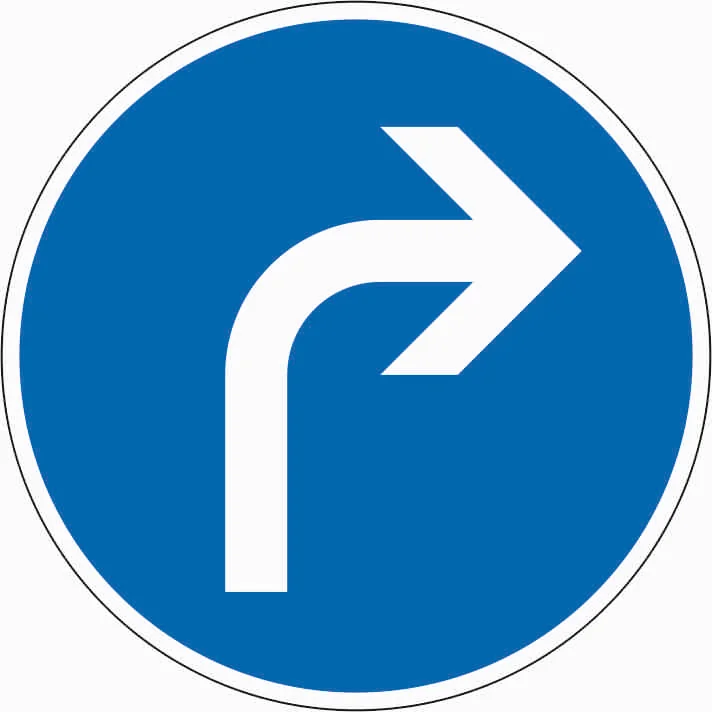
Mandatory Direction - Right: Sign 209 Explained
Deepen your understanding of these specific road markings by exploring related traffic rules and situational hazard perception exercises. Applying the official StVO regulations ensures you recognize critical signage accurately during your theory test.
Master the rules for German Autobahn service areas and rest stops.
Master German Merging Rules for a Smooth and Safe Drive
After any traffic accident in Germany, knowing the correct procedure is paramount. This guide details the mandatory actions you must take according to German law, including securing the accident scene, providing necessary information to other parties, and understanding the implications of §142 StGB (Fahrerflucht). Mastering these steps is vital for both safe driving and succeeding in your German driving theory test.
Obtaining a driver's license in Germany through an intensive course requires careful planning and an understanding of the mandatory curriculum. This guide breaks down the balance between theory sessions and practical training, helping you navigate the complexities of booking lessons and exam slots in busy urban areas. You will gain insight into the necessary legal steps to ensure your training effectively prepares you for the official German theory and practical driving tests.
German road sign 274-10, officially designated "Zulässige Höchstgeschwindigkeit 10 km/h", belongs to the regulatory signs group. It creates a binding restriction or prohibition that applies until it is cancelled, replaced, or limited by a supplementary plate. You may see it in junctions, restricted streets, cycle and pedestrian facilities, parking areas, low-emission zones, and roads with binding lane or speed rules, depending on how the road authority has arranged the location. The practical meaning is not just the symbol itself, but the driving decision it triggers: adjust speed, position, priority, route choice, stopping behaviour, or attention before the situation becomes urgent. For learners, the key skill is knowing whether the sign commands, forbids, limits, or cancels a rule. Always combine the sign with road markings, traffic lights, police instructions, and any supplementary plates at the same location.
German road sign 274-100, officially designated "Zulässige Höchstgeschwindigkeit 100 km/h", belongs to the regulatory signs group. It creates a binding restriction or prohibition that applies until it is cancelled, replaced, or limited by a supplementary plate. You may see it in junctions, restricted streets, cycle and pedestrian facilities, parking areas, low-emission zones, and roads with binding lane or speed rules, depending on how the road authority has arranged the location. The practical meaning is not just the symbol itself, but the driving decision it triggers: adjust speed, position, priority, route choice, stopping behaviour, or attention before the situation becomes urgent. For learners, the key skill is knowing whether the sign commands, forbids, limits, or cancels a rule. Always combine the sign with road markings, traffic lights, police instructions, and any supplementary plates at the same location.
Deepen your understanding of specific road sign categories or test your knowledge with practice questions. Explore our themed sign groups for targeted study or jump into quizzes to reinforce your recognition skills for the official German theory exam.
All German Road Signs List