
Learn about Iceland's unique F-roads, or Fjallvegur, which require specialized 4x4 vehicles and are marked with distinct blue 'F' signs. This guide will clarify the legal responsibilities of driving on these challenging routes, the meaning of vital warning signs like 'Unbridged Rivers,' and the importance of checking road conditions via road.is. Proper preparation is key to avoiding fines and ensuring safety in Iceland's highlands.
Article content overview
Embarking on a journey through Iceland's stunning highlands requires more than just a sense of adventure; it demands a thorough understanding of its unique road system, particularly the challenging F-roads. These mountain tracks, designated with a blue 'F' prefix before their number, are not ordinary roads. They are specifically designed for robust 4x4 vehicles and present a host of potential hazards that demand caution and preparedness. Navigating these routes safely and legally is paramount to enjoying Iceland's rugged interior and avoiding severe penalties.
This comprehensive guide will delve into the specifics of Iceland's F-roads, explaining the critical signage you will encounter and the non-negotiable requirements for vehicles attempting these routes. Understanding the implications of each sign, the legal framework surrounding F-road travel, and the importance of checking real-time road conditions is crucial for any driver venturing beyond the paved network.
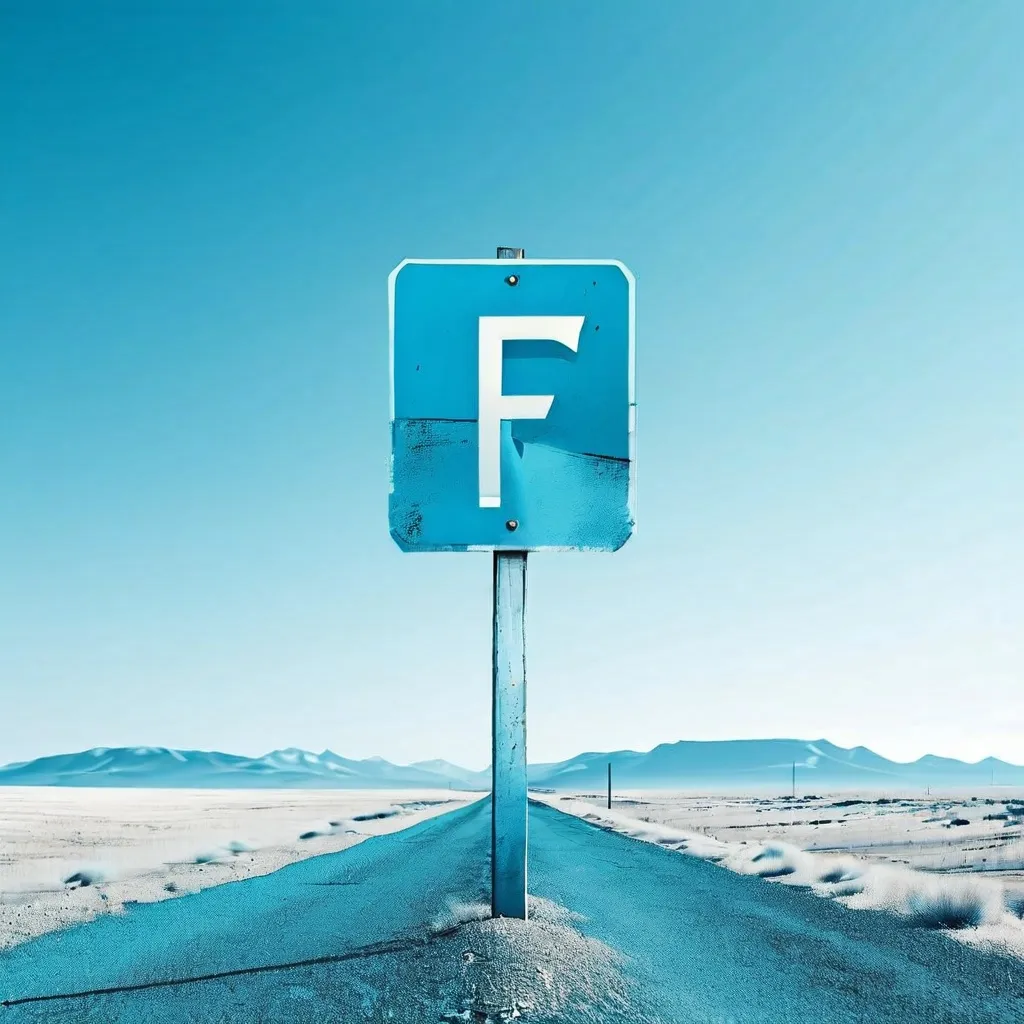
Fjallvegur, commonly referred to as F-roads, are Iceland's network of mountain roads that primarily service the country's interior highlands. These routes are typically unpaved, often consisting of gravel, sand, or rough terrain, and are characterized by their blue background and white 'F' designation, such as F35 or F26. The 'F' signifies Fjallvegur, literally translating to "mountain road." These roads are generally accessible only during the summer months, typically from mid-June to September, depending on snow and ice conditions. Their opening and closing are managed by the Icelandic Road and Coastal Administration (Vegagerðin), and it is imperative to consult the official road conditions website, road.is, before any planned highland excursion.
Driving on F-roads is inherently more demanding than on standard roads due to their often uneven surfaces, potential for steep inclines and descents, and lack of regular maintenance. Furthermore, the weather in the highlands can change rapidly, introducing unforeseen risks like fog, strong winds, and sudden temperature drops, which can affect road conditions dramatically.
It is strictly forbidden to drive standard two-wheel-drive (2WD) vehicles on F-roads. This is not only dangerous but also illegal and can result in substantial fines and the invalidation of your vehicle insurance. The Icelandic authorities enforce these regulations rigorously to protect both drivers and the fragile natural environment.
The F-roads are often marked with specific warning signs that alert drivers to the unique challenges and potential dangers ahead. These signs are critical for safe navigation and informed decision-making. Familiarizing yourself with their meanings is a vital part of your preparation for highland driving.
One of the most significant and potentially hazardous signs you will encounter is the warning for unbridged rivers. This sign indicates that you will need to cross a river without the aid of a bridge. Such crossings require a capable 4x4 vehicle and a good understanding of how to navigate flowing water.
Another crucial sign is the warning for difficult terrain. This sign serves as a general alert that the road ahead is challenging and may involve conditions such as deep sand, large rocks, steep gradients, or other obstacles that require careful maneuvering and a vehicle with appropriate capabilities.
You may also encounter signs for single-lane bridges, which are common on Icelandic roads, including those in the highlands. These bridges are narrower than the main roadway, meaning that vehicles must take turns crossing. The rule is that the vehicle closer to the bridge, or the one already on it, generally has priority. Always approach with caution and be prepared to yield.
Other important signs to be aware of on F-roads include those indicating the possibility of animals on the road, particularly sheep, which can be unpredictable. Also, be attentive to signs warning of blind crests, where your vision of the road ahead is obscured.
The requirement for a 4x4 vehicle on F-roads is not merely a recommendation; it is a legal mandate. Driving an unsuitable vehicle on these roads can lead to severe consequences, including hefty fines and the potential for voided insurance policies. The Icelandic authorities are firm on this matter due to the inherent risks involved and the potential for vehicles to become stranded, requiring costly rescue operations.
It is crucial to understand the distinction between F-roads and other types of roads, such as gravel roads or paved rural roads. While gravel roads generally have a speed limit of 80 km/h and paved rural roads 90 km/h (unless otherwise signed), F-roads have more stringent requirements due to their challenging nature. The general prohibition against off-road driving in Iceland also applies; driving off an F-road onto untouched land, even if it appears barren, is illegal and can result in substantial fines.
Always check the official road conditions website, road.is, before and during your journey. F-road status can change rapidly due to weather, snowmelt, or maintenance. Driving on a closed F-road is illegal and extremely dangerous.
When encountering an unbridged river, the ability of your 4x4 vehicle is essential. This includes not just four-wheel drive capability but also sufficient ground clearance, appropriate tires, and a low-range gear setting. You must assess the river's depth and current. If the water appears too deep or the current too strong, it is always safer to turn back or seek an alternative route. Never attempt to cross if you have any doubt about your vehicle's ability or your own driving skill in such conditions.
Thorough preparation is key to a safe and enjoyable experience on Iceland's F-roads. This includes ensuring your vehicle is suitable for the demanding terrain and understanding the unique road signs and regulations. Beyond the 4x4 requirement, ensure your vehicle is in excellent mechanical condition. Check tires, brakes, and fluid levels. Carry essential recovery gear, such as a tow rope and shovel, and consider bringing a spare tire.
Familiarize yourself with the Icelandic road numbering system and the meaning of different sign categories. The Icelandic Transport Authority (Samgöngustofa) provides extensive information on road rules and signs, which is the foundation of the Icelandic Driving License Theory.
Before setting out, always check the weather forecast for the highlands, as conditions can differ significantly from coastal areas. Inform someone of your intended route and expected return time, especially if traveling to remote areas. Mobile phone reception can be unreliable in the highlands, so consider carrying a satellite communication device for emergencies.
Remember that while F-roads are the focus here, general traffic laws still apply. This includes seatbelt usage for all occupants, strict adherence to speed limits (where applicable and safe), and prohibitions against using mobile devices while driving unless hands-free. The legal Blood Alcohol Content (BAC) limit in Iceland is also very low (0.2‰).
By understanding these specific F-road regulations, signs, and vehicle requirements, you can navigate Iceland's stunning highlands safely and responsibly, making your journey a memorable and positive experience.
Iceland's F-roads (Fjallvegur) are mountain tracks marked with blue 'F' signs that require 4x4 vehicles year-round due to rough terrain, steep gradients, and unbridged river crossings. Key warning signs include 'Unbridged River,' 'Difficult Road,' 'Single Lane Bridge,' 'Blind Crest,' 'Possibility of Animals,' and 'Gravel Road,' each requiring specific driver responses. The requirement for 4x4 vehicles is a strict legal mandate enforced with fines and insurance voidance, not merely a safety recommendation. Preparation should include checking road.is for real-time conditions, ensuring vehicle mechanical readiness, and understanding that F-roads are typically accessible only from mid-June through September.
A short set of high-value points that capture the most important ideas from this article.
F-roads (Fjallvegur) are mountain roads marked with blue 'F' signs that legally require 4x4 vehicles; driving a 2WD vehicle is illegal and dangerous.
Always check road.is before and during F-road travel, as conditions change rapidly due to weather, snowmelt, and maintenance closures.
The 'Unbridged River' sign means you will need to ford a river crossing requiring appropriate 4x4 capability, ground clearance, and careful water assessment.
Off-road driving outside designated tracks is strictly prohibited in Iceland and can result in substantial fines regardless of terrain appearance.
F-roads are typically open only from mid-June to September, with exact timing managed by the Icelandic Road and Coastal Administration (Vegagerðin).
The 'Difficult Road' sign warns of steep gradients, rough surfaces, or obstacles requiring reduced speed and a capable vehicle.
On single-lane bridges, the vehicle already on the bridge or closer to it has priority; approach slowly and be prepared to yield.
F-roads lack regular maintenance, making vehicle mechanical condition critical; check tires, brakes, fluids, and carry recovery gear.
Highland weather can change suddenly with fog, strong winds, and temperature drops affecting road conditions dramatically.
The legal BAC limit in Iceland is very low (0.2‰), and general traffic laws including seatbelt requirements still apply on F-roads.
Assuming any vehicle can attempt an F-road; only registered 4x4 vehicles are legally permitted and insured for these routes.
Ignoring road.is or driving on a closed F-road, which is both illegal and extremely dangerous.
Attempting unbridged river crossings without properly assessing water depth, current strength, or vehicle capability.
Treating F-roads like standard gravel roads with 80 km/h limits; F-roads require significantly lower speeds and greater caution.
Failing to inform someone of your intended route before venturing into remote highlands where mobile reception is unreliable.
Article content overview
A short set of high-value points that capture the most important ideas from this article.
F-roads (Fjallvegur) are mountain roads marked with blue 'F' signs that legally require 4x4 vehicles; driving a 2WD vehicle is illegal and dangerous.
Always check road.is before and during F-road travel, as conditions change rapidly due to weather, snowmelt, and maintenance closures.
The 'Unbridged River' sign means you will need to ford a river crossing requiring appropriate 4x4 capability, ground clearance, and careful water assessment.
Off-road driving outside designated tracks is strictly prohibited in Iceland and can result in substantial fines regardless of terrain appearance.
F-roads are typically open only from mid-June to September, with exact timing managed by the Icelandic Road and Coastal Administration (Vegagerðin).
The 'Difficult Road' sign warns of steep gradients, rough surfaces, or obstacles requiring reduced speed and a capable vehicle.
On single-lane bridges, the vehicle already on the bridge or closer to it has priority; approach slowly and be prepared to yield.
F-roads lack regular maintenance, making vehicle mechanical condition critical; check tires, brakes, fluids, and carry recovery gear.
Highland weather can change suddenly with fog, strong winds, and temperature drops affecting road conditions dramatically.
The legal BAC limit in Iceland is very low (0.2‰), and general traffic laws including seatbelt requirements still apply on F-roads.
Assuming any vehicle can attempt an F-road; only registered 4x4 vehicles are legally permitted and insured for these routes.
Ignoring road.is or driving on a closed F-road, which is both illegal and extremely dangerous.
Attempting unbridged river crossings without properly assessing water depth, current strength, or vehicle capability.
Treating F-roads like standard gravel roads with 80 km/h limits; F-roads require significantly lower speeds and greater caution.
Failing to inform someone of your intended route before venturing into remote highlands where mobile reception is unreliable.
Explore related topics, search based questions, and concepts that learners often look up when studying Iceland F-Roads and 4x4 Rules. These themes reflect real search intent and help you understand how this topic connects to wider driving theory knowledge in Iceland.
Find clear and practical answers to common questions learners often have about Iceland F-Roads and 4x4 Rules. This section helps explain difficult points, remove confusion, and reinforce the key driving theory concepts that matter for learners in Iceland.
F-roads (Fjallvegur) in Iceland legally require a 4x4 vehicle capable of handling challenging mountain terrain. Driving on these roads with a standard 2WD vehicle is illegal and can result in substantial fines.
The 'Unbridged Rivers' sign warns drivers that they will encounter rivers without bridges. Crossing these rivers requires extreme caution, specific driving techniques, and a suitable 4x4 vehicle; attempting to cross unprepared or with the wrong vehicle is forbidden and dangerous.
No, F-roads are typically only open during the summer months, generally from mid-June to September, depending on snow and road conditions. It is essential to check the official road.is website for current opening status before travelling.
Driving off designated F-roads or any unspoiled land in Iceland is strictly forbidden. This illegal off-road driving causes significant environmental damage and carries substantial fines.
A blue sign with a white 'F' prefix before a road number signifies an F-road (Fjallvegur). These are mountain tracks and require a 4x4 vehicle and careful adherence to specific driving conditions and warnings.
Refine your driving theory knowledge by exploring more focused articles. Use our comprehensive search to find additional detailed explanations on any Icelandic road rule, traffic situation, or driving procedure to ensure complete readiness for your exam.