
Understanding the psychological factors behind driver behaviour is key to safe driving and passing your Icelandic theory exam. This category delves into emotions, social influences, and attitudes, helping you anticipate and manage common traffic situations more effectively.
This section offers targeted practice questions on driver attitudes, emotions, and human factors crucial for safe driving in Iceland. Deepen your understanding of traffic psychology and anticipate risks effectively. These practice questions are vital for your Icelandic theory test preparation and developing defensive driving habits on Icelandic roads.

Stay Calm, Drive Safe: Master Your Mind in City Traffic.

Don't let a false sense of security put you at risk on Icelandic roads.
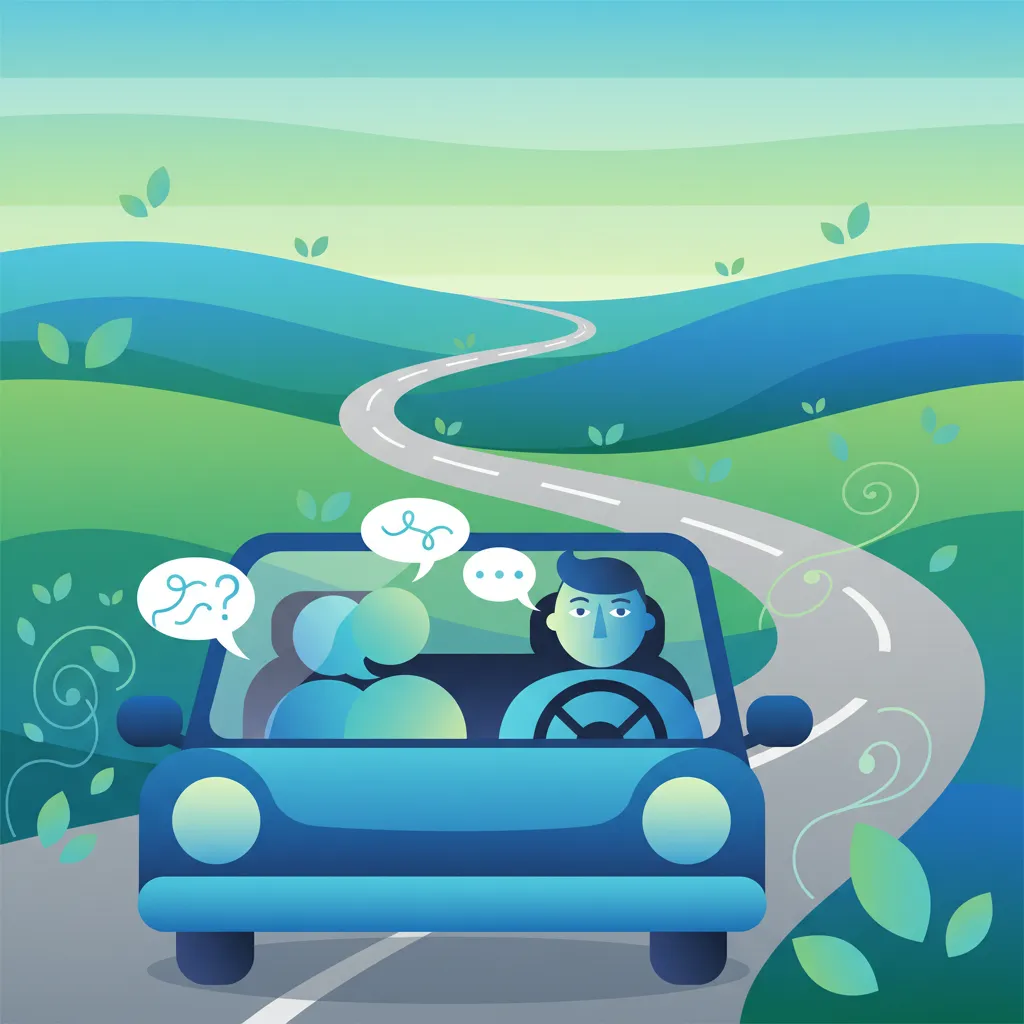
Understand how passenger dynamics affect your safety and focus on Icelandic roads.
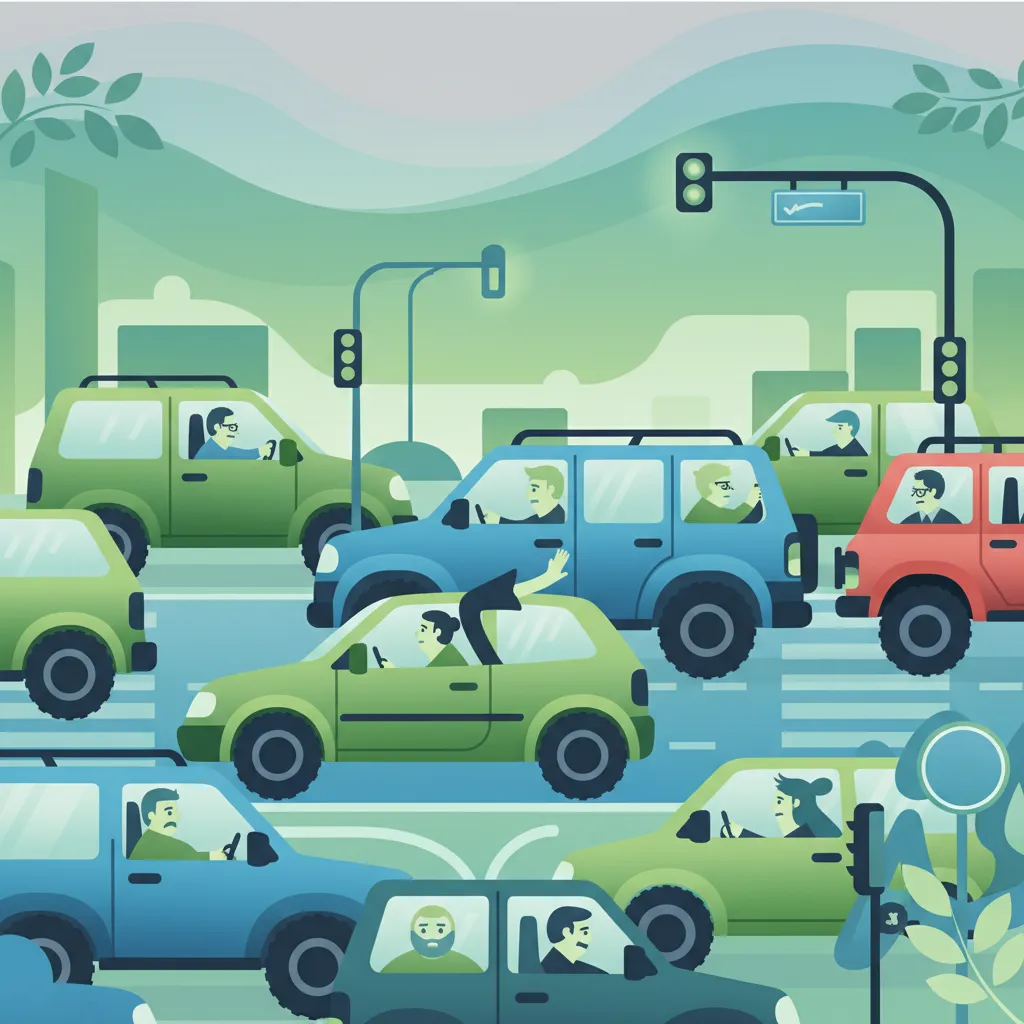
Master Your Mind: Drive Safely Against Social Pressures on Icelandic Roads
Understanding driver psychology is crucial for the Icelandic theory exam and safe driving. This category helps you recognise how emotions, attitudes, and social factors influence behaviour, enabling you to anticipate risks, make better decisions, and reduce the likelihood of accidents on Icelandic roads.
Learners in Iceland choose Psychology of Traffic practice to prepare for realistic exam questions and difficult scenarios that often appear in the official theory test. This category is popular because it helps strengthen rule knowledge, reduce common mistakes, and build confidence before taking the Icelandic driving theory exam.
All practice sets available
Practice sets in Psychology of Traffic
Practising Psychology of Traffic helps you understand key rules and situations tested in the Icelandic driving theory exam in Iceland.
Get answers to common questions learners have about practising Psychology of Traffic. This section highlights what is tested, how practice helps, and how to improve your results for the Icelandic driving theory exam in Iceland.
The Icelandic theory exam includes questions that test your understanding of how emotions, driver fatigue, stress, and social factors can affect decision-making and safety on the road. These questions assess your awareness of common human errors and risks.
Learners may find traffic psychology challenging because it deals with less concrete concepts than rules of the road. Understanding how personal feelings or peer pressure influences driving requires self-awareness and critical thinking about behaviour.
By practising questions on traffic psychology, you'll learn to identify potential risks stemming from human behaviour. This better prepares you to answer exam questions correctly and apply this knowledge to make safer driving decisions in Iceland.
A driver's attitude – whether aggressive, complacent, or responsible – heavily influences their actions on Icelandic roads. Practising this category helps you recognize how attitudes contribute to accidents and promote a safer driving culture.
Recognising how emotions like anger, fear, or overconfidence affect you and other drivers helps you react calmly and predictably. This category trains you to anticipate potential hazards caused by emotional drivers and manage your own emotional responses.
Explore other practice categories connected to Psychology of Traffic. These sections help you practise additional topics, strengthen your understanding of driving theory in Iceland, and prepare more completely for the theory exam.
Choose from Icelandic driving theory categories to start targeted practice. Focus on areas needing revision, such as road signs or traffic rules, building confidence for your official Samgöngustofa exam. Enhance your readiness.