
Conquer one of Iceland's most challenging driving conditions: strong winds and sudden gusts. This practice set provides vital knowledge and scenarios to help you understand how to react, prevent accidents, and interpret crucial wind warnings. Essential for passing your Icelandic driving license theory exam and staying safe on Route 1 and other exposed roads.
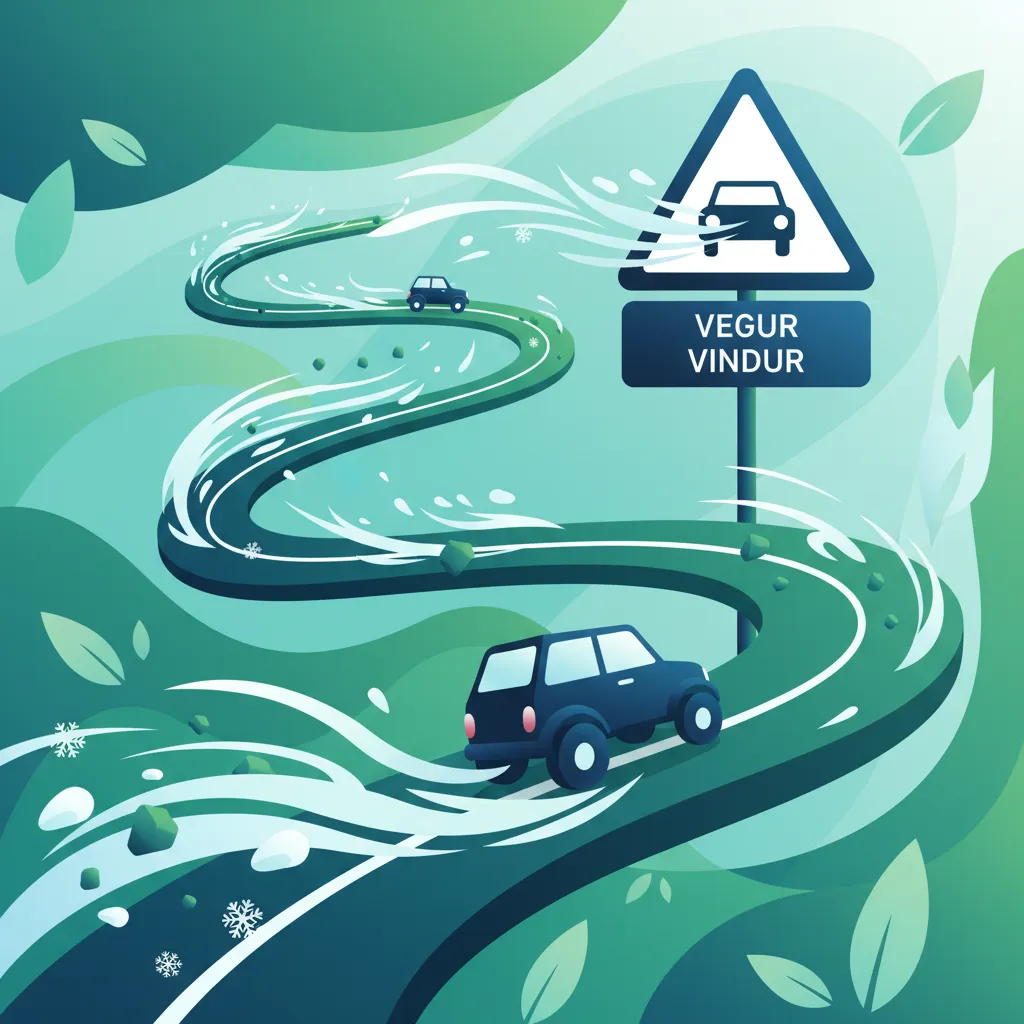
Prepare for unpredictable strong winds and gusts (vindhviður) on Icelandic roads. This practice set focuses on practical techniques, recognizing danger zones, and crucial safety protocols, directly supporting your Icelandic driving theory exam preparation and road safety knowledge.
Prepare for the unpredictable strong winds and gusts (vindhviður) often encountered on Icelandic roads. This set focuses on practical driving techniques, recognizing danger zones like Hafnarfjall, and crucial safety protocols to keep you and your vehicle secure, directly supporting your Icelandic driving theory exam preparation.
Preview sample questions from the Strong Winds & Gusts practice set to see how they help you prepare for the driving theory exam in Iceland.
Learners choose Strong Winds & Gusts to improve accuracy and understanding of key exam themes in Iceland. It offers realistic driving theory questions and targeted revision for effective preparation.
Find answers to the most common queries learners have when practising Strong Winds & Gusts, including how questions match the official theory exam in Iceland, how scoring works, and how this practice improves exam readiness.
'Vindhviður' refers to sudden, strong wind gusts. They are dangerous because they can rapidly change direction and intensity, making it difficult to control a vehicle, especially high-profile vehicles, and increasing the risk of being blown off the road.
It is strongly recommended not to drive campervans and motorhomes if wind speeds exceed 20 m/s (72 km/h or 44 mph), as these high-profile vehicles are extremely vulnerable to strong gusts.
If you encounter a sudden strong crosswind, reduce your speed, maintain a firm grip on the steering wheel, and be prepared to make small, corrective steering adjustments into the wind. If the gusts are severe, it's safest to pull over in a safe, sheltered location.
The 'door-damage protocol' means holding car doors firmly when opening and closing them in windy conditions. This is crucial in Iceland to prevent strong gusts from violently ripping doors open, causing damage to the vehicle or injuring occupants.
You can find reliable information on current wind and road conditions in Iceland on official websites like Umferdin.is, safetravel.is, and Vedur.is (for weather warnings) before setting off on your journey.
By completing Strong Winds & Gusts, you will gain stronger rule knowledge, faster recognition of signs and situations, better decision making in traffic scenarios, and increased accuracy on exam style questions used in Iceland. These outcomes directly support higher scoring exam performance.
Explore similar practice sets focusing on Icelandic wind conditions and severe weather to solidify your knowledge. Continued practice with related topics ensures comprehensive exam preparation and boosts your confidence in handling real-world driving challenges.
Master Challenging Icelandic Conditions: Drive Safely in Fog, Storms, and Whiteouts.
Navigate Iceland's Challenging Weather Conditions with Confidence.
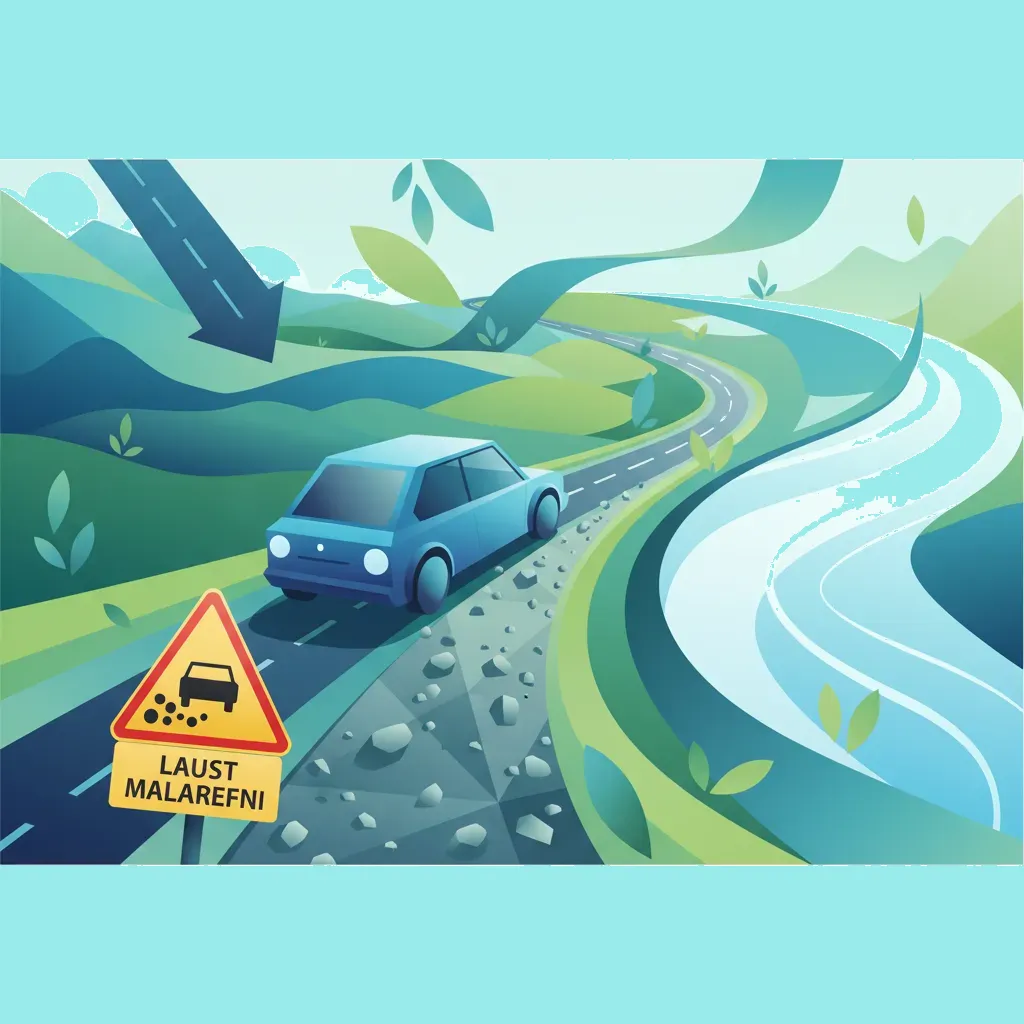
Master Icelandic Warning Signs to Drive Safely and Pass Your Exam.

Navigate Fog and Rain Safely: Essential Speed Management for Your Icelandic Driving Exam.

Master Icelandic Warning Signs for Safe Driving and Exam Success

Navigate Iceland's Modern Roads with Confidence: Master Variable Speed Limits.
Questions in Strong Winds & Gusts
Exam focused questionss
Strong Winds & Gusts offers quick, focused exam style practice to boost your Icelandic knowledge for the driving theory exam in Iceland.
Strong Winds & Gusts helps learners in Iceland with clear explanations and targeted Icelandic practice to improve essential driving theory topics.
This set is ideal for all learners preparing for the Icelandic driving theory exam, especially those who need to understand Iceland's unique weather challenges. It's particularly useful for new drivers, tourists, and anyone struggling with the practical implications of strong winds and gusts on vehicle control and safety.
Explore more topics for the Icelandic driving theory exam in Iceland.
Choose from Icelandic driving theory categories to start targeted practice. Focus on areas needing revision, such as road signs or traffic rules, building confidence for your official Samgöngustofa exam. Enhance your readiness.
Explore Practice Categories