
The 152.1 Crosswind from the Left sign is a vital hazard warning that alerts you to exposed areas ahead where strong winds are common. In Iceland, this is especially important due to potentially severe weather. You must reduce your speed early, improve your observation, and approach with extra care to maintain vehicle stability and safety on potentially challenging road surfaces or conditions. This sign prompts you to anticipate sudden gusts and adjust your driving accordingly.
This traffic sign explanation is vital for understanding how to prepare for sudden, strong gusts that can affect vehicle stability. Mastering the road sign meaning for 'Crosswind from the Left' ensures you reduce speed and adjust steering proactively, a key skill for Icelandic theory test revision and real-world safety in challenging weather.
Crosswind from the Left is a hazard warning sign placed far enough in advance to let drivers adapt before reaching the danger. It does not by itself create a fixed manoeuvre, but it clearly signals that the road or traffic situation ahead needs earlier braking, steadier steering, and better lane discipline than an ordinary section of road. In practice, the right response is to finish major braking before the hazard, keep a smooth line through it, and avoid sudden reactions that could destabilise the vehicle. The warning is particularly important in Iceland because weather, darkness, snow, wind, and changing surfaces can make a familiar hazard much more severe.
This warning sign tells drivers that an exposed crosswind area is ahead and that they need to reduce speed early, improve observation, and approach with extra care. On Icelandic roads that can mean preparing for poor visibility, loose gravel, ice, strong wind, narrow margins, or limited room to recover if something goes wrong.
Get clear, practical answers to the most common questions about the 152.1 - Crosswind from the Left road sign. Learn how the sign works, what rules it represents, and how it affects real driving situations. This FAQ strengthens your understanding and supports accurate decision making for the Icelandic driving theory exam in Iceland.
This sign warns you that you are approaching an area exposed to strong winds, specifically coming from the left. It indicates that you need to be extra cautious, reduce your speed significantly before reaching the area, and be prepared for sudden gusts that could affect your vehicle's stability and steering.
Upon seeing the 152.1 sign, you should finish any necessary braking before entering the affected area. Maintain a steady steering input, keep a firm grip on the wheel, and be ready to make small, smooth corrections. Driving slower and increasing your following distance are key to safely navigating these conditions.
Yes, the 'Crosswind from the Left' sign is often placed on exposed sections of road, such as bridges, coastal routes, elevated causeways, lava fields, and open plains. These areas are naturally more susceptible to strong and unpredictable winds, especially during certain seasons.
A common trap is underestimating the effect of wind, especially if the road appears quiet or the weather seems calm at that moment. Learners might also fail to reduce speed early enough or make abrupt steering corrections, which can be dangerous. The exam tests your understanding that this is a significant hazard requiring proactive adaptation.
No, the 152.1 sign does not require you to stop. It's a warning sign indicating a potential hazard ahead. Your primary reaction should be to reduce your speed to a safe level, maintain careful observation, and be prepared to adjust your steering smoothly as needed to counteract the wind's effect.
A clear reference image of the 152.1 - Crosswind from the Left road sign used in Iceland.
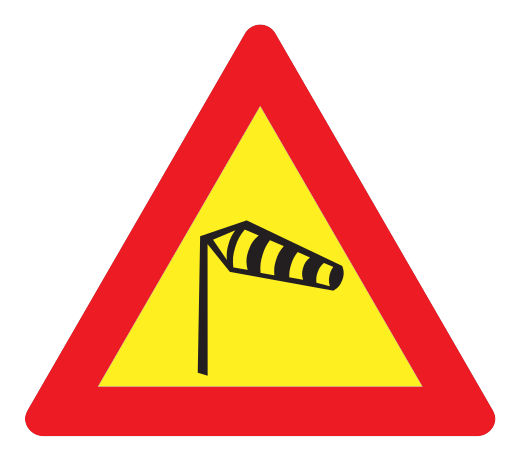
The 152.1 - Crosswind from the Left road sign may also be known by these alternative names or terms.
The 152.1 - Crosswind from the Left road sign is part of the Warning Signs category, which groups together signs with similar rules and functions.
Studying similar road signs side-by-side helps cement your understanding and avoid common confusions. Effective traffic sign comparison is key for accurate theory test revision and confident driving.
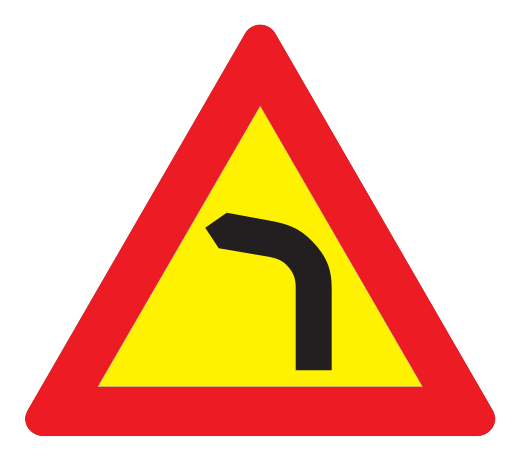
Prepare for a Dangerous Left-Hand Bend Ahead with Sign 100.2
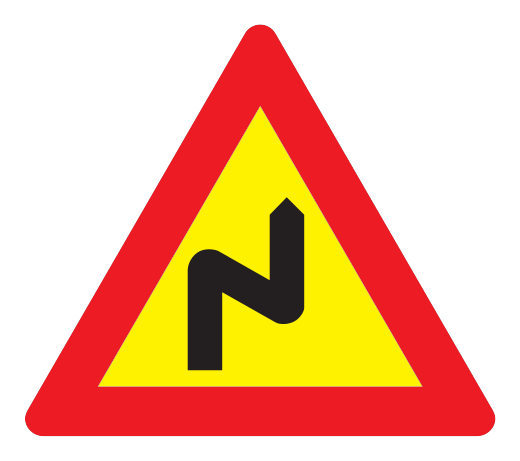
Prepare for a series of bends, starting with a right turn, by understanding the Double Bend warning sign.
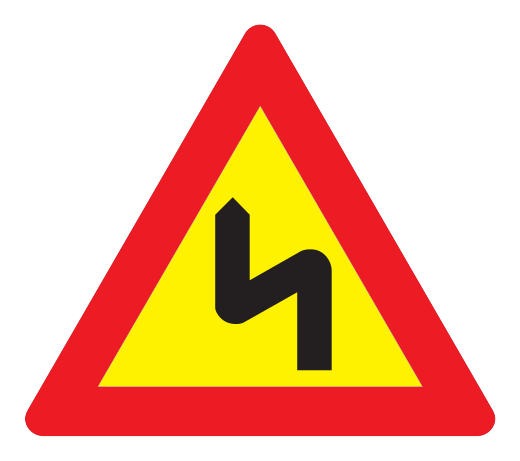
Warning: Double Bend Ahead, First Bend to the Left
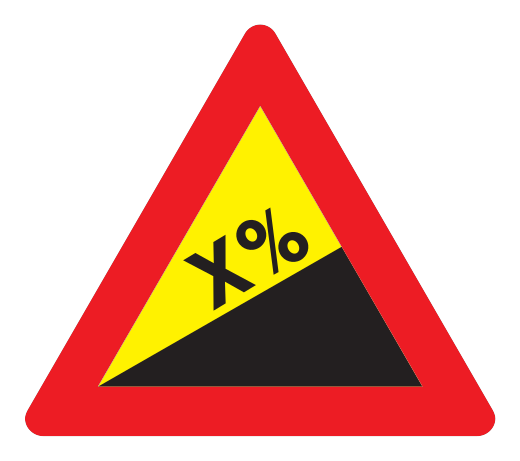
Prepare for a Steep Ascent Ahead: What the 104.1 Sign Means
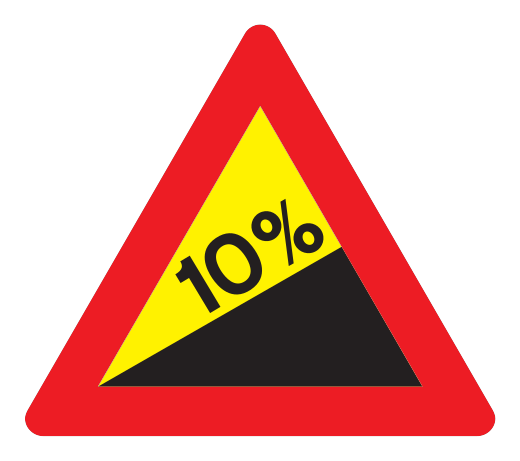
Prepare for Steep Uphill Gradients with the Steep Ascent Sign
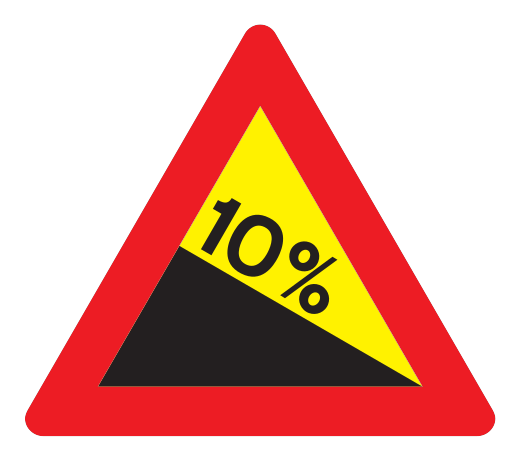
Prepare for Steep Descents with the 104.2 Warning Sign
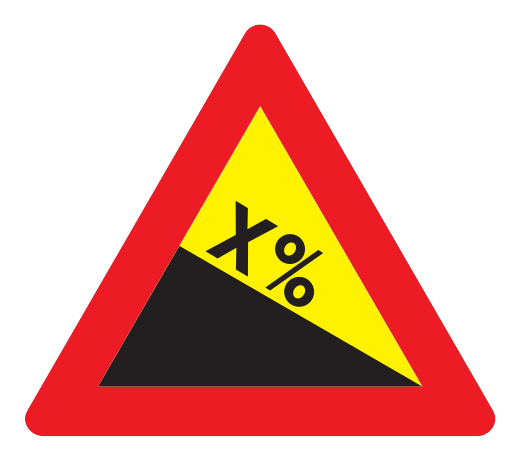
Prepare for a Steep Descent Ahead with this Important Warning Sign
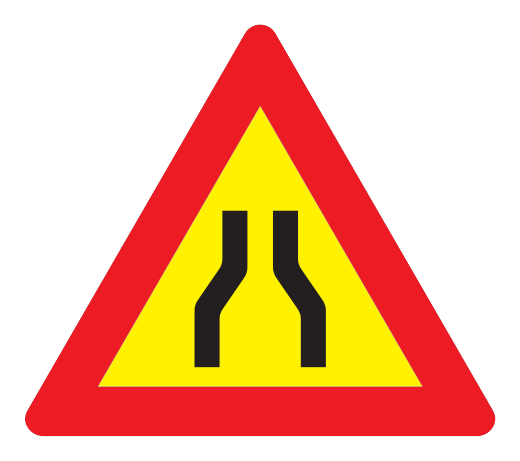
Beware of Narrowing Roads Ahead with the 106.1 Warning Sign
Explore curated theory modules and safety procedures that clarify how specific road signs dictate right-of-way and vehicle conduct on Icelandic roads. Apply this knowledge to your driving theory test preparation by linking visual signage to real-world traffic laws.
Master Your Post-Accident Obligations: Avoid Severe Penalties and Understand Insurance Impacts in Iceland.
Downtown Reykjavik presents a unique challenge with its network of one-way streets, or 'Einstefna'. This guide will equip you with the knowledge to correctly interpret essential traffic signs like 'Bannaður innakstur' (No Entry) and differentiate them from mandatory direction signs. Understanding these specifics is vital for safe navigation and success in your Icelandic driving test.
Moving to Iceland from the EU or UK? Learn the simplified procedure for exchanging your driving licence for an Icelandic one. This guide covers the residency requirements and the direct 'paper exchange' process handled by the District Commissioner's office, helping you navigate this administrative step smoothly.
Know Your Rights and Responsibilities During an Icelandic Police Traffic Stop
Dock Area is a hazard warning sign placed far enough in advance to let drivers adapt before reaching the danger. It does not by itself create a fixed manoeuvre, but it clearly signals that the road or traffic situation ahead needs earlier braking, steadier steering, and better lane discipline than an ordinary section of road. In practice, the right response is to finish major braking before the hazard, keep a smooth line through it, and avoid sudden reactions that could destabilise the vehicle. The warning is particularly important in Iceland because weather, darkness, snow, wind, and changing surfaces can make a familiar hazard much more severe.
An Accident is a hazard warning sign placed far enough in advance to let drivers adapt before reaching the danger. It does not by itself create a fixed manoeuvre, but it clearly signals that the road or traffic situation ahead needs earlier braking, steadier steering, and better lane discipline than an ordinary section of road. In practice, the right response is to finish major braking before the hazard, keep a smooth line through it, and avoid sudden reactions that could destabilise the vehicle. The warning is particularly important in Iceland because weather, darkness, snow, wind, and changing surfaces can make a familiar hazard much more severe.
After reviewing the full list of Icelandic road signs, reinforce your learning with targeted practice. Explore our sign group categories or take a specific quiz to test your recognition and recall. Ensure you're fully prepared to identify and interpret all traffic signs for your upcoming driving theory exam.
View All Icelandic Road Signs