
The 'Dynamic Pedestrians Ahead' sign (code 141) is part of an electronic traffic management system. Unlike static signs, its message can change based on real-time conditions like weather, incidents, or congestion. Always treat the display you see at the moment you approach as the current rule, adapting your driving smoothly and early to the instructions ahead, as these signs are activated precisely when conditions require extra caution.
The "Dynamic Pedestrians Ahead" (141) road sign conveys real-time warnings about pedestrians, demanding immediate driver adaptation to ensure safety on Icelandic roads. Mastering this variable traffic sign explanation is crucial for your theory test revision, enabling you to respond correctly to changing conditions and confidently pass your driving knowledge exam.
Dynamic Pedestrians Ahead is part of an electronic traffic-management system that can react to incidents, weather, congestion, lane closures, or other operational needs. The active display may warn, prohibit, reduce speed, or control movement in a way that differs from the usual state of the road. The correct response is to read the sign as you approach, adapt early and smoothly, and expect the reason for the message to appear ahead. Ignoring a dynamic sign is risky because it is normally activated exactly when conditions have become less forgiving than usual.
This dynamic sign shows a live message about a live warning or restriction that can change with conditions. Because the display can change with conditions, drivers must respond to what is shown now rather than relying on the normal permanent arrangement of the road.
Get clear, practical answers to the most common questions about the 141 - Dynamic Pedestrians Ahead road sign. Learn how the sign works, what rules it represents, and how it affects real driving situations. This FAQ strengthens your understanding and supports accurate decision making for the Icelandic driving theory exam in Iceland.
This sign displays a live message related to pedestrian activity or warnings ahead. Because it's dynamic, the information can change, meaning you must always respond to the current display rather than assuming it's the same as it was previously. It warns drivers to be alert for pedestrians in the road or specific pedestrian-related conditions.
You should read the sign as you approach and be prepared to adapt your driving. This might mean reducing your speed, being extra vigilant for pedestrians, or following specific instructions displayed. The key is to react to the live message and expect changing conditions or situations related to pedestrians ahead.
Yes, you should avoid assuming the sign means the same thing as it did earlier, ignoring the current display if the road looks clear from a distance, or treating a variable warning as less important than a fixed sign. Always follow the most current instruction displayed by the sign.
A common mistake is treating dynamic signs as if they were static, meaning you might not react to a change in instruction or warning. Learners sometimes rely on previous observations or the 'normal' state of the road, forgetting that dynamic signs are activated for a reason, often due to immediate hazards or changing conditions that require your full attention.
Understanding dynamic signs is crucial because they represent modern traffic management that relies on real-time information. The theory test will assess your ability to interpret and react appropriately to these changing messages, ensuring you can drive safely in varied conditions. Failing to react correctly to a dynamic sign can be a significant hazard.
A clear reference image of the 141 - Dynamic Pedestrians Ahead road sign used in Iceland.
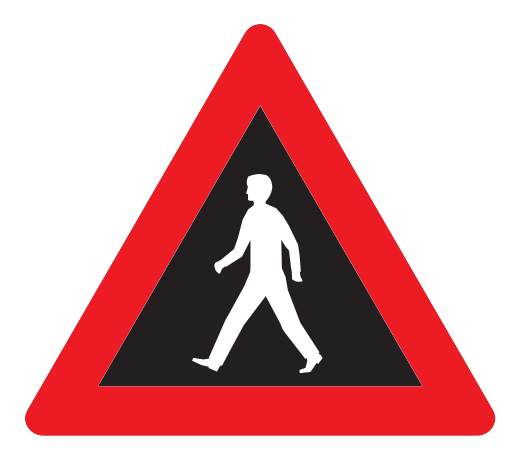
The 141 - Dynamic Pedestrians Ahead road sign may also be known by these alternative names or terms.
The 141 - Dynamic Pedestrians Ahead road sign is part of the Variable Traffic Signs category, which groups together signs with similar rules and functions.
Comparing the 'Dynamic Pedestrians Ahead' sign with other variable traffic signs aids in accurate recognition and recall for your theory test revision. Understanding these distinctions is key for effective traffic sign comparison and ensuring you respond correctly in diverse driving conditions.
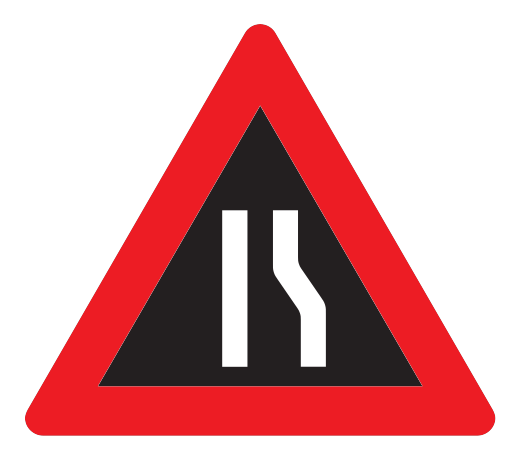
Understand the Dynamic Road Narrows From the Right Traffic Sign (106.2)
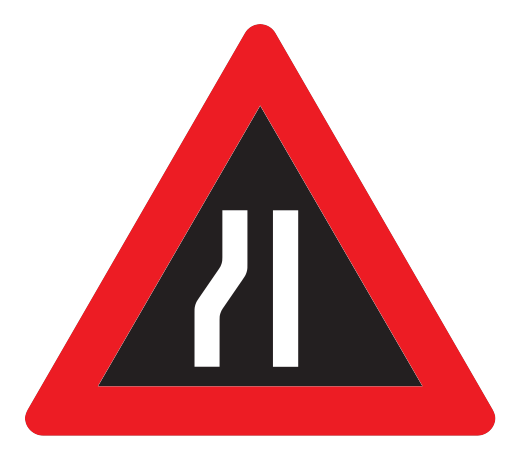
React to the current message on the Dynamic Road Narrows From The Left sign.

Dynamic Road Works signs provide live, changing instructions for immediate road conditions.
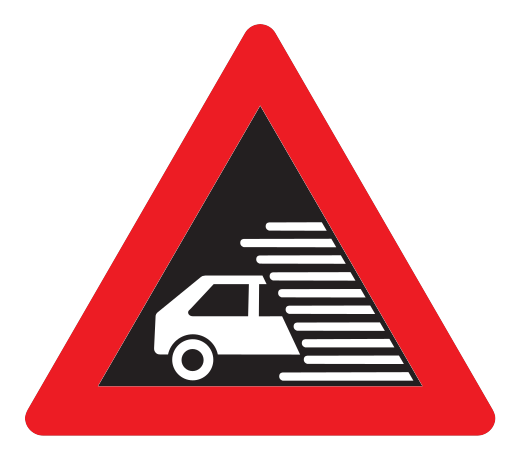
Understand and React to Dynamic Weather Visibility Warnings (Sign 115)
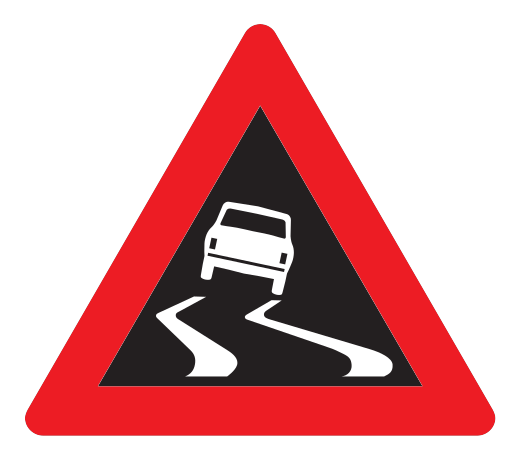
Dynamic Slippery Road signs provide live, changing traffic warnings.
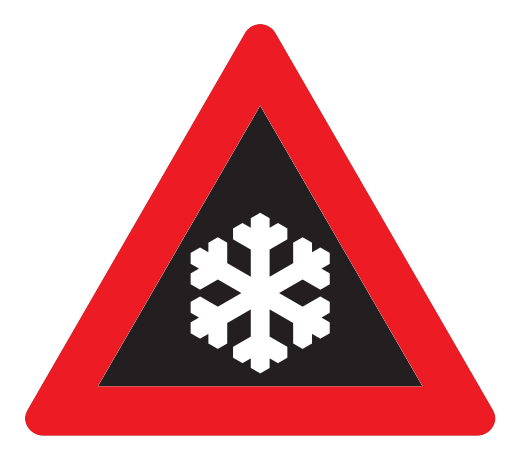
Dynamic Icy Road signs provide live, changing traffic information.
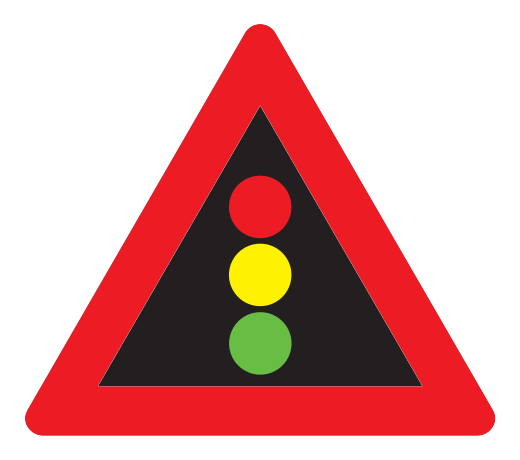
Dynamic Traffic Lights Ahead: React to Live, Changing Information
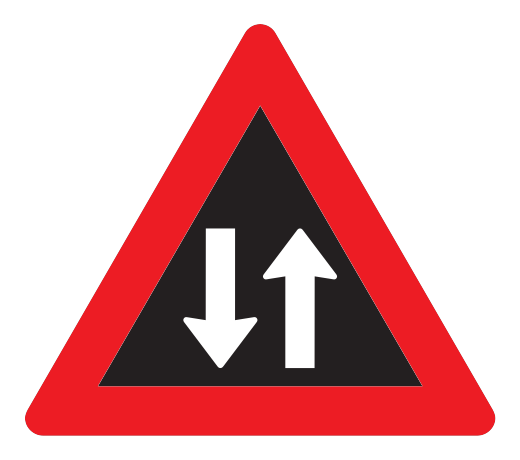
Dynamic Two Way Driving signs provide live traffic updates you must follow.
Explore curated theory modules and safety procedures that clarify how specific road signs dictate right-of-way and vehicle conduct on Icelandic roads. Apply this knowledge to your driving theory test preparation by linking visual signage to real-world traffic laws.
Know Your Rights and Responsibilities During an Icelandic Police Traffic Stop
Protecting Young Passengers: Essential Airbag Safety for Your Icelandic Driving Exam
Moving to Iceland from the EU or UK? Learn the simplified procedure for exchanging your driving licence for an Icelandic one. This guide covers the residency requirements and the direct 'paper exchange' process handled by the District Commissioner's office, helping you navigate this administrative step smoothly.
When driving in Iceland, understanding how to manage hypothermia after a vehicle accident is a vital survival skill. This article explains the 'wet and cold' reality specific to Icelandic conditions, focusing on immediate protection from elements and effective heat conservation methods like the 'vapor barrier' technique. Mastering these principles is key to staying safe while awaiting emergency services.
Dynamic Traffic Lights Ahead is part of an electronic traffic-management system that can react to incidents, weather, congestion, lane closures, or other operational needs. The active display may warn, prohibit, reduce speed, or control movement in a way that differs from the usual state of the road. The correct response is to read the sign as you approach, adapt early and smoothly, and expect the reason for the message to appear ahead. Ignoring a dynamic sign is risky because it is normally activated exactly when conditions have become less forgiving than usual.
Dynamic An Accident is part of an electronic traffic-management system that can react to incidents, weather, congestion, lane closures, or other operational needs. The active display may warn, prohibit, reduce speed, or control movement in a way that differs from the usual state of the road. The correct response is to read the sign as you approach, adapt early and smoothly, and expect the reason for the message to appear ahead. Ignoring a dynamic sign is risky because it is normally activated exactly when conditions have become less forgiving than usual.
After reviewing the full list of Icelandic road signs, reinforce your learning with targeted practice. Explore our sign group categories or take a specific quiz to test your recognition and recall. Ensure you're fully prepared to identify and interpret all traffic signs for your upcoming driving theory exam.
View All Icelandic Road Signs