The Pedestrian Crossing Zone Sign (516.1) indicates a special traffic arrangement designed for areas with a high likelihood of pedestrians near the road. This sign is part of a group that controls specific lanes or areas, requiring drivers to pay close attention to the graphic symbols shown. Always read the sign early to understand the precise lane, arrow, or pattern indicated and position your vehicle accordingly to comply with the regulation. Treat these signs as regulatory instructions, not just informational ones, and always follow the layout as marked on the sign and road surface.
This Special Regulation sign clarifies a designated pedestrian crossing zone, indicating specific rules drivers must follow to ensure safety for both pedestrians and vehicles. Understanding its precise meaning is crucial for your Icelandic theory test revision and safe driving practice.
Pedestrian Crossing Zone Sign belongs to the group of special regulation signs used for lane control, reserved areas, controlled parking layouts, crossing zones, or other operational arrangements that need more detail than a normal warning or prohibition sign. These signs are often placed above lanes or directly beside the affected area so that each road user can see which space, lane, or movement applies to them. In practice, the safest approach is to read the sign early, choose the correct lane or area before reaching the conflict point, and avoid any last-second correction. If the sign is combined with markings or local layout features, those details are part of the instruction and should be followed as one system.
This sign shows a special traffic arrangement dealing with pedestrians likely to be on or near the carriageway. Its exact effect comes from the symbol, arrows, or lane pattern shown on the panel, so drivers must read the graphic itself carefully and position early.
Get clear, practical answers to the most common questions about the 516.1 - Pedestrian Crossing Zone Sign road sign. Learn how the sign works, what rules it represents, and how it affects real driving situations. This FAQ strengthens your understanding and supports accurate decision making for the Icelandic driving theory exam in Iceland.
The 516.1 Pedestrian Crossing Zone Sign alerts drivers to a specific traffic arrangement affecting pedestrians. Its primary purpose is to manage how vehicles navigate an area where pedestrians are expected, ensuring safety and clarity through depicted symbols, arrows, or lane patterns. You must follow the specific instructions shown on the sign and accompanying road markings.
When you see the Pedestrian Crossing Zone Sign, your first action should be to read the graphic symbol or lane pattern depicted very early. This sign requires you to position your vehicle correctly in the designated lane or area before you reach the conflict point. Avoid guessing and never change lanes abruptly after passing the sign.
A common mistake is treating the Pedestrian Crossing Zone Sign as mere information rather than a regulatory instruction. Learners might also fail to read the specific lane arrow or pattern, leading to last-minute lane changes or entering a space not intended for their vehicle. Always remember that these signs, especially when overhead, are live instructions.
If the 516.1 Pedestrian Crossing Zone Sign is combined with road markings, such as specific lane lines, coloured surfaces, or designated crossing areas, you must treat them as a single system. The markings provide additional detail and reinforce the instruction given by the sign. Always follow the complete instructions provided by both the sign and the road surface layout.
No, you must not ignore the Pedestrian Crossing Zone Sign even if no pedestrians are immediately visible. The sign indicates a designated zone or traffic arrangement put in place for safety, often in anticipation of pedestrians. You are required to follow the specific lane or movement instructions shown on the sign regardless of the immediate presence of pedestrians.
A clear reference image of the 516.1 - Pedestrian Crossing Zone Sign road sign used in Iceland.
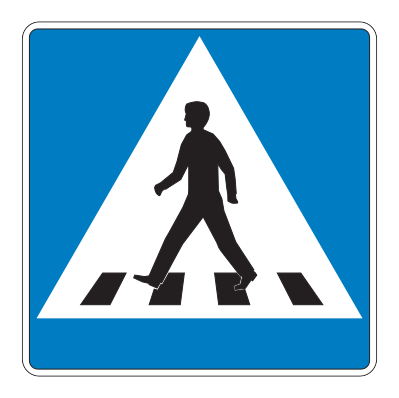
The 516.1 - Pedestrian Crossing Zone Sign road sign may also be known by these alternative names or terms.
The 516.1 - Pedestrian Crossing Zone Sign road sign is part of the Special Regulation Signs category, which groups together signs with similar rules and functions.
Master Icelandic traffic signs by studying these related examples. Comparing signs like the Pedestrian Crossing Zone Sign helps improve sign recognition and reduces confusion during your theory test revision. Familiarise yourself with similar road signs to ensure you understand all traffic sign comparison nuances.
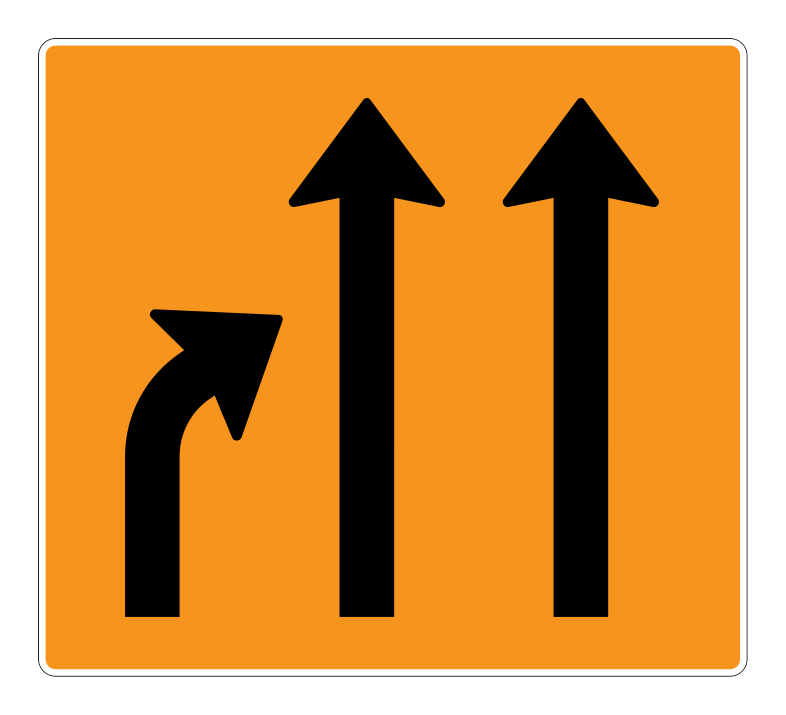
The Temporary Label sign means a special traffic arrangement is in effect, as shown by its symbol.
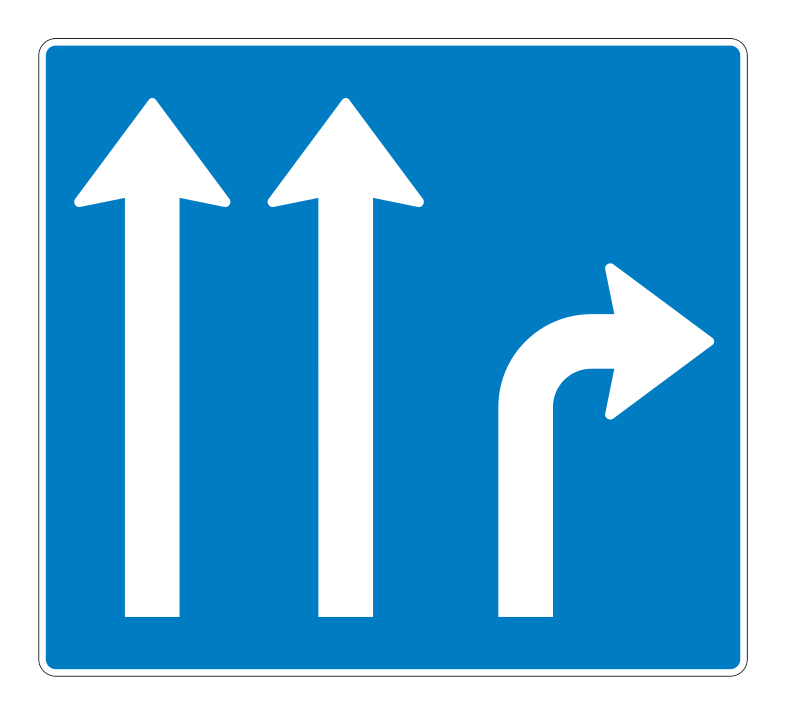
Follow the Special Traffic Arrangement indicated by the 500.100.aadh_-1 sign.
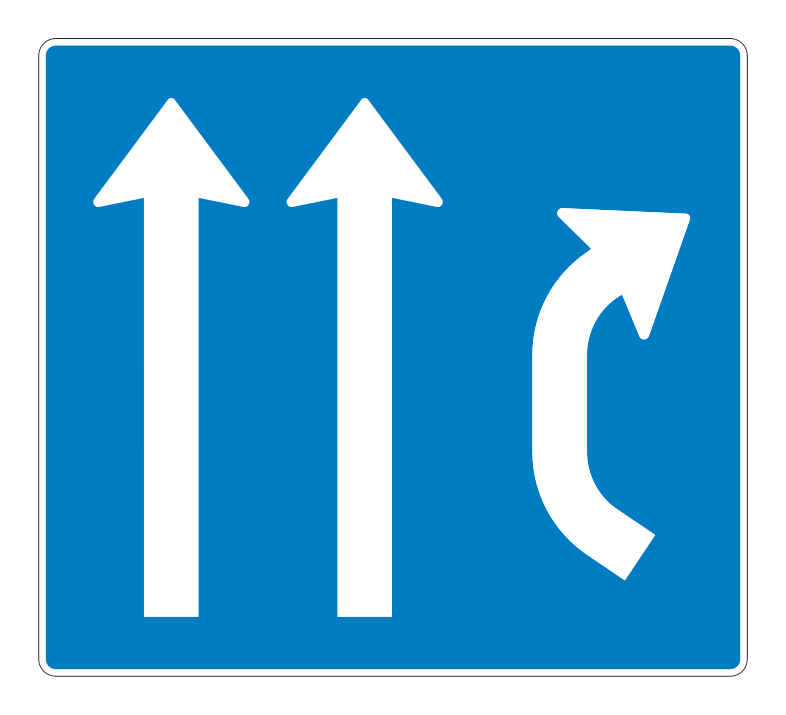
Understand this Special Traffic Arrangement sign (500.100.aae_-1) by reading its specific instructions.
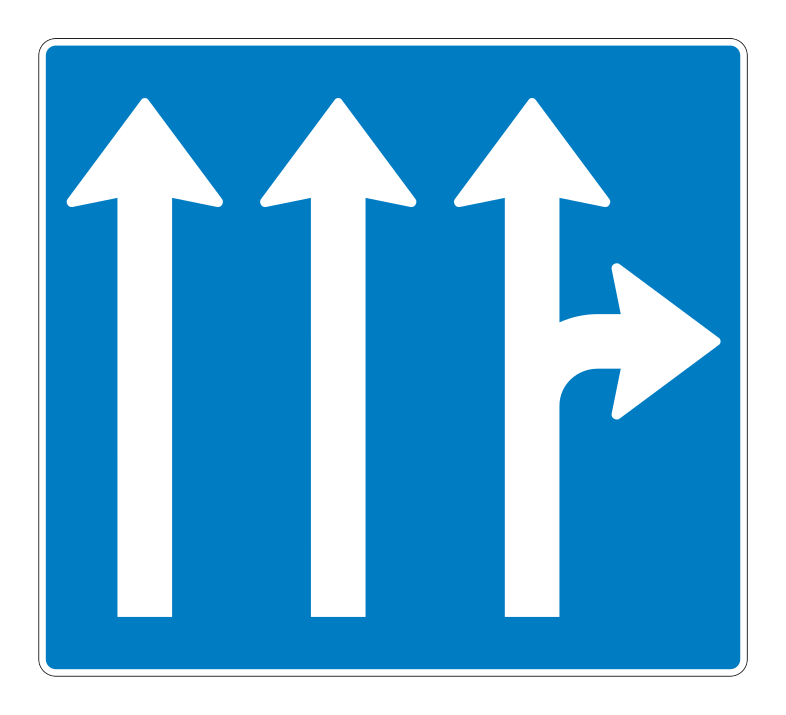
Special Traffic Arrangement: Follow the Specific Lane or Area Instructions Carefully
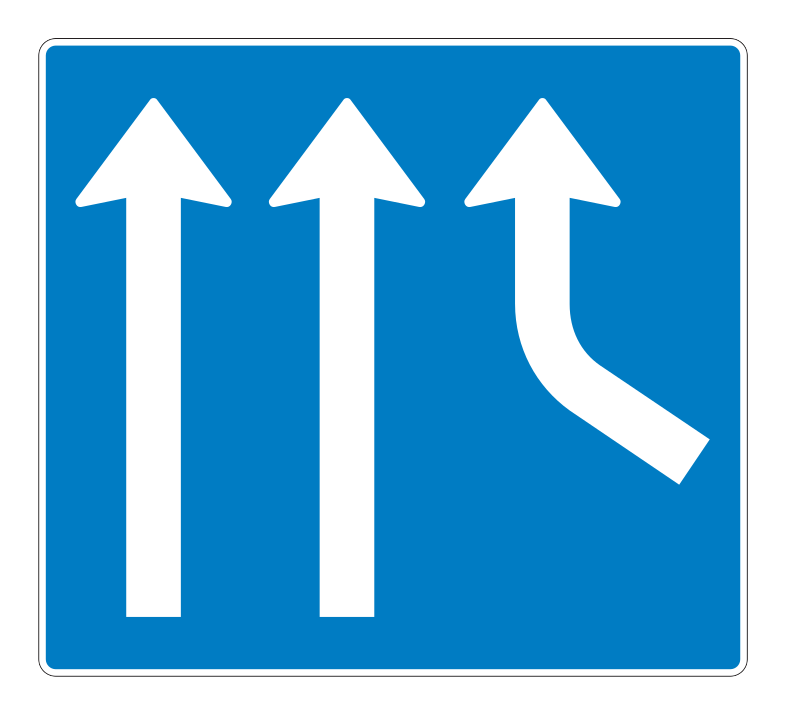
Understand Special Traffic Arrangements with the 500.100.aaph_-1 Sign
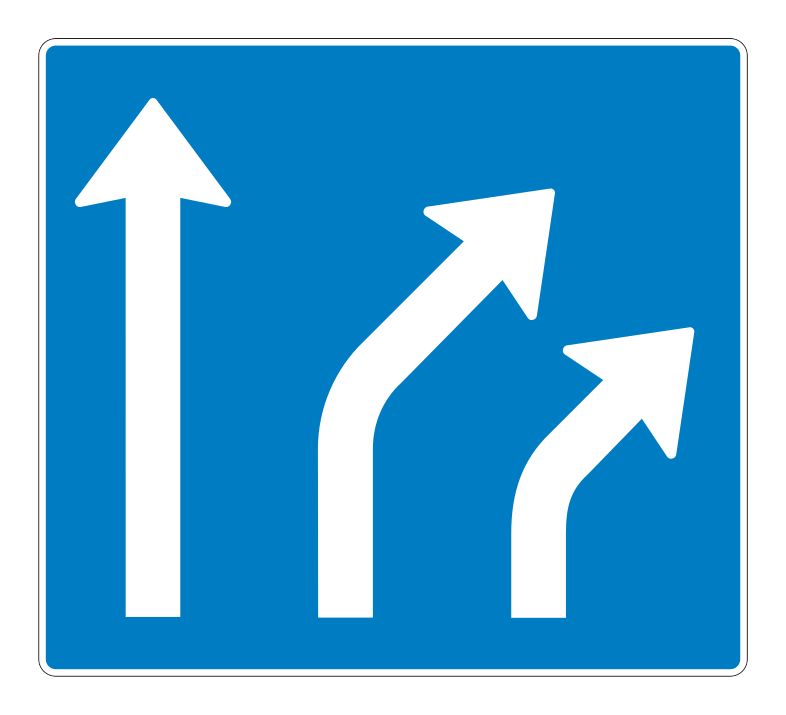
Special Regulation Sign 500.100.achlh_-1: Follow the Specific Lane Arrangement
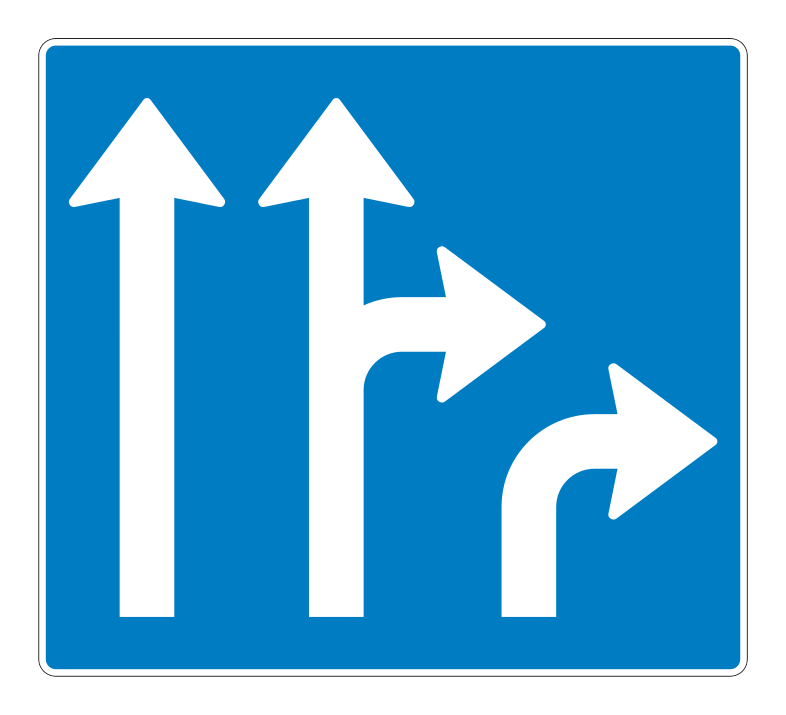
Special Regulation Sign 500.100.amhkh_-1: Follow the Specific Traffic Arrangement Shown
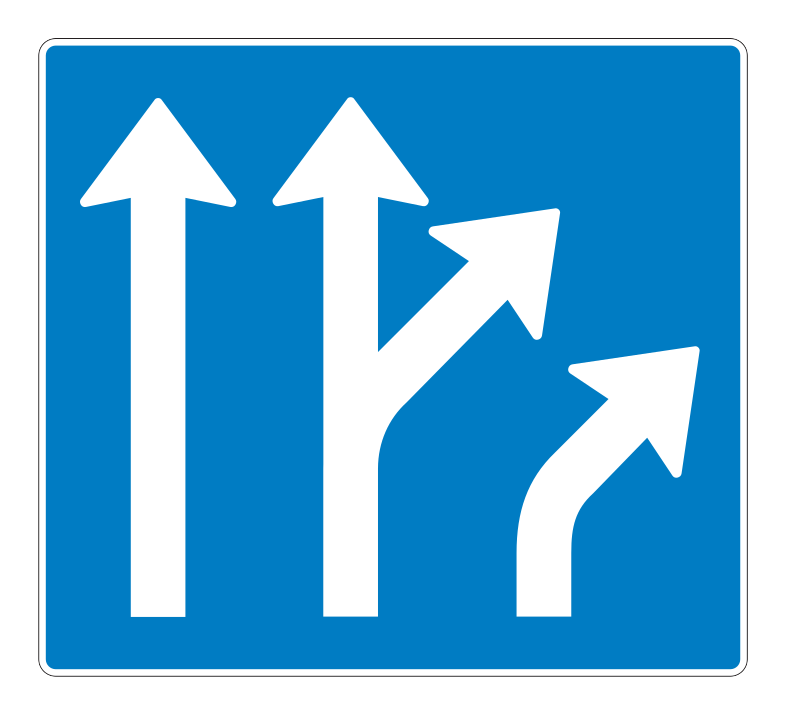
Master the 500.100.anhoh_-1 Special Traffic Arrangement Sign for Safe Driving
Explore curated theory modules and safety procedures that clarify how specific road signs dictate right-of-way and vehicle conduct on Icelandic roads. Apply this knowledge to your driving theory test preparation by linking visual signage to real-world traffic laws.
Master the Icelandic Exit Rule: Yielding Safely from Private Areas Every Time.
Master Icelandic Crosswalk Rules for a Safer Drive and Exam Success
Deciphering your Icelandic driving licence categories is essential for legal and safe operation of vehicles. This guide will clarify the scope of common categories like B, BE, and A, detailing vehicle and trailer weight restrictions. Gaining a clear understanding of these entitlements prepares you for the demands of Icelandic traffic and the official theory examination.
Driving in Iceland's remote areas requires extra preparation. This article guides you through using the essential SafeTravel.is website and the 112 Iceland app. Learn how to submit a travel plan and leverage GPS tracking for your safety, ensuring you have critical support in emergencies, a key consideration for responsible driving and your theory exam.
Boundaries Of Restricted Parking Areas (a) belongs to the group of special regulation signs used for lane control, reserved areas, controlled parking layouts, crossing zones, or other operational arrangements that need more detail than a normal warning or prohibition sign. These signs are often placed above lanes or directly beside the affected area so that each road user can see which space, lane, or movement applies to them. In practice, the safest approach is to read the sign early, choose the correct lane or area before reaching the conflict point, and avoid any last-second correction. If the sign is combined with markings or local layout features, those details are part of the instruction and should be followed as one system.
Areas With Special Speed Limit Ends belongs to the group of special regulation signs used for lane control, reserved areas, controlled parking layouts, crossing zones, or other operational arrangements that need more detail than a normal warning or prohibition sign. These signs are often placed above lanes or directly beside the affected area so that each road user can see which space, lane, or movement applies to them. In practice, the safest approach is to read the sign early, choose the correct lane or area before reaching the conflict point, and avoid any last-second correction. If the sign is combined with markings or local layout features, those details are part of the instruction and should be followed as one system.
After reviewing the full list of Icelandic road signs, reinforce your learning with targeted practice. Explore our sign group categories or take a specific quiz to test your recognition and recall. Ensure you're fully prepared to identify and interpret all traffic signs for your upcoming driving theory exam.
View All Icelandic Road Signs