This supplementary plate, code 812.10, is designed to provide specific context to the main traffic sign it accompanies. It's essential to always read this plate in conjunction with the sign above it, as it clarifies or modifies the main sign's instruction. For instance, it might specify a recommended maximum speed under certain conditions, for particular vehicle types, or during specific times, ensuring you interpret the overall traffic rule correctly. Ignoring this plate can lead to misunderstandings and potential driving errors, making it a critical element for both safe driving and passing your theory exam.
This supplementary plate narrows the scope of the main sign, detailing specific conditions, times, or vehicle types. Mastering its interpretation is crucial for passing your theory test and navigating Icelandic roads safely.
Recommended Maximum Speed is used beneath another sign to narrow or explain the exact effect of the main rule. It can define distance, time, vehicle class, written conditions, or another limit that changes how the main sign should be interpreted on the road. In theory questions and real traffic alike, the mistake is often to remember the main sign but forget the plate that changes its scope. The correct reading always comes from combining both elements into one complete instruction.
This supplementary plate explains more precisely how the main sign applies by adding detail about the exact scope of a main sign. It must always be read together with the main sign above it.
Get clear, practical answers to the most common questions about the 812.10 - Recommended Maximum Speed road sign. Learn how the sign works, what rules it represents, and how it affects real driving situations. This FAQ strengthens your understanding and supports accurate decision making for the Icelandic driving theory exam in Iceland.
The 812.10 plate serves to refine the instruction of the main traffic sign it is placed beneath. It doesn't stand alone but provides crucial details, such as recommending a maximum speed under specific circumstances, to ensure drivers interpret the primary sign's message accurately.
The 812.10 plate indicates a 'Recommended' Maximum Speed. While not a legally binding prohibition like a maximum speed limit sign, it strongly advises you to keep your speed at or below the indicated level for safety reasons, especially in conjunction with the main sign's context. It's a strong suggestion for optimal safety.
Ignoring the 812.10 plate means you might not be adhering to the intended safe driving conditions for that specific location or situation. While it's a recommendation, failing to consider it could lead to unsafe driving, particularly if the main sign indicates a hazard or specific condition that the recommended speed addresses. It's a common area for exam questions to test your understanding of supplementary plates.
The 812.10 plate works as a modifier. For example, a main sign indicating a hazard might be paired with 812.10 showing '40'. This means a speed of 40 km/h is recommended specifically for navigating that hazard, rather than a general speed limit applying everywhere. You must combine both pieces of information to understand the full instruction.
No, the 812.10 plate, like all supplementary plates, has no meaning on its own. It is always used in conjunction with a main traffic sign. Its purpose is solely to provide additional context or limitation to the primary sign's message, making it essential to read both together as a single instruction.
A clear reference image of the 812.10 - Recommended Maximum Speed road sign used in Iceland.
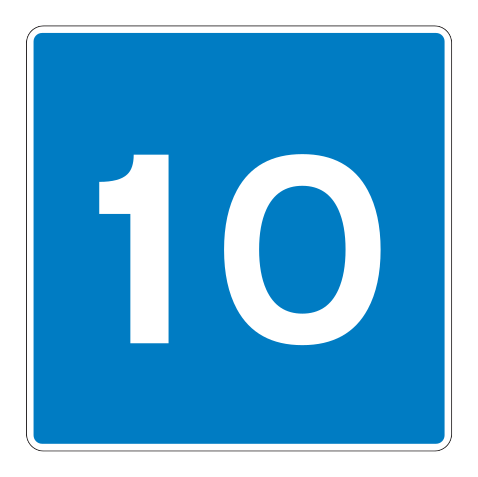
The 812.10 - Recommended Maximum Speed road sign may also be known by these alternative names or terms.
The 812.10 - Recommended Maximum Speed road sign is part of the Supplementary Plates category, which groups together signs with similar rules and functions.
Comparing the Recommended Maximum Speed sign with other supplementary plates helps solidify your understanding and recall similar traffic signs, crucial for effective theory test revision. This focused sign comparison sharpens your recognition skills, reducing errors and boosting your overall exam preparation.
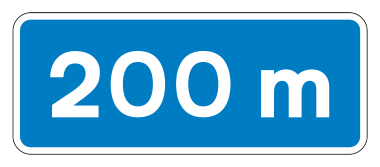
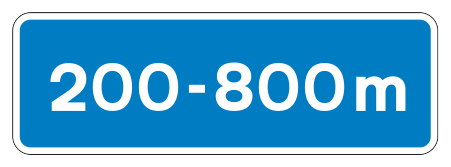
The 802.2 Distance Plate clarifies when and where the main sign's rule applies.
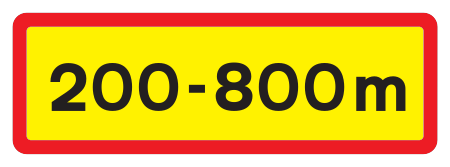
Understand the Length of Validity Plate (804.1) to correctly interpret traffic signs.
Understand the Length of Effect Plate (804.2) and its impact on main road signs.
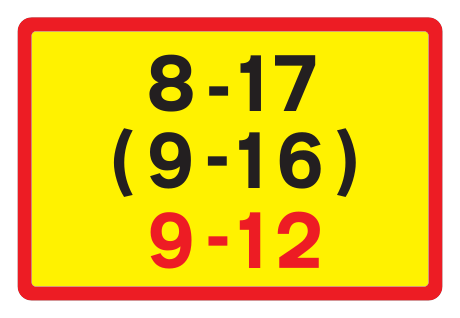
The Time Period Plate (806.1) Always Works With Another Sign Above It
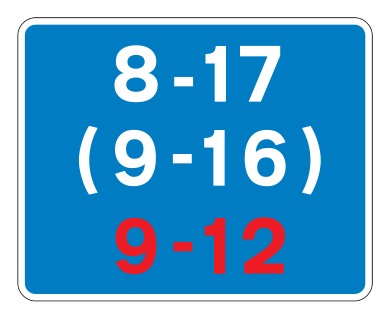
The Time Period Plate (806.2) Modifies Main Signs to Show When They Apply

This supplementary plate clarifies that the main sign applies specifically to passenger cars under 3.5 tonnes.

Understand the 'Truck' Vehicle Class Plate and How it Modifies Main Signs

This Supplementary Plate Clarifies Delivery Rules for the Sign Above.
Explore curated theory modules and safety procedures that clarify how specific road signs dictate right-of-way and vehicle conduct on Icelandic roads. Apply this knowledge to your driving theory test preparation by linking visual signage to real-world traffic laws.
Deciphering your Icelandic driving licence categories is essential for legal and safe operation of vehicles. This guide will clarify the scope of common categories like B, BE, and A, detailing vehicle and trailer weight restrictions. Gaining a clear understanding of these entitlements prepares you for the demands of Icelandic traffic and the official theory examination.
Master the Icelandic Rules for Towing and Trailer Safety with a Category B License
Understand Your Rights and Responsibilities During Roadside Checks in Iceland.
Learn about the essential legal requirements for seatbelts and the mandatory warning triangle in Iceland. This knowledge is vital for your driving theory exam, ensuring you understand your responsibilities as a driver to protect all passengers and be prepared for emergencies on Icelandic roads.
Policy As A Primary Label Applies is used beneath another sign to narrow or explain the exact effect of the main rule. It can define distance, time, vehicle class, written conditions, or another limit that changes how the main sign should be interpreted on the road. In theory questions and real traffic alike, the mistake is often to remember the main sign but forget the plate that changes its scope. The correct reading always comes from combining both elements into one complete instruction.
Policy As A Primary Label Applies is used beneath another sign to narrow or explain the exact effect of the main rule. It can define distance, time, vehicle class, written conditions, or another limit that changes how the main sign should be interpreted on the road. In theory questions and real traffic alike, the mistake is often to remember the main sign but forget the plate that changes its scope. The correct reading always comes from combining both elements into one complete instruction.
After reviewing the full list of Icelandic road signs, reinforce your learning with targeted practice. Explore our sign group categories or take a specific quiz to test your recognition and recall. Ensure you're fully prepared to identify and interpret all traffic signs for your upcoming driving theory exam.
View All Icelandic Road Signs