
Explore fundamental Icelandic driving theory topics. Gain clear explanations of all road rules, traffic signs, and priority situations in Iceland. Understand unique driving conditions, including weather hazards. This hub builds essential knowledge for your theoretical exam. Prepare confidently for your Icelandic driving license.
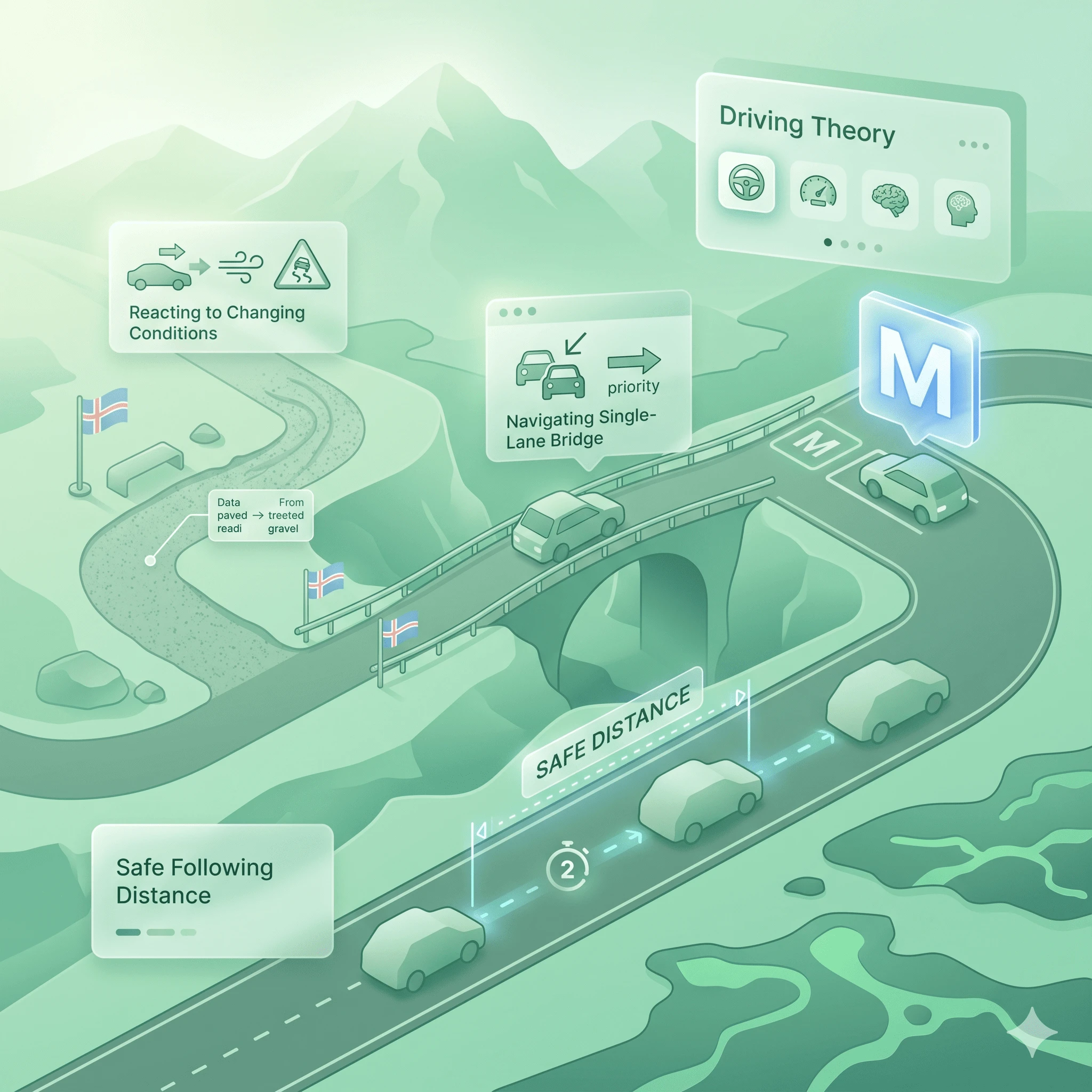
Our curriculum breaks down complex Icelandic traffic rules, priority situations, and essential vehicle knowledge into focused study categories. Master road signs and defensive driving conventions to confidently prepare for your official theory test.
8 topics
7 topics
7 topics
6 topics
3 topics
2 topics
2 topics
2 topics
1 topic
1 topic
1 topic
1 topic
Find specific driving theory topics or browse our comprehensive set of study subjects to prepare for your Icelandic theory test. Understanding Icelandic traffic rules and road signs is crucial for safe driving and passing your exam.
Filter by category
6 theory topics found

Slippery roads present a significant challenge for drivers, especially in Iceland's diverse weather conditions. Reduced friction between tires and the road surface makes it harder to accelerate, steer, and brake effectively. Mastering the techniques for managing low-grip situations is essential for both your driving safety and success in the theory test.
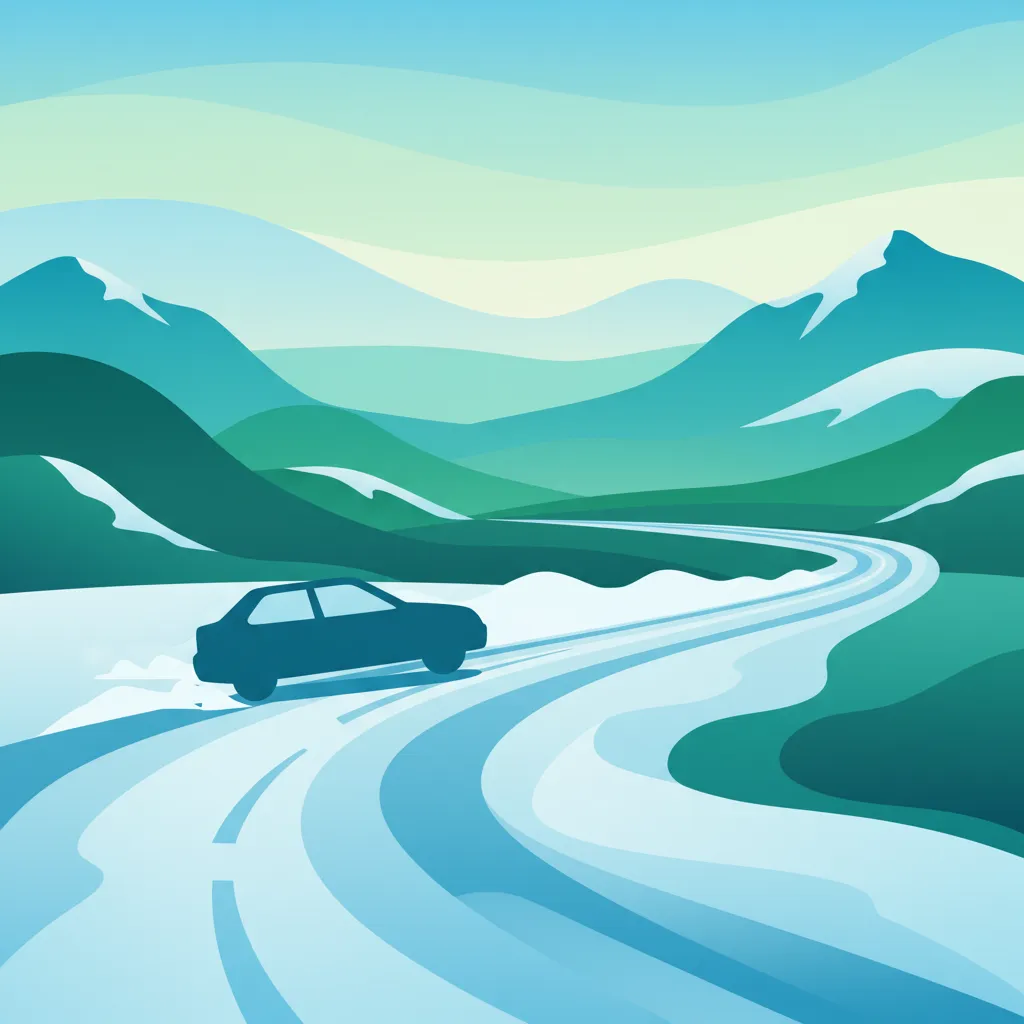
Driving in snow and ice dramatically changes how your vehicle handles, impacting acceleration, steering, and especially braking. In Iceland, where winter conditions are common, understanding how to manage reduced traction is critical for safety. This page details the specific challenges these conditions pose and how to adapt your driving to maintain control and prevent accidents.

Driving in fog requires significant adjustments to your driving style and vehicle lighting. This guide explains the key rules and safety precautions you must follow in Iceland to navigate reduced visibility conditions safely, covering everything from speed and spacing to the correct use of fog lights.
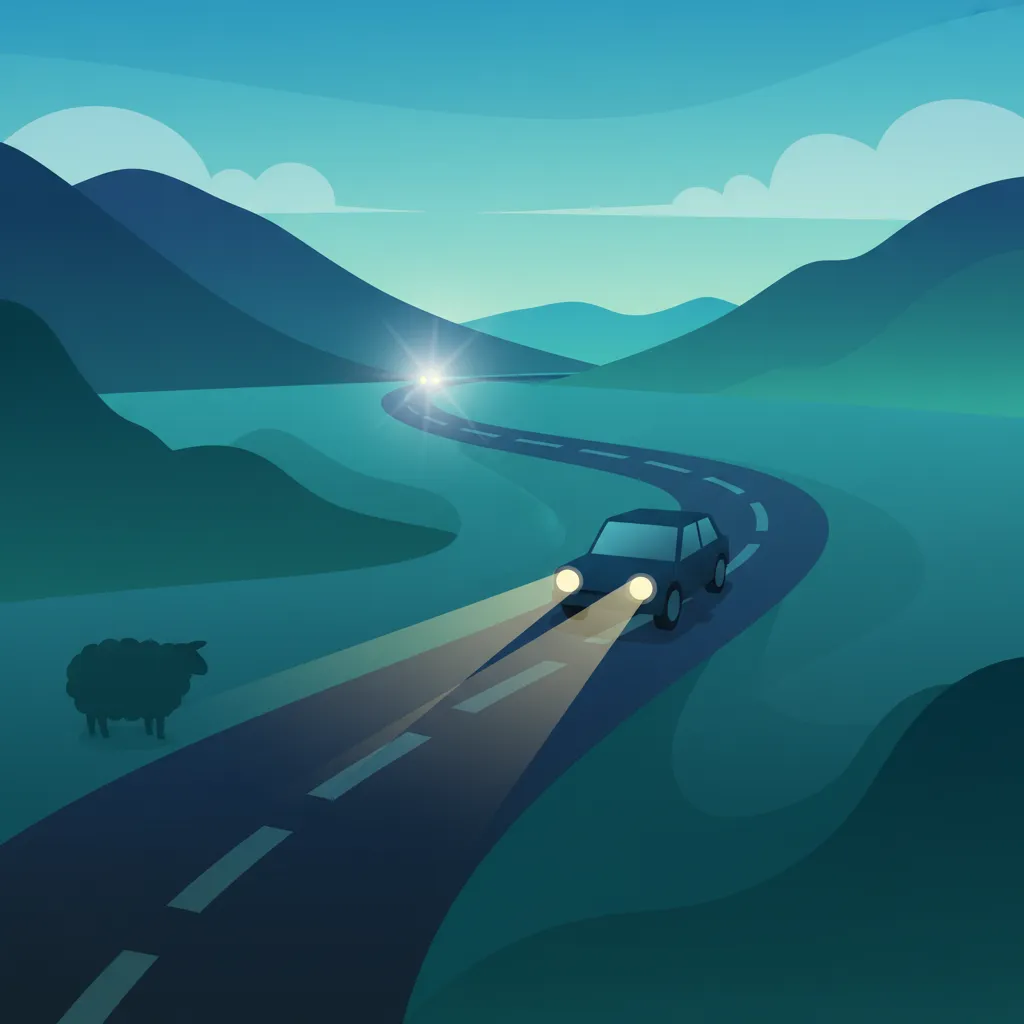
Driving after dark fundamentally alters the driving environment, reducing visibility and demanding a different approach from drivers. In Iceland, where daylight hours vary drastically with seasons, understanding night driving risks is crucial for safety. This page details how limited visibility, headlight glare, and driver fatigue increase accident risks and explains the adjustments necessary to maintain safety, particularly regarding vehicle lighting and speed.

When road surfaces are wet from rain or standing water, the friction between your tires and the road is significantly reduced. This leads to longer braking distances and less effective steering, increasing the risk of accidents. Drivers must understand these effects to maintain safety and control, especially given the varied weather conditions often experienced in Iceland.
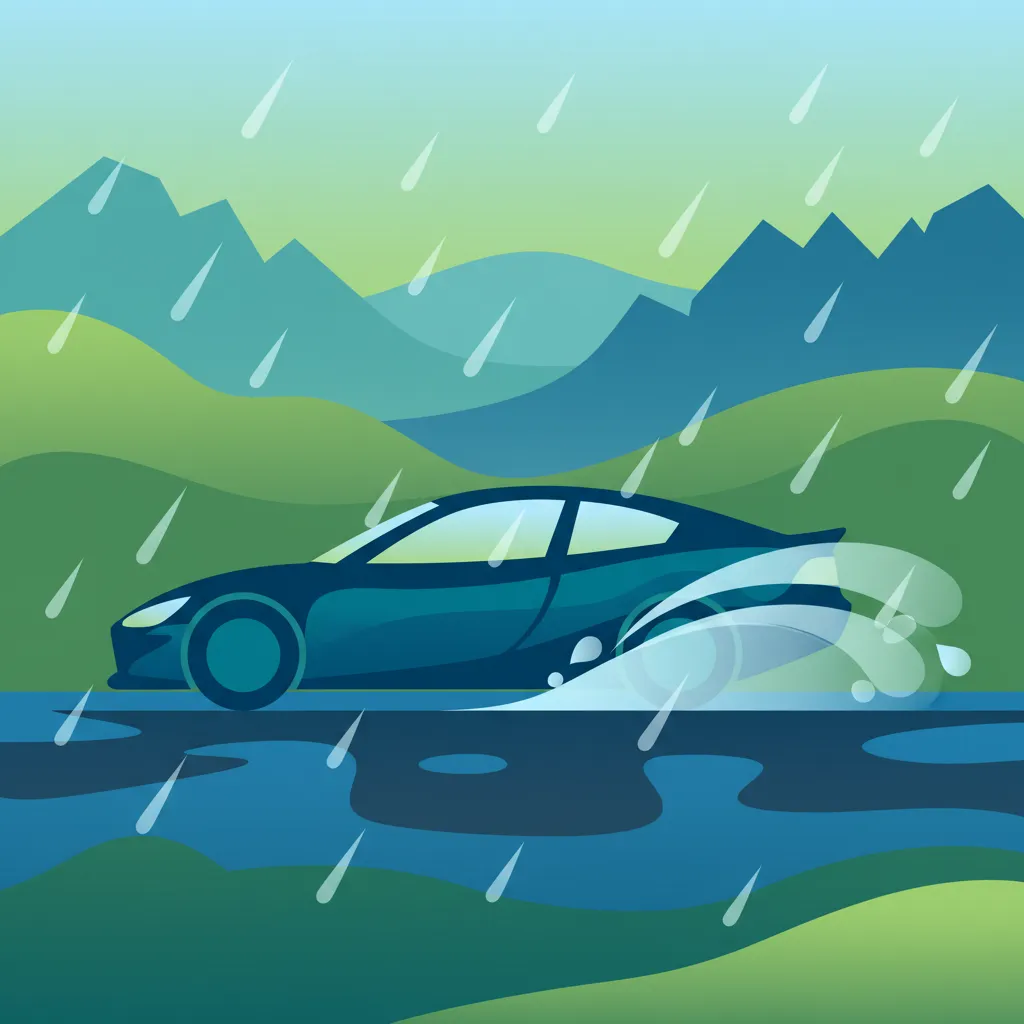
Driving in rain requires careful attention to how your vehicle interacts with the road. This section details the specific risks posed by wet surfaces, including reduced tire grip, increased braking distances, and decreased visibility. Mastering these adjustments is crucial for safe driving in Iceland's varied climate.
Ready to continue your Icelandic driving theory study? Explore more articles covering specific road rules, traffic signs, or essential driving procedures. Our comprehensive guides provide essential support for your licence preparation, helping you achieve exam readiness and confident driving in Iceland.
Explore Icelandic Theory Guides