

Logo
Learn with Polish Theory Courses

Polish Driving Theory D: Ride Comfort: Acceleration, Braking, and Motion Smoothing

Ride Comfort: Acceleration, Braking, and Motion Smoothing lesson overview image

This lesson teaches techniques for delivering a comfortable ride by managing acceleration and braking to minimize sudden movements. It emphasizes progressive braking and gentle throttle application, especially with standing passengers. The content also discusses how vehicle suspension and speed modulation contribute to overall passenger comfort and satisfaction.

Bus comfortSmooth drivingAccelerationBrakingPassenger safetyCategory D
Polish Driving Theory D curriculum

Part of the full Polish Driving Theory D curriculum

The Ride Comfort: Acceleration, Braking, and Motion Smoothing lesson belongs to the structured Polish Driving Theory D curriculum, a complete learning program designed to help learners in Poland master every key topic required for the Polish driving theory exam. By studying this lesson, you continue building the knowledge, traffic awareness, and exam readiness developed throughout the units of the curriculum.
category Dbus driverPolanddriving theorytheory examtraffic lawEU regulationspassenger safetyvehicle systemsprofessional driver
Polish Driving Theory D curriculum image

Polish Category D Driving Licence Theory Course for Bus Drivers

This comprehensive course prepares aspiring professional drivers for the Polish Category D theory exam. It covers the Polish Road Traffic Act, EU working-time regulations, bus-specific vehicle systems, and safe passenger handling. Learners will understand the legal framework, vehicle dynamics, and defensive driving techniques necessary for operating buses in various environments, ensuring they are equipped for a successful career in public transport.

7 units21 lessons
View curriculum

Why the Ride Comfort: Acceleration, Braking, and Motion Smoothing lesson matters

The Ride Comfort: Acceleration, Braking, and Motion Smoothing lesson explains one of the most important subjects in the Passenger Safety & Comfort unit of the Polish Driving Theory D curriculum. It focuses on essential exam content that every learner in Poland needs for the Polish driving theory exam. Through clear explanations, practical examples, and real traffic situations, this lesson helps you understand how the rules work in practice and strengthens your overall exam preparation.

Browse curriculum
Learning objectives

What you will learn in the Ride Comfort: Acceleration, Braking, and Motion Smoothing lesson

Understand the principles of smooth acceleration and gentle throttle application in buses.
Apply techniques for progressive braking and anticipation to avoid sudden stops.
Recognize how vehicle suspension and speed modulation impact passenger comfort.
Explain the importance of motion smoothing for passenger satisfaction and safety.
Identify common mistakes in acceleration and braking that lead to discomfort.
What you will gain

What you will understand after completing the Ride Comfort: Acceleration, Braking, and Motion Smoothing lesson

After completing this lesson, you will be equipped to demonstrate a thorough understanding of how to achieve optimal ride comfort in a bus. This includes mastering the application of smooth acceleration and progressive braking techniques, essential for preventing passenger discomfort and ensuring safety, especially when standing passengers are present. You will be able to articulate how factors like vehicle suspension, careful speed modulation, and anticipating traffic conditions contribute to a serene journey. This knowledge is directly tested in the Polish Category D theory exam, and applying these principles in practice will significantly enhance your professionalism and passenger satisfaction on the road.

Start reading topics
What you will understand after completing the Ride Comfort: Acceleration, Braking, and Motion Smoothing lesson
Learners who benefit the most from the Ride Comfort: Acceleration, Braking, and Motion Smoothing lesson
Who should study this

Learners who benefit the most from the Ride Comfort: Acceleration, Braking, and Motion Smoothing lesson

This lesson is ideal for aspiring Category D bus drivers preparing for the Polish theory exam who need to understand the practical aspects of passenger comfort. It’s particularly helpful for those who might overlook the nuances of smooth driving or wish to solidify their knowledge on how vehicle dynamics affect passenger experience.

View all lesson topics
Questions

FAQs about the Ride Comfort: Acceleration, Braking, and Motion Smoothing lesson

Find answers to common questions about the Ride Comfort: Acceleration, Braking, and Motion Smoothing lesson, including how it connects to the Passenger Safety & Comfort unit and the full Polish Driving Theory D curriculum. Learn how long the lesson takes, what topics it covers, and how it supports your preparation for the driving theory exam in Poland.

Why learners trust the Ride Comfort: Acceleration, Braking, and Motion Smoothing lesson

Why learners trust the Ride Comfort: Acceleration, Braking, and Motion Smoothing lesson

The Ride Comfort: Acceleration, Braking, and Motion Smoothing lesson is designed to make complex driving theory topics easier to understand. Content is written in a clear and practical way, aligned with exam expectations in Poland, and supported by examples that reflect real traffic situations. Whether you are reviewing or starting from scratch, this lesson helps you study efficiently and make steady progress inside the Polish Driving Theory D curriculum.

Covers all important concepts linked to this lessonCreated using exam relevant topics from PolandEvery topic explained using real world traffic situationsLesson layout that guides you step by stepReflects the latest rules required for the driving theory examStrengthens your preparation for the Polish theory exam
Start now

More units in the Polish Driving Theory D curriculum

Explore additional units that make up the complete Polish Driving Theory D curriculum. Each unit focuses on important driving theory subjects, helping learners in Poland build strong exam knowledge and improve understanding of rules, signs, and traffic behaviour.

Licence Requirements & Legal Framework unit image
1

Licence Requirements & Legal Framework

This unit covers the essential requirements and legal framework for obtaining a Category D bus licence in Poland, including age, health, traffic law, and EU tachograph rules, crucial for exam success.

3 lessons
Learn more
Vehicle Characteristics & Systems unit image
2

Vehicle Characteristics & Systems

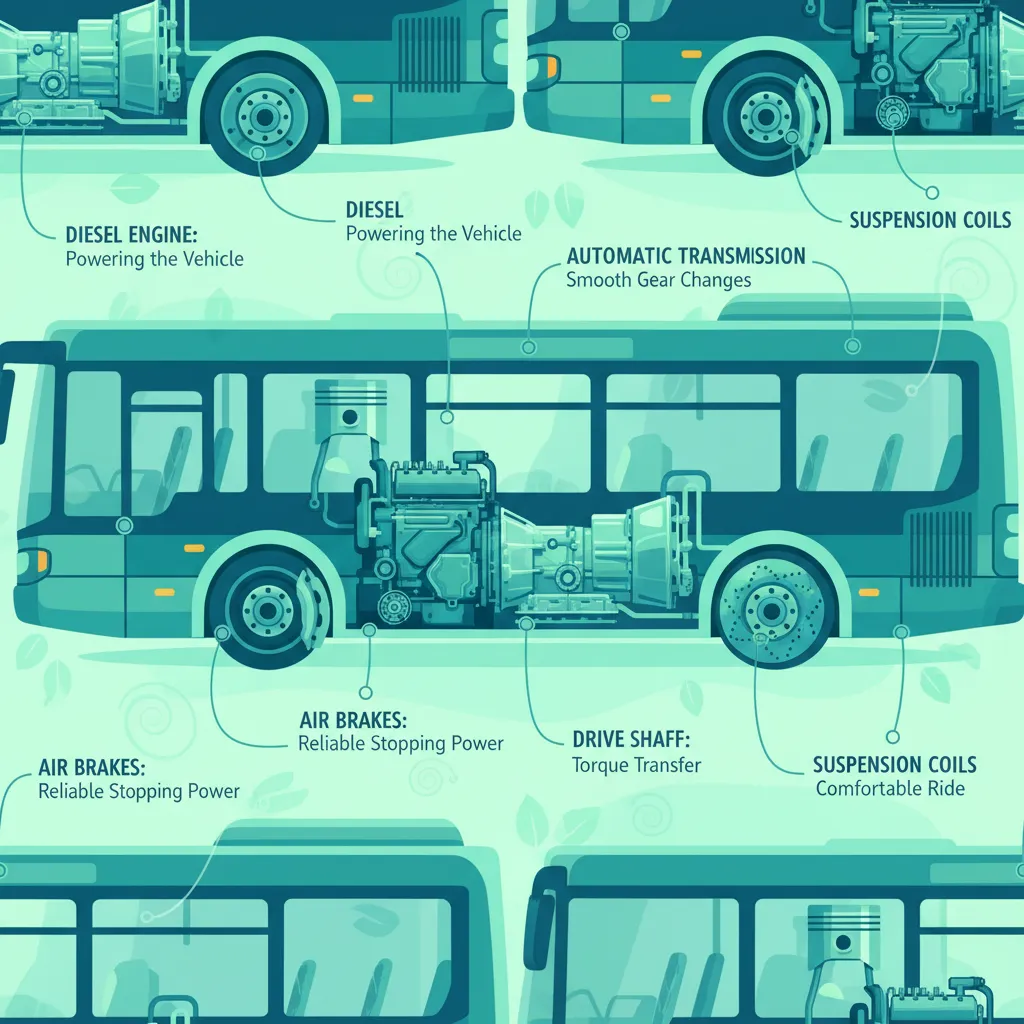
Learn about bus technical specifications, including engines, transmissions, and crucial braking systems like air brakes and retarders, essential for safe Category D operation in Poland.

3 lessons

Learn more
Driver Position, Visibility & Mirrors unit image
3

Driver Position, Visibility & Mirrors

Master your driving position, optimize mirror usage, and manage visibility to ensure safe bus operation and reduce fatigue. Crucial for the Polish Category D theory exam.

3 lessons

Learn more
Traffic Rules & Priority for Buses unit image
4

Traffic Rules & Priority for Buses

Master Polish traffic rules, signs, and priority situations for buses. Essential for Category D exam success and safe passenger transport. Learn bus-specific regulations and speed limits.

3 lessons

Learn more
Safe Maneuvering & Urban Operations unit image
5

Safe Maneuvering & Urban Operations

Master urban bus maneuvering for your Polish Category D theory test. Learn safe bus stop approaches, precise control in tight spaces, and cornering techniques essential for city driving.

3 lessons

Learn more
Passenger Safety & Comfort unit image
6

Passenger Safety & Comfort

Master safe passenger boarding, alighting, comfort, and emergency evacuation for your Polish Category D bus driver theory exam. Ensure passenger well-being and safety on every journey.

3 lessons

Learn more
Driving in Adverse Conditions & Human Factors unit image
7

Driving in Adverse Conditions & Human Factors

Master adverse weather driving, fatigue management, and safety systems crucial for Polish bus drivers. Essential preparation for the Category D theory exam and safe operation.

3 lessons
Learn more

Refine Your Polish Driving Theory Knowledge with Targeted Practice

Build custom practice sessions tailored precisely to your needs. Focus on areas requiring improvement, review specific Polish road signs, or master complex traffic rules to ensure full preparation for your official driving license exam.

Find Polish Theory Practice Sets

Explore more content on Polish driving theory

Polish road signsPolish article topicsSearch Polish road signsPolish driving theory homePolish road sign categoriesPolish driving theory topicsSearch Polish theory articlesPolish driving theory coursesPolish Driving Theory D coursePolish Driving Theory C coursePolish Driving Theory B coursePolish driving theory articlesPolish driving theory practicePolish practice set categoriesPolish Motorcycle Theory A coursePolish driving licence proceduresSearch Polish driving theory practicePolish driving theory terminology A–ZPolish driving theory terms and glossaryPolish Driving Theory - Category T courseParking and Maneuvering unit in Polish Driving Theory BRural Roads and Expressways unit in Polish Driving Theory BVehicle Controls and Operation unit in Polish Driving Theory BVehicle Characteristics & Systems unit in Polish Driving Theory DDriver Position, Visibility & Mirrors unit in Polish Driving Theory DLicence Requirements & Legal Framework unit in Polish Driving Theory DMotorcycle Licensing and Legal Framework unit in Polish Motorcycle Theory ASpeed Management, Braking, and Stopping Distances unit in Polish Driving Theory CPractical Scenarios and Decision-Making unit in Polish Driving Theory - Category TLegal Foundations and Licence Requirements unit in Polish Driving Theory - Category TEmergency Evacuation, Fire Safety, and Accident Response lesson in Passenger Safety & ComfortRide Comfort: Acceleration, Braking, and Motion Smoothing lesson in Passenger Safety & ComfortBoarding and Alighting Procedures, Assistance for Reduced-Mobility Passengers lesson in Passenger Safety & Comfort