
Welcome to the lesson on Bus Ride Comfort, a key part of the Vehicle Characteristics & Systems unit for your Category D licence. This lesson focuses on the crucial techniques of managing acceleration and braking to ensure a smooth and comfortable journey for your passengers, which is a vital aspect of professional bus operation in Poland.

Lesson content overview
Delivering a smooth and comfortable ride is a cornerstone of professional bus operation, particularly for drivers pursuing a Polish Category D Driving Licence. This lesson delves into the essential techniques for managing vehicle dynamics—specifically acceleration, braking, and motion smoothing—to ensure passenger safety and satisfaction. By mastering these skills, drivers can significantly reduce the risk of passenger injuries, enhance their professional reputation, and comply with stringent legal requirements governing public transport in Poland.
Passenger comfort extends beyond mere convenience; it is a critical safety factor and a legal mandate for professional passenger transport. In a bus, passengers, especially those standing, are highly susceptible to inertial forces caused by sudden changes in vehicle speed or direction. A comfortable ride minimizes these forces, preventing loss of balance, slips, and falls that can lead to serious injuries, particularly for elderly individuals, children, or passengers with reduced mobility.
Beyond safety, a smooth ride significantly impacts passenger satisfaction and public perception of transport services. Passengers expect a journey that is not only safe but also pleasant. Drivers who consistently provide a comfortable experience contribute to the overall quality of public transport, fostering trust and loyalty. This professional approach is not just a best practice; it is integrated into Polish traffic law, obliging drivers of passenger-carrying vehicles to operate in a manner that protects both the safety and comfort of their passengers.
The sensation of ride comfort is intricately linked to how the vehicle's motion changes. Humans perceive acceleration (an increase in speed) and deceleration (a decrease in speed, or braking) as physical forces. When these changes are abrupt, they translate into sudden pushes or pulls on the body, exceeding the natural balance capabilities of passengers, particularly those who are standing and have limited bracing options.
The key to a smooth ride lies in controlling longitudinal vehicle motion – how quickly the bus's forward speed changes. The rate of change of acceleration is known as "jerk." If the jerk is too high, passengers feel a sudden jolt. For optimal passenger comfort, the inertial forces experienced should remain within predictable and gentle limits. This understanding underpins all techniques discussed in this lesson, emphasizing that smooth driving is essentially a controlled management of these subtle forces.
Achieving a comfortable ride involves consistently applying several core driving principles that coordinate driver inputs with vehicle responses. These principles focus on preventing sudden, jarring movements that can destabilize passengers.
Progressive acceleration is the art of increasing vehicle speed incrementally, avoiding abrupt surges of power. This technique involves carefully applying the throttle in stages, known as "throttle feathering," to prevent sudden torque spikes. For buses equipped with manual or automated manual transmissions, this also includes selecting the appropriate gear before initiating acceleration to keep engine RPM in an optimal, responsive range without over-revving. The goal is to allow passengers to adjust their posture gradually as the bus gains speed, eliminating the sensation of being thrust backward. Anticipation of traffic flow is crucial, enabling the driver to prepare for acceleration well in advance.
Progressive braking involves applying the service brakes gradually and in stages to bring the vehicle to a smooth, controlled stop. This technique typically starts with a gentle "tap" on the brake pedal to signal deceleration, followed by a smooth increase in pressure. This "tap-brake-hold" method allows passengers ample time to brace themselves and adjust their balance, significantly reducing forward sway or the risk of falling. Effective progressive braking demands early anticipation of stopping points, such as bus stops or traffic signals, giving the driver sufficient distance to manage the deceleration process.
Motion smoothing, often referred to as "jerk management," is the overarching strategy of coordinating all driver inputs – throttle, gear shifts, and braking – to produce a continuous and predictable speed profile. Jerk, defined as the rate of change of acceleration, is a critical factor in passenger comfort. Humans typically perceive jerk above approximately 2 meters per second cubed (m/s³) as uncomfortable. By keeping jerk below this threshold, drivers ensure a ride free of sudden lurches or jolts. This involves not only careful throttle and brake application but also strategic use of engine braking (downshifts) to assist deceleration without heavy reliance on service brakes, and judicious coasting to maintain momentum without constant power input.
The number of passengers and the amount of cargo significantly alter a bus's dynamic characteristics. A heavier vehicle possesses greater inertia, meaning it requires more force and distance to accelerate or decelerate. Recognizing these "load-dependent dynamics" is crucial for maintaining ride comfort. A fully loaded bus will accelerate more slowly and require a much longer braking distance compared to an empty one. Professional drivers must adjust their driving style accordingly, applying gentler, more sustained inputs for acceleration and initiating braking much earlier when carrying a heavy load. Failing to account for increased mass can lead to abrupt stops or sluggish acceleration, compromising passenger comfort and safety.
A vehicle's suspension system is designed to absorb road irregularities and maintain tire contact with the surface. However, how the suspension interacts with driver inputs and road conditions directly impacts ride comfort. Poorly managed speed over uneven surfaces can cause the suspension to compress or rebound excessively, transmitting harsh vertical forces to the passenger compartment. Drivers must understand that the suspension can only absorb so much; high-speed impacts with potholes or speed bumps will inevitably lead to discomfort. Anticipating road imperfections and modulating speed accordingly prevents excessive vertical accelerations and body roll, ensuring the suspension can perform its role effectively.
Operating a bus in Poland requires strict adherence to specific articles of the Polish Road Traffic Act (Prawo o ruchu drogowym) that directly relate to passenger safety and comfort. These regulations underscore the professional driver's responsibility.
Article 42 of the Polish Road Traffic Act mandates that drivers must operate their vehicle in a manner that does not endanger other road users or passengers. This broad article forms the foundation for all safe driving practices, including those related to ride comfort. Abrupt acceleration or braking that causes passengers to lose balance and potentially fall could be interpreted as a violation of this duty, as it directly endangers those onboard.
Article 46§2 specifically addresses vehicles carrying standing passengers, such as city buses. It stipulates that the driver must ensure the movement of the vehicle does not cause discomfort or injury to these passengers. This article is particularly relevant to ride comfort techniques, as standing passengers are inherently more vulnerable to the effects of acceleration and deceleration. Progressive braking and acceleration are paramount for compliance with this specific regulation.
Beyond driver behavior, regulations concerning vehicle load are also crucial. The Polish Transport Law (Annex 6) sets maximum permissible passenger counts and cargo weight. Exceeding these limits compromises the vehicle's dynamics, increasing braking distances, reducing acceleration capacity, and stressing suspension components. Drivers must respect these limits, as an overloaded bus is inherently more challenging to operate smoothly and safely.
Even experienced drivers can fall into habits that compromise passenger comfort. Recognizing and correcting these common mistakes is vital for professional bus drivers.
Late Braking at Bus Stops:
"Floor-It" Acceleration from Standstill:
Hard Braking on Slippery Roads:
Ignoring Load-Dependent Braking Distances:
Speeding Through Small Bumps or Potholes:
Abrupt Gear Shifts (especially in Automated Manual Transmissions):
Neglecting Passenger Seating Position or Warning for Turns:
Effective ride comfort is not a static skill but one that must adapt to changing circumstances. Professional bus drivers must constantly assess conditions and modify their driving inputs accordingly.
Understanding these concepts is best solidified through practical application. Here are common scenarios and the recommended smooth driving approach.
Mastering ride comfort is an indispensable skill for any professional bus driver. It encompasses a holistic approach to vehicle operation, prioritizing the well-being and satisfaction of every passenger.
By consistently applying these principles, Polish Category D drivers not only ensure the safety and comfort of their passengers but also demonstrate the highest level of professionalism and skill required for a successful career in public transport.
This lesson covers essential techniques for providing a comfortable bus ride by managing vehicle motion, focusing on progressive acceleration and braking, and keeping jerk below uncomfortable thresholds. Key principles include anticipating traffic flow to enable smooth inputs, adapting driving style to vehicle load, and modulating speed over road imperfections to work effectively with the suspension. For Polish Category D drivers, these techniques are not merely best practice but legal requirements under Articles 42 and 46§2 of the Road Traffic Act, which mandate protection of passengers, especially those standing. The lesson emphasizes that smooth driving is fundamentally controlled management of inertial forces to prevent passenger injury and ensure satisfaction.
A short set of high-value points that capture the most important learning from this lesson.
Progressive acceleration and braking are the foundation of passenger comfort, requiring gradual throttle application and staged brake pressure
Jerk (rate of change of acceleration) should remain below approximately 2 m/s³ to avoid passenger discomfort
Load-dependent dynamics mean fully loaded buses require earlier braking and gentler acceleration inputs due to greater inertia
Anticipation and planning allow smooth inputs rather than reactive, abrupt maneuvers that destabilize passengers
Article 46§2 of the Polish Road Traffic Act mandates that drivers protect standing passengers from uncomfortable movement
Explore all units and lessons included in this driving theory course.
Passengers experience discomfort when jerk exceeds about 2 m/s³ - keep all speed changes gradual and predictable
Fully loaded buses need significantly longer braking distances and slower acceleration rates than empty ones
Begin gentle braking approximately 30-40 meters before bus stops to allow passengers to brace safely
A bus's suspension can only absorb road irregularities effectively when speed is appropriately moderated
Abrupt acceleration from standstill ('floor-it') creates backward forces that easily knock standing passengers off balance
Late braking at bus stops leaves insufficient time for passengers to brace, creating high risk of forward falls
Full-throttle acceleration from standstill causes sudden backward thrust that destabilizes standing passengers
Using the same braking reference points for loaded and empty buses fails to account for increased stopping distances when heavily loaded
Maintaining high speed over potholes or speed bumps transmits harsh vertical jerks through the suspension
Abrupt gear shifts in automated manual transmissions cause unexpected engine braking and jerky deceleration
Lesson content overview
A short set of high-value points that capture the most important learning from this lesson.
Progressive acceleration and braking are the foundation of passenger comfort, requiring gradual throttle application and staged brake pressure
Jerk (rate of change of acceleration) should remain below approximately 2 m/s³ to avoid passenger discomfort
Load-dependent dynamics mean fully loaded buses require earlier braking and gentler acceleration inputs due to greater inertia
Anticipation and planning allow smooth inputs rather than reactive, abrupt maneuvers that destabilize passengers
Article 46§2 of the Polish Road Traffic Act mandates that drivers protect standing passengers from uncomfortable movement
Explore all units and lessons included in this driving theory course.
Passengers experience discomfort when jerk exceeds about 2 m/s³ - keep all speed changes gradual and predictable
Fully loaded buses need significantly longer braking distances and slower acceleration rates than empty ones
Begin gentle braking approximately 30-40 meters before bus stops to allow passengers to brace safely
A bus's suspension can only absorb road irregularities effectively when speed is appropriately moderated
Abrupt acceleration from standstill ('floor-it') creates backward forces that easily knock standing passengers off balance
Late braking at bus stops leaves insufficient time for passengers to brace, creating high risk of forward falls
Full-throttle acceleration from standstill causes sudden backward thrust that destabilizes standing passengers
Using the same braking reference points for loaded and empty buses fails to account for increased stopping distances when heavily loaded
Maintaining high speed over potholes or speed bumps transmits harsh vertical jerks through the suspension
Abrupt gear shifts in automated manual transmissions cause unexpected engine braking and jerky deceleration
Explore search topics learners often look for when studying Ride Comfort: Acceleration, Braking, and Motion Smoothing. These topics reflect common questions about road rules, driving situations, safety guidance, and lesson level theory preparation for learners in Poland.
Browse additional driving theory lessons that cover connected traffic rules, road signs, and common driving situations related to this topic. Improve your understanding of how different rules interact across everyday traffic scenarios.
Understand the specific articles of the Polish Road Traffic Act concerning passenger comfort and safety. This lesson details legal obligations for Category D drivers to ensure smooth rides and prevent injuries, especially for standing passengers.
This lesson details the speed limits applicable to buses in Poland across urban, rural, and motorway settings. It emphasizes how vehicle size and passenger load influence safe operating speeds and required stopping distances. The content also covers speed-control device usage and practical techniques for maintaining consistent speed while ensuring passenger comfort.

This lesson focuses on the key provisions of the Polish road traffic act relevant to public transport. It explains the legal classification of buses, mandatory safety equipment, and the hierarchy of road users. Learners will understand the specific obligations of bus drivers, potential penalties for non-compliance, and the required operational documentation.
This lesson explains the ideal seating position for operating a bus, focusing on adjustable features that ensure proper reach to pedals and the steering wheel. It covers ergonomic principles such as lumbar support and control layout to minimize distraction. The goal is to establish a comfortable and safe posture that reduces physical strain during extended driving periods.
This lesson explores the physiological and psychological aspects of driver fatigue, covering its warning signs and strategies for maintaining concentration. It outlines the legal framework for work-time limits and mandatory rest periods, monitored via tachograph. Practical advice on schedule planning and nutrition is provided to help sustain alertness and reduce accident risk.

This lesson introduces defensive driving strategies tailored for bus operation, emphasizing hazard perception and risk management. Learners will study techniques for continuous situational awareness and maintaining safe following distances for adequate reaction time. The content covers emergency maneuvers and interaction with vulnerable road users to reduce accident likelihood.
This lesson provides a step-by-step process for safe passenger boarding and alighting, emphasizing clear communication and the correct use of wheelchair ramps. Learners will study the legal requirements for assisting passengers with reduced mobility, including securing wheelchairs. The content also covers time management at stops and safety checks before departure.
This lesson details the precise adjustment of interior and exterior mirrors to compensate for a bus's large blind spots. Learners will understand how to achieve maximum coverage of rear and side zones through proper mirror setup. It also addresses how passenger load and lighting conditions affect visibility and provides guidelines for maintaining clear sightlines.

This lesson outlines the precise steps for approaching a bus stop, ensuring correct positioning and safe deceleration. Learners will study the procedural aspects of door operation and managing passenger movement to prevent accidents. It also addresses coordination with traffic signals and pedestrians to maintain safety and schedule reliability.
Explore common urban and rural scenarios where smooth acceleration, progressive braking, and motion smoothing are crucial. Learn how to adapt driving for various conditions and passenger loads to ensure comfort and safety.
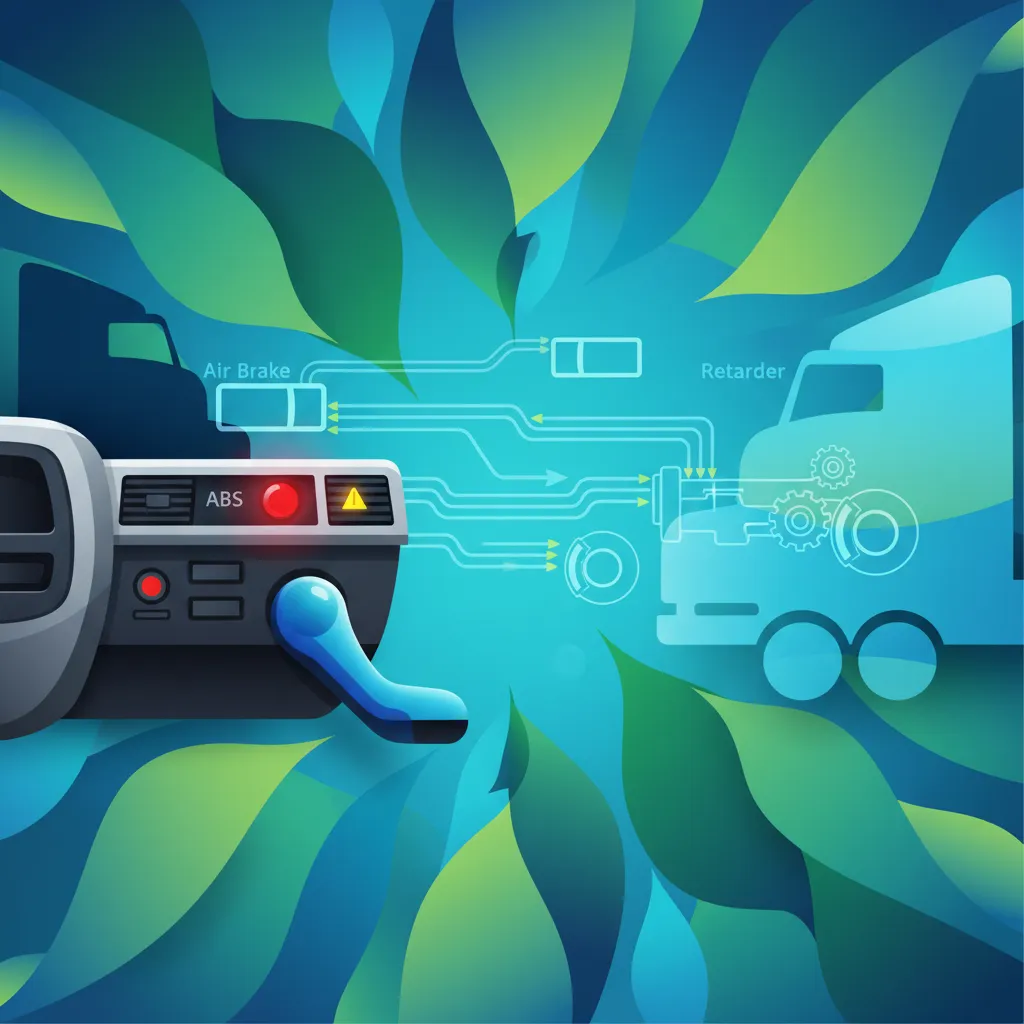
This lesson covers the braking mechanisms specific to large passenger vehicles, focusing on air brake systems and retarders. Learners will understand the components and operation of service and parking brakes, as well as the function of ABS and ESC. It also addresses strategies for emergency braking and the importance of regular maintenance for optimal performance.

This lesson teaches the fundamentals of safely reversing a bus using mirrors, cameras, and alarms. It covers low-speed control essential for depot navigation, where precise steering is required to avoid collisions. Specific techniques for handling articulated buses and coordinating with ground staff are also discussed to ensure safe maneuvers.
This lesson introduces defensive driving strategies tailored for bus operation, emphasizing hazard perception and risk management. Learners will study techniques for continuous situational awareness and maintaining safe following distances for adequate reaction time. The content covers emergency maneuvers and interaction with vulnerable road users to reduce accident likelihood.
This lesson details the speed limits applicable to buses in Poland across urban, rural, and motorway settings. It emphasizes how vehicle size and passenger load influence safe operating speeds and required stopping distances. The content also covers speed-control device usage and practical techniques for maintaining consistent speed while ensuring passenger comfort.

This lesson focuses on the practical considerations of cornering large buses, particularly articulated models. It examines turning radius, the effect of the articulation joint, and the importance of maintaining appropriate speed for passenger stability. The content also outlines lane positioning strategies for intersections to avoid over-steering or under-steering.
This lesson outlines the precise steps for approaching a bus stop, ensuring correct positioning and safe deceleration. Learners will study the procedural aspects of door operation and managing passenger movement to prevent accidents. It also addresses coordination with traffic signals and pedestrians to maintain safety and schedule reliability.

This lesson focuses on how different passenger loads alter a vehicle's dynamics. It explains the shift in the center of gravity and its effect on suspension, acceleration, and braking. Learners will study techniques to anticipate and compensate for these handling changes, ensuring speed and cornering are adjusted for passenger comfort and safety.

This lesson details the specific driving adjustments needed for adverse weather. It focuses on how rain, snow, and ice affect vehicle dynamics and driver perception. Learners will study techniques to prevent hydroplaning, use winter tires effectively, and increase following distances on slippery surfaces while using safety systems like fog lights.

This lesson provides an overview of powertrain technologies in modern buses, including diesel, hybrid, and electric systems. It covers the function of engines and transmissions and their impact on acceleration and fuel economy. Emphasis is placed on understanding emissions standards like Euro 6 and the principles of efficient power management.
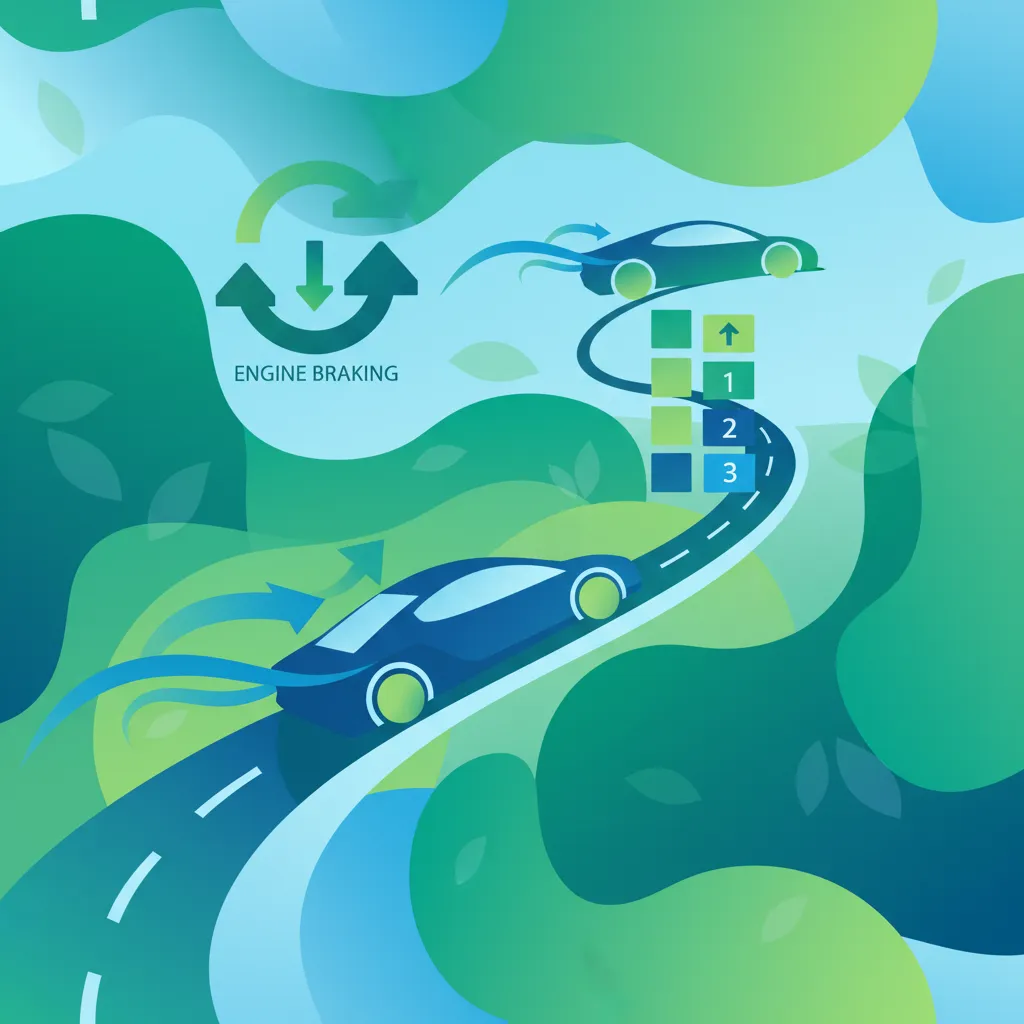
This lesson focuses on optimizing powertrain performance through skilled driving techniques. It teaches learners how to select the correct gears and shift points by understanding the engine's torque curve, which is crucial for both efficient acceleration and fuel economy. Additionally, the content details the proper application of engine braking and retarders to control speed on descents, preserving the service brakes and maintaining vehicle control without excessive fuel use.
Find clear answers to common questions learners have about Ride Comfort: Acceleration, Braking, and Motion Smoothing. Learn how the lesson is structured, which driving theory objectives it supports, and how it fits into the overall learning path of units and curriculum progression in Poland. These explanations help you understand key concepts, lesson flow, and exam focused study goals.
Smooth acceleration prevents sudden jolts that can cause discomfort, especially for standing passengers or those with mobility issues. It also contributes to fuel efficiency and reduces wear on the vehicle's powertrain.
Progressive braking means gradually increasing brake pressure rather than applying it abruptly. For buses, this is crucial to avoid sudden deceleration, allowing passengers to maintain balance and ensuring a more comfortable stop.
The suspension system absorbs shocks from the road surface. A well-functioning suspension system, combined with appropriate speed control, helps to minimize vibrations and impacts felt by passengers, providing a smoother ride.
Yes, the Polish Category D theory exam includes questions that assess your understanding of passenger safety and comfort. Questions may cover aspects of smooth driving, appropriate speed management, and anticipating situations that require gentle acceleration or braking.
Comfortable braking is about smooth, gradual deceleration to maintain passenger ease and safety. Emergency braking involves applying maximum force rapidly to stop the vehicle as quickly as possible, often causing significant deceleration and passenger disturbance.
Build custom practice sessions tailored precisely to your needs. Focus on areas requiring improvement, review specific Polish road signs, or master complex traffic rules to ensure full preparation for your official driving license exam.