
This practice set provides in-depth scenarios on ABS and non-ABS braking behaviors crucial for the Polish Driving License Theory exam. You'll gain a solid understanding of how to react during emergency stops, manage steering, and adapt to different road conditions, ensuring you are prepared for both the theory test and real-world Polish traffic challenges.
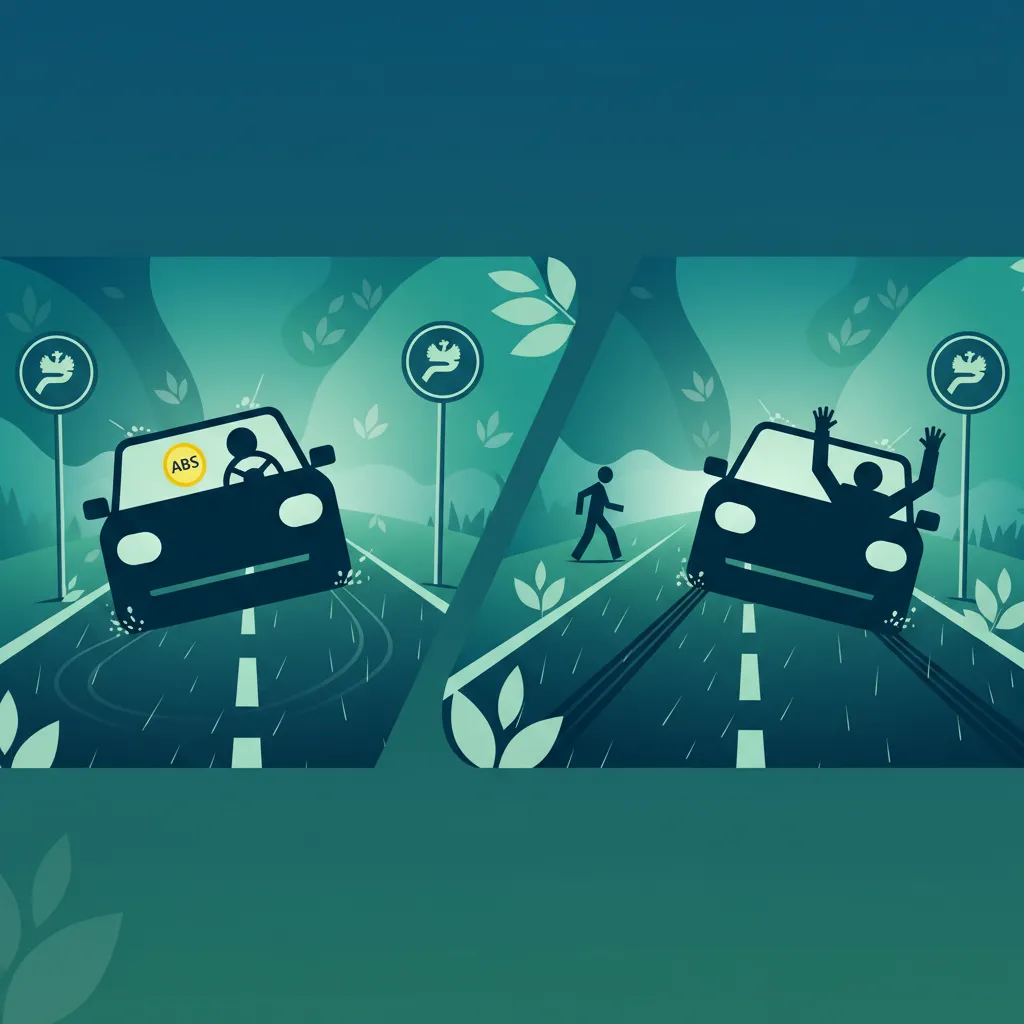
Prepare for your Polish driving theory test by tackling key questions on ABS and non-ABS braking systems. This practice set helps you understand emergency stops, prevent wheel lock-up, and maintain control in diverse road conditions, vital for safe driving and passing your exam.
Dive deep into the practical implications of ABS and non-ABS braking. This set covers essential topics like emergency stops, maintaining steering control during hard braking, preventing wheel lock-up, and handling slippery road conditions, all relevant to Polish traffic rules.
Preview sample questions from the ABS & Non-ABS Braking practice set to see how they help you prepare for the driving theory exam in Poland.
Learners choose ABS & Non-ABS Braking to improve accuracy and understanding of key exam themes in Poland. It offers realistic driving theory questions and targeted revision for effective preparation.
Find answers to the most common queries learners have when practising ABS & Non-ABS Braking, including how questions match the official theory exam in Poland, how scoring works, and how this practice improves exam readiness.
The primary purpose of an Anti-lock Braking System (ABS) is to prevent the wheels from locking up during emergency braking. This allows the driver to maintain steering control and vehicle stability, helping to avoid uncontrolled skids.
No, ABS does not always shorten braking distance. While it often does, especially on dry or wet asphalt by optimizing grip, it can sometimes lengthen the braking distance on loose surfaces like snow, gravel, or mud, where locked wheels might provide additional resistance.
In a car with ABS, the most effective emergency braking technique is to press the brake pedal as quickly and as firmly as possible, maintaining consistent pressure. Do not release pressure even if you feel the pedal pulsating or hear noises, as this indicates the ABS is actively working.
For a vehicle without ABS, the recommended technique for emergency braking is pulsative braking. This involves pressing the brake pedal intensely until the wheels are about to lock, then releasing it slightly before pressing it again. This helps maintain some steering ability and prevents a complete loss of control.
Yes, one of the key benefits of ABS is that it allows you to steer while emergency braking. By preventing wheel lock-up, the system retains a portion of the tire's grip for lateral forces, enabling you to maneuver around obstacles or adjust your direction, though the steering response might feel heavier.
By completing ABS & Non-ABS Braking, you will gain stronger rule knowledge, faster recognition of signs and situations, better decision making in traffic scenarios, and increased accuracy on exam style questions used in Poland. These outcomes directly support higher scoring exam performance.
Continuing with related practice questions helps reinforce your understanding of advanced braking scenarios and critical vehicle control techniques for Polish roads. This targeted topic revision ensures comprehensive exam preparation and confidence for your driving theory test.

Stay in control: Essential braking techniques for unexpected hazards on Polish roads.

Understand How to Stop Safely: Crucial for Your Polish Driving Exam

Master the Art of Vehicle Control in Poland's Toughest Winter Conditions.
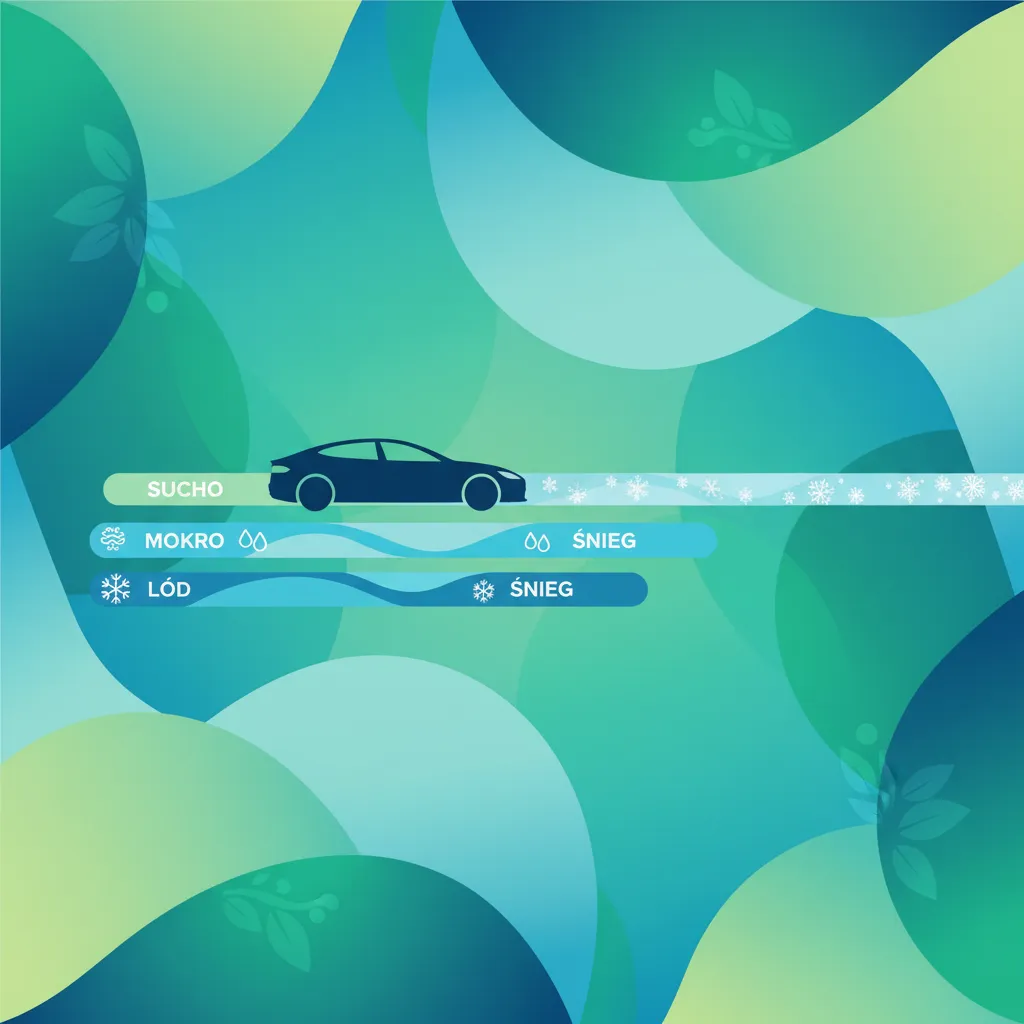
Master Braking Distances: Understand How Speed and Weather Impact Your Stop in Poland

Master advanced vehicle control and emergency reactions for challenging Polish road conditions.

Master vehicle control for safer driving and confident exam performance.
Questions in ABS & Non-ABS Braking
Exam focused questionss
ABS & Non-ABS Braking offers quick, focused exam style practice to boost your Polish knowledge for the driving theory exam in Poland.
ABS & Non-ABS Braking helps learners in Poland with clear explanations and targeted Polish practice to improve essential driving theory topics.
This set is ideal for intermediate to advanced learners and those aiming for a high score on the Polish driving theory exam. It addresses common misconceptions and practical nuances of braking systems, helping you confidently navigate emergency scenarios and challenging road conditions in Poland.
Explore more topics for the Polish driving theory exam in Poland.
Dive into specific Polish driving theory topics by selecting a category that matches your revision needs. Whether you want to master road signs, understand priority rules, or review traffic regulations, our categorized practice sets will guide your learning and prepare you thoroughly.
Browse Practice Categories