
Prepare for your Polish driving theory exam by mastering braking systems and stopping distance calculations. This set covers how vehicle speed, road surface, tire condition, and driver reaction time impact the total distance needed to stop. Learn to make safe decisions in various traffic situations, ensuring you are fully ready for the official Polish driving test.
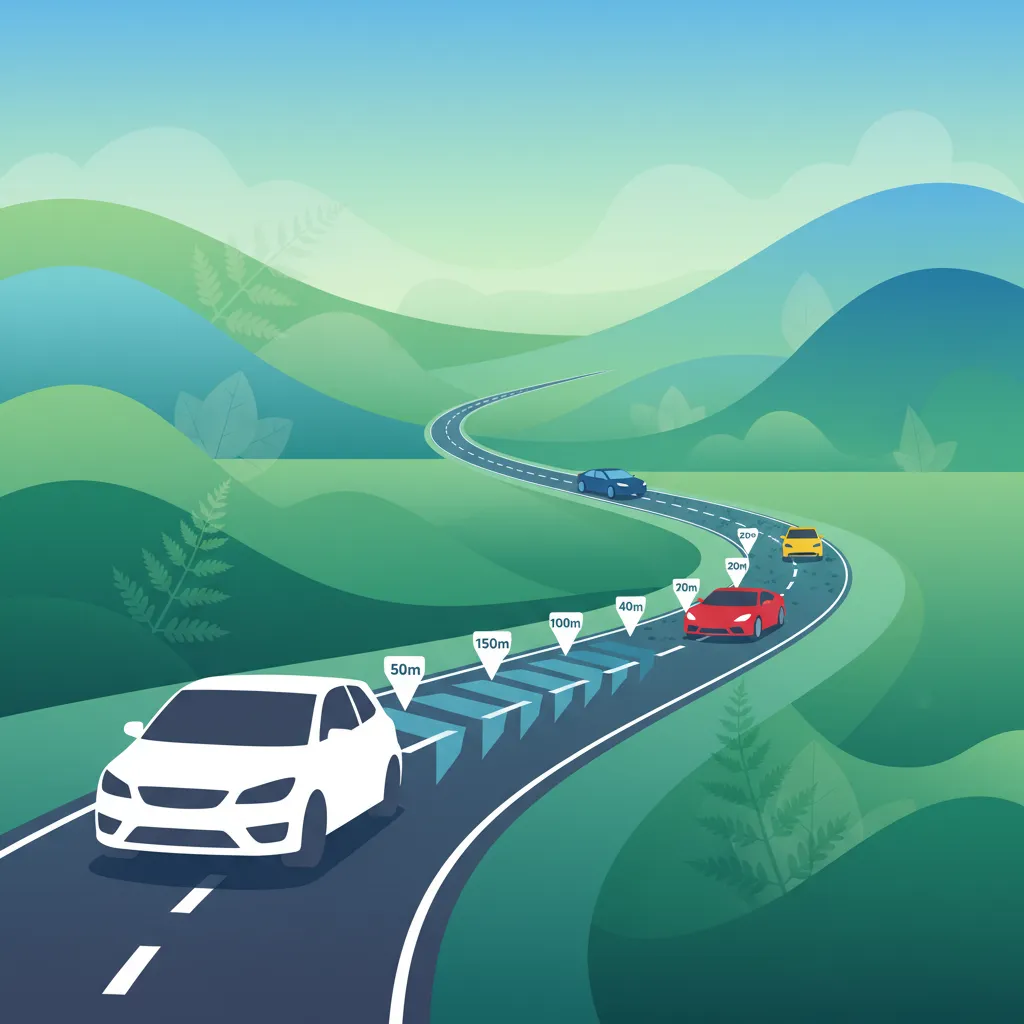
This practice set thoroughly covers vehicle braking systems and the key factors affecting stopping distance in Poland. Master complex scenarios involving speed, road surface, and reaction time to excel in your Polish driving theory exam. This is essential exam preparation for safe driving knowledge.
This practice set focuses on the mechanics of vehicle braking systems and the various factors that influence stopping distance under Polish road conditions. You will explore how speed, road surface, tire condition, and driver reaction time all combine to determine the total distance required to bring a vehicle to a halt. Prepare to tackle complex scenarios and avoid common mistakes in your driving theory exam.
Preview sample questions from the Braking & Stopping Distance practice set to see how they help you prepare for the driving theory exam in Poland.
Learners choose Braking & Stopping Distance to improve accuracy and understanding of key exam themes in Poland. It offers realistic driving theory questions and targeted revision for effective preparation.
Find answers to the most common queries learners have when practising Braking & Stopping Distance, including how questions match the official theory exam in Poland, how scoring works, and how this practice improves exam readiness.
Reaction distance is the distance your vehicle travels from the moment you perceive a hazard until you apply the brakes. Braking distance is the distance traveled from the moment the brakes are applied until the vehicle comes to a complete stop. Together, they form the total stopping distance.
In Poland, as elsewhere, vehicle speed has a major impact. If you double your speed, the braking distance increases approximately fourfold. This is a critical principle for safe driving and a common exam topic.
The Anti-lock Braking System (ABS) prevents wheels from locking up during emergency braking. By maintaining traction and allowing steering control, ABS can significantly reduce stopping distance, especially on slippery surfaces or uneven grip, compared to a vehicle without ABS.
Braking distance is significantly affected by road conditions. An icy road surface will result in the longest braking distances, followed by wet roads, and then dry roads. Fog, due to potential wetness, can also increase braking distance.
Yes, driver factors like reaction time, fatigue, distraction, and the ability to apply brakes effectively (especially in non-ABS vehicles) directly influence the total stopping distance. A slower reaction time means a longer reaction distance before braking even begins.
In a car equipped with ABS, the most effective way to brake in an emergency is to press the brake pedal as quickly and firmly as possible. Then, press the clutch pedal (if applicable). It's crucial not to press the clutch before the brake or simultaneously, as this can delay brake application or reduce initial braking force. Pressing the clutch after the brake ensures the engine remains on after stopping, which can be beneficial.
By completing Braking & Stopping Distance, you will gain stronger rule knowledge, faster recognition of signs and situations, better decision making in traffic scenarios, and increased accuracy on exam style questions used in Poland. These outcomes directly support higher scoring exam performance.
Continuing with related practice questions helps reinforce core concepts like reaction time and road conditions. This focused topic revision is essential for comprehensive theory test practice and ensures you're fully prepared for your Polish driving licence exam.
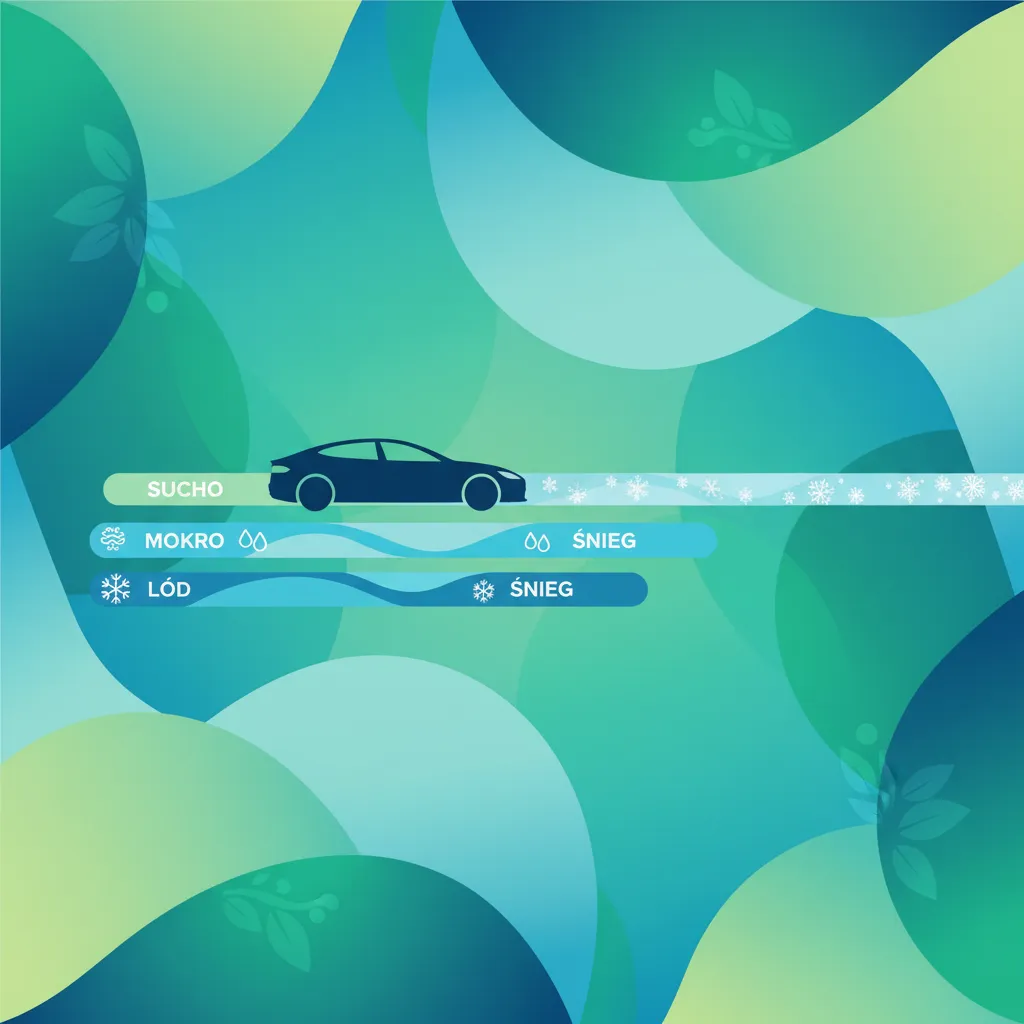
Master Braking Distances: Understand How Speed and Weather Impact Your Stop in Poland
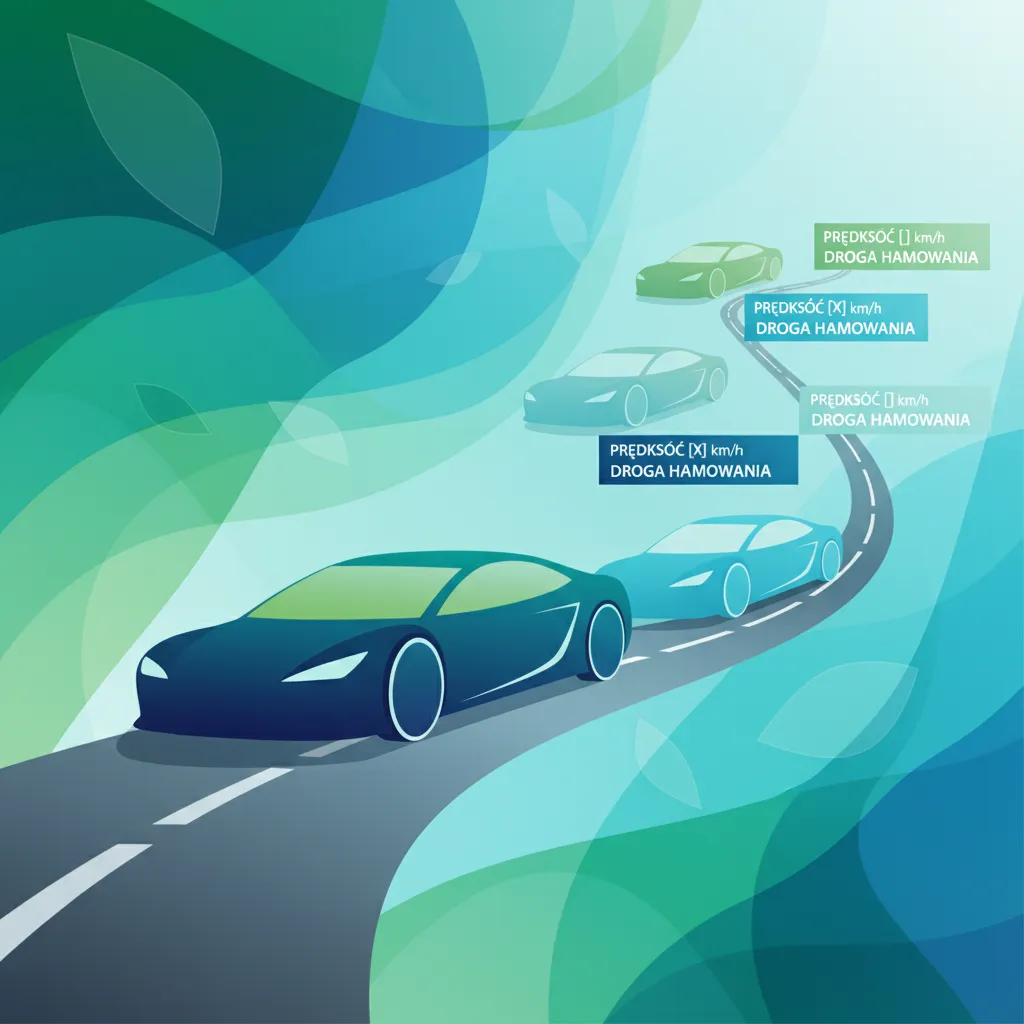
Master the Critical Link Between Speed and Stopping for Your Polish Exam
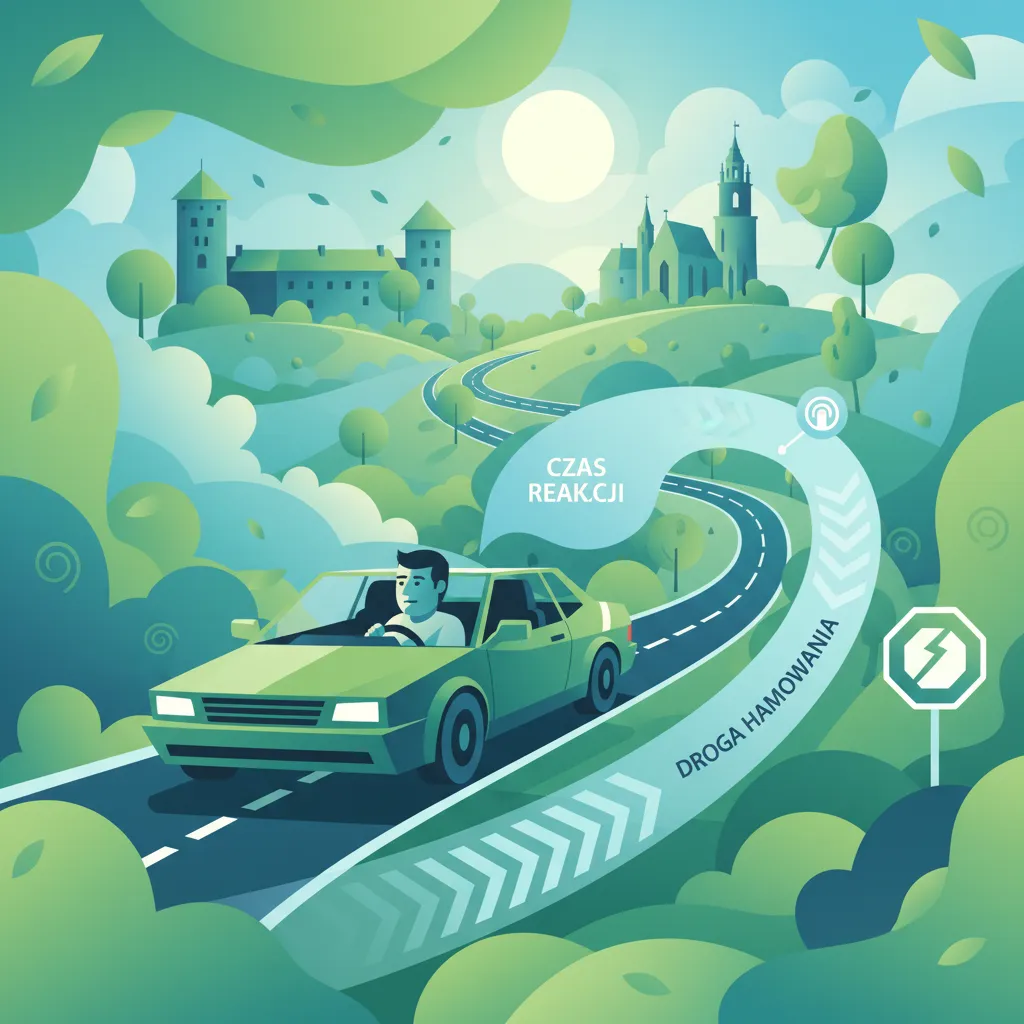
Master the Math: Reaction, Braking, and Total Stopping Distance
Stay in control: Essential braking techniques for unexpected hazards on Polish roads.
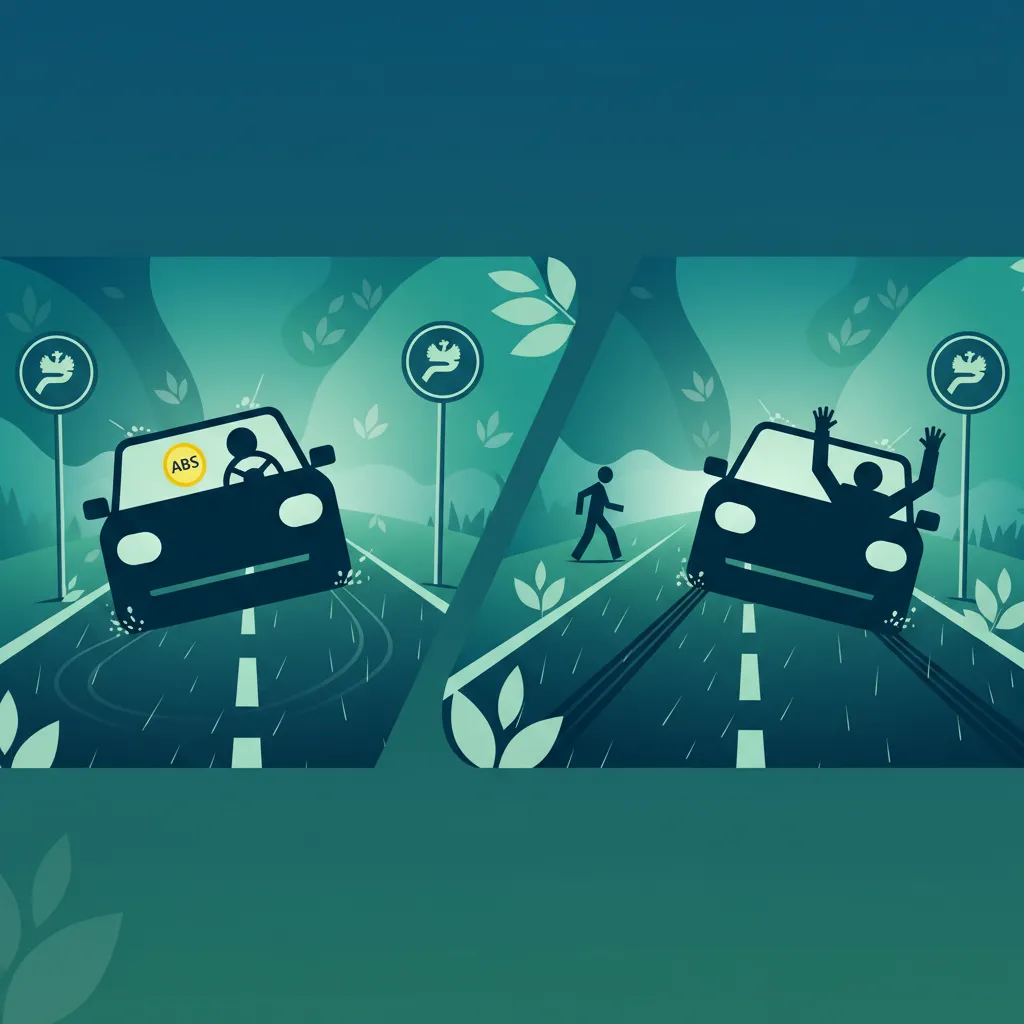
Master Emergency Braking: Understand ABS and Non-ABS Systems for Your Polish Exam.
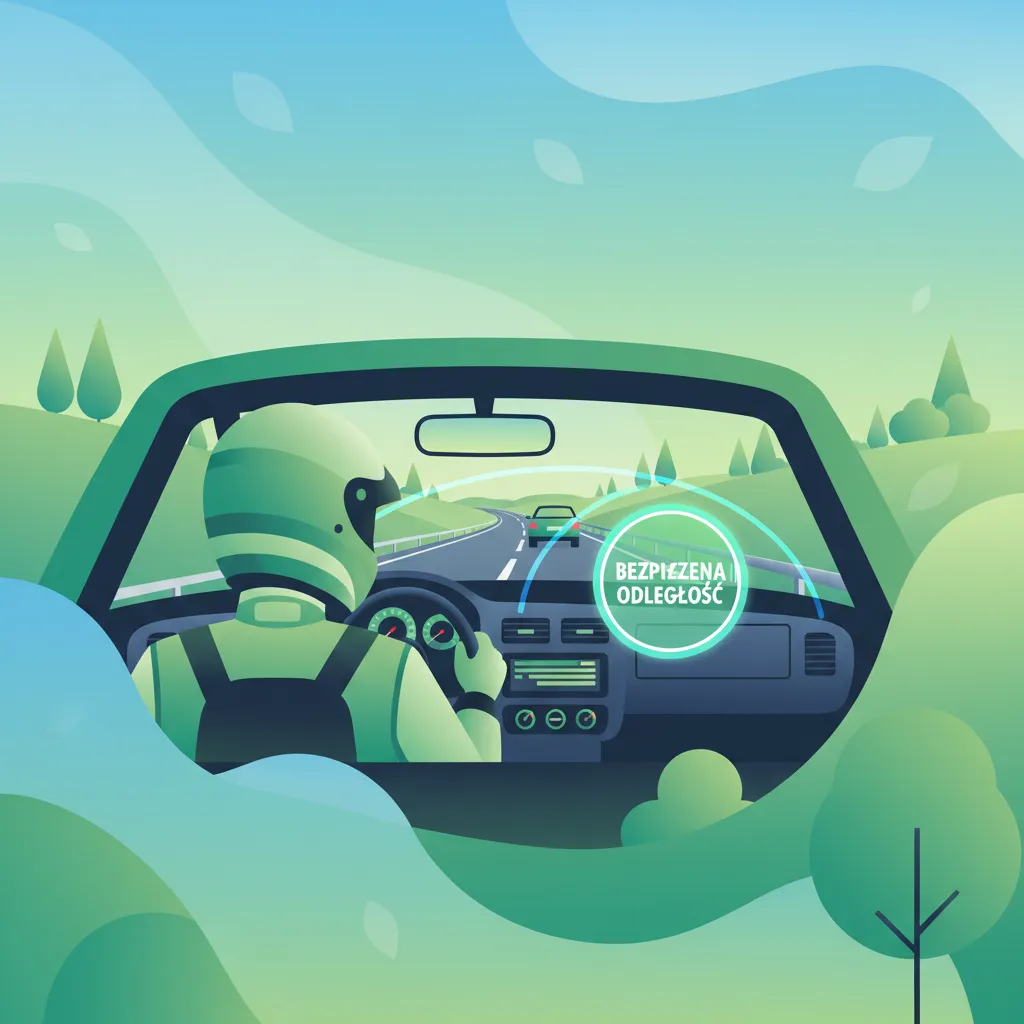
Master Safe Distances: Prevent Collisions and Pass Your Polish Driving Theory Exam.
Questions in Braking & Stopping Distance
Exam focused questionss
Braking & Stopping Distance offers quick, focused exam style practice to boost your Polish knowledge for the driving theory exam in Poland.
Braking & Stopping Distance helps learners in Poland with clear explanations and targeted Polish practice to improve essential driving theory topics.
This practice set is ideal for intermediate learners preparing for the Polish driving theory exam who want to solidify their understanding of braking principles. It addresses common misconceptions about stopping distances and helps you grasp how various factors interact, making you more confident in calculating and anticipating safe stopping requirements in real Polish traffic conditions.
Explore more topics for the Polish driving theory exam in Poland.
Dive into specific Polish driving theory topics by selecting a category that matches your revision needs. Whether you want to master road signs, understand priority rules, or review traffic regulations, our categorized practice sets will guide your learning and prepare you thoroughly.
Browse Practice Categories