
Defensive driving is a proactive approach to road safety, emphasizing the anticipation of potential hazards and the constant adjustment of driving behavior to minimize risk. In Poland's varied traffic conditions, from bustling cities to rural routes, adopting defensive driving principles is crucial for preventing collisions and protecting yourself and others. This page explains how to achieve a higher level of road awareness and control.
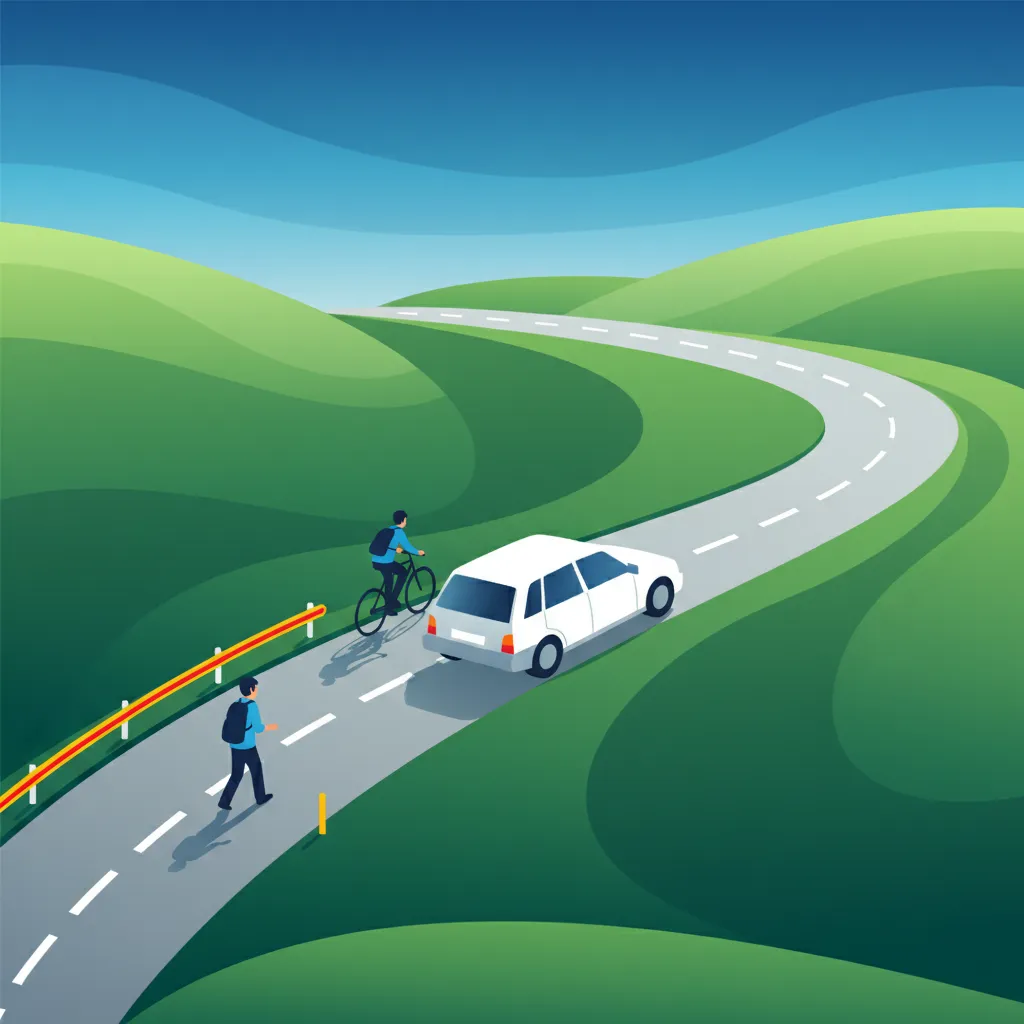
Theory topic content overview
Read the full theory topic guide for Defensive Driving with structured, easy-to-scan content built for learners in Poland. This detailed section explains the exact rule, meaning, traffic context, comparison points, and exam logic behind this Polish driving theory topic so you can study faster, understand the concept more clearly, and avoid common interpretation mistakes on the theory test.
Defensive driving is far more than just following the rules; it's a proactive mindset and a set of skills designed to keep you safe by anticipating potential hazards and adapting your driving to prevent accidents. On Polish roads, with their diverse conditions and sometimes unpredictable traffic, mastering defensive driving principles is essential for every driver. It teaches you to foresee dangers and react safely, even when other road users make mistakes.
Adopting a defensive driving approach significantly reduces your risk of collisions, injuries, and even minor incidents. It empowers you to maintain control in complex or sudden situations. For your Polish driving license theory exam, understanding defensive driving is critical, as many questions test your ability to identify hazards, make safe decisions, and prioritize accident prevention. Practical driving also demands these skills, from navigating bustling Warsaw streets to rural routes in Mazury.
Defensive driving builds on several interconnected principles that guide your decisions behind the wheel:
Situational Awareness (Obserwacja i Świadomość Sytuacyjna):
Anticipating Hazards (Przewidywanie Zagrożeń):
Maintaining a Safe Following Distance (Bezpieczna Odległość):
autostrady) and expressways (drogi ekspresowe), where speeds are higher, even longer distances are necessary.Managing Speed Appropriately (Dostosowanie Prędkości):
Creating a Margin of Safety (Margines Bezpieczeństwa):
Several elements influence how you apply defensive driving principles:
Many drivers react to hazards after they appear. A car brakes, then they brake. A child runs into the road, then they swerve. Defensive driving, however, is proactive.
Learners and even experienced drivers often make mistakes that a defensive driving mindset would prevent:
Polish driving conditions are varied, making defensive driving particularly valuable. From congested city centers with many trams and buses, to narrow rural roads shared with slow-moving farm vehicles, and high-speed motorways, drivers must constantly adapt.
The ultimate goal of defensive driving is to return home safely, every time. It’s about taking responsibility for your own safety and the safety of others by actively anticipating and mitigating risks. Cultivate a proactive mindset, always scan your surroundings, maintain generous space, adjust your speed, and prepare for the unexpected. On Polish roads, this approach isn't just a recommendation; it's a cornerstone of responsible and safe driving.
Defensive driving is a proactive mindset that anticipates hazards and maintains safety margins through continuous observation and early action. Key principles include the 3-second following distance, "What If" thinking to predict unpredictable behavior, and adjusting speed to conditions rather than just the legal limit. The core distinction is proactive versus reactive driving—defensive drivers act on environmental cues before hazards fully develop, allowing smooth controlled adjustments instead of sudden reactions. This approach is essential on Polish roads with their diverse conditions, from urban congestion to rural routes with varying surface quality and seasonal hazards.
A short set of high-value points that capture the most important ideas from this theory explanation.
Defensive driving is proactive risk management—always anticipate hazards before they develop, not just react after they occur
Continuous situational awareness means scanning far ahead, checking mirrors every 5-8 seconds, and tracking traffic on all sides including pedestrians and cyclists
The 3-second following distance is a minimum; increase it significantly in adverse weather, poor visibility, or when following large vehicles
"What If" thinking helps predict potential dangers from other road users who might act unpredictably, especially in congested Polish urban traffic
Speed must always match road, weather, and traffic conditions—not just the posted legal limit
Maintain a margin of safety on all sides of your vehicle, not just ahead, to create escape routes when needed
Proactive driving means acting on early warning cues before hazards fully develop; reactive driving only responds after danger is immediate
Environmental cues—brake lights ahead, swerving vehicles, pedestrians near crossings—are early signals to prepare for potential hazards
Weather, road quality, traffic density, and time of day all require adjusted defensive driving techniques
In Poland, expect varying road surfaces, mixed pedestrian and cycle traffic, and seasonal conditions that demand constant adaptation
Tunnel vision: focusing only on the vehicle directly ahead while missing wider traffic patterns, side hazards, or the "big picture"
Tailgating: following too closely and leaving insufficient time and space to react to sudden braking by the vehicle ahead
Assuming other drivers will always signal, maintain lanes, or follow traffic rules perfectly—defensive drivers don't rely on this
Driving at the speed limit regardless of current conditions—rain, fog, poor visibility, or heavy traffic requires reduced speed
Ignoring blind spots: failing to check mirrors and perform head checks before changing lanes or turning
Start with a short, direct summary of Defensive Driving before reading the full explanation below.
Defensive driving is a proactive strategy where drivers continuously anticipate potential hazards and adapt their behavior to reduce accident risk. This involves maintaining situational awareness, keeping safe distances, managing speed, and assuming other road users might make mistakes. By applying these principles, especially on Polish roads, drivers create more time and space to react safely to unexpected situations, significantly enhancing overall road safety.
Review the most important terms, rule signals, and traffic concepts linked to Defensive Driving.
Explore related theory topic pages connected to Defensive Driving and continue with the next useful rule explanation.
See the common search queries learners use when trying to understand Defensive Driving in Poland.

Continue your preparation by exploring specific Polish driving theory topics in detail. Review each section to reinforce your understanding of traffic rules, road signs, and safe driving practices. Our comprehensive explanations are structured to support your learning journey and help you confidently approach the official driving licence theory exam.
Polish Driving Theory TopicsTheory topic content overview
A short set of high-value points that capture the most important ideas from this theory explanation.
Defensive driving is proactive risk management—always anticipate hazards before they develop, not just react after they occur
Continuous situational awareness means scanning far ahead, checking mirrors every 5-8 seconds, and tracking traffic on all sides including pedestrians and cyclists
The 3-second following distance is a minimum; increase it significantly in adverse weather, poor visibility, or when following large vehicles
"What If" thinking helps predict potential dangers from other road users who might act unpredictably, especially in congested Polish urban traffic
Speed must always match road, weather, and traffic conditions—not just the posted legal limit
Maintain a margin of safety on all sides of your vehicle, not just ahead, to create escape routes when needed
Proactive driving means acting on early warning cues before hazards fully develop; reactive driving only responds after danger is immediate
Environmental cues—brake lights ahead, swerving vehicles, pedestrians near crossings—are early signals to prepare for potential hazards
Weather, road quality, traffic density, and time of day all require adjusted defensive driving techniques
In Poland, expect varying road surfaces, mixed pedestrian and cycle traffic, and seasonal conditions that demand constant adaptation
Tunnel vision: focusing only on the vehicle directly ahead while missing wider traffic patterns, side hazards, or the "big picture"
Tailgating: following too closely and leaving insufficient time and space to react to sudden braking by the vehicle ahead
Assuming other drivers will always signal, maintain lanes, or follow traffic rules perfectly—defensive drivers don't rely on this
Driving at the speed limit regardless of current conditions—rain, fog, poor visibility, or heavy traffic requires reduced speed
Ignoring blind spots: failing to check mirrors and perform head checks before changing lanes or turning
Start with a short, direct summary of Defensive Driving before reading the full explanation below.
Defensive driving is a proactive strategy where drivers continuously anticipate potential hazards and adapt their behavior to reduce accident risk. This involves maintaining situational awareness, keeping safe distances, managing speed, and assuming other road users might make mistakes. By applying these principles, especially on Polish roads, drivers create more time and space to react safely to unexpected situations, significantly enhancing overall road safety.
Review the most important terms, rule signals, and traffic concepts linked to Defensive Driving.
Explore related theory topic pages connected to Defensive Driving and continue with the next useful rule explanation.
See the common search queries learners use when trying to understand Defensive Driving in Poland.
Continue your preparation by exploring specific Polish driving theory topics in detail. Review each section to reinforce your understanding of traffic rules, road signs, and safe driving practices. Our comprehensive explanations are structured to support your learning journey and help you confidently approach the official driving licence theory exam.
Polish Driving Theory TopicsUse this exam-focused revision tip to understand how Defensive Driving is likely to appear in theory questions for learners in Poland. This section helps you identify the most testable part of the rule, avoid common traps, and remember the concept more effectively during Polish driving theory exam preparation.
When approaching exam questions, always consider the 'safest' and 'most proactive' option. Assume other drivers might act unpredictably. If a situation presents potential danger, the defensive action is usually to reduce speed, create more space, or prepare to stop, rather than to assume a clear path.
Read direct answers to the most common learner questions about Defensive Driving in Poland. This FAQ focuses on rule confusion, practical meaning, comparison with similar concepts, and the exact uncertainties that appear most often in Polish driving theory revision and exam preparation.
Defensive driving is a proactive approach to driving where you anticipate potential dangers and take action to avoid them, rather than just reacting to immediate threats. It means driving to prevent accidents regardless of the actions of other road users or adverse conditions.
In Poland, diverse road conditions, varying driver behaviors, and often busy urban traffic make defensive driving crucial. It helps you navigate complex intersections, deal with unexpected maneuvers from other drivers, and adapt to different weather conditions, significantly reducing your risk of collision.
Key principles include maintaining high situational awareness, anticipating hazards, controlling your speed, leaving adequate space around your vehicle, and assuming other drivers might make mistakes. It's about being prepared for anything and having a safe exit strategy.
Improve hazard perception by scanning far ahead, checking mirrors frequently, and looking for developing situations, not just immediate obstacles. Pay attention to intersections, pedestrian zones, and vehicles that might change lanes or brake suddenly. This constant vigilance helps you identify risks before they become emergencies.
Yes, the Polish driving theory exam frequently tests your understanding of hazard perception, safe following distances, appropriate speed for conditions, and anticipating other road users' actions. These are all core concepts of defensive driving and are vital for passing the exam.
Situational awareness means being constantly aware of everything happening around your vehicle – not just directly ahead. This includes traffic behind, beside, and further down the road, as well as road conditions, weather, and potential distractions. It helps you understand the bigger picture and react intelligently.
Build custom practice sessions tailored precisely to your needs. Focus on areas requiring improvement, review specific Polish road signs, or master complex traffic rules to ensure full preparation for your official driving license exam.