
Understanding how to combat driver fatigue is a critical component of the defensive driving curriculum and the MTSK e-exam. This guide explains the importance of regular rest intervals and how early signs of exhaustion impact your reaction times and hazard perception, ensuring you are prepared for both the exam and real-world driving scenarios.
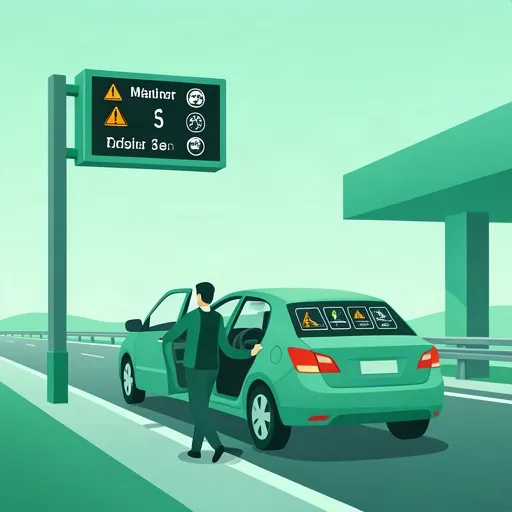
Article content overview
Driving long distances across the vast Turkish landscape requires more than just vehicle handling skills; it demands a high level of physical and mental endurance. On Turkish highways, or otoyol, the monotony of high-speed travel combined with environmental stressors can lead to rapid driver fatigue. For learners preparing for the MTSK e-exam, understanding how to recognize the onset of exhaustion is not just a safety necessity, but a core component of the "Traffic and Environment" curriculum. Recognizing the signs of fatigue early allows you to react correctly to road hazards, maintain appropriate following distances, and observe vital road signs that you might otherwise miss.
Fatigue is a silent hazard that significantly impairs reaction time, often resulting in a diminished ability to process traffic signals or recognize hazards in your peripheral vision. As a driver becomes tired, the brain’s ability to interpret signs—such as speed limit changes or warning indicators—slows down drastically. In the context of the Turkish theory test, you may encounter questions regarding how physiological states, such as sleep deprivation or extended periods behind the wheel, impact the "stopping distance" and "hazard perception." When your reaction time increases, your total stopping distance expands, which is a critical point often tested in MTSK exam scenarios.
The progressive decline in a driver’s alertness and cognitive performance due to prolonged activity, monotonous tasks, or a lack of restorative sleep, leading to reduced vigilance and slower reaction times.
To promote safety on Turkey's road network, the legislation emphasizes the importance of regular breaks. Professional drivers are strictly regulated, but for private drivers, the responsibility for managing breaks falls on the individual. A sound strategy for intercity travel involves planning stops at regulated rest areas or service stations every two hours. These breaks serve as more than just a convenience; they reset your cognitive load, allowing you to maintain the defensive driving standards required by the Turkish Road Traffic Code.
The MTSK e-exam frequently uses scenario-based questions to assess your understanding of defensive driving. You might be asked to identify the correct response to a driver who is exhibiting signs of "highway hypnosis" or physical exhaustion. These questions test whether you prioritize safety over reaching a destination quickly. Remember that in the eyes of the traffic authorities, a fatigued driver is considered a risk to all "vulnerable road users," including pedestrians, cyclists, and motorcyclists who may be present in urbanized sections of intercity routes.
Never attempt to combat extreme fatigue with caffeine or loud music alone. These are temporary measures that do not address the biological need for rest. If you are struggling to stay focused, the only safe option is to park your vehicle in a secure, designated area and take a power nap or conclude your trip for the day.
Familiarity with the standardized road signs in Turkey is essential, especially when your mental clarity is tested by long-distance travel. Fatigue makes it harder to identify the subtle differences between mandatory and advisory signs. Ensuring you are well-rested helps you maintain the heightened hazard awareness required to navigate complex intersections and motorway exits safely.
This article explains how driver fatigue silently impairs reaction time, hazard perception, and stopping distance on Turkish highways (otoyol), making it a critical topic for the MTSK e-exam. Learners must understand that fatigue is a biological condition that no stimulant can substitute—only rest resolves it. The recommended protocol is to stop every 2 hours for at least 15 minutes at designated service stations, avoid heavy meals before and during travel, and maintain vehicle ventilation with fresh air. Scenario-based exam questions test whether candidates prioritize safety over destination arrival when confronted with fatigued drivers or highway hypnosis situations.
A short set of high-value points that capture the most important ideas from this article.
Driver fatigue progressively reduces cognitive performance and significantly increases reaction time, expanding total stopping distance on Turkish highways.
Plan mandatory rest stops every 2 hours for at least 15 minutes at designated rest areas (service stations) on intercity routes.
Heavy meals and poor ventilation accelerate drowsiness, while fresh cool air and hydration help maintain alertness.
Highway hypnosis is a trance-like state caused by monotonous high-speed driving that impairs hazard perception.
In the MTSK e-exam, safety over reaching a destination is the correct priority when faced with fatigued driver scenarios.
Fatigue impairs the brain's ability to interpret speed limit changes, warning indicators, and peripheral hazards.
A fatigued driver is legally and practically considered a risk to vulnerable road users including pedestrians and cyclists.
Caffeine and loud music only provide temporary, inadequate relief from extreme fatigue.
The two-hour driving interval followed by a 15-minute break is the standard fatigue prevention protocol.
Missing road signs or struggling to keep the vehicle centered in lane are clear indicators to pull over immediately.
Assuming caffeine or loud music will sufficiently combat severe fatigue instead of stopping to rest.
Continuing to drive when experiencing heavy eyelids or frequent blinking, believing the destination is close enough.
Failing to plan rest stops in advance and missing designated service areas on unfamiliar routes.
Confusing advisory signs with mandatory signs under fatigue, leading to incorrect exam answers.
Underestimating how digestion from heavy meals contributes to drowsiness during long trips.
Article content overview
A short set of high-value points that capture the most important ideas from this article.
Driver fatigue progressively reduces cognitive performance and significantly increases reaction time, expanding total stopping distance on Turkish highways.
Plan mandatory rest stops every 2 hours for at least 15 minutes at designated rest areas (service stations) on intercity routes.
Heavy meals and poor ventilation accelerate drowsiness, while fresh cool air and hydration help maintain alertness.
Highway hypnosis is a trance-like state caused by monotonous high-speed driving that impairs hazard perception.
In the MTSK e-exam, safety over reaching a destination is the correct priority when faced with fatigued driver scenarios.
Fatigue impairs the brain's ability to interpret speed limit changes, warning indicators, and peripheral hazards.
A fatigued driver is legally and practically considered a risk to vulnerable road users including pedestrians and cyclists.
Caffeine and loud music only provide temporary, inadequate relief from extreme fatigue.
The two-hour driving interval followed by a 15-minute break is the standard fatigue prevention protocol.
Missing road signs or struggling to keep the vehicle centered in lane are clear indicators to pull over immediately.
Assuming caffeine or loud music will sufficiently combat severe fatigue instead of stopping to rest.
Continuing to drive when experiencing heavy eyelids or frequent blinking, believing the destination is close enough.
Failing to plan rest stops in advance and missing designated service areas on unfamiliar routes.
Confusing advisory signs with mandatory signs under fatigue, leading to incorrect exam answers.
Underestimating how digestion from heavy meals contributes to drowsiness during long trips.
Explore related topics, search based questions, and concepts that learners often look up when studying Managing Driver Fatigue on Turkish Roads. These themes reflect real search intent and help you understand how this topic connects to wider driving theory knowledge in Turkey.
Find clear and practical answers to common questions learners often have about Managing Driver Fatigue on Turkish Roads. This section helps explain difficult points, remove confusion, and reinforce the key driving theory concepts that matter for learners in Turkey.
Early signs include frequent blinking, difficulty focusing on road signs, drifting within your lane, and struggling to remember the last few kilometers driven.
Fatigue significantly increases reaction times and reduces your ability to identify hazards in blind spots, which are key concepts tested in the traffic and environment module of the MTSK exam.
It is recommended to take a short break every two hours of continuous driving to stretch, hydrate, and maintain mental alertness, especially during long intercity highway trips.
After finding the specific Turkish driving theory articles you need, dive deeper into related topics or challenge your knowledge with practice questions. Enhance your understanding of trafik işaretleri, road rules, and vehicle safety to ensure you are fully prepared for the official ehliyet sınavı.