
Understanding the psychological impact of dense urban traffic is a critical component of responsible driving and passing the MTSK theory exam. This guide explores practical strategies for maintaining composure and adhering to traffic etiquette, helping you manage road stress while ensuring compliance with national traffic regulations.
Article content overview
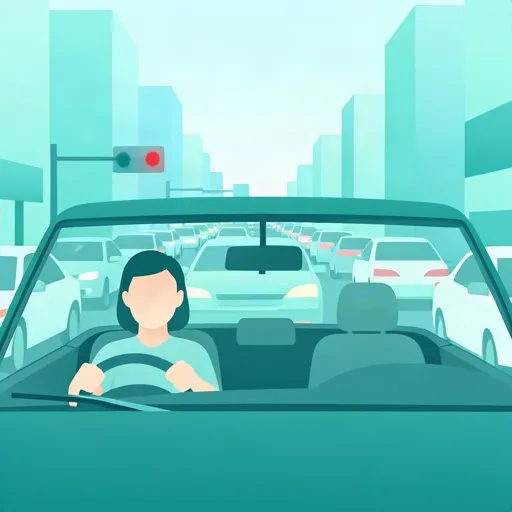
Navigating the dense urban environments of cities like Istanbul, Ankara, or Izmir requires more than just technical skill; it demands a high degree of emotional intelligence and psychological resilience. In the context of the Turkish Highway Traffic Law, driving is not merely the act of operating a vehicle, but a shared responsibility that hinges on traffic etiquette and the safety of all road users. Aggressive driving and road rage are not only dangerous but are viewed as serious infringements on the safety standards evaluated in the MTSK (Motorlu Taşıt Sürücüleri Kursu) e-sınav.
Driving in Turkey often involves navigating high-density corridors where lane discipline, sudden stops, and heavy congestion are common. When drivers experience high levels of stress, their cognitive ability to process road signs and hazard cues diminishes significantly. This "tunnel vision" can lead to poor decision-making, such as improper overtaking or failing to yield at intersections.
Under official Turkish traffic legislation, maintaining a calm demeanor is considered a fundamental aspect of "defensive driving." By recognizing that traffic delays are a predictable reality of urban life, you can shift your mindset from frustration to proactive hazard awareness. This transition is essential for passing your theory exam, as examiners look for your ability to prioritize safety over speed and ego.
Road rage incidents are strictly monitored under the Turkish Highway Traffic Law. Engaging in aggressive maneuvers such as tailgating, improper honking, or forcing other drivers to change course can result in severe penalties and points deductions on your driving record.
The Turkish Highway Traffic Law mandates that drivers must remain in control of their vehicle at all times, which includes controlling their emotional reactions. Defensive driving in this context means anticipating the mistakes of others and preparing for them before they escalate into dangerous situations. If a driver cuts you off or maneuvers unpredictably, the safest response is to maintain your lane, increase your following distance, and avoid retaliatory actions.
In heavy traffic, the biggest risks arise when drivers attempt to bypass congestion through aggressive lane changes or by disregarding traffic markings. Always keep in mind that the driver who remains calm and follows the established flow of traffic reaches their destination more reliably than one who weaves through lanes.
When preparing for the MTSK e-sınav, you will encounter questions regarding driver behavior, traffic etiquette, and safety protocols. The exam authority specifically tests your understanding of how fatigue and stress influence professional and private driving. As noted in professional category training, fatigue—often brought on by prolonged stress and intense traffic—significantly reduces attention and increases the risk of accidents.
Article content overview
Explore related topics, search based questions, and concepts that learners often look up when studying Managing Traffic Stress and Road Rage. These themes reflect real search intent and help you understand how this topic connects to wider driving theory knowledge in Turkey.
Find clear and practical answers to common questions learners often have about Managing Traffic Stress and Road Rage. This section helps explain difficult points, remove confusion, and reinforce the key driving theory concepts that matter for learners in Turkey.
The law mandates that drivers must act in a way that does not endanger or obstruct others, requiring composure and adherence to all traffic signals and rules regardless of congestion levels.
Defensive driving involves maintaining a safe following distance, anticipating the mistakes of other drivers, and staying alert for unpredictable maneuvers while avoiding reactive emotional responses.
The theory exam tests your ability to recognize hazardous situations; a calm, focused mindset allows you to correctly identify risks and apply the proper legal responses defined in the exam curriculum.
After finding the specific Turkish driving theory articles you need, dive deeper into related topics or challenge your knowledge with practice questions. Enhance your understanding of trafik işaretleri, road rules, and vehicle safety to ensure you are fully prepared for the official ehliyet sınavı.