
Driving at night requires specific adaptations to compensate for limited visibility and the natural decline in human alertness. This guide provides actionable advice on using vehicle lighting, managing rest periods to combat fatigue, and identifying potential hazards unique to Turkish intercity roads, ensuring you are fully prepared for your driving theory test.
Article content overview
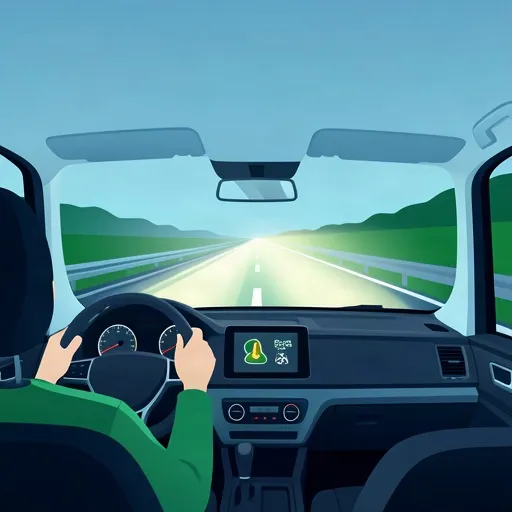
Driving after sunset in Türkiye presents a unique set of challenges that every learner must master to succeed in the MTSK e-sınav and ensure safety on intercity motorways. When natural light fades, human depth perception diminishes, peripheral vision narrows, and the ability to distinguish colors and contrasts is significantly impaired. For new drivers, these physiological changes, coupled with the complexities of Turkish traffic, require a proactive approach to vehicle operation and personal alertness.
Driver fatigue is a leading cause of traffic incidents, especially during long-distance night journeys. When you are tired, your reaction time—the interval between perceiving a hazard and applying the brakes—increases dramatically. In the context of the Turkish driving theory exam, you must understand that fatigue is often treated with the same severity as alcohol impairment; both conditions significantly reduce your ability to make sound decisions under pressure.
A state of physical or mental exhaustion that impairs a driver's ability to remain alert, process information, and respond to traffic hazards in a timely manner.
Consuming energy drinks or turning up the radio is only a temporary masking of fatigue. The only scientifically proven way to combat exhaustion is to stop the vehicle in a safe area and get restorative sleep.
In Türkiye, the use of vehicle lighting is strictly regulated to prevent glare for oncoming traffic and to ensure maximum visibility of your own vehicle. Your theory exam will frequently test your knowledge on when to switch between high-beam (uzun far) and low-beam (kısa far) headlights. High beams provide excellent distance visibility but can blind other drivers, leading to dangerous head-on collisions on narrow intercity roads.
Visibility is not just about your lights; it is about managing the information you receive from the environment. On Turkish highways, you must constantly monitor for poorly lit agricultural vehicles, pedestrians, or stray animals, which are common hazards in rural areas. Maintaining a larger "safety cushion" or following distance at night allows you to compensate for the reduced response time caused by darkness.
In the Turkish driving theory, 'Trafik Adabı' (traffic etiquette) plays a vital role. Respecting other drivers at night is a safety necessity. Avoiding the unnecessary use of high beams when approaching others and signaling your intentions clearly are manifestations of good traffic manners that reduce road rage and improve collective safety.
Night driving in Turkey presents distinct challenges requiring understanding of both physiological effects of fatigue and specific legal lighting requirements. The article explains that fatigue significantly impairs reaction time and decision-making, comparable to alcohol impairment, and provides the step-by-step procedure for managing long-distance night travel including regular rest stops and proper headlight use. Key exam-relevant distinctions include when to use high-beam versus low-beam headlights, the appropriate conditions for fog lights, and the mandatory courtesy practices of Turkish traffic etiquette (trafik adabı) that improve collective safety on dark roads.
A short set of high-value points that capture the most important ideas from this article.
Driver fatigue impairs reaction time with similar severity to alcohol impairment and must be treated as a serious safety hazard
Night driving reduces depth perception, peripheral vision, and color contrast recognition, requiring proactive compensation
High-beam headlights (uzun far) are for dark unlit roads only; low-beam (kısa far) must be used in cities and when following other vehicles
Regular rest stops every two hours are essential to combat natural alertness decline during night driving
Turkish intercity roads present unique hazards including poorly lit agricultural vehicles, pedestrians, and animals in rural areas
Fog lights must only be used during heavy rain, fog, or snow to avoid causing dangerous glare
Clean windshields and properly adjusted mirrors prevent light refraction that worsens night visibility
Maintain increased following distance at night to compensate for delayed obstacle perception
MTSK theory questions test both headlight switching rules and fatigue management requirements
The only proven method to counter fatigue is restorative sleep at a designated rest stop (dinlenme tesisi)
Assuming energy drinks or loud music can effectively counteract driver fatigue when only sleep addresses it
Using high-beam headlights when approaching other vehicles, causing dangerous glare on Turkish intercity roads
Failing to switch to low-beam when following another vehicle closely within city limits
Not adjusting rearview mirror to night position when driving behind vehicles with bright taillights
Attempting to continue driving when extremely sleepy rather than stopping at a safe rest area
Article content overview
A short set of high-value points that capture the most important ideas from this article.
Driver fatigue impairs reaction time with similar severity to alcohol impairment and must be treated as a serious safety hazard
Night driving reduces depth perception, peripheral vision, and color contrast recognition, requiring proactive compensation
High-beam headlights (uzun far) are for dark unlit roads only; low-beam (kısa far) must be used in cities and when following other vehicles
Regular rest stops every two hours are essential to combat natural alertness decline during night driving
Turkish intercity roads present unique hazards including poorly lit agricultural vehicles, pedestrians, and animals in rural areas
Fog lights must only be used during heavy rain, fog, or snow to avoid causing dangerous glare
Clean windshields and properly adjusted mirrors prevent light refraction that worsens night visibility
Maintain increased following distance at night to compensate for delayed obstacle perception
MTSK theory questions test both headlight switching rules and fatigue management requirements
The only proven method to counter fatigue is restorative sleep at a designated rest stop (dinlenme tesisi)
Assuming energy drinks or loud music can effectively counteract driver fatigue when only sleep addresses it
Using high-beam headlights when approaching other vehicles, causing dangerous glare on Turkish intercity roads
Failing to switch to low-beam when following another vehicle closely within city limits
Not adjusting rearview mirror to night position when driving behind vehicles with bright taillights
Attempting to continue driving when extremely sleepy rather than stopping at a safe rest area
Explore related topics, search based questions, and concepts that learners often look up when studying Night Driving Safety Tips. These themes reflect real search intent and help you understand how this topic connects to wider driving theory knowledge in Turkey.
Find clear and practical answers to common questions learners often have about Night Driving Safety Tips. This section helps explain difficult points, remove confusion, and reinforce the key driving theory concepts that matter for learners in Turkey.
Fatigue significantly impairs a driver's reaction time and decision-making capabilities, making it a leading cause of traffic accidents. The theory exam tests this to ensure candidates understand the legal and safety necessity of taking regular breaks during long trips.
The most effective method is to plan regular rest stops at least every two hours of driving. You should step out of the vehicle, stretch, and ensure you are fully alert before continuing your journey.
Visibility is restricted to the range of your headlights, and the lack of ambient light can hide pedestrians, animals, or broken-down vehicles. Drivers must adjust their speed to the distance they can clearly see ahead and use appropriate lighting as per traffic regulations.
Yes, drivers must use low-beam headlights in well-lit areas or when following/approaching other vehicles to avoid dazzling others, and switch to high-beam headlights only on unlit roads when no other traffic is present.
After finding the specific Turkish driving theory articles you need, dive deeper into related topics or challenge your knowledge with practice questions. Enhance your understanding of trafik işaretleri, road rules, and vehicle safety to ensure you are fully prepared for the official ehliyet sınavı.