
Understanding how to manage engine temperature is a core component of the Turkish driving theory curriculum and essential for real-world safety. This article details how to properly monitor coolant levels, identify signs of overheating before they become hazardous, and adjust your driving habits to protect your vehicle from heat-related stress. These insights provide both practical road knowledge and the technical understanding required for your MTSK exam.
Article content overview
Driving in Turkey, particularly during the intense summer months, presents unique challenges for both new drivers and experienced motorists. High ambient temperatures can place significant strain on a vehicle's cooling system, leading to engine overheating if not managed correctly. For the MTSK e-sınav, understanding the technical fundamentals of vehicle cooling and the appropriate defensive driving responses to weather-related stress is a critical component of your preparation.
The engine of your vehicle generates immense heat through combustion, which must be regulated to maintain optimal performance. The cooling system, comprised of the radiator, water pump, thermostat, and coolant fluid, is designed to dissipate this heat. When you are driving in extreme heat, the cooling system works much harder. If the system fails or the coolant level is insufficient, the engine temperature can rise rapidly, potentially leading to permanent mechanical damage and sudden breakdowns on the motorway or in dense urban traffic.
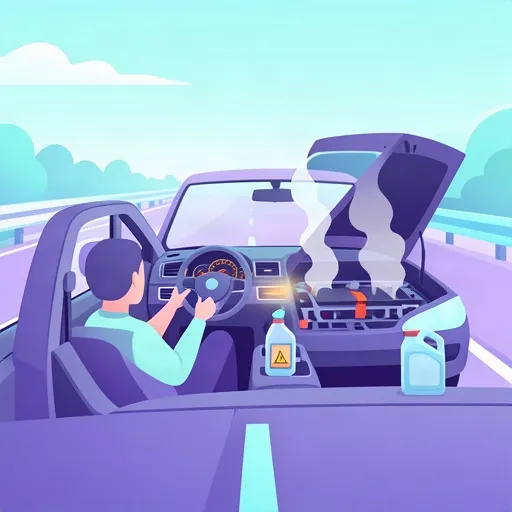
Monitoring your dashboard for warning signs is a fundamental duty of a responsible driver. If you see the engine temperature gauge climbing into the red zone or if the engine coolant warning light illuminates, you must act immediately to prevent severe overheating.
Never attempt to open the radiator cap or the coolant reservoir while the engine is hot. The system is pressurized, and escaping steam or boiling coolant can cause severe burns. Always wait for the engine to cool down completely before checking fluid levels.
If you suspect your engine is overheating while driving in Turkey, your primary goal is to remove the load from the engine safely. Sudden stops can be dangerous, so you must maintain awareness of your surroundings and move to a safe location.
Beyond mechanical maintenance, hot weather alters how a vehicle interacts with the road. High asphalt temperatures can cause tire pressure to fluctuate and can even affect the grip of your tires on the road surface. In Turkey, you may encounter road signs indicating heat-related warnings or temporary speed reductions during peak summer heat to prevent road surface damage and ensure vehicle stability.
When driving in high temperatures, always ensure your takip mesafesi (following distance) is increased. Just as wet weather requires more space to stop due to reduced traction, extreme heat can influence braking performance and tire adhesion. By maintaining a larger gap between your vehicle and the one in front, you give yourself more time to react to any sudden vehicle behavior caused by the heat.
| Factor | Summer Driving Practice |
|---|---|
| Coolant Level | Check monthly or before long trips. |
| Following Distance | Increase by at least 1-2 seconds more than usual. |
| Air Conditioning | Use moderately to reduce engine strain in heavy traffic. |
| Tire Pressure | Check when tires are cold, as heat increases pressure naturally. |
In the MTSK e-sınav, questions regarding vehicle technique often test your ability to diagnose basic faults and respond with defensive logic. You might be asked how to react to a dashboard light or what the legal requirements are for vehicle maintenance. Understanding that a well-maintained vehicle is a prerequisite for safe road conduct is a core pillar of the Turkish traffic legislation curriculum.
A specialized fluid designed to transfer heat away from the engine block and maintain a stable operating temperature within the cooling system.
Always remember that the theory exam expects you to prioritize safety and adherence to manufacturer guidelines. If a question presents a scenario involving an overheating engine, the correct answer will almost always involve removing the source of the heat (the engine load) and ensuring the safety of the vehicle and passengers before attempting any checks.
This article covers the technical fundamentals of engine temperature management essential for the Turkish driving theory exam. The cooling system—comprising the radiator, water pump, thermostat, and coolant—must be properly monitored, especially during Turkey's intense summer heat. Dashboard warnings like the hararet göstergesi (temperature gauge) and coolant light require immediate defensive action: turn off the air conditioning, pull over safely, activate hazard lights, and wait for the engine to cool before inspecting fluid levels. The MTSK e-sınav tests your ability to diagnose faults and prioritize safety over convenience, so always remove engine load first and follow manufacturer guidelines before attempting any vehicle checks.
A short set of high-value points that capture the most important ideas from this article.
The engine cooling system (radiator, water pump, thermostat, coolant) must manage combustion heat; failure leads to overheating and mechanical damage.
Dashboard warnings—the engine temperature gauge and coolant warning light—require immediate action to prevent breakdown.
Never open the radiator cap while the engine is hot; the pressurized system can cause severe steam or coolant burns.
In hot weather, increase your takip mesafesi (following distance) by 1-2 seconds to compensate for reduced braking performance.
Turn off air conditioning and safely pull over when overheating signs appear, then wait 15-20 minutes before checking coolant.
The engine coolant temperature gauge in the red zone or an illuminated coolant warning light means stop driving immediately.
Always let the engine cool completely (15-20 minutes) before opening any cooling system component or adding fluid.
High ambient temperatures increase engine load; check coolant levels monthly and before long journeys in summer.
Heat causes tire pressure to fluctuate; check pressure when tires are cold to get accurate readings.
Turkish traffic legislation expects you to prioritize vehicle maintenance as a prerequisite for road safety.
Opening the radiator cap immediately after pulling over, risking severe burns from pressurized steam.
Continuing to drive when the temperature gauge is in the red zone, hoping the problem will resolve itself.
Adding coolant to a hot engine instead of waiting for it to cool, which can cause engine block cracking.
Not turning on hazard warning lights when stopped on the shoulder during an overheat situation.
Failing to increase following distance in hot weather, not accounting for reduced tire grip and longer braking distances.
Article content overview
A short set of high-value points that capture the most important ideas from this article.
The engine cooling system (radiator, water pump, thermostat, coolant) must manage combustion heat; failure leads to overheating and mechanical damage.
Dashboard warnings—the engine temperature gauge and coolant warning light—require immediate action to prevent breakdown.
Never open the radiator cap while the engine is hot; the pressurized system can cause severe steam or coolant burns.
In hot weather, increase your takip mesafesi (following distance) by 1-2 seconds to compensate for reduced braking performance.
Turn off air conditioning and safely pull over when overheating signs appear, then wait 15-20 minutes before checking coolant.
The engine coolant temperature gauge in the red zone or an illuminated coolant warning light means stop driving immediately.
Always let the engine cool completely (15-20 minutes) before opening any cooling system component or adding fluid.
High ambient temperatures increase engine load; check coolant levels monthly and before long journeys in summer.
Heat causes tire pressure to fluctuate; check pressure when tires are cold to get accurate readings.
Turkish traffic legislation expects you to prioritize vehicle maintenance as a prerequisite for road safety.
Opening the radiator cap immediately after pulling over, risking severe burns from pressurized steam.
Continuing to drive when the temperature gauge is in the red zone, hoping the problem will resolve itself.
Adding coolant to a hot engine instead of waiting for it to cool, which can cause engine block cracking.
Not turning on hazard warning lights when stopped on the shoulder during an overheat situation.
Failing to increase following distance in hot weather, not accounting for reduced tire grip and longer braking distances.
Explore related topics, search based questions, and concepts that learners often look up when studying Hot Weather Driving and Overheating. These themes reflect real search intent and help you understand how this topic connects to wider driving theory knowledge in Turkey.
Find clear and practical answers to common questions learners often have about Hot Weather Driving and Overheating. This section helps explain difficult points, remove confusion, and reinforce the key driving theory concepts that matter for learners in Turkey.
You should immediately pull over in a safe location, turn off the engine, and allow it to cool down before checking the coolant level.
Opening the radiator cap while the engine is hot can cause pressurized steam and boiling coolant to spray out, leading to severe burns.
The MTSK exam focuses on understanding vehicle mechanics and adapting driving behavior to environmental conditions, where extreme heat requires cautious engine management and monitoring.
After finding the specific Turkish driving theory articles you need, dive deeper into related topics or challenge your knowledge with practice questions. Enhance your understanding of trafik işaretleri, road rules, and vehicle safety to ensure you are fully prepared for the official ehliyet sınavı.