
Understanding proper tyre care is a critical component of vehicle safety and is frequently examined in the MTSK e-sınav. This guide explains the legal minimums for tread depth and the importance of adapting your vehicle to Turkey's varied terrain, from hot summer asphalt to rain-slicked mountain roads, helping you succeed in your theory test and drive safely.
Article content overview
Proper vehicle maintenance is a foundational pillar of road safety in Turkey, and tyre condition is among the most frequently tested topics in the MTSK e-sınav. As a driver, understanding how your tyres interact with the varied Turkish climate—ranging from the sweltering heat of the Mediterranean coast to the harsh, snow-laden mountain passes in Eastern Anatolia—is essential for passing your theory exam and ensuring daily driving safety.
The Turkish highway traffic regulations set specific standards for vehicle equipment to prevent accidents caused by mechanical failure. In the context of the theory exam, you must understand that tyres are your vehicle's only point of contact with the road; therefore, their structural integrity is non-negotiable. The legal minimum tread depth for passenger vehicles in Turkey is 1.6 mm. Driving with tread depths below this threshold significantly compromises your vehicle's ability to disperse water, leading to an increased risk of hydroplaning during heavy rain.
The depth of the grooves on the tyre's surface. In Turkey, tyres are considered legally worn out and unsafe when the tread depth falls below 1.6 mm, which can be measured using a tread depth gauge or by observing the wear indicators built into the tyre.
Be aware that "bald" tyres—those that have lost their tread patterns—are a common subject for failure in vehicle inspections and are a major contributing factor to loss of control on wet asphalt, which is a frequent scenario in theory exam questions.
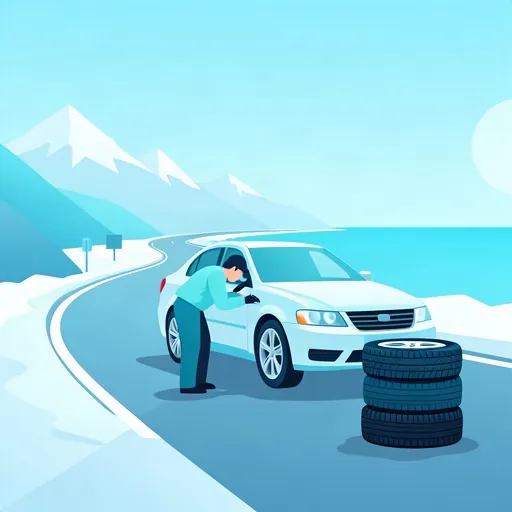
One of the most critical aspects of Turkish traffic law is the mandate regarding winter tyres. To improve road safety, the Ministry of Transport and Infrastructure enforces a winter tyre mandate for commercial vehicles transporting passengers and freight. However, for private vehicle owners, while not universally mandatory by law in every province for light vehicles, it is highly recommended by safety experts to switch to winter tyres when temperatures consistently drop below 7°C.
Maintaining the correct inflation pressure is vital for fuel efficiency, tyre longevity, and optimal braking performance. Under-inflated tyres increase rolling resistance, which can lead to overheating, especially during long summer drives in high ambient temperatures. Conversely, over-inflated tyres reduce the contact patch with the road, leading to uneven wear and a harsher, less stable ride. Always refer to the manufacturer's recommended PSI (pounds per square inch) or Bar pressure, which is usually found on a sticker inside the driver’s side door jamb or in the owner's manual.
Driving in Turkey presents unique challenges. You might transition from smooth, hot highway asphalt to loose gravel or winding mountain roads within a few hours. High summer temperatures can cause tyre pressure to rise; therefore, you should check your tyre pressure when the tyres are "cold"—meaning the vehicle has been stationary for at least three hours or driven for less than a few kilometres.
| Condition | Risk Factor | Maintenance Priority |
|---|---|---|
| Hot Summer Asphalt | Tyre overheating / Blowout | Check pressure regularly |
| Rainy Mountain Roads | Aquaplaning / Poor traction | Tread depth verification |
| Winter Snow/Ice | Loss of steering control | Use winter/all-season tyres |
Tyre safety is a mandatory topic in the MTSK e-sınav vehicle technique section, covering legal minimums, seasonal requirements, and maintenance procedures. Turkey's minimum tread depth is 1.6 mm, and winter tyres become essential when temperatures fall below 7°C. Proper tyre pressure management—checking when cold and following manufacturer recommendations—prevents overheating, hydroplaning, and control loss. Understanding how to adapt tyre maintenance to Turkey's diverse conditions, from Mediterranean summer heat to mountain winter ice, is both exam-relevant and critical for safe driving.
A short set of high-value points that capture the most important ideas from this article.
The legal minimum tread depth in Turkey is 1.6 mm; below this, tyres must be replaced immediately
Winter tyres are legally mandatory for commercial vehicles in Turkey and recommended for private vehicles when temperatures drop below 7°C
Tyres are the only contact point between your vehicle and the road, making their condition non-negotiable for safety
Check tyre pressure when tyres are cold (vehicle stationary for 3+ hours or driven under 2 km) to get accurate readings
Rotate tyres every 10,000 km to ensure even wear across all four wheels
1.6 mm is the legal minimum tread depth for passenger vehicle tyres in Turkey
Below 7°C ambient temperature is the threshold for switching to winter tyres
Under-inflated tyres increase rolling resistance and risk overheating; over-inflated tyres reduce road contact and cause uneven wear
The manufacturer's recommended tyre pressure can be found on the driver door jamb sticker or in the owner's manual
Seasonal tyre preparation includes checking sidewalls for cracks or bulges, not just tread depth
Assuming summer tyres are sufficient year-round without considering temperature drops in Anatolia's highland regions
Checking tyre pressure after driving rather than when tyres are cold, leading to over-inflation corrections
Confusing the MTSK e-sınav vehicle technique section with general traffic rules when studying tyre maintenance
Overlooking sidewall damage (cracks, bulges, cuts) when inspecting tyres, focusing only on tread depth
Using incorrect tyre size or load index that does not match the vehicle's handbook specifications
Article content overview
A short set of high-value points that capture the most important ideas from this article.
The legal minimum tread depth in Turkey is 1.6 mm; below this, tyres must be replaced immediately
Winter tyres are legally mandatory for commercial vehicles in Turkey and recommended for private vehicles when temperatures drop below 7°C
Tyres are the only contact point between your vehicle and the road, making their condition non-negotiable for safety
Check tyre pressure when tyres are cold (vehicle stationary for 3+ hours or driven under 2 km) to get accurate readings
Rotate tyres every 10,000 km to ensure even wear across all four wheels
1.6 mm is the legal minimum tread depth for passenger vehicle tyres in Turkey
Below 7°C ambient temperature is the threshold for switching to winter tyres
Under-inflated tyres increase rolling resistance and risk overheating; over-inflated tyres reduce road contact and cause uneven wear
The manufacturer's recommended tyre pressure can be found on the driver door jamb sticker or in the owner's manual
Seasonal tyre preparation includes checking sidewalls for cracks or bulges, not just tread depth
Assuming summer tyres are sufficient year-round without considering temperature drops in Anatolia's highland regions
Checking tyre pressure after driving rather than when tyres are cold, leading to over-inflation corrections
Confusing the MTSK e-sınav vehicle technique section with general traffic rules when studying tyre maintenance
Overlooking sidewall damage (cracks, bulges, cuts) when inspecting tyres, focusing only on tread depth
Using incorrect tyre size or load index that does not match the vehicle's handbook specifications
Explore related topics, search based questions, and concepts that learners often look up when studying Tyre Safety and Maintenance. These themes reflect real search intent and help you understand how this topic connects to wider driving theory knowledge in Turkey.
Find clear and practical answers to common questions learners often have about Tyre Safety and Maintenance. This section helps explain difficult points, remove confusion, and reinforce the key driving theory concepts that matter for learners in Turkey.
Under Turkish traffic regulations, the minimum tread depth for summer tyres is 1.6 mm, though it is highly recommended to replace them sooner for safety in rain.
Yes, for passenger vehicles used for commercial transport, winter tyres are mandatory between December 1st and April 1st; for private vehicles, it is strongly recommended depending on regional weather conditions.
Correct tyre pressure is vital for fuel efficiency, handling, and preventing blowouts; the exam covers this under basic vehicle technique to ensure drivers understand how to perform safety checks.
After finding the specific Turkish driving theory articles you need, dive deeper into related topics or challenge your knowledge with practice questions. Enhance your understanding of trafik işaretleri, road rules, and vehicle safety to ensure you are fully prepared for the official ehliyet sınavı.