
This hub provides a complete overview of Turkish driving theory, covering all essential topics for your ehliyet sınavı. Delve into detailed explanations of road rules, traffic signs, vehicle mechanics, first aid, and environmental regulations specific to Türkiye. Gain a solid foundation in safe driving practices and prepare confidently for your official driving license theory exam by mastering key concepts.

Strengthen your knowledge of essential traffic rules, road signs, and vehicle mechanics through our structured subject directory. These curated modules help you navigate the complexities of Turkish traffic legislation to ensure you are exam-ready.
9 topics
7 topics
7 topics
4 topics
3 topics
3 topics
2 topics
2 topics
2 topics
1 topic
1 topic
1 topic
Discover essential Turkish driving theory topics for your ehliyet sınavı preparation. Whether you need to clarify specific traffic rules or broadly review subjects for your exam study, this section provides a comprehensive overview of all available driving knowledge.
Filter by category
7 theory topics found
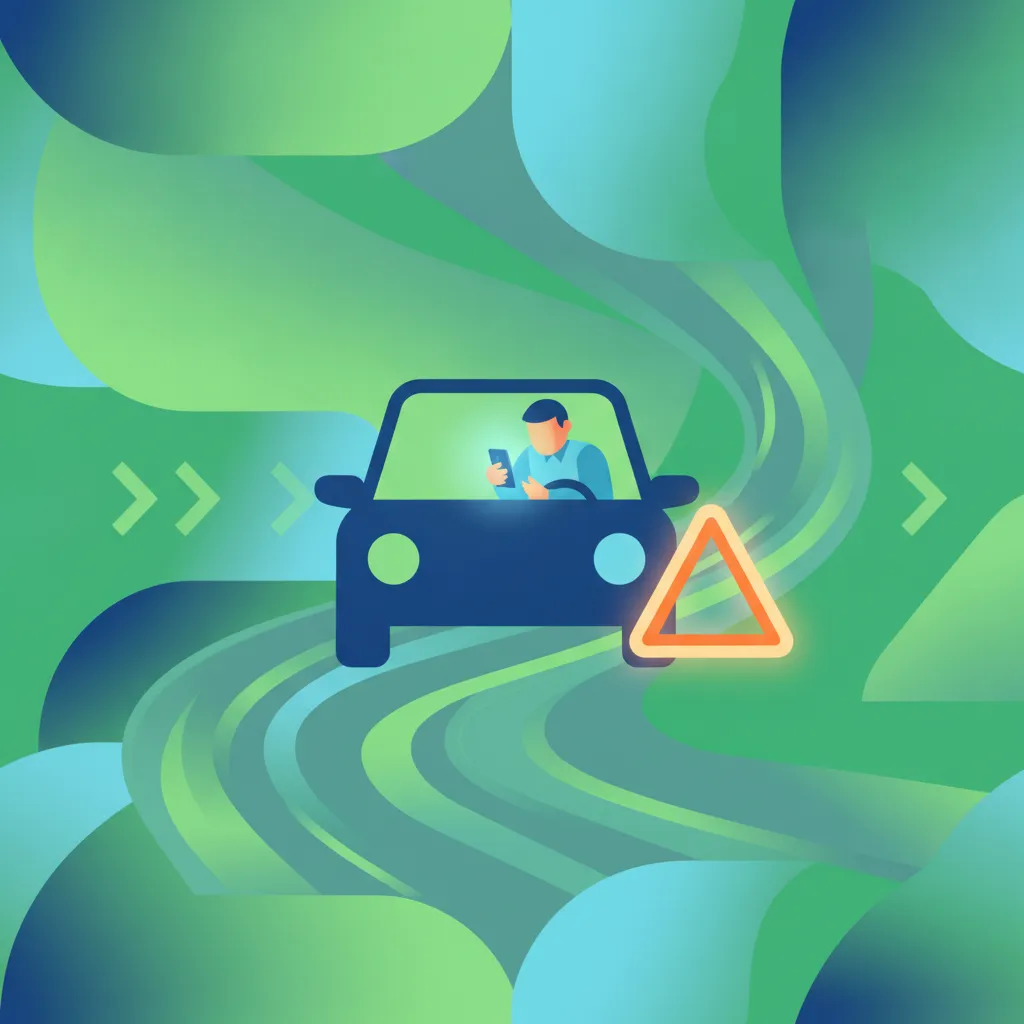
Driving demands your full and undivided attention at all times. Using a mobile phone introduces dangerous distractions, diverting your focus from the road. This section explains the different ways a phone can distract you, how it impairs your ability to drive safely, and why adhering to these rules is vital for preventing accidents in Türkiye.
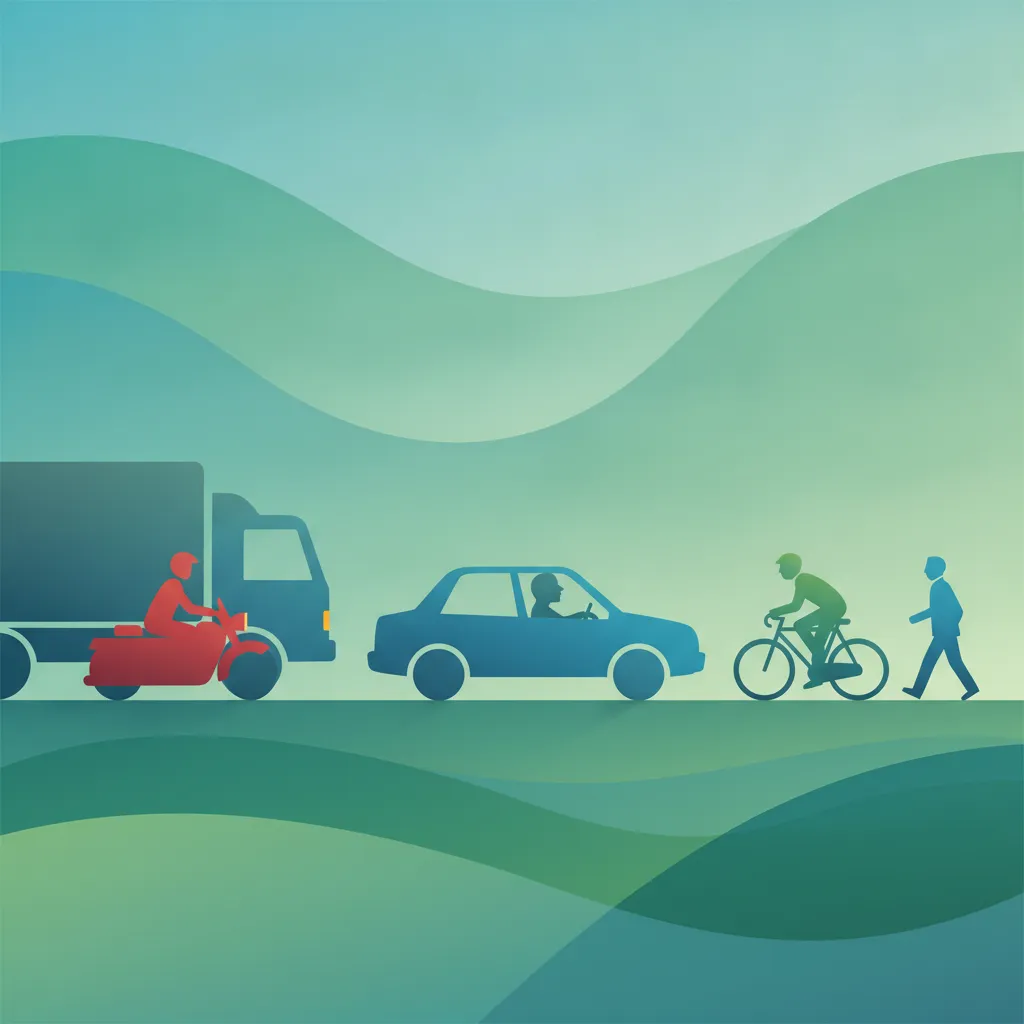
Roads are dynamic shared spaces. This section explains how drivers in Türkiye must adjust their behavior when encountering pedestrians, cyclists, motorcyclists, and larger vehicles. Learn to identify vulnerabilities, maintain safe distances, and anticipate actions to ensure everyone's safety. Mastering these interactions is key to safe driving and success in your driving theory exam.
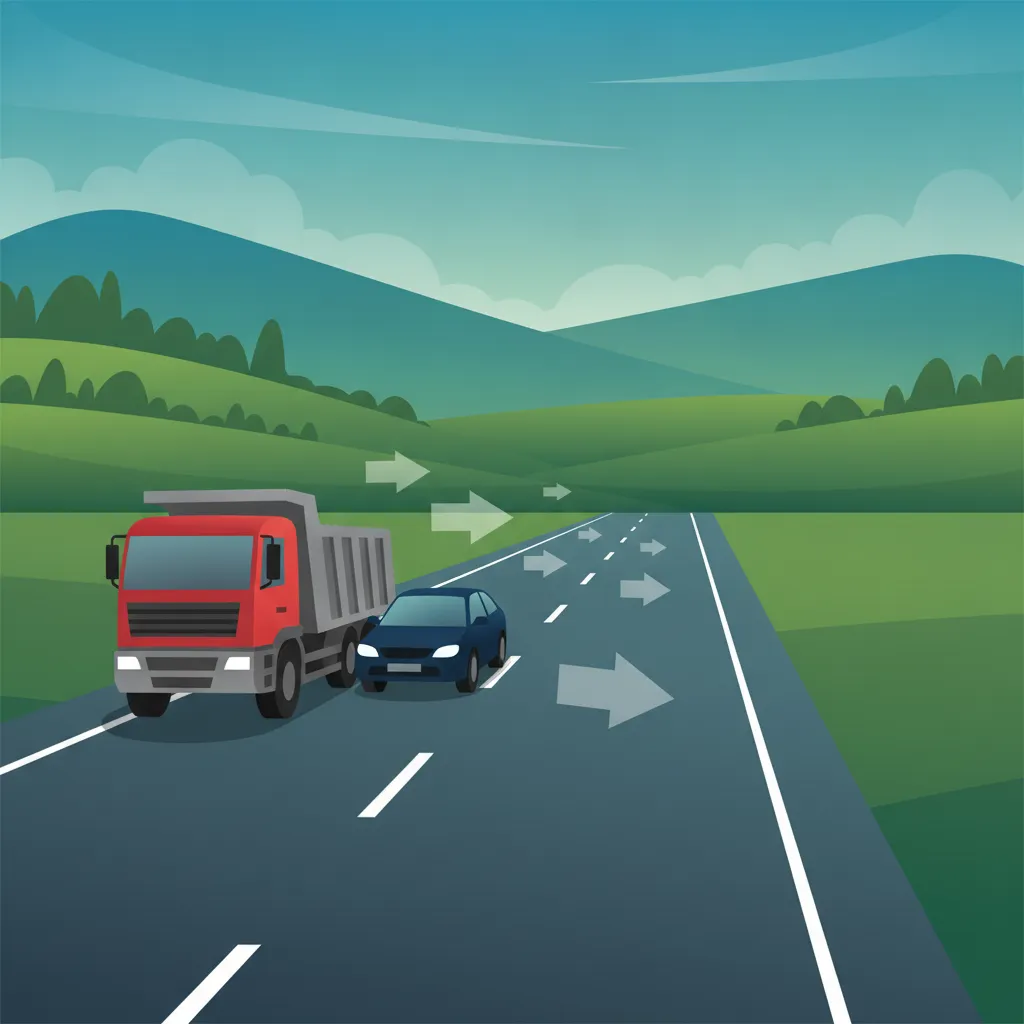
Tailgating occurs when a driver follows another vehicle too closely, leaving insufficient space to react safely. This dangerous practice significantly increases the risk of rear-end collisions. Understanding the relationship between speed, reaction time, and braking distance is fundamental to safe driving in Türkiye and for passing your ehliyet sınavı.

Safe parking is more than just stopping your car; it's about positioning your vehicle in a way that doesn't create dangers or inconvenience for anyone else on the road or pavement. This section outlines the principles of selecting safe parking spots, observing your environment, and ensuring your vehicle contributes to, rather than detracts from, overall road safety in Turkish traffic conditions.

Safe following distance refers to the critical space drivers must keep between their vehicle and the one in front. This distance ensures you have sufficient time to react to sudden changes and brake safely, directly impacting your ability to avoid rear-end collisions. Understanding factors like speed, weather, and road conditions and applying effective judgment techniques are fundamental skills for safe driving in Türkiye.
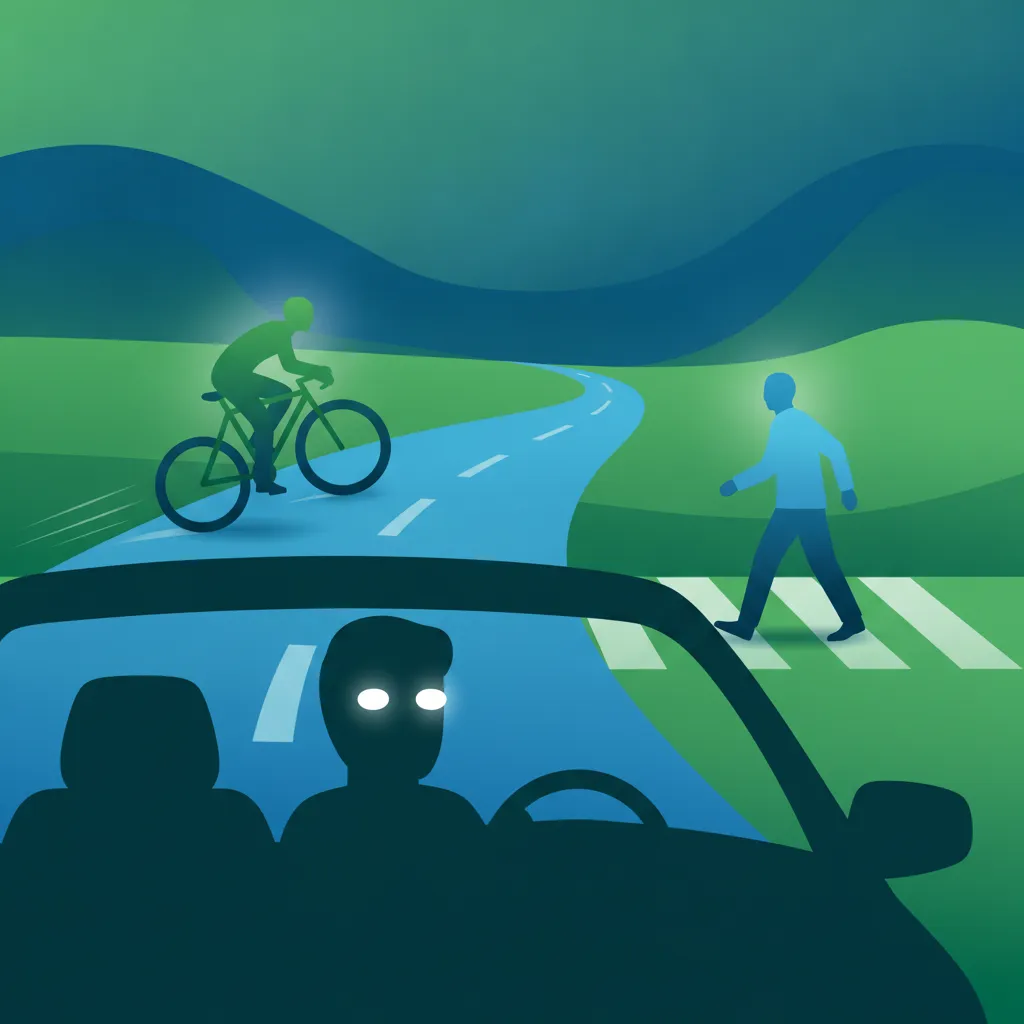
Defensive driving is a proactive approach to road safety that minimizes risk by anticipating potential hazards and reacting responsibly. It's about more than just following rules; it's about predicting the unexpected actions of others and adapting your own driving to maintain safety margins, especially vital in varied Turkish traffic conditions. This strategy ensures you're prepared for anything.
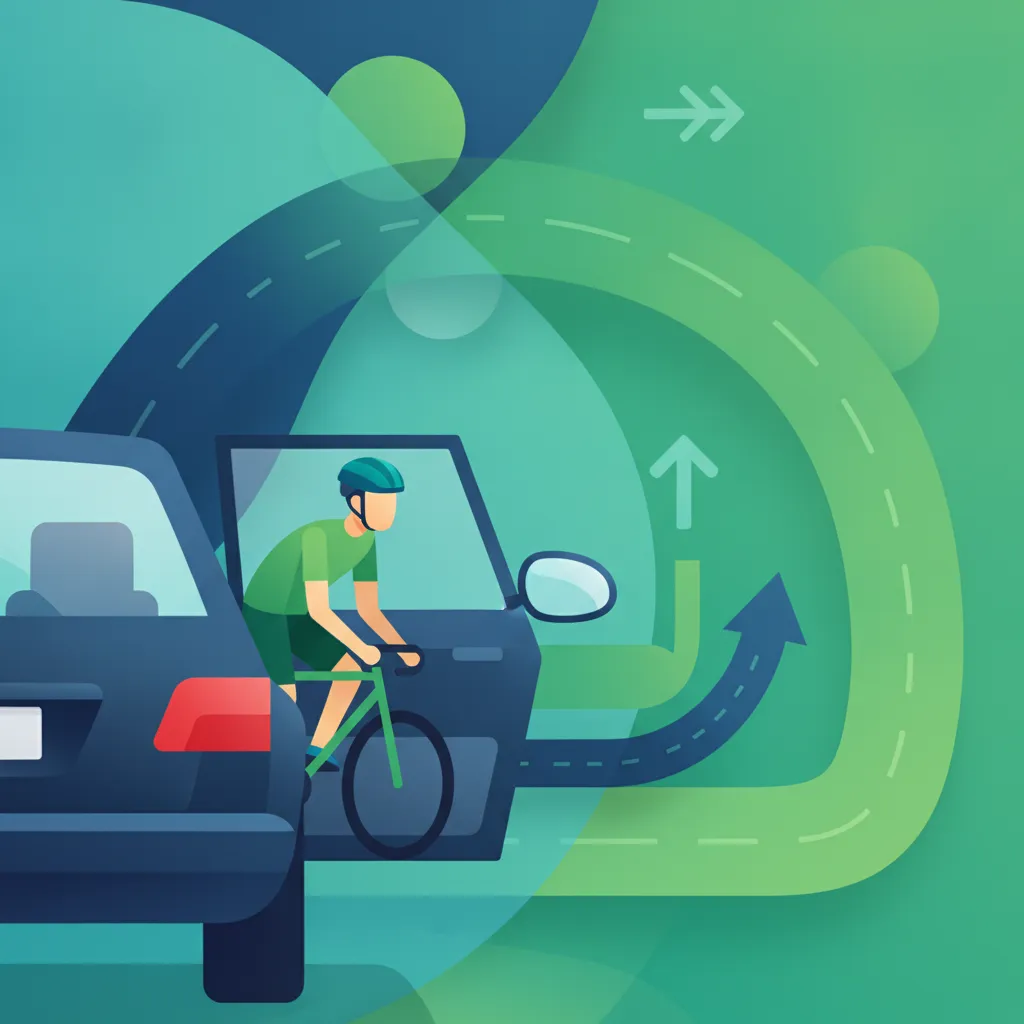
Blind spots are areas around your vehicle that you cannot see directly through your mirrors or peripheral vision. These hidden zones are a significant cause of accidents, especially during lane changes, merging, or turning maneuvers. In Turkish traffic, where you might encounter diverse road users like motorcycles and bicycles, knowing how to effectively check and clear your blind spots is vital for safety.
Continue your Ehliyet Sınavı preparation by exploring our full library of articles. Gain detailed insights into specific traffic rules, road signs, and advanced driving concepts. Use these guides to reinforce your knowledge and prepare confidently for your exam.
Explore Driving Theory Articles