Mandatory direction signs are crucial for organizing traffic flow and ensuring your safety on the road. These signs dictate specific movements you must make, such as turning in a particular direction or following a designated path. Understanding them is key to navigating complex junctions correctly, avoiding confusion, and passing your driving theory exam with confidence.
An explanation of how Mandatory Direction Signs road signs apply in real traffic situations in Iceland. Learn where these signs are typically placed, what drivers are expected to do when they appear, and how correct reactions help you stay safe, avoid fines, and succeed in your Icelandic driving theory exam.
You'll encounter mandatory direction signs in various traffic situations where clear instructions are needed to manage vehicle and pedestrian flow safely. These signs are common at complex intersections, near road works, or in areas with specific traffic management plans, like one-way streets or divided routes. For example, a 'Turn Right Only' sign will appear before an intersection where you have no other option but to turn right to continue your journey. Signs like 'Cycle Path' or 'Pedestrian Path' clearly demarcate specific routes for different road users, ensuring separation and preventing conflicts. Roundabout signs guide you into and around traffic circles, while signs indicating where to pass obstructions instruct you on the safest way to navigate around obstacles. Understanding these signs is vital for avoiding fines, preventing accidents, and ensuring you follow the intended traffic system.
An overview of the key learning outcomes when studying the Mandatory Direction Signs road sign category. Understand the main concepts, sign meanings, and traffic situations covered here so you can recognise patterns, answer theory questions more confidently, and build a solid foundation for safe driving in Iceland.
Mandatory direction signs are easily recognizable by their blue circular shape with white arrows, indicating required movements like turn left or go straight. Studying these road signs together clarifies their distinct commands, preventing confusion and ensuring compliance with Icelandic traffic rules. This knowledge is fundamental for your theory test revision and confident driving.

Understand the 'Turn Right Only' Mandatory Direction Sign (402.4)

Mandatory Turn Left Ahead Only Traffic Sign Explained
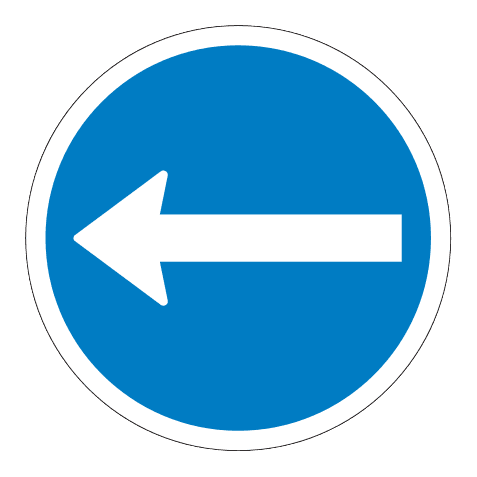
You MUST turn left when you see this compulsory direction sign.

Understand the 'Straight Ahead Only' Mandatory Direction Sign (402.3)
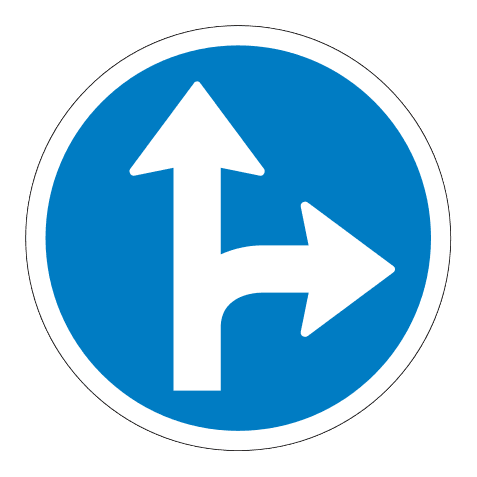
Mandatory Movement: Follow the Arrow or Go Straight Ahead!

Mandatory Traffic Direction: Straight Ahead or Turn Left
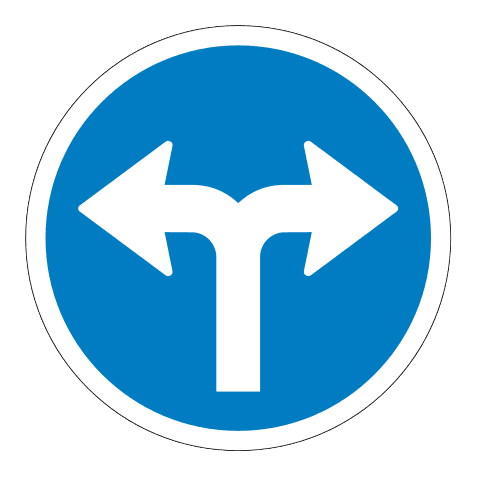
Understand the Mandatory 'Pass Either Side' Traffic Sign (402.8)

Understand the 'Pass Obstruction on the Right' Mandatory Traffic Sign

Understand and follow mandatory directions with the 'Pass Obstruction on the Left' sign (404.2).

Sign 405: You Must Pass the Central Obstruction on Either Side
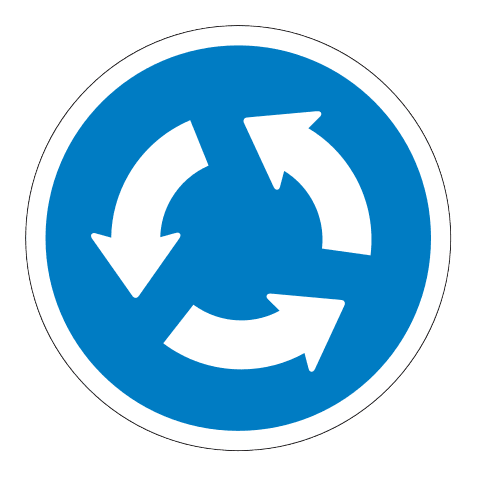
Understand the 406 Roundabout Sign: You MUST follow the indicated direction.

Sign 412: You Must Use the Designated Pedestrian Path

Follow the Bridle Path: This Mandatory Sign Dictates Your Route

Mandatory Shared Path for Pedestrians and Cyclists: Follow the Designated Route

What Does the Shared Path for Pedestrians and Cyclists Sign Mean?
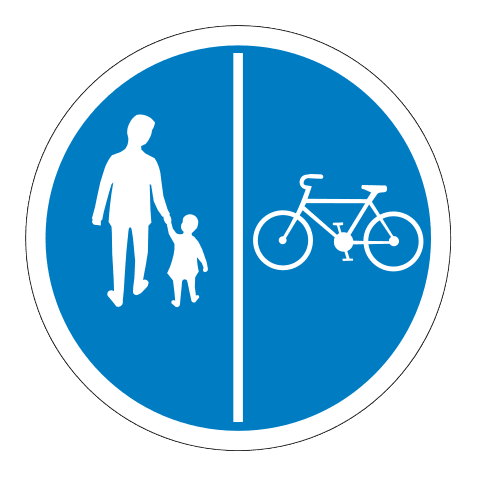
Mandatory Separated Path for Pedestrians and Cyclists Ahead

Follow the Separated Path for Pedestrians and Cyclists: A Mandatory Route

Understand the Separated Path for Pedestrians and Cyclists sign (418.3) to navigate shared routes safely.

Follow the Compulsory Separated Path for Pedestrians and Cyclists.
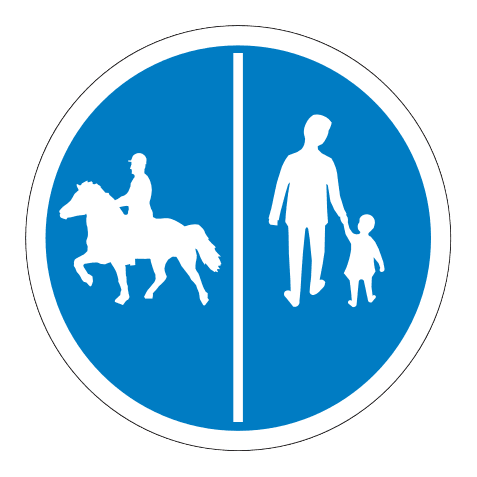
Follow the Separated Path for Pedestrians and Cyclists

Understand the Minimum Speed Sign with a Variable Number
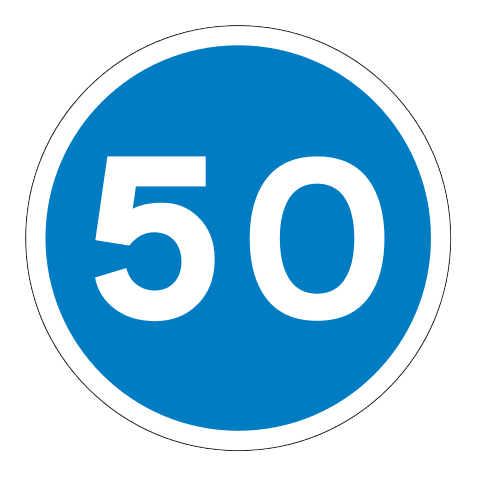
Understand Iceland's Minimum Speed Sign (455) to keep traffic flowing smoothly.
Clear answers to common questions about the Mandatory Direction Signs road sign category. Use this FAQ to review tricky rules, understand how these signs appear in exam scenarios, and remove confusion that often leads to mistakes in the Icelandic driving theory exam in Iceland.
The main purpose of mandatory direction signs is to instruct road users on specific actions they must take. They are used to direct traffic along particular routes, sides, or paths to ensure safety, manage congestion, and maintain an orderly flow of traffic.
Yes, ignoring mandatory direction signs can lead to traffic violations, fines, and potentially dangerous situations. These signs are not suggestions; they indicate required actions. For example, disobeying a 'Straight Ahead Only' sign could lead to a head-on collision or driving the wrong way down a one-way street.
Mandatory direction signs (often blue and white circles or rectangles with specific symbols) tell you what you MUST do. Other directional signs, like route markers (often green or blue with arrows), indicate the way to a destination but may not always impose a strict requirement on your immediate path, although they should generally be followed to reach your intended route.
When you see a 'Pass Obstruction on the Right' or 'Pass Obstruction on the Left' sign, you must follow the indicated side to safely navigate around a temporary or permanent obstacle in the road. Similarly, the 'Pass Central Obstruction on Either Side' sign allows you to choose which side to go around a central feature, provided it's safe to do so. Always check your surroundings before making your manoeuvre.
Yes, there is a minimum speed sign that dictates the lowest speed you must maintain on a particular stretch of road, often used on motorways or specific lanes. You may also see variations indicating a variable minimum speed.
Ready to ace your Icelandic theory exam? Explore road signs by category. This structured approach helps you grasp complex rules, improve memorization, and confidently prepare for safe driving on Icelandic roads. Begin mastering sign groups today.
Explore Road Sign Categories

