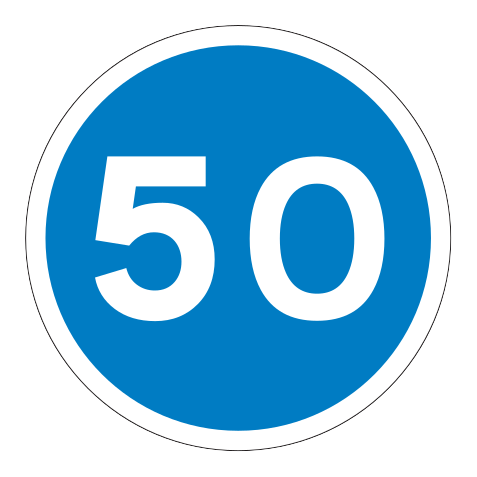
This mandatory traffic sign indicates a compulsory minimum speed that drivers must maintain. The specific speed is displayed on the sign itself and drivers must not travel slower than this unless immediate safety dictates otherwise, such as due to adverse weather or traffic congestion. This sign is often used in managed traffic situations to prevent dangerously slow driving and maintain traffic flow. Always remember to also adhere to any applicable maximum speed limits.
This essential road sign dictates a compulsory minimum speed to ensure traffic flow and prevent obstruction on Icelandic roads. Grasping its meaning is key for theory test revision and safe driving, as exceeding this minimum is required unless conditions necessitate a slower pace.
Minimum Speed Sign with Variable Number is used where traffic needs to keep moving above a displayed minimum to avoid dangerous speed differences or unnecessary obstruction. The number shown on the sign tells drivers the current minimum speed that applies, usually as part of a managed or changeable traffic arrangement. It does not remove the duty to slow down when weather, congestion, or another hazard genuinely requires it, but in normal conditions it tells drivers not to proceed unnecessarily slowly. Drivers should also check any maximum speed limit that applies at the same location.
This sign makes a stated minimum speed compulsory, with the required minimum shown by the number displayed on the sign itself. Drivers must stay at or above that value unless conditions make a lower speed necessary for immediate safety.
Get clear, practical answers to the most common questions about the 455 - Minimum Speed Sign with Variable Number road sign. Learn how the sign works, what rules it represents, and how it affects real driving situations. This FAQ strengthens your understanding and supports accurate decision making for the Icelandic driving theory exam in Iceland.
The Minimum Speed Sign with Variable Number (455) means you must drive at or above the speed shown on the sign. You should only drive slower if current road conditions or immediate safety require it. Its purpose is to prevent traffic obstruction and dangerous speed differences.
You might see this sign on stretches of road where it's important to maintain a certain pace, such as on managed motorways, certain bridges, or in areas with variable speed limits. It helps to ensure that traffic keeps moving efficiently and safely, especially during peak times or in specific traffic management schemes.
A common trap in the theory exam is forgetting that this sign requires a *minimum* speed, not a maximum. Learners might also overlook that they are still obligated to slow down if conditions are genuinely unsafe, even if it means going below the indicated minimum. It's crucial to balance the mandatory minimum with safe driving practices.
No, it means you must drive at or *above* the indicated speed. You are permitted to drive slower if immediate safety concerns, such as poor visibility, slippery roads, or heavy traffic, necessitate a reduced speed. However, you should resume the minimum speed as soon as it is safe to do so.
Yes, absolutely. The Minimum Speed Sign with Variable Number sets a floor, not a ceiling, for your speed. You must also always comply with any posted maximum speed limits for that road or area. Drive at a speed that is both at or above the minimum and below any applicable maximum, while always prioritising safety.
A clear reference image of the 455 - Minimum Speed Sign with Variable Number road sign used in Iceland.
The 455 - Minimum Speed Sign with Variable Number road sign may also be known by these alternative names or terms.
The 455 - Minimum Speed Sign with Variable Number road sign is part of the Mandatory Direction Signs category, which groups together signs with similar rules and functions.
Reviewing related road signs like this minimum speed sign alongside others helps solidify your understanding and improves recall for the theory test. Comparing similar traffic signs, such as differing speed limit signs, enhances your sign recognition skills and reduces common mistakes during revision.
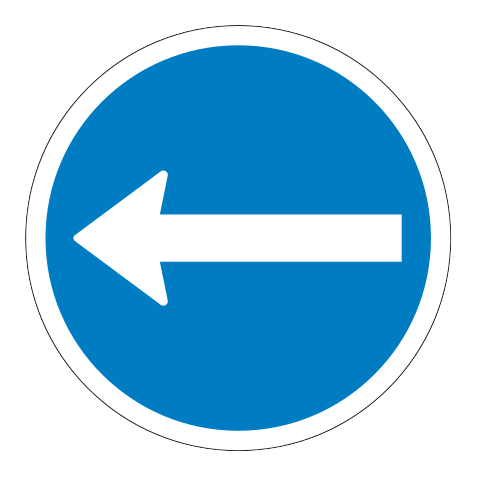
You MUST turn left when you see this compulsory direction sign.
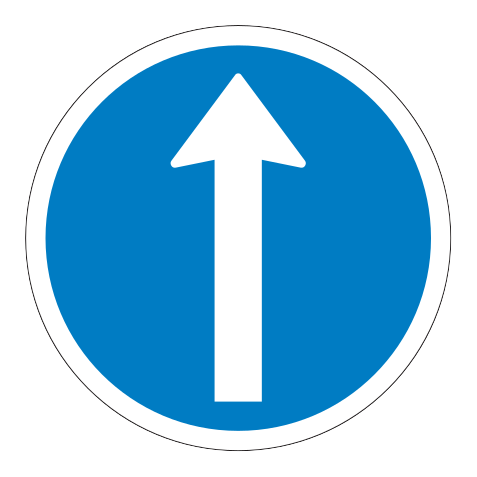
Understand the 'Straight Ahead Only' Mandatory Direction Sign (402.3)
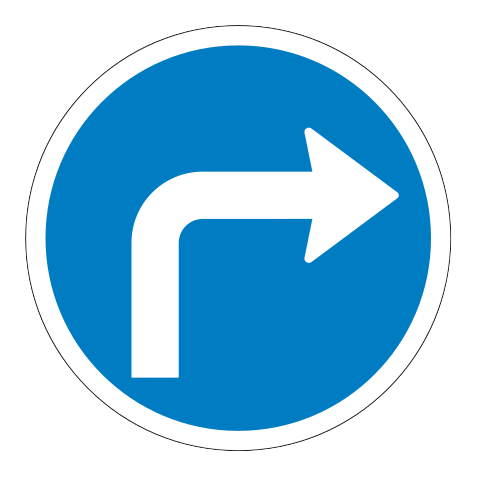
Understand the 'Turn Right Only' Mandatory Direction Sign (402.4)
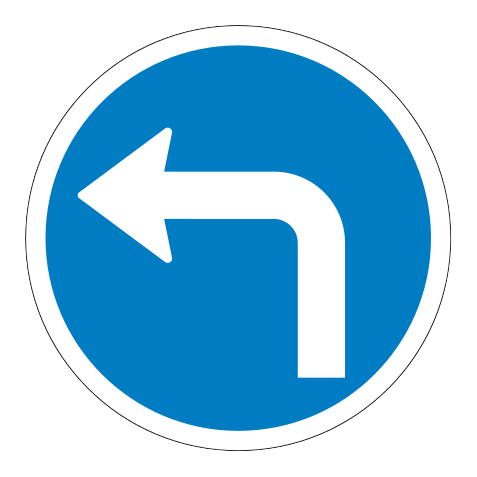
Mandatory Turn Left Ahead Only Traffic Sign Explained
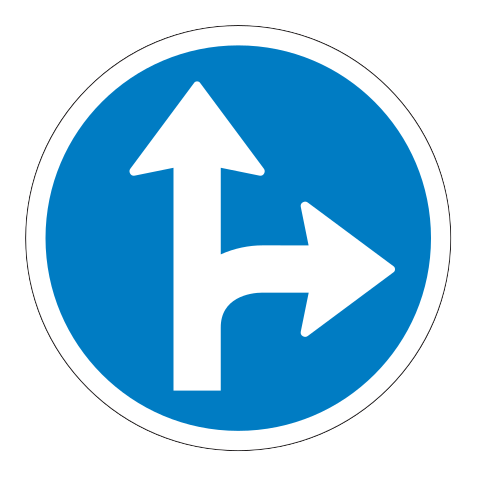
Mandatory Movement: Follow the Arrow or Go Straight Ahead!
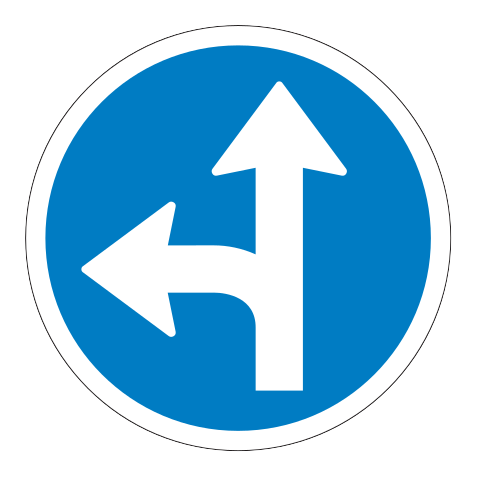
Mandatory Traffic Direction: Straight Ahead or Turn Left
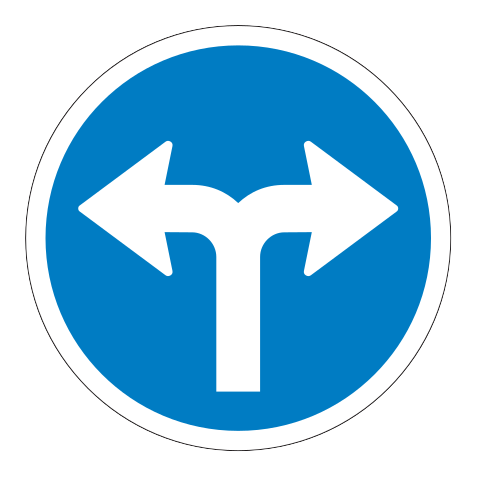
Understand the Mandatory 'Pass Either Side' Traffic Sign (402.8)
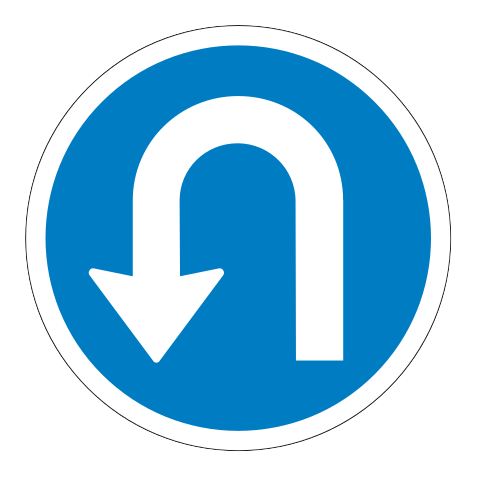
U-Turn Only: Follow the Mandatory Direction!
Explore curated theory modules and safety procedures that clarify how specific road signs dictate right-of-way and vehicle conduct on Icelandic roads. Apply this knowledge to your driving theory test preparation by linking visual signage to real-world traffic laws.
Don't let a false sense of security put you at risk on Icelandic roads.
Navigate Icelandic Unmarked Junctions with Confidence and Pass Your Theory Exam!
Understanding your legal obligations when encountering a traffic accident in Iceland is vital for both safe driving and passing your theory exam. This article details the 'Hjálparskylda' (Duty to Help) as defined in Icelandic law, outlining precisely what assistance is legally required and the penalties for 'Omission of Duty'. Grasping these responsibilities ensures you act correctly and responsibly in critical situations.
Black ice, or 'Svartís,' is a deceptively dangerous road hazard common in Iceland, appearing as a thin, transparent layer that makes roads look merely wet. This article will equip you with the knowledge to recognise the conditions favouring its formation, such as near freezing temperatures, on bridges, and in shaded spots, and crucially, teach you how to react safely if you encounter it. Mastering this knowledge is essential for safe winter driving and for succeeding in your Icelandic driving theory.
Overhead Lane-Use Sign - Two-Way Lane Arrangement belongs to the group of special regulation signs used for lane control, reserved areas, controlled parking layouts, crossing zones, or other operational arrangements that need more detail than a normal warning or prohibition sign. These signs are often placed above lanes or directly beside the affected area so that each road user can see which space, lane, or movement applies to them. In practice, the safest approach is to read the sign early, choose the correct lane or area before reaching the conflict point, and avoid any last-second correction. If the sign is combined with markings or local layout features, those details are part of the instruction and should be followed as one system.
The Boundary Of An Area With A Specific Speed Limit belongs to the group of special regulation signs used for lane control, reserved areas, controlled parking layouts, crossing zones, or other operational arrangements that need more detail than a normal warning or prohibition sign. These signs are often placed above lanes or directly beside the affected area so that each road user can see which space, lane, or movement applies to them. In practice, the safest approach is to read the sign early, choose the correct lane or area before reaching the conflict point, and avoid any last-second correction. If the sign is combined with markings or local layout features, those details are part of the instruction and should be followed as one system.
After reviewing the full list of Icelandic road signs, reinforce your learning with targeted practice. Explore our sign group categories or take a specific quiz to test your recognition and recall. Ensure you're fully prepared to identify and interpret all traffic signs for your upcoming driving theory exam.
View All Icelandic Road Signs