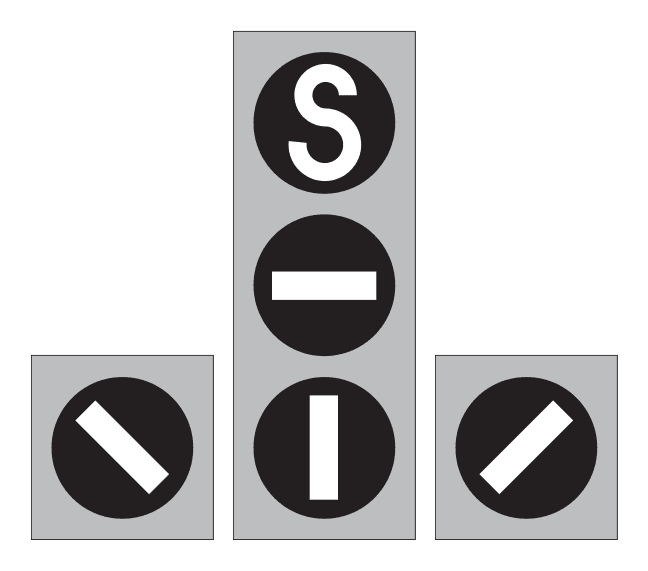
The Public Transport Priority Signal (1188) is a specific type of traffic light designed to manage the flow of public transport vehicles. It uses illuminated aspects, often with directional arrows or symbols, to indicate when public transport has priority to stop or move. As a regular driver, your primary responsibility is to always obey the illuminated aspect that applies to your lane or user group and to approach at a speed that allows for a safe stop if the signal changes.
This specific traffic signal governs movement for public transport, requiring careful observation to ensure safe interaction with other road users. Mastering its meaning is crucial for passing your Icelandic driving theory test and navigating complex intersections.
Public Transport Priority Signal is a traffic signal designed either for a specific user group, a specific direction, or a specific lane. Its meaning comes from the illuminated aspect together with any arrow, cycle symbol, pedestrian symbol, lane symbol, or public-transport symbol shown on the head. Drivers and other road users should approach at a speed that allows them to stop safely if the aspect changes and should never follow a neighbouring signal that applies to somebody else. Signal discipline is essential for safe crossings, protected turns, and lane control.
This signal controls priority or movement instructions for public transport by showing illuminated aspects that tell the relevant road user when to stop and when movement is permitted. The lit aspect always has priority over the dark parts of the signal head.
Get clear, practical answers to the most common questions about the 1188 - Public Transport Priority Signal road sign. Learn how the sign works, what rules it represents, and how it affects real driving situations. This FAQ strengthens your understanding and supports accurate decision making for the Icelandic driving theory exam in Iceland.
The Public Transport Priority Signal (1188) is used to grant priority or provide movement instructions specifically for public transport, such as buses. It ensures that these vehicles can proceed safely and efficiently through junctions or specific road sections by managing traffic flow with illuminated signals.
You must always pay close attention to the illuminated aspect of the signal that applies to your lane or user group. Approach the signal at a speed that allows you to stop safely if the aspect changes to a stop instruction. Never follow a signal meant for another lane or user group.
Only the illuminated aspect of the signal controls your actions. Any dark parts, even if they show a symbol or arrow, do not indicate an active instruction. You must only react to what is lit up and applies to you, and never assume an unlit aspect means movement is permitted.
A common mistake is not checking which specific lane or user symbol the signal applies to, and incorrectly following a signal meant for public transport or another lane. Another trap is assuming an unlit signal aspect is permissive or entering a crossing you cannot clear, which can cause dangerous situations.
A clear reference image of the 1188 - Public Transport Priority Signal road sign used in Iceland.
The 1188 - Public Transport Priority Signal road sign may also be known by these alternative names or terms.
The 1188 - Public Transport Priority Signal road sign is part of the Traffic Light Signals category, which groups together signs with similar rules and functions.
Reviewing related road signs alongside the Public Transport Priority Signal helps solidify understanding and reduce common errors. Effective traffic sign comparison is key for theory test revision and accurate sign recognition in diverse driving conditions across Iceland.
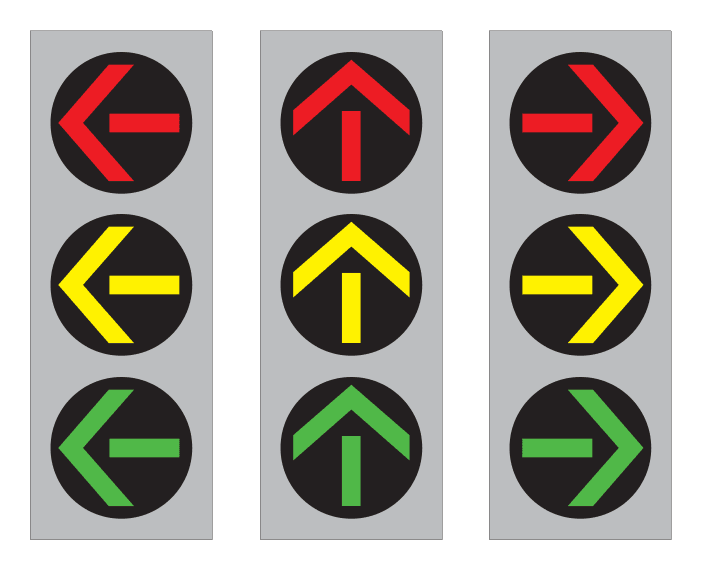
Learn the meaning of the Three-Aspect Arrow Traffic Signal (1182a) road sign.
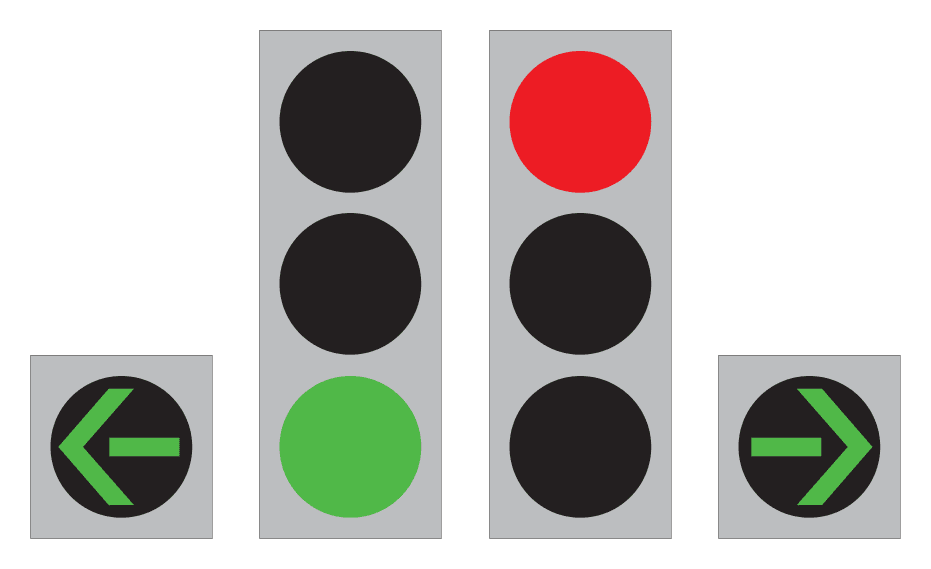
Understand the Red and Green Arrow Traffic Signal for Directed Movement
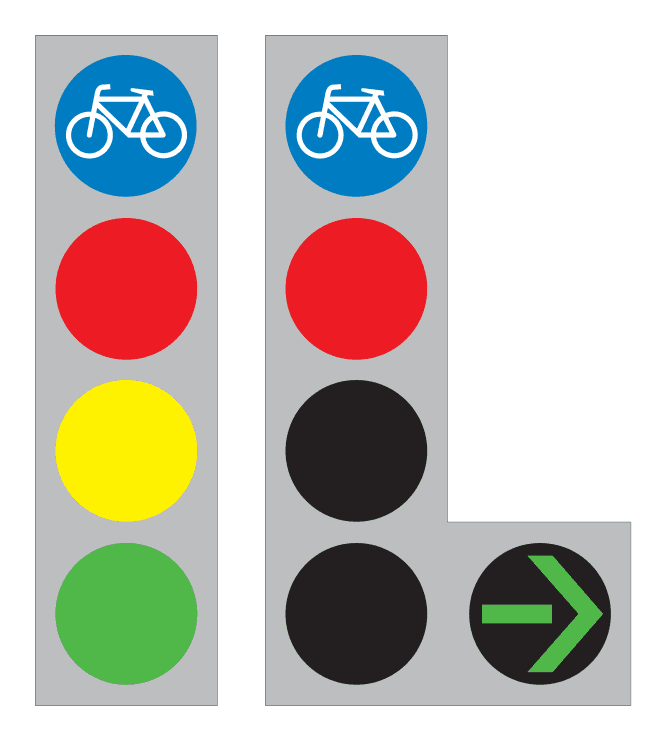
Understand the Cyclist Traffic Signal (1184a) for Safe Intersections
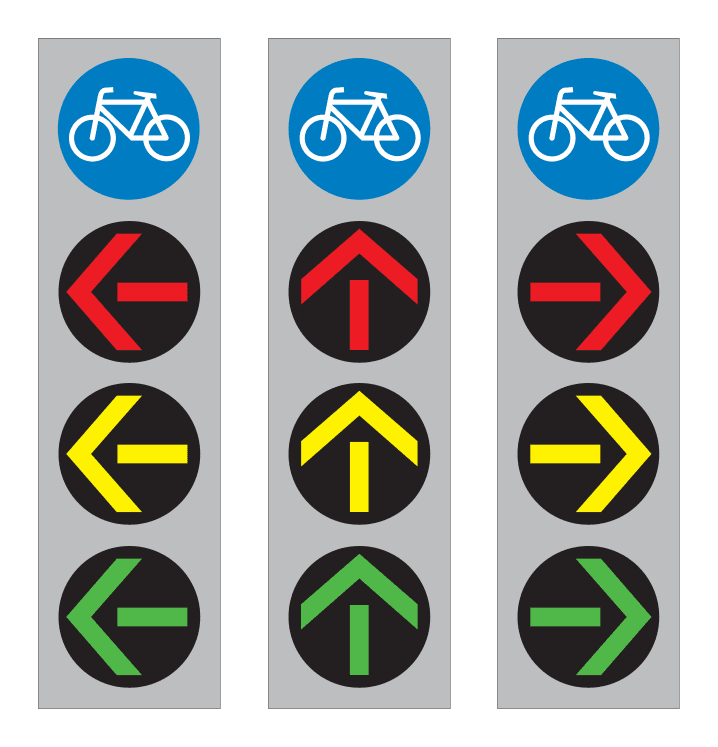
Understand the Cyclist Direction Signal (1184b) to navigate safely.
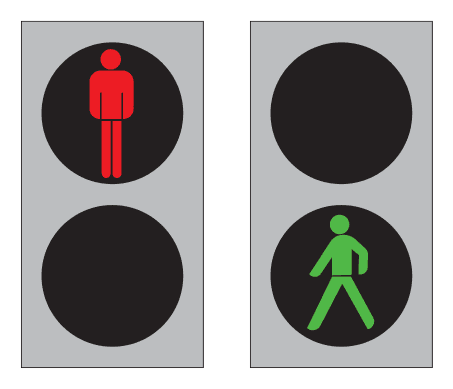
Understand the Pedestrian Signal traffic light and know when to stop or go.
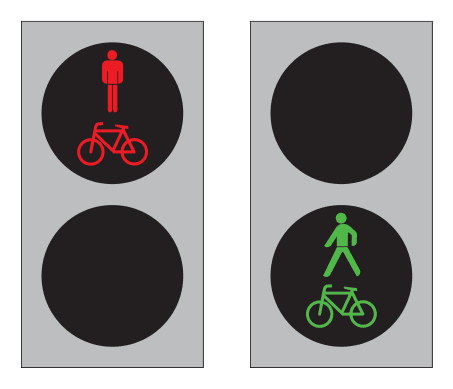
Understand the Cycle Crossing Signal (1186b) for Cyclists and Drivers
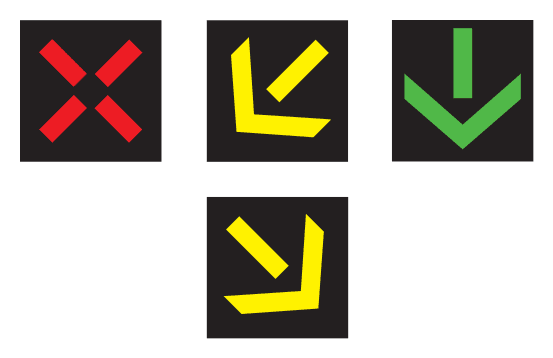
Master the Lane Control Signal (1190) to navigate traffic safely and correctly.
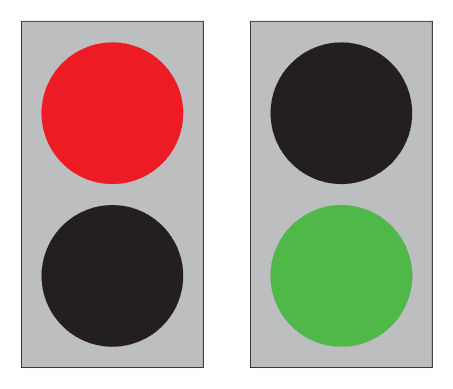
Understand the Inspection, Toll, or Worksite Signal (1192) for controlled movement.
After reviewing the full list of Icelandic road signs, reinforce your learning with targeted practice. Explore our sign group categories or take a specific quiz to test your recognition and recall. Ensure you're fully prepared to identify and interpret all traffic signs for your upcoming driving theory exam.
View All Icelandic Road Signs