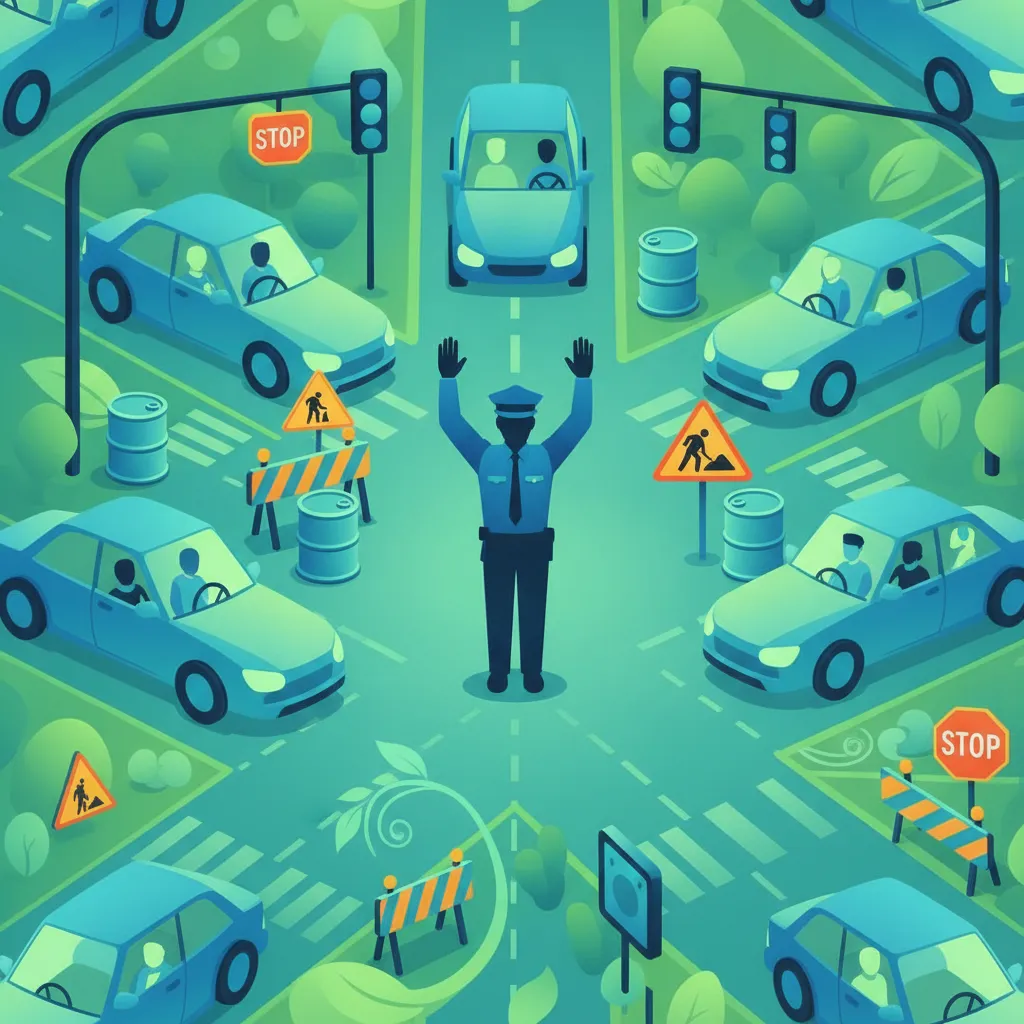
This lesson details the legal requirement to obey manual traffic control signals from Gardaí, school wardens, and authorized traffic marshals. Understanding these commands is a critical safety skill for all Category B drivers, as these directions override all standard signs and lights. You will learn how to identify specific hand gestures to ensure compliance and safety during your Irish driving test and beyond.
Lesson content overview
When preparing for your Irish Driver Theory Test for a Category B passenger car, understanding who has the right-of-way at junctions, roundabouts, and crossings is essential. However, there are times when permanent infrastructure—such as traffic lights, stop signs, and painted road markings—is not enough to manage the flow of traffic. During emergencies, roadworks, public events, or school crossing hours, authorized personnel step in to direct traffic manually.
In Ireland, the manual hand signals of an authorized traffic officer override every other traffic signal on the road. Whether you are facing a green light or are on a major priority road, you must immediately conform to the directions of an officer. This lesson provides an exhaustive guide to the authority of traffic officers, the exact hand gestures used by members of An Garda Síochána, the role of school wardens and marshals, and the legal obligations of motorists in temporary priority situations.
To drive safely and pass your theory exam, you must understand the legal chain of command on Irish roads. Traffic controls are organized in a strict hierarchy. If two systems of control conflict, the one with the higher legal standing always wins.
Level 1: Manual Signals from Authorized Personnel (Highest Authority) Directions given by a Garda, a school warden, or an authorized marshal supersede all other traffic signals, signs, and markings.
Level 2: Light Signals Automatic traffic lights, pedestrian crossing lights, and temporary roadwork signals apply when no human officer is actively directing traffic.
Level 3: Regulatory Road Signs Stop signs, Yield signs, and regulatory turn signs dictate priority when traffic lights are absent or out of service.
Level 4: Road Markings (Lowest Authority) Continuous white lines, yellow box junctions, and yield lines guide traffic but yield to all signs, lights, and manual directions.
If you arrive at an intersection where the traffic light is green, but a Garda is holding up their hand to signal a stop, you must stop immediately. Proceeding because "the light was green" is a serious road traffic offence and can lead to a severe collision. Manual control is designed to respond dynamically to real-time hazards, such as an accident ahead or an approaching emergency vehicle, which automated traffic systems cannot detect.
Not just anyone can stand in the middle of an Irish road and direct traffic. The law recognizes specific categories of authorized personnel, each with distinct jurisdictions and roles.
Members of An Garda Síochána have the highest level of traffic management authority. A Garda in uniform can direct traffic on any public road, at any time, for any reason—including accident management, routine traffic control, escorting VIPs, or during emergencies. You are legally required to obey their instructions instantly.
School wardens (often recognizable by their high-visibility yellow and red coats and their reflective "STOP" sign paddles) are authorized by local authorities to control traffic near schools. Their primary duty is to ensure schoolchildren can cross the street safely. They have the legal authority to halt traffic in both directions.
During authorized public events (such as marathons, concerts, or bicycle races) or at construction sites and roadworks, trained marshals are permitted to direct traffic. They use hand signals, flags, illuminated batons, or "Stop/Go" signs to manage temporary lane closures and detours.
Regardless of whether the person directing traffic is a Garda, a school warden, or a contractor at a roadworks site, their authority is legally binding. Assuming a non-police marshal can be ignored is a common and costly mistake among novice drivers.
To ensure there is no confusion on the road, the hand signals used by An Garda Síochána are standardized. These signals are officially detailed in the Irish Traffic Signs Manual. As a driver, you must be able to recognize and interpret these gestures instantly from your vehicle.
An officer will use specific physical postures to halt traffic depending on which direction the vehicles are approaching from:
Once the intersection or road section is clear, the officer will instruct specific lanes or vehicles to move:
If there is a hazard ahead (such as an accident, debris on the road, or a sudden lane merge), the officer will signal you to reduce your speed:
Temporary priority occurs when the normal, permanent rules of right-of-way are suspended to accommodate a temporary situation. This is most common in three scenarios:
School wardens operate during mornings and afternoons when children are arriving at or leaving school. When a school warden steps into the roadway and holds up their reflective sign, you must come to a complete stop before the crossing line.
You must remain stationary until all children and the warden have safely returned to the footpath. Overtaking another vehicle that has stopped for a school warden is highly illegal and incredibly dangerous.
During major sporting events, concerts, or parades, local authorities temporarily alter the flow of traffic around venues. Marshals may direct you to turn left or right, even if road signs normally permit you to go straight. In these congested zones, standard lane markings and priority rules do not apply; you must follow the visual and verbal instructions of the marshals on site.
At roadworks, lanes are often reduced to a single track, requiring opposing flows of traffic to share one lane. Authorized operators will use "Stop/Go" paddles (consisting of a double-sided sign with "STOP" on a red background on one side and "GO" on a green background on the reverse) or hand-held flags to alternate priority.
Anticipate the Control Zone: As soon as you see temporary roadworks signs, reduce your speed and look ahead for the marshal or paddle operator.
Prepare to Stop: If the "STOP" side of the paddle is rotated toward you, bring your vehicle to a halt behind the temporary stop line or cone marker.
Keep Your Distance: Maintain a safe distance from the vehicle in front of you while queued, ensuring you can see the marshal clearly.
Wait for the "GO" Sign: Do not pre-empt the signal. Only drive forward when the paddle is fully rotated to show the green "GO" sign and the operator gestures you forward.
Failing to obey a manual signal from an authorized officer is not just poor driving etiquette; it is a serious offence under the Irish Road Traffic Acts.
The primary statutory framework governing road safety, vehicle standards, and driver behaviour in Ireland. Specific sections mandate that all road users must immediately comply with the verbal directions or manual hand signals of a member of An Garda Síochána or any legally authorized officer.
If you ignore a Garda's hand signal or fail to stop for a school warden, you face severe legal consequences:
Manual traffic control relies entirely on visual communication. Because of this, changes in weather, lighting, and the presence of vulnerable road users require you to adjust your driving behaviour.
In heavy rain, thick fog, or falling snow, seeing a manual hand signal becomes significantly more difficult.
At night, standard hand signals are difficult to distinguish. To combat this, Gardaí and authorized marshals will use specialized equipment:
When traffic is directed manually, vulnerable road users—such as pedestrians, young children near schools, elderly citizens, and cyclists—are often in close proximity.
Many drivers fail their driving test or cause avoidable collisions due to easily preventable misunderstandings regarding traffic officer directions.
To solidify your preparation for the Category B Irish Driver Theory Test, review these central principles:
Explore all units and lessons included in this driving theory course.
Lesson content overview
Explore all units and lessons included in this driving theory course.
Explore search topics learners often look for when studying Traffic Officer Directions and Temporary Priorities. These topics reflect common questions about road rules, driving situations, safety guidance, and lesson level theory preparation for learners in Ireland.
Browse additional driving theory lessons that cover connected traffic rules, road signs, and common driving situations related to this topic. Improve your understanding of how different rules interact across everyday traffic scenarios.
Learn the legal hierarchy of right-of-way at controlled and uncontrolled junctions. This guide details how to navigate Stop and Yield signs, junctions with no markings, and how to safely interact with other road users at complex urban and rural intersections while maintaining proper road safety standards.
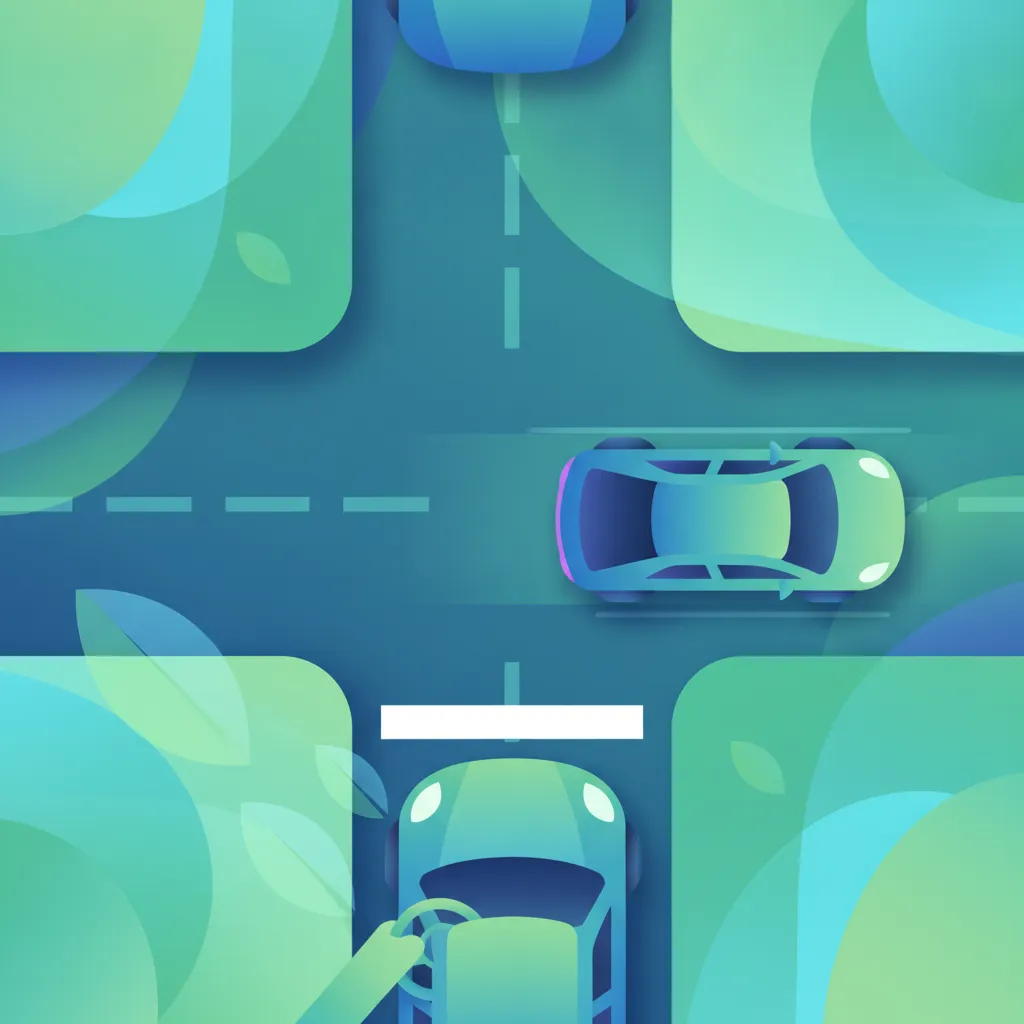
Right-of-way rules establish a clear order of precedence when the paths of two or more vehicles cross. This lesson explains how traffic on a major road has priority over traffic emerging from a minor road, and the general rule of yielding to oncoming vehicles when turning right. You will develop a solid understanding of how to approach intersections defensively, assessing speed and distance to make safe decisions.

Uncontrolled junctions represent a high-risk scenario because they lack physical signs, lines, or lights to dictate priority. This lesson covers the crucial 'priority to the right' principle, where you must yield to any traffic approaching from your right-hand side. You will learn the importance of reducing your speed, preparing to stop, and verifying the intentions of other drivers at these equal-status crossings.
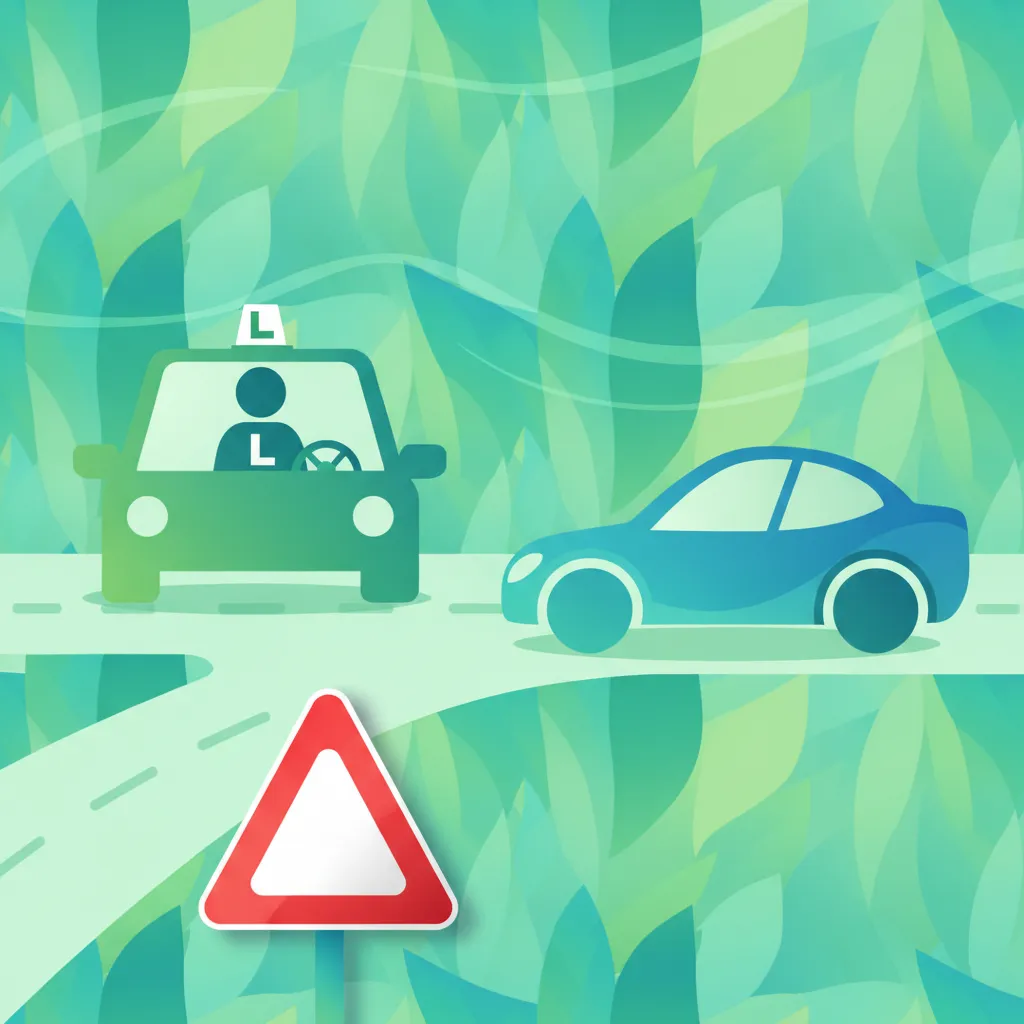
This lesson teaches the fundamental principles of priority and right-of-way at controlled and uncontrolled intersections across Ireland. It explains the legal obligations at yield signs, stop lines, and when meeting oncoming traffic turning across your lane. Motorcyclists will learn to carefully verify other drivers' intentions rather than assuming they will yield the correct right-of-way.
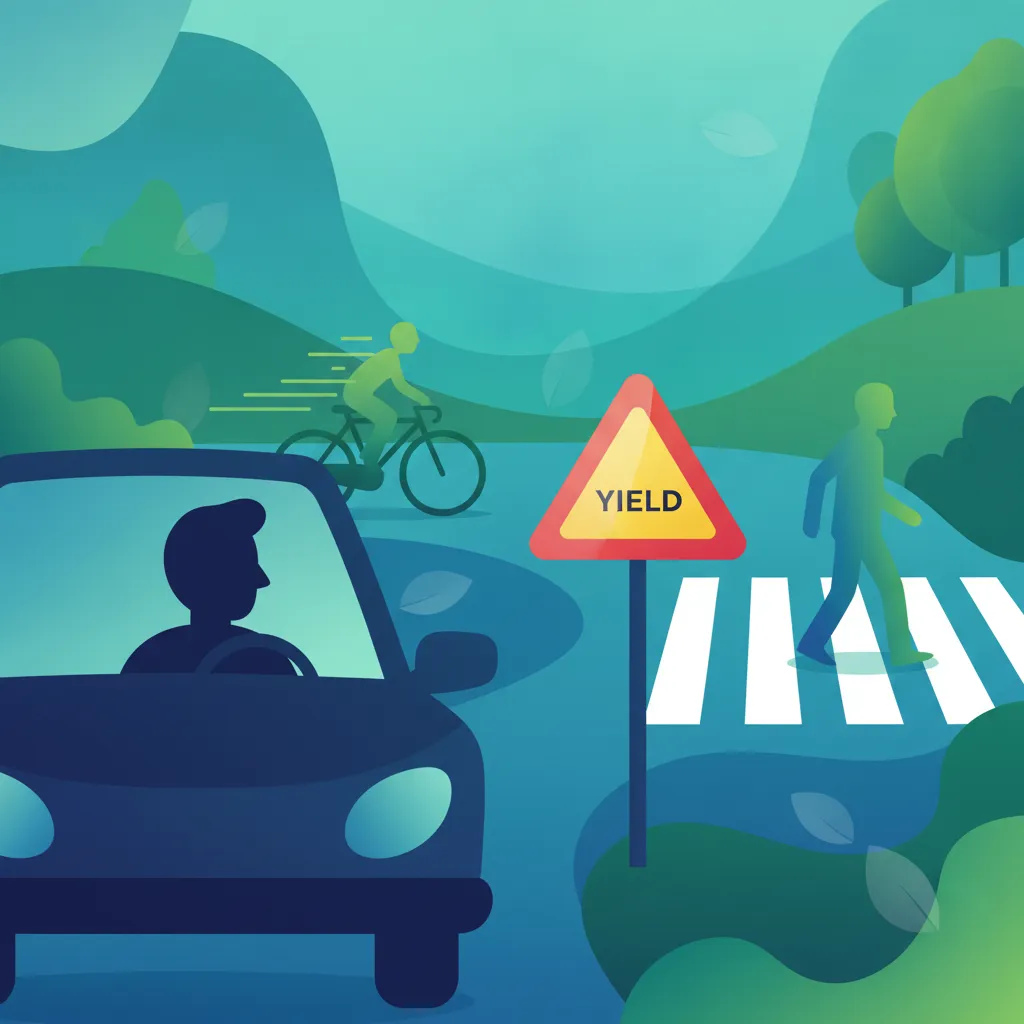
This lesson covers the absolute rules of priority that regulate junctions, roundabouts, and pedestrian crossings in Ireland. It teaches riders when they must yield, who has right-of-way, and how to read Stop and Yield signs correctly. Understanding these priority hierarchies prevents collisions and maintains orderly, predictable movement at busy junctions.
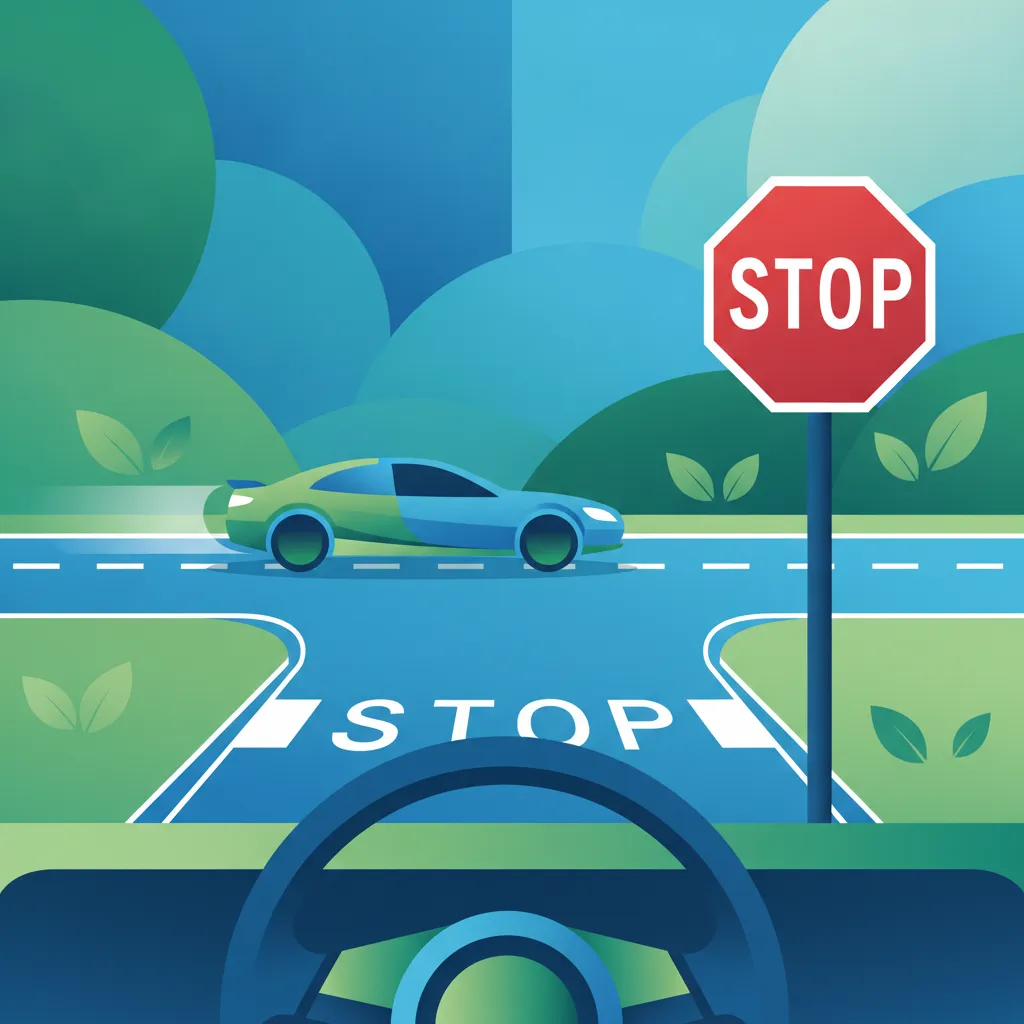
Stop and yield signs require drivers to surrender right-of-way to crossing traffic, but they command different physical actions. This lesson explains that a stop sign mandates a complete, absolute halt behind the line, whereas a yield sign requires you to slow down and stop only if other traffic is approaching. You will learn how to manage restricted visibility at junctions and how to creep forward safely when clear.
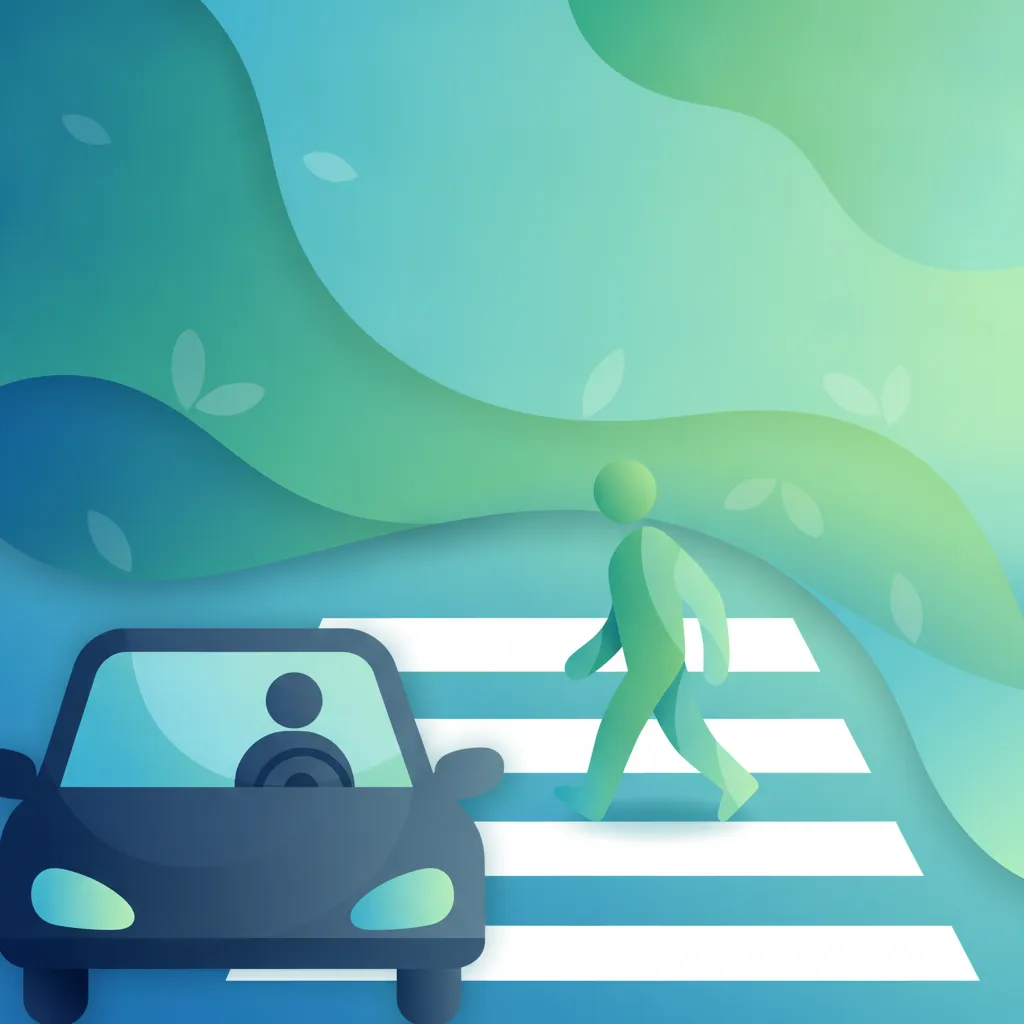
Pedestrians are the most common vulnerable road users, and drivers must maintain constant vigilance to protect them. This lesson covers pedestrian priority, especially when you are turning into side roads or navigating busy urban centres. You will learn why you must yield to pedestrians already crossing, how to scan blind spots for hidden walkers, and the safety dangers of blocking footpaths or pedestrian zones with your car.
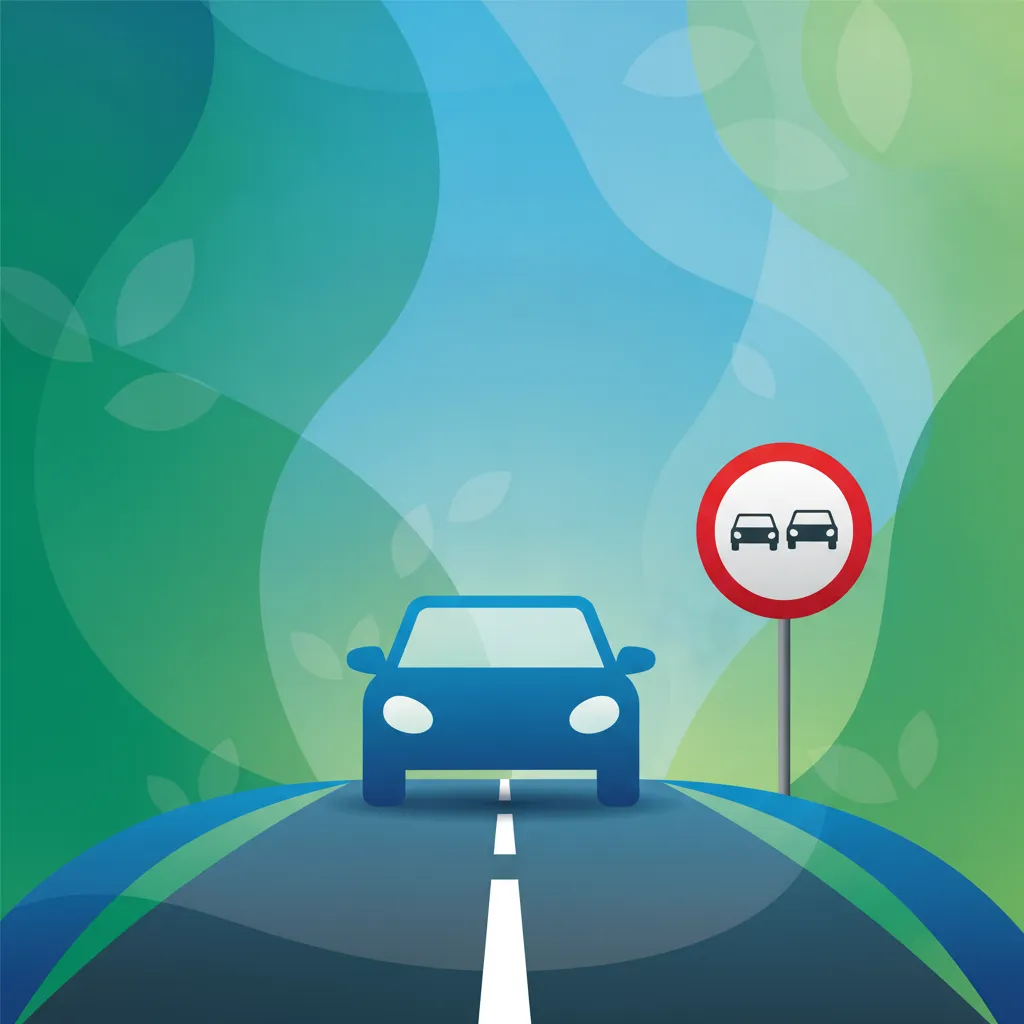
No-overtaking zones are marked in areas with restricted visibility, such as approaching bends, humps, or narrow bridges. This lesson details how continuous solid white lines legally prohibit passing, along with the very narrow exceptions allowed under Irish law. You will learn to identify these high-risk areas from visual markings, ensuring you never initiate a passing manoeuvre that puts oncoming traffic in immediate danger.
This lesson focuses on the safe approach and execution of turns at T-junctions, staggered intersections, and blind crossroads. It explains the critical mirror-signal-manoeuvre routine and how to select the best position for maximum visibility to cross-traffic. Motorcyclists will learn to identify potential hazards like vehicles pulling out suddenly or turning across their direct path.
This lesson details the sequential steps required to approach and exit junctions safely under the Irish driving rules. It teaches riders how to select the correct lane, utilize mirrors, apply early signals, and reduce speed appropriately. Effective observation strategies are highlighted to help riders identify crossing pedestrians or approaching side traffic.
Navigating multi-lane roundabouts requires precise lane selection, continuous scanning, and timely signaling. This lesson teaches you the 'clock rule' for determining which lane to enter, how to yield to traffic already on the roundabout from your right, and when to activate your left indicator to exit. Mastering these procedures minimizes lane-drift accidents and ensures a seamless flow of traffic on busy roundabouts.
Understand the full range of regulatory, warning, and information road signs used on Irish roads. This lesson provides an overview of sign categories, traffic light phases, and the legal meaning behind various road markings that dictate your behavior and lane positioning as a driver.
Regulatory signs give clear instructions and legal prohibitions that drivers must obey to prevent accidents and maintain traffic order. This lesson breaks down circular signs with red borders denoting prohibitions, blue circular signs showing mandatory directions, and key safety priorities like stop and yield signs. Failing to obey these specific indicators is a serious traffic offence that can lead to penalty points and immediate fines.
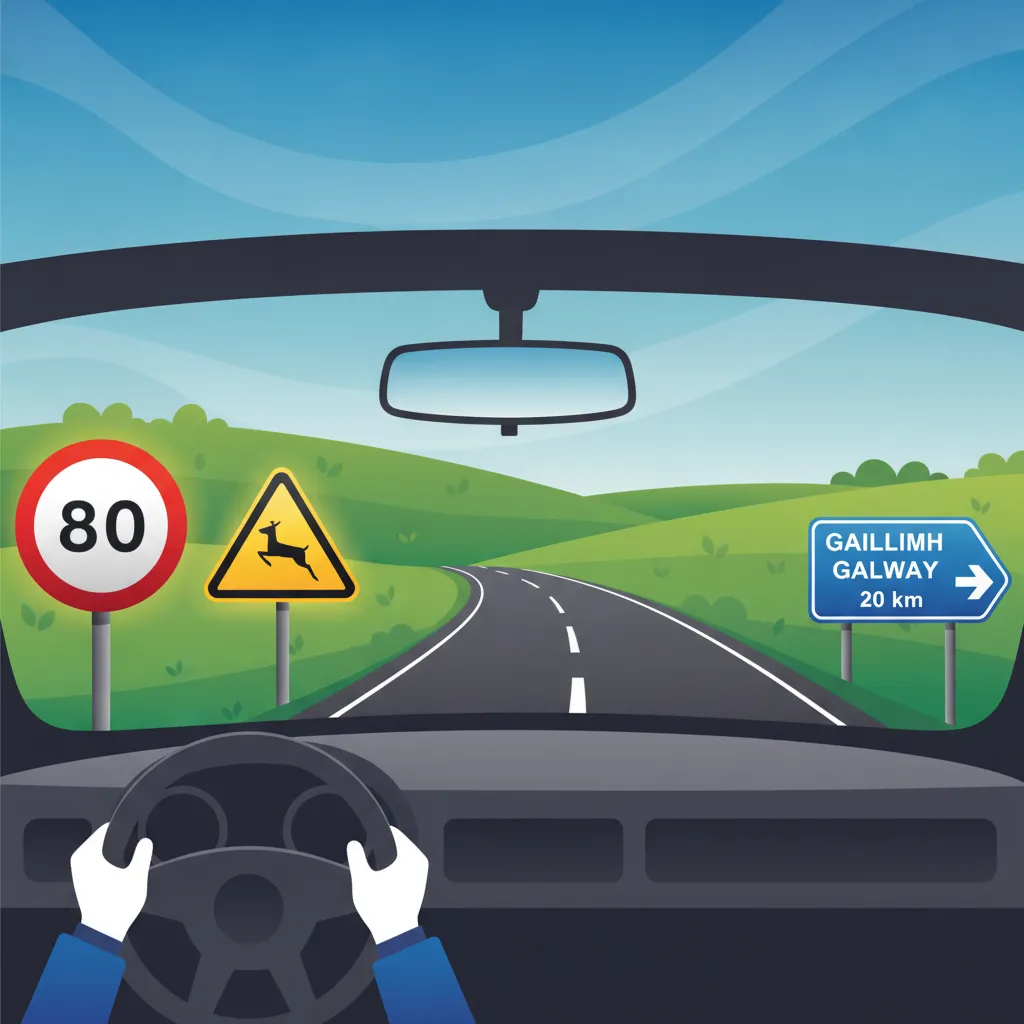
This lesson covers the primary road signs deployed across Ireland, focusing on their shapes, colors, and specific meanings. It details mandatory signs, prohibitive signs, warning alerts for upcoming hazards, and information signs useful for route planning. Category AM riders must recognize these indicators to stay compliant with local traffic laws.
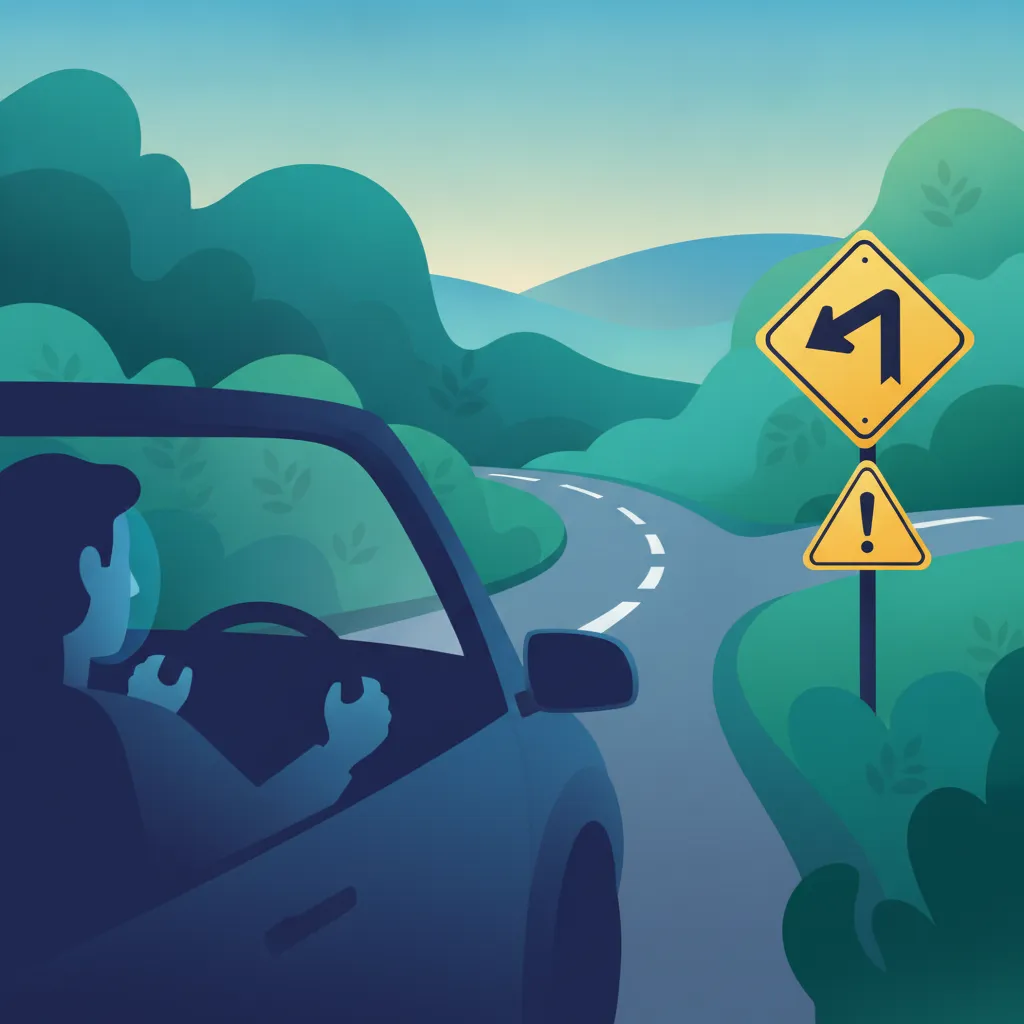
Warning signs in Ireland are typically diamond-shaped with yellow backgrounds and black symbols, indicating potential dangers on the road ahead. This lesson details signs for upcoming sharp bends, narrow roads, steep hills, pedestrian activity, and animal hazards. Learning to spot these warning indicators early allows you to reduce speed safely and adjust your vehicle positioning before encountering the hazard itself.
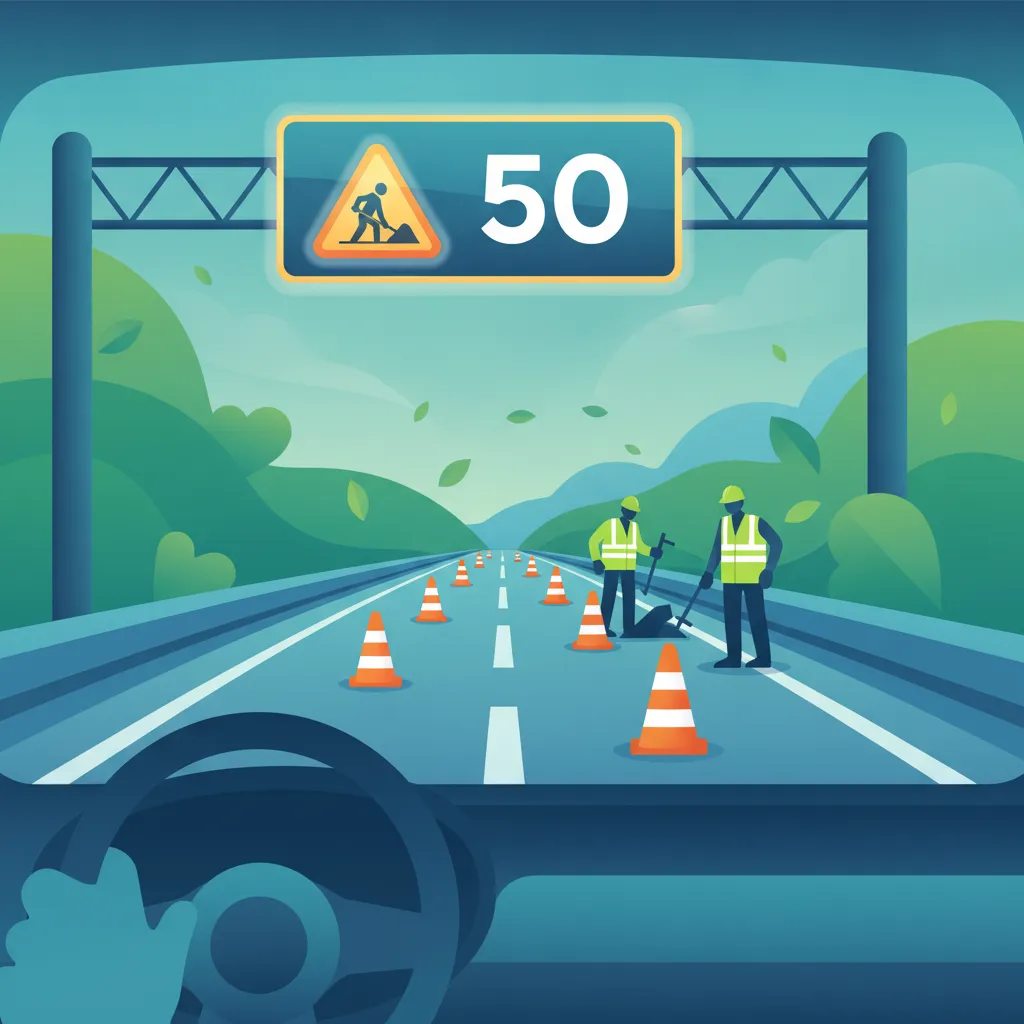
Variable Message Signs and roadwork indicators communicate temporary safety conditions, such as lane closures, heavy delays, or dynamic speed restrictions. This lesson teaches you how to interpret digital overhead gantries, temporary hazard cones, and specific detour layouts often encountered on Irish motorways and regional routes. Adhering to these real-time instructions protects both you and the vulnerable road crews working ahead.
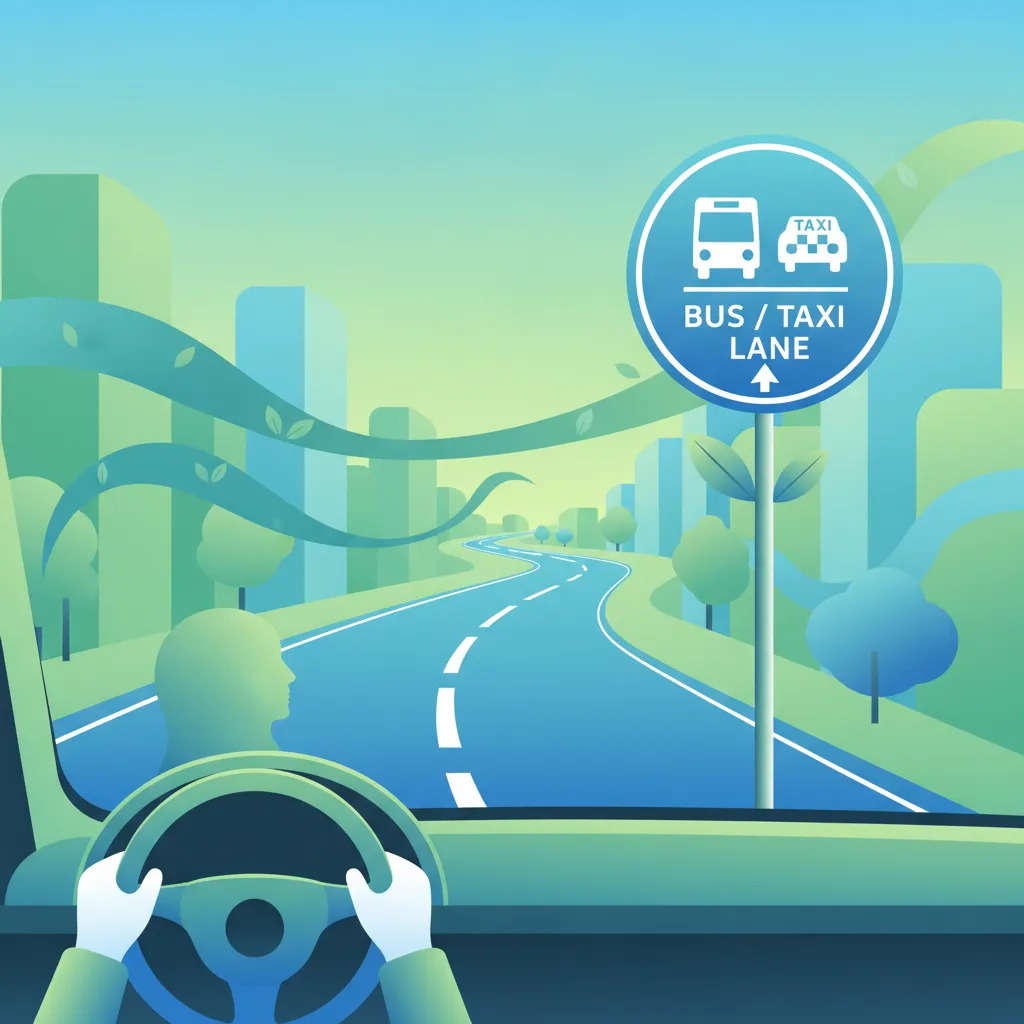
Operating large passenger vehicles requires instant, accurate interpretation of general and specialized Irish road signage to prevent regulatory violations. This lesson covers the precise meanings of clearway signs, bus corridor indicators, low bridge warnings, and weight restriction zones. Drivers will examine how school zone beacons and specific roundabout indicators apply to large vehicle dimensions.
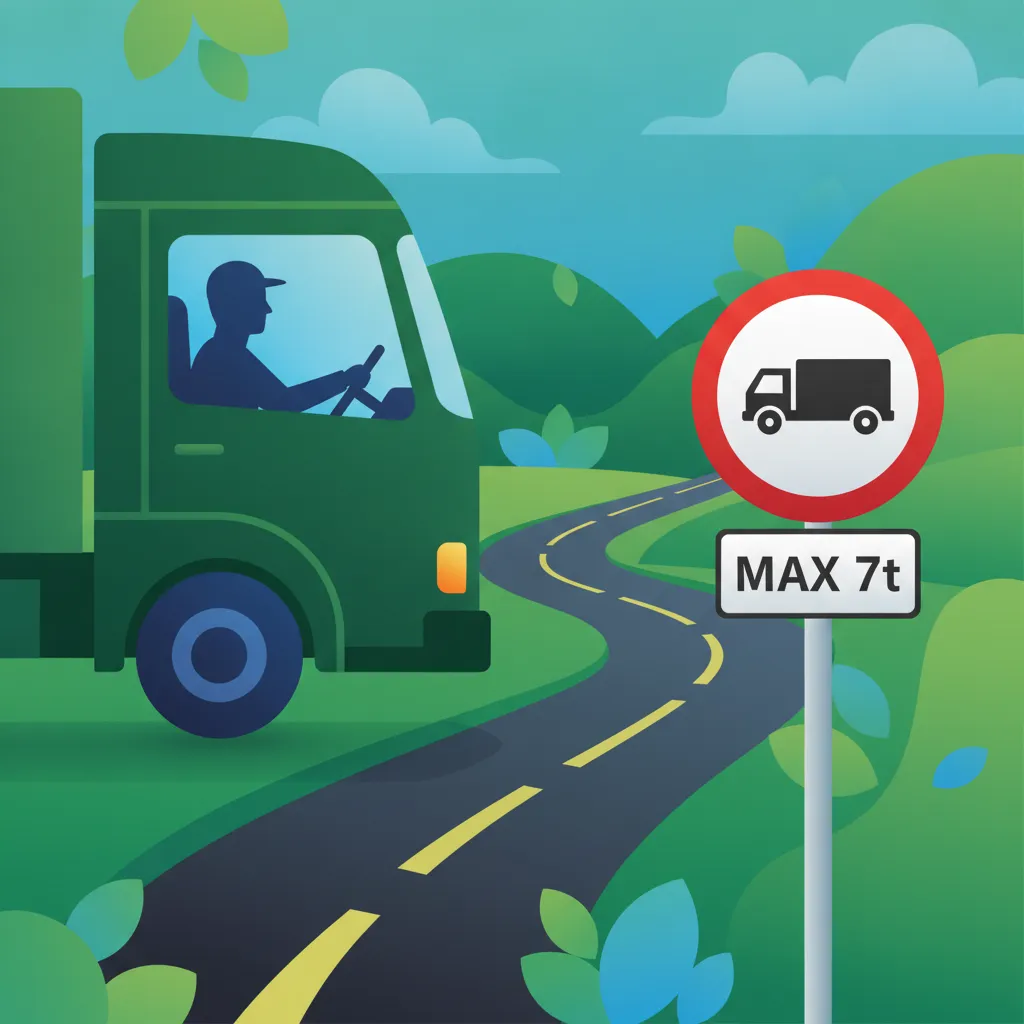
This lesson details the exact visual indicators, symbols, and text used on Irish traffic signs to communicate regulatory restrictions for heavy vehicles. It covers signs denoting height clearances, narrow bridges, and width-limited streets that require immediate driver diversion. By recognizing these specialized warnings early, professional drivers prevent costly structural collisions and traffic offences.
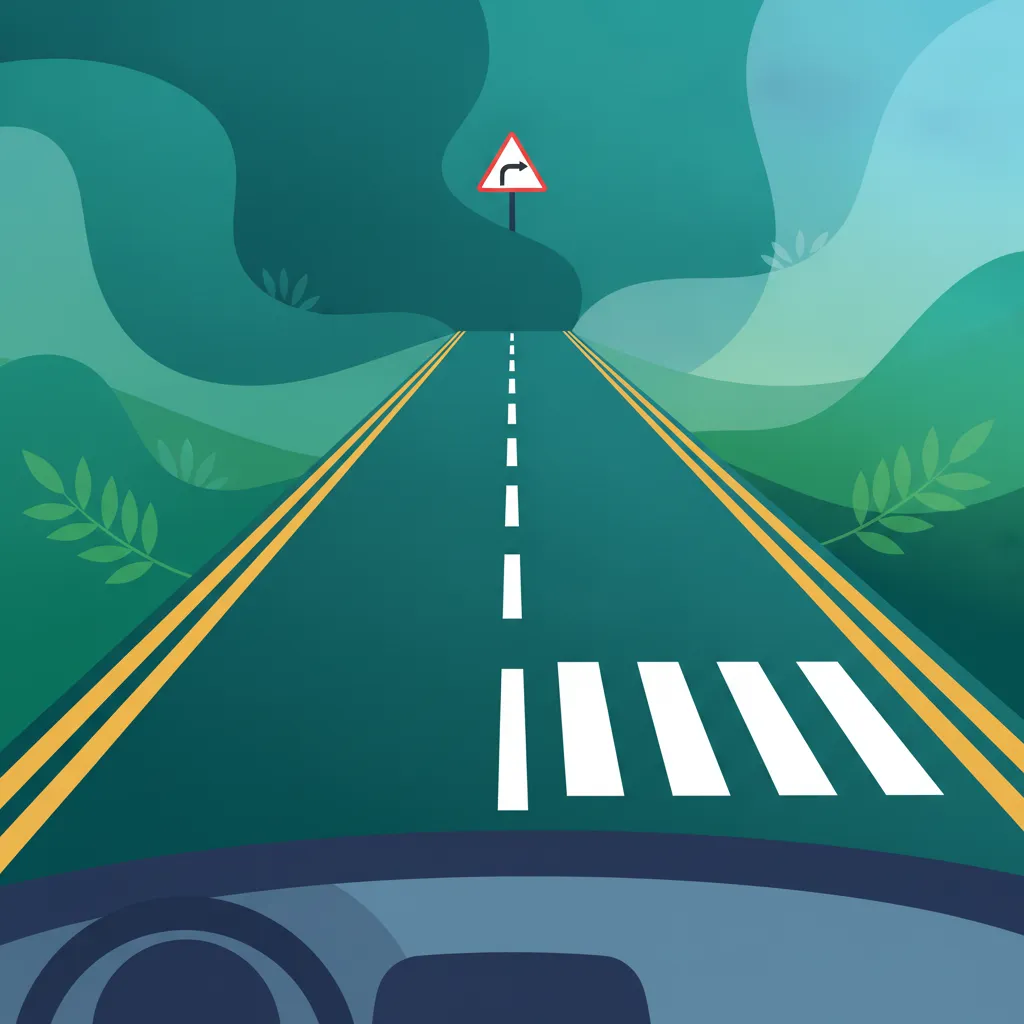
This lesson explains the regulatory meanings of various road markings applied to Irish asphalt, including continuous double white lines and yellow boxes. It details how these markings govern overtaking privileges, lane restrictions, and stopping zones at intersections. Riders will learn to recognize specific surface hazards like wet paint markings, which present severe traction risks for motorcycles.
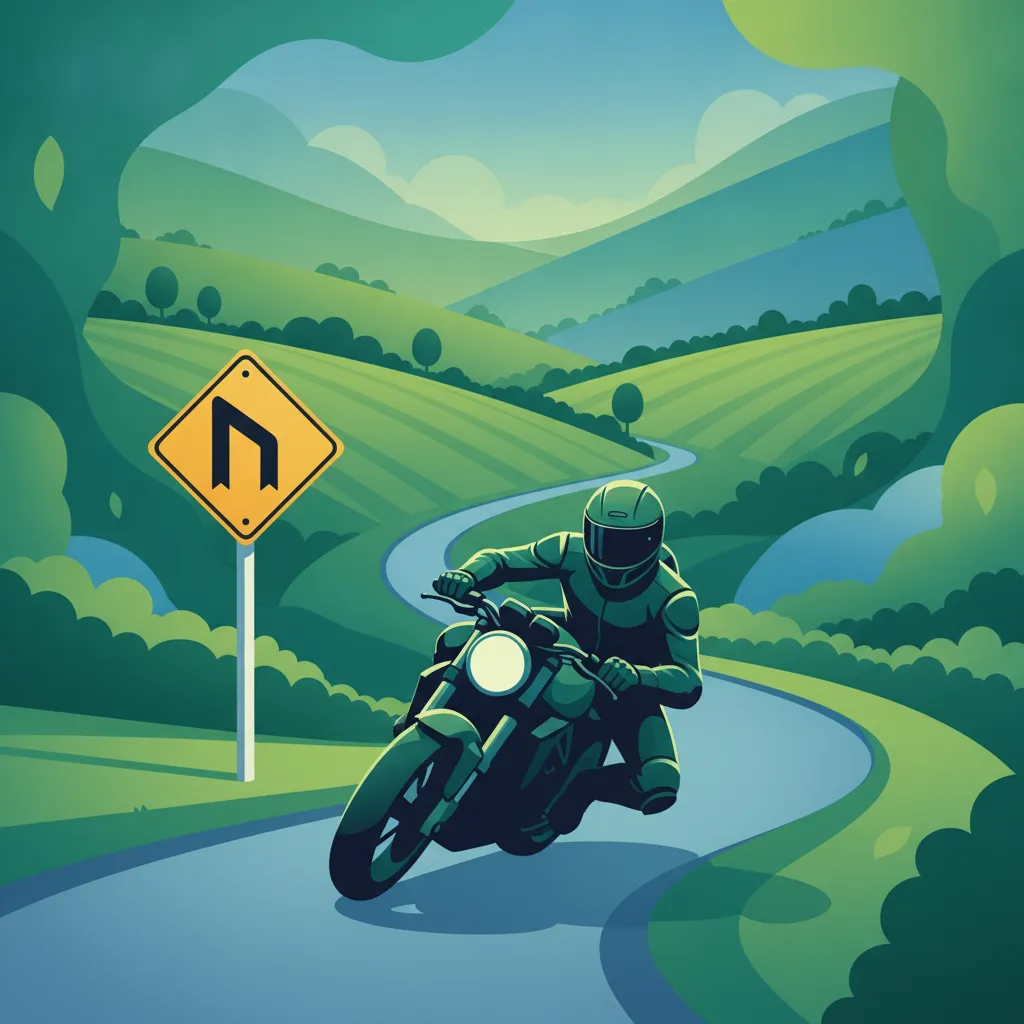
This lesson covers the specific categories of Irish traffic signs, including regulatory, warning, and information signs under official RSA rules. It teaches riders to instantly recognize speed limits, prohibited directions, and upcoming road hazards based on sign shapes and colors. Motorcyclists will understand how to adjust their speed and lane positioning proactively when reading signs in advance.
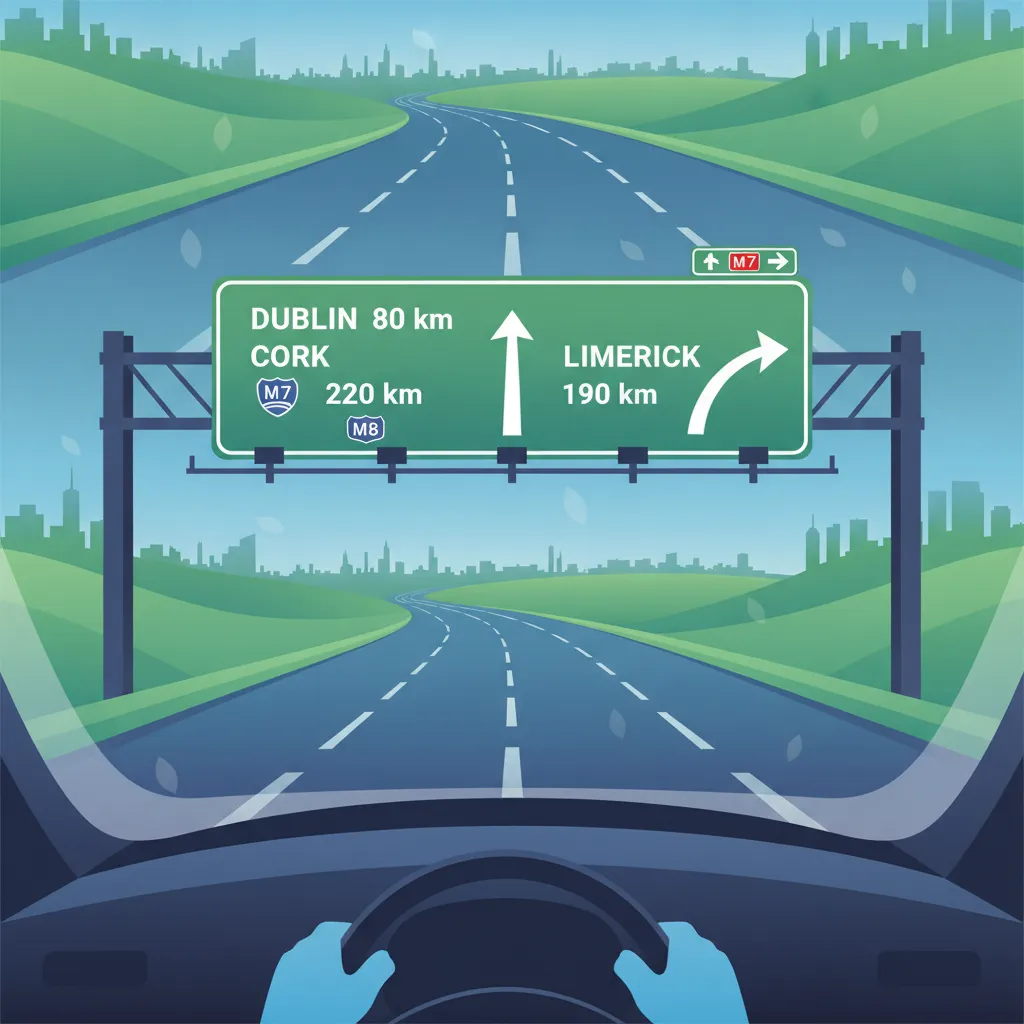
Information signs are designed to help drivers plan routes, select correct lanes, and find destinations or local amenities. This lesson explains the colour-coding system for routes in Ireland, including green for national roads, blue for motorways, and white for local roads. Developing route reading skills using directional signage reduces driver distraction, minimises sudden manoeuvres, and promotes a smoother traffic flow.

Your vehicle's lighting system is crucial for illuminating your path and making your presence and intentions clear to other road users. This lesson explains the legal requirements for using dipped headlights, full beams, fog lights, and hazard signals in Ireland. You will learn when to switch from full to dipped beams to avoid blinding oncoming drivers, and how to perform simple checks to ensure all bulbs are working.
Find clear answers to common questions learners have about Traffic Officer Directions and Temporary Priorities. Learn how the lesson is structured, which driving theory objectives it supports, and how it fits into the overall learning path of units and curriculum progression in Ireland. These explanations help you understand key concepts, lesson flow, and exam focused study goals.
Yes. Under the Rules of the Road in Ireland, you are legally required to obey the directions of a member of An Garda Síochána, a school warden, or an authorized traffic marshal. Their signals override all other road signs and traffic light sequences.
You must stop. A manual signal from a Garda or authorized traffic officer always takes precedence over traffic light signals. Ignoring this is a serious safety violation and would be marked as a failure in a practical driving test.
Yes, school wardens hold the legal authority to control traffic when they are operating at a pedestrian crossing. You must come to a complete stop when a school warden displays their 'STOP' sign.
Officers use standardized hand gestures: a raised arm typically indicates a command to stop, while a beckoning motion indicates you should proceed. Always look for eye contact and clear, deliberate movements, and move only when you are certain of the signal.
Use the practice question search tool to pinpoint specific topics, road signs, or rules you need to master for your official Driver Theory Test. Refine your study strategy and ensure comprehensive preparation for all aspects of the Irish driving exam. Start your focused revision now and build confidence for your learner permit test.