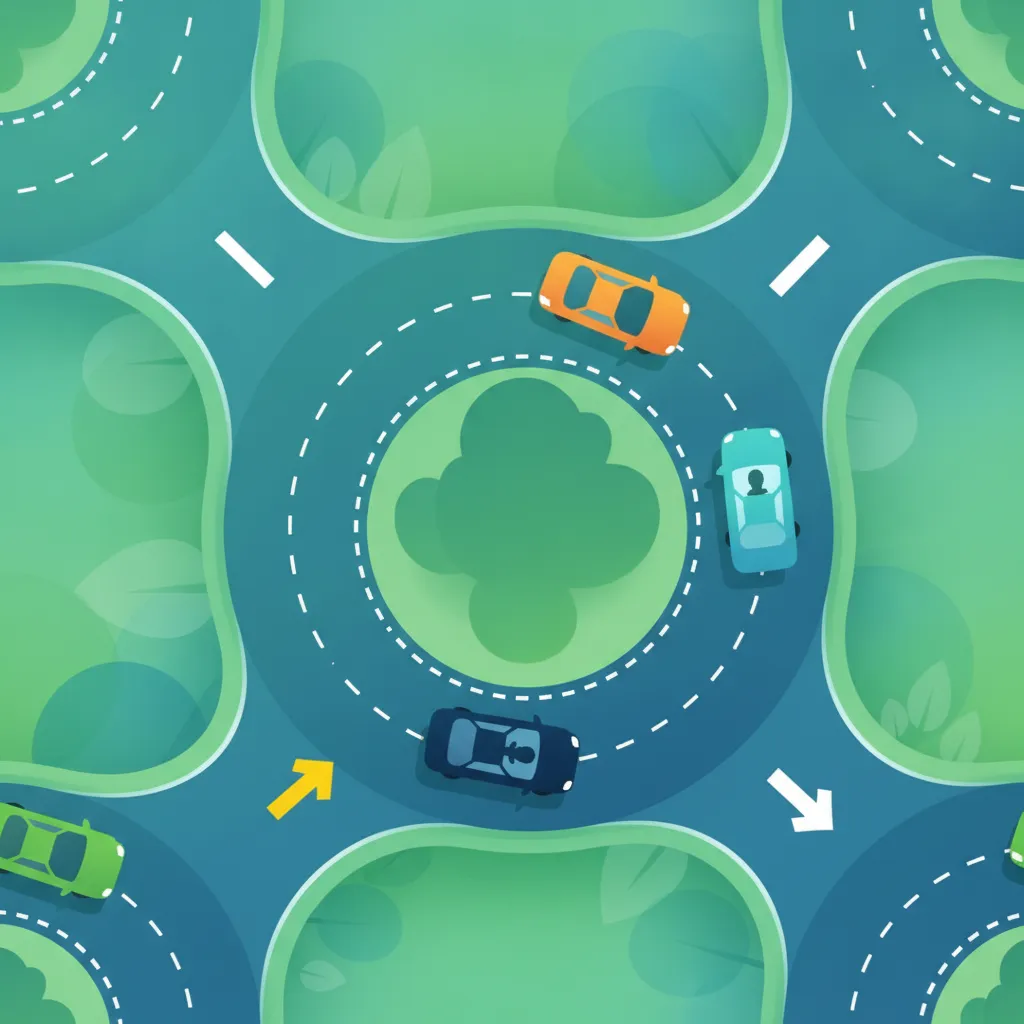
This lesson details the correct techniques for entering, navigating, and exiting roundabouts on a motorcycle within the Turkish traffic system. Mastering these maneuvers is essential for both your theory exam and your safety as a rider in urban traffic. You will build upon your knowledge of intersection priority and lane discipline to ensure you remain predictable and visible to other road users.
Lesson content overview
Navigating circular intersections, universally known as roundabouts (locally referred to as döner kavşak in Turkey), is one of the most dynamic challenges a motorcyclist will face. While roundabouts are highly efficient engineering designs that reduce serious head-on and right-angle T-bone collisions by up to 40%, they present unique physical and cognitive hazards for riders of category A1, A2, and A motorcycles.
To pass your driving theory exam and ride defensively on Turkish roads, you must master the precise steps of speed management, lane selection, yielding rights-of-way, signaling, and blind-spot mitigation. This comprehensive guide outlines the safe procedures for entering, circulating, and exiting roundabouts under the Karayolları Trafik Kanunu (Turkish Highway Traffic Law).
Before executing any physical maneuvers, a rider must understand how a roundabout functions. A roundabout is a one-way, circular intersection where traffic flows counter-clockwise around a central island (orta ada).
Unlike traditional intersections controlled by traffic lights or stop signs, roundabouts rely on yield control to maintain continuous flow. This design minimizes stopping and starting, requiring motorcyclists to adjust their speed and trajectory smoothly before they even reach the intersection.
For motorcyclists, this layout creates several conflict zones:
Success in a roundabout relies on five core safety pillars. Every decision you make—from the moment you see the roundabout warning sign to the moment you accelerate away from your exit—must be guided by these principles.
Your speed dictates your stability and reaction time. Approaching a roundabout too quickly reduces your ability to process traffic patterns and makes last-second stopping impossible if a circulating vehicle cuts you off.
You must establish your entry speed before reaching the yield line. Once inside, maintain a steady, smooth throttle to stabilize the motorcycle’s suspension while leaning.
You must select your entry lane based on your intended exit. In Turkey, lane discipline within roundabouts is strictly regulated. Changing lanes while circulating is highly discouraged and should only be done when safe, using clear signals and head checks.
Entering from the wrong lane or cutting across lanes to "straighten" the roundabout is a leading cause of multi-vehicle collisions.
Under standard traffic rules, traffic already within the roundabout has the absolute right-of-way.
You must yield to all vehicles approaching from your left inside the circle. Do not enter unless there is a gap large enough to allow you to accelerate and merge without forcing circulating drivers to brake or swerve.
Signals are your primary tool for communicating with other road users who cannot look at your eyes. Because a motorcycle has a small visual profile, clear and timely signaling is critical to ensure drivers behind and in front of you understand your trajectory.
Motorcycles easily disappear into the blind spots of passenger cars, and even more so into those of trucks and buses (ağır vasıtalar). Furthermore, as a rider, your own mirrors become less effective when the motorcycle is leaning or turning.
You must rely on physical shoulder checks (known in defensive riding as the "lifesaver check" or omuz bakışı) to verify your path is clear before changing lateral positions.
Navigating a roundabout safely is a continuous process divided into three distinct phases: the Approach, the Circulation, and the Exit.
Phase 1: The Approach (Hazırlık ve Yaklaşım)
Scan ahead, identify the roundabout sign, reduce your speed, select the correct lane, and perform your first mirror and shoulder checks.
Phase 2: The Entry and Circulation (Giriş ve Dönüş)
Yield to circulating traffic, choose a safe gap, enter the circle smoothly, maintain correct road positioning, and keep a stable throttle.
Phase 3: The Exit (Çıkış)
Locate your exit, perform a shoulder check to your right, activate your right turn signal, change road position, and accelerate out of the circle.
Your approach determines how safely and smoothly you will negotiate the entire intersection.
As you approach, look for the triangular roundabout warning sign.
Begin reducing your speed early by closing the throttle and applying progressive braking. Downshift to a gear that gives you immediate acceleration control (usually 2nd gear on most motorcycles). Your target speed at the entry yield line should be approximately 15 to 20 km/h, allowing you to stop instantly if needed, or accelerate smoothly if a gap appears.
Your entry lane must match your intended exit. On a standard two-lane approach to a two-lane roundabout, apply the following rules:
The Inner Lane Trap: Never enter the inner (left) lane of a roundabout if you intend to take the very first exit. Doing so forces you to cross the outer lane at a sharp angle to exit, putting you directly in the path of vehicles traveling straight in the outer lane.
Once you have positioned yourself in the correct approach lane and selected your entry speed, prepare to merge.
Stop or slow to a crawl at the broken double yield lines marked on the tarmac. Look to your left. You must yield to all vehicles already in the roundabout.
Do not assume a vehicle in the roundabout will exit before reaching you just because they have their right signal on; wait until you see their physical tires begin to turn out of the circle.
The transverse road markings (usually a row of white triangles) painted across the entry lane, indicating the point beyond which you must not proceed if there are circulating vehicles approaching from the left.
Roundabouts are notorious for low-traction scenarios. Centrifugal force causes heavy trucks to lean, often spilling diesel fuel or oil from overfilled tanks directly onto the center of the circulating lanes.
Furthermore, roundabouts are frequently decorated with green central islands that are watered automatically, leading to wet, muddy asphalt on the inner edge of the turn.
Exiting is the most hazardous part of roundabout navigation for motorcyclists. It requires transitioning your focus from looking left (for circulating traffic) to looking right and ahead (for your exit path, lane alignment, and pedestrians).
Pass the preceding exit: Wait until your front tire passes the exit immediately before the one you want to take.
Perform a shoulder check: Quickly turn your head to the right (omuz bakışı) to ensure no vehicle or cyclist is trying to overtake you on your inside/right flank.
Signal right: Activate your right turn signal. Under standard driving rules, this signal must be active at least 30 meters before your exit point to give drivers behind and ahead of you clear notice.
Adjust road position: Safely drift toward the outer edge of the roundabout lane, aligning your path with the exit lane.
Scan the exit mouth: Look through the exit for pedestrians, parked cars, or construction hazards.
Large trucks, buses, and articulated vehicles (tırlar) require a massive amount of space to turn. Because of their length, they must often use both lanes of a roundabout to avoid running their rear wheels over the central island curb.
Use Your Eyes: In a roundabout, your motorcycle follows your gaze. Do not stare down at the asphalt or the curb directly in front of your wheel. Keep your head up, chin pointed in the direction you want to go, and look through the curve toward your exit.
Understanding what not to do is just as important as knowing the correct procedures. Below are the most common violations penalized during the Turkish practical driving exam and seen in daily traffic:
To help visualize how these rules apply in real-time, let's look at a common high-risk scenario on Turkish urban avenues.
In the situation described above, the correct and safe sequence of actions for the motorcyclist is:
Mastering roundabout entry and exit procedures is a fundamental requirement of defensive riding and a core focus of the Motorcycle Driving Theory for Turkish Licences. By systematically applying speed reduction, maintaining strict lane discipline, yielding to those inside the circle, signaling early, and performing lifesaver shoulder checks, you eliminate the vast majority of risks associated with these intersections.
Explore all units and lessons included in this driving theory course.
Lesson content overview
Explore all units and lessons included in this driving theory course.
Explore search topics learners often look for when studying Roundabout Entry and Exit Procedures. These topics reflect common questions about road rules, driving situations, safety guidance, and lesson level theory preparation for learners in Turkey.
Browse additional driving theory lessons that cover connected traffic rules, road signs, and common driving situations related to this topic. Improve your understanding of how different rules interact across everyday traffic scenarios.
Learn the legal priority frameworks governing complex intersection types in Turkish traffic theory. This guide explains how to identify yield obligations and right-of-way hierarchies when navigating multi-lane junctions and busy urban traffic areas as a motorcyclist.
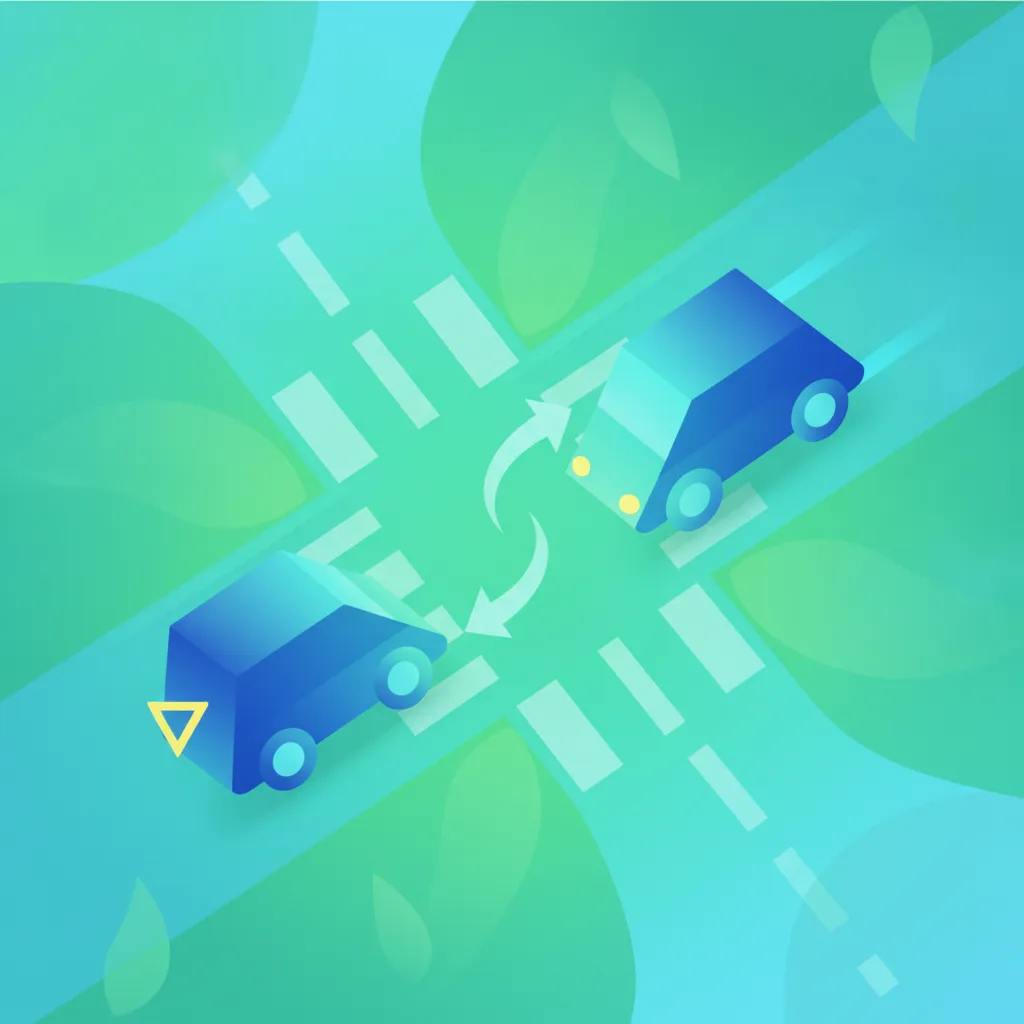
In this lesson, learners explore priority rules specific to uncontrolled intersections, where traffic signals or signs are absent. Topics include determining right-of-way based on vehicle classification, approach angle, and arrival sequence. The lesson emphasizes the importance of stopping, yielding, and assessing potential hazards before proceeding.
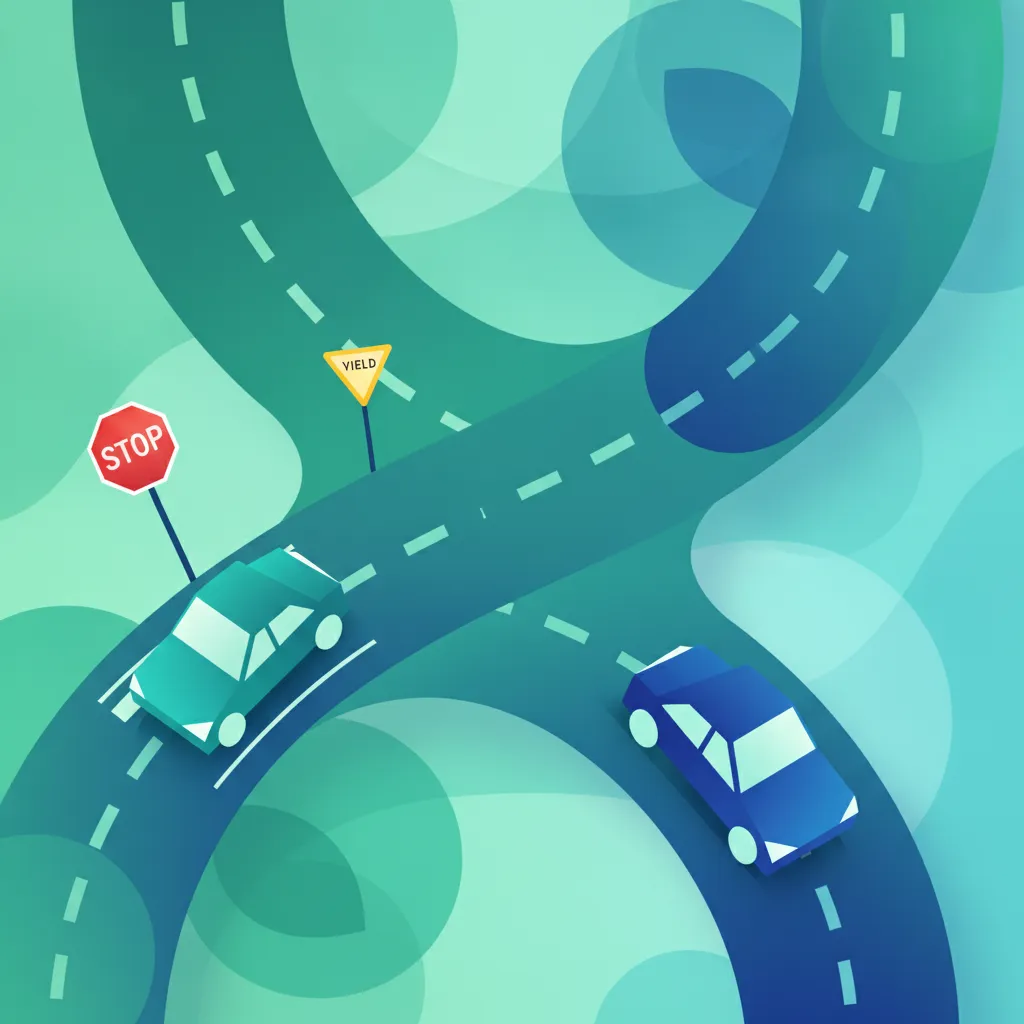
This lesson focuses on priority rules at controlled intersections equipped with traffic signals, stop signs, or yield signs. Learners will understand how to interpret traffic light phases, comply with stop and yield indications, and assess right-of-way at these intersections. The lesson also covers pedestrian and cyclist considerations, as well as emergency vehicle priority.

This lesson provides an overview of the general priority principles that dictate right-of-way on Turkish roads. Topics include the hierarchy of road users, such as pedestrians, cyclists, and emergency vehicles, and how these hierarchies apply at various intersections. Learners will understand the fundamental concepts of yielding, stopping, and proceeding, as well as the importance of clear decision-making.
Correctly interpreting traffic signal sequences and priority rules is crucial for preventing devastating right-angle collisions at intersections. This lesson breaks down the phase progression of standard lights, the meanings of flashing amber or red indicators, and the hierarchy of traffic control when a police officer is directing vehicles. You will also master the basic legal default rules of right-of-way, such as yielding to vehicles coming from the right at uncontrolled junctions.
In this lesson, learners will master the skills required to safely navigate various types of intersections encountered in Turkish urban settings. The content covers interpreting traffic signals, understanding right-of-way rules, and executing proper lane positioning. Practical strategies for managing blind spots and ensuring visibility to other road users are emphasized. By the end of this session, participants will be equipped with safe crossing techniques.
This lesson emphasizes the importance of yielding to pedestrians and cyclists at intersections, crosswalks, and designated lanes. Learners will understand the legal obligations to provide safe passage to vulnerable road users and the correct procedures for stopping and allowing them to cross. Real-world examples illustrate scenarios where failing to yield can lead to accidents.
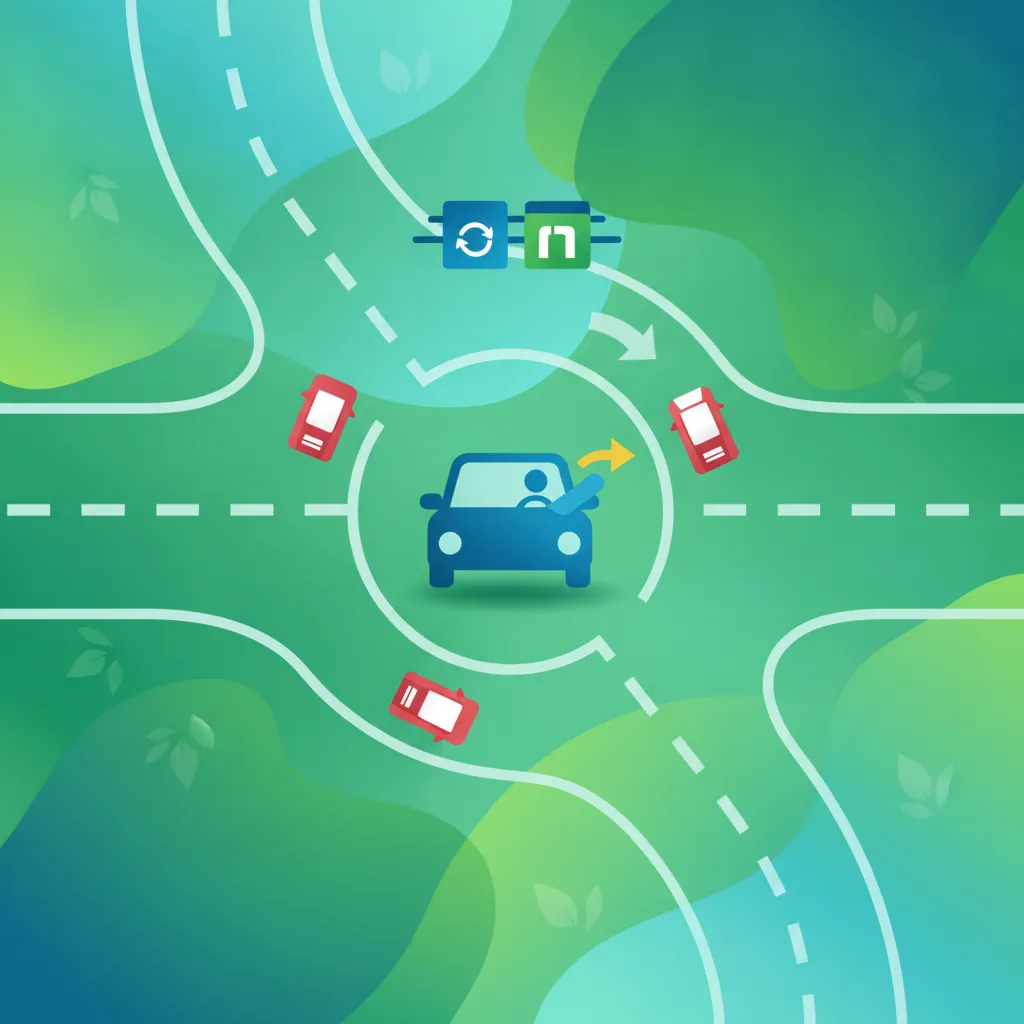
In this lesson, learners explore the specific priority rules and navigation techniques for roundabouts. Topics include yielding to traffic already in the roundabout, proper lane selection upon entry, and safe exit strategies. The lesson also addresses interactions with pedestrians and cyclists near roundabouts and the importance of maintaining appropriate speed.
Learners will explore the specific regulations governing bus lanes, priority routes, and other legal restrictions applicable to passenger vehicles. The lesson covers the conditions under which buses may use dedicated lanes, how to navigate priority roadways, and the penalties associated with misuse. Understanding these rules is essential for efficient operation and avoiding violations in high-traffic areas.

This lesson focuses on the safe interaction with other traffic participants at bus stops and traffic intersections. Learners will explore right-of-way rules, signal compliance, and techniques for maintaining safe distances while stopping and departing. Understanding these interactions is vital for preventing accidents in complex traffic environments.

Protecting vulnerable road users is a core legal and ethical responsibility for all motorized vehicle operators in Turkey. This lesson covers the absolute requirement to yield to pedestrians at marked crosswalks, zebra crossings, and designated school zones. You will learn how to identify these zones early, reduce your speed proactively, and maintain heightened situational awareness for children or distracted pedestrians who may step onto the road unexpectedly.
Understand how to apply defensive riding techniques to manage hazards in dense Turkish urban traffic. Explore methods for improving visibility, managing blind spots, and predicting the movements of other road users to enhance safety in complex road environments.

In this lesson, learners will discover the principles of defensive riding, focusing on hazard anticipation, maintaining safe distances, and practicing proactive avoidance techniques. It emphasizes developing a vigilant riding posture, constantly scanning the environment, and preparing to react to potential dangers from other road users, road conditions, or unexpected traffic events.

Defensive riding is the practice of anticipating potential road conflicts and acting early to prevent accidents before they occur. This lesson teaches you how to systematically scan the road ahead for changing conditions, keep an adequate safety cushion around your moped, and pre-plan exit routes in tight spots. You will learn to assume you are invisible to other drivers and adapt your speed and road position proactively to protect yourself against sudden maneuvers.
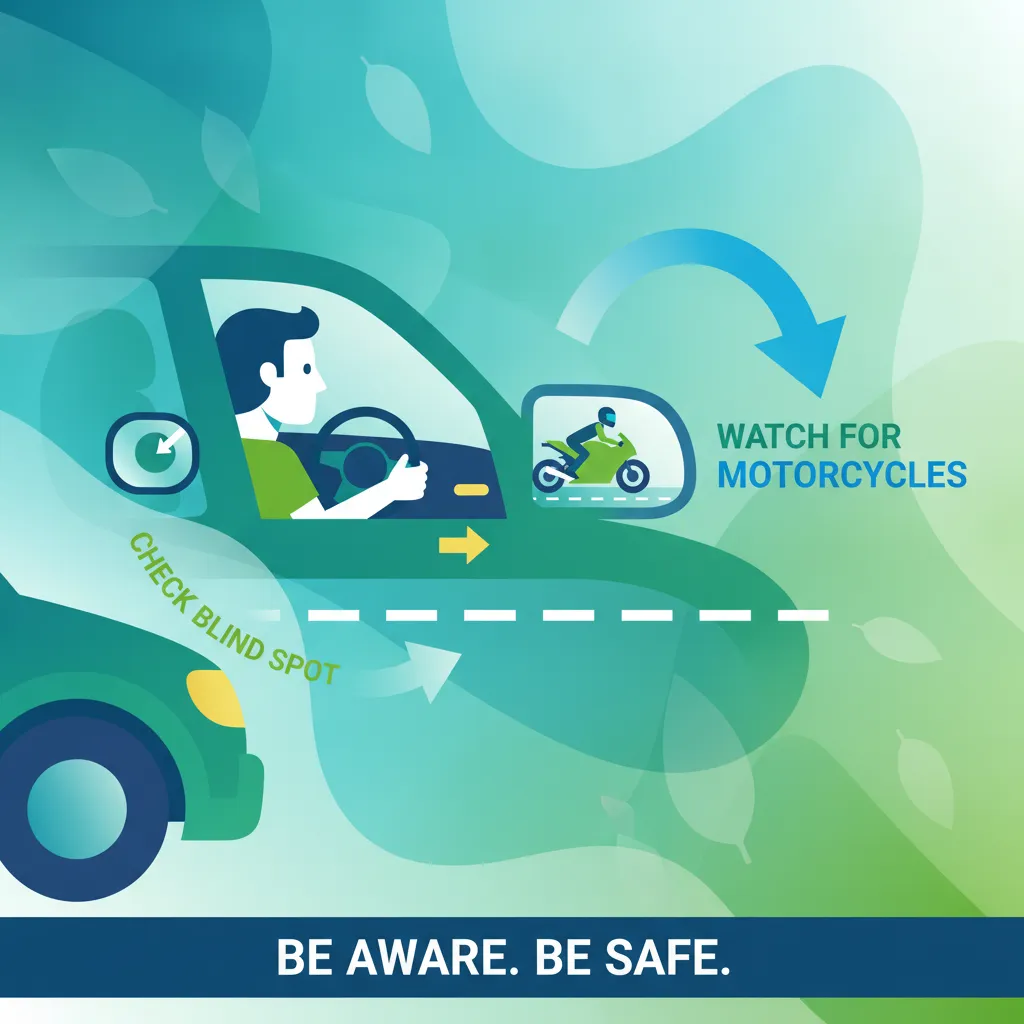
Learners will gain insight into the unique challenges posed by motorcycles and scooters sharing the road with passenger vehicles. The lesson highlights the importance of checking blind spots, maintaining safe following distances, and being aware of the faster acceleration and maneuverability of two-wheeled vehicles. Strategies for anticipating their movements and preventing collisions are discussed.

Proper road positioning is your primary shield against being squeezed, sideswiped, or overlooked by larger motor vehicles in daily traffic. This lesson explains how to ride in the center or slightly off-center of your lane to prevent unsafe overtaking within the same lane. You will study how to identify the massive blind spots of buses and trucks, maintain appropriate following distances, and execute overtaking maneuvers with maximum safety margin and clear signal warning.
Find clear answers to common questions learners have about Roundabout Entry and Exit Procedures. Learn how the lesson is structured, which driving theory objectives it supports, and how it fits into the overall learning path of units and curriculum progression in Turkey. These explanations help you understand key concepts, lesson flow, and exam focused study goals.
Generally, traffic already circulating within the roundabout has priority. You must yield to vehicles coming from the left before entering, unless specific traffic signs or signals indicate otherwise at that specific junction.
Yes, if you are turning right or taking the first exit, you should signal right upon approach. If you are going straight or turning left, maintain observation and signal your intent to exit clearly as you pass the exit preceding your own.
Riding near the outer edge or gutter makes you vulnerable to vehicles cutting across your path to exit. It is safer to maintain a position within your lane that is clearly visible to other drivers and allows you room to maneuver if someone else makes an error.
For A1, A2, and A categories, the exam focuses on your ability to anticipate the actions of larger vehicles, such as buses or trucks, which may require more space and have larger blind spots while navigating the curvature of the roundabout.
Use our comprehensive practice search to find exactly the Turkish driving theory questions you need to master. Whether reviewing specific road signs, traffic rules, or first aid scenarios, select your perfect practice set and boost your confidence for the official ehliyet sınavı.