
This lesson provides a deep dive into the specific traffic regulations governing bus lanes and priority routes in Turkey. You will learn the legal requirements for operating a Class D passenger vehicle, ensuring you can navigate urban traffic efficiently while avoiding common exam traps and real-world violations.
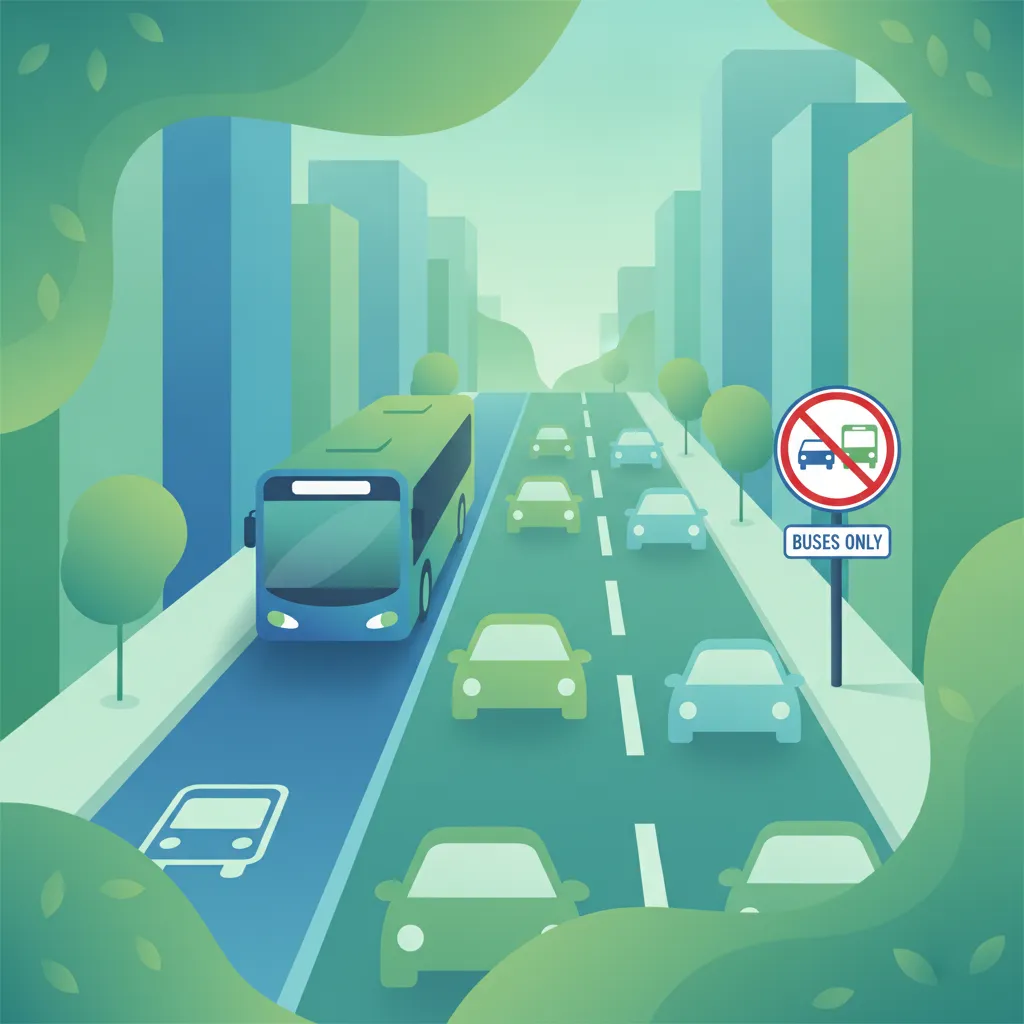
Lesson content overview
Operating a passenger vehicle under a Class D driving licence in Turkey demands more than just masterfully controlling a large vehicle; it requires an intimate knowledge of urban transit corridors, dedicated lanes, and the legal frameworks that govern them. Metropolitan areas across Turkey—such as Istanbul, Ankara, and Izmir—rely heavily on dedicated transit corridors to keep millions of commuters moving.
For a professional passenger vehicle driver, understanding the rules governing bus lanes (Otobüs Yolları / TAŞ/YOL) and priority routes is not just a matter of passing the Turkish Class D driving licence theory exam; it is a critical daily operational necessity. Misinterpreting these rules leads to severe congestion, safety hazards, and heavy financial penalties enforced by automated traffic systems.
Bus lanes, legally designated in Turkey under local municipal transport coordination center (UKOME) decisions and the Karayolları Trafik Yönetmeliği (Turkish Highway Traffic Regulation), are specialized lanes reserved exclusively for public transit and authorized high-occupancy vehicles. Their main goal is to maximize passenger throughput by bypassing general traffic congestion.
Bus lanes are easily recognized by both vertical signage and horizontal road markings.
To balance overall traffic capacity with transit efficiency, Turkish municipalities employ two distinct types of bus lanes:
Active Hours Compliance: As a professional driver, always check the supplementary time plates. Even if a conditional bus lane appears empty during off-peak hours, general passenger vehicle drivers must still respect active periods, which are strictly monitored by municipal cameras.
Priority routes (Öncelikli Geçiş Koridorları) are specially designed urban arterials where mass transit vehicles receive structural and technological advantages over private vehicles. Unlike a simple bus lane, a priority route represents a comprehensive traffic management corridor.
One of the core features of modern priority routes is Traffic Signal Priority. Buses operating on these corridors communicate with urban traffic control centers via onboard transmitters. When a bus approaches an intersection, the traffic signal system detects the vehicle and can perform one of two actions:
In many Turkish municipalities, priority routes are synchronized using a "Green Wave" (Yeşil Dalga) system calibrated specifically to the average operating speed of a fully loaded passenger bus, including scheduled stop times. Adhering strictly to designated speed limits ensures that public transit vehicles encounter a continuous run of green lights, reducing fuel consumption and wear on the vehicle's braking systems.
The Karayolları Trafik Kanunu (Turkish Highway Traffic Law) establishes clear boundaries regarding who can and cannot use these dedicated spaces. Violations are heavily monitored by police patrols and the automated Elektronik Denetleme Sistemi (EDS) (Electronic Supervision System).
To prevent the abuse of public transit corridors, access is restricted according to vehicle type and operational state:
| Vehicle Type | Access Status | Conditions / Restrictions |
|---|---|---|
| Municipal & Public Buses | Fully Authorized | Allowed at all times in all designated bus lanes. |
| Emergency Vehicles (Ambulance, Fire, Police) | Fully Authorized | Permitted only when actively responding to an emergency with sirens and warning lights activated (Geçiş Üstünlüğü). |
| Licensed Taxis | Conditionally Authorized | Allowed in specific municipal jurisdictions only to pick up or drop off passengers; continuous cruising is generally prohibited. |
| Private Passenger Cars | Prohibited | Strictly banned during active hours; entry results in immediate automated fines. |
| School & Staff Shuttles (Servis Araçları) | Conditionally Authorized | Varies by municipality; must possess a valid route permit (Güzergah Kullanım İzin Belgesi). |
A common source of confusion—and collisions—is how general traffic interacts with bus lanes at intersections.
Observe the Lane Markings: Drivers in the general lane wishing to turn right must look ahead for the transition from a solid white line to a dashed white line.
Check Blind Spots and Yield: The turning vehicle must signal, check mirrors, and check blind spots for oncoming passenger buses in the dedicated lane. Buses in the bus lane always maintain the absolute right-of-way.
Merge Safely: Once clear, the vehicle may temporarily merge into the dashed section of the bus lane to execute the right turn. Driving straight through the intersection within the bus lane remains strictly prohibited.
Bus stop zones (Otobüs Durakları) are critical interfaces where priority routes, bus lanes, and general traffic merge. Improper management of these zones leads to passenger boarding hazards and severe rear-end collisions.
Under Turkish traffic regulations, general road users must yield the right-of-way to buses signaling their intention to exit a designated bus stop and re-enter the traffic flow.
For the Class D professional driver, this transition must still be executed with extreme caution:
Stopping and Parking Prohibitions: Private and unauthorized vehicles are strictly prohibited from stopping, idling, or parking within 15 metres of any designated bus stop sign. This space is legally reserved to ensure long passenger vehicles can pull parallel to the curb, enabling safe, accessible boarding for passengers with reduced mobility.
Even experienced drivers occasionally fall victim to common misunderstandings of the law. Recognizing these scenarios is key to avoiding penalties and maintaining a clean professional driving record.
Adhering to bus lane and priority route regulations produces a chain reaction of positive outcomes throughout the urban transport network:
[Proper Lane Discipline]
       │
       ├─► [Unobstructed Bus Lanes] ──► [On-Time Transit Schedules] ──► [Higher Passenger Satisfaction]
       │
       └─► [Reduced Lane Changes] ──► [Fewer Side-Swipe Collisions] ──► [Enhanced Overall Road Safety]
Conversely, violating these space allocations causes immediate negative impacts:
[Unauthorized Lane Entry]
       │
       ├─► [Buses Forced to Merge Out] ──► [Traffic Bottlenecks] ──► [Severe Urban Gridlock]
       │
       └─► [Abrupt Braking Events] ──► [Injuries to Standing Passengers] ──► [Legal & Civil Liabilities]
To ensure safety and legal compliance on the road, memorize these three pillars of passenger vehicle operation:
This lesson covers the essential regulations governing dedicated bus lanes and priority routes in Turkish urban traffic. Learners must distinguish between exclusive bus lanes (24/7 restriction) and conditional lanes (time-restricted), recognizing that solid white lines create absolute barriers except at designated dashed merging zones near intersections. The authorized vehicle table clarifies who may enter: municipal buses at all times, emergency vehicles with active sirens, and conditionally permitted taxis or shuttles with valid permits. Right-of-way rules require general traffic to yield to buses re-entering from bus stops, using the Mirror-Shoulder-Go technique. Violations are automatically enforced by EDS cameras, which distinguish continuous lane abuse from legitimate turning maneuvers, with hazard lights providing no exemption for blocking transit corridors.
A short set of high-value points that capture the most important learning from this lesson.
Bus lanes in Turkey are designated by Otobüs Yolu or TAŞ/YOL markings, often with colored asphalt and solid white line separation.
Turkey uses two types of bus lanes: exclusive (24/7) and conditional (time-restricted with active hours shown on supplementary plates).
Only municipal buses, emergency vehicles responding to emergencies, and conditionally licensed taxis or shuttles may enter bus lanes.
Right turns across bus lanes require crossing only where solid lines transition to dashed lines near intersections, with buses always retaining absolute right-of-way.
EDS (Elektronik Denetleme Sistemi) cameras automatically detect continuous bus lane violations and issue fines regardless of claimed intentions.
Explore all units and lessons included in this driving theory course.
Never cross a solid white line into a bus lane; only enter where dashed lines indicate a legal merging zone for turning.
Always check supplementary time plates on conditional bus lanes—off-peak appearance does not permit entry during active hours.
Emergency vehicle access (Geçiş Üstünlüğü) requires active sirens and warning lights; passive flashing is insufficient.
Private vehicles cannot stop, park, or idle within 15 metres of any designated bus stop sign.
Hazard lights (Dörtlü Flaşör) do not grant exemptions for blocking bus lanes; this disruption of public service carries enhanced penalties.
Assuming that entering a bus lane briefly before an intersection to turn right is legal—EDS cameras detect continuous travel over set distances.
Believing that hazard lights or emergency flashing while parked temporarily exempts a vehicle from bus lane prohibitions.
Misinterpreting empty conditional bus lanes during off-peak hours as open to general traffic when active hours have not expired.
Blocking bus stop zones with deliveries or brief stops, not realizing that 15 metres must remain clear for accessible boarding.
Assuming adverse weather conditions suspend lane restrictions without explicit real-time broadcasts from traffic authorities.
Lesson content overview
A short set of high-value points that capture the most important learning from this lesson.
Bus lanes in Turkey are designated by Otobüs Yolu or TAŞ/YOL markings, often with colored asphalt and solid white line separation.
Turkey uses two types of bus lanes: exclusive (24/7) and conditional (time-restricted with active hours shown on supplementary plates).
Only municipal buses, emergency vehicles responding to emergencies, and conditionally licensed taxis or shuttles may enter bus lanes.
Right turns across bus lanes require crossing only where solid lines transition to dashed lines near intersections, with buses always retaining absolute right-of-way.
EDS (Elektronik Denetleme Sistemi) cameras automatically detect continuous bus lane violations and issue fines regardless of claimed intentions.
Explore all units and lessons included in this driving theory course.
Never cross a solid white line into a bus lane; only enter where dashed lines indicate a legal merging zone for turning.
Always check supplementary time plates on conditional bus lanes—off-peak appearance does not permit entry during active hours.
Emergency vehicle access (Geçiş Üstünlüğü) requires active sirens and warning lights; passive flashing is insufficient.
Private vehicles cannot stop, park, or idle within 15 metres of any designated bus stop sign.
Hazard lights (Dörtlü Flaşör) do not grant exemptions for blocking bus lanes; this disruption of public service carries enhanced penalties.
Assuming that entering a bus lane briefly before an intersection to turn right is legal—EDS cameras detect continuous travel over set distances.
Believing that hazard lights or emergency flashing while parked temporarily exempts a vehicle from bus lane prohibitions.
Misinterpreting empty conditional bus lanes during off-peak hours as open to general traffic when active hours have not expired.
Blocking bus stop zones with deliveries or brief stops, not realizing that 15 metres must remain clear for accessible boarding.
Assuming adverse weather conditions suspend lane restrictions without explicit real-time broadcasts from traffic authorities.
Explore search topics learners often look for when studying Bus Lanes, Priority Routes, and Legal Restrictions. These topics reflect common questions about road rules, driving situations, safety guidance, and lesson level theory preparation for learners in Turkey.
Browse additional driving theory lessons that cover connected traffic rules, road signs, and common driving situations related to this topic. Improve your understanding of how different rules interact across everyday traffic scenarios.
Understand the legal and safety requirements for managing bus stops and boarding zones in busy city environments. Learn how to coordinate movements with pedestrians, cyclists, and other road users to ensure passenger safety when pulling into or out of bus stops during high-traffic periods in Turkey.
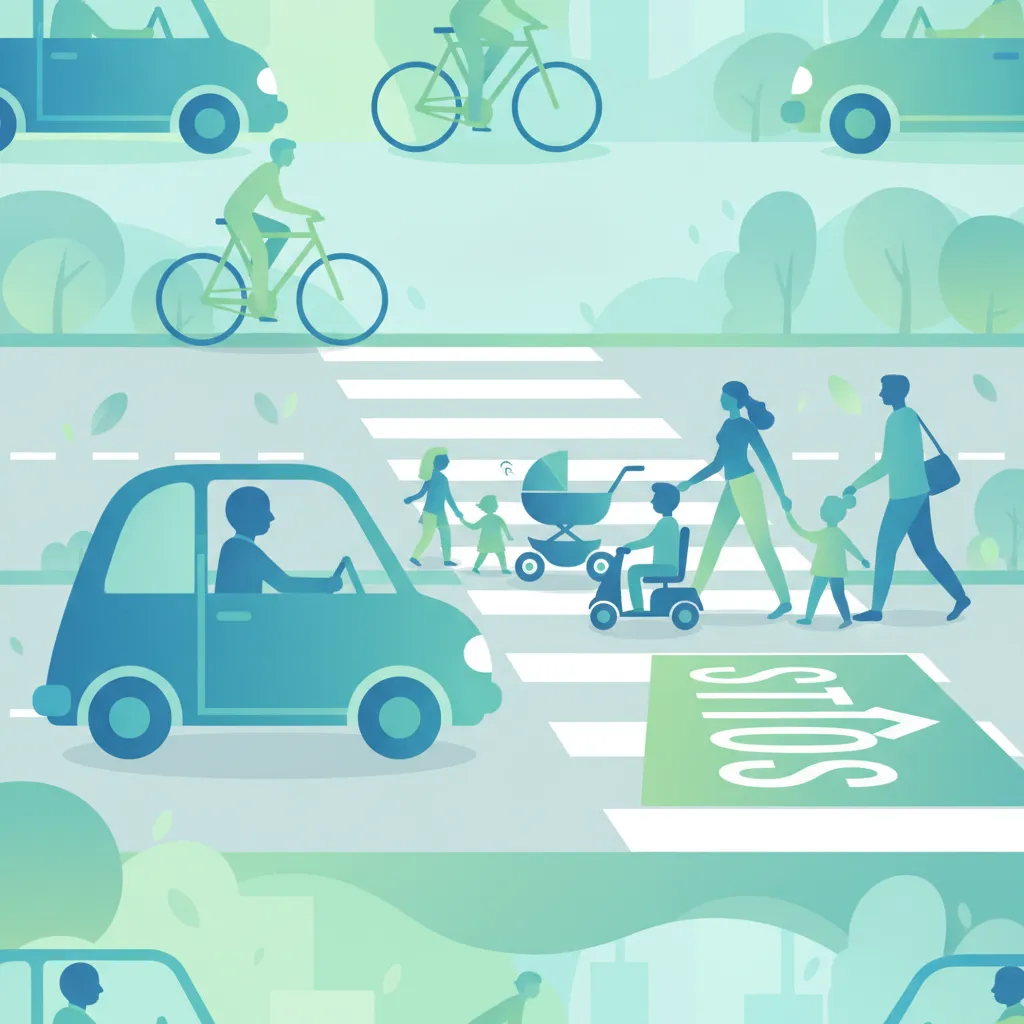
Learners will examine effective strategies for safely coordinating with pedestrians and other road users when approaching and departing bus stops. The lesson highlights right-of-way rules, the importance of yielding at crosswalks, and clear communication with both passengers and other drivers. These practices are vital for preventing accidents and ensuring a harmonious flow of traffic in busy urban areas.
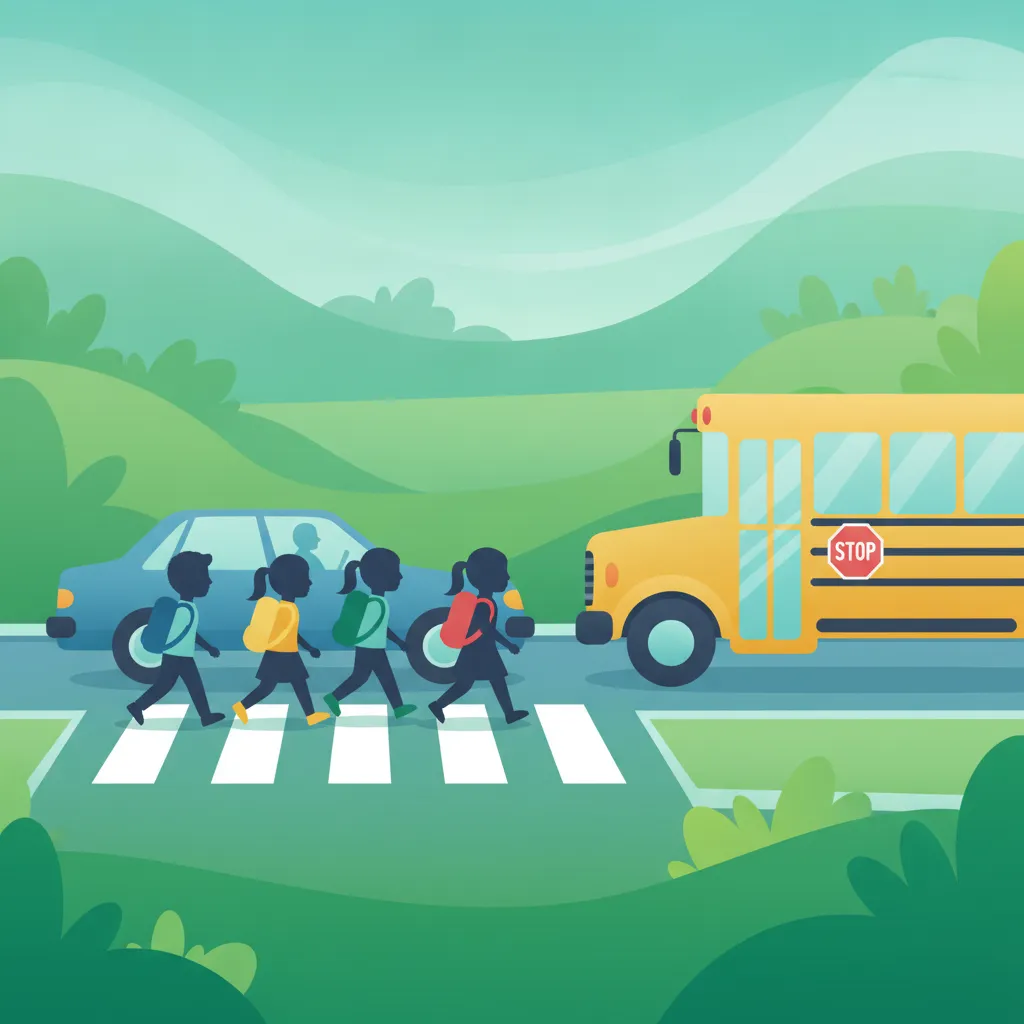
This lesson focuses on the specific considerations for ensuring the safety of pedestrians and schoolchildren around bus stops and terminals. Learners will explore strategies for slowing down, stopping at appropriate distances, and maintaining heightened vigilance. The lesson also covers effective communication with children and the importance of secure boarding and alighting processes to prevent accidents.

This lesson focuses on the safe interaction with other traffic participants at bus stops and traffic intersections. Learners will explore right-of-way rules, signal compliance, and techniques for maintaining safe distances while stopping and departing. Understanding these interactions is vital for preventing accidents in complex traffic environments.
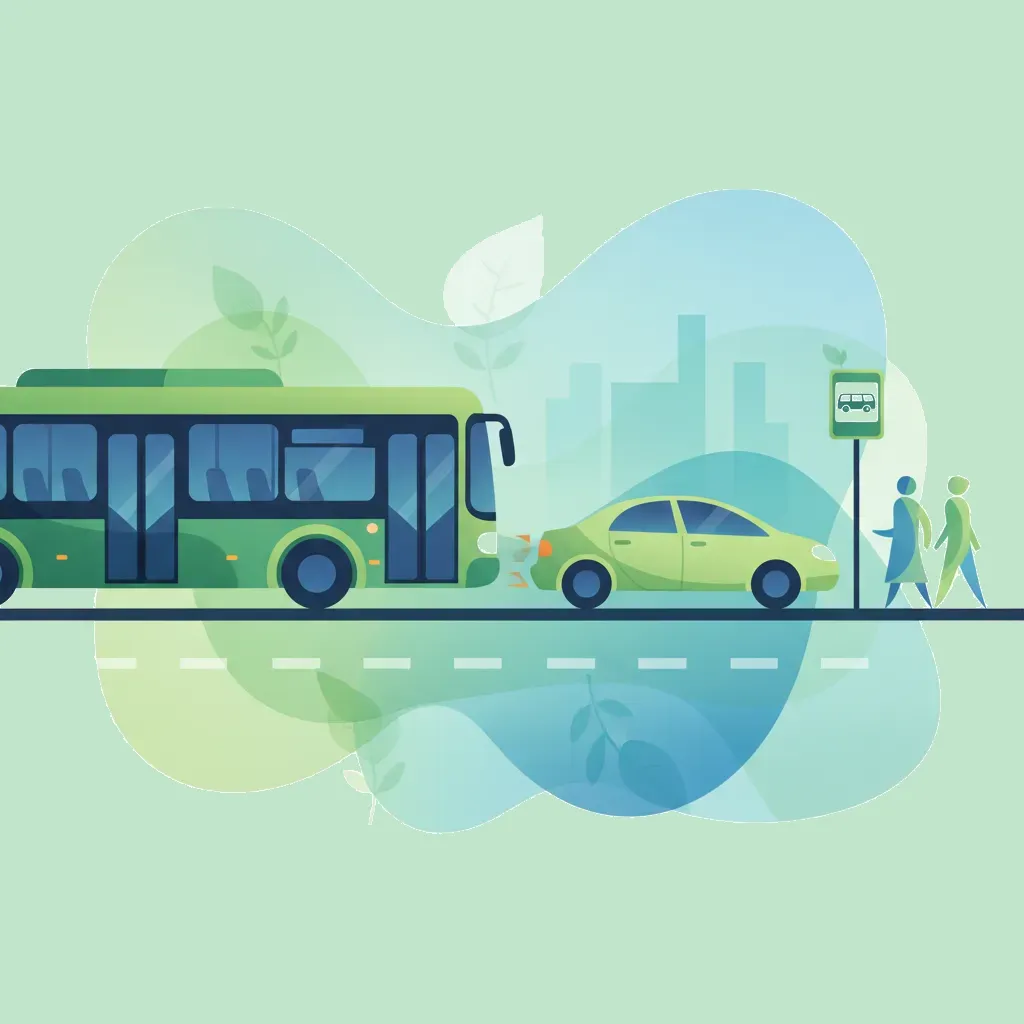
This lesson focuses on the proper approach to bus stops and terminals within city traffic, emphasizing safe positioning, adherence to traffic signals, and maintaining smooth traffic flow. Learners will understand the importance of signaling intentions, checking blind spots, and ensuring the safety of boarding and alighting passengers. Effective stop management reduces the risk of accidents and traffic disruption.

This lesson examines the critical interactions between goods vehicles and vulnerable road users such as pedestrians, cyclists, and motorcyclists, particularly in urban environments. Learners will explore right-of-way rules, maintaining safe distances, and strategies for anticipating the actions of these road users. The lesson emphasizes the importance of clear communication and protective driving.
Learners will examine the complexities of operating in environments where various road users, including pedestrians, cyclists, and motorcyclists, coexist. The lesson emphasizes the need for heightened situational awareness, defensive driving techniques, and proactive hazard anticipation. Strategies for navigating mixed traffic safely, especially in congested urban areas, are highlighted.
This lesson examines the interaction between drivers and cyclists, focusing on the safe sharing of road space. Topics include the proper use of bicycle lanes, yielding to cyclists at intersections, and safe passing distances. The lesson also addresses cyclist vulnerabilities and ways to minimize risks. Real-world examples illustrate common hazards when sharing the road.
Learners will identify the different categories of vulnerable road users and understand the heightened risks they face. The lesson emphasizes the importance of recognizing these users, anticipating their actions, and taking proactive measures to ensure their safety while operating passenger vehicles. Strategies for mitigating danger and fostering a protective driving environment are explored.

This lesson covers the proper handling of bus stops and designated passenger boarding zones, emphasizing safety, efficiency, and compliance with regulations. Topics include the correct positioning of the vehicle, safe boarding and alighting procedures, and managing passenger flow during stops. Effective management of these zones reduces the risk of accidents and ensures a smooth passenger experience.
This lesson focuses on the specific needs and challenges faced by children, elderly, and disabled pedestrians. Topics include recognizing vulnerable road users, understanding their behavior, and providing additional safety measures. The lesson also discusses school zones, pedestrian crossing assistance, and strategies to mitigate risks. Real-world examples demonstrate how drivers can anticipate dangers.
Explore the principles of lane discipline and safe turning techniques specifically designed for large passenger vehicles. Gain insights into navigating intersections and managing blind spots to prevent collisions while adhering to Turkish Highway Traffic Regulations for professional bus drivers.
Learners will explore the fundamentals of maintaining correct lane discipline, focusing on appropriate lane positioning, understanding lane markings, and executing lane changes safely. Emphasis is placed on the unique considerations for large passenger vehicles within the lane, such as width and maneuverability. The lesson also addresses the impact of proper lane discipline on overall traffic flow and safety.
This lesson focuses on the critical importance of lane discipline and proper lane usage for large goods vehicles. Learners will understand the challenges posed by wider vehicle dimensions, the necessity of maintaining adequate lane occupancy, and the need for precise lane keeping. Emphasis is placed on selecting appropriate lanes, adhering to traffic flow, and ensuring general highway safety.
This lesson focuses on the execution of safe right and left turns with large passenger vehicles, emphasizing the identification and management of blind spots. Learners will understand the correct use of turn signals, proper positioning within the turn, and the importance of thorough observation before and during turning. Strategies for minimizing blind spot exposure are also covered.
This lesson explores effective turning strategies for goods vehicles, focusing on managing the larger turn radius required due to vehicle size and load. Learners will understand how to approach corners safely, adjust speed, use signals appropriately, and compensate for off-tracking. The lesson also highlights how load distribution impacts turning dynamics and the importance of vehicle control.
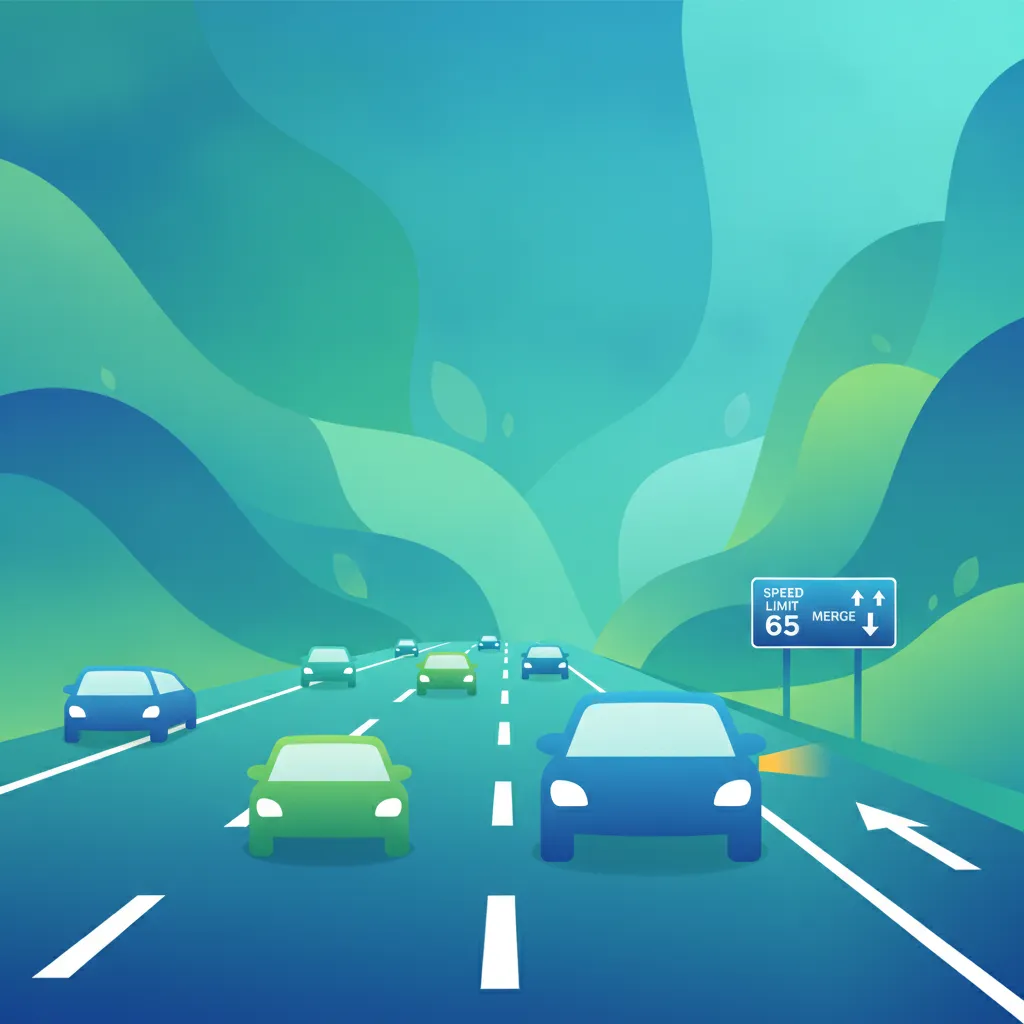
This lesson focuses on the unique requirements and best practices for operating passenger vehicles on highways and expressways. Topics include maintaining appropriate speed, adhering to lane discipline, executing safe overtaking maneuvers, and managing merges and exits. Emphasis is placed on ensuring a smooth ride for passengers while integrating safely with faster-moving traffic.
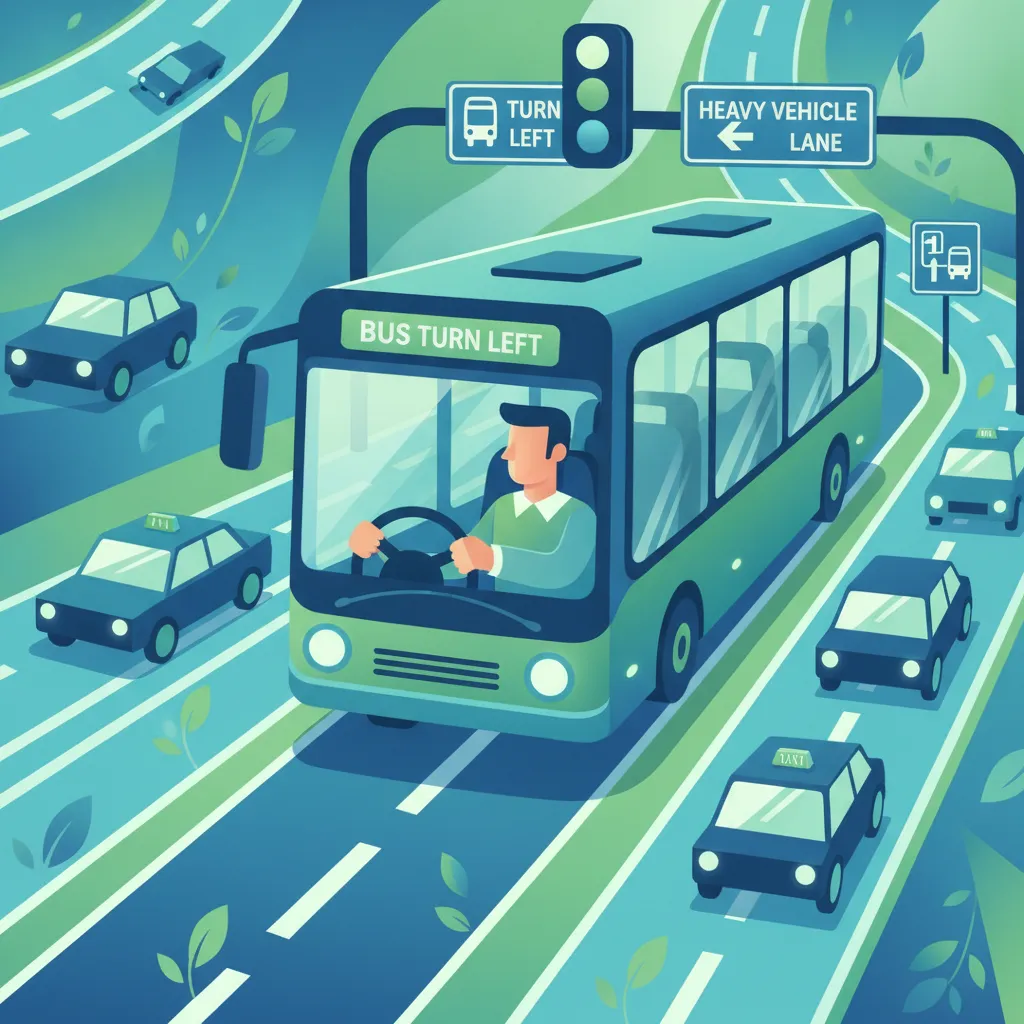
Learners will explore strategies for navigating congested urban traffic environments while operating large passenger vehicles. The lesson covers lane selection, adherence to traffic signals, and the use of bus lanes where applicable. Understanding how to maintain smooth traffic flow while ensuring passenger safety is crucial for efficient urban transportation.

This lesson examines lane division and proper lane usage on multi-lane roads and highways. Learners will understand the purpose of lane markings in guiding drivers to maintain appropriate lane discipline. Topics include correct lane selection for different vehicle types, overtaking procedures, and lane-changing techniques. Real-world examples illustrate the importance of respecting lane usage rules.
This lesson examines the specific road space requirements necessary for large goods vehicles to operate safely and efficiently. Topics include the need for adequate lane width, lateral clearance, and turning lanes to accommodate wider and longer vehicles. Learners will explore the proper use of shoulders, overtaking procedures, and the impact of large vehicles on overall road capacity in traffic.
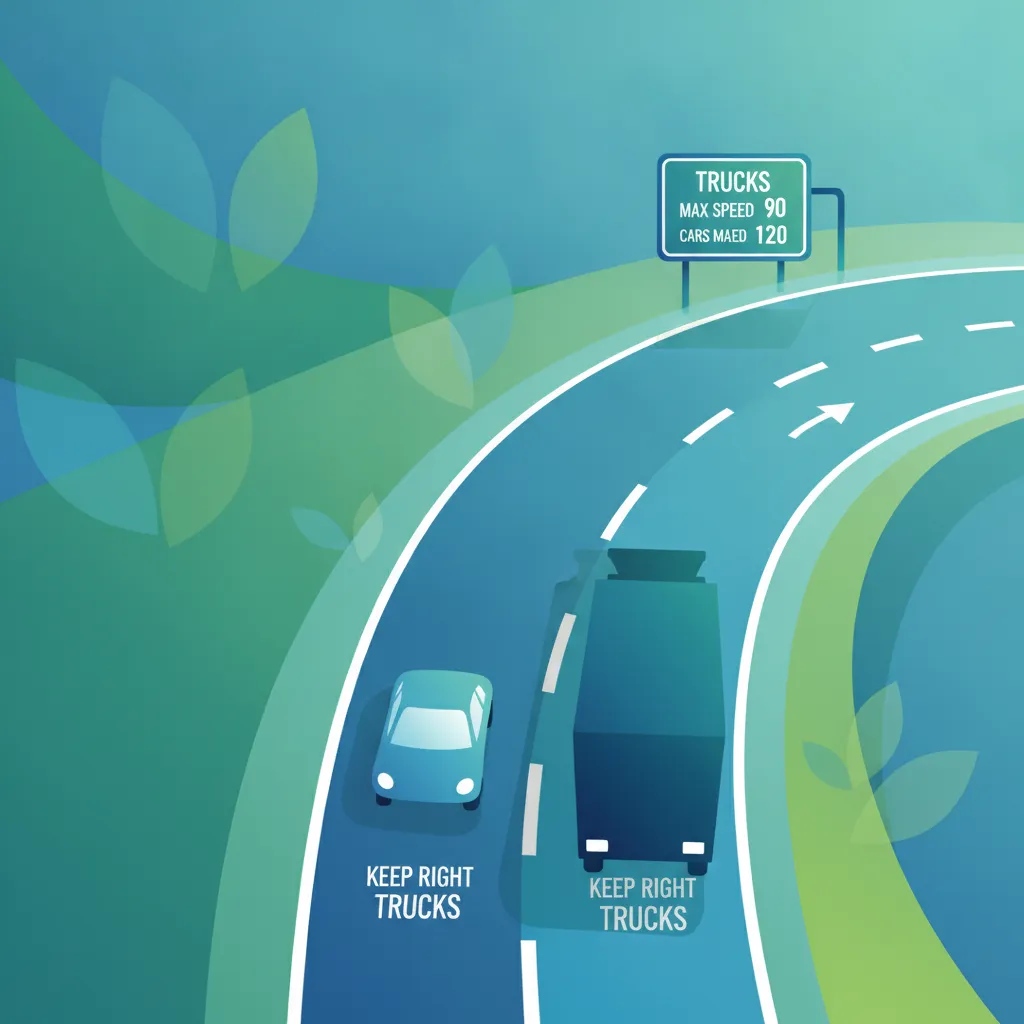
This lesson addresses the specific considerations for goods vehicle operation on highways and expressways, covering speed limits, lane discipline, safe merging, and overtaking. Learners will learn how to adapt to traffic flow, manage heavy vehicle dynamics at higher speeds, and ensure safe operation. The lesson emphasizes the importance of vigilance and proper lane usage to prevent accidents.
This lesson delves into specific manoeuvring strategies required when navigating both tight urban environments and open rural roads with large passenger vehicles. Learners will explore techniques for handling narrow streets, tight turns, and intersections, while maintaining safety and efficiency. The content emphasizes planning and execution of manoeuvres based on road conditions and vehicle dimensions.
Find clear answers to common questions learners have about Bus Lanes, Priority Routes, and Legal Restrictions. Learn how the lesson is structured, which driving theory objectives it supports, and how it fits into the overall learning path of units and curriculum progression in Turkey. These explanations help you understand key concepts, lesson flow, and exam focused study goals.
No, access depends on specific signs and local municipal regulations. Always look for signage indicating which types of public transport or passenger vehicles are authorized to use a specific lane.
Unauthorized entry into a dedicated bus lane results in an administrative traffic fine. In the context of the theory exam, it is considered a significant violation of road priority rules.
In Turkey, you must ensure it is safe to re-enter traffic and signal your intent, but you do not automatically have priority over vehicles already moving in the lane. You must yield to oncoming traffic unless otherwise indicated by signs.
Look for specific traffic signs and road markings that denote priority. The exam often tests your ability to distinguish between main roads and secondary roads based on sign shapes and road symbols.
Use our comprehensive practice search to find exactly the Turkish driving theory questions you need to master. Whether reviewing specific road signs, traffic rules, or first aid scenarios, select your perfect practice set and boost your confidence for the official ehliyet sınavı.