
This lesson covers the critical emergency protocols required for professional passenger transport under Turkish highway laws. You will learn how to handle vehicle fires and conduct safe, orderly passenger evacuations, which are essential topics for the Class D driving theory exam.

Lesson content overview
Operating a passenger-carrying vehicle under a Turkish Class D driving licence comes with a high level of professional and legal responsibility. Unlike cargo transport, passenger transport involves human lives. In critical situations—such as a vehicle fire, mechanical collision, or sudden natural hazard—the driver's ability to execute a rapid, calm, and systematic evacuation is the difference between safety and tragedy.
This lesson details the critical emergency procedures, mechanical safety systems, and legal requirements that Class D professional drivers must master to protect their passengers, manage crises effectively, and comply with Turkish transport laws and international safety standards.
Preventative safety is the first line of defense against emergencies. A professional driver must systematically eliminate potential fire hazards before the vehicle even starts moving.
Modern buses and coaches are complex machines containing extensive electrical wiring, high-pressure fuel systems, and heavy mechanical components that generate substantial heat. The most common origins of bus fires include:
To mitigate these risks, Class D drivers must integrate fire prevention protocols into their daily operations:
Combustible Engine Fire Risk: If you suspect an engine fire while driving (indicated by a sudden loss of power, smoke, or dashboard warnings), never immediately throw open the rear engine hatch wide. Introducing a sudden rush of oxygen can instantly fuel a small smoldering fire into an uncontrollable blaze.
Every passenger bus must be equipped with active safety systems designed to combat fires and facilitate safe evacuations. The driver must know how to operate and maintain this equipment.
Under Turkish Traffic Regulations, commercial passenger vehicles must carry designated, certified fire extinguishers. These devices are typically Multi-Purpose Dry Chemical (Class ABC) extinguishers, which are highly effective against:
The standardized, four-step physical sequence used to operate a portable fire extinguisher effectively:
When a vehicle's primary electrical system fails during a collision or electrical fire, visibility inside the passenger cabin drops dramatically—especially at night or in smoke-filled environments.
The moment a fire or critical hazard is detected, the driver must alert everyone on board immediately.
To execute a rapid evacuation within the safety window (typically under 90 seconds before smoke inhalation becomes fatal), drivers and passengers must use all available escape routes.
The main passenger doors at the front and middle/rear of the vehicle are the most natural exit routes.
If the bus rolls onto its side, or if the main doors are blocked by fire or structural damage, the driver must direct passengers to secondary exit routes.
[Window Glass Structure]
+-------------------------+
| [X]                 [X] |   <-- Strike in the corners [X]
|                         |       for instant shattering.
|                         |       Avoid striking the center.
| [X]                 [X] |
+-------------------------+
Keep Exits Clear: It is a strict regulatory violation to block any emergency exit, aisle, or access path with passenger luggage, cargo, or fold-down auxiliary seating. All paths must remain completely unobstructed at all times during transit.
When an emergency occurs, panic is the greatest threat to human life. A driver's calm, assertive leadership prevents bottlenecks and stampedes at the exits. The evacuation sequence must follow a systematic flow.
Secure the Vehicle: Stop the bus immediately in the safest possible location. Pull off the active traffic lanes of the highway onto the hard shoulder or an open space. Engage the parking brake, switch off the engine, and turn off the master electrical switch (if accessible) to cut fuel flow and power. Turn on the vehicle's hazard warning lights (four-way flashers).
Assess the Threat: Quickly identify the source and severity of the hazard. Is the fire in the engine compartment (rear) or the cabin? This determines which exits are safe to use.
Issue Clear, Direct Instructions: Use a loud, authoritative, and reassuring voice. State clearly: "Remain calm. Leave your luggage behind. Move quickly to the nearest exit." Reminding passengers to abandon their bags is critical; pausing to retrieve luggage blocks aisles and costs lives.
Open and Secure the Exits: Activate the primary doors. If they fail, immediately deploy or instruct trusted passengers to deploy the emergency escape windows or roof hatches.
Manage Passenger Flow: Direct the passengers closest to the active exits to leave first, creating a continuous, orderly stream. Ensure that passengers do not cluster or push at the doors.
Evacuate the Vulnerable: Provide hands-on assistance or assign capable passengers to help those with physical limitations, children, and the elderly.
Clear and Sweeping Check: Once the passengers have exited, the driver must quickly sweep the cabin—checking under seats and in the toilet compartment—to ensure no sleeping, injured, or panicked passenger is left behind, provided it is safe to do so.
Establish a Safe Assembly Point: Gather all passengers at a safe distance—at least 30 to 50 meters away from the vehicle. Ensure this assembly area is upwind (to avoid toxic smoke inhalation) and well off the active roadway to prevent secondary collisions.
Contact Emergency Services: Call the national emergency number (112 in Turkey) to report the incident, specifying your location, the nature of the emergency, and if there are any injuries. Keep passengers grouped and account for everyone.
In any emergency evacuation, passenger demographics vary. A professional driver must instantly identify and prioritize vulnerable road users and passengers who require specialized assistance.
| Vulnerable Passenger Group | Critical Challenges During Evacuation | Specific Driver Intervention & Assistance Strategy |
|---|---|---|
| Mobility-Impaired / Wheelchair Users | Cannot navigate stairs, narrow aisles, or escape windows independently. | Deploy the wheelchair ramp or lift if functional and safe. If power is lost, manually lift and carry the passenger, or designate two physically capable passengers to assist. |
| Visually Impaired | Cannot see exit signs, pathways, or physical hazards in smoke. | Provide clear verbal directions. Guide them physically by offering an arm, or assign a dedicated "buddy" passenger to lead them safely out of the vehicle. |
| Hearing Impaired | Cannot hear verbal evacuation commands or alarms. | Use firm, clear physical gestures (pointing to exits) and visual aids. Maintain direct eye contact to convey the urgency of the situation. |
| Elderly Passengers | May have slow reaction times, limited mobility, and high panic levels. | Offer physical support down the steep steps of the bus. Ensure they are not pushed or knocked over by faster-moving passengers. |
| Passengers with Children | Parents may panic or slow down trying to gather multiple children and strollers. | Instruct parents to leave strollers behind. Assist in carrying infants or young children to accelerate the flow toward the exit. |
Under the Turkish Highway Traffic Law (Karayolları Trafik Kanunu) and related occupational transport regulations, commercial drivers bear direct responsibility for passenger safety. Neglecting these rules carries severe administrative, civil, and criminal penalties.
To excel as a professional driver, you must understand the underlying physics and human behavior during a fire:
Explore all units and lessons included in this driving theory course.
Lesson content overview
Explore all units and lessons included in this driving theory course.
Explore search topics learners often look for when studying Passenger Evacuation Procedures and Fire Safety. These topics reflect common questions about road rules, driving situations, safety guidance, and lesson level theory preparation for learners in Turkey.
Browse additional driving theory lessons that cover connected traffic rules, road signs, and common driving situations related to this topic. Improve your understanding of how different rules interact across everyday traffic scenarios.
An overview of the legal duties and professional standards for Class D drivers regarding passenger welfare. This lesson explains the required safety equipment and behavioral protocols needed to ensure high standards of safety and compliance with Turkish transport regulations for commercial passenger vehicles.

Learners will explore the core safety priorities for passenger transport, including the correct use of seat belts, securing luggage, and maintaining passenger stability during vehicle motion. The lesson highlights the importance of clear safety briefings, the location and operation of emergency exits, and conducting risk assessments before departure. By mastering these practices, drivers can significantly reduce the likelihood of accidents and injuries.

Learners will examine common vehicle emergencies that may occur while transporting passengers, such as fires, tire blowouts, or brake failures. The lesson emphasizes quick recognition of warning signs and outlines step-by-step emergency protocols to ensure the safety of passengers and other road users. Strategies for effective incident response and communication are also covered.
Learners will explore best practices for ensuring passenger safety during the boarding and alighting process, focusing on proper vehicle positioning, door operation, and passenger assistance. The lesson covers the use of handrails, steps, and ramps, as well as strategies for managing standing passengers and luggage. Emphasis is placed on clear communication and maintaining situational awareness to prevent accidents.
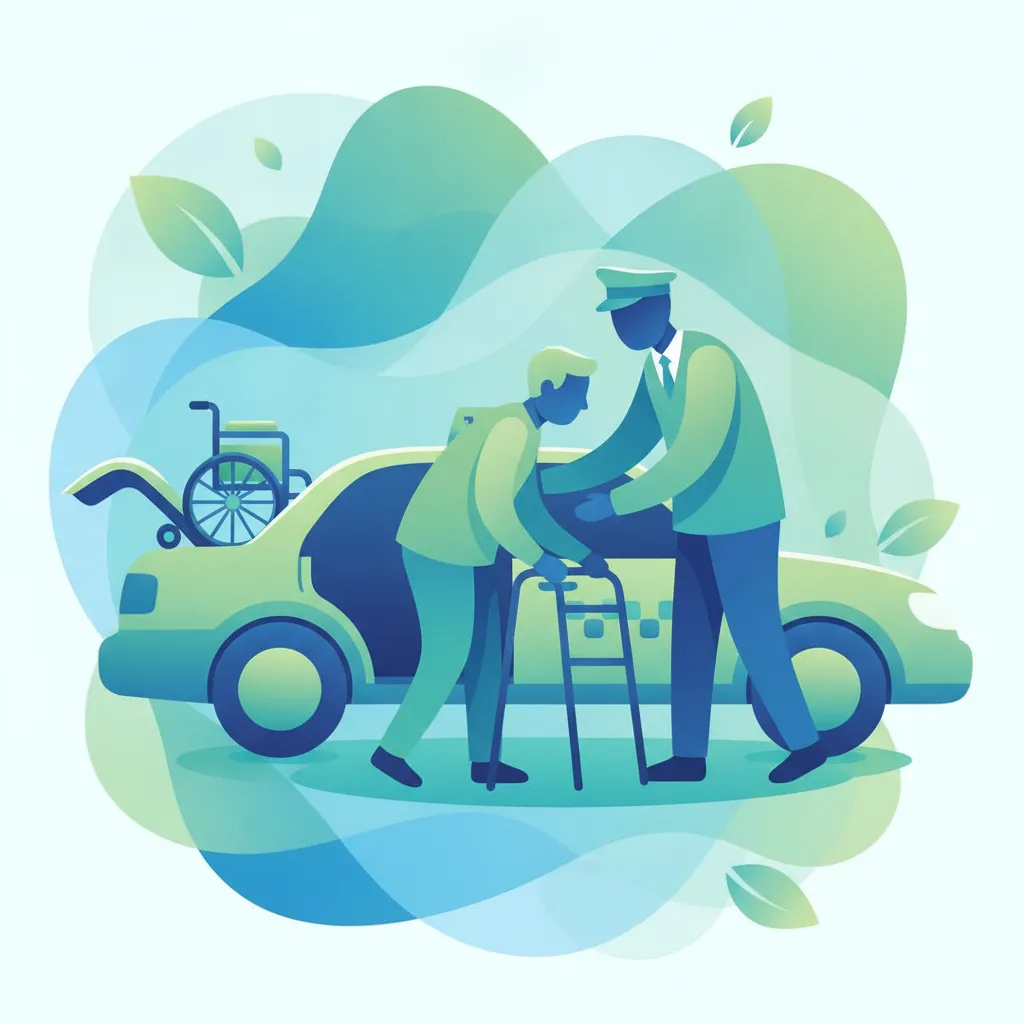
This lesson focuses on the specific considerations required when transporting children, elderly individuals, and passengers with reduced mobility. Topics include the proper installation of child safety seats, techniques for assisting elderly passengers, and procedures for safely boarding and securing wheelchair users. Drivers will learn how to use accessibility features and special equipment to ensure a safe and dignified travel experience for these vulnerable groups.
Learners will examine the broader concept of fostering a safety-oriented and professional culture within passenger transport services. The lesson discusses the impact of driver attitudes on passenger trust, the importance of ongoing safety training, and the role of ethical conduct in enhancing service quality. Strategies for promoting a proactive safety mindset among drivers and staff are presented.
This lesson explores the standards of conduct expected from passenger vehicle drivers, emphasizing ethical decision-making and interactions with passengers and the public. It covers the impact of driver behaviour on public perception, the importance of maintaining a professional image, and the responsibilities inherent in transporting passengers safely and courteously. Learners will develop an understanding of how ethical practices contribute to service excellence and public trust.
This lesson examines the integral role of the goods vehicle driver in contributing to overall traffic safety and a positive safety culture. It focuses on proactive driving behaviors, hazard identification, and effective risk management strategies. Communication techniques with other road users, compliance with traffic flow regulations, and competent emergency responses are highlighted as essential skills.

Learners will identify the different categories of vulnerable road users and understand the heightened risks they face. The lesson emphasizes the importance of recognizing these users, anticipating their actions, and taking proactive measures to ensure their safety while operating passenger vehicles. Strategies for mitigating danger and fostering a protective driving environment are explored.

This lesson equips drivers with techniques to manage passenger behavior and foster effective in-vehicle communication. Topics include handling disruptive passengers, making clear announcements, and using non-verbal signals to maintain order. By promoting respectful conduct and clear communication, drivers can ensure a smoother, safer journey for everyone on board.

This lesson focuses on the unique requirements and best practices for operating passenger vehicles on highways and expressways. Topics include maintaining appropriate speed, adhering to lane discipline, executing safe overtaking maneuvers, and managing merges and exits. Emphasis is placed on ensuring a smooth ride for passengers while integrating safely with faster-moving traffic.
Find clear answers to common questions learners have about Passenger Evacuation Procedures and Fire Safety. Learn how the lesson is structured, which driving theory objectives it supports, and how it fits into the overall learning path of units and curriculum progression in Turkey. These explanations help you understand key concepts, lesson flow, and exam focused study goals.
Your first priority is to signal, stop the vehicle in a safe location, and ensure the engine is shut off. Immediately communicate clearly with passengers to keep them calm while initiating the evacuation process.
As part of your professional duty, you must check the pressure gauge and expiry date of fire extinguishers during every pre-trip inspection to ensure they are functional for the Turkish driving exam and road safety.
You must prioritize individuals with special needs, the elderly, and children, ensuring they are guided to a safe area away from the vehicle. Maintain an orderly exit to prevent crushing or panic.
Yes, all emergency exits must be clearly marked, accessible, and operational. Questions on the exam often focus on the mandatory placement and identification of these exits.
Use our comprehensive practice search to find exactly the Turkish driving theory questions you need to master. Whether reviewing specific road signs, traffic rules, or first aid scenarios, select your perfect practice set and boost your confidence for the official ehliyet sınavı.