
This lesson focuses on your critical role as a bus driver in managing the boarding process safely and efficiently. By mastering these procedures, you will ensure the stability of your passengers from the moment they step onto the vehicle while adhering to Austrian safety regulations.

Lesson content overview
As a professional bus or coach driver holding a Category D licence in Austria, your responsibilities extend far beyond simply driving the vehicle. A critical aspect of your duty of care is ensuring the absolute safety of all passengers during the boarding process. This requires active supervision, clear communication, and a proactive approach to managing various passenger needs and potential hazards. This lesson delves into the techniques and regulations essential for supervising safe boarding, fostering passenger confidence, and maintaining efficient operations.
The driver is the primary safety manager during the entire boarding process. From the moment the vehicle stops at a bus stop until all passengers are safely inside and the doors are secured, your vigilance is paramount. This active oversight prevents accidents, ensures compliance with legal duties, and significantly contributes to a positive passenger experience. Understanding and meticulously applying safe boarding procedures is not just a regulatory requirement; it is a fundamental aspect of professional bus and coach operation.
The Passenger Duty of Care is a legal and ethical obligation for all professional drivers to ensure the safety and well-being of their passengers throughout their journey, including all phases of boarding and alighting. This principle mandates that drivers take all reasonable steps to prevent injury or harm to passengers. During boarding, this means actively monitoring, providing necessary assistance, and ensuring that safety protocols are strictly followed. Failure to uphold this duty can lead to serious consequences, including legal penalties and loss of professional credibility.
The legal and ethical responsibility of a driver to ensure passenger safety at all times, covering all phases of travel, including boarding and alighting.
Supervision involves continuously monitoring and controlling all boarding activities. This proactive approach helps prevent uncontrolled passenger movement, overcrowding near doors, and unsafe actions. As a driver, your supervision includes visual checks of the boarding area, clear verbal instructions to passengers, and, when necessary, direct physical assistance. This constant oversight ensures that each passenger boards safely and efficiently, minimizing risks associated with vehicle dynamics and human factors.
An orderly boarding process begins before passengers even step onto the vehicle. Queue management is crucial for preventing chaos, reducing boarding times, and enhancing safety. By encouraging passengers to form a disciplined line, you minimize the risk of individuals being pushed or falling, especially near the doors.
When approaching a bus stop, observe the passengers waiting. If a queue isn't already formed, consider using verbal cues or visual signals to encourage one. For instance, indicating which door will open first can guide passengers to form a single line. This prevents multiple passengers from trying to board simultaneously through one entrance, which can lead to obstructions and delays.
Clearly signal when it is safe to board. This can be a simple gesture, a verbal announcement, or opening the doors as a clear invitation.
Once boarding begins, actively manage the flow of passengers. This often means allowing passengers to board one by one, especially when the vehicle is busy or during adverse weather conditions. If passengers attempt to push forward or crowd the door, a polite but firm verbal intervention can restore order. Prioritizing certain passengers, such as those with mobility needs, is also a key aspect of effective queue management, ensuring they are not overlooked or rushed.
The physical act of boarding carries inherent risks, primarily falls. Your role includes ensuring passengers use available safety features and are aware of the steps.
Handrails are fixed rails inside or outside the vehicle designed to provide stability for passengers while boarding, alighting, or moving within the vehicle. It is mandatory for passengers to be instructed to use handrails. Holding a handrail provides a crucial point of stability, significantly reducing the risk of a fall, particularly for elderly passengers, children, or those carrying items.
A fixed rail within or on the exterior of the vehicle, designed for passengers to hold onto for stability while boarding, alighting, or moving around inside.
Upon opening the doors, make a clear announcement reminding passengers to use the handrails. A simple phrase like "Please hold onto the handrail while boarding" can significantly increase compliance. For passengers who appear to struggle, a gentle reminder or direct offer of assistance is appropriate. Also, encourage passengers to pay attention to the step height and any gaps between the vehicle and the curb, especially in varying stop conditions.
A fundamental aspect of passenger duty of care in Category D operations is providing comprehensive assistance to all passengers, particularly those with reduced mobility, prams, or heavy luggage.
Passengers using wheelchairs, crutches, walking frames, or other mobility aids require specific attention and assistance. As the driver, you must be prepared to deploy boarding aids such as ramps or wheelchair lifts. This process must be conducted calmly and without rushing, ensuring the passenger feels secure and supported.
Position the bus correctly at the stop, ensuring sufficient space for ramp deployment.
Activate the parking brake and open the door associated with the ramp or lift.
Deploy the ramp or operate the wheelchair lift according to vehicle specific instructions.
Assist the passenger with their mobility aid, guiding them carefully onto the vehicle. Maintain verbal communication throughout.
Ensure the passenger is safely positioned in a designated space and secured, if required (e.g., using restraints for wheelchairs).
Retract the ramp/lift and close the doors only when the passenger is fully secured and safe.
Austrian disability legislation mandates that drivers offer and provide suitable boarding aids upon request or when the need is visible. This ensures equal access and safety for all individuals.
Passengers with prams or heavy luggage also require extra time and consideration. You should assist them in boarding without rushing, allowing them to maneuver their items safely. Once on board, ensure that prams are folded if necessary and placed in designated areas, and that all luggage is properly stowed. This prevents items from obstructing aisles, emergency exits, or becoming unsecured projectiles during vehicle movement.
The passenger doors are a primary interface between the vehicle and its environment, and their safe operation is paramount.
Before opening any passenger door, the vehicle must be completely stopped and the parking brake engaged. This is a mandatory safety rule to prevent any unintended movement while passengers are boarding or alighting. Additionally, always ensure the boarding area is clear of obstacles and that passengers are standing at a safe distance from the vehicle before the doors swing open.
Never open passenger doors while the vehicle is still in motion, even if moving very slowly. This poses a severe risk of injury to passengers.
Once opened, doors must remain fully open for the entire duration of the boarding process. Modern buses often have door safety systems that prevent the vehicle from moving if doors are not fully closed, but it is the driver's ultimate responsibility to ensure no part of a passenger or their belongings is in the door's path before closing. Conduct a visual check of the door area, including the steps and surrounding platform, to confirm it is clear.
Before moving the vehicle, it is imperative to conduct a thorough door safety check to confirm that all doors are fully closed and locked. Simultaneously, perform a final mirror check, specifically looking into all mirrors to ensure no passenger is still attempting to board, caught in a door, or standing dangerously close to the vehicle. This double-check is a crucial last step to prevent accidents caused by premature movement.
Proper management of passenger belongings is vital for safety, particularly on longer routes or when carrying large volumes of passengers.
Educate passengers about designated storage areas. Most buses and coaches have overhead racks for smaller bags and personal items, and larger underfloor compartments for suitcases. Prams often have specific areas, sometimes requiring them to be folded. Encourage passengers to use these facilities correctly.
One of the most critical aspects of luggage management is ensuring that no items, regardless of size, obstruct aisles or emergency exits. Loose luggage in aisles can create trip hazards, impede emergency evacuation, and become dangerous projectiles during sudden braking or turning. If you observe misplaced luggage, politely ask the passenger to relocate it or assist them in finding a suitable storage spot.
Adherence to specific rules and regulations is non-negotiable for Category D drivers in Austria.
Regular vehicle checks should include verifying the proper function of all door mechanisms, ramps, and lifts to ensure they are always available and operational for passenger assistance.
Understanding common mistakes helps in preventing them.
Boarding procedures must adapt to changing conditions and environments.
Safe boarding procedures are not isolated actions but are deeply interconnected with other critical aspects of your professional driving duties.
By mastering these connections, you develop a holistic understanding of your role, enhancing safety and operational efficiency.
This lesson covers the driver's critical role in supervising safe passenger boarding for Category D vehicles in Austria. Key responsibilities include actively managing queues, instructing passengers to use handrails, and providing boarding assistance to those with mobility aids using ramps or lifts. The lesson outlines mandatory door safety procedures—including complete vehicle stops before opening and comprehensive final checks—and details the legal Passenger Duty of Care obligation. Ten common boarding violations are identified, from premature door closure to inadequate mirror checks, alongside contextual guidance for adverse weather, nighttime, and high-passenger-volume conditions.
A short set of high-value points that capture the most important learning from this lesson.
The driver is the primary safety manager throughout the entire boarding process, holding legal duty of care for all passengers until doors are secured.
Before opening doors, the vehicle must be completely stopped with the parking brake engaged and the boarding area must be clear of obstacles.
Passengers with reduced mobility have a legal right to boarding assistance, including deployment of ramps or wheelchair lifts per Austrian disability legislation.
All passengers must be explicitly instructed to use handrails while boarding to prevent falls, especially elderly passengers and children.
A final door safety check and comprehensive mirror check are mandatory before vehicle movement to ensure no passenger is in danger.
Explore all units and lessons included in this driving theory course.
Vehicle must be fully stopped and parking brake engaged before opening any passenger door.
Ramps or wheelchair lifts must be offered and deployed upon request or when mobility need is visible (Austrian legal requirement).
Doors must remain fully open throughout the boarding process and only close when the door area is completely clear.
Heavy luggage and prams must be stored in designated areas only; aisles and emergency exits must remain unobstructed.
Drivers must verbally remind passengers to use handrails upon each door opening, as a standard safety instruction.
Closing doors prematurely before passengers with mobility challenges have fully boarded and secured themselves.
Rushing assistance for passengers with mobility aids or prams, increasing anxiety and accident risk.
Failing to remind passengers to use handrails, leading to preventable falls on steps.
Allowing luggage or prams to obstruct the entrance or aisle, creating trip hazards and blocking emergency exits.
Neglecting the final mirror check before departure, risking injury to passengers still in the door mirror blind spots.
Lesson content overview
A short set of high-value points that capture the most important learning from this lesson.
The driver is the primary safety manager throughout the entire boarding process, holding legal duty of care for all passengers until doors are secured.
Before opening doors, the vehicle must be completely stopped with the parking brake engaged and the boarding area must be clear of obstacles.
Passengers with reduced mobility have a legal right to boarding assistance, including deployment of ramps or wheelchair lifts per Austrian disability legislation.
All passengers must be explicitly instructed to use handrails while boarding to prevent falls, especially elderly passengers and children.
A final door safety check and comprehensive mirror check are mandatory before vehicle movement to ensure no passenger is in danger.
Explore all units and lessons included in this driving theory course.
Vehicle must be fully stopped and parking brake engaged before opening any passenger door.
Ramps or wheelchair lifts must be offered and deployed upon request or when mobility need is visible (Austrian legal requirement).
Doors must remain fully open throughout the boarding process and only close when the door area is completely clear.
Heavy luggage and prams must be stored in designated areas only; aisles and emergency exits must remain unobstructed.
Drivers must verbally remind passengers to use handrails upon each door opening, as a standard safety instruction.
Closing doors prematurely before passengers with mobility challenges have fully boarded and secured themselves.
Rushing assistance for passengers with mobility aids or prams, increasing anxiety and accident risk.
Failing to remind passengers to use handrails, leading to preventable falls on steps.
Allowing luggage or prams to obstruct the entrance or aisle, creating trip hazards and blocking emergency exits.
Neglecting the final mirror check before departure, risking injury to passengers still in the door mirror blind spots.
Explore search topics learners often look for when studying Supervising Safe Boarding Procedures. These topics reflect common questions about road rules, driving situations, safety guidance, and lesson level theory preparation for learners in Austria.
Browse additional driving theory lessons that cover connected traffic rules, road signs, and common driving situations related to this topic. Improve your understanding of how different rules interact across everyday traffic scenarios.
Learn essential theory for Category D drivers in Austria on supervising safe passenger boarding and alighting. Understand passenger duty of care, managing queues, and assisting passengers with mobility aids and luggage.

Providing safe and respectful access for all passengers is a legal and professional duty. This lesson details the correct operation of accessibility features like ramps, lifts, and kneeling systems. It covers how to secure wheelchairs and mobility aids, and how to communicate effectively and respectfully with passengers who may require assistance with boarding or alighting.

A driver's duty of care extends to passengers until they are safely away from the vehicle. This lesson stresses the importance of monitoring passengers as they step off, ensuring they have stable footing and are clear of the bus's path. It highlights the particular need for vigilance when children or elderly passengers are alighting, and the importance of checking mirrors before closing the doors.
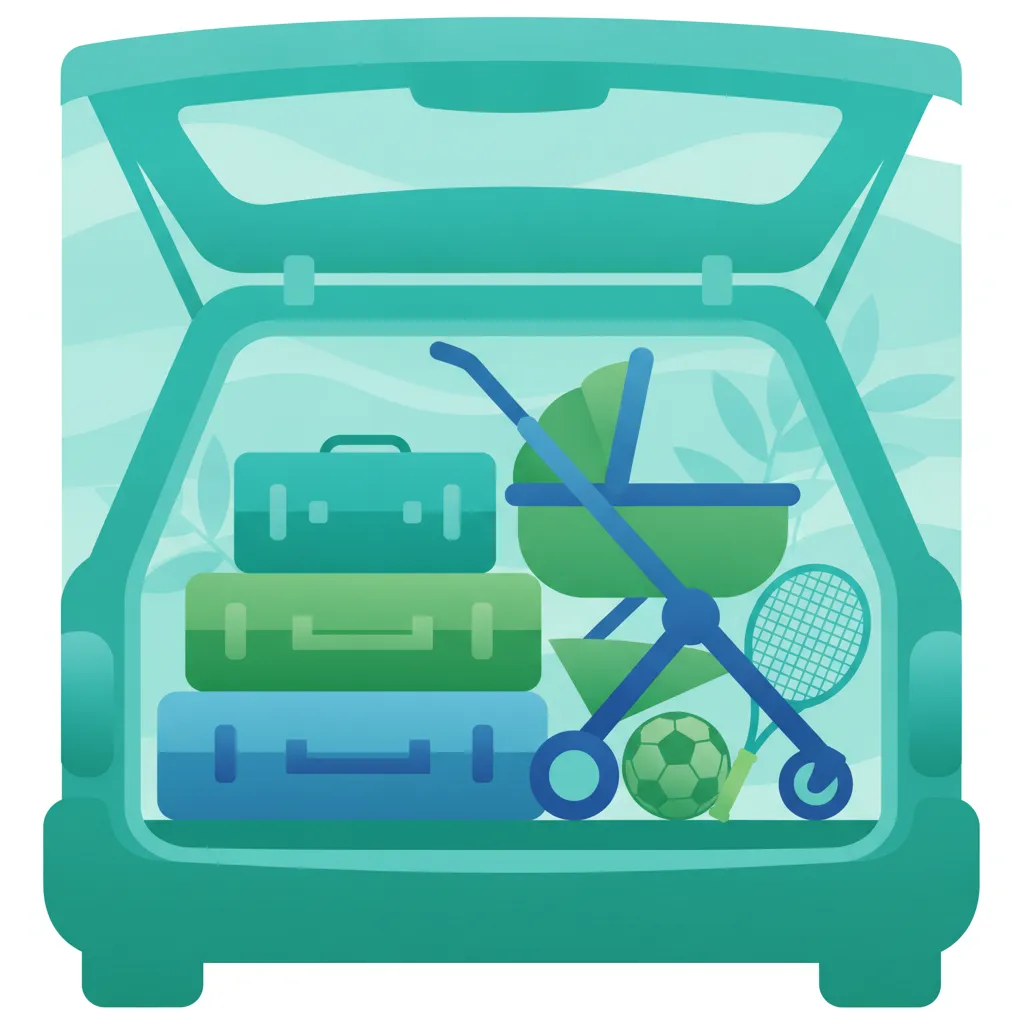
Properly managed luggage is crucial for safety and passenger flow. This lesson covers procedures for stowing items in underfloor lockers on coaches and managing larger items like prams or winter sports equipment inside the vehicle. It emphasizes the legal requirement to keep gangways and emergency exits clear and provides guidance on assisting passengers with their belongings.

Carrying standing passengers significantly increases a driver's responsibility for smooth control. This lesson details the specific adjustments required, such as reducing speed before turns to minimize sideways forces and increasing following distances to avoid sudden braking. It emphasizes the importance of awareness and observation of passengers' stability before accelerating from a stop.

When a passenger becomes ill, the driver's role is to facilitate professional medical help as quickly as possible. This lesson covers how to safely stop the vehicle, make an emergency call to 112 with clear location and patient information, and provide basic comfort and reassurance. It clarifies that the driver's role is not to diagnose but to manage the scene and get help.
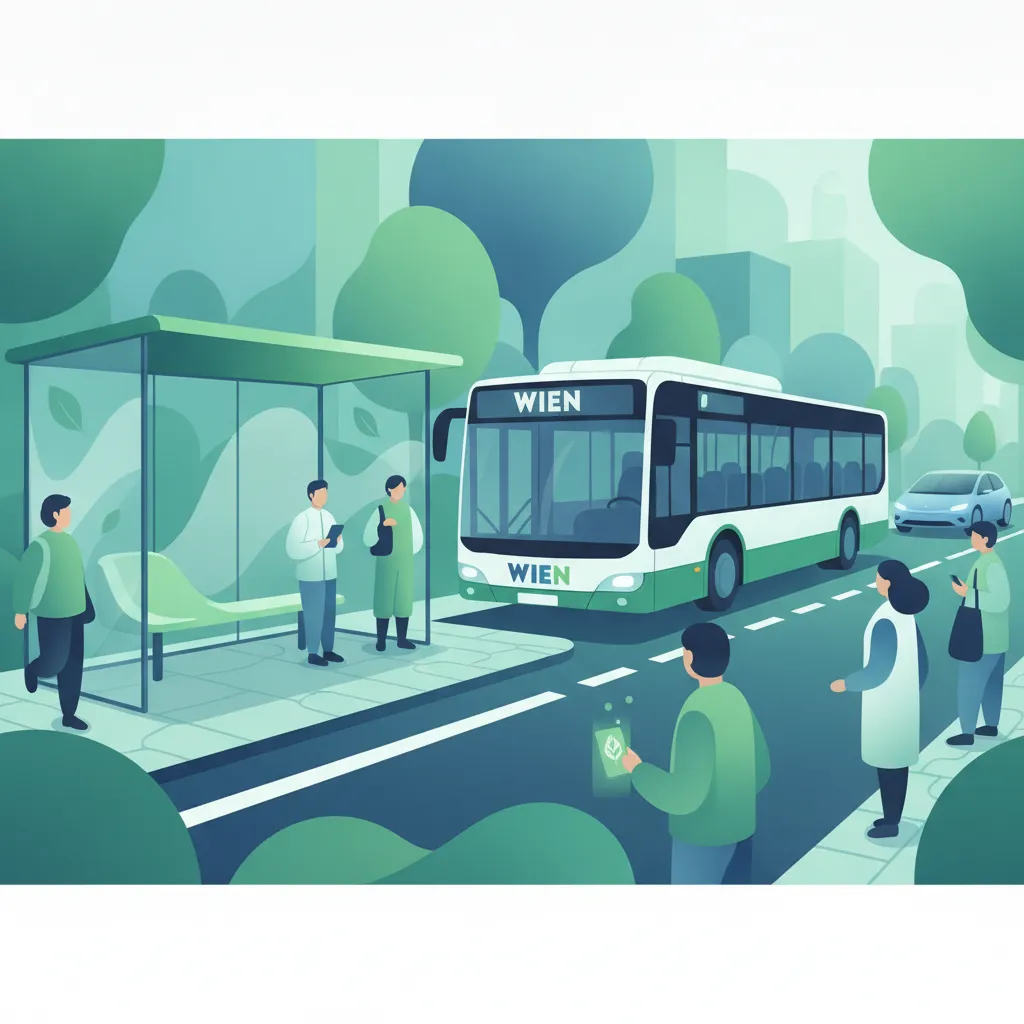
A safe stop begins with a planned approach. This lesson covers how to signal your intentions early, manage your speed, and scan for hazards like pedestrians and cyclists near the stop. It emphasizes the importance of aligning the bus parallel and close to the kerb to minimize the step for passengers, creating a safe platform for boarding and alighting.
This lesson defines the role of a professional driver beyond simply operating a vehicle. It covers the expectations of public trust, professional image, and the responsibilities inherent in transporting people. Key topics include ethical conduct, communication with the public, and understanding your position as a representative of a transport service within the Austrian legal framework.

In a serious incident, a swift and orderly evacuation can save lives. This lesson teaches the principles of taking command, giving clear and simple instructions, and directing passengers to the nearest safe exit. It covers the importance of assisting those with mobility issues and guiding everyone to a safe assembly point away from the vehicle and any traffic.

This lesson focuses on the core concept of duty of care, a driver's primary legal and moral obligation to protect passengers from harm. It examines what this means in practical terms, from driving smoothly to prevent falls to ensuring a safe environment on the vehicle. The content also touches upon legal liability in cases of negligence and the importance of anticipating risks to all passengers, including the vulnerable.

The driver sets the tone for the entire journey. This lesson explores how a driver's calm demeanor and smooth driving style create a reassuring atmosphere for passengers. It also covers responsibilities for maintaining a comfortable onboard environment, such as appropriate heating or cooling, and the importance of a clean and well-presented vehicle in promoting passenger confidence and positive behaviour.
Essential Category D driving theory for assisting passengers with wheelchairs, prams, and luggage during boarding and alighting in Austria. Focuses on safe procedures and legal requirements for accessibility.
Properly managed luggage is crucial for safety and passenger flow. This lesson covers procedures for stowing items in underfloor lockers on coaches and managing larger items like prams or winter sports equipment inside the vehicle. It emphasizes the legal requirement to keep gangways and emergency exits clear and provides guidance on assisting passengers with their belongings.
Providing safe and respectful access for all passengers is a legal and professional duty. This lesson details the correct operation of accessibility features like ramps, lifts, and kneeling systems. It covers how to secure wheelchairs and mobility aids, and how to communicate effectively and respectfully with passengers who may require assistance with boarding or alighting.
Carrying standing passengers significantly increases a driver's responsibility for smooth control. This lesson details the specific adjustments required, such as reducing speed before turns to minimize sideways forces and increasing following distances to avoid sudden braking. It emphasizes the importance of awareness and observation of passengers' stability before accelerating from a stop.
A driver's duty of care extends to passengers until they are safely away from the vehicle. This lesson stresses the importance of monitoring passengers as they step off, ensuring they have stable footing and are clear of the bus's path. It highlights the particular need for vigilance when children or elderly passengers are alighting, and the importance of checking mirrors before closing the doors.
A safe stop begins with a planned approach. This lesson covers how to signal your intentions early, manage your speed, and scan for hazards like pedestrians and cyclists near the stop. It emphasizes the importance of aligning the bus parallel and close to the kerb to minimize the step for passengers, creating a safe platform for boarding and alighting.
When a passenger becomes ill, the driver's role is to facilitate professional medical help as quickly as possible. This lesson covers how to safely stop the vehicle, make an emergency call to 112 with clear location and patient information, and provide basic comfort and reassurance. It clarifies that the driver's role is not to diagnose but to manage the scene and get help.
In a serious incident, a swift and orderly evacuation can save lives. This lesson teaches the principles of taking command, giving clear and simple instructions, and directing passengers to the nearest safe exit. It covers the importance of assisting those with mobility issues and guiding everyone to a safe assembly point away from the vehicle and any traffic.

Transporting children carries the highest level of responsibility. This lesson covers the specific Austrian rules for school buses, including the use of warning signs and lights. It focuses on developing a mindset of extreme caution, anticipating that children may run into the road unexpectedly, and managing the chaotic traffic environment often found around schools during drop-off and pick-up times.

Bus stations and depots are complex, hazardous environments. This lesson covers the unique challenges, such as navigating tight spaces with other buses moving, adhering to site-specific speed limits and traffic flow systems, and being highly aware of staff and passengers walking in operational areas. Safe positioning in designated bays is a key focus.
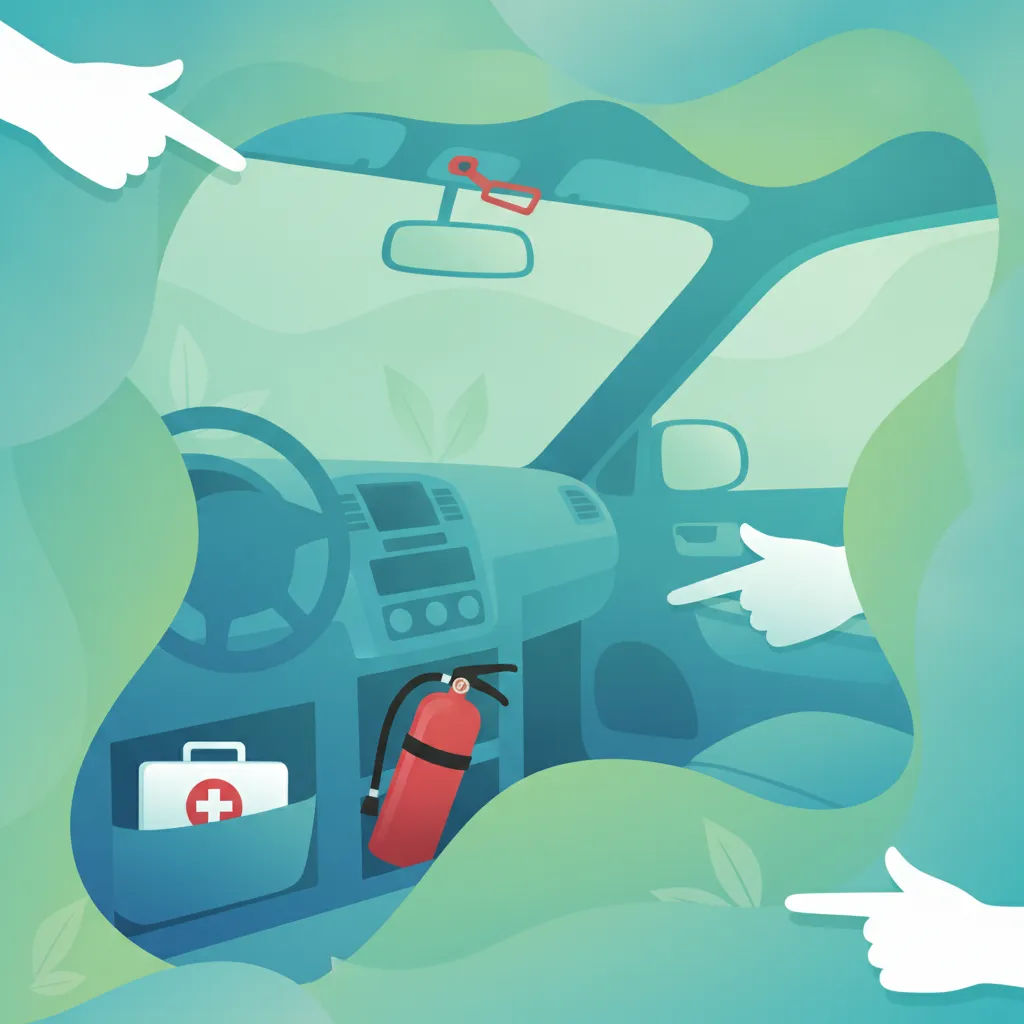
In an emergency, knowing the location and status of safety equipment is critical. This lesson details how to locate and inspect fire extinguishers, first aid kits, emergency hammers, and all designated emergency exits, including doors and roof hatches. It emphasizes the importance of ensuring these items are unobstructed and included in the daily pre-trip inspection.
Find clear answers to common questions learners have about Supervising Safe Boarding Procedures. Learn how the lesson is structured, which driving theory objectives it supports, and how it fits into the overall learning path of units and curriculum progression in Austria. These explanations help you understand key concepts, lesson flow, and exam focused study goals.
Your primary responsibility is to ensure the safety of every passenger. This involves monitoring the entry process, confirming passengers are clear of doors before closing, and ensuring that elderly or mobility-impaired passengers are safely seated or holding a rail.
You must ensure they have enough time to board without rushing. Assist where necessary by ensuring the vehicle is properly knelt or the ramp is deployed, and confirm the items are secured in designated areas before pulling away from the stop.
Many learners overlook the necessity of a final mirror check to ensure no passenger is caught in the closing doors or stepping on the kerb while the vehicle prepares to move. Always prioritize the 'final door and mirror' check.
No, your duty of care continues until the passenger has safely reached a seat or a designated standing area and you have begun the journey with smooth acceleration, preventing potential falls caused by abrupt movements.
Refine your study plan by searching for specific Austrian driving theory practice sets. Pinpoint questions related to particular road rules, signs, or challenge levels, and begin practicing immediately to reinforce your knowledge and excel in your official exam with confidence. Get started with focused revision today.