
Logo
Austrian Driving Theory Courses

Lesson 4 of the Turning, Blind Spots, Reversing, Terminals and Combination Vehicles unit

Austrian Driving Theory D: Navigating Bus Terminals, Stations and Depots

This lesson focuses on the unique hazards of operating within bus terminals, stations, and depots, which are high-risk operational environments. You will learn how to navigate tight spaces, interpret site-specific traffic systems, and manage the safety of staff and passengers moving on foot. This is essential for your Category D license as you prepare to handle professional driving environments safely and efficiently.
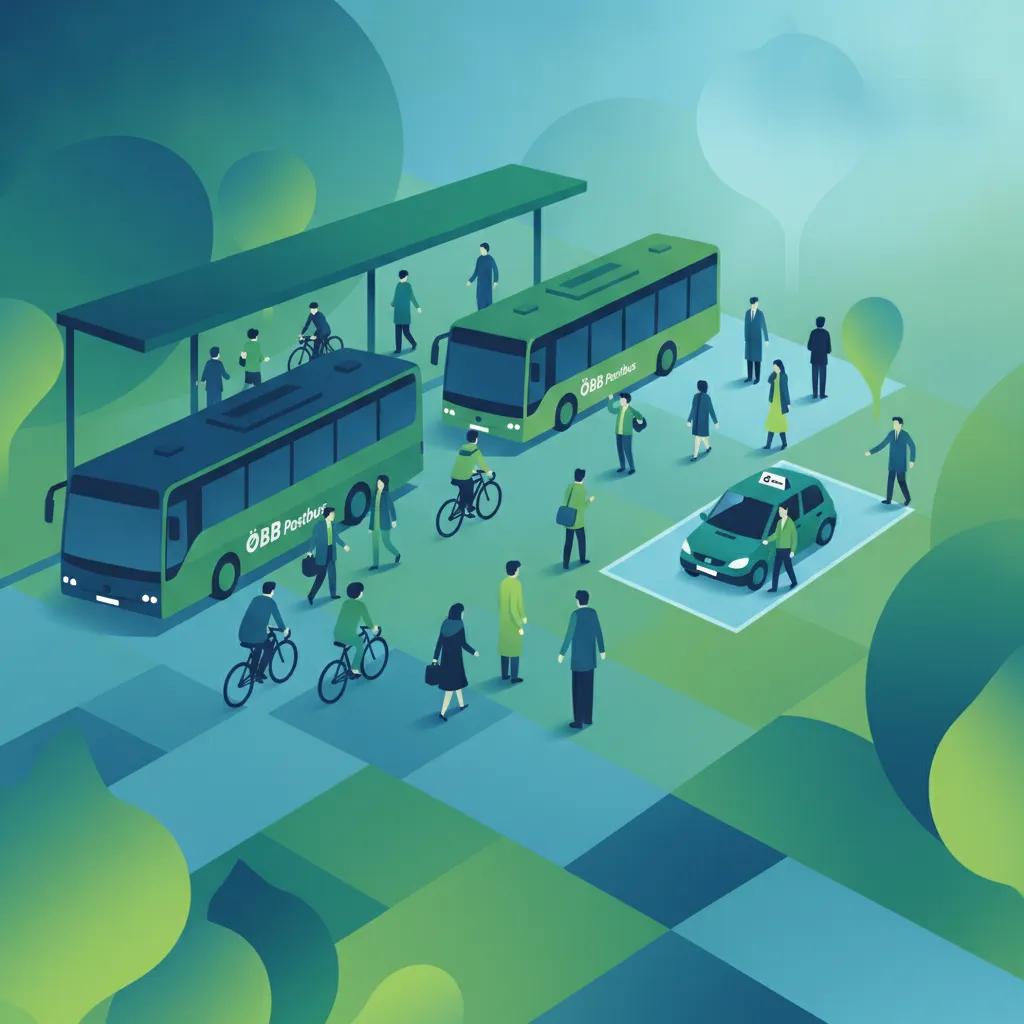
Category Dbus terminalsdepot safetyprofessional drivingmanoeuvring
Austrian Driving Theory D: Navigating Bus Terminals, Stations and Depots

Lesson content overview

Austrian Driving Theory D

Safe Navigation of Bus Terminals, Stations, and Depots in Austria

Operating a bus in designated terminals, stations, and depots presents a unique set of challenges that demand exceptional driving skills and constant vigilance. These environments are often characterized by high traffic density, limited maneuvering space, and the presence of multiple road users, including staff and passengers on foot. As a professional bus and coach driver, particularly within the Austrian Driving Theory Course for Bus & Coach Licence (Category D), mastering navigation in these complex areas is not just about efficiency; it is paramount for the safety of passengers, staff, and other vehicles, ensuring smooth and professional service operations.

Understanding Complex Bus Environments: Terminals, Stations, and Depots

Bus terminals, stations, and depots are more than just stopping points; they are operational hubs where a confluence of activities takes place. Unlike open roads, these areas are tightly controlled, with specific rules designed to manage the flow of large vehicles and ensure pedestrian safety. Drivers must be acutely aware of their surroundings, anticipating movements, and adhering to strict protocols that go beyond general road traffic regulations.

Why Bus Terminals and Depots Demand Special Driving Skills

The inherent complexity of these locations stems from several factors. Buses, by their nature, are large vehicles with significant blind spots and wide turning circles. When these characteristics are combined with confined spaces, frequent pedestrian movement, and the presence of numerous other buses, the risk of collisions and incidents increases dramatically. Professional drivers must possess not only excellent vehicle control but also superior spatial awareness, predictive judgment, and an unwavering commitment to safety. This lesson will equip you with the knowledge to navigate these challenging environments confidently and safely, upholding the high standards expected of Category D licence holders in Austria.

Key Principles for Safe Bus Operations in Confined Spaces

Safe movement within bus terminals, stations, and depot complexes hinges on several core principles. These principles ensure precise positioning, awareness of designated bays, comprehension of site-specific traffic signs, and safe interaction with staff and passengers in operational areas. Adherence to these guidelines minimizes risk and promotes operational efficiency.

Adhering to Site-Specific Speed Limits

Speed limits indicated by signs within terminals, stations, and depots are critical for safety. These limits are typically much lower than those on public roads and are enforced rigorously to account for the reduced reaction distances and limited visibility in such confined spaces. Drivers must observe these specific limits, regardless of the general road-type limit, as they override standard regulations. For instance, a terminal might have a permanent speed limit of 20 km/h in pedestrian zones, or a temporary limit of 15 km/h might be imposed due to construction works. It is crucial to adjust your speed well before reaching the limit sign and maintain it throughout the controlled area.

Tip

Always anticipate lower speed limits when approaching bus terminals or depots. Decelerate smoothly and early to safely meet the posted speed requirement.

Proper Bus Positioning in Designated Bays

Designated bays are specific parking or stopping areas clearly marked for bus positioning. These bays, often indicated by painted lines, numbers, or overhead signage, are designed to ensure an orderly flow of traffic and safe passenger exchange. When stopping for boarding, alighting, or a lay-over, you must align your bus fully within the painted lines of the allocated bay. This ensures that doors open onto safe pedestrian zones, preventing passengers from stepping into active traffic lanes. Occupying a non-designated area or stopping partially outside the lines is prohibited and can endanger passengers and obstruct operations.

Following Directional Flow Systems and Traffic Guidance

To prevent head-on collisions, streamline movement, and reduce congestion, bus terminals and depots utilize specific directional flow systems. These systems are communicated through one-way lane markings, arrows painted on the ground, and traffic signals governing movement direction. For example, a depot entrance might indicate a mandatory clockwise loop for all vehicles. Drivers must strictly follow the indicated flow; attempting to travel in the opposite direction or deviating from the marked path can lead to dangerous conflicts and illegal maneuvering. Yield signs at merging points and traffic lights for coordinated movement are also integral parts of these systems, demanding full compliance.

Maintaining Operational Zone Awareness: Pedestrians and Staff Safety

Operational zones are areas within a terminal or depot where staff and passengers frequently cross the bus path, or where service equipment might be in use. These can include pedestrian walkways crossing bus lanes, service lanes for staff and equipment, and loading platforms where luggage or freight is transferred. In these areas, the protection of vulnerable users is paramount. Drivers must exercise extreme caution, maintain vigilance, and be prepared to yield to crossing staff and pedestrians, even if they are not directly visible or if general right-of-way rules might seem to favor the vehicle in other contexts. This proactive awareness helps prevent accidents and reflects the high duty of care required for Category D drivers.

Ensuring Clear Visibility Before Any Maneuver

Before initiating any maneuver, such as entering a turn, pulling into a bay, or reversing, you must have an unobstructed view of your intended path and any intersecting traffic or obstacles. This requirement for clear visibility applies to both direct line of sight and indirect vision through mirrors and cameras. Due to the bus's length and blind spots, it may sometimes be necessary to reverse a short distance or adjust your position to gain a better view. Failure to ensure clear visibility can result in collisions with hidden obstacles, stationary vehicles, or even pedestrians. Always take the extra moment to confirm your path is clear.

Mastering Traffic Control and Communication within Bus Facilities

Beyond individual driving techniques, successfully navigating bus terminals involves understanding and responding to various forms of traffic control and effectively interacting with other road users. This includes interpreting specific safety signage, precise vehicle alignment, and proactive communication with other bus drivers.

Interpreting Safety Signage and Signals

Terminals and stations utilize a specific set of visual and audible signals to communicate restrictions, priorities, or warnings to drivers. These safety signs and signals are legally binding and must be obeyed.

In addition to standard stop and yield signs, you might encounter:

  • Flashing beacons: These light signals often indicate a temporary hazard, a required stop, or special conditions, such as at tram-bus intersections.
  • Rail crossing signals: Where bus stations intersect with tramways or railway lines, specific signals and barriers will govern movement. Drivers must stop and wait for the green signal or clear path before proceeding.

Ignoring these signals, whether through oversight or assuming they are advisory, poses significant risks and constitutes a legal violation under Austrian traffic law (e.g., StVO § 5 for priority signs).

Precise Bus Alignment for Passenger Safety

Proper bus positioning and alignment refer to the precise lateral and longitudinal placement of your vehicle relative to lane markings, designated bays, and loading areas. Correct alignment is crucial for ensuring that your bus doors open safely onto platforms or pedestrian zones, facilitating orderly passenger flow, and preventing hazards. This may involve:

  • Parallel alignment: When stopping in a bay, ensuring the bus is perfectly parallel to the platform edge and fully within the marked lines.
  • Centerline alignment: Maintaining your position within your designated traffic lane.
  • Offset positioning: Carefully adjusting your position in very narrow lanes to provide maximum clearance for obstacles or other vehicles.

Compliance with road markings, as per StVO § 46 (lane markings), is essential. Drifting into adjacent lanes, especially when loading or unloading passengers, can create dangerous situations for pedestrians and other traffic.

Effective Interaction with Other Buses and Vehicles

Bus terminals and depots are shared spaces where many vehicles operate simultaneously. Effective interaction and communication with other bus drivers are vital for maintaining safety and efficiency. This includes:

  • Yielding to inbound buses: At shared entry points or merging zones, anticipating the movements of other buses and yielding when appropriate can prevent conflicts.
  • Maintaining safe following distances: Even at low speeds, ensuring adequate space between your bus and the one ahead allows for safe braking and maneuvering.
  • Communicating intentions: Use turn signals, hazard lights, and even clear hand gestures when necessary to communicate your planned movements to other drivers.
  • Anticipating actions: Be aware that other drivers might be under time pressure or have limited visibility, and drive defensively.

Assuming the right to cut in front of another bus already positioned or waiting can lead to misunderstandings and collisions. Courtesy and professional conduct play a significant role in smooth operations.

Austrian Traffic Laws and Regulations for Bus Drivers in Terminals

Operating a bus in Austria requires strict adherence to the Straßenverkehrsordnung (StVO) – the Austrian Road Traffic Regulations – and other specific guidelines. While general traffic laws apply, particular sections of the StVO are highly relevant to terminal and depot operations.

Relevant StVO Paragraphs for Terminal Operations

  • StVO § 4 – General traffic regulations: Mandates that drivers follow all applicable signs and signals within terminal areas.
  • StVO § 5 – Priority signs: Emphasizes that stop and yield signs within stations and depots are binding and must be obeyed.
  • StVO § 8 – Right-of-way: Vehicles must give way to pedestrians at marked crossings, including those found within stations.
  • StVO § 9 – Visibility: Drivers must ensure sufficient visibility before entering a turn or crossing, potentially requiring specific maneuvers like reversing to gain a clear view.
  • StVO § 18 – Speed limits: Site-specific speed limits in stations and terminals must be observed, overriding general road speed limits.
  • StVO § 20 – Parking & stopping: Parking is strictly allowed only in designated bays unless explicitly authorized otherwise.
  • StVO § 26 – Pedestrian crossings: Reinforces the duty to yield to pedestrians on designated crossings, a common feature in terminal operational zones.
  • StVO § 46 – Lane markings: Requires compliance with all road markings, which define lanes, bays, and directional flow within the complex.

Specific Signs in the Austrian Verkehrszeichen-Verzeichnis (VZV)

The Verkehrszeichen-Verzeichnis (VZV) is Austria's official catalog of traffic signs. While many signs are universal, the VZV includes specific signs for situations relevant to public transport, such as tram-bus intersection signs or supplementary plates indicating areas like "Busdepot" or "Bahnhofsvorplatz." Professional drivers must be familiar with these specific signs and their implications for bus operations.

Local Depot Regulations and Bylaws

In addition to national laws, individual terminal operators or depot managers may issue their own internal regulations or bylaws. These can include specific lane usage rules, restrictions on loading zones, specific entry/exit procedures, or enhanced speed limits in certain areas. Such rules are often posted prominently at the entrance of depots or within the facility. As a professional driver, you are expected to be aware of and comply with these local regulations, which are designed for the specific operational needs and safety of that particular facility.

Common Driving Challenges and Avoiding Violations

Navigating bus terminals and depots comes with its share of common pitfalls. Understanding these can help you avoid dangerous situations and legal penalties.

  1. Exceeding site-specific speed limits: This is a frequent violation that drastically reduces reaction time and increases collision risk in confined spaces.
  2. Stopping outside a designated bay: This can lead to doors opening into active traffic lanes, endangering passengers and obstructing other vehicles.
  3. Ignoring directional flow signs: Attempting to take shortcuts or driving against one-way arrows creates head-on conflict risks, especially in busy depot loops.
  4. Failing to yield to pedestrians on station platforms: This is not only illegal (StVO § 26) but extremely dangerous, as pedestrians often have assumed right-of-way in these environments.
  5. Entering a turn without adequate visibility: Proceeding without ensuring a clear path can result in collisions with hidden obstacles or stationary vehicles.
  6. Incorrect bay usage: Using a boarding bay for a long lay-over, or vice-versa, can cause operational delays and confuse passengers.
  7. Blocking loading zones: Parking a bus where freight handling occurs obstructs service operations and violates depot rules.
  8. Improper coordination with other buses: Aggressive driving or cutting in front of other buses increases collision risk and disrupts overall flow.
  9. Misinterpreting temporary construction speed signs: Failing to observe temporary limits in construction zones can lead to accidents with workers or equipment.
  10. Neglecting flashing beacon signals at tram-bus intersections: This is a high-risk violation that could lead to a severe collision with an approaching tram.

Driving conditions are rarely static, and terminals are no exception. Your driving behavior must adapt to various conditional factors:

  • Weather Conditions: Wet or icy surfaces significantly reduce braking efficiency and traction. In such conditions, you must further reduce speed below posted limits and increase following distances to compensate for longer stopping distances.
  • Visibility Conditions: Fog, heavy rain, or even snowfall can obscure signage, lane markings, and the presence of pedestrians. Drivers must anticipate limits, use appropriate lighting, and proceed with heightened caution, relying more heavily on mirrors and, if available, reversing cameras.
  • Light Conditions: Nighttime or low-light conditions can make it harder to see lane markings, pedestrians, and obstacles. Proper use of vehicle lighting and reflective markings in the environment become essential.
  • Road Type and Surface: In a depot, the ground may be uneven, potholed, or have specific speed bumps. Adjusting speed to maintain control and prevent damage to the vehicle or discomfort to passengers (if any are onboard) is crucial.
  • Vehicle State: A fully loaded bus has a significantly longer stopping distance and different handling characteristics compared to an empty one. You must account for this by decelerating earlier and maintaining greater distances.
  • Vulnerable Users: The presence of pedestrian walkways across bus lanes consistently demands that drivers yield, even if traffic flow systems might grant priority in other circumstances.
  • Infrastructure Variations: Some modern terminals use automated gate systems or advanced traffic management. Drivers must be familiar with and strictly follow any associated signals or instructions before entry or exit.

Warning

Always err on the side of caution. If visibility or road conditions are poor, reduce your speed to a level that guarantees you can stop safely within the visible distance ahead.

Conclusion: Becoming a Proficient Bus Driver in Controlled Environments

Mastering the navigation of bus terminals, stations, and depots is a fundamental skill for any professional Category D bus and coach driver in Austria. It demands a holistic approach, combining expert vehicle control with acute situational awareness, a deep understanding of specific regulations, and a proactive commitment to safety. By diligently observing site-specific speed limits, correctly positioning your bus in designated bays, adhering to directional flow systems, and maintaining constant vigilance for staff and passengers in operational zones, you will contribute significantly to the safety and efficiency of public transport. The legal framework, particularly the Austrian StVO, provides the backbone for these rules, while local regulations fine-tune the operational specifics.

Remember that every maneuver in these confined spaces carries potential risks. By consistently applying the principles of clear visibility, precise alignment, and effective communication, and by adapting your driving to prevailing conditions, you will not only avoid common violations but also build the confidence and professionalism expected of an Austrian bus driver. This foundational knowledge is crucial for safeguarding lives and ensuring reliable transport services.

Essential Vocabulary for Bus Terminal Operations

Further Learning and Practice

Learn more with these articles

Check out these practice sets

Lesson recap

Quick summary before you move on

Fast revision

Navigating Austrian bus terminals and depots requires mastering site-specific speed limits, precise bay positioning, and strict adherence to directional flow systems. Professional drivers must maintain constant awareness of pedestrians and staff in operational zones, yielding even when general right-of-way rules might favor the vehicle. Austrian StVO provisions—including specific paragraphs on priority signs, pedestrian crossings, and parking restrictions—form the legal framework, while local depot bylaws add facility-specific requirements. Safe operation depends on clear visibility checks before any maneuver, understanding vehicle swept path in tight spaces, and recognizing that confined environments amplify collision risks even at low speeds.


Core takeaways

Main ideas from this lesson

A short set of high-value points that capture the most important learning from this lesson.

Site-specific speed limits within terminals and depots always override general road speed limits and must be observed regardless of other conditions.

Designated bus bays require precise alignment within marked lines to ensure safe passenger boarding and prevent doors opening into active traffic lanes.

Directional flow systems—including one-way markings, arrows, and traffic signals—must be strictly followed to prevent dangerous head-on conflicts.

Drivers must yield to pedestrians in operational zones and on marked crossings, reflecting the high duty of care required of Category D drivers.

Clear visibility must be confirmed through mirrors and direct sight before any maneuver, as large buses have significant blind spots in confined spaces.

Remember this

Details worth keeping in mind

Point 1

Key StVO paragraphs for terminal operations include §4 (general signs), §5 (priority signs), §8 (pedestrian right-of-way), §18 (speed limits), §20 (parking in bays only), and §26 (crossing yield).

Point 2

A fully loaded bus has significantly longer stopping distances than an empty one; adjust speed and following distances accordingly.

Point 3

Flashing beacons at tram-bus intersections require a full stop and are legally binding signals that cannot be ignored.

Point 4

Local depot bylaws may impose additional rules beyond national StVO requirements and must be observed at each facility.

Point 5

Bus positioning must ensure doors open safely onto platforms or pedestrian zones, requiring parallel alignment within marked bay lines.

Watch for this

Frequent learner mistakes

Exceeding site-specific speed limits, drastically reducing reaction time in confined spaces where lower limits account for limited visibility.

Stopping partially outside designated bay lines, causing doors to open into active traffic lanes and endangering passengers.

Driving against one-way directional flow arrows, creating head-on conflict risks in busy depot loops.

Failing to yield to pedestrians on station platforms or crossings, violating StVO §26 despite the driver's right-of-way in other contexts.

Proceeding into turns or maneuvers without first confirming clear visibility through mirrors and direct line of sight.

Search topics related to Navigating Bus Terminals, Stations and Depots

Explore search topics learners often look for when studying Navigating Bus Terminals, Stations and Depots. These topics reflect common questions about road rules, driving situations, safety guidance, and lesson level theory preparation for learners in Austria.

navigating bus depots Category D Austriabus terminal safety rules Austrian theory testhow to position bus in terminal bayprofessional driver terminal driving rulesCategory D theory exam bus depot hazardssafe driving in bus stations and depots

Related driving theory lessons for Navigating Bus Terminals, Stations and Depots

Browse additional driving theory lessons that cover connected traffic rules, road signs, and common driving situations related to this topic. Improve your understanding of how different rules interact across everyday traffic scenarios.

Hazards and Safety Procedures in Austrian Bus Terminals and Depots

Learn about the specific dangers and critical safety protocols for navigating busy bus terminals, stations, and depots in Austria. Understand site-specific rules and best practices for professional drivers.
bus terminalsdepot safetyhazardsprofessional drivingAustrian theoryCategory D
Identifying and Managing High-Risk Stop Areas lesson image

Identifying and Managing High-Risk Stop Areas

Not all bus stops are created equal. This lesson trains you to assess a stop's environment and identify potential hazards, such as poor sightlines, proximity to a busy junction, or frequent presence of vulnerable road users. It encourages a proactive approach, where the driver heightens their observation and slows their approach when dealing with these known high-risk locations.
Austrian Driving Theory DSchools, Pedestrians, Cyclists, Tourists and High-Risk Stop Areas
View lesson
Approaching and Positioning at Bus Stops lesson image

Approaching and Positioning at Bus Stops

A safe stop begins with a planned approach. This lesson covers how to signal your intentions early, manage your speed, and scan for hazards like pedestrians and cyclists near the stop. It emphasizes the importance of aligning the bus parallel and close to the kerb to minimize the step for passengers, creating a safe platform for boarding and alighting.

Austrian Driving Theory DStops, Boarding, Alighting, Door Safety and Passenger Movement
View lesson
Driving on Rural and Narrow Austrian Roads lesson image

Driving on Rural and Narrow Austrian Roads

Rural Austrian roads present unique challenges, including lack of markings, tight spaces, and slow-moving agricultural vehicles. This lesson teaches how to read the road ahead, anticipate hazards around blind bends, and use passing places effectively when meeting other large vehicles. It emphasizes adjusting speed to suit the limited visibility and variable road conditions.
Austrian Driving Theory DRural Services, Alpine Routes, Motorways, Tunnels and Long-Distance Coaches
View lesson
Strategies for Navigating Dense Urban Traffic lesson image

Strategies for Navigating Dense Urban Traffic

Driving a bus in a busy city like Vienna or Salzburg requires constant forward planning and anticipation. This lesson teaches techniques for maintaining adequate space around the vehicle, positioning correctly for upcoming junctions, and reading the flow of traffic. Adopting a defensive mindset is key to navigating complex urban environments without incident.

Austrian Driving Theory DCity Traffic, Bus Lanes, Tram Interaction and Public Transport Priority
View lesson
Specific Rules and Hazards for School Transport lesson image

Specific Rules and Hazards for School Transport

Transporting children carries the highest level of responsibility. This lesson covers the specific Austrian rules for school buses, including the use of warning signs and lights. It focuses on developing a mindset of extreme caution, anticipating that children may run into the road unexpectedly, and managing the chaotic traffic environment often found around schools during drop-off and pick-up times.

Austrian Driving Theory DSchools, Pedestrians, Cyclists, Tourists and High-Risk Stop Areas
View lesson
Anticipating Unpredictable Tourist Behaviour lesson image

Anticipating Unpredictable Tourist Behaviour

Driving in tourist hotspots in cities like Salzburg or alpine resorts requires extra patience and vigilance. This lesson explores common unpredictable behaviours, such as pedestrians stepping into the road to take photos or groups of tourists being unaware of traffic. It teaches drivers to slow down, be prepared for anything, and use communication tools like the horn sparingly and appropriately.
Austrian Driving Theory DSchools, Pedestrians, Cyclists, Tourists and High-Risk Stop Areas
View lesson
Austrian Tunnel Regulations and Safety Procedures lesson image

Austrian Tunnel Regulations and Safety Procedures

Austria's mountainous terrain means drivers will frequently encounter long tunnels. This lesson details the specific regulations, such as turning on lights and maintaining distance, as well as how to react to tunnel-specific warning signs and signals. Crucially, it covers the correct emergency procedures to follow in the event of a fire, accident, or breakdown inside a tunnel.
Austrian Driving Theory DRural Services, Alpine Routes, Motorways, Tunnels and Long-Distance Coaches
View lesson
Bus Stops, School Zones, and Public Transport Priorities lesson image

Bus Stops, School Zones, and Public Transport Priorities

This lesson details the specific regulations and best practices for driving in areas with high pedestrian activity, such as bus stops and school zones. It explains the driver's obligation to stop for school buses with flashing lights and to yield to public buses pulling out from a stop. The content emphasizes the requirement to significantly reduce speed in marked school zones to ensure the safety of children.

Austrian Driving Theory BCity Traffic, Trams, Cyclists, Buses and Vulnerable Road Users
View lesson
Manoeuvring in Narrow Streets and Complex Junctions lesson image

Manoeuvring in Narrow Streets and Complex Junctions

Many Austrian towns and city centres feature narrow roads not designed for large vehicles. This lesson provides strategies for assessing tight spaces, positioning the vehicle to maximize clearance, and navigating complex, non-standard junctions. It emphasizes the importance of slow speeds, constant observation, and understanding the vehicle's swept path to avoid contact with buildings, street furniture, and other vehicles.

Austrian Driving Theory DCity Traffic, Bus Lanes, Tram Interaction and Public Transport Priority
View lesson
Protecting Pedestrians at Crossings and Stops lesson image

Protecting Pedestrians at Crossings and Stops

Pedestrians have absolute priority on marked crossings in Austria, and a bus driver must always be ready to give way. This lesson covers the rules for approaching and stopping for pedestrians, and highlights the risk of pedestrians being hidden by the vehicle's structure. It also stresses the danger of passengers crossing the road after alighting from your bus.

Austrian Driving Theory DSchools, Pedestrians, Cyclists, Tourists and High-Risk Stop Areas
View lesson

Bus Manoeuvring and Traffic Flow in Terminals and Stations

Explore essential driving theory on safe manoeuvring, precise vehicle positioning in designated bays, and adhering to traffic flow systems within Austrian bus terminals and depots.

bus terminalsmanoeuvringvehicle positioningtraffic flowAustrian theoryCategory D
Strategies for Navigating Dense Urban Traffic lesson image

Strategies for Navigating Dense Urban Traffic

Driving a bus in a busy city like Vienna or Salzburg requires constant forward planning and anticipation. This lesson teaches techniques for maintaining adequate space around the vehicle, positioning correctly for upcoming junctions, and reading the flow of traffic. Adopting a defensive mindset is key to navigating complex urban environments without incident.

Austrian Driving Theory DCity Traffic, Bus Lanes, Tram Interaction and Public Transport Priority
View lesson
Manoeuvring in Narrow Streets and Complex Junctions lesson image

Manoeuvring in Narrow Streets and Complex Junctions

Many Austrian towns and city centres feature narrow roads not designed for large vehicles. This lesson provides strategies for assessing tight spaces, positioning the vehicle to maximize clearance, and navigating complex, non-standard junctions. It emphasizes the importance of slow speeds, constant observation, and understanding the vehicle's swept path to avoid contact with buildings, street furniture, and other vehicles.

Austrian Driving Theory DCity Traffic, Bus Lanes, Tram Interaction and Public Transport Priority
View lesson
Bus Stops, School Zones, and Public Transport Priorities lesson image

Bus Stops, School Zones, and Public Transport Priorities

This lesson details the specific regulations and best practices for driving in areas with high pedestrian activity, such as bus stops and school zones. It explains the driver's obligation to stop for school buses with flashing lights and to yield to public buses pulling out from a stop. The content emphasizes the requirement to significantly reduce speed in marked school zones to ensure the safety of children.
Austrian Driving Theory BCity Traffic, Trams, Cyclists, Buses and Vulnerable Road Users
View lesson
Motorway and Schnellstraßen Driving Rules lesson image

Motorway and Schnellstraßen Driving Rules

High-speed driving in a large vehicle requires excellent lane discipline and forward planning. This lesson covers Austrian speed limits for buses, rules for joining and leaving the motorway, safe overtaking procedures, and maintaining appropriate following distances. The critical importance of forming an emergency corridor ('Rettungsgasse') in traffic jams is also a key topic.

Austrian Driving Theory DRural Services, Alpine Routes, Motorways, Tunnels and Long-Distance Coaches
View lesson
Approaching and Positioning at Bus Stops lesson image

Approaching and Positioning at Bus Stops

A safe stop begins with a planned approach. This lesson covers how to signal your intentions early, manage your speed, and scan for hazards like pedestrians and cyclists near the stop. It emphasizes the importance of aligning the bus parallel and close to the kerb to minimize the step for passengers, creating a safe platform for boarding and alighting.
Austrian Driving Theory DStops, Boarding, Alighting, Door Safety and Passenger Movement
View lesson
Correct Use of Bus Lanes in Austria lesson image

Correct Use of Bus Lanes in Austria

Bus lanes are a key tool for public transport efficiency, but they have specific rules. This lesson explains how to identify Austrian bus lanes through road markings and signs, including their hours of operation. It clarifies the regulations for entering or leaving a lane to make turns and identifies other authorized users, such as taxis or cyclists, where permitted.

Austrian Driving Theory DCity Traffic, Bus Lanes, Tram Interaction and Public Transport Priority
View lesson
Urban Driving Dynamics and Traffic Flow lesson image

Urban Driving Dynamics and Traffic Flow

This lesson explores the distinct challenges of urban driving, focusing on managing the vehicle in dense, slow-moving, or stop-and-go traffic. It covers strategies for effective lane management, anticipating traffic signal changes, and navigating common city road features like one-way streets and traffic calming measures. Understanding these dynamics helps reduce stress and improve safety in congested environments.
Austrian Driving Theory BCity Traffic, Trams, Cyclists, Buses and Vulnerable Road Users
View lesson
Interaction with Cars, Buses, and Trams lesson image

Interaction with Cars, Buses, and Trams

This lesson provides specific guidance for sharing the road with different types of vehicles in Austria. It covers the dangers of large vehicle blind spots, the rules for navigating near buses and dedicated tram tracks, and common conflict points at intersections. Understanding the behavior and limitations of other vehicles is key to safely navigating complex urban environments.

Austrian Motorcycle Theory (A)Seeing, Being Seen and Communicating as a Rider
View lesson
Driving on Rural and Narrow Austrian Roads lesson image

Driving on Rural and Narrow Austrian Roads

Rural Austrian roads present unique challenges, including lack of markings, tight spaces, and slow-moving agricultural vehicles. This lesson teaches how to read the road ahead, anticipate hazards around blind bends, and use passing places effectively when meeting other large vehicles. It emphasizes adjusting speed to suit the limited visibility and variable road conditions.

Austrian Driving Theory DRural Services, Alpine Routes, Motorways, Tunnels and Long-Distance Coaches
View lesson
Safe Interaction with Trams and Shared Stops lesson image

Safe Interaction with Trams and Shared Stops

Cities like Vienna and Graz have extensive tram networks that require special attention from bus drivers. This lesson covers the rules of priority concerning trams, the dangers of crossing tracks, and the specific hazards at shared stops where passengers cross traffic lanes. It emphasizes the need for extreme caution and clear communication with other road users in these complex environments.

Austrian Driving Theory DCity Traffic, Bus Lanes, Tram Interaction and Public Transport Priority
View lesson

Frequently asked questions about Navigating Bus Terminals, Stations and Depots

Find clear answers to common questions learners have about Navigating Bus Terminals, Stations and Depots. Learn how the lesson is structured, which driving theory objectives it supports, and how it fits into the overall learning path of units and curriculum progression in Austria. These explanations help you understand key concepts, lesson flow, and exam focused study goals.

Are normal road traffic rules always applied in a bus depot?

Not always. While general traffic principles apply, depots and terminals often have specific internal rules, speed limits, and one-way systems that take precedence. You must follow the site-specific signage and instructions provided by terminal management.

What is the biggest risk when entering a bus bay in a terminal?

The primary risk is striking pedestrians or other staff members who may walk behind or in front of your vehicle without warning. Additionally, misjudging the swept path can lead to side-swiping other buses or bay fixtures.

How should I handle terminal congestion in the theory exam?

The theory exam expects you to prioritize safety over speed. If a terminal is crowded, you must maintain a slow speed, use your mirrors frequently, and ensure you have sufficient clearance before initiating any manoeuvre, especially reversing.

Do I need a banksman in a terminal?

While not strictly required by law for every movement, using a banksman is a standard professional practice in many Austrian depots. Always adhere to your company's policy and be prepared to stop if the banksman disappears from your view.

Start Your Targeted Austrian Driving Theory Practice Search Now

Refine your study plan by searching for specific Austrian driving theory practice sets. Pinpoint questions related to particular road rules, signs, or challenge levels, and begin practicing immediately to reinforce your knowledge and excel in your official exam with confidence. Get started with focused revision today.

Search Practice Questions

Continue your Austrian driving theory learning journey

Austrian road signsAustrian article topicsSearch Austrian road signsAustrian HGV Theory C courseAustrian driving theory homeAustrian road sign categoriesAustrian driving theory topicsSearch Austrian theory articlesAustrian driving theory coursesAustrian Driving Theory B courseAustrian Driving Theory D courseAustrian driving theory articlesAustrian driving theory practiceAustrian practice set categoriesAustrian AM Driving Theory courseAustrian driving licence proceduresAustrian Motorcycle Theory (A) courseSearch Austrian driving theory practiceAustrian driving theory terminology A–ZAustrian driving theory terms and glossarySigns, Signals, Priority and Austrian Road Basics unit in Austrian AM Driving TheoryMass, Dimensions, Axle Loads, Payload and Operating Limits unit in Austrian HGV Theory CCategory AM in Austria and the First Responsibility of a Rider unit in Austrian AM Driving TheoryAustrian Traffic Culture, Core Behaviour Rules and Road Sharing unit in Austrian Driving Theory BMotorcycle Controls, Safety Checks and Protective Equipment unit in Austrian Motorcycle Theory (A)Category B in Austria, L17, Learner Practice and Driver Responsibility unit in Austrian Driving Theory BAustrian D Categories, Passenger Duty of Care and Professional Identity unit in Austrian Driving Theory DPassenger Vehicle Checks, Dimensions, Doors, Mirrors and Safety Systems unit in Austrian Driving Theory DAustrian A1, A2 and A Categories, Rider Identity and Responsibility unit in Austrian Motorcycle Theory (A)Austrian C Categories, Heavy-Vehicle Responsibility and Professional Mindset unit in Austrian HGV Theory CProcedures for Safe Reversing lesson in Turning, Blind Spots, Reversing, Terminals and Combination VehiclesSafe Coupling and Uncoupling Procedures lesson in Turning, Blind Spots, Reversing, Terminals and Combination VehiclesAdvanced Blind Spot Awareness and Management lesson in Turning, Blind Spots, Reversing, Terminals and Combination VehiclesNavigating Bus Terminals, Stations and Depots lesson in Turning, Blind Spots, Reversing, Terminals and Combination VehiclesExecuting Turns Safely and Managing Swept Path lesson in Turning, Blind Spots, Reversing, Terminals and Combination VehiclesIntroduction to Driving Combination Vehicles (DE/D1E) lesson in Turning, Blind Spots, Reversing, Terminals and Combination Vehicles