
This lesson guides you through the mandatory checks for emergency equipment and exit systems on passenger vehicles. Understanding these safety features is a fundamental requirement for the Category D theory exam and ensures you are prepared to protect your passengers in any emergency situation.
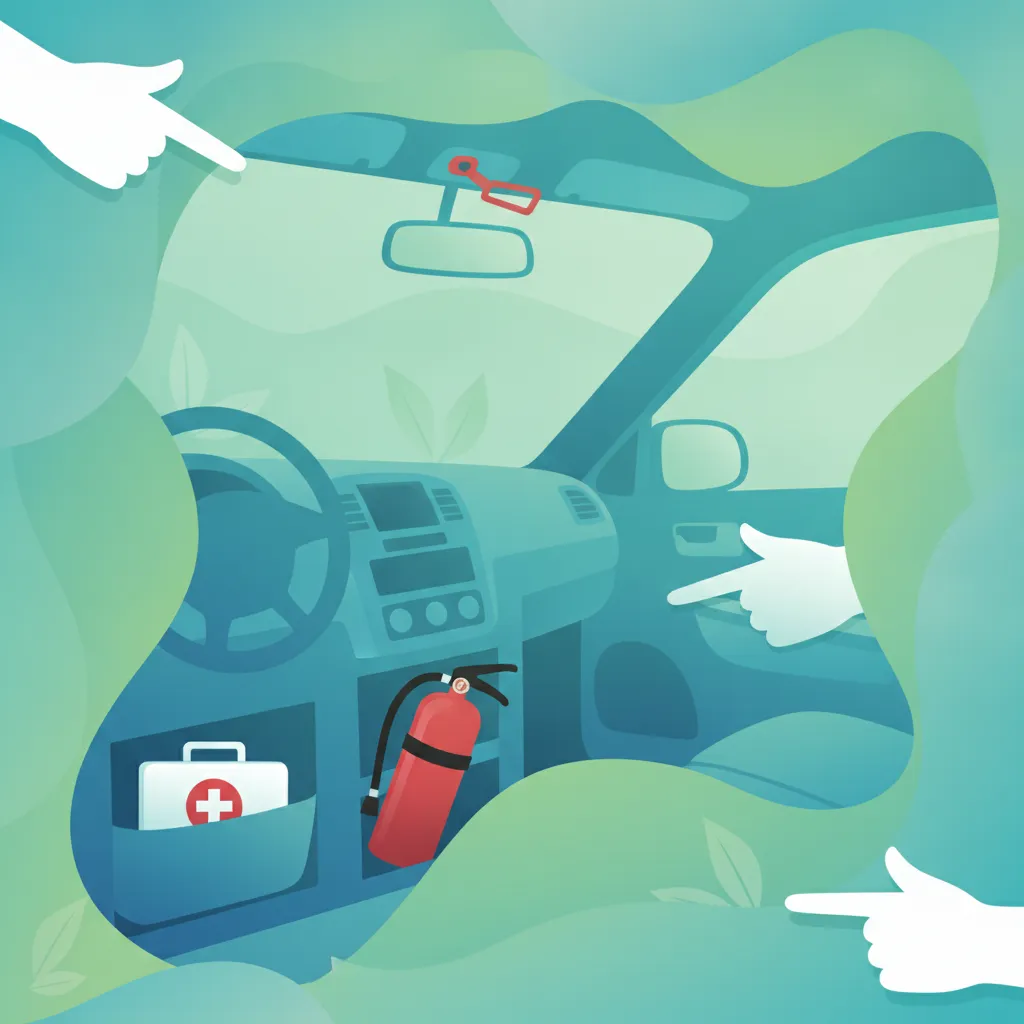
Lesson content overview
For professional bus and coach drivers in Austria, mastering the location and functionality of all emergency equipment and exits is not just a regulatory requirement, but a fundamental aspect of passenger duty of care. In an emergency, a driver's swift and informed actions can save lives. This lesson provides a detailed guide for identifying, inspecting, and maintaining all critical safety components on Category D vehicles.
Operating a Category D vehicle, such as a bus or coach, places immense responsibility on the driver. The safety and well-being of numerous passengers depend directly on the driver's ability to react effectively during unforeseen circumstances. Knowing precisely where emergency equipment is stored, how it functions, and ensuring its constant readiness is paramount for mitigating risks arising from fires, medical incidents, or evacuation needs.
This specialized knowledge is integral to the Austrian Driving Theory Course for Bus & Coach Licence (Category D). It forms a vital part of the daily pre-trip inspection, guaranteeing compliance with legal obligations and providing confidence in an emergency. Being prepared means being able to facilitate rapid and safe egress for all onboard, potentially preventing panic and minimizing harm.
Several fundamental principles underpin the successful management of emergency equipment and exits on passenger transport vehicles. Adhering to these core tenets ensures that safety systems are not merely present, but are genuinely effective when required most.
Every piece of emergency equipment and all designated emergency exits must be kept free from any objects that could impede or delay their rapid use. This includes luggage, cleaning supplies, personal belongings, or any other structural impediments. The rationale is simple: during an emergency, every second counts, and even a minor obstruction can lead to critical delays in evacuation or fire suppression efforts. Drivers must diligently verify clear pathways during every pre-trip inspection.
Beyond mere presence, all emergency equipment must be in perfect working condition. This means checking that a fire extinguisher's pressure gauge is within legal limits, that a first-aid kit is fully stocked and unexpired, and that an emergency hammer is intact and securely mounted. Equipment that is present but non-functional offers a false sense of security and can be detrimental in a real emergency. Regular operational checks and prompt replacement of defective items are non-negotiable responsibilities.
Emergency exits and equipment must be clearly and unambiguously marked with standardized signs. In Austria, this typically involves green signs for exits and red signs for fire extinguishers. Such universal markings assist both passengers and crew, especially those unfamiliar with the specific vehicle layout, in quickly locating crucial safety items. Drivers are responsible for verifying the correct placement, legibility, and, where applicable, illumination of all signage.
Emergency equipment is subject to wear and tear or expiry over time. To prevent degradation, items must be inspected according to a defined schedule, which may be daily by the driver, weekly, or annually by certified professionals. Maintaining logs of these inspections ensures a systematic approach to safety, proving compliance and providing a historical record of equipment integrity.
The checks for emergency equipment and exits are not standalone tasks but are an integrated and mandatory part of the systematic pre-trip inspection. By incorporating these checks into the routine, the risk of omission is significantly reduced, standardizing safety verification before every journey. Drivers must allocate sufficient time to perform these critical checks thoroughly.
Compliance with Austrian road traffic law (Straßenverkehrsordnung, StVO) and vehicle-specific regulations (such as ASR - Aufbau- und Sondervorschriften) is not optional. These legal frameworks mandate the presence, accessibility, and functional integrity of emergency equipment and exits. Failure to comply can result in severe consequences, including fines, vehicle inspection failures, and increased liability in the event of an accident.
Understanding the specifics of each emergency item, including its purpose, location, and inspection requirements, is crucial for every Category D driver.
Fire extinguishers are portable devices designed to suppress small fires before they escalate, providing crucial time for evacuation. They are indispensable for controlling potential fire hazards within the vehicle.
Buses and coaches are typically equipped with various types of fire extinguishers, each suited for different classes of fire:
The type of extinguisher often depends on its designated location (e.g., near the engine for fuel fires, near the driver for electrical issues).
Before each journey, the driver must inspect all mounted fire extinguishers. This involves:
A first-aid kit is a critical component for providing immediate medical care in response to injuries or sudden illnesses until professional medical assistance arrives.
According to Austrian regulations (e.g., ASR), first-aid kits in Category D vehicles must contain a specific list of medical supplies, which typically includes:
The kit must be complete, neatly organized, and stored in a clearly marked, easily accessible, but often lockable compartment to protect its contents.
Drivers must perform a visual check of the first-aid kit daily to ensure its presence and apparent completeness. However, a more thorough annual inspection is legally mandated. During this annual check, or as needed, the driver or designated personnel must:
The emergency hammer is a vital tool for manually releasing passenger doors in situations where the vehicle's electrical system fails or automatic door mechanisms become inoperative due to a crash or fire.
In a power outage or system malfunction, the emergency hammer (sometimes referred to as a door release tool) allows the driver, and in some cases, trained passengers, to activate a mechanical release mechanism. This bypasses the electrical system, enabling doors to be pushed or pulled open manually, facilitating rapid evacuation.
The driver must check the emergency hammer before each trip:
Emergency exits are specifically designed points of egress that can be opened manually from inside the vehicle without external power. These are critical for quick evacuation during an emergency.
Aside from the standard entry/exit doors, some larger buses and coaches may have additional designated emergency doors, often at the rear or in the middle of the vehicle, distinct from regular service doors.
For double-deck buses or coaches, roof hatches serve as crucial emergency exits, particularly in scenarios where side doors are blocked or inaccessible (e.g., vehicle overturned).
The pathways leading to all emergency exits – whether doors or roof hatches – must be kept completely clear.
Every emergency exit must be clearly identified by standardized green signage, typically featuring the word "EXIT" (or equivalent local term like "NOTAUSGANG") and an arrow indicating the direction of escape.
The comprehensive check of emergency equipment and exits is a mandatory and systematic step within the daily pre-trip inspection (Abfahrtskontrolle). This systematic approach ensures that no critical safety item is overlooked.
Initial Visual Scan: As part of the exterior walk-around, visually confirm that all emergency exit markings on the outside of the vehicle are present and clear.
Interior Walk-Through: Enter the vehicle and perform a thorough walk-through of the passenger compartment.
Fire Extinguisher Check: Locate all fire extinguishers. Verify they are securely mounted, unobstructed, have an intact seal, and the pressure gauge is in the green zone.
First-Aid Kit Check: Locate the first-aid kit. Ensure it is present, appears complete, and is easily accessible. Note the professional inspection date.
Emergency Hammer Check: Locate all emergency hammers. Verify they are securely mounted, undamaged, and, if applicable, test the manual release mechanism.
Emergency Exit Check (Doors): For each designated emergency door, ensure it is clear of obstructions, its manual release mechanism is visible and operable, and its signage is clear and illuminated (if applicable).
Emergency Exit Check (Roof Hatches): For double-deckers, access the upper deck. Clear any obstructions from around the roof hatches. Verify the manual release mechanism functions and the hatch can be opened. Check signage illumination.
Pathway Clearance: Confirm all aisles and areas leading to emergency equipment and exits are completely free of luggage, cleaning equipment, or any other impediments.
Documentation: Record the completion of these checks in the vehicle's logbook or checklist, as required by company policy and regulations.
The legal framework in Austria strictly governs the equipping and maintenance of passenger transport vehicles to ensure the highest safety standards. Adherence to these regulations is crucial for preventing accidents and ensuring effective emergency response.
It is imperative for drivers to stay informed about the latest amendments to Austrian road traffic law and vehicle-specific regulations, as these may be updated periodically.
Failure to comply with these regulations carries significant consequences:
Understanding common pitfalls helps drivers avoid serious safety lapses and legal repercussions.
| Violation | Why Wrong | Correct Behavior | Consequence |
|---|---|---|---|
| Missing Emergency Hammer | Prevents manual door release during power failure. | Ensure hammer is securely mounted and functional before each trip. | Fines, increased risk of entrapment, passenger injury. |
| Obstructed Roof Hatch | Blocks an essential evacuation route, especially on upper decks. | Keep hatch clear of luggage, snow, or cleaning equipment. | Delayed evacuation, potential injury during emergency. |
| Expired First-Aid Supplies | Medical items may be ineffective or unsafe. | Regularly check expiration dates; replace expired items promptly. | Ineffective emergency care, increased severity of injuries, liability. |
| Fire Extinguisher Pressure Out of Range | Extinguisher may fail to operate or could be dangerous. | Check pressure gauge daily; arrange for recharge/replacement if needed. | Failure to control fire, rapid spread of fire, vehicle damage. |
| Non-Illuminated Exit Signs | Reduces visibility of escape routes in low light or smoke. | Replace burnt-out LEDs; test illumination during pre-trip checks. | Passenger confusion, slower evacuation, increased panic. |
| Improper Storage of Emergency Hammer | Hammer could be dislodged, damaged, or inaccessible. | Securely lock hammer in its holder; check attachment regularly. | Hammer failure when needed, risk of projectile in collision. |
| Failure to Include Checks in Pre-Trip | Equipment may be neglected, leading to undiscovered faults. | Integrate all emergency equipment checks into the standard checklist. | Inspection violations, heightened accident risk, legal liability. |
| Blocking Exit Pathways with Luggage | Hinders rapid egress for passengers. | Enforce clear aisles and proper luggage storage policies. | Evacuation delays, tripping hazards, passenger injury. |
The effectiveness of emergency equipment checks and preparedness can be influenced by various external and internal factors. Drivers must adapt their vigilance accordingly.
Understanding the direct links between proper maintenance, inspection, and safety outcomes reinforces the importance of diligence.
Understanding the theory is one thing; applying it in real-world scenarios is another. These examples illustrate the practical importance of diligent checks.
Setting: An urban bus experiences a complete electrical power outage during rush hour in the city center due to a battery failure. Rule: Passengers must be able to manually open doors using the emergency hammer. Correct Behavior: The driver, having checked the emergency hammer during the pre-trip inspection, confidently retrieves it from its holder. They demonstrate the manual release, instruct passengers on how to use the manual door handles, and guide them to safely exit the vehicle. Incorrect Behavior: The driver, having neglected to check the hammer's secure mounting, finds it dislodged or damaged. Passengers struggle to open the doors manually, leading to delays and potential panic.
Setting: An intercity coach on a motorway detects smoke and a small fire originating from the engine compartment. Rule: Fire extinguishers must be accessible and functional, and the correct type should be used. Correct Behavior: The driver, who routinely checks the pressure gauge of the CO₂ extinguisher mounted near the driver's seat, quickly grabs it. They verify the pressure is in the green zone, pull the pin, and effectively apply the extinguisher to suppress the initial flames, allowing ample time for passenger evacuation. Incorrect Behavior: The driver attempts to locate the fire extinguisher but finds the area obstructed by luggage. By the time it's retrieved, the fire has spread beyond control, hindering safe evacuation.
Setting: A double-deck bus is operating in an Alpine region during heavy snowfall. Rule: Roof hatches must be unobstructed and operable, even in challenging weather. Correct Behavior: Before departure, the driver performs a thorough check. They climb to the upper deck, clear accumulated snow and ice from around the roof hatches, and verify that the manual release levers function smoothly. This ensures the hatch is a viable exit route should the side doors become blocked. Incorrect Behavior: The driver assumes the roof hatches are fine, failing to clear the snow. In an emergency, passengers on the upper deck cannot open the snow-laden hatch, trapping them inside.
Setting: A rural coach transporting schoolchildren, where a child falls and sustains a minor injury requiring a bandage. Rule: The first-aid kit must be fully stocked with unexpired, sterile supplies. Correct Behavior: The driver, having regularly checked the first-aid kit and replaced expired items, confidently accesses the kit. They find sterile gauze and antiseptic wipes, enabling them to provide immediate, effective first aid until further assistance is available. Incorrect Behavior: The driver opens the kit only to find the necessary bandages are expired or the antiseptic wipes are dry and ineffective, compromising the quality of care provided.
Setting: A city bus operating late at night, in low-light conditions. Rule: All emergency exit signs must be clearly illuminated and visible. Correct Behavior: During the pre-trip inspection, the driver systematically checks all illuminated exit signs, including those above doors and roof hatches, confirming they are all functioning. They promptly replace a burnt-out LED on one of the signs. Incorrect Behavior: The driver neglects to check the illumination. During an emergency in the dark, passengers struggle to locate the non-illuminated exit, increasing panic and delaying evacuation.
The responsibility for passenger safety in Category D vehicles extends far beyond driving skills. It fundamentally includes a comprehensive understanding and diligent application of emergency preparedness. To recap:
These principles and practices are cornerstones of being a safe, responsible, and professional bus or coach driver in Austria, ensuring maximum passenger welfare in any situation.
This lesson covers the essential emergency equipment and exit systems that Category D (bus/coach) drivers in Austria must locate, inspect, and maintain as part of daily pre-trip safety checks. Learners need to understand fire extinguisher types and pressure verification, first-aid kit completeness and expiry requirements, emergency hammer manual door-release functionality, and roof hatch operation for double-deck vehicles. All emergency exits require clear pathways and standardized illuminated green signage to guide passengers during evacuations. Drivers operate under Austrian StVO and ASR regulations, integrating these mandatory checks into a systematic pre-trip inspection routine and maintaining proper documentation to ensure passenger safety and legal compliance.
A short set of high-value points that capture the most important learning from this lesson.
All emergency equipment (fire extinguisher, first-aid kit, emergency hammer) must be present, unobstructed, and confirmed operational before every journey.
Fire extinguisher readiness is verified by checking the pressure gauge needle is in the green zone, the tamper seal is unbroken, and the safety pin is in place.
Emergency hammers enable manual door release when the vehicle's electrical system fails and must be securely mounted with functional release mechanisms.
Roof hatches on double-deck buses require unobstructed access (free of luggage, snow, ice) and operational manual release levers as an alternative evacuation route.
Emergency exits must be marked with standardized illuminated green signage (such as 'EXIT' or 'NOTAUSGANG') and pathways leading to them must remain completely clear.
Explore all units and lessons included in this driving theory course.
Fire extinguishers are categorized by type: CO₂ for electrical fires, foam for liquid fires, powder for general Class A/B/C fires.
First-aid kit contents must be verified against Austrian regulations (ASR), checking completeness, expiration dates, and seal integrity during annual inspections.
During pre-trip inspection, check all emergency exit doors for smooth manual release operation and verify illuminated signs function when vehicle lights are on.
StVO §29(1) prohibits any obstruction of exits, emergency hammers, or safety equipment during operation and parking.
Document all emergency equipment checks in the vehicle logbook as required by company policy and Austrian regulations.
Assuming a fire extinguisher is functional simply because it is mounted, without verifying the pressure gauge is in the green zone.
Failing to clear snow, ice, or accumulated debris from roof hatches before departure, rendering them inoperable in emergencies.
Neglecting to check first-aid kit expiration dates, leading to sterile supplies becoming ineffective when needed.
Overlooking non-illuminated or burnt-out LED exit signs during pre-trip checks, reducing visibility during low-light or smoky evacuations.
Storing the emergency hammer loosely instead of securely locked in its holder, risking damage or inaccessibility during a power failure.
Lesson content overview
A short set of high-value points that capture the most important learning from this lesson.
All emergency equipment (fire extinguisher, first-aid kit, emergency hammer) must be present, unobstructed, and confirmed operational before every journey.
Fire extinguisher readiness is verified by checking the pressure gauge needle is in the green zone, the tamper seal is unbroken, and the safety pin is in place.
Emergency hammers enable manual door release when the vehicle's electrical system fails and must be securely mounted with functional release mechanisms.
Roof hatches on double-deck buses require unobstructed access (free of luggage, snow, ice) and operational manual release levers as an alternative evacuation route.
Emergency exits must be marked with standardized illuminated green signage (such as 'EXIT' or 'NOTAUSGANG') and pathways leading to them must remain completely clear.
Explore all units and lessons included in this driving theory course.
Fire extinguishers are categorized by type: CO₂ for electrical fires, foam for liquid fires, powder for general Class A/B/C fires.
First-aid kit contents must be verified against Austrian regulations (ASR), checking completeness, expiration dates, and seal integrity during annual inspections.
During pre-trip inspection, check all emergency exit doors for smooth manual release operation and verify illuminated signs function when vehicle lights are on.
StVO §29(1) prohibits any obstruction of exits, emergency hammers, or safety equipment during operation and parking.
Document all emergency equipment checks in the vehicle logbook as required by company policy and Austrian regulations.
Assuming a fire extinguisher is functional simply because it is mounted, without verifying the pressure gauge is in the green zone.
Failing to clear snow, ice, or accumulated debris from roof hatches before departure, rendering them inoperable in emergencies.
Neglecting to check first-aid kit expiration dates, leading to sterile supplies becoming ineffective when needed.
Overlooking non-illuminated or burnt-out LED exit signs during pre-trip checks, reducing visibility during low-light or smoky evacuations.
Storing the emergency hammer loosely instead of securely locked in its holder, risking damage or inaccessibility during a power failure.
Explore search topics learners often look for when studying Locating and Checking Emergency Equipment and Exits. These topics reflect common questions about road rules, driving situations, safety guidance, and lesson level theory preparation for learners in Austria.
Browse additional driving theory lessons that cover connected traffic rules, road signs, and common driving situations related to this topic. Improve your understanding of how different rules interact across everyday traffic scenarios.
Understand the critical role of fire extinguishers, first-aid kits, emergency hammers, and exit operations for Category D vehicles in Austria. Learn essential checks for passenger safety and regulatory compliance.

A vehicle fire is a critical emergency requiring immediate and decisive action. This lesson prioritizes the rapid and safe evacuation of all passengers to an upwind location. It then covers a basic assessment of the fire and the correct technique for using a fire extinguisher on a small, accessible fire if it is safe to do so, while stressing that personal safety comes first.

In a serious incident, a swift and orderly evacuation can save lives. This lesson teaches the principles of taking command, giving clear and simple instructions, and directing passengers to the nearest safe exit. It covers the importance of assisting those with mobility issues and guiding everyone to a safe assembly point away from the vehicle and any traffic.
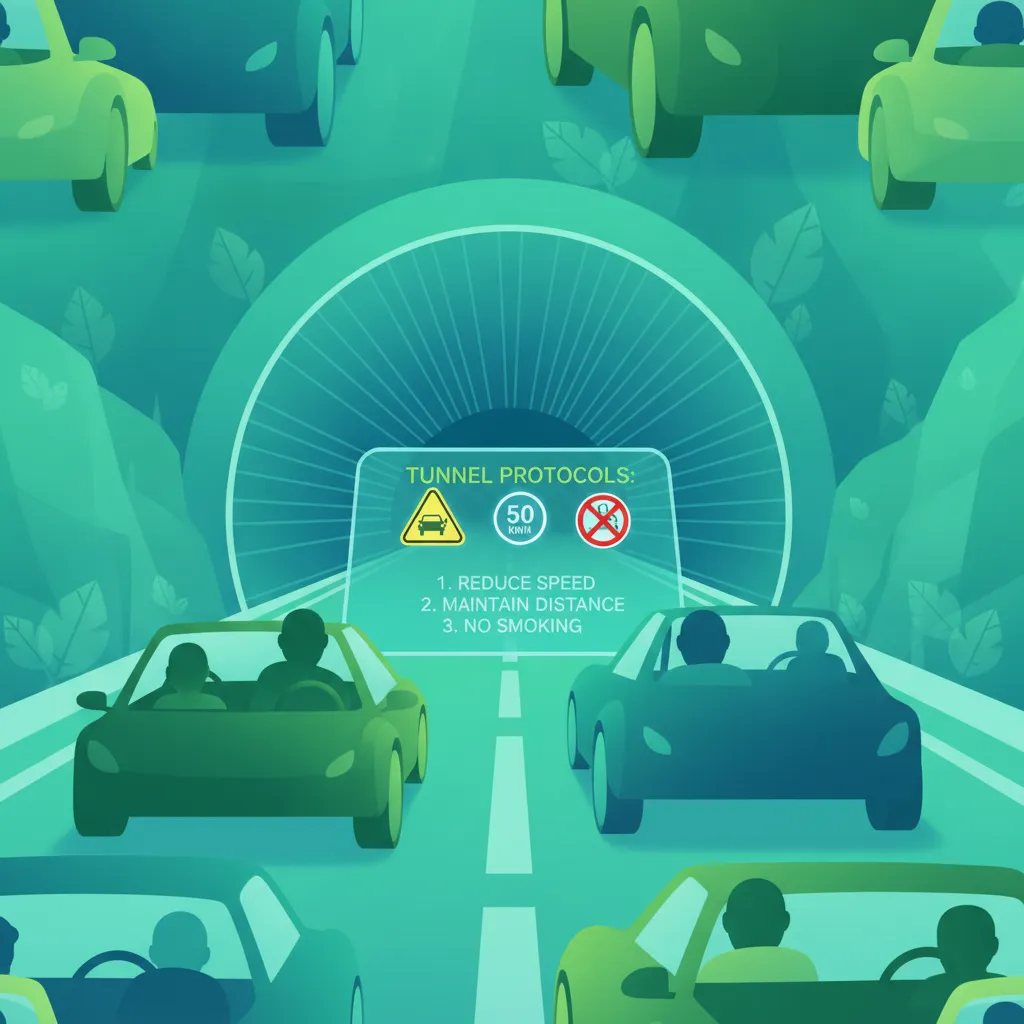
Austria's mountainous terrain means drivers will frequently encounter long tunnels. This lesson details the specific regulations, such as turning on lights and maintaining distance, as well as how to react to tunnel-specific warning signs and signals. Crucially, it covers the correct emergency procedures to follow in the event of a fire, accident, or breakdown inside a tunnel.
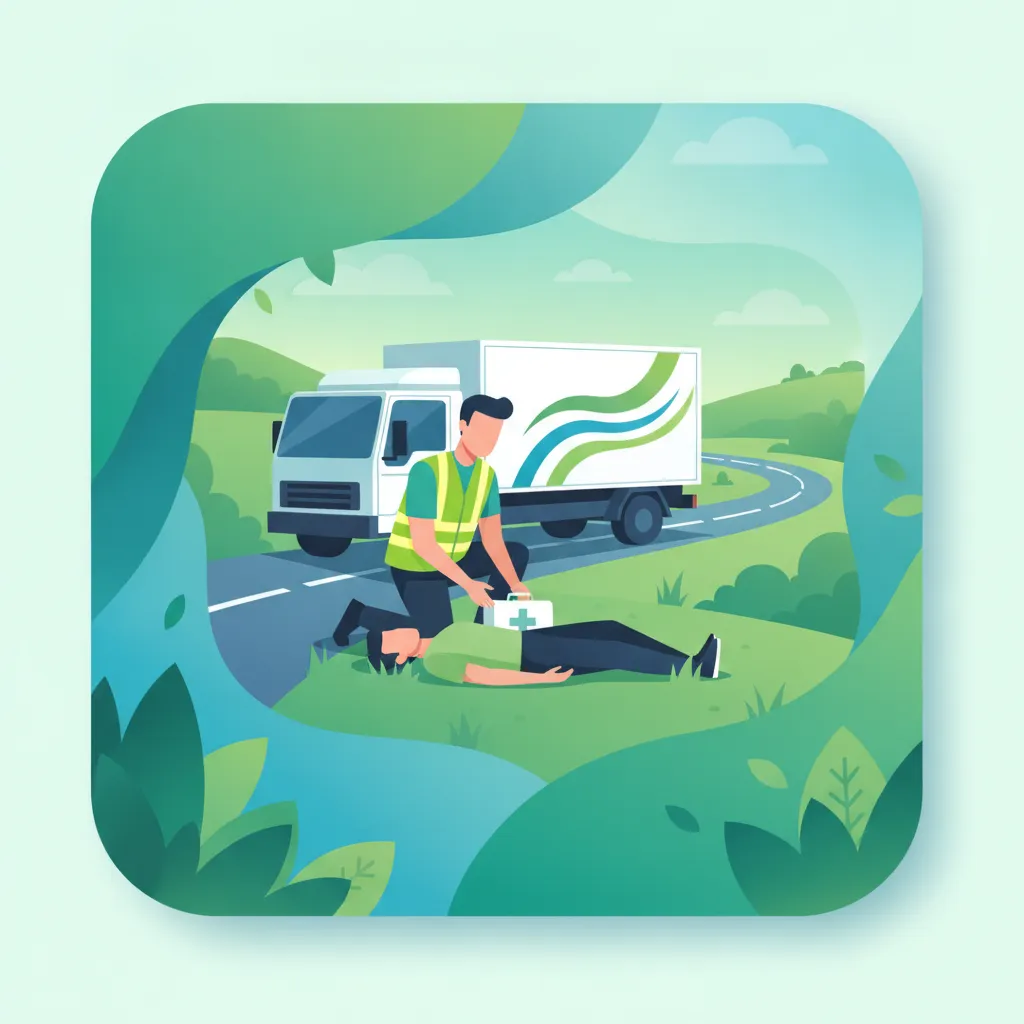
While not a substitute for a full first aid course, this lesson provides a critical overview of the immediate actions a driver can take to help an injured person. It covers assessing a casualty for danger, response, and breathing, and the basic principles of controlling severe bleeding and placing an unconscious person in the recovery position. The primary goal is to preserve life until professional help arrives.
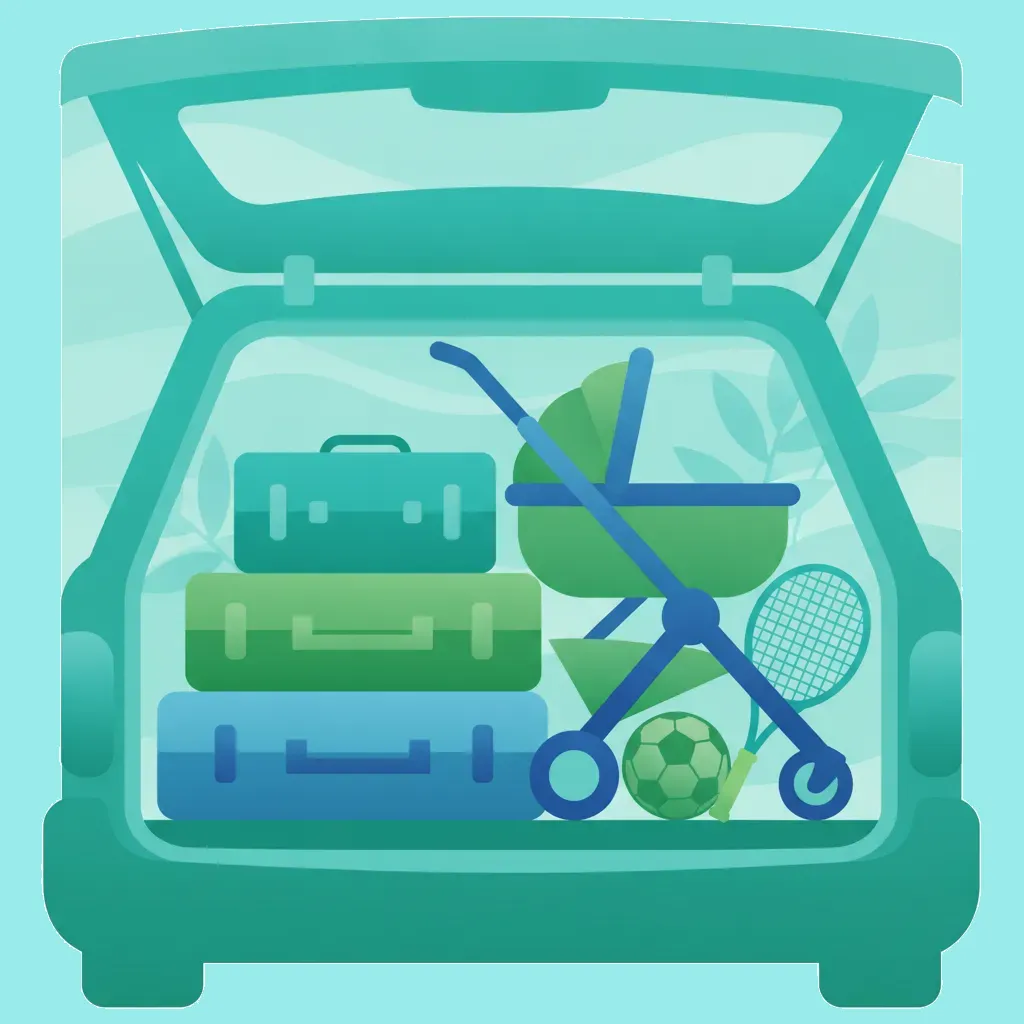
Properly managed luggage is crucial for safety and passenger flow. This lesson covers procedures for stowing items in underfloor lockers on coaches and managing larger items like prams or winter sports equipment inside the vehicle. It emphasizes the legal requirement to keep gangways and emergency exits clear and provides guidance on assisting passengers with their belongings.
This lesson covers essential fire safety knowledge for heavy vehicle drivers. It explains common causes of vehicle fires, preventative checks, and the legal requirement to carry a fire extinguisher. The lesson also provides basic instructions on how to assess a fire and, if safe to do so, use an extinguisher effectively.

This lesson outlines the standardized procedure for handling a vehicle breakdown safely. It covers pulling over to a safe location, activating hazard lights, deploying the warning triangle, and wearing a high-visibility vest. It also explains when and how to contact roadside assistance or emergency services.
This lesson equips drivers with the essential knowledge for responding to a traffic accident. It outlines the critical first steps: securing the scene to prevent further incidents, assessing the situation, and contacting the correct emergency services (112). The content provides an overview of basic first aid principles applicable at an accident scene and explains the driver's legal obligations regarding incident reporting and cooperation with authorities.
A breakdown requires a calm, systematic response to keep everyone safe. This lesson details the procedure: move to the safest possible location, activate hazard lights, secure the vehicle, and deploy warning triangles. It emphasizes the importance of moving passengers to a safe place away from the vehicle, especially on a motorway, before contacting your company or the breakdown services.

As the driver involved or first on the scene, you have specific duties. This lesson covers the initial steps: securing your own vehicle, warning approaching traffic, and making the emergency call. It reinforces the legal requirement in Austria for all drivers to form an emergency corridor ('Rettungsgasse') in standing traffic to allow clear access for emergency vehicles.
Explore the driver's responsibility in emergencies, including accident scene management, evacuation principles, and first aid basics according to Austrian law for Category D license holders.
In a serious incident, a swift and orderly evacuation can save lives. This lesson teaches the principles of taking command, giving clear and simple instructions, and directing passengers to the nearest safe exit. It covers the importance of assisting those with mobility issues and guiding everyone to a safe assembly point away from the vehicle and any traffic.

When a passenger becomes ill, the driver's role is to facilitate professional medical help as quickly as possible. This lesson covers how to safely stop the vehicle, make an emergency call to 112 with clear location and patient information, and provide basic comfort and reassurance. It clarifies that the driver's role is not to diagnose but to manage the scene and get help.
While not a substitute for a full first aid course, this lesson provides a critical overview of the immediate actions a driver can take to help an injured person. It covers assessing a casualty for danger, response, and breathing, and the basic principles of controlling severe bleeding and placing an unconscious person in the recovery position. The primary goal is to preserve life until professional help arrives.
As the driver involved or first on the scene, you have specific duties. This lesson covers the initial steps: securing your own vehicle, warning approaching traffic, and making the emergency call. It reinforces the legal requirement in Austria for all drivers to form an emergency corridor ('Rettungsgasse') in standing traffic to allow clear access for emergency vehicles.
A breakdown requires a calm, systematic response to keep everyone safe. This lesson details the procedure: move to the safest possible location, activate hazard lights, secure the vehicle, and deploy warning triangles. It emphasizes the importance of moving passengers to a safe place away from the vehicle, especially on a motorway, before contacting your company or the breakdown services.
This lesson equips drivers with the essential knowledge for responding to a traffic accident. It outlines the critical first steps: securing the scene to prevent further incidents, assessing the situation, and contacting the correct emergency services (112). The content provides an overview of basic first aid principles applicable at an accident scene and explains the driver's legal obligations regarding incident reporting and cooperation with authorities.

This lesson defines the role of a professional driver beyond simply operating a vehicle. It covers the expectations of public trust, professional image, and the responsibilities inherent in transporting people. Key topics include ethical conduct, communication with the public, and understanding your position as a representative of a transport service within the Austrian legal framework.

Carrying standing passengers significantly increases a driver's responsibility for smooth control. This lesson details the specific adjustments required, such as reducing speed before turns to minimize sideways forces and increasing following distances to avoid sudden braking. It emphasizes the importance of awareness and observation of passengers' stability before accelerating from a stop.

A driver's duty of care extends to passengers until they are safely away from the vehicle. This lesson stresses the importance of monitoring passengers as they step off, ensuring they have stable footing and are clear of the bus's path. It highlights the particular need for vigilance when children or elderly passengers are alighting, and the importance of checking mirrors before closing the doors.
A vehicle fire is a critical emergency requiring immediate and decisive action. This lesson prioritizes the rapid and safe evacuation of all passengers to an upwind location. It then covers a basic assessment of the fire and the correct technique for using a fire extinguisher on a small, accessible fire if it is safe to do so, while stressing that personal safety comes first.
Find clear answers to common questions learners have about Locating and Checking Emergency Equipment and Exits. Learn how the lesson is structured, which driving theory objectives it supports, and how it fits into the overall learning path of units and curriculum progression in Austria. These explanations help you understand key concepts, lesson flow, and exam focused study goals.
In an emergency, every second counts. Obstructed exits can prevent a swift evacuation, putting passengers at extreme risk. During your theory test, remember that maintaining clear access to exits is a primary legal responsibility of the driver.
You must check the fire extinguisher as part of your mandatory daily pre-trip inspection. Ensure the pressure gauge is in the green zone and the seal is intact before every shift.
An emergency hammer is a critical safety item. If it is missing or broken, the vehicle is considered unsafe for passenger transport. You must report this to your dispatcher or operator immediately and refuse to depart until it is replaced.
Refine your study plan by searching for specific Austrian driving theory practice sets. Pinpoint questions related to particular road rules, signs, or challenge levels, and begin practicing immediately to reinforce your knowledge and excel in your official exam with confidence. Get started with focused revision today.