
This lesson guides you through the precise steps for safe bus stop approach and positioning, a critical skill for professional Category D drivers. By mastering how to align your vehicle with the kerb, you ensure passenger safety during boarding and alighting while minimizing common traffic risks. This knowledge is essential for both your theory exam and your future daily operations on Austrian roads.
Lesson content overview
As a professional bus and coach driver holding a Category D licence in Austria, every stop is a meticulously planned maneuver. The approach to a designated bus stop and the precise positioning of your vehicle are fundamental to ensuring passenger safety, maintaining operational efficiency, and adhering to Austrian traffic regulations. This comprehensive lesson details the crucial steps and considerations for safely and effectively approaching and positioning your bus at designated stops.
Proper execution of these maneuvers not only prevents accidents but also enhances passenger comfort and contributes to the smooth flow of public transport. Misaligned stops can lead to passenger injuries, delays, and even legal repercussions under the Austrian traffic law (StVO). Therefore, mastering this skill is paramount for every bus driver.
The sequence of actions involved in approaching and stopping a bus is more than just slowing down and opening doors; it's a critical safety and operational process. This process begins long before the bus comes to a complete halt, requiring proactive communication, refined vehicle control, and heightened situational awareness.
Understanding and applying the principles of safe approach and positioning directly impacts the wellbeing of your passengers, especially those with reduced mobility, children, or individuals carrying luggage. It also affects the perception of professionalism and reliability of public transport services. Compliance with Austrian traffic law, particularly sections of the StVO, further underscores the mandatory nature of these procedures. This lesson builds upon foundational knowledge of bus dimensions, door operation, and passenger comfort, preparing you for effective passenger management during boarding and alighting.
Successfully approaching and positioning a bus at a stop relies on several interconnected principles. Each principle serves a specific safety or operational purpose, and together they form a robust framework for professional bus driving.
Always remember that the primary goal is to create a safe, stable, and accessible platform for passengers to board and alight, while also ensuring the safety of other road users.
This principle involves clearly signaling your intention to stop at a bus stop to surrounding traffic and potential passengers. It encompasses the use of vehicle hazard lights, strategic road positioning, and, where appropriate, driver gestures. The primary goal is to make your actions predictable to prevent sudden reactions from other drivers, reduce the risk of rear-end collisions, and allow pedestrians to anticipate the bus's stop. Activating hazard lights well in advance, typically before reaching the stop line, is a mandatory requirement under Austrian traffic law (StVO § 38).
Effective speed management is the gradual reduction of your bus's velocity as you approach the designated stop. This is crucial for achieving precise positioning without the need for abrupt braking, which can compromise passenger comfort and stability. Drivers should aim for a smooth deceleration, reaching a very low speed (typically not exceeding 5 km/h) before the exact stopping point. This controlled deceleration minimizes passenger sway and allows ample time for final adjustments to the bus's position.
Kerb alignment refers to positioning the bus parallel and as close as safely possible to the kerb edge at the bus stop, without encroaching on other traffic lanes. This minimizes the stepping distance for passengers, which is vital for accessibility and prevents trips or falls, especially for elderly or mobility-impaired individuals. Modern low-floor buses aim for an optimal distance of less than 0.3 meters from the kerb. Consistent monitoring of the bus's lateral position using mirrors and side windows is essential for achieving this precision.
Creating a "passenger platform" means ensuring that the area immediately adjacent to your bus doors, where passengers will board or alight, is clear, level, and free of obstacles. This requires a thorough visual check before opening the doors. The platform must allow safe and unobstructed movement, particularly for passengers using wheelchairs or prams, or those with heavy luggage. It involves not only proper bus positioning but also awareness of the immediate environment, such as parked bicycles or debris.
Hazard scanning is a continuous process of visually checking the vicinity of the bus stop for pedestrians, cyclists, other vehicles, and any potential road hazards. This systematic check should occur before stopping, during the stop, and critically, before moving away. It helps prevent accidents caused by unexpected movements of vulnerable road users who might be obscured by the bus or other vehicles. Both static hazards (e.g., street furniture, debris) and dynamic hazards (e.g., children running, cyclists approaching) must be identified and assessed.
Mastering the approach and positioning at bus stops involves a sequence of specific actions. Each step plays a vital role in ensuring a safe and efficient passenger exchange.
The moment you decide to approach a bus stop, your intentions must be communicated clearly and early. This is a fundamental aspect of anticipatory driving and a legal requirement under Austrian law.
As soon as you commit to stopping at a designated bus stop, activate your amber hazard warning lights. According to StVO § 38, these lights must be switched on before you reach the stop line. The purpose is to alert all surrounding traffic – drivers behind you, oncoming traffic, and pedestrians – that your bus is preparing to stop. This early warning allows other road users sufficient time to react, adjust their speed, or change lanes safely, preventing abrupt braking or confusion.
Activating hazard lights too late, for example, only after you have already stopped or are just about to stop, defeats their purpose and can create dangerous situations for following traffic.
While less common with modern bus communication systems, driver hand signals can still be used to supplement vehicle signals, particularly in busy or complex situations. A raised arm with the palm outward, visible to passengers waiting at the stop, can reinforce the intention to stop, especially if the bus is slightly delayed or needs to make a quick decision.
Controlling your speed as you approach the stop is crucial for passenger comfort and precise positioning. Abrupt stops are not only uncomfortable but can also cause passengers to lose their balance and potentially fall.
Begin reducing your speed well in advance of the bus stop. This involves a smooth and progressive reduction of accelerator input, allowing the bus to coast and naturally decelerate. If further speed reduction is needed, apply the brakes gently and consistently. The aim is to create a seamless transition from driving speed to a near-standstill.
As you get closer to the stop line, your speed should be minimal. A recommended approach speed at the immediate vicinity of the stop should generally not exceed 5 km/h. This allows for fine-tuning your position and responding to any unforeseen hazards without needing to brake sharply. This gradual reduction in speed is vital for compliance with StVO § 42 (b), which requires maintaining a safe speed.
Achieving optimal kerb alignment is critical for passenger safety and accessibility, especially for low-floor buses designed for easy access.
The goal is to position the bus parallel to the kerb and as close as safely possible. For modern low-floor buses, an optimal distance is typically less than 0.3 meters from the kerb. This minimal gap significantly reduces the step distance for passengers, making boarding and alighting much safer and easier. Under no circumstances should the bus be more than 0.5 meters from the kerb, as this creates a hazardous step onto the roadway, violating StVO § 30.
Throughout the approach, continuously monitor your lateral position using your side mirrors. Pay particular attention to the front and rear wheels relative to the kerb. Minor steering adjustments can be made while slowly rolling towards the stop to ensure a perfectly parallel alignment. For low-floor buses, consider the angle of the bus to the kerb as well; even a slight angle can create a larger gap at one end of the bus.
Once the bus is positioned, the next step is to ensure the boarding and alighting area is ready for passengers. This involves a crucial check before doors are opened.
Before opening any passenger doors, visually scan the entire area adjacent to the doors. Look for any obstacles that might impede passengers or cause injury. This includes parked bicycles, refuse bins, construction materials, or even puddles. StVO § 45 explicitly mandates performing an obstacle check before opening doors to ensure a safe environment.
Be aware of the surface of the boarding platform. If the kerb is uneven, or if there are dips or rises in the road, adjust your positioning slightly if possible to minimize any sudden changes in level for passengers. For buses equipped with wheelchair ramps or kneeling functions, ensure the vehicle is stable and the ground is suitable for deployment.
Safety at the bus stop is a dynamic process. Continuous scanning for hazards is essential from the moment you begin your approach until you pull away.
As you approach and stop, quickly identify any stationary obstacles near the stop. This could include street furniture, vending machines, or advertising boards that might limit passenger movement or visibility.
Pay particular attention to moving road users. Pedestrians, especially children who might suddenly run towards the bus or cross the road, and cyclists who might try to pass the bus on either side, are significant hazards. Perform systematic checks of your mirrors and direct vision, especially looking for individuals who might be obscured by the bus itself or other vehicles. StVO § 59 requires a "final check" before moving away, and StVO § 70 mandates yielding to pedestrians crossing the road at a bus stop.
Always assume that vulnerable road users may not see your bus or may act unpredictably. Your vigilance is their safety net.
Adhering to specific sections of the Austrian traffic law (StVO) is not just good practice but a legal obligation for bus drivers.
The Austrian Straßenverkehrsordnung (StVO) is the Road Traffic Act, governing all aspects of road usage in Austria.
Even experienced drivers can encounter difficulties or make errors when approaching and positioning at bus stops. Awareness of these common issues can help you avoid them.
Driving conditions are rarely ideal. Professional bus drivers must adapt their approach and positioning techniques to various challenging circumstances.
When a bus stop is located on a curved road, special attention is needed to ensure proper alignment. If the stop is on an inner curve, stopping perfectly parallel to the kerb might cause the bus's rear to swing out, potentially encroaching into an adjacent lane or causing misaligned doors. The driver must sometimes position the bus slightly "outward" from the curve to ensure that the passenger doors are aligned safely with the kerb while maintaining the bus's integrity within its lane.
Understanding the 'why' behind each action helps reinforce safe driving practices.
This lesson on approaching and positioning at bus stops is a cornerstone of your Category D licence training. It builds directly upon several foundational modules and serves as a critical prerequisite for advanced passenger management techniques.
Let's examine how these principles apply in real-world driving situations.
Decision Point: When to activate hazard lights and begin deceleration.
Correct Behavior: The driver activates the hazard lights approximately 30-50 meters before reaching the stop line, clearly signaling intent. Simultaneously, the driver begins a gentle, controlled deceleration from 30 km/h, smoothly reducing speed to around 5 km/h as the bus reaches the immediate vicinity of the stop. This allows following vehicles ample time to react safely.
Incorrect Behavior: The driver maintains 30 km/h until 10 meters before the stop, then brakes abruptly, causing passengers to lurch and surprising the vehicles behind, which may lead to a harsh stop or near-collision. Hazard lights are only turned on after the bus has fully stopped.
Explanation: Early signaling provides critical warning time, reducing the element of surprise for other road users. Gradual deceleration ensures passenger comfort and stability, minimizing the risk of falls inside the bus.
Decision Point: How to enhance scanning and manage speed given reduced visibility.
Correct Behavior: The driver immediately reduces speed significantly, activates low beams and fog lights (if not already on), and extends the range of visual scanning. Upon approaching the stop, the deceleration is exceptionally gradual, reaching a very slow crawl. Before opening doors, the driver performs an extended, meticulous visual scan of the entire boarding platform, potentially using auxiliary spotlights to illuminate the area, ensuring no pedestrians or obstacles are obscured by the fog.
Incorrect Behavior: The driver relies solely on standard headlights and maintains a speed that is too high for the conditions. Doors are opened after a quick, inadequate scan, leading to a pedestrian or obstacle being missed in the dense fog.
Explanation: Poor visibility exponentially increases accident risk. Enhanced scanning, extended awareness, and significantly reduced speed are vital to compensate for the inability to see potential hazards clearly and early.
Decision Point: Choosing the proper lateral lane position to align with the kerb.
Correct Behavior: Understanding the bus's dimensions and turning characteristics, the driver positions the bus slightly further away from the kerb than usual during the initial approach on the curve. As the bus straightens into the stop, the driver adjusts the steering to ensure the passenger doors align parallel and closely with the kerb without the rear of the bus swinging into the adjacent lane or crossing the center line. This may require a slightly wider approach path.
Incorrect Behavior: The driver attempts to hug the inner curve too tightly, resulting in the front doors being too far from the kerb while the rear of the bus might scrape the kerb or swing out into the adjacent lane, creating a hazard for passing traffic.
Explanation: Road curvature affects how a long vehicle like a bus aligns. Compensatory positioning is necessary to ensure both passenger safety (kerb alignment) and compliance with lane integrity.
Decision Point: Aligning the bus precisely to facilitate wheelchair ramp deployment.
Correct Behavior: The driver focuses on achieving an optimal kerb alignment, aiming for a very small and consistent gap (e.g., < 0.2 meters) specifically at the location of the wheelchair ramp (usually the middle or rear door). The bus is brought to a complete, stable stop, and the kneeling function is activated (if available) to further reduce the step height. The driver then carefully deploys the ramp, ensuring it rests securely on a stable and level part of the boarding platform.
Incorrect Behavior: The bus stops too far from the kerb, making the gap too wide for the wheelchair ramp to deploy safely or effectively. Alternatively, the bus stops at an angle, making one side of the ramp too steep. This causes significant difficulty and potential danger for the wheelchair passenger.
Explanation: Precise positioning is paramount for deploying accessibility equipment. A small, consistent gap and a stable, level platform directly contribute to the independence and safety of mobility-impaired passengers.
Mastering the approach and positioning at bus stops is a core competency for all Category D licence holders in Austria. By internalizing and consistently applying these principles, you ensure the highest standards of safety, efficiency, and passenger comfort.
By diligently applying these principles, you contribute significantly to road safety and uphold the professional standards of the Austrian Driving Theory Course for Bus & Coach Licence.
Safe bus stop approach and positioning for Category D drivers involves a sequence of carefully planned actions governed by specific Austrian traffic law (StVO) requirements. Drivers must signal their intentions early using hazard lights, reduce speed smoothly to approximately 5 km/h, and achieve precise kerb alignment within 0.5 meters (ideally under 0.3 meters for low-floor buses). Before opening doors, a thorough platform clearance check is mandatory, and a final safety scan must be performed before departure. These procedures protect passengers, particularly vulnerable users, while ensuring compliance with StVO sections 30, 38, 42(b), 45, 59, and 70.
A short set of high-value points that capture the most important learning from this lesson.
Activate hazard lights well before the stop line (30-50 meters) as required by StVO § 38 to warn following traffic of your intended stop
Reduce speed gradually to no more than 5 km/h before reaching the stop to allow precise positioning and passenger comfort
Position the bus parallel and as close as safely possible to the kerb (ideally under 0.3 meters) to minimize the stepping distance for passengers
Perform a thorough visual scan of the boarding platform before opening doors to ensure it is free of obstacles, as mandated by StVO § 45
Execute a comprehensive final safety check before moving away from the stop to confirm no pedestrians or cyclists are in the immediate path, per StVO § 59
Explore all units and lessons included in this driving theory course.
StVO § 38 requires hazard lights activated before reaching the stop line, not after stopping
Maximum permitted distance from kerb is 0.5 meters under StVO § 30; optimal distance for low-floor buses is under 0.3 meters
Speed should be reduced to approximately 5 km/h before the final stopping point, enabling fine adjustments
StVO § 45 mandates checking for obstacles adjacent to doors before opening them for passenger boarding or alighting
Vulnerable road users like cyclists and pedestrians may be hidden in blind spots created by the bus itself
Activating hazard lights only after the bus has already stopped, which defeats the purpose of warning following traffic
Stopping more than 0.5 meters from the kerb, forcing passengers to step onto the active roadway
Applying sudden, harsh brakes just before the stop, causing passengers to lose balance and potentially fall
Opening passenger doors without first checking the boarding platform for obstacles such as parked bicycles or bins
Pulling away from the stop before confirming the platform is completely clear of passengers and other road users
Lesson content overview
A short set of high-value points that capture the most important learning from this lesson.
Activate hazard lights well before the stop line (30-50 meters) as required by StVO § 38 to warn following traffic of your intended stop
Reduce speed gradually to no more than 5 km/h before reaching the stop to allow precise positioning and passenger comfort
Position the bus parallel and as close as safely possible to the kerb (ideally under 0.3 meters) to minimize the stepping distance for passengers
Perform a thorough visual scan of the boarding platform before opening doors to ensure it is free of obstacles, as mandated by StVO § 45
Execute a comprehensive final safety check before moving away from the stop to confirm no pedestrians or cyclists are in the immediate path, per StVO § 59
Explore all units and lessons included in this driving theory course.
StVO § 38 requires hazard lights activated before reaching the stop line, not after stopping
Maximum permitted distance from kerb is 0.5 meters under StVO § 30; optimal distance for low-floor buses is under 0.3 meters
Speed should be reduced to approximately 5 km/h before the final stopping point, enabling fine adjustments
StVO § 45 mandates checking for obstacles adjacent to doors before opening them for passenger boarding or alighting
Vulnerable road users like cyclists and pedestrians may be hidden in blind spots created by the bus itself
Activating hazard lights only after the bus has already stopped, which defeats the purpose of warning following traffic
Stopping more than 0.5 meters from the kerb, forcing passengers to step onto the active roadway
Applying sudden, harsh brakes just before the stop, causing passengers to lose balance and potentially fall
Opening passenger doors without first checking the boarding platform for obstacles such as parked bicycles or bins
Pulling away from the stop before confirming the platform is completely clear of passengers and other road users
Explore search topics learners often look for when studying Approaching and Positioning at Bus Stops. These topics reflect common questions about road rules, driving situations, safety guidance, and lesson level theory preparation for learners in Austria.
Browse additional driving theory lessons that cover connected traffic rules, road signs, and common driving situations related to this topic. Improve your understanding of how different rules interact across everyday traffic scenarios.
Explore advanced techniques for approaching and positioning buses at complex Austrian bus stops. Covers precise kerb alignment, hazard scanning in challenging urban environments, and adapting to adverse weather conditions for Category D drivers.

Rural Austrian roads present unique challenges, including lack of markings, tight spaces, and slow-moving agricultural vehicles. This lesson teaches how to read the road ahead, anticipate hazards around blind bends, and use passing places effectively when meeting other large vehicles. It emphasizes adjusting speed to suit the limited visibility and variable road conditions.
Not all bus stops are created equal. This lesson trains you to assess a stop's environment and identify potential hazards, such as poor sightlines, proximity to a busy junction, or frequent presence of vulnerable road users. It encourages a proactive approach, where the driver heightens their observation and slows their approach when dealing with these known high-risk locations.

Driving in tourist hotspots in cities like Salzburg or alpine resorts requires extra patience and vigilance. This lesson explores common unpredictable behaviours, such as pedestrians stepping into the road to take photos or groups of tourists being unaware of traffic. It teaches drivers to slow down, be prepared for anything, and use communication tools like the horn sparingly and appropriately.

Driving a bus in a busy city like Vienna or Salzburg requires constant forward planning and anticipation. This lesson teaches techniques for maintaining adequate space around the vehicle, positioning correctly for upcoming junctions, and reading the flow of traffic. Adopting a defensive mindset is key to navigating complex urban environments without incident.

Adverse weather demands a significant adjustment in driving technique. This lesson explains the dangers of aquaplaning in heavy rain, the need for drastically reduced speed in fog, and how to anticipate and correct for the effects of strong crosswinds on a high-sided vehicle. It reinforces the importance of increasing following distances and using appropriate lighting to see and be seen.

Many Austrian towns and city centres feature narrow roads not designed for large vehicles. This lesson provides strategies for assessing tight spaces, positioning the vehicle to maximize clearance, and navigating complex, non-standard junctions. It emphasizes the importance of slow speeds, constant observation, and understanding the vehicle's swept path to avoid contact with buildings, street furniture, and other vehicles.

Pedestrians have absolute priority on marked crossings in Austria, and a bus driver must always be ready to give way. This lesson covers the rules for approaching and stopping for pedestrians, and highlights the risk of pedestrians being hidden by the vehicle's structure. It also stresses the danger of passengers crossing the road after alighting from your bus.

Bus stations and depots are complex, hazardous environments. This lesson covers the unique challenges, such as navigating tight spaces with other buses moving, adhering to site-specific speed limits and traffic flow systems, and being highly aware of staff and passengers walking in operational areas. Safe positioning in designated bays is a key focus.

Transporting children carries the highest level of responsibility. This lesson covers the specific Austrian rules for school buses, including the use of warning signs and lights. It focuses on developing a mindset of extreme caution, anticipating that children may run into the road unexpectedly, and managing the chaotic traffic environment often found around schools during drop-off and pick-up times.
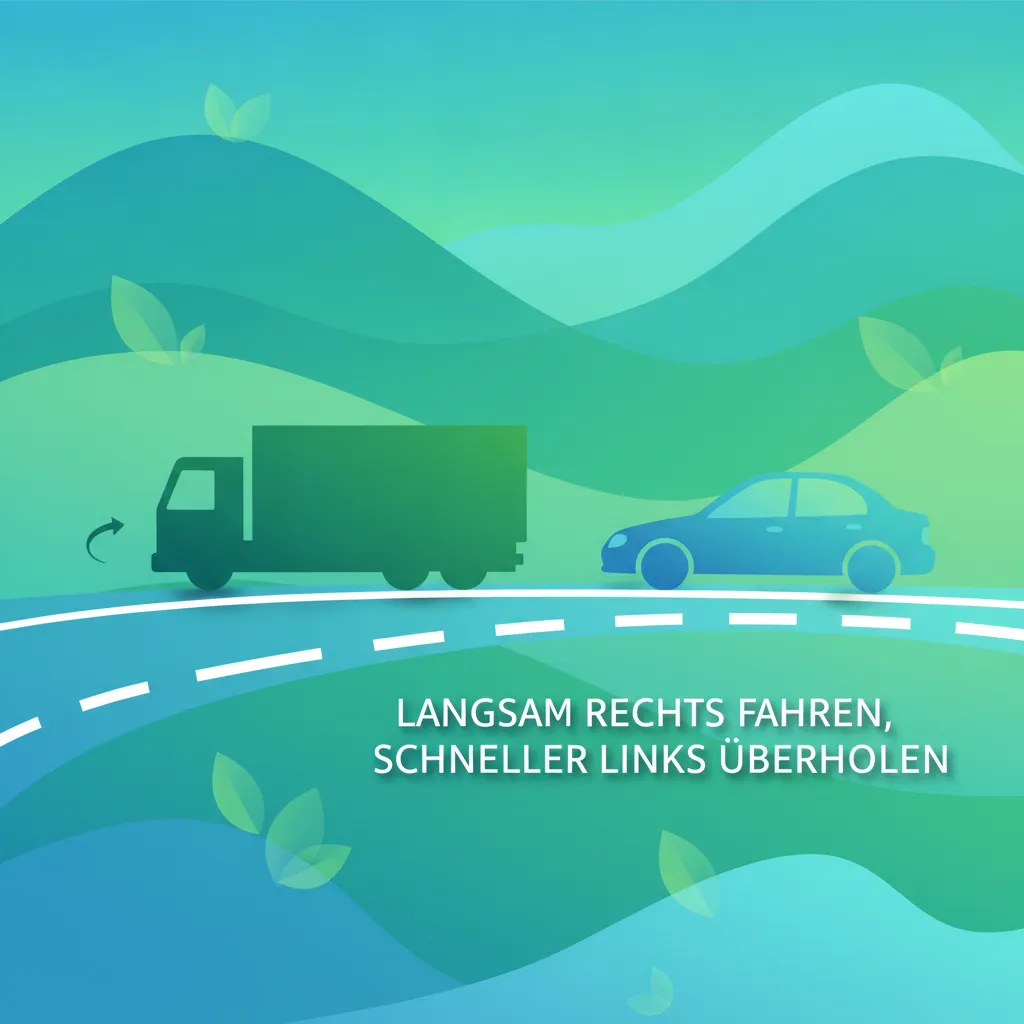
High-speed driving in a large vehicle requires excellent lane discipline and forward planning. This lesson covers Austrian speed limits for buses, rules for joining and leaving the motorway, safe overtaking procedures, and maintaining appropriate following distances. The critical importance of forming an emergency corridor ('Rettungsgasse') in traffic jams is also a key topic.
Understand the legal requirements for approaching and positioning at bus stops in Austria according to the StVO. Learn about common driver violations and how to avoid them to ensure passenger safety and compliance.

This lesson provides a clear breakdown of the different Category D licences in Austria. It explains the specific rights and limitations associated with each, including the maximum number of passengers for D1 (minibus) and D (bus/coach). Furthermore, it details the rules for combination vehicles, covering trailers (D1E, DE) and their specific operational requirements.
This lesson details the specific regulations and best practices for driving in areas with high pedestrian activity, such as bus stops and school zones. It explains the driver's obligation to stop for school buses with flashing lights and to yield to public buses pulling out from a stop. The content emphasizes the requirement to significantly reduce speed in marked school zones to ensure the safety of children.
Pedestrians have absolute priority on marked crossings in Austria, and a bus driver must always be ready to give way. This lesson covers the rules for approaching and stopping for pedestrians, and highlights the risk of pedestrians being hidden by the vehicle's structure. It also stresses the danger of passengers crossing the road after alighting from your bus.
Transporting children carries the highest level of responsibility. This lesson covers the specific Austrian rules for school buses, including the use of warning signs and lights. It focuses on developing a mindset of extreme caution, anticipating that children may run into the road unexpectedly, and managing the chaotic traffic environment often found around schools during drop-off and pick-up times.

This lesson delves into the specific Austrian laws and regulations that professional passenger drivers must adhere to. It provides an overview of rules concerning driving and rest times, the use of the digital tachograph, and the essential documents that must be carried at all times. Understanding these legal obligations is crucial for compliance and avoiding penalties during roadside checks.
Not all bus stops are created equal. This lesson trains you to assess a stop's environment and identify potential hazards, such as poor sightlines, proximity to a busy junction, or frequent presence of vulnerable road users. It encourages a proactive approach, where the driver heightens their observation and slows their approach when dealing with these known high-risk locations.
High-speed driving in a large vehicle requires excellent lane discipline and forward planning. This lesson covers Austrian speed limits for buses, rules for joining and leaving the motorway, safe overtaking procedures, and maintaining appropriate following distances. The critical importance of forming an emergency corridor ('Rettungsgasse') in traffic jams is also a key topic.
Bus lanes are a key tool for public transport efficiency, but they have specific rules. This lesson explains how to identify Austrian bus lanes through road markings and signs, including their hours of operation. It clarifies the regulations for entering or leaving a lane to make turns and identifies other authorized users, such as taxis or cyclists, where permitted.
Driving a bus in a busy city like Vienna or Salzburg requires constant forward planning and anticipation. This lesson teaches techniques for maintaining adequate space around the vehicle, positioning correctly for upcoming junctions, and reading the flow of traffic. Adopting a defensive mindset is key to navigating complex urban environments without incident.
Rural Austrian roads present unique challenges, including lack of markings, tight spaces, and slow-moving agricultural vehicles. This lesson teaches how to read the road ahead, anticipate hazards around blind bends, and use passing places effectively when meeting other large vehicles. It emphasizes adjusting speed to suit the limited visibility and variable road conditions.
Find clear answers to common questions learners have about Approaching and Positioning at Bus Stops. Learn how the lesson is structured, which driving theory objectives it supports, and how it fits into the overall learning path of units and curriculum progression in Austria. These explanations help you understand key concepts, lesson flow, and exam focused study goals.
Parallel alignment minimizes the gap between the vehicle and the kerb, significantly reducing the step height for passengers. This is critical for the safety of elderly passengers, people with disabilities, and those using prams, and it is a key competency tested in the Category D exam.
Always scan for cyclists attempting to filter on the left or right, pedestrians moving toward the stop, and other public transport vehicles. In Austria, you must be particularly vigilant for cyclists in dedicated lanes that might be interrupted by the bus stop.
The exam often presents hazard perception or scenario-based questions where you must identify the correct vehicle path or the right moment to observe your mirrors. You must demonstrate that you prioritize passenger safety and awareness of vulnerable road users.
While the core requirement to position the bus safely remains the same, rural stops may lack marked bays, requiring you to judge the verge or roadside space carefully. Always ensure you do not block the lane unnecessarily and remain visible to following traffic.
Refine your study plan by searching for specific Austrian driving theory practice sets. Pinpoint questions related to particular road rules, signs, or challenge levels, and begin practicing immediately to reinforce your knowledge and excel in your official exam with confidence. Get started with focused revision today.