
As a professional bus driver in Austria, your influence on the vehicle's atmosphere is profound. This lesson explores how a calm, well-maintained environment and a composed driving style significantly improve passenger safety and journey satisfaction.

Lesson content overview
Operating a bus or coach involves far more than just navigating traffic; it demands a profound sense of responsibility for the well-being and comfort of every passenger. As a professional driver holding an Austrian Driving Theory Course for Bus & Coach Licence (Category D), you are not merely a vehicle operator but also a custodian of a mobile environment. This lesson explores how your demeanor, driving style, and meticulous attention to the vehicle's interior collectively create a calm, safe, and reassuring atmosphere for everyone on board.
The internal environment of a passenger vehicle profoundly impacts the journey experience. A well-managed interior contributes significantly to passenger comfort, reduces stress, and enhances overall safety. Conversely, a chaotic or uncomfortable environment can lead to passenger agitation, increased risk of incidents, and a breakdown of trust between the driver and those they transport. Understanding this dynamic is crucial for every professional bus and coach driver.
Your presence, actions, and driving style are the primary determinants of the atmosphere within the vehicle. A composed and alert driver naturally instills confidence in passengers, promoting a sense of security from the moment they board until they alight. This calm demeanor translates directly into smoother driving inputs, such as gentle acceleration and braking, which minimize sudden movements and reduce the likelihood of discomfort or injury, especially for standing passengers or those with mobility challenges.
From a human factors perspective, stress and agitation can impair a driver's decision-making and increase reaction times. By maintaining a tranquil mindset, you can focus better, communicate more clearly, and react to unforeseen circumstances with appropriate composure. This psychological stability is a cornerstone of professional passenger transport.
In Austria, the legal framework for passenger transport, particularly sections of the Road Traffic Act (StVO), places clear responsibilities on the driver and operator to ensure a safe and appropriate vehicle environment. These regulations aim to protect passengers from hazards, ensure their comfort, and facilitate safe travel. Your adherence to these rules is not just a matter of compliance but a fundamental aspect of your passenger duty of care – the ethical and legal obligation to ensure the safety and comfort of all individuals under your supervision during transport. This duty underpins all aspects of creating a positive and secure onboard experience.
Establishing a truly calm and safe vehicle environment requires a multi-faceted approach, integrating driver behavior with active management of the physical interior space. Five core principles guide this process, each contributing to a holistic standard of passenger care.
Driver calmness refers to maintaining a composed emotional and mental state throughout the operation of the vehicle, free from anger, anxiety, or sudden agitation. This state is paramount for professional driving because it directly influences your ability to make sound decisions, react appropriately to hazards, and maintain smooth control inputs.
A calm driver avoids erratic or abrupt maneuvers, such as sudden braking or sharp acceleration, which can startle passengers, cause them to lose balance, or even lead to falls. This composure also extends to communication; a calm driver can deliver important announcements, manage passenger interactions, and handle delays without raising their voice or showing signs of stress. This measured approach sets a reassuring tone for everyone on board.
Emotional Regulation: Practice techniques to manage stress and frustration, such as deep breathing or brief mental refocusing exercises, especially during challenging traffic conditions or unexpected delays.
Cognitive focus is a subcategory of driver calmness, involving sustained attention to driving tasks and the surrounding environment. This means being fully alert and engaged, without distractions. Maintaining physiological relaxation helps reduce muscle tension and mental fatigue, enabling you to remain composed even on long journeys or in demanding situations. Austrian Road Traffic Act §29 explicitly prohibits operating a vehicle under the influence of alcohol or drugs, directly supporting the need for mandatory alertness and composure to prevent impaired judgment and erratic driving.
Vehicle climate control involves the use of the heating, ventilation, and air-conditioning (HVAC) system to maintain a comfortable interior temperature and air quality. The goal is to prevent passenger discomfort, which could range from mild irritation to serious health issues like hypothermia or heat stress, especially during long journeys or extreme weather.
The driver is responsible for monitoring external conditions, passenger load, and journey length to adjust the HVAC system accordingly. This includes providing adequate heating in winter, effective cooling in summer, consistent ventilation to ensure fresh air circulation, and activating the defrost function to maintain clear windows and optimal visibility, particularly before starting the journey or during inclement weather.
Adjusting temperature based on external conditions is critical. For instance, in snowy or icy conditions, the defrost function must be engaged before passengers board to ensure all windows are clear, as stipulated by Austrian Road Traffic Act §25, which also requires proper ventilation or HVAC functioning before vehicle movement. On a hot summer day, ensuring adequate cooling and fresh air intake is vital, particularly with a full passenger load where body heat contributes significantly to interior temperature. Overlooking these adjustments can lead to stagnant air, discomfort, and even breathing difficulties for passengers.
Cleanliness and presentation refer to keeping the vehicle interior free of litter, spills, and visible damage, ensuring a tidy and hygienic environment. This is more than just aesthetics; it's a critical safety and health measure. A clean interior enhances hygiene, reduces slipping hazards from spills, and presents a professional image that encourages passenger respect and compliance with safety instructions.
Regular cleaning routines are essential, which often means daily or even per-shift checks. Immediate removal of spills is critical, as is ensuring that seats are free of debris and windows are clean for clear visibility. Austrian Road Traffic Act §30 mandates that interior surfaces must be kept free from hazards, which includes maintaining a clean and orderly environment.
Professional Image: A well-maintained and clean vehicle interior reflects positively on you as a driver and the transport company, fostering passenger confidence and encouraging good behavior.
A coffee spill on the floor, if not promptly cleaned, transforms into a serious slip hazard. Similarly, loose litter can become projectiles during sudden braking or simply make the environment feel unkempt and unsafe. Trash management, such as providing and regularly emptying onboard bins, is key to maintaining floor cleanliness, seat upholstery condition, and overall interior tidiness. A thorough inspection before each trip is necessary to ensure the vehicle meets high standards of hygiene and safety.
Noise management involves controlling interior noise levels by minimizing unnecessary sounds and vibrations. This includes engine noise, external traffic sounds infiltrating the cabin, and the volume of the onboard audio system. Effective noise management lowers passenger stress, improves the clarity of communication between the driver and passengers, and contributes to reducing driver fatigue.
Maintaining smooth throttle control and making gentle gear changes can significantly reduce engine roar and vibrations. Ensuring windows and doors are properly sealed also minimizes external noise infiltration. When it comes to the audio system, the volume must always be kept at a moderate level.
The Austrian Road Traffic Act §228 specifically restricts music volume when the vehicle is in motion, stating that it must not impede the driver's hearing of traffic sounds or communication with passengers. This is crucial for safety; a driver must be able to hear emergency vehicle sirens, horns from other vehicles, or specific passenger requests. While background music can contribute to a pleasant atmosphere, personal entertainment should never take precedence over safety communication. Reducing the volume of music or announcements after a sudden stop or when addressing passengers ensures clear, effective communication.
Passenger comfort signals are visual and auditory cues provided to passengers regarding the vehicle's environmental conditions or operational status. These signals enable passengers to adjust their personal comfort (e.g., bracing for a turn, preparing to alight) and build trust through transparent communication.
This includes audible alerts such as a chime before doors open, visual displays indicating the current temperature, or signage explaining how to operate individual ventilation vents. Announcing door opening and closing, or informing passengers about significant temperature changes, keeps them informed and engaged in their own safety and comfort.
Austrian Road Traffic Act §31 specifically requires audible warnings to be given before passenger doors are opened, especially when the vehicle is in motion or about to allow boarding/alighting. This alerts passengers to potential hazards, such as moving traffic outside the vehicle or the need to prepare for movement. Clear signage for emergency exits or instructions for using passenger comfort features (like individual HVAC vents or lighting) also falls under this principle, ensuring passengers can interact safely and effectively with their environment. These signals must be clear, unambiguous, and positioned at eye level or be sufficiently audible.
Adhering to specific Austrian Road Traffic Act (StVO) regulations is fundamental for creating and maintaining a safe and calm vehicle environment. These rules provide the legal framework for professional bus and coach operation.
These regulations are not merely bureaucratic hurdles but essential guidelines designed to protect all road users and, most importantly, the passengers entrusted to your care.
Understanding the theoretical principles is vital, but their true value lies in practical application. Here, we examine common situations and how a professional driver applies the lessons learned.
Neglecting HVAC Adjustments on a Cold Morning:
Overly Loud Music During City Traffic:
Spill Not Cleaned Promptly:
The principles and regulations discussed are interconnected, forming a holistic approach to passenger care. A calm driver is better equipped to manage climate control, notice cleanliness issues, and ensure proper noise levels. Each action has a direct impact:
Ultimately, your role as a professional Category D driver in Austria extends beyond driving proficiency. It encompasses a deep commitment to creating an environment where every passenger feels safe, comfortable, and respected throughout their journey. This dedication not only meets legal requirements but also upholds the highest standards of professional passenger transport.
This lesson covers the professional standards for Austrian Category D drivers in creating a calm and safe passenger environment through five core principles: driver composure, climate control, interior cleanliness, noise management, and passenger comfort signals. The driver sets the psychological tone for the journey, and their calm demeanor directly influences passenger safety by reducing erratic maneuvers that could cause falls or injuries. Austrian traffic law provides specific legal framework through StVO sections governing window and door requirements (§25), impairment prohibition (§29), interior hazard prevention (§30), audible door warnings (§31), and noise management (§228). Practical scenarios demonstrate how neglecting these principles—such as failing to defrost windows before boarding or allowing overly loud music—can create safety incidents, while correct behaviors like proactive HVAC adjustment and immediate spill cleanup fulfill both legal requirements and professional passenger duty of care.
A short set of high-value points that capture the most important learning from this lesson.
The driver is the primary determinant of the vehicle's internal atmosphere and must maintain composure to ensure passenger safety and comfort
Austrian Road Traffic Act §29 prohibits operating under the influence of any substance that impairs judgment, which directly supports the calm demeanor requirement
Vehicle climate control (HVAC) must be actively managed based on weather conditions, passenger load, and journey length
Interior cleanliness is a safety requirement under StVO §30, not merely aesthetic—unclean surfaces create slip and injury hazards
Noise management is legally mandated by StVO §228 to ensure the driver can hear traffic sounds and communicate with passengers
Explore all units and lessons included in this driving theory course.
StVO §31 requires audible door warnings before passengers board or alight to alert them to associated hazards
Before moving the vehicle, StVO §25 mandates that all windows, doors, and ventilation systems must be properly closed and functional
Driver calmness reduces erratic maneuvers, which directly prevents passenger falls and discomfort especially for standing passengers
Fully loaded vehicles generate significant body heat requiring increased HVAC airflow and potentially lower temperature settings
Night-time interior lighting should be dimmed while keeping safety signage (emergency exits, stop buttons) clearly illuminated
Neglecting to engage defrost and heating before passengers board, resulting in frosted windows and an uncomfortable interior from the first stop
Playing music at volumes that impede hearing emergency vehicle sirens or passenger communications, violating StVO §228
Delaying cleanup of spills until the end of the route, creating slip hazards that violate StVO §30's interior hazard prevention requirements
Failing to adjust HVAC settings when passenger load changes significantly, leading to overheating or stale air conditions
Operating the vehicle without ensuring doors are properly closed, violating StVO §25's window and door requirements before movement
Lesson content overview
A short set of high-value points that capture the most important learning from this lesson.
The driver is the primary determinant of the vehicle's internal atmosphere and must maintain composure to ensure passenger safety and comfort
Austrian Road Traffic Act §29 prohibits operating under the influence of any substance that impairs judgment, which directly supports the calm demeanor requirement
Vehicle climate control (HVAC) must be actively managed based on weather conditions, passenger load, and journey length
Interior cleanliness is a safety requirement under StVO §30, not merely aesthetic—unclean surfaces create slip and injury hazards
Noise management is legally mandated by StVO §228 to ensure the driver can hear traffic sounds and communicate with passengers
Explore all units and lessons included in this driving theory course.
StVO §31 requires audible door warnings before passengers board or alight to alert them to associated hazards
Before moving the vehicle, StVO §25 mandates that all windows, doors, and ventilation systems must be properly closed and functional
Driver calmness reduces erratic maneuvers, which directly prevents passenger falls and discomfort especially for standing passengers
Fully loaded vehicles generate significant body heat requiring increased HVAC airflow and potentially lower temperature settings
Night-time interior lighting should be dimmed while keeping safety signage (emergency exits, stop buttons) clearly illuminated
Neglecting to engage defrost and heating before passengers board, resulting in frosted windows and an uncomfortable interior from the first stop
Playing music at volumes that impede hearing emergency vehicle sirens or passenger communications, violating StVO §228
Delaying cleanup of spills until the end of the route, creating slip hazards that violate StVO §30's interior hazard prevention requirements
Failing to adjust HVAC settings when passenger load changes significantly, leading to overheating or stale air conditions
Operating the vehicle without ensuring doors are properly closed, violating StVO §25's window and door requirements before movement
Explore search topics learners often look for when studying Creating a Calm and Safe Vehicle Environment. These topics reflect common questions about road rules, driving situations, safety guidance, and lesson level theory preparation for learners in Austria.
Browse additional driving theory lessons that cover connected traffic rules, road signs, and common driving situations related to this topic. Improve your understanding of how different rules interact across everyday traffic scenarios.
Understand the specific legal obligations for Austrian Category D drivers regarding passenger vehicle interiors, including cleanliness, climate control, and door safety. Essential knowledge for compliant and safe passenger transport.

This lesson focuses on the driver's legal and ethical responsibility for the safety of all passengers. It details the mandatory use of seatbelts for all occupants and provides a thorough explanation of Austrian regulations concerning child restraints. Learners will understand how to choose and correctly install the appropriate child seat based on a child's age, weight, and height, ensuring maximum protection in the event of a collision.

This lesson details the general traffic rules applicable to heavy goods vehicles on Austrian roads, highlighting differences from passenger car regulations. It covers key topics such as right-of-way at intersections, specific rules for overtaking, maintaining proper lane discipline, and adhering to designated speed limits. Understanding these rules is critical for safe integration into mixed traffic.

This lesson delves into the specific Austrian laws and regulations that professional passenger drivers must adhere to. It provides an overview of rules concerning driving and rest times, the use of the digital tachograph, and the essential documents that must be carried at all times. Understanding these legal obligations is crucial for compliance and avoiding penalties during roadside checks.

This lesson focuses on the legal restrictions concerning a heavy vehicle's dimensions, including maximum height, width, and length. It teaches drivers how to interpret road signs and supplemental plates that indicate these limits. This knowledge is crucial for route planning, especially when navigating under bridges, through tunnels, and on restricted roads.

Austria's mountainous terrain means drivers will frequently encounter long tunnels. This lesson details the specific regulations, such as turning on lights and maintaining distance, as well as how to react to tunnel-specific warning signs and signals. Crucially, it covers the correct emergency procedures to follow in the event of a fire, accident, or breakdown inside a tunnel.
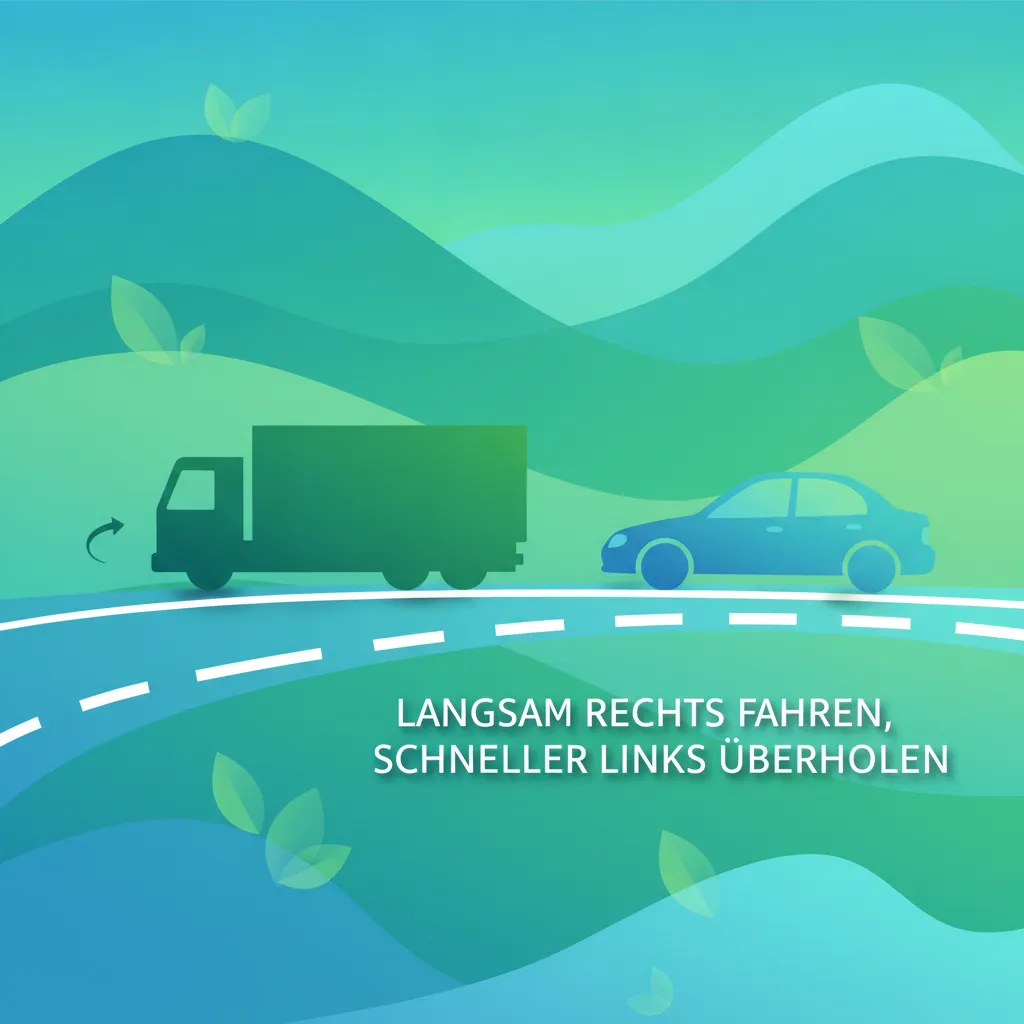
High-speed driving in a large vehicle requires excellent lane discipline and forward planning. This lesson covers Austrian speed limits for buses, rules for joining and leaving the motorway, safe overtaking procedures, and maintaining appropriate following distances. The critical importance of forming an emergency corridor ('Rettungsgasse') in traffic jams is also a key topic.

Rural Austrian roads present unique challenges, including lack of markings, tight spaces, and slow-moving agricultural vehicles. This lesson teaches how to read the road ahead, anticipate hazards around blind bends, and use passing places effectively when meeting other large vehicles. It emphasizes adjusting speed to suit the limited visibility and variable road conditions.

This lesson provides a clear breakdown of the different Category D licences in Austria. It explains the specific rights and limitations associated with each, including the maximum number of passengers for D1 (minibus) and D (bus/coach). Furthermore, it details the rules for combination vehicles, covering trailers (D1E, DE) and their specific operational requirements.
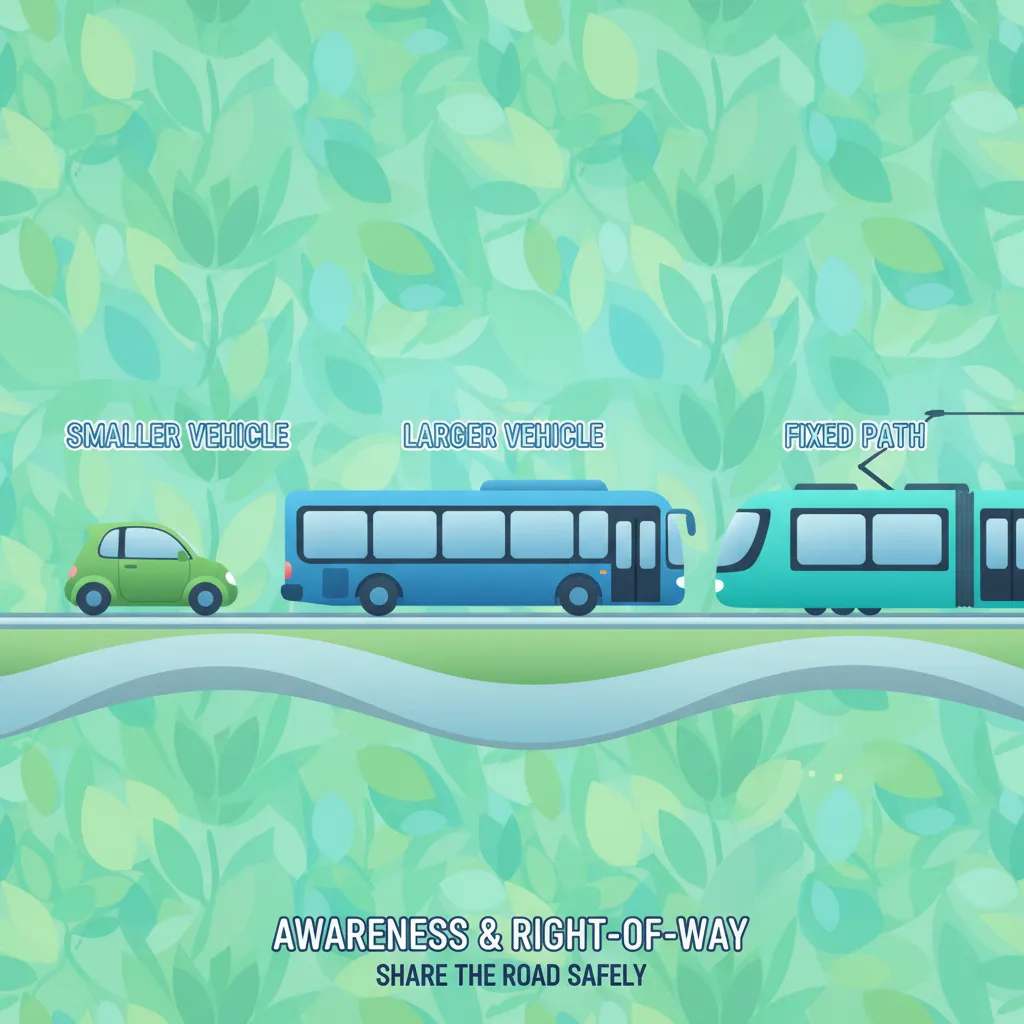
This lesson provides specific guidance for sharing the road with different types of vehicles in Austria. It covers the dangers of large vehicle blind spots, the rules for navigating near buses and dedicated tram tracks, and common conflict points at intersections. Understanding the behavior and limitations of other vehicles is key to safely navigating complex urban environments.

This lesson details the specific regulations and best practices for driving in areas with high pedestrian activity, such as bus stops and school zones. It explains the driver's obligation to stop for school buses with flashing lights and to yield to public buses pulling out from a stop. The content emphasizes the requirement to significantly reduce speed in marked school zones to ensure the safety of children.
Explore real-world scenarios demonstrating how driver calmness, smooth driving, and effective climate control directly impact passenger comfort and safety in Austrian bus and coach transport.

While rare, passenger conflict can be a source of significant stress and distraction. This lesson offers simple, effective techniques for remaining calm and professional when faced with a difficult passenger. It covers active listening, using non-confrontational language, and knowing when and how to request assistance according to your operator's policy, always prioritizing the safety of the vehicle.

Carrying standing passengers significantly increases a driver's responsibility for smooth control. This lesson details the specific adjustments required, such as reducing speed before turns to minimize sideways forces and increasing following distances to avoid sudden braking. It emphasizes the importance of awareness and observation of passengers' stability before accelerating from a stop.

Sudden vehicle movements are a primary cause of passenger injury and discomfort. This lesson focuses on developing a high level of control over the throttle and brake pedals. It teaches how to apply power gradually and brake progressively by anticipating traffic flow, ensuring that passengers, particularly those standing or moving, are never caught off balance.

Effective communication is a key skill for any professional driver responsible for passengers. This lesson covers best practices for making clear announcements, assisting passengers with inquiries, and providing support to those with accessibility needs. It also introduces basic techniques for de-escalating tense situations and maintaining a calm, professional atmosphere on board the vehicle.

Driving a bus in a busy city like Vienna or Salzburg requires constant forward planning and anticipation. This lesson teaches techniques for maintaining adequate space around the vehicle, positioning correctly for upcoming junctions, and reading the flow of traffic. Adopting a defensive mindset is key to navigating complex urban environments without incident.

Improper cornering technique can be unsettling and dangerous for passengers. This lesson teaches the correct approach to bends and turns: assess the corner, select the right speed and gear on approach, and steer with smooth, deliberate inputs. Understanding how to manage the vehicle's weight transfer and minimize lateral forces is key to ensuring passenger stability and comfort.

A driver's duty of care extends to passengers until they are safely away from the vehicle. This lesson stresses the importance of monitoring passengers as they step off, ensuring they have stable footing and are clear of the bus's path. It highlights the particular need for vigilance when children or elderly passengers are alighting, and the importance of checking mirrors before closing the doors.

Pressure to stay on schedule is a daily reality, but it must never lead to unsafe driving. This lesson provides mental strategies for staying calm and focused when running late. It emphasizes that the driver's professional judgement to operate safely always overrides the timetable and covers the importance of communicating delays according to company procedure.

When a passenger becomes ill, the driver's role is to facilitate professional medical help as quickly as possible. This lesson covers how to safely stop the vehicle, make an emergency call to 112 with clear location and patient information, and provide basic comfort and reassurance. It clarifies that the driver's role is not to diagnose but to manage the scene and get help.

Passive mirror use is not enough. This lesson teaches active, systematic scanning techniques, including moving your head to look around A-pillars and using all available mirrors and cameras in a set sequence. The focus is on building a constant mental map of the space around the vehicle, especially before any change of direction or speed, to account for unseen pedestrians or cyclists.
Find clear answers to common questions learners have about Creating a Calm and Safe Vehicle Environment. Learn how the lesson is structured, which driving theory objectives it supports, and how it fits into the overall learning path of units and curriculum progression in Austria. These explanations help you understand key concepts, lesson flow, and exam focused study goals.
The theory exam tests your holistic understanding of passenger safety. A calm and well-managed vehicle environment reduces the risk of passenger falls and conflict, which is a core component of the duty of care for Category D licence holders.
A clean and well-presented vehicle fosters passenger confidence and respect for the bus. Passengers are more likely to behave appropriately and follow the driver's instructions when the environment feels professional, safe, and well-maintained.
Yes, maintaining an appropriate temperature is a key duty. Extremes of heat or cold cause passenger distress, which can lead to fatigue, irritability, and potential safety incidents during the journey.
Smooth driving and environmental control are linked; consistent, gentle acceleration and braking prevent passengers from feeling anxious or insecure, which creates a naturally calmer atmosphere inside the bus.
Refine your study plan by searching for specific Austrian driving theory practice sets. Pinpoint questions related to particular road rules, signs, or challenge levels, and begin practicing immediately to reinforce your knowledge and excel in your official exam with confidence. Get started with focused revision today.