
This lesson explores the essential responsibilities HGV drivers hold regarding the environment and local communities. You will learn how to balance professional efficiency with legal requirements concerning emissions, noise pollution, and modern eco-driving techniques.

Lesson content overview
Operating a goods vehicle in Great Britain carries significant responsibilities beyond just driving safely and delivering cargo. Professional Category C licence holders must also understand and actively manage their environmental and community impact. This lesson delves into the legal requirements, practical strategies, and ethical considerations for minimising the footprint of heavy goods vehicles (HGVs) on the environment and local communities. Adhering to these principles is crucial for legal compliance, operational efficiency, and maintaining a positive public image.
Every journey undertaken by a goods vehicle contributes to a broader environmental picture. From exhaust emissions affecting air quality to engine noise impacting residential areas, the daily operations of HGVs have tangible consequences. As a professional driver, your actions directly influence these outcomes. This understanding forms the bedrock of responsible operation, connecting technical vehicle performance with legal mandates and corporate social responsibility (CSR) objectives. The aim is to ensure that while goods are transported efficiently, public health, environmental quality, and community well-being are simultaneously protected.
The primary environmental concerns stemming from goods vehicle operations include air pollution, noise pollution, and the consumption of fossil fuels. Air pollution, largely from exhaust emissions, contributes to smog, acid rain, and respiratory issues. Noise pollution can disrupt sleep, increase stress levels, and reduce the quality of life in communities. High fuel consumption not only increases operating costs but also contributes to carbon dioxide (CO₂) emissions, a major greenhouse gas linked to climate change. Responsible driving practices and adherence to regulations are vital to mitigate these effects.
Goods vehicle operators in Great Britain are subject to stringent regulations designed to control vehicle emissions and reduce their environmental impact. These regulations are critical for improving urban air quality and meeting national climate targets. Non-compliance can lead to substantial fines, operational restrictions, and reputational damage.
Euro emission standards are a set of limits for exhaust pollutants from new vehicles sold in the European Union and adopted by the UK. These standards have progressively become stricter, pushing manufacturers to develop cleaner engine technologies. For heavy goods vehicles, the most relevant standards are Euro V and Euro VI.
The most recent European emission standard for heavy goods vehicles, limiting nitrogen oxides (NOₓ) to 0.46 g/kWh and particulate matter (PM) to 0.01 g/kWh. Applies to vehicles registered after January 2014.
To meet these tough standards, modern HGVs are equipped with advanced after-treatment systems.
Diesel Particulate Filter (DPF): This device captures soot and particulate matter from the exhaust gas. DPFs require periodic "regeneration," a process where the collected soot is burned off at high temperatures.
Selective Catalytic Reduction (SCR): This technology uses a liquid urea solution, commonly known as AdBlue, which is injected into the exhaust stream. In the catalyst, the AdBlue reacts with NOₓ, converting it into harmless nitrogen gas and water vapour.
It is crucial for drivers to understand that these technologies are integral to compliance. Malfunctioning DPFs or low AdBlue levels in an SCR system can lead to increased emissions, vehicle derating, and potential legal penalties. Drivers must routinely check system alerts and ensure proper maintenance.
All Category C heavy goods vehicles operating on public roads in Great Britain post-2020 are generally expected to meet or exceed Euro VI emission limits, especially when entering certain zones. Checking your vehicle's registration documents will confirm its emission class.
To combat air pollution in densely populated areas, many cities and regions across Great Britain have implemented Low Emission Zones (LEZs) or Ultra Low Emission Zones (ULEZs). These are designated areas where vehicles must meet specific emission standards to enter without incurring charges or facing restrictions.
A geographically defined urban area where vehicles must meet minimum emission standards or pay a charge to enter, aiming to control local air quality.
Examples in Great Britain:
Assuming a "green" livery exempts a vehicle from LEZ charges is a common misunderstanding. Compliance is based purely on the vehicle's certified emission class, not its appearance. Always verify your vehicle's Euro class against the zone's requirements.
To ensure compliance, drivers and operators should:
Noise pollution from goods vehicles is a significant concern for communities, particularly in urban and residential areas, and during night-time deliveries. Excessive noise can disturb residents, affect sleep, and contribute to stress. As a professional driver, you have a crucial role in minimising the acoustic impact of your vehicle.
Unwanted or harmful acoustic energy generated by vehicle operation that affects human health and comfort, measured in decibels (dB).
Sources of HGV noise include:
The Noise at Work Regulations 2005 primarily protect drivers from excessive noise exposure within the cab. However, local authority noise ordinances often restrict external vehicle noise, especially near residential areas and during night hours. These local bylaws can enforce stricter limits on idling and overall vehicle noise.
Effective noise management involves:
Vehicle idling, which is when the engine runs while the vehicle is stationary, is a major contributor to both air and noise pollution. It wastes fuel, increases emissions, and can lead to unnecessary wear on engine components.
Running the engine while the vehicle is stationary, with the drivetrain disengaged.
When stopping for a prolonged period (e.g., waiting for a loading dock, a delayed appointment, or a driver break), it is best practice to switch off the engine to save fuel and reduce emissions and noise. If refrigeration is needed, utilise a dedicated auxiliary power unit (APU) or battery-powered system if available, rather than the main engine.
Beyond regulatory compliance, adopting fuel-efficient driving practices is a direct way to reduce environmental impact and lower operating costs. These strategies fall under the umbrella of "eco-driving" and "smart route planning."
Eco-driving is a systematic approach to driving that minimises fuel consumption and emissions while maintaining safety and operational efficiency. It requires conscious effort and disciplined driving behaviour.
A driver’s set of behaviours aimed at reducing fuel consumption, emissions, and wear while maintaining safety, for example, smooth acceleration, optimal gear usage, and consistent speed management.
Key eco-driving techniques for goods vehicles include:
Eco-driving does not mean driving slowly or unsafely. In fact, it often promotes a smoother, more controlled driving style that can enhance safety by reducing aggressive manoeuvres and promoting better anticipation of road conditions.
Effective route planning goes beyond merely finding the shortest or fastest path. Smart route planning incorporates environmental factors, regulatory constraints, and operational efficiency to minimise impact.
The process of selecting an optimal vehicle route that considers time, distance, fuel consumption, emissions, and regulatory constraints (e.g., LEZs, weight restrictions).
Smart route planning directly supports corporate social responsibility objectives by reducing the environmental footprint of operations and can lead to significant cost savings through reduced fuel consumption and avoided fines.
Corporate Social Responsibility (CSR) is increasingly important for transport companies. It reflects a business's commitment to operating ethically and sustainably, contributing to economic development while improving the quality of life for its workforce, local communities, and society at large.
The commitment of a transport business to operate sustainably, ethically, and responsibly toward society and the environment, often extending beyond legal compliance.
For goods vehicle operators, CSR in transport translates into:
While not all aspects of CSR are legally mandated, they can influence public perception, business partnerships, and access to contracts. Many procurement processes now require evidence of CSR commitment, making it a competitive advantage. Drivers play a direct role in upholding their company's CSR commitments through their daily actions.
Regular and thorough vehicle maintenance is fundamental to maintaining emission compliance and operational efficiency. A well-maintained vehicle is a more efficient and less polluting vehicle.
Ignoring maintenance can lead to non-compliance with Euro standards, increased operating costs, and environmental penalties. Drivers should report any vehicle defects promptly.
Understanding the rules and the potential consequences of their violation is key to responsible goods vehicle operation. This section summarises essential regulations and outlines common breaches, highlighting the importance of consistent adherence.
Ignoring environmental and community responsibilities can lead to various violations and negative consequences:
Environmental and community impact considerations are not static; they must adapt to changing driving conditions and environments. A responsible driver considers how different factors influence their vehicle's footprint.
By consciously adapting driving techniques and operational planning to these varied conditions, professional goods vehicle drivers can consistently reduce their environmental impact while enhancing safety and efficiency.
The role of a professional goods vehicle driver in Great Britain extends beyond the simple act of transportation. It encompasses a vital responsibility to protect the environment and maintain positive relationships with local communities. Compliance with Euro emission standards and Low Emission Zone regulations is non-negotiable, requiring drivers to understand their vehicle's capabilities and plan routes strategically.
Beyond compliance, adopting practices such as minimising idling, mastering eco-driving techniques, and engaging in smart route planning are powerful ways to reduce fuel consumption, lower emissions, and mitigate noise pollution. These actions not only contribute to a healthier planet and more peaceful communities but also lead to significant operational savings and enhance the industry's overall Corporate Social Responsibility. Continuous professional development, ongoing vehicle maintenance, and a proactive approach to environmental stewardship are the hallmarks of a responsible and successful goods vehicle operator in the modern era.
This lesson covers the environmental responsibilities of professional goods vehicle drivers in Great Britain, focusing on Euro V and Euro VI emission standards, Diesel Particulate Filter and Selective Catalytic Reduction technologies, and the requirements for navigating Low Emission Zones across UK cities including London ULEZ and Scottish LEZs. It addresses noise pollution management, the DVSA guidance on minimising vehicle idling beyond three minutes, and practical eco-driving techniques such as anticipative driving, optimal gear usage, and speed management. The content also explores smart route planning to avoid emission zones, corporate social responsibility obligations, and the importance of regular vehicle maintenance for emission compliance. Key violations to avoid include entering LEZs without meeting standards, excessive idling, and neglecting emission control system maintenance.
A short set of high-value points that capture the most important learning from this lesson.
Euro VI emission standards are the current requirement for HGVs in Great Britain, limiting NOx to 0.46 g/kWh and particulate matter to 0.01 g/kWh
Low Emission Zones (LEZs) require HGVs to meet Euro VI standards or pay daily charges, with non-compliance resulting in significant fixed penalties
Emission control systems like DPF and SCR require proper maintenance—drivers must monitor AdBlue levels and DPF regeneration cycles
DVSA guidance recommends switching off the engine when stationary for more than three minutes unless powering essential equipment
Eco-driving techniques including anticipative driving, optimal gear usage, and consistent speed management directly reduce fuel consumption and emissions
Explore all units and lessons included in this driving theory course.
Euro VI replaced Euro V in 2014 and introduced real-driving emissions (RDE) testing to ensure compliance under actual road conditions
Selective Catalytic Reduction (SCR) systems use AdBlue—a liquid urea solution—to convert harmful NOx into harmless nitrogen and water vapour
LEZ compliance is based solely on the vehicle's certified emission class, not its appearance or livery—always verify your vehicle's Euro class
Noise at Work Regulations 2005 protect drivers from noise exposure, while local authority bylaws restrict external vehicle noise near residential areas
Corporate Social Responsibility in transport includes environmental stewardship, community engagement, and ethical practices that extend beyond minimum legal requirements
Entering a Low Emission Zone with a non-compliant vehicle without paying the required charge, resulting in substantial fixed penalties
Neglecting to check AdBlue levels regularly, causing SCR system malfunction and increased NOx emissions with potential vehicle derating
Assuming a non-compliant vehicle can enter any zone if charges are paid, without understanding that some zones prohibit entry entirely
Allowing prolonged vehicle idling at delivery sites, wasting fuel, increasing emissions, and generating unnecessary noise pollution for residents
Failing to maintain correct tyre pressure, which increases rolling resistance and significantly raises fuel consumption and emissions
Lesson content overview
A short set of high-value points that capture the most important learning from this lesson.
Euro VI emission standards are the current requirement for HGVs in Great Britain, limiting NOx to 0.46 g/kWh and particulate matter to 0.01 g/kWh
Low Emission Zones (LEZs) require HGVs to meet Euro VI standards or pay daily charges, with non-compliance resulting in significant fixed penalties
Emission control systems like DPF and SCR require proper maintenance—drivers must monitor AdBlue levels and DPF regeneration cycles
DVSA guidance recommends switching off the engine when stationary for more than three minutes unless powering essential equipment
Eco-driving techniques including anticipative driving, optimal gear usage, and consistent speed management directly reduce fuel consumption and emissions
Explore all units and lessons included in this driving theory course.
Euro VI replaced Euro V in 2014 and introduced real-driving emissions (RDE) testing to ensure compliance under actual road conditions
Selective Catalytic Reduction (SCR) systems use AdBlue—a liquid urea solution—to convert harmful NOx into harmless nitrogen and water vapour
LEZ compliance is based solely on the vehicle's certified emission class, not its appearance or livery—always verify your vehicle's Euro class
Noise at Work Regulations 2005 protect drivers from noise exposure, while local authority bylaws restrict external vehicle noise near residential areas
Corporate Social Responsibility in transport includes environmental stewardship, community engagement, and ethical practices that extend beyond minimum legal requirements
Entering a Low Emission Zone with a non-compliant vehicle without paying the required charge, resulting in substantial fixed penalties
Neglecting to check AdBlue levels regularly, causing SCR system malfunction and increased NOx emissions with potential vehicle derating
Assuming a non-compliant vehicle can enter any zone if charges are paid, without understanding that some zones prohibit entry entirely
Allowing prolonged vehicle idling at delivery sites, wasting fuel, increasing emissions, and generating unnecessary noise pollution for residents
Failing to maintain correct tyre pressure, which increases rolling resistance and significantly raises fuel consumption and emissions
Explore search topics learners often look for when studying Environmental and Community Impact. These topics reflect common questions about road rules, driving situations, safety guidance, and lesson level theory preparation for learners in Great Britain.
Browse additional driving theory lessons that cover connected traffic rules, road signs, and common driving situations related to this topic. Improve your understanding of how different rules interact across everyday traffic scenarios.
Learn essential route planning strategies for HGVs in Great Britain, focusing on understanding and navigating road restrictions, weight limits, and Low Emission Zones (LEZs). Ensure compliant and efficient delivery routes.

This lesson teaches a structured approach to effective route planning, a critical skill for any professional driver. It covers the use of specialized HGV navigation software and traditional maps to account for vehicle dimensions, weight limits, low bridges, and delivery time constraints. The goal is to create routes that are not only the most efficient in terms of time and fuel but are also safe, legal, and responsive to potential disruptions like roadworks or traffic.

This lesson addresses the growing number of environmental access restrictions in urban areas, such as Low Emission Zones (LEZ), Ultra Low Emission Zones (ULEZ), and congestion charging. Learners will understand the vehicle emission standards (Euro standards) required for entry and how to check their vehicle's compliance. It covers the practicalities of planning routes that account for these zones to avoid significant financial penalties and support cleaner air initiatives.
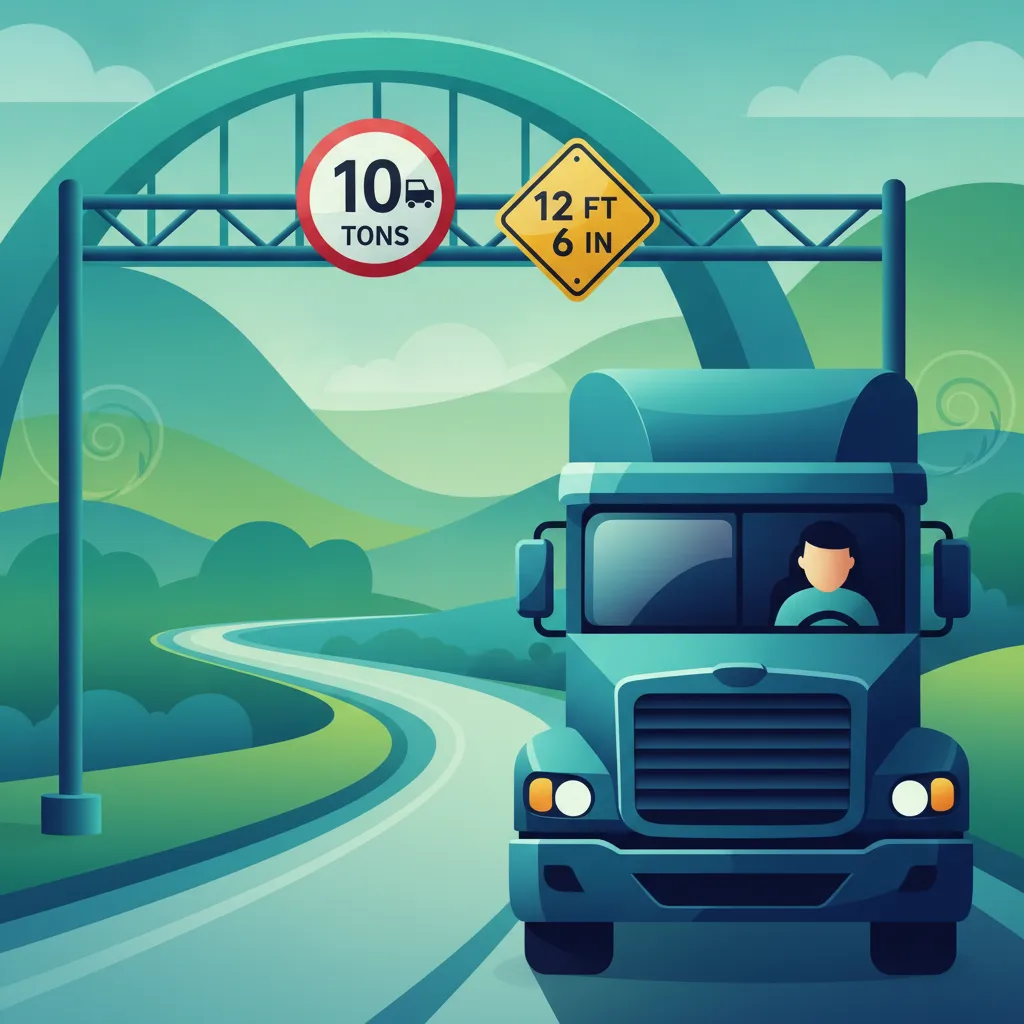
This lesson provides a detailed focus on the specific road signs that directly affect drivers of large goods vehicles. You will learn to accurately interpret mandatory signs for weight, height, and width restrictions, as well as signs indicating lane usage and prohibited routes. Understanding these signs is not optional; it is a legal requirement for avoiding fines, preventing accidents, and ensuring the safe passage of your vehicle through the road network.

This lesson focuses on the specific rules and best practices for driving HGVs on motorways in Great Britain. It covers mandatory speed limits for goods vehicles, lane discipline including restrictions on using the outside lane, and procedures for safely joining and leaving the motorway. The lesson also includes up-to-date information on driving on smart motorways, including understanding the signs and using emergency refuge areas correctly.
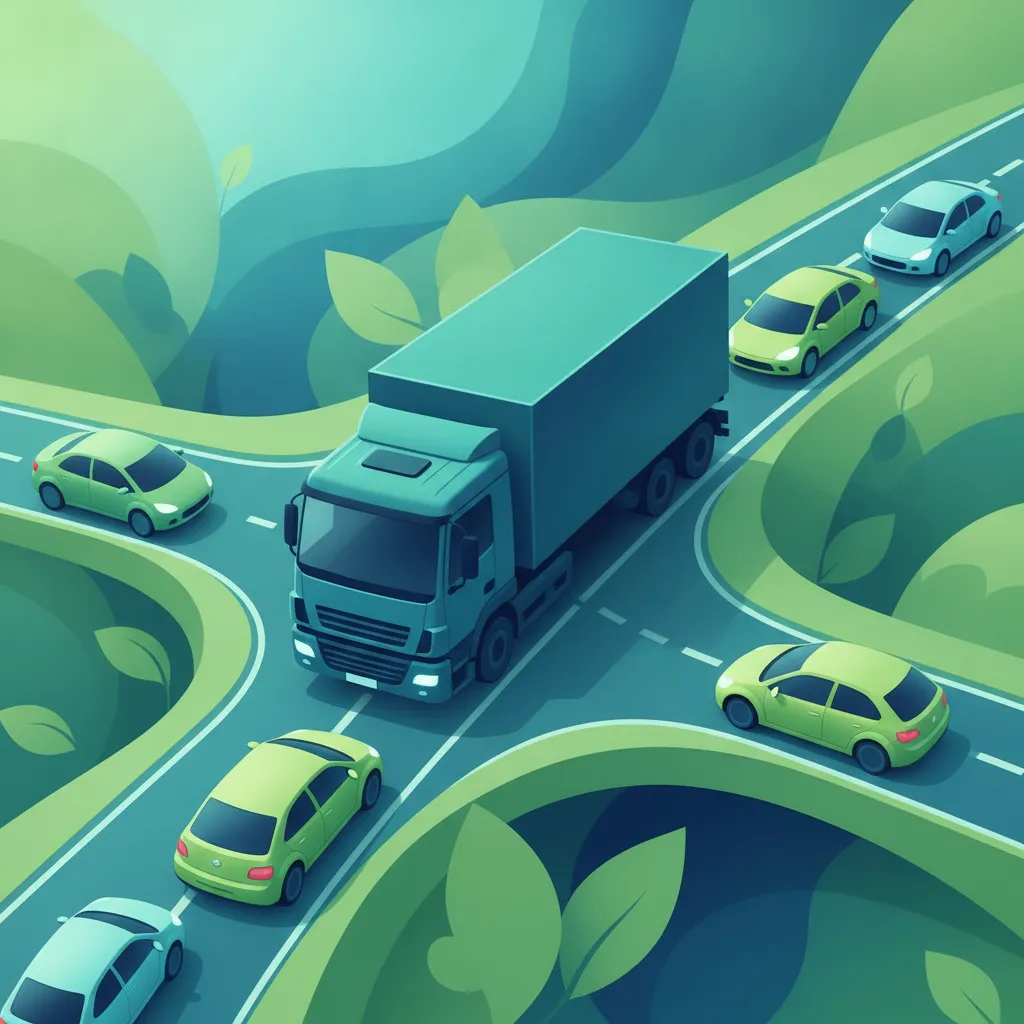
This lesson analyzes the significant impact that large goods vehicles have on overall traffic flow, particularly in congested urban areas and on narrow roads. It discusses how their size can contribute to lane blockages, reduced overtaking opportunities, and bottlenecks at junctions. Learners will study strategies to minimize these effects, such as careful lane selection, maintaining steady speeds, and allowing adequate space, to promote safer and more efficient traffic movement for everyone.

This lesson focuses on the importance of excellent lane discipline for drivers of large vehicles. It details the rules and best practices for lane selection on motorways and dual carriageways, emphasizing the need to stay in the appropriate lane and signal intentions early. Correct positioning within a lane to maximize safety margins and visibility, especially around vulnerable road users, is a key focus for maintaining professional driving standards.
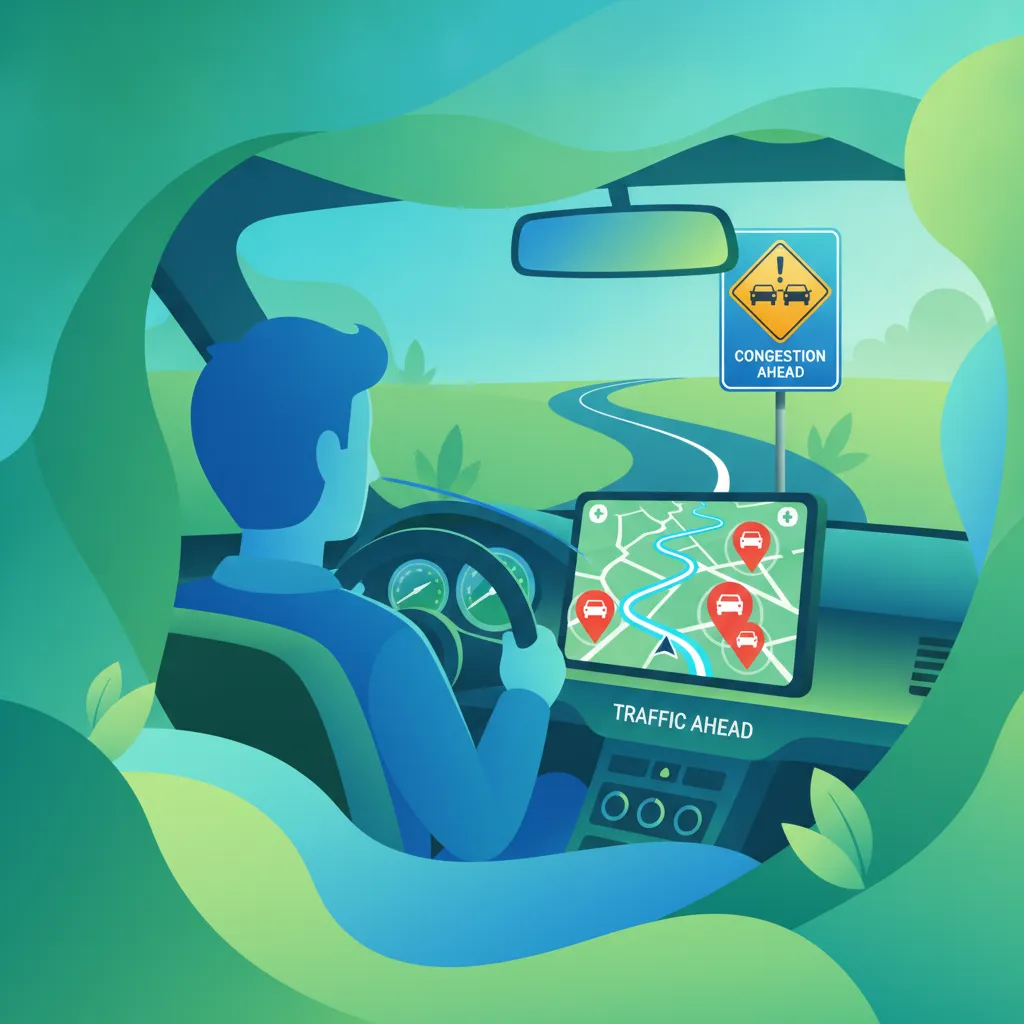
This lesson explores the effective use of modern digital navigation tools, including GPS systems and mobile apps tailored for HGVs. It explains how to leverage real-time traffic data, congestion alerts, and dynamic re-routing to adapt to changing road conditions. Importantly, it also emphasizes the need to use this technology safely, cross-referencing information with road signs and maintaining situational awareness to avoid distractions while driving.
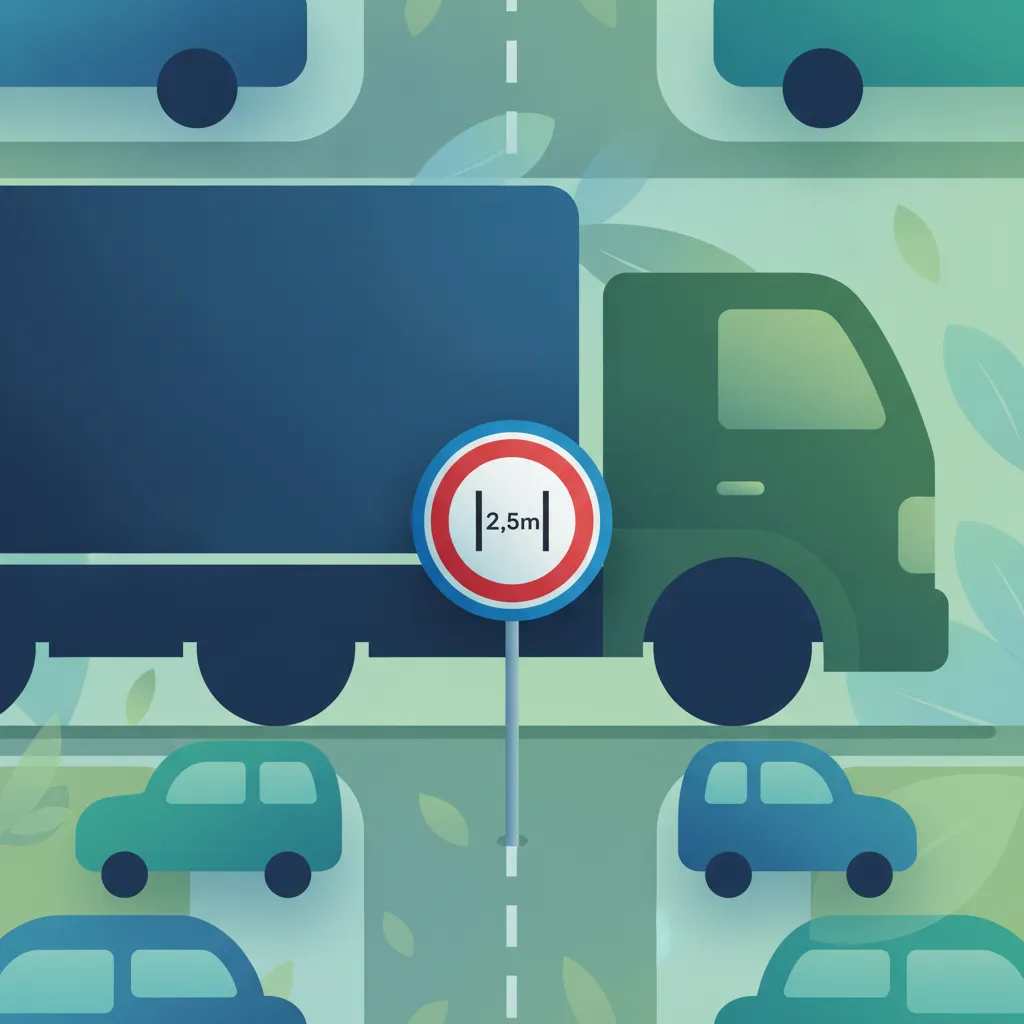
This lesson offers a deep dive into the specific regulations concerning weight, width, and axle load restrictions for goods vehicles. It covers how to read and comply with the associated road signs to avoid overloading weak bridges and entering restricted areas. Learners will understand the importance of correct load assessment and the serious penalties for non-compliance, which are enforced through DVSA roadside inspections and weighbridges.
This lesson provides guidance on how to safely and compliantly navigate through roadworks, which are a common feature of the road network. It covers the interpretation of temporary signs, strict adherence to reduced speed limits, and how to maneuver through narrow lanes and contraflow systems. The paramount importance of protecting road workers by driving with extra care and attention is a central theme of this lesson.
This lesson addresses the unique challenges of operating a large goods vehicle in congested urban and city environments. It focuses on techniques for navigating narrow streets, making tight turns, and safely accessing delivery points while being highly aware of vulnerable road users like pedestrians and cyclists. The importance of exceptional observation, low-speed control, and clear communication with other road users is heavily emphasized to minimize risk in these complex settings.
Master eco-driving techniques for heavy goods vehicles to improve fuel efficiency, reduce emissions like NOₓ and PM, and minimise noise pollution. Understand your environmental responsibilities as a professional driver.
This lesson addresses the growing number of environmental access restrictions in urban areas, such as Low Emission Zones (LEZ), Ultra Low Emission Zones (ULEZ), and congestion charging. Learners will understand the vehicle emission standards (Euro standards) required for entry and how to check their vehicle's compliance. It covers the practicalities of planning routes that account for these zones to avoid significant financial penalties and support cleaner air initiatives.
This lesson analyzes the significant impact that large goods vehicles have on overall traffic flow, particularly in congested urban areas and on narrow roads. It discusses how their size can contribute to lane blockages, reduced overtaking opportunities, and bottlenecks at junctions. Learners will study strategies to minimize these effects, such as careful lane selection, maintaining steady speeds, and allowing adequate space, to promote safer and more efficient traffic movement for everyone.
This lesson teaches a structured approach to effective route planning, a critical skill for any professional driver. It covers the use of specialized HGV navigation software and traditional maps to account for vehicle dimensions, weight limits, low bridges, and delivery time constraints. The goal is to create routes that are not only the most efficient in terms of time and fuel but are also safe, legal, and responsive to potential disruptions like roadworks or traffic.
This lesson addresses the unique challenges of operating a large goods vehicle in congested urban and city environments. It focuses on techniques for navigating narrow streets, making tight turns, and safely accessing delivery points while being highly aware of vulnerable road users like pedestrians and cyclists. The importance of exceptional observation, low-speed control, and clear communication with other road users is heavily emphasized to minimize risk in these complex settings.
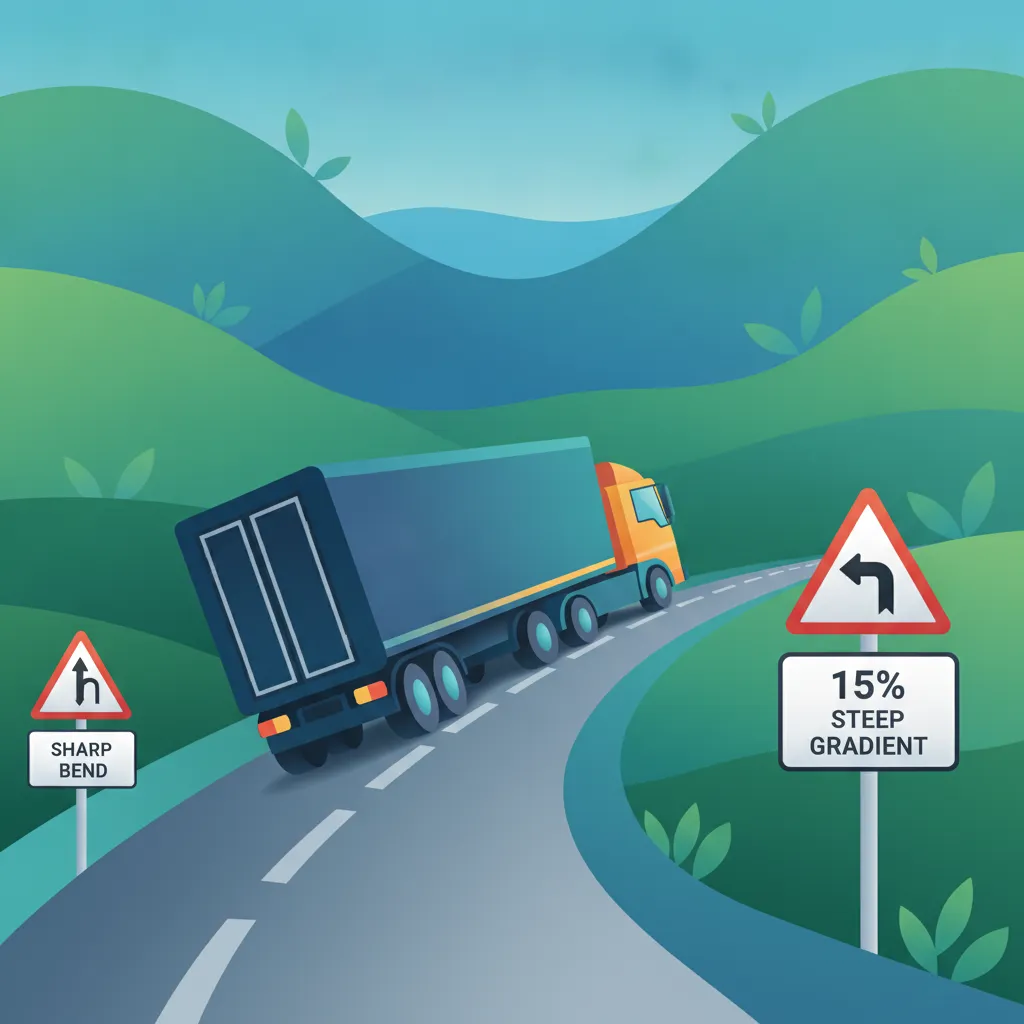
This lesson focuses on the principles of effective speed management for heavy goods vehicles, which extends beyond simply obeying the statutory speed limits. It covers how to adapt speed based on vehicle weight, load stability, road gradients, and prevailing traffic and weather conditions. You will also learn about the function of mandatory speed limiters and how intelligent use of speed and cruise control can significantly improve fuel efficiency and safety.
This lesson focuses on the specific rules and best practices for driving HGVs on motorways in Great Britain. It covers mandatory speed limits for goods vehicles, lane discipline including restrictions on using the outside lane, and procedures for safely joining and leaving the motorway. The lesson also includes up-to-date information on driving on smart motorways, including understanding the signs and using emergency refuge areas correctly.

This lesson synthesizes safety concepts into a proactive strategy for collision avoidance. It teaches the principles of defensive driving, which involves anticipating potential hazards created by other road users or road conditions and planning an escape route. Maintaining high levels of situational awareness, managing distractions, and leaving a significant safety margin around the vehicle are presented as fundamental techniques for minimizing risk on every journey.
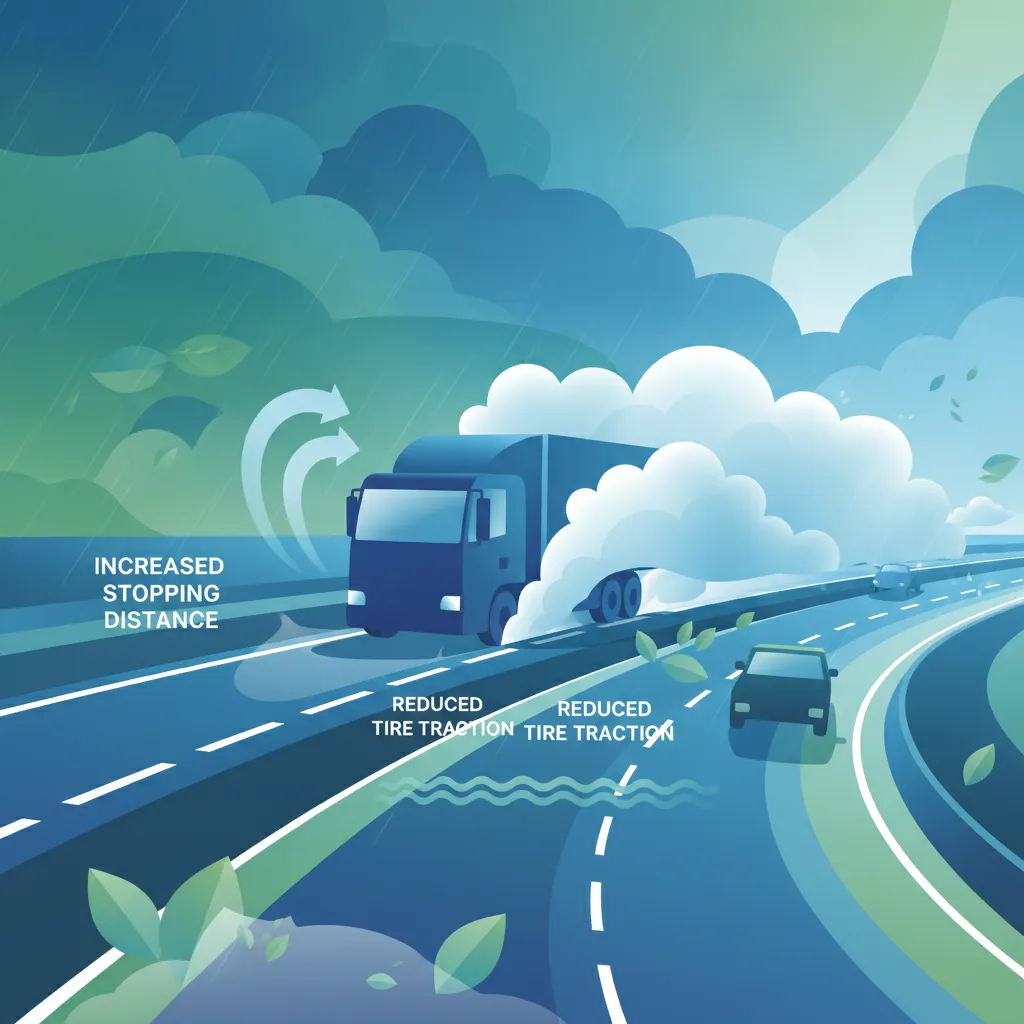
This lesson details how different adverse weather conditions uniquely affect the handling and stability of a heavy goods vehicle. It covers the increased stopping distances in rain, reduced visibility in fog, severe traction loss on ice, and the dangerous effect of strong crosswinds on high-sided vehicles. You will learn specific techniques for adjusting speed, increasing following distances, and using vehicle controls smoothly to maintain safety in challenging weather.

This lesson reinforces the vital safety rule of maintaining an adequate following distance from the vehicle ahead. It explains why the standard 'two-second rule' must be extended for heavy vehicles, especially in poor weather or when heavily laden, to account for longer stopping distances. You will learn practical methods for judging a safe gap in various traffic situations, creating a crucial safety buffer to react to unforeseen hazards.

This lesson addresses the serious danger of driver fatigue, a major cause of incidents involving commercial vehicles. It details the complex EU and GB domestic rules on drivers' hours, including driving limits and required rest periods. Learners will be taught to recognize the physical and mental signs of fatigue and understand the importance of taking quality rest to maintain alertness and ensure their own safety and that of others.
Find clear answers to common questions learners have about Environmental and Community Impact. Learn how the lesson is structured, which driving theory objectives it supports, and how it fits into the overall learning path of units and curriculum progression in Great Britain. These explanations help you understand key concepts, lesson flow, and exam focused study goals.
Unnecessary idling wastes fuel, increases carbon emissions, and creates localized noise and air pollution. For your theory test, remember that reducing idling is a core component of eco-driving and professional conduct.
No, rules vary by specific city or local authority. You must always check current signage and regional guidance before entering, as failing to comply with local emission requirements can lead to significant financial penalties.
Smooth acceleration, timely gear changes, and maintaining a steady speed significantly reduce fuel consumption and exhaust emissions. These habits are essential for efficient HGV operation and appear frequently in exam scenarios.
Heavy vehicles can generate significant noise, which is especially disruptive in residential areas or at night. Professional drivers are expected to minimize this through considerate route planning and avoiding restricted areas whenever possible.
Dive into our comprehensive question bank to find exactly what you need for your Great Britain theory test. Use our advanced filters to pinpoint specific subjects or test your knowledge on challenging areas, ensuring you're fully prepared for success.