
This lesson provides a critical look at the mandatory and warning signs specifically designed for large goods vehicles in Great Britain. By understanding these regulatory markers, you will be able to plan safer routes, avoid hazardous roads, and comply with the specific legal requirements for Category C drivers.
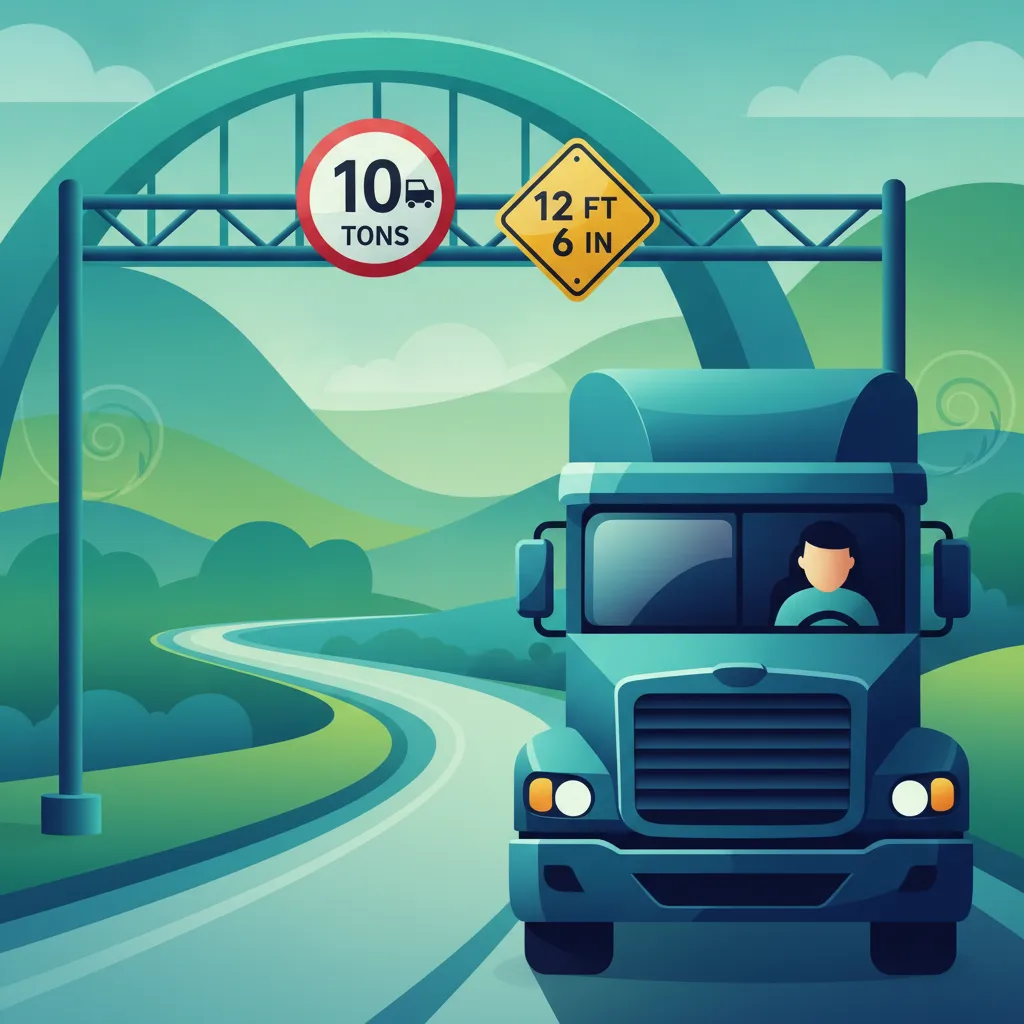
Lesson content overview
Driving a Large Goods Vehicle (LGV) in Great Britain demands a comprehensive understanding of specific road signs that go beyond those encountered by car drivers. These signs are crucial for ensuring the safety of all road users, protecting vital infrastructure, and maintaining efficient traffic flow. This lesson provides a detailed guide to interpreting and complying with road signs that directly impact Category C licence holders.
Navigating the road network with a large vehicle involves unique challenges related to dimensions, weight, and manoeuvrability. Road signs provide legally binding instructions and warnings, helping LGV drivers make informed decisions to avoid dangerous situations, costly fines, and damage to their vehicle or public infrastructure. Adherence to these signs is not merely a recommendation; it is a statutory requirement for all professional drivers.
Road signs in Great Britain fall into several general categories: regulatory, warning, and informational. For Large Goods Vehicle drivers, many of these signs carry specific implications due to the size, weight, and operational characteristics of their vehicles. Regulatory signs, often circular with red borders or blue backgrounds, indicate mandatory actions or prohibitions. Warning signs, typically triangular with red borders, alert drivers to potential hazards. Informational signs, usually rectangular, provide guidance on routes, destinations, and amenities.
For LGV drivers, the interpretation of these signs must always be considered in the context of their vehicle's specific dimensions, gross vehicle weight (GVW), and axle loads. Misinterpreting or ignoring a sign can have severe consequences, ranging from fines and penalty points to vehicle damage, infrastructure collapse, or serious accidents.
Road infrastructure, such as bridges, tunnels, and narrow roads, has specific physical limits. Dimension restriction signs are regulatory warnings designed to prevent vehicles from attempting to pass through spaces they cannot safely clear. These signs are particularly vital for LGV drivers who operate vehicles significantly larger than standard cars.
Height restriction signs indicate the maximum vertical clearance available. Exceeding this limit can result in serious collisions with overhead structures, causing extensive damage to the vehicle and infrastructure, and posing a risk to other road users.
Drivers must accurately know their vehicle's total height, including any load, and always compare it to the signposted restriction. This is critical, as load extensions, even minor ones, can push a vehicle over a limit that the cab alone would clear. Always factor in a safety margin, as road surfaces or vehicle suspension can vary.
Always measure your vehicle's total height, including any load, before setting off. If you are unsure, do not proceed under a restricted clearance.
Width restriction signs specify the maximum lateral dimension a vehicle can have to safely pass through a designated area. These are common in urban areas, narrow passages, or near specific structures.
Similar to height, drivers must be aware of their vehicle's exact width, including mirrors and any protruding loads. Navigating a narrow gap can be challenging, especially with long trailers, requiring precise control and awareness of the vehicle's extremities. Failure to observe width limits can lead to scraping against walls, other vehicles, or damaging property.
While less common than height or width signs, length restrictions may apply to certain routes, particularly winding rural roads or complex urban junctions. These signs indicate the maximum overall length permissible for a vehicle or combination.
Such restrictions aim to prevent longer vehicles from obstructing traffic flow, making turns too wide, or blocking intersections. When planning a route, LGV drivers should check for any length restrictions that might necessitate an alternative.
Roads and bridges are designed to withstand specific loads. Large Goods Vehicles, by their nature, exert significant weight on these structures. Weight and axle load restriction signs are paramount for protecting infrastructure from damage and ensuring the structural integrity of bridges, culverts, and road surfaces.
Total weight limit signs indicate the maximum Gross Vehicle Weight (GVW) allowed to proceed. This is the combined weight of the vehicle and its entire load.
Crossing a bridge or using a road segment that is not designed for your vehicle's GVW can lead to immediate structural damage or long-term fatigue, potentially causing catastrophic failure. Drivers must accurately know their laden vehicle's GVW before embarking on a journey and plan routes accordingly.
Axle load restriction signs specify the maximum weight that can be supported by a single axle or a group of axles. These are crucial because the stress on a road surface or bridge is not just about total weight, but also how that weight is distributed across the vehicle's footprint.
An overloaded axle, even on a vehicle within its overall GVW limit, can cause localized damage to bridges and road surfaces. Drivers must understand their vehicle's axle configuration and load distribution to comply with these restrictions. It's not uncommon for drivers to need to adjust loads or take alternative routes if specific axle loads exceed a signposted limit.
On multi-lane roads and motorways, specific signs are often used to manage traffic flow by directing or restricting certain vehicle types to particular lanes. These signs are crucial for segregating LGVs from smaller, faster-moving traffic, improving safety, and reducing congestion.
Mandatory lane usage signs for Heavy Goods Vehicles dictate that LGVs must use the lane indicated. These are typically blue circular signs with white symbols.
These signs are designed to keep heavy vehicles in lanes appropriate for their speed and manoeuvrability, especially on motorways where LGVs are generally restricted from using the outermost overtaking lane. Non-compliance can lead to fines and obstruct traffic.
Conversely, some signs prohibit LGVs from using certain lanes. This is often seen in city centres, at specific junctions, or during peak hours to ease congestion or protect road surfaces.
Drivers must always be vigilant for these signs, as using a prohibited lane can result in fines and disrupt the intended traffic management plan. Always merge into an allowed lane well in advance of the restriction.
Certain roads or areas are deemed unsuitable for Heavy Goods Vehicles due to their design, environmental concerns, or the presence of vulnerable road users. Access exclusion signs are regulatory, prohibiting LGVs from entering specific routes.
The "No Heavy Goods Vehicles" sign is one of the most common access exclusion signs. It prohibits all goods vehicles above a certain unladen weight (typically 7.5 tonnes) from using the indicated road.
These signs are frequently found on residential streets, environmentally sensitive areas, or roads not built to withstand heavy traffic. Drivers must plan alternative routes that are suitable for their vehicle's size and weight. Ignoring these signs can lead to fines, damage to residential roads, and increased risk to pedestrians and cyclists.
Some "No Heavy Goods Vehicle" signs may be accompanied by supplementary plates indicating specific hours or days when the restriction applies. This allows for deliveries or access outside peak times.
It is crucial for drivers to note these timeframes and schedule their routes accordingly. Entering a restricted zone outside the permitted hours can still incur penalties.
Beyond general dimension and weight limits, some signs address specific challenges related to the type of load an LGV might carry or unique road conditions.
Signs indicating overhead wire clearance are critical for vehicles carrying exceptionally tall loads or those with equipment that extends upwards, such as cranes.
The blueprint describes "Illustration of a cable with a descending arrow." While not a prohibitory circle sign, it warns drivers that their high loads must not come into contact with overhead infrastructure. Drivers must confirm their load height against any indicated clearance, especially when carrying unusual or oversized cargo. Contact with overhead wires can result in power outages, serious accidents, and electrocution risks.
Certain routes, particularly those with narrow clearances, historic structures, or low bridges, may explicitly prohibit oversized loads. These signs serve as a final warning for vehicles whose dimensions exceed standard limits.
If carrying an abnormal or oversized load, drivers must have obtained special permits and planned their route meticulously, adhering strictly to any designated routes and avoiding areas with such prohibitions.
Variable Message Signs (VMS), also known as matrix signs, are electronic road signs capable of displaying real-time information and restrictions. For LGV drivers, VMS are an invaluable tool for dynamic route adjustments and compliance with temporary regulations.
VMS can display critical information such as temporary height or weight restrictions, lane closures, diversion routes for heavy vehicles, or warnings about severe congestion ahead.
Compliance with VMS instructions is mandatory and legally enforceable under Regulation 84 of the Highway Code. Drivers must constantly monitor these signs, especially on motorways and major routes, and be prepared to alter their speed, lane choice, or entire route based on the information provided. Ignoring a VMS can lead to fines, dangerous situations, and traffic disruption.
Bridges and other elevated structures often have specific rules governing the types and weights of vehicles allowed to cross them. These are typically reinforced with specific signs beyond general weight limits.
Some bridges may have signs indicating a "Maximum Number of Axles" allowed. This restriction is critical for managing the distribution of weight over the bridge's span, preventing concentrated stress points.
Even if a vehicle's GVW and individual axle loads are within limits, exceeding the permitted number of axles could still damage a bridge designed for a different load distribution. This is particularly relevant for vehicle combinations with multiple trailers or unusually long wheelbase configurations.
During maintenance or repair work, the physical clearance of a bridge or tunnel might be temporarily reduced. Special signs will be displayed to warn drivers.
When you encounter a 'Bridge clearance reduced' sign, it is essential to stop safely and re-evaluate your vehicle's height against the new, temporary limit. Do not assume previous knowledge of the bridge applies.
Drivers must not proceed without confirming their vehicle can safely pass, even if they have previously cleared the structure. This may involve stopping and physically measuring the clearance if necessary.
All road signs, particularly regulatory and prohibitory signs, have legal authority under the Highway Code in Great Britain. Non-compliance by LGV drivers carries significant penalties, reflecting the increased risks associated with larger, heavier vehicles.
Here is a summary of key rules and their legal implications for Category C licence holders:
Rule 1: Adhere to Height Restrictions (Highway Code Reg. 130).
Rule 2: Observe Weight and Axle Load Limits (Highway Code Reg. 99).
Rule 3: Use Designated HGV Lanes (Highway Code Reg. 72).
Rule 4: Do Not Enter "No HGV" Routes (Highway Code Reg. 132).
Rule 5: Comply with VMS Instructions (Highway Code Reg. 84).
Rule 6: Respect Oversize Load Prohibitions (Highway Code Reg. 130).
Rule 7: Follow "Maximum Number of Axles" Bridge Signs (Highway Code Reg. 99).
The enforcement of these regulations is strict. DVSA (Driver and Vehicle Standards Agency) and police forces routinely conduct checks on vehicle dimensions and weights. Technological advancements, such as automatic number plate recognition (ANPR) and weigh-in-motion sensors, also aid in identifying non-compliant vehicles.
Non-compliance can lead to substantial fines, penalty points, and in severe cases, even the revocation of your Category C licence or prosecution. Always verify local penalty details.
Proactive compliance with LGV-specific road signs is an essential aspect of professional driving. It requires a combination of preparation, awareness, and responsive decision-making.
Mastering the interpretation and adherence to road signs specific to Large Goods Vehicles is a cornerstone of professional driving for Category C licence holders in Great Britain.
By consistently applying these principles, LGV drivers contribute to the safety and efficiency of the road network for everyone, while also protecting their own livelihood and vehicle.
Explore all units and lessons included in this driving theory course.
Lesson content overview
Explore all units and lessons included in this driving theory course.
Explore search topics learners often look for when studying Road Signs Specific to Large Vehicles. These topics reflect common questions about road rules, driving situations, safety guidance, and lesson level theory preparation for learners in Great Britain.
Browse additional driving theory lessons that cover connected traffic rules, road signs, and common driving situations related to this topic. Improve your understanding of how different rules interact across everyday traffic scenarios.
Learn about 'No Heavy Goods Vehicle' signs and time-based access restrictions. Essential for Category C drivers to avoid penalties and navigate UK roads legally. Covers signs relevant to Great Britain.
This lesson provides guidance on how to safely and compliantly navigate through roadworks, which are a common feature of the road network. It covers the interpretation of temporary signs, strict adherence to reduced speed limits, and how to maneuver through narrow lanes and contraflow systems. The paramount importance of protecting road workers by driving with extra care and attention is a central theme of this lesson.
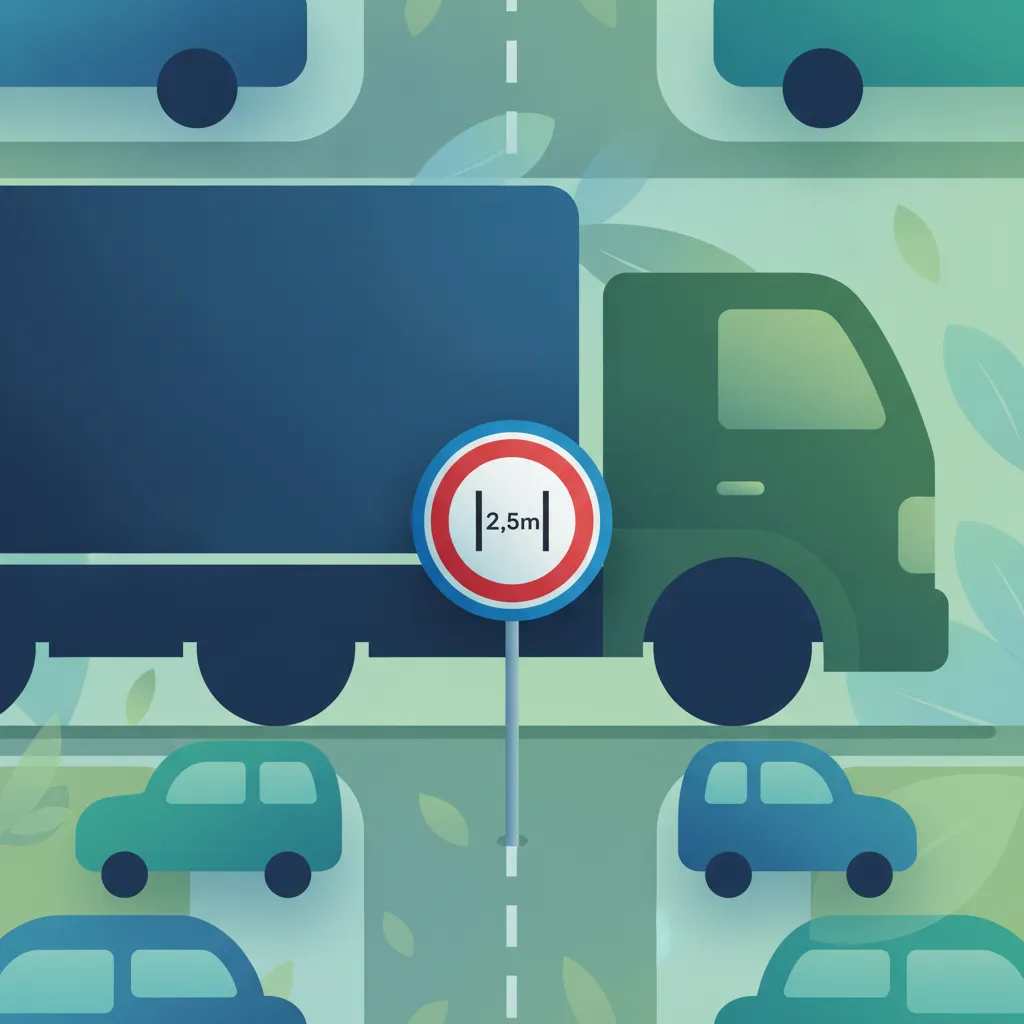
This lesson offers a deep dive into the specific regulations concerning weight, width, and axle load restrictions for goods vehicles. It covers how to read and comply with the associated road signs to avoid overloading weak bridges and entering restricted areas. Learners will understand the importance of correct load assessment and the serious penalties for non-compliance, which are enforced through DVSA roadside inspections and weighbridges.

This lesson focuses on the specific rules and best practices for driving HGVs on motorways in Great Britain. It covers mandatory speed limits for goods vehicles, lane discipline including restrictions on using the outside lane, and procedures for safely joining and leaving the motorway. The lesson also includes up-to-date information on driving on smart motorways, including understanding the signs and using emergency refuge areas correctly.

This lesson explains how to drive safely through areas where roadworks are taking place. It stresses the importance of obeying all temporary signs, especially mandatory speed limits, which are in place for your safety and the safety of road workers. You will learn about navigating narrow lanes, contraflow systems, and how to follow official diversion signs.
This lesson covers the full range of road signs encountered by passenger vehicle drivers, focusing on regulatory, warning, and informational signs. It explains the visual characteristics of sign shapes, colors, and symbols, particularly those associated with bus lane usage and priority rules. By mastering sign hierarchy and meaning, drivers can quickly interpret the sign's intent and adjust their driving behaviour accordingly, ensuring full compliance with the Highway Code and enhancing road safety.
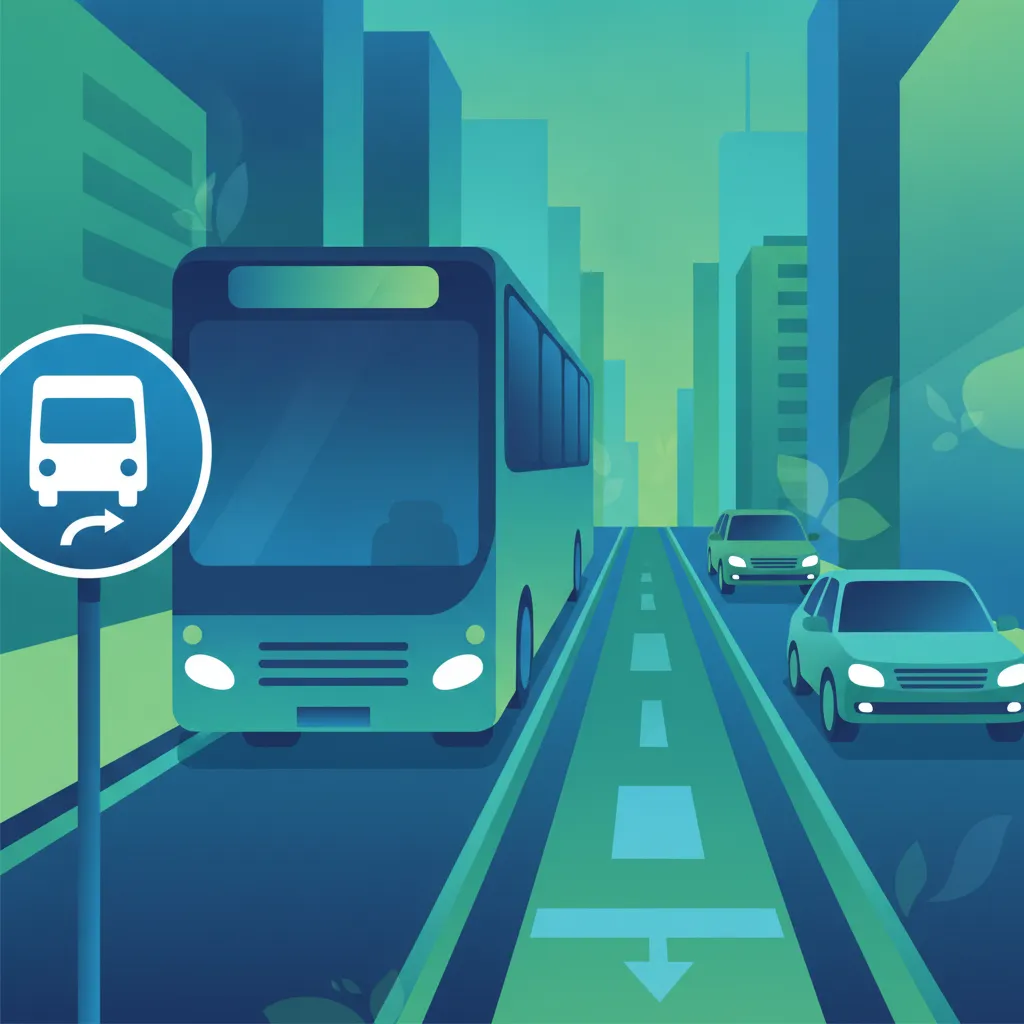
This lesson examines the unique rules and restrictions governing buses and coaches, focusing on bus lane priority, time-based restrictions, and loading zone limitations. Learners will explore the criteria for using bus-only routes and understand the legal consequences of non-compliance. The content also reviews signage indicating bus gate operation and areas where passenger vehicles are prohibited from stopping or loading outside of designated zones, ensuring lawful and efficient urban navigation.
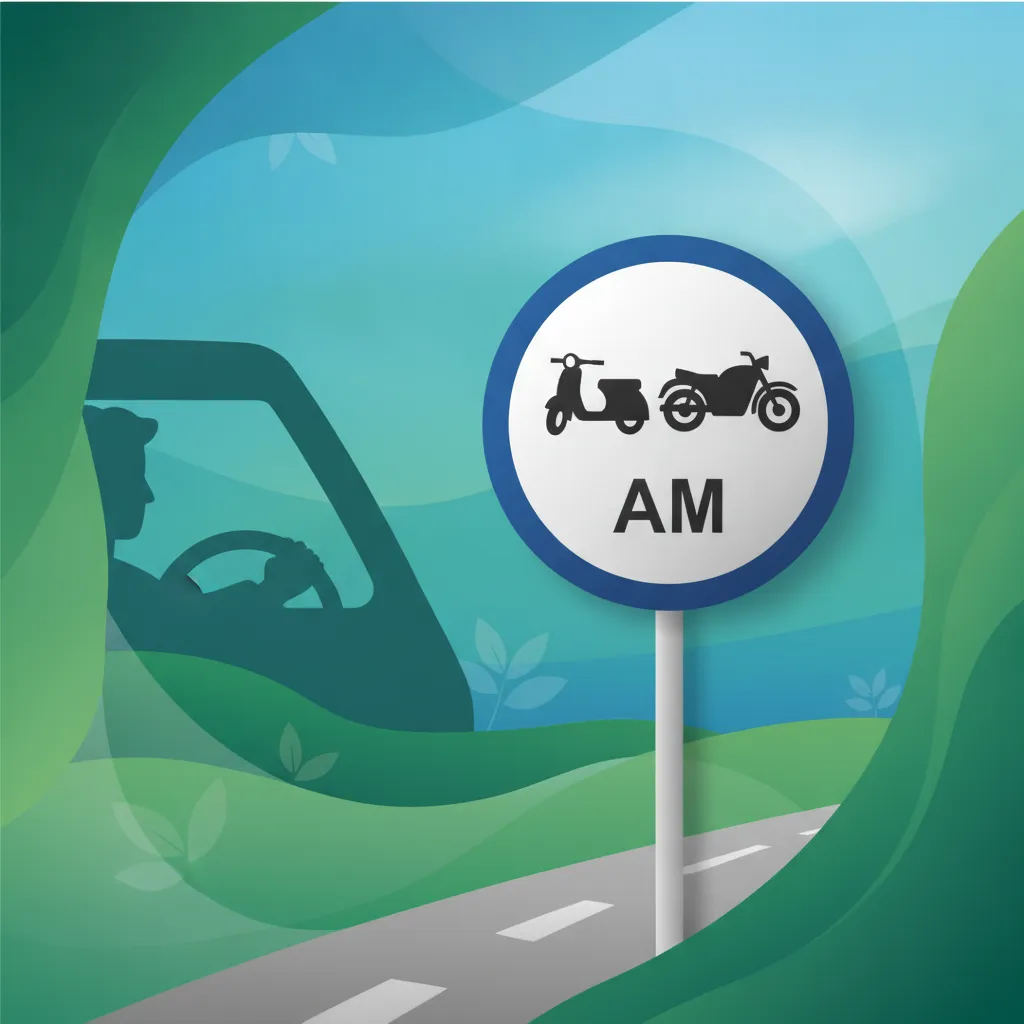
This lesson focuses on regulatory road signs, which convey legally enforceable instructions that all road users must follow. You will learn to identify and understand signs dictating speed limits, prohibited actions like 'no entry' or 'no overtaking', and mandatory directions at junctions. The content explains the distinct shapes and colours used for these signs, ensuring you can comply with their instructions correctly and avoid penalties while riding your AM vehicle.
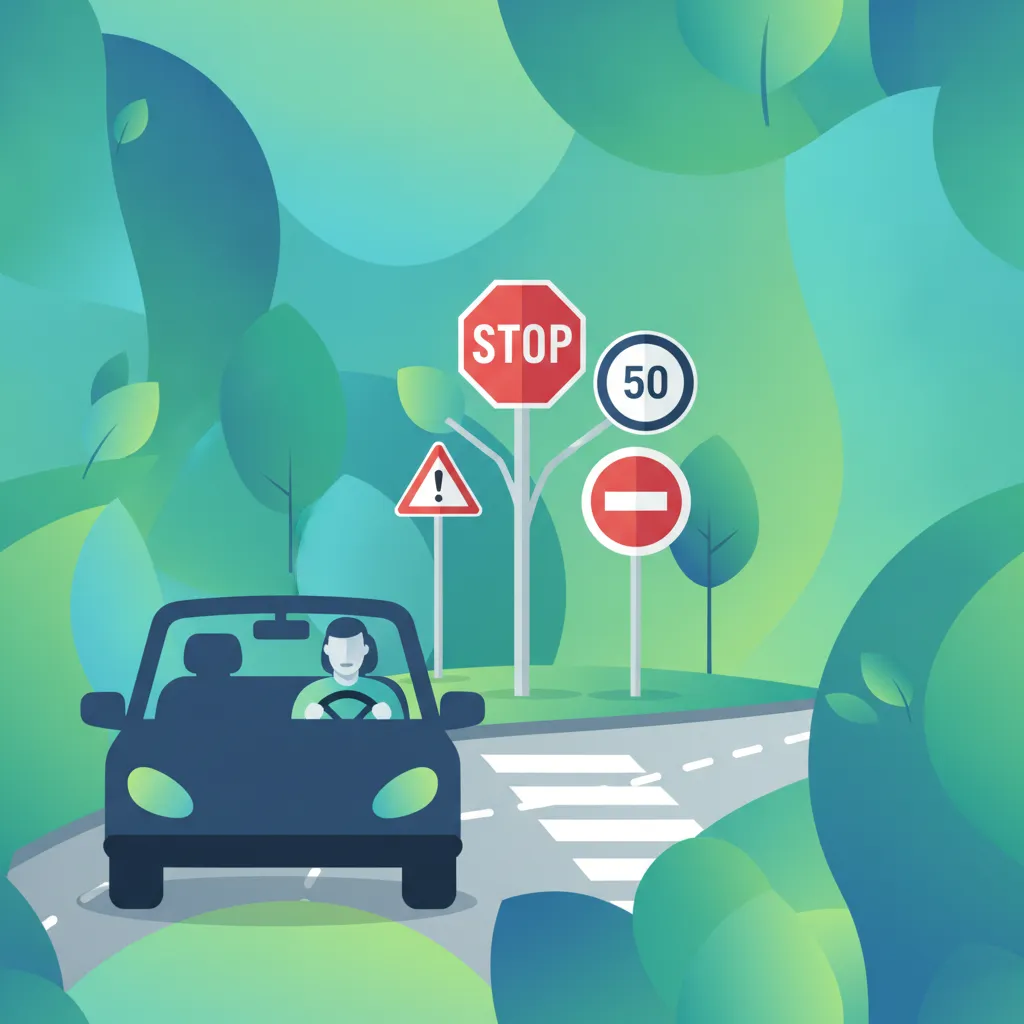
This lesson focuses on regulatory signs, which are legally enforceable and must be obeyed. It explains the difference between prohibitory signs, such as 'No Entry' or speed limits, and mandatory signs, like 'Turn Left'. Understanding the design and meaning of these signs is fundamental to safe and lawful driving in the UK.

This lesson addresses the growing number of environmental access restrictions in urban areas, such as Low Emission Zones (LEZ), Ultra Low Emission Zones (ULEZ), and congestion charging. Learners will understand the vehicle emission standards (Euro standards) required for entry and how to check their vehicle's compliance. It covers the practicalities of planning routes that account for these zones to avoid significant financial penalties and support cleaner air initiatives.

This lesson teaches you to interpret warning signs, which are typically triangular with a red border. These signs are crucial for anticipating potential dangers, from changes in road layout to the presence of pedestrians or animals. By understanding these warnings, you can adjust your driving to safely navigate upcoming hazards.
Master road signs for height, width, and length limits, plus total vehicle and axle weight restrictions. Crucial theory knowledge for Category C drivers to protect infrastructure and avoid fines in Great Britain.
This lesson offers a deep dive into the specific regulations concerning weight, width, and axle load restrictions for goods vehicles. It covers how to read and comply with the associated road signs to avoid overloading weak bridges and entering restricted areas. Learners will understand the importance of correct load assessment and the serious penalties for non-compliance, which are enforced through DVSA roadside inspections and weighbridges.
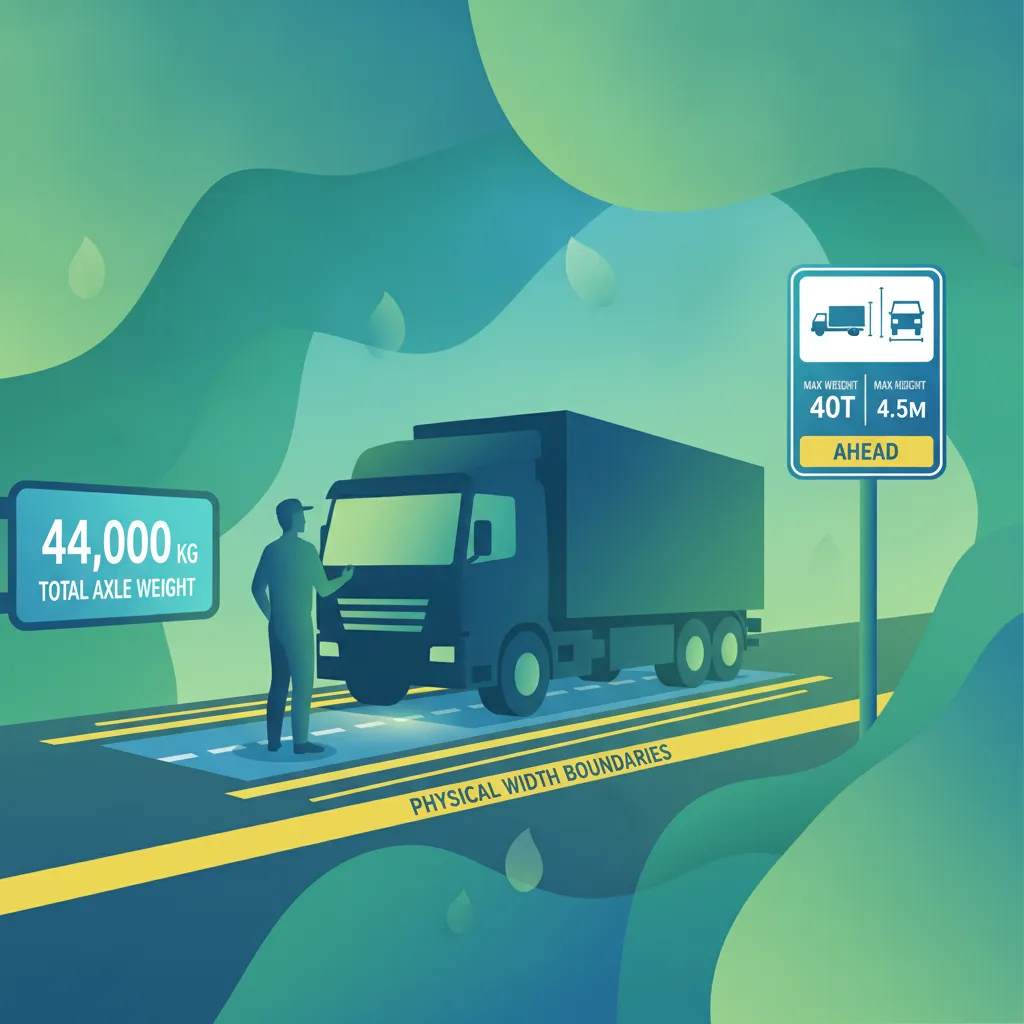
This lesson introduces the statutory limits governing the dimensions and mass of goods vehicles in Great Britain, including gross vehicle weight and individual axle loads. It explains how to calculate a vehicle's loaded weight to ensure it remains within legal parameters, preventing penalties and safety risks. Understanding these regulations is crucial for preventing damage to road infrastructure and ensuring the vehicle's stability and safe operation on every journey.

This lesson explores how a passenger vehicle’s physical dimensions and weight influence its dynamic stability, handling, and manoeuvring capabilities. It covers the impact of length, width, wheelbase, and turning radius on cornering and route choice. The content also examines centre of gravity, load distribution, and the effects of inertia that influence braking and acceleration, which are essential concepts for safe operation in confined urban environments and at tight junctions.

This lesson analyzes the significant impact that large goods vehicles have on overall traffic flow, particularly in congested urban areas and on narrow roads. It discusses how their size can contribute to lane blockages, reduced overtaking opportunities, and bottlenecks at junctions. Learners will study strategies to minimize these effects, such as careful lane selection, maintaining steady speeds, and allowing adequate space, to promote safer and more efficient traffic movement for everyone.

This lesson addresses the serious danger of driver fatigue, a major cause of incidents involving commercial vehicles. It details the complex EU and GB domestic rules on drivers' hours, including driving limits and required rest periods. Learners will be taught to recognize the physical and mental signs of fatigue and understand the importance of taking quality rest to maintain alertness and ensure their own safety and that of others.

This lesson covers the principles of safe loading to prevent items from shifting or falling and causing a hazard. It explains that any load must be securely fastened and must not obstruct your view. You will also learn how overloading or distributing weight incorrectly can dangerously affect the vehicle's steering, braking, and overall stability.
This lesson focuses on the specific rules and best practices for driving HGVs on motorways in Great Britain. It covers mandatory speed limits for goods vehicles, lane discipline including restrictions on using the outside lane, and procedures for safely joining and leaving the motorway. The lesson also includes up-to-date information on driving on smart motorways, including understanding the signs and using emergency refuge areas correctly.
This lesson provides guidance on how to safely and compliantly navigate through roadworks, which are a common feature of the road network. It covers the interpretation of temporary signs, strict adherence to reduced speed limits, and how to maneuver through narrow lanes and contraflow systems. The paramount importance of protecting road workers by driving with extra care and attention is a central theme of this lesson.
This lesson examines the unique rules and restrictions governing buses and coaches, focusing on bus lane priority, time-based restrictions, and loading zone limitations. Learners will explore the criteria for using bus-only routes and understand the legal consequences of non-compliance. The content also reviews signage indicating bus gate operation and areas where passenger vehicles are prohibited from stopping or loading outside of designated zones, ensuring lawful and efficient urban navigation.

This lesson explores how to maintain safe following distances specific to large passenger vehicles, accounting for their higher inertia and longer braking distances. It covers time-gap calculations, such as the four-second rule, and dynamic following distance adjustments based on speed and road conditions. Emphasis is placed on avoiding tailgating, ensuring a sufficient safety buffer is always present, and developing an awareness of convoy driving scenarios where multiple large vehicles are present.
Find clear answers to common questions learners have about Road Signs Specific to Large Vehicles. Learn how the lesson is structured, which driving theory objectives it supports, and how it fits into the overall learning path of units and curriculum progression in Great Britain. These explanations help you understand key concepts, lesson flow, and exam focused study goals.
Certain roads or structures, like older bridges or residential streets, may not be engineered to handle the stress caused by the significant mass of an HGV. These signs are mandatory to prevent structural damage and maintain safety for all road users.
You must always know the exact height of your vehicle, including any load. If a sign displays a height in metres, you must ensure your vehicle is comfortably below that limit, accounting for suspension movement or road surface irregularities.
Yes, urban areas with strict emission standards often have specific signage indicating the boundaries of Low Emission Zones. As a Category C driver, you must recognize these to ensure your vehicle meets the local access requirements.
Ignoring these signs is a traffic offence that can result in heavy fines, penalty points, and potential legal action if your vehicle causes damage or blocks a road. It also poses a serious safety risk to the public and your vehicle.
Dive into our comprehensive question bank to find exactly what you need for your Great Britain theory test. Use our advanced filters to pinpoint specific subjects or test your knowledge on challenging areas, ensuring you're fully prepared for success.